

Monthly Archives: August 2025
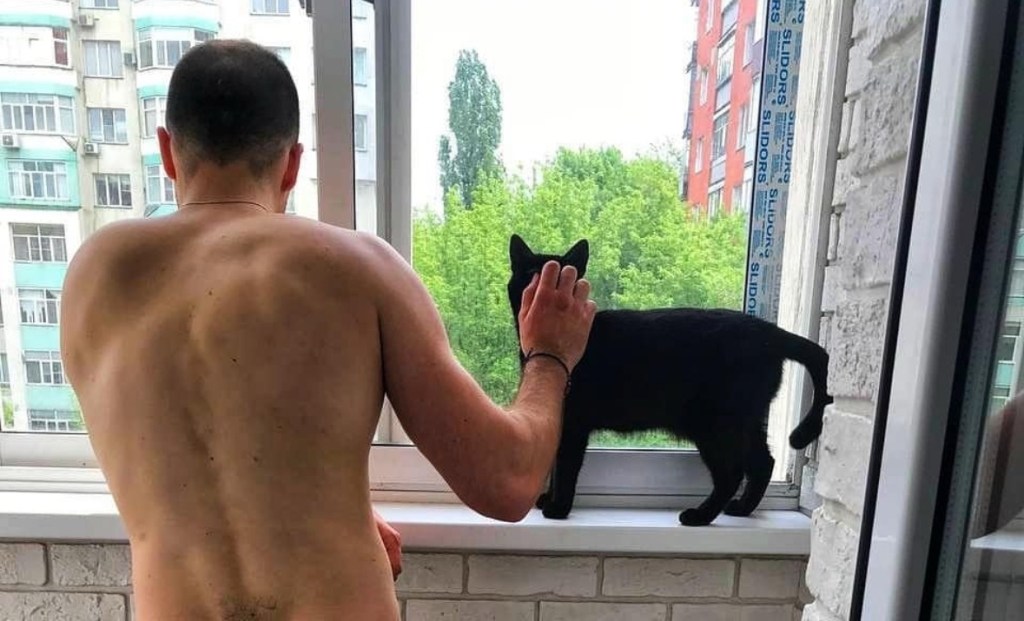
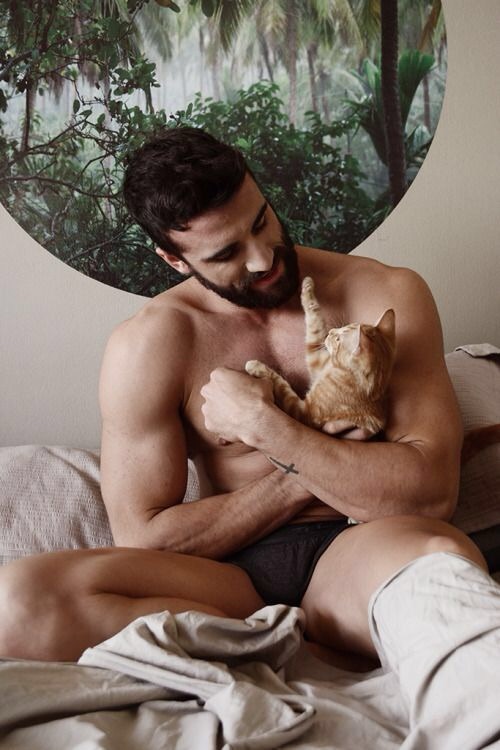
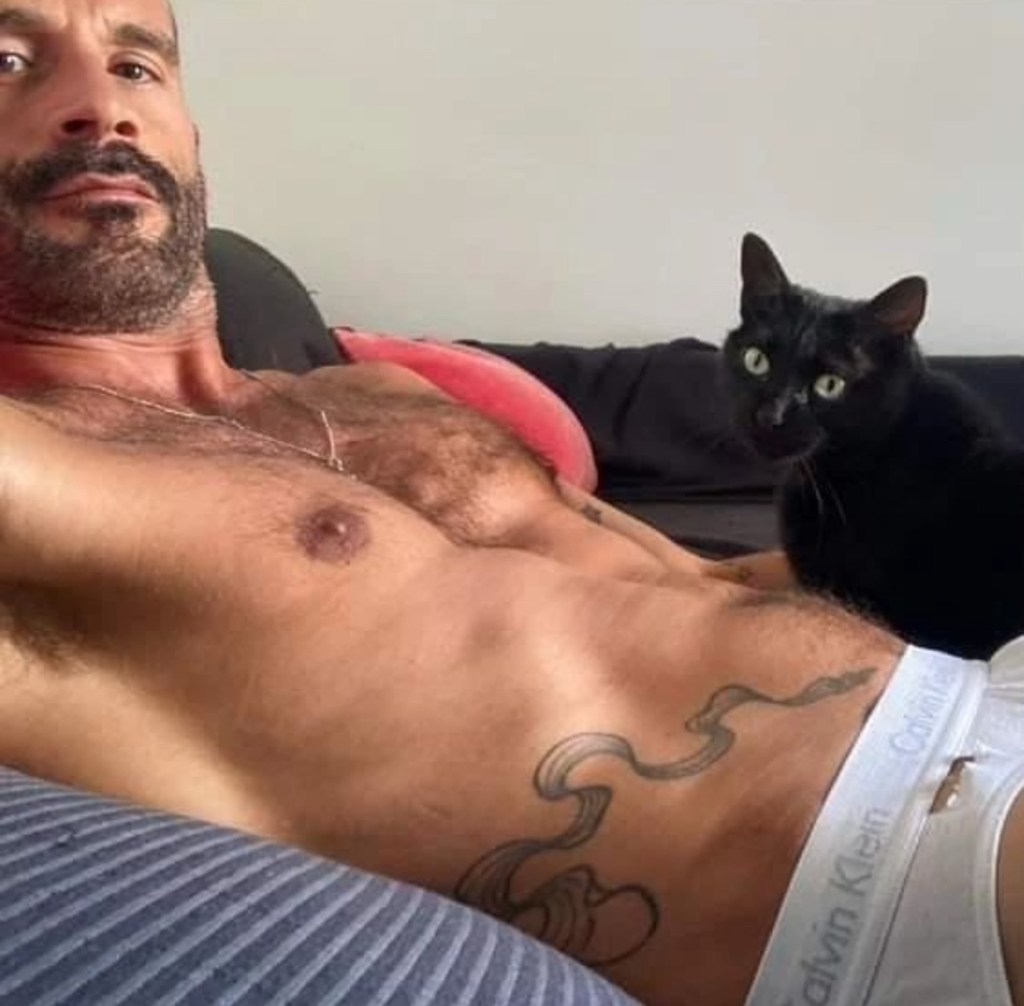
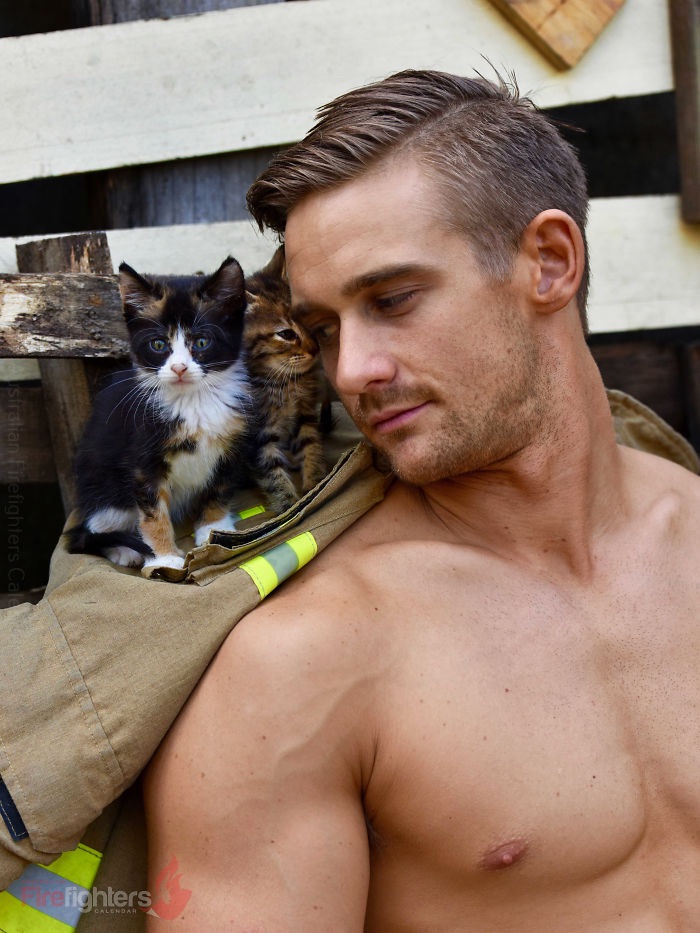
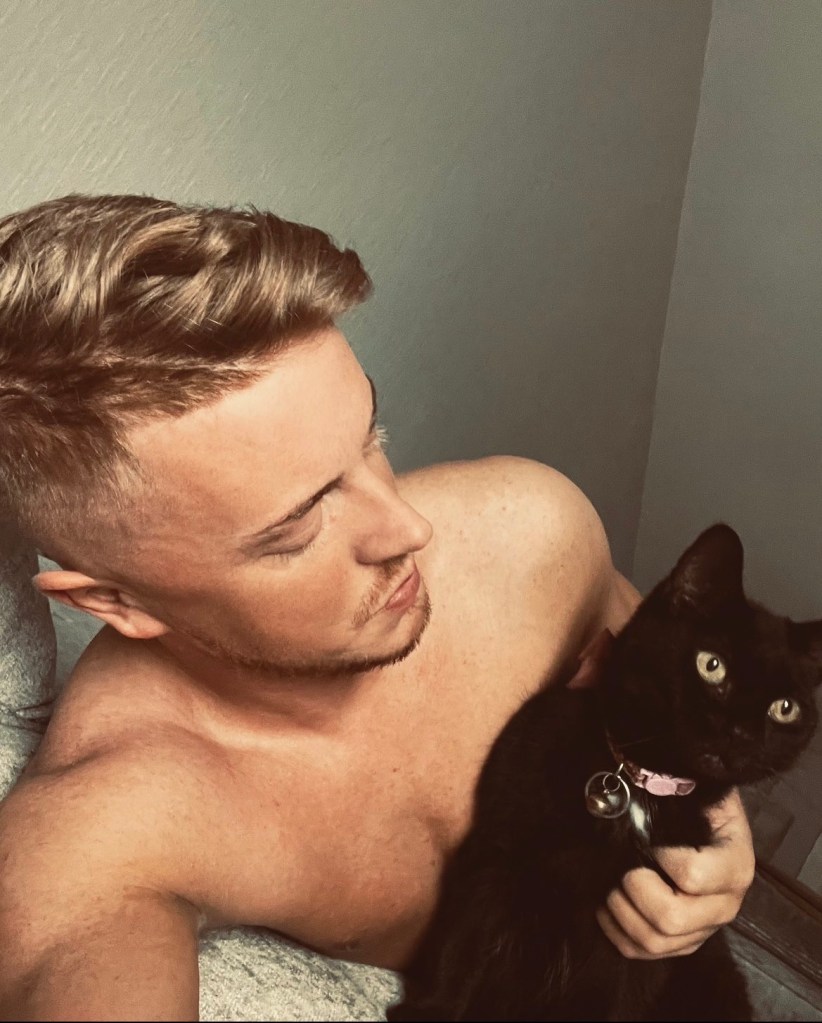
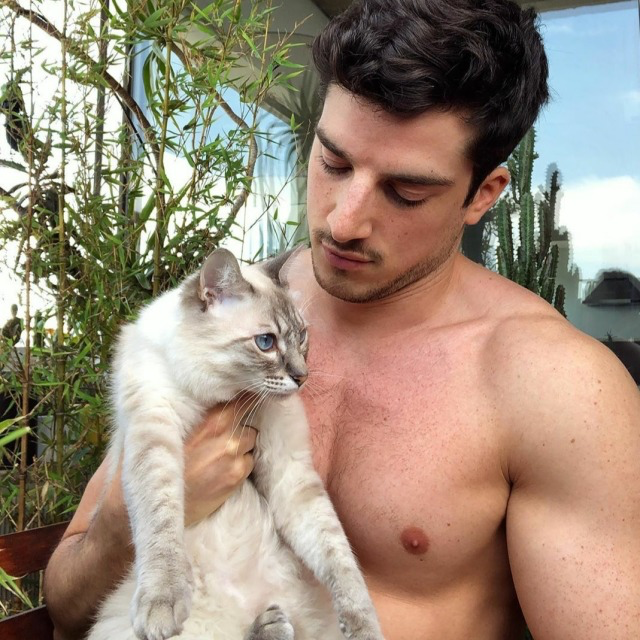
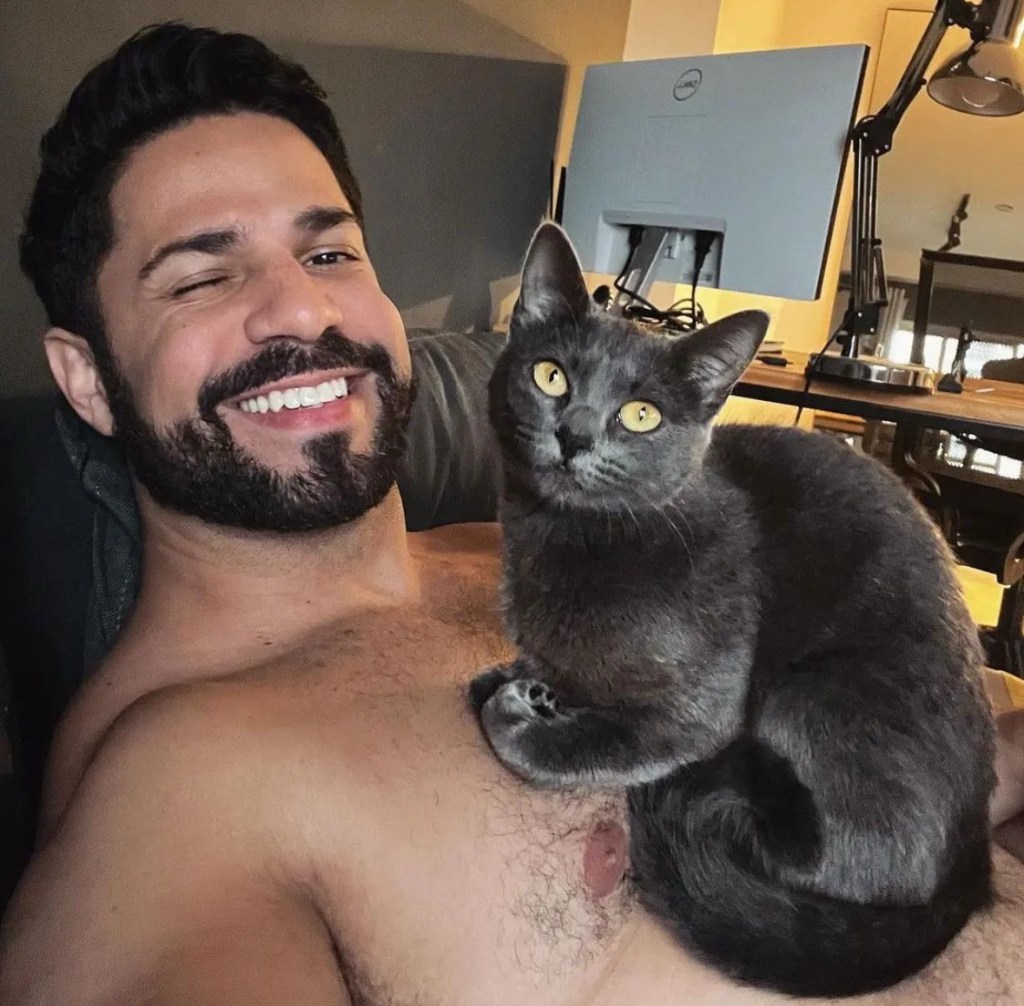
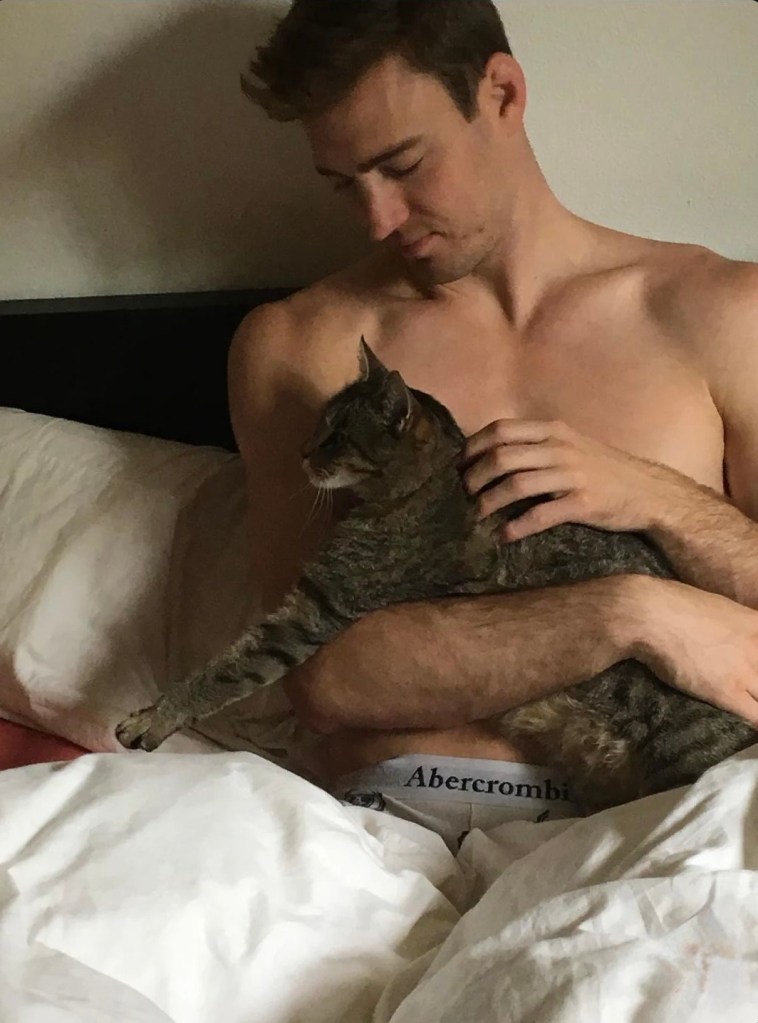
International Cat Day: A Tribute to My Faithful Companion

International Cat Day is celebrated every year on August 8th—a day set aside to honor our feline friends and raise awareness about the welfare of cats around the world. It was originally created in 2002 by the International Fund for Animal Welfare (IFAW) and is now promoted globally by a number of animal welfare organizations. The day encourages responsible pet ownership, support for shelters and rescue organizations, and, of course, a little extra love and attention for the cats who share our lives.
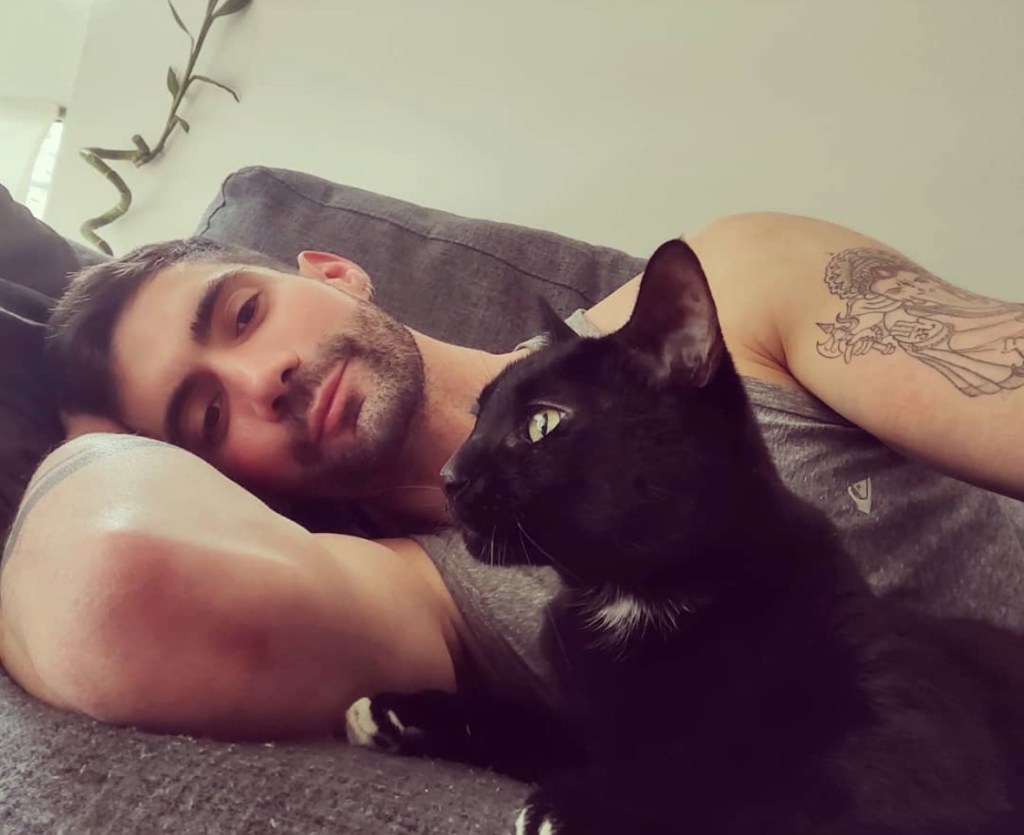
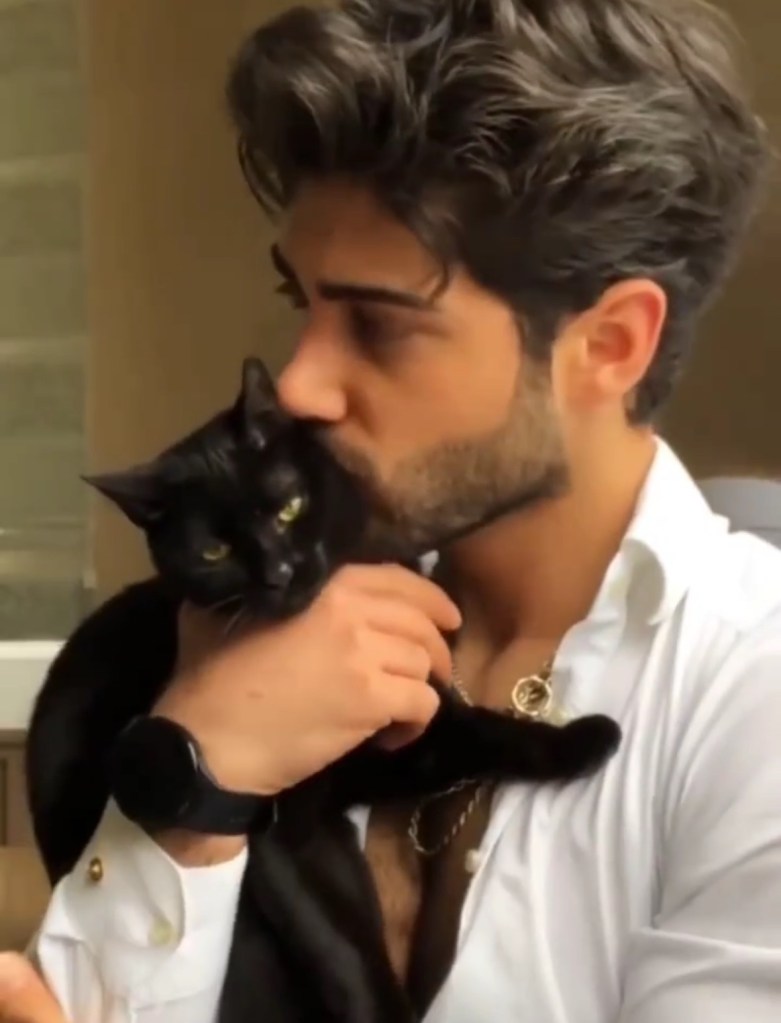
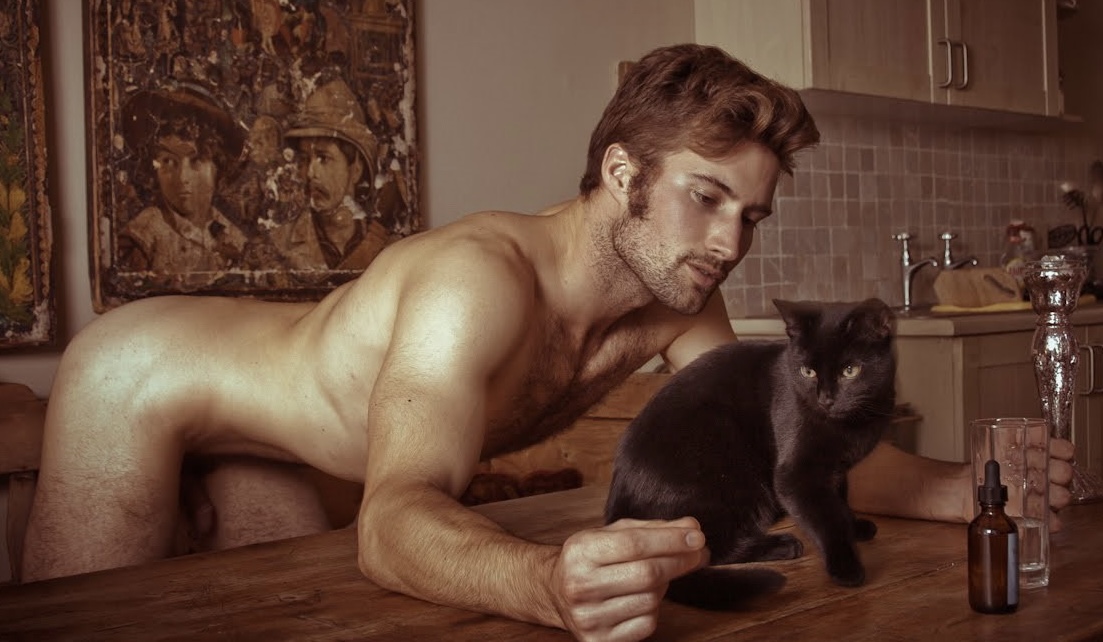
It’s also the perfect excuse (as if I ever need one) to shine the spotlight on Isabella. She’s been a part of my life since 2016, and in that time, she’s proven herself to be equal parts queen, comedian, and comforter. But during these past few weeks, as I’ve dealt with pain and limited mobility, she’s shown me just how deeply cats can sense when something isn’t right.
Normally, Isabella claims her favorite spot draped across my thigh, but lately, she’s been avoiding that area entirely. Instead, she’s taken to curling up on my chest, purring in a steady rhythm that feels like a balm to both body and spirit. She stays close, often stretched out nearby like a furry little sentinel, watching over me with her calm green eyes. Even when she’s sleeping in another room, she pads in at regular intervals to check on me—almost as if she’s clocking in for her nursing rounds.
Like Queen Alexandra making rounds during wartime or the Queen Mother comforting bomb victims during the Blitz, Isabella has stepped up in my time of need—furry crown and all.
Cats get an unfair reputation for being aloof, but Isabella is proof that they can be as loyal, attentive, and empathetic as any companion animal. On this International Cat Day, I’m grateful not just for her beauty or her quirks, but for the quiet, steady presence that has made these difficult days so much more bearable.
If you’re lucky enough to share your life with a cat, give them an extra scratch, treat, or cuddle today—they’ve probably done more for your well-being than you realize.

“Nurse Isabella reporting for duty. Vital signs: stable. Blanket: warm. Human: monitored.”

Finding a Rhythm Toward Recovery

I started physical therapy yesterday, and while I’m still dealing with quite a bit of pain, I’m hopeful for the first time in a while. The exercises they’ve given me seem to make a real difference—small movements, but with noticeable results. That feels like a very positive sign. I’m also finding that the medication I’m on is finally starting to help in a meaningful way.
For now, I’ve worked out a schedule that lets me stay productive during the day with only minimal pain, which is a huge relief. I’m not sleeping the mornings away anymore, but I am finally getting better rest at night. My routine still starts on the couch—it’s the only place I can reliably fall asleep—but once I’ve settled and my body has relaxed, I can shift to my bed and stay there through the night.
These little improvements give me hope that I’ll be able to return to work on Monday without too much trouble. One step at a time, but it’s progress—and I’ll take it.
Posing the Ideal: The Enduring Language of the Male Nude
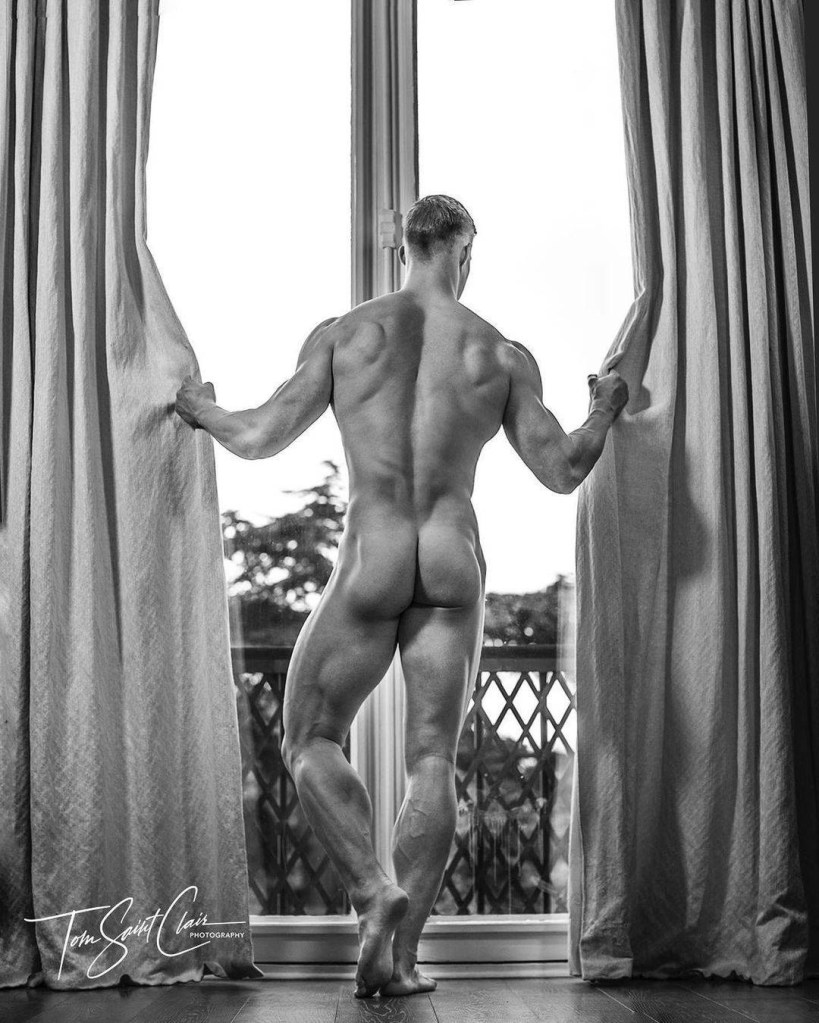
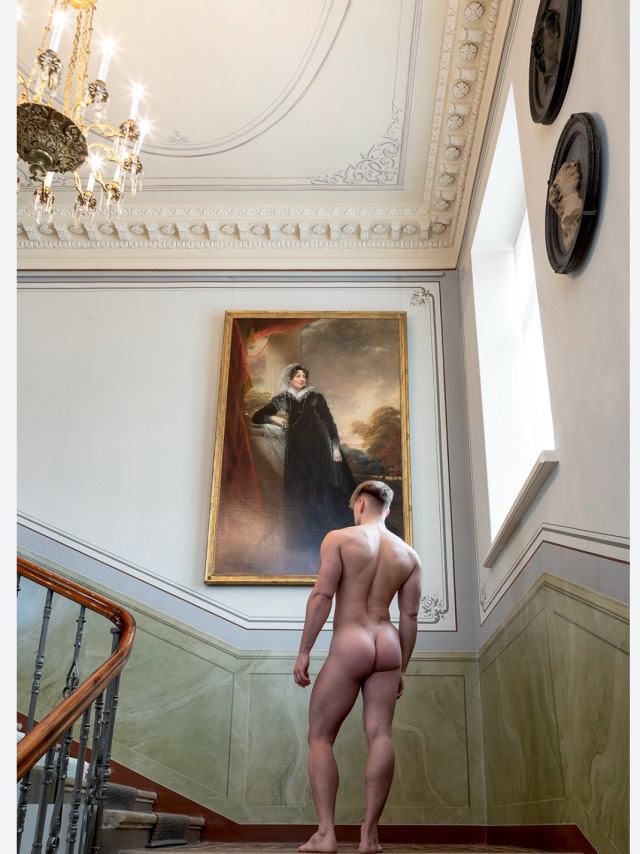
From the marble gods of antiquity to the chiaroscuro of contemporary fine art photography, the male nude has long served as a canvas for ideals—beauty, heroism, eroticism, even vulnerability. While fashions shift and aesthetics evolve, certain poses recur again and again across centuries, connecting ancient sculptors with modern photographers, and Renaissance artists with queer creators exploring body and identity. These poses are not random; they are visual codes, passed down like a secret language. Below are ten of the most iconic, from the classical to the contemporary.
Contrapposto — The Classical Stand
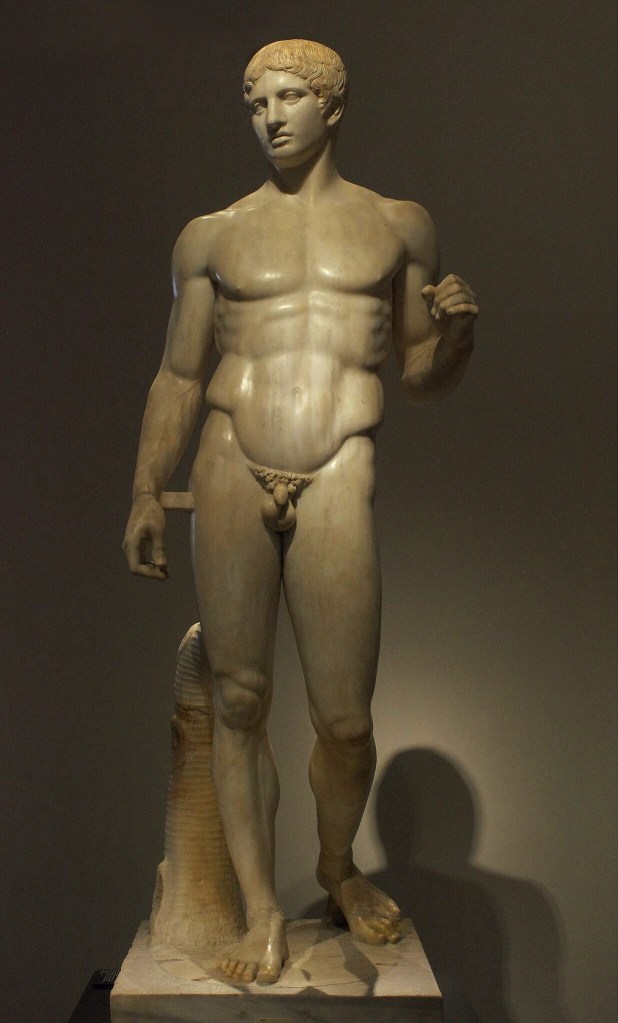
The contrapposto is perhaps the most recognizable pose in Western art. One leg bears weight while the other relaxes, creating a subtle S-curve in the spine and a naturalistic opposition of shoulders and hips. It suggests calm confidence, inner balance, and effortless beauty—a divine masculinity grounded in the human form. This pose remains a standard in fine art photography, particularly in black-and-white portraiture where tension and repose dance together in the frame.
The Heroic Nude
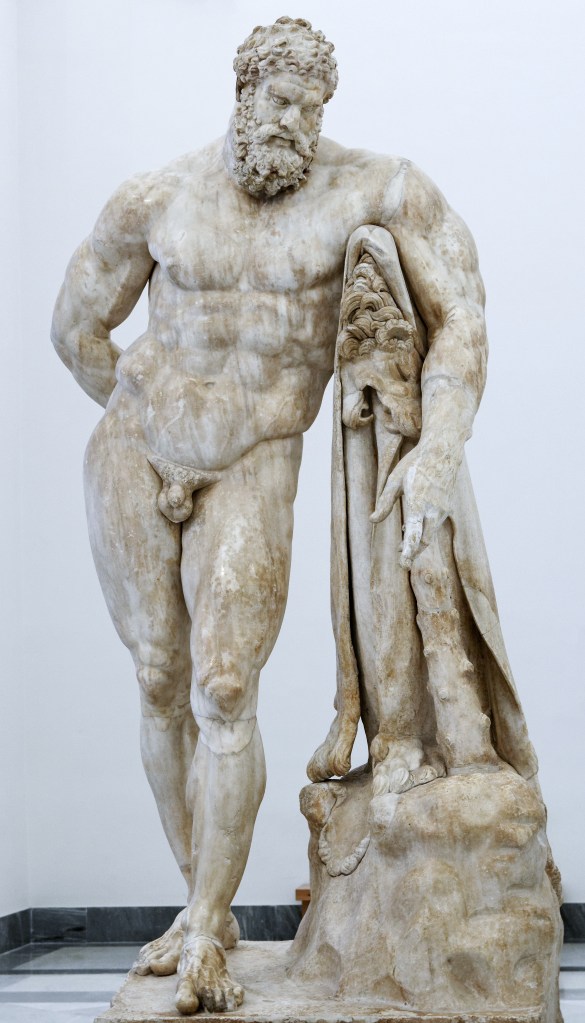
This pose stretches the body into exaggerated musculature—shoulders squared, stance wide, genitals often prominently displayed. In mythological sculptures and athletic statues, the heroic nude expressed power without armor, valor without shame. Modern echoes appear in Bruce Weber’s Calvin Klein ads or Tom of Finland’s hyper-masculine pinups, though with more erotic charge and often a wink of camp.
The Reclining Nude

Lying down, one arm behind the head, the other draped or trailing—the reclining male body exudes sensuality. Unlike the upright hero, the reclining nude invites the viewer in. It’s a pose of leisure, of trust, of soft exposure. In contemporary photography, it appears in the work of Robert Mapplethorpe and Herb Ritts, sometimes erotic, sometimes contemplative, but always intimate.
The Standing Frontal Nude
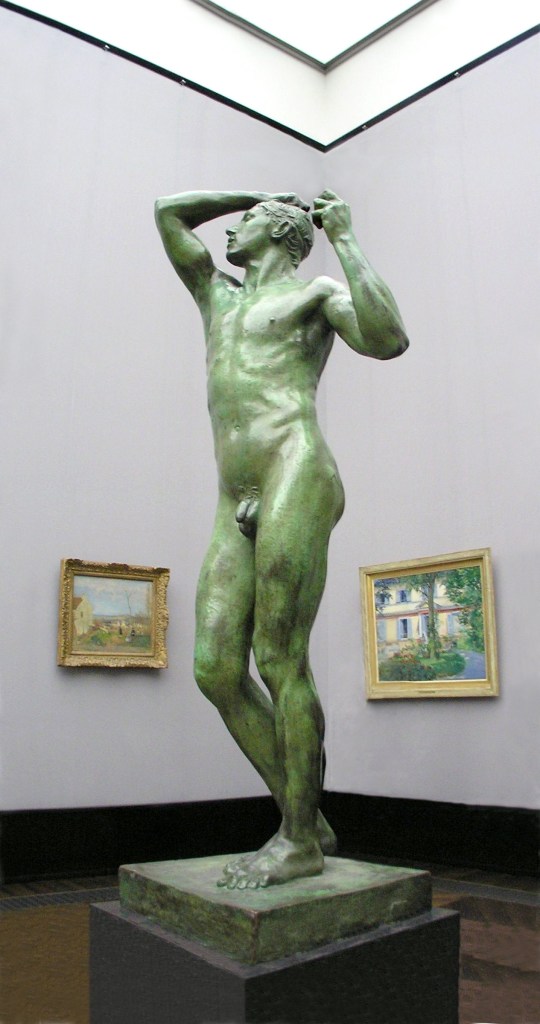
The fully frontal male nude remains one of the boldest artistic statements. It can convey power, but also deep vulnerability. With no turn of the hip or modest shadow, the body is presented in full—often rigid, symmetrical, and deliberately confronting the viewer. In photography, artists like George Platt Lynes and John Dugdale have used this pose to explore identity and embodiment with quiet boldness.
The Crouching Nude
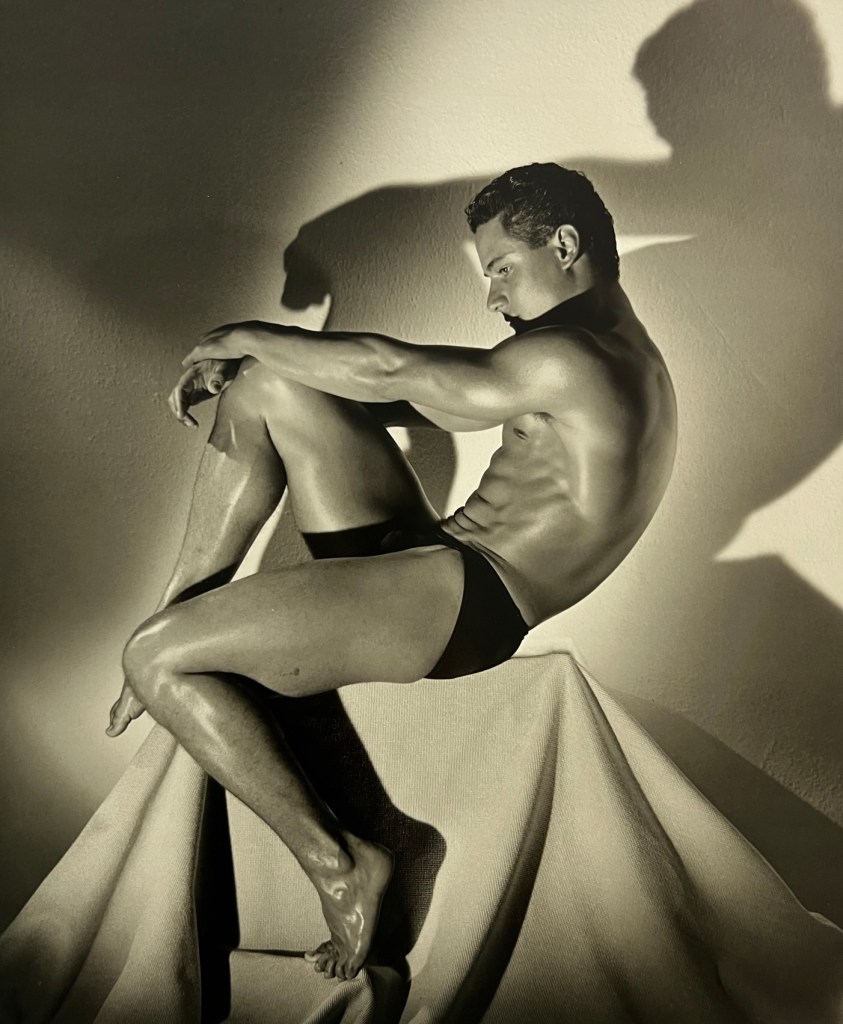
Though more common with female nudes, the crouching pose has become a staple in expressive male photography—knees drawn up, torso folded inward, arms wrapped across chest or thighs. It signals protection, introspection, or erotic containment. Contemporary artists like Omar Z. Robles or Ren Hang have used this pose to convey psychological intimacy, even fragility.
The Twisted Torso

Tension defines this pose—one limb pulled back, the torso twisted, spine coiled like a spring. It’s dynamic and dramatic, revealing musculature in full stretch and flex. In photographs, this pose dramatizes motion and often captures the male body mid-action—whether in dance, sport, or erotic tension. Think of dancer-turned-models in chiaroscuro-lit poses by photographers like Rick Day or Clive Barker.
The Averted Gaze
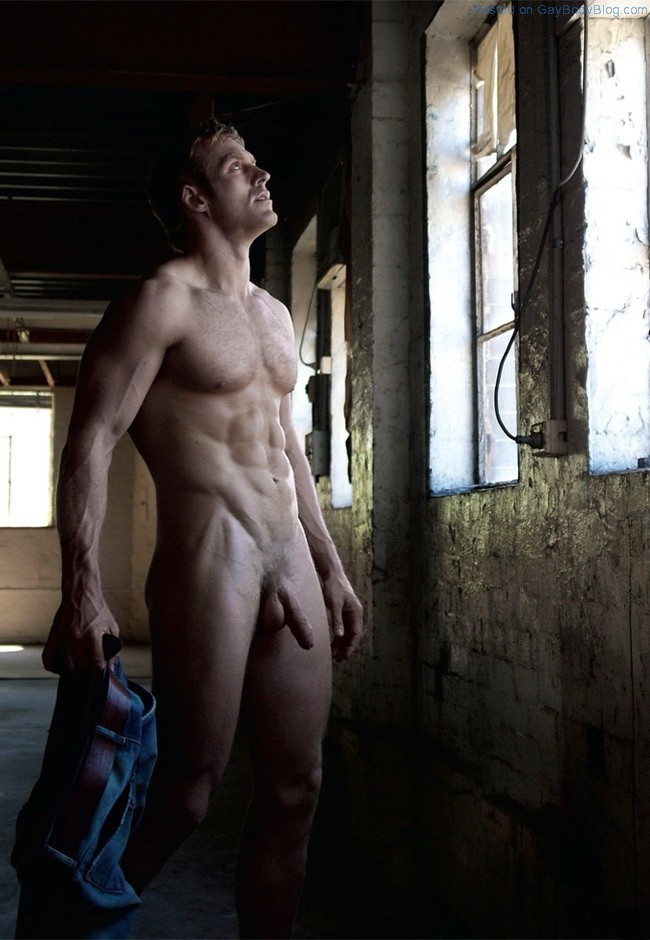
This pose isn’t about the body so much as the gaze—or lack thereof. The male nude who looks away, whether shy, lost in thought, or caught in reverie, offers something emotionally elusive. In modern portraits, the averted gaze disarms the viewer: the nude isn’t performing for us, but existing despite us. It’s a favorite in modern queer portraiture, from artists like Duane Michals or Paul Freeman.
Arm Over Head — The Display of Strength and Vulnerability

An arm raised behind the head lengthens the body, stretching the torso and exposing the armpit—an often-erotic gesture in male imagery. Saint Sebastian, often portrayed in this pose, became a queer icon through his sensual vulnerability. Today, this pose appears in both fitness photography and erotic art, especially where strength and submission intertwine.
Memento Mori — The Nude and Mortality
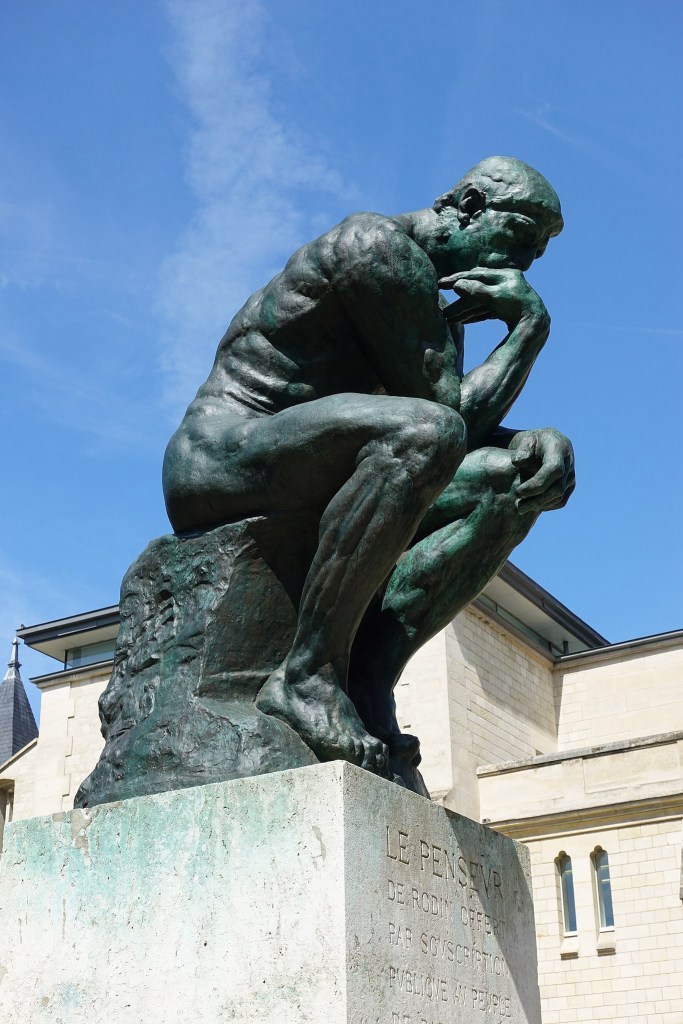
This pose shows the male body entwined with symbols of death—a skull, a candle, a vacant stare. The man may be seated, leaning on one arm, lost in thought or grief. The erotic body meets existential dread. In contemporary queer art, this pose often reappears in AIDS-era photography—Peter Hujar and David Wojnarowicz come to mind—where the beauty of the body confronts its own impermanence.
The Mirror Pose

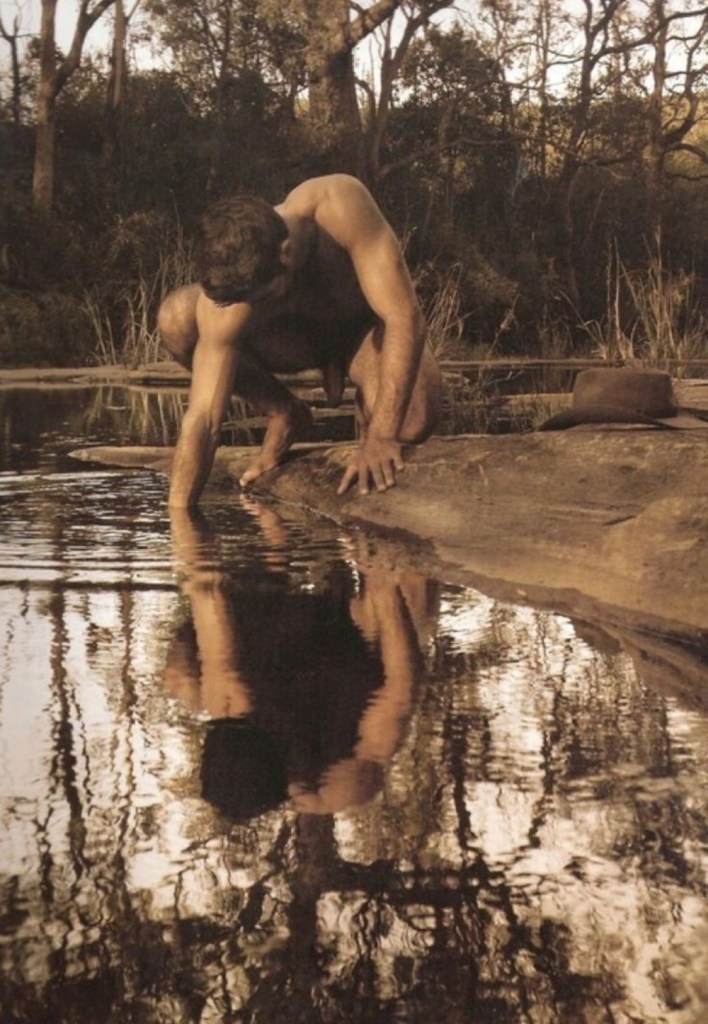

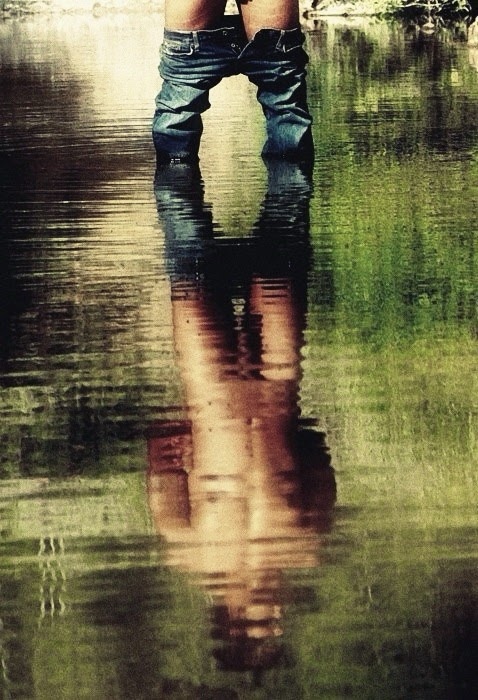
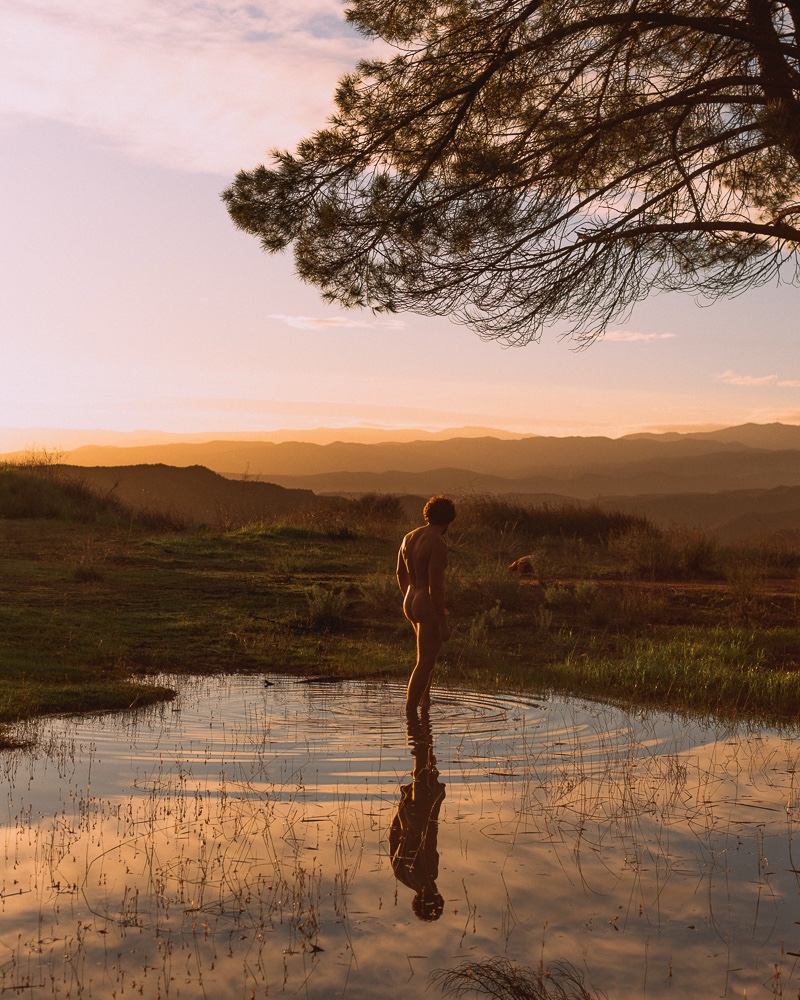

The male nude gazing at his reflection—either literally or metaphorically—carries a rich history of both vanity and self-awareness. In modern work, this pose has become a commentary on queer desire, identity, and self-recognition. Whether through mirrored images, doubled exposures, or paired models, the mirrored pose flirts with the erotic and the existential: Who do we see when we look at ourselves?
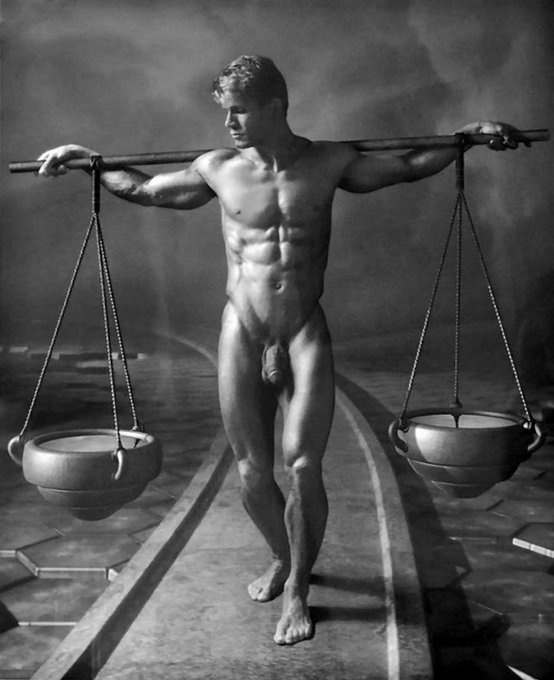
These poses, repeated across millennia, aren’t just about aesthetics—they’re about how we’ve viewed the male body and the roles it plays: protector, object of desire, thinker, vessel of strength or sorrow. And in queer art especially, these poses become subversive. They reclaim what was once coded and hidden, turning vulnerability into power and eroticism into expression.
Whether sculpted in marble, captured in monochrome, or filtered through a digital lens, the male nude continues to speak a visual language of longing, beauty, and identity. It’s a language many of us have learned to read—and some of us are still learning to write with our own bodies.

The Final Words of Puck – A Shakespearean Farewell
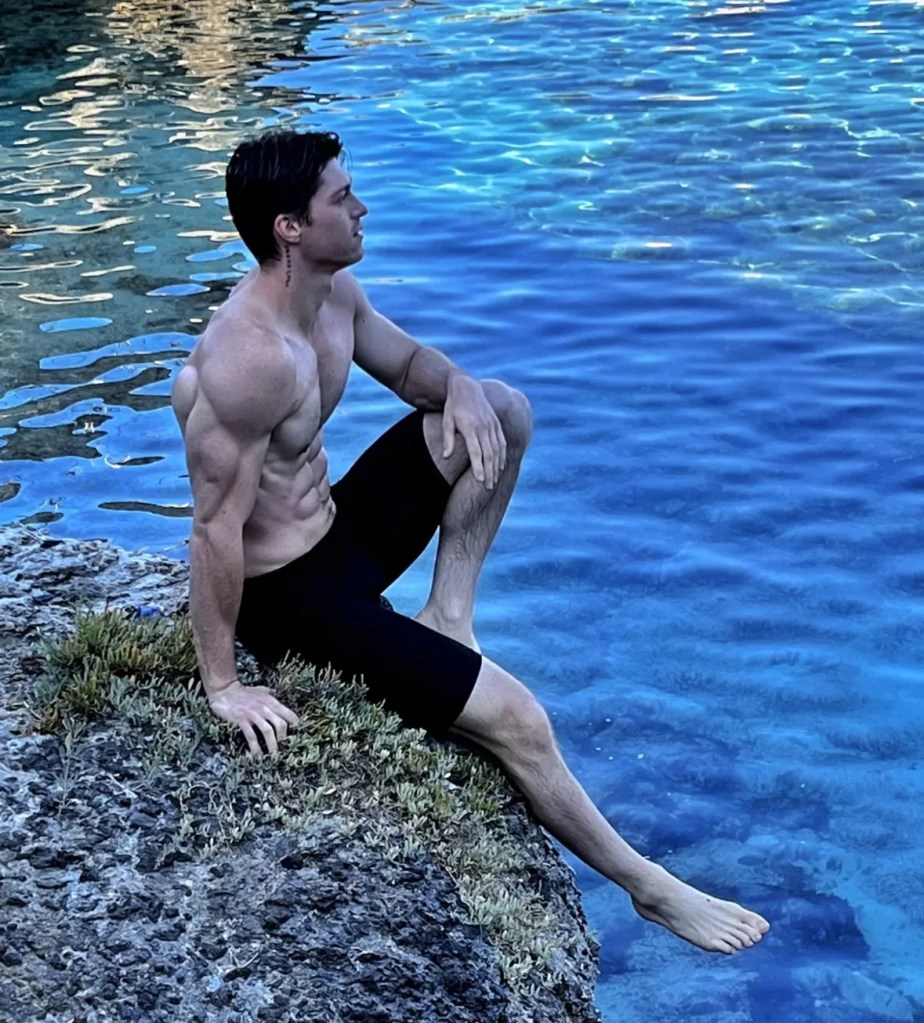
From A Midsummer Night’s Dream – Act 5, scene 1
By William Shakespeare
If we shadows have offended,
Think but this, and all is mended,
That you have but slumber’d here
While these visions did appear.
And this weak and idle theme,
No more yielding but a dream,
Gentles, do not reprehend:
if you pardon, we will mend:
And, as I am an honest Puck,
If we have unearned luck
Now to ‘scape the serpent’s tongue,
We will make amends ere long;
Else the Puck a liar call;
So, good night unto you all.
Give me your hands, if we be friends,
And Robin shall restore amends.
One of my favorite passages in all of Shakespeare comes at the very end of A Midsummer Night’s Dream, spoken by the mischievous sprite Puck, also known as Robin Goodfellow. In this closing soliloquy, Puck breaks the fourth wall and addresses the audience directly, offering a whimsical apology and a gentle reminder that all the magical chaos of the play was nothing more than a dream:
If we shadows have offended,
Think but this, and all is mended—
That you have but slumbered here
While these visions did appear.
These lines invite the audience to consider the events of the play as a kind of dream state, a fantastical interlude where love and identity swirl in a moonlit wood, governed by fairies and folly. Puck—Shakespeare’s impish trickster—has spent the play both delighting in and accidentally disturbing the lives of mortals. Here, he offers a lighthearted reparation: if any of the night’s enchantments have unsettled the audience, they can simply imagine it all as a dream, and let go of any offense.
As a character, Puck embodies the spirit of mischief and transformation. He is Oberon’s jester and servant, the orchestrator of magical mishaps, and a symbol of the play’s themes of illusion, play, and unpredictability. Yet in this final moment, he becomes almost like a stage manager or storyteller, drawing the curtain on the night’s performance. The poem’s gentle rhymes and soft cadence give it a lullaby quality, reinforcing the idea that what we’ve witnessed was a fleeting vision.
Give me your hands, if we be friends,
And Robin shall restore amends.
With this closing couplet, Puck asks the audience for applause—literal hands—and pledges to make things right again, as if promising that art, like dreams, can enchant but also restore. As a poem, it stands beautifully on its own, a meditation on the power of storytelling to both dazzle and heal, to stir the heart and then gently release it back into the waking world.
About the Author
William Shakespeare (1564–1616) was an English playwright, poet, and actor, widely regarded as the greatest writer in the English language. He wrote 39 plays, 154 sonnets, and numerous poems, leaving behind a literary legacy that continues to influence storytelling, language, and performance. From comedies and tragedies to histories and romances, his work explores the full range of human experience with wit, beauty, and insight.


Authors
Recent Comments
noisilycool3bc985058… on Pic of the Day iameverywhere1 on Not Quite as Planned iameverywhere1 on Pic of the Day noisilycool3bc985058… on Not Quite as Planned Joe on Pic of the Day Top Posts & Pages


Amazon Associate

As an Amazon Associate I earn from qualifying purchases. So, if you click on a link that takes you to Amazon.com, I may earn a commission.
Trust me, it isn’t much, but every little bit helps.

 Joe
Joe


 The Closet Professor