
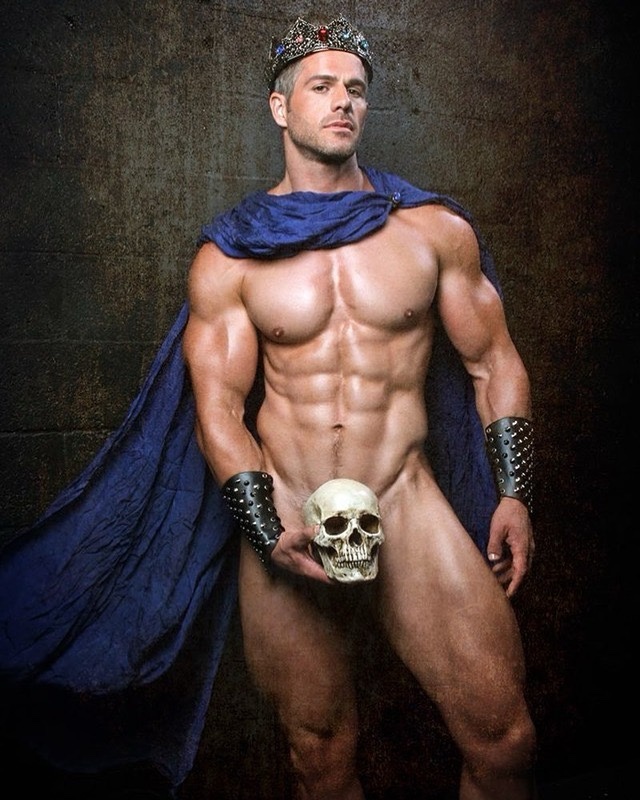
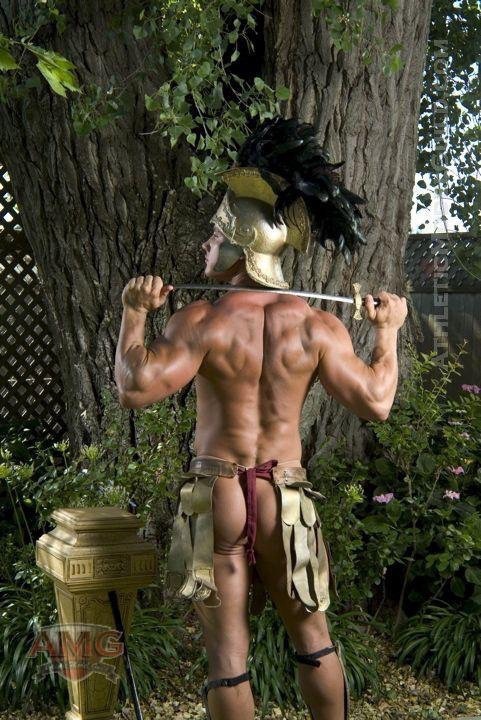
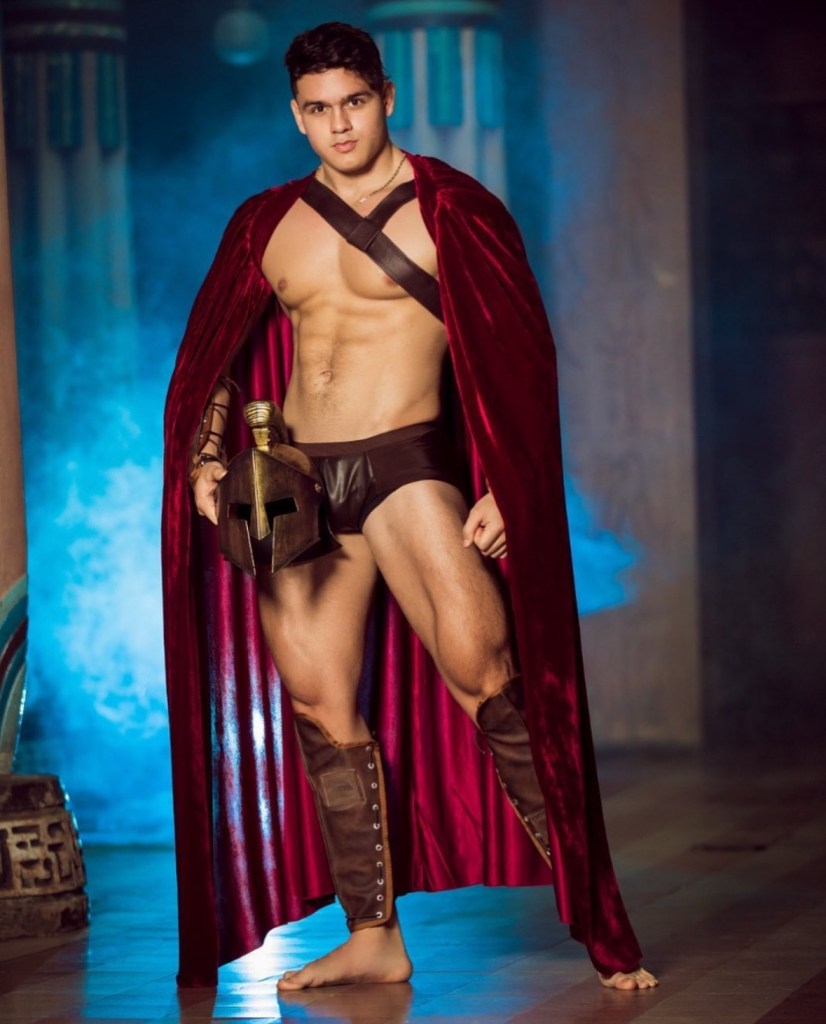
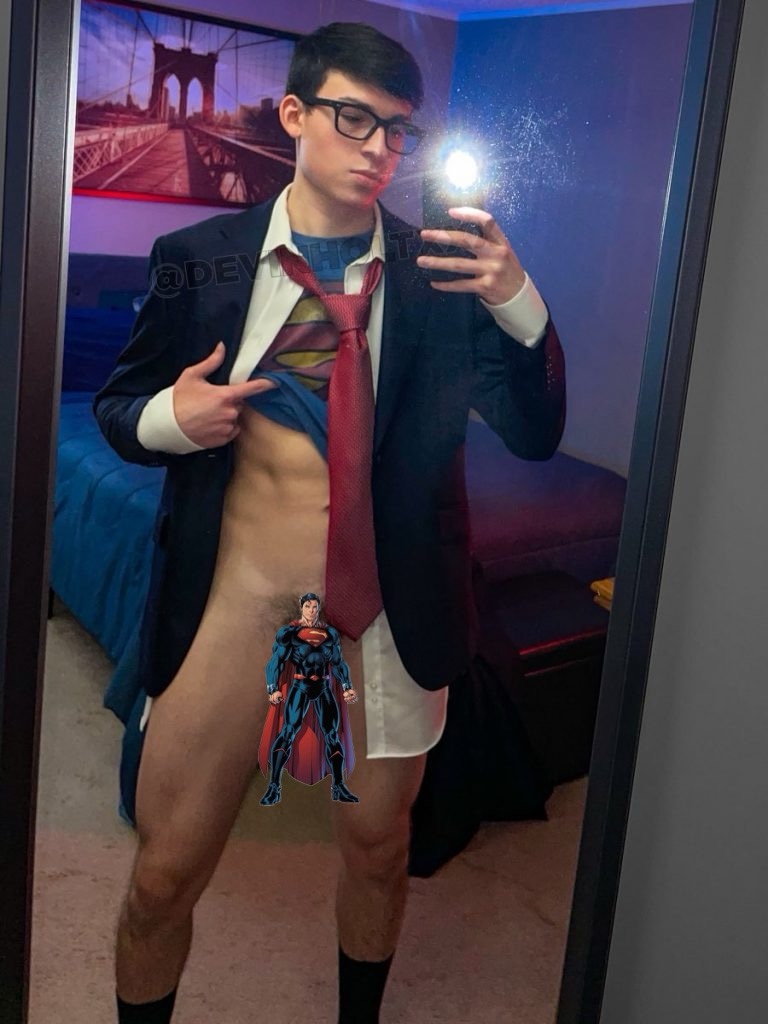
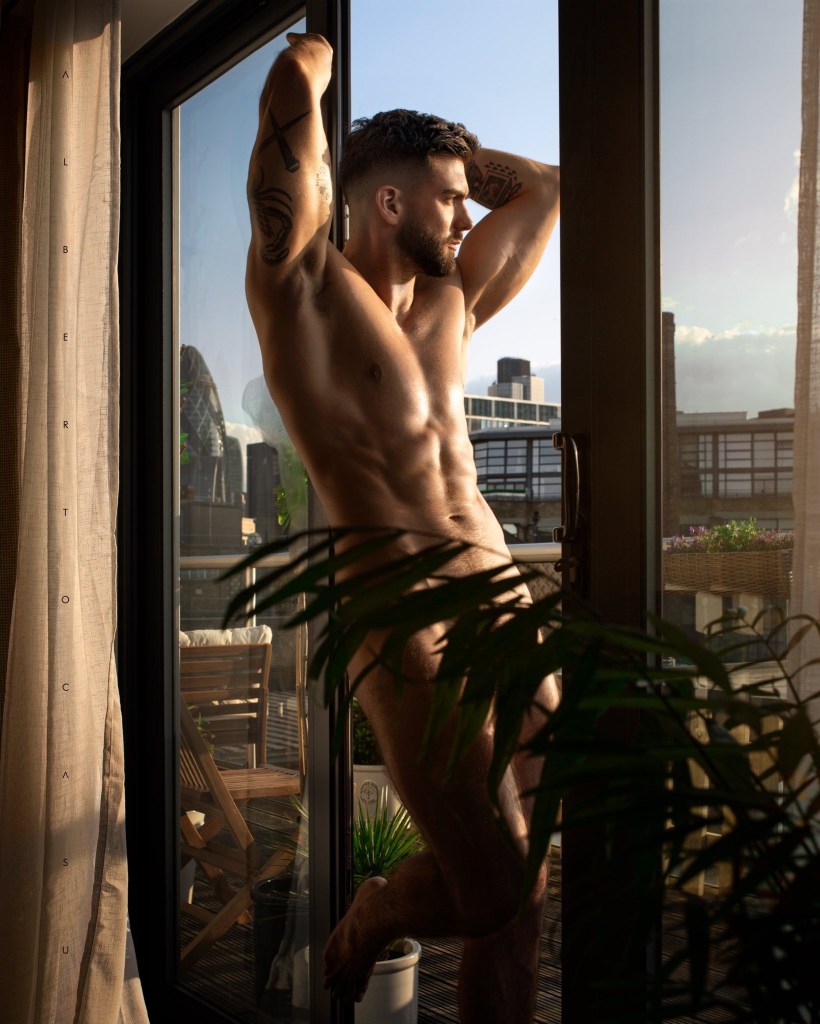
Which is you favorite costume?
Trick 👆🎃 or Treat👇🍬
Continue reading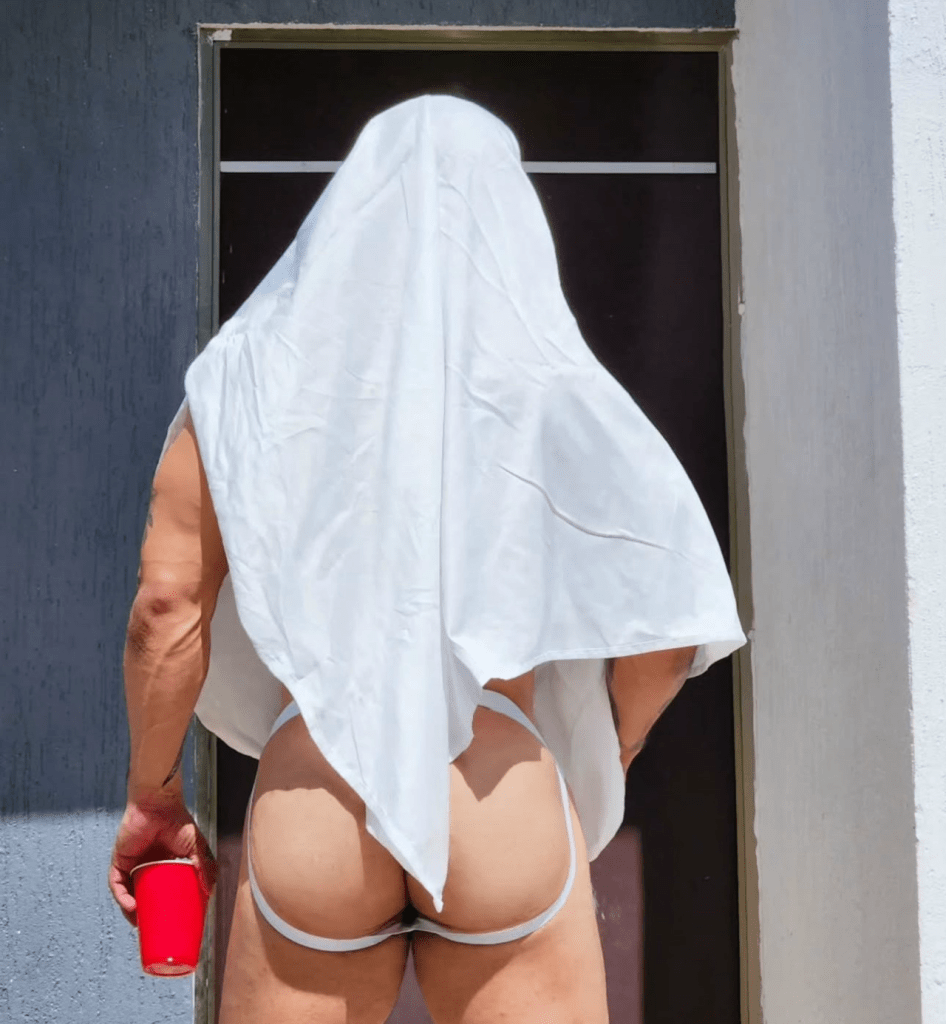
Halloween has long been a favorite holiday among the LGBTQ+ community — and not just because we throw some of the best parties. There’s something deeper in the way Halloween gives us permission to express, to transform, and to celebrate authenticity through disguise.
For many queer people, Halloween was the first time we felt truly free to explore our identities without judgment. A night when gender norms loosen, when costumes become art, and when imagination takes precedence over expectation. A boy could be a witch, a girl could be a pirate, and everyone could sparkle. For one glorious evening, the rigid rules of “should” and “shouldn’t” fall away.
For some, it’s also the first night they ever try drag. Halloween has long been a socially acceptable opportunity for a man to dress as a woman — or vice versa — without fear of ridicule or punishment. I remember one fraternity member at a university in southern Louisiana wearing a tight red dress one Halloween. He looked stunning as a woman, though it was obvious he was a man. The outfit was completed with red high heels that matched his dress, and even drunk, he managed to walk surprisingly well in them. Maybe he’d lost a bet or was doing it for laughs, as frat guys often do — but maybe, just maybe, he was testing what it felt like to be someone completely different. For many in the queer community, that first night in drag isn’t just a costume; it’s a spark of recognition.
It’s also about visibility. Before Pride parades became mainstream, Halloween was one of the few times queer people could appear in public dressed how they wanted, holding hands with whom they wanted, and not face immediate suspicion. The costumes and masks offered protection — and in that protection came liberation.
And of course, there’s the theatrical side. LGBTQ+ culture has always celebrated performance, wit, and style. Drag, camp, and creativity are natural extensions of Halloween’s spirit. We don’t just wear costumes — we embody characters. We turn the night into an act of joyful self-expression and defiance.
One city that takes this to dazzling extremes is New Orleans, where Halloween and queer culture intertwine like nowhere else. The French Quarter becomes a spectacle of light, music, and unapologetic queerness. I’ve been there on Halloween, and it can be gloriously wild. I once sat in a restaurant when a woman dressed as Lady Godiva rode by on an actual horse, covered only by her long blonde wig. Some Lady Godivas wear flesh-colored bodysuits. This one did not. The crowd cheered, laughed, and applauded — it was outrageous, beautiful, and perfectly New Orleans.
In a world that too often tells us to tone it down, Halloween tells us to turn it up. Glitter isn’t just decoration; it’s declaration. The holiday invites us to celebrate who we are — or who we dream of being — without apology.
So when you see a queer Halloween party filled with drag queens dressed as vampires, muscle boys in angel wings, and lesbians in matching superhero capes, remember: it’s not just fun. It’s freedom.
Queer Halloween celebrations — from the French Quarter to Fire Island — transform the night into a glittering stage of self-expression and pride.
🎃 Happy Halloween, everyone! Be safe, be fabulous, and let your true self shine — costume or not.
🌈 And remember — in many ways, Halloween walked so Pride could run.
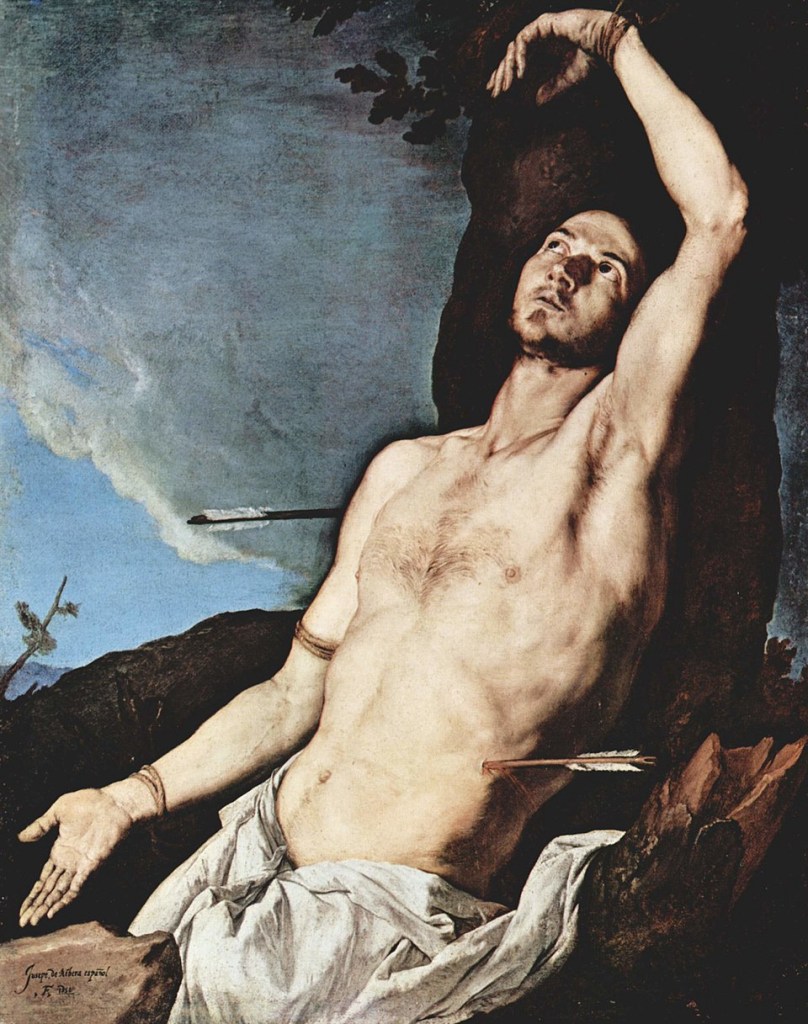
Few figures in Christian art have captivated artists — and viewers — quite like St. Sebastian. The story is simple enough: a Roman soldier and secret Christian, Sebastian was condemned to death for his faith and tied to a post, shot through with arrows by his fellow soldiers. He miraculously survived, only to be executed later by beating. Yet, through centuries of retelling, the tragedy of his martyrdom has transformed into something far more layered — even sensual.
From the Renaissance onward, artists rendered Sebastian’s suffering with remarkable beauty. Painters like Andrea Mantegna, Perugino, and Botticelli turned him into an icon of idealized male youth — strong, nearly nude, his body pierced yet luminous. In later depictions by Guido Reni and El Greco, that same body seems to glow with a kind of erotic spirituality. The saint’s expression — serene, even enraptured — blurs the line between agony and ecstasy.
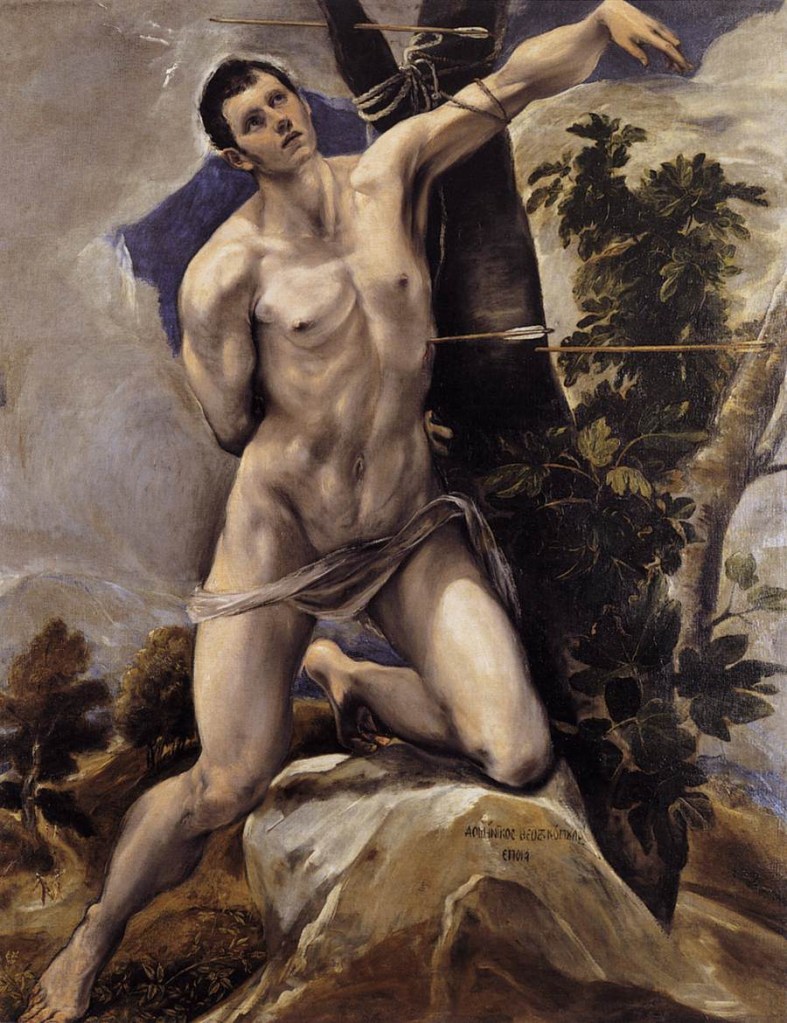
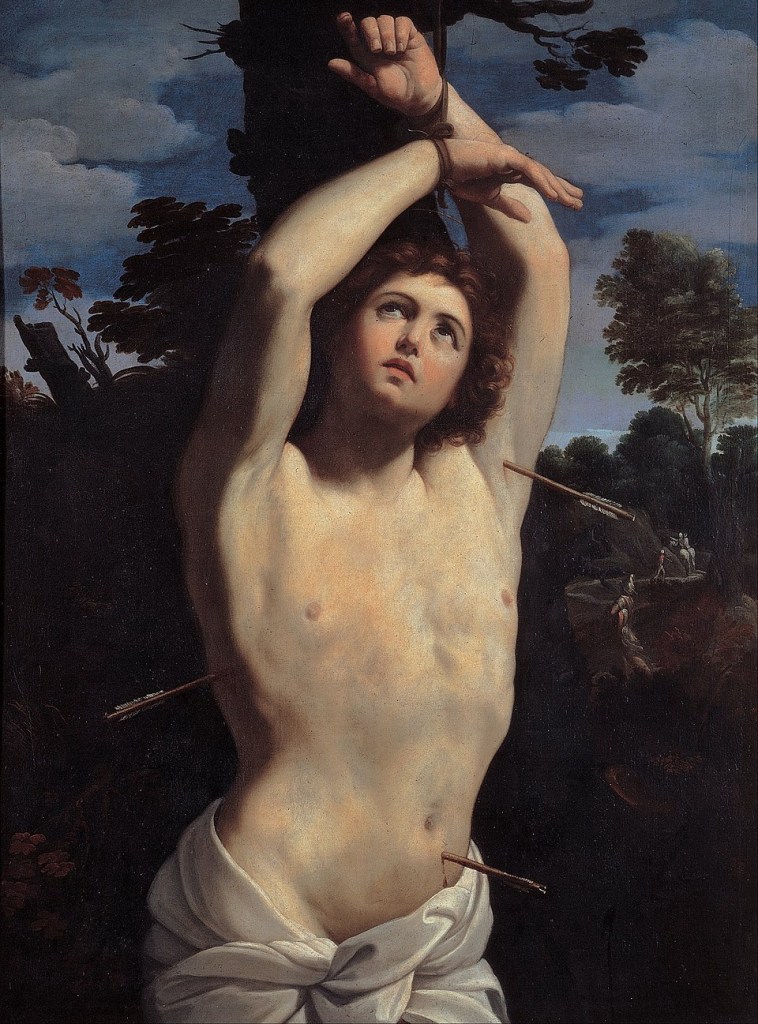
It’s no wonder that Sebastian became, over time, a queer icon — often called the “gay saint.” His imagery offered something radical: a male body displayed with vulnerability, sensuality, and beauty in a religious context. For centuries when expressions of same-sex desire were forbidden, these paintings became coded images of longing. The male form, sanctified through martyrdom, became a vessel for hidden desire.
Twentieth-century artists and writers reclaimed him openly. Yukio Mishima, Derek Jarman, and photographers like Robert Mapplethorpe saw in Sebastian not just the suffering of faith, but the suffering — and resilience — of queer existence itself. His arrows became metaphors for persecution and for the piercing, transformative power of desire.
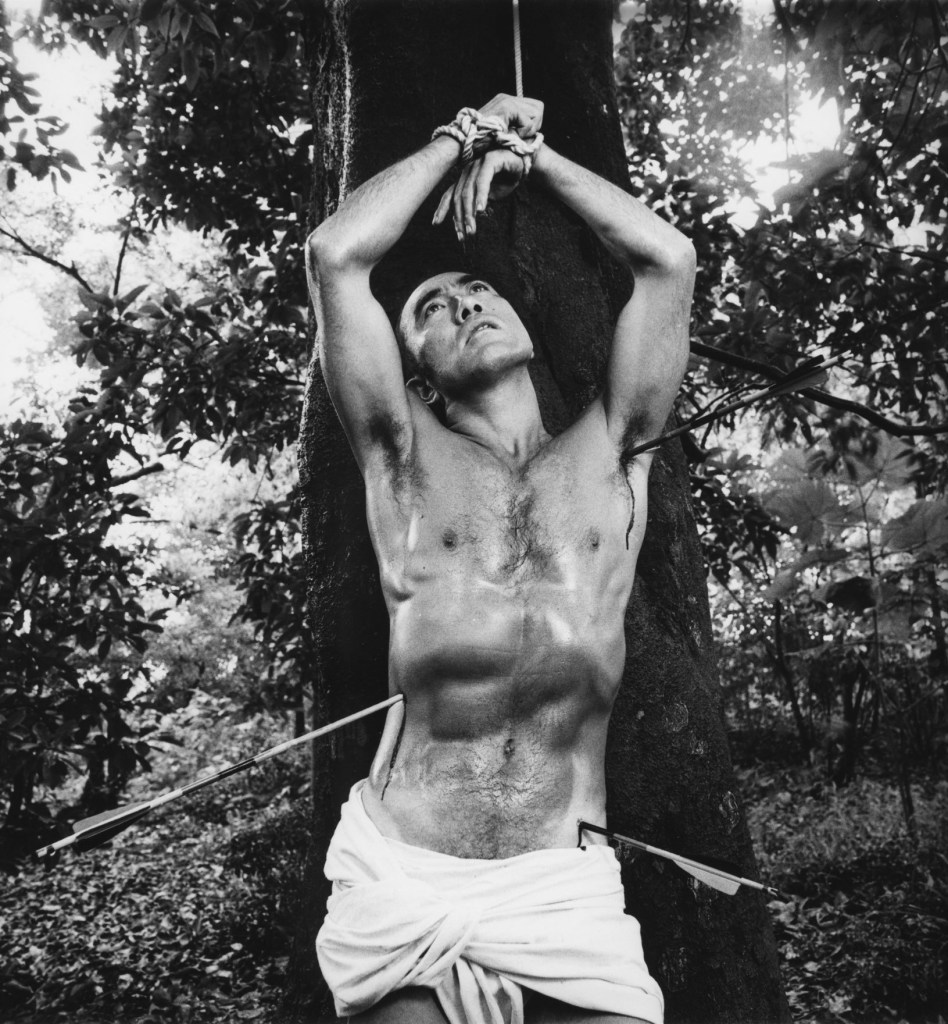
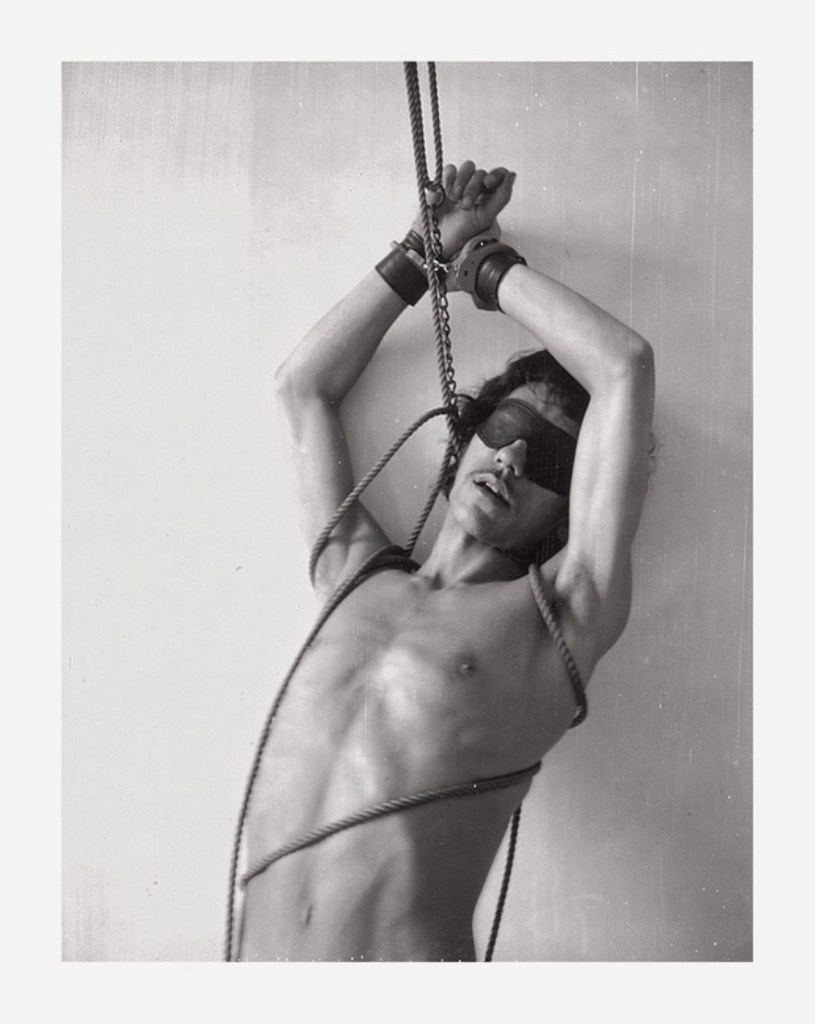
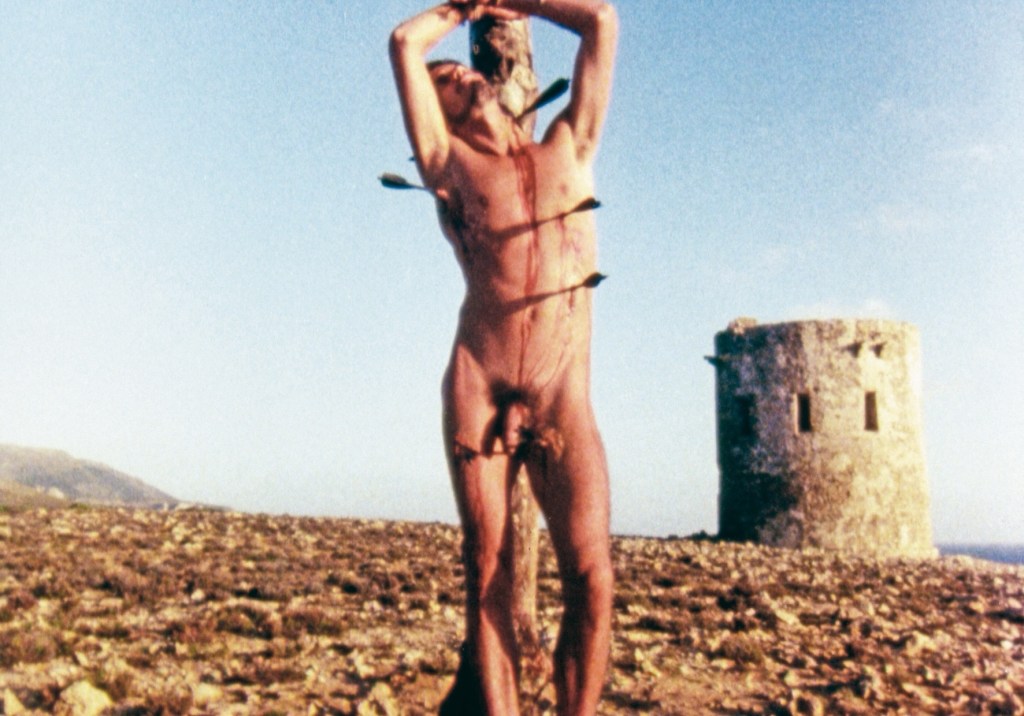
There is, after all, a kind of paradoxical holiness in his image: a man struck down yet made radiant; punished yet beautiful; vulnerable yet defiant. Whether we read him as a symbol of endurance, forbidden beauty, or queer faith, St. Sebastian endures as the saint who invites us to see the divine not in denial of the body, but through it.
About St. Sebastian
Feast Day: January 20
Patron of: Soldiers, athletes, archers, and plague victims
Symbol: Arrows, tied tree or post, youthful male figure
St. Sebastian was a Roman officer in the Praetorian Guard who secretly practiced Christianity. When discovered, he was condemned by Emperor Diocletian to be shot with arrows and left for dead. Nursed back to health by the widow Irene, he later confronted the emperor and was beaten to death for his defiance. His legend spread quickly, and his image became a symbol of endurance, courage, and—through art—a timeless meditation on the beauty and vulnerability of the human form.
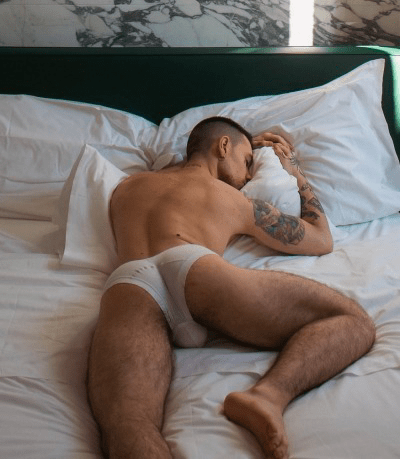
My office work week is officially halfway over—two down, two to go. This morning should be a busy one with a few school groups visiting the museum. If I didn’t have tours scheduled, I might have been tempted to crawl back into bed for a few extra hours of rest.
Yesterday’s migraine really took it out of me. I fell asleep around 8 p.m., woke up briefly at 9:30 to get ready for bed and take my nightly medicine, then slept straight through until 5 a.m. Isabella tried to rouse me earlier, but it was halfhearted. She seems to know when I truly need the sleep. This morning she was patient and let me wake up on my own—such a sweet girl most of the time, even if she can be a bit impatient and demanding. She’s a cat, after all.
Well, that’s about all I have for today. Here’s hoping the rest of the week goes smoothly!
The Raven (excerpt)
by Edgar Allan Poe
(For the full poem, click read more below.)
Once upon a midnight dreary, while I pondered, weak and weary,
Over many a quaint and curious volume of forgotten lore—
While I nodded, nearly napping, suddenly there came a tapping,
As of someone gently rapping, rapping at my chamber door.
“’Tis some visitor,” I muttered, “tapping at my chamber door—
Only this and nothing more.”
“Once Upon a Midnight Dreary”
There’s no poem more synonymous with Halloween than Edgar Allan Poe’s “The Raven.” Even if you’ve never read the whole thing, you probably know the rhythm of its most famous lines:
Once upon a midnight dreary, while I pondered, weak and weary…
It’s a poem that practically sounds haunted. Poe’s mastery of meter—specifically trochaic octameter—creates that heartbeat of dread, the steady pulse of something inevitable drawing closer. It’s hypnotic, musical, and just a little bit claustrophobic, which is exactly what makes it unforgettable.
First published in 1845, “The Raven” cemented Poe’s reputation as a master of the macabre. It’s a simple enough story: a grieving man, alone at night, haunted by memories of his lost love Lenore, and visited by a mysterious talking raven whose only word is “Nevermore.” But that single refrain becomes a psychological echo chamber. The poem isn’t just about a bird—it’s about despair, loss, and the way grief has of turning every question we ask into the same hopeless answer.
The imagery is classic Gothic: midnight shadows, rustling curtains, lamplight, and a chamber filled with memory. The bird itself feels almost supernatural, perched high above the door like a prophet of doom—or perhaps the physical embodiment of the narrator’s own unraveling mind.
So why has “The Raven” endured for nearly two centuries as the quintessential spooky poem? Because it captures the feeling that true horror doesn’t come from monsters or ghosts—it comes from our own thoughts in the dark. The fear that we’ll never escape our sorrow. The whisper that maybe hope really is gone forever.
And yet, there’s a strange beauty in it too. Poe’s language is lush and musical, the kind of poetry that demands to be read aloud by candlelight on a chilly October night. Every “tapping,” every “Nevermore,” pulls us deeper into the darkness until we almost welcome it.
The Voice of Vincent Price
For me—and I suspect for many others—the poem truly comes alive through Vincent Price’s iconic reading. That smooth, sinister voice, tinged with both elegance and dread, feels as though it was made for Poe’s words. Price doesn’t just recite the poem; he inhabits it. Every syllable trembles with tension and theatrical flair. You can hear the madness building, the grief curdling into obsession, until that final “Nevermore” echoes like a spell being cast.
It’s impossible for me to read “The Raven” without hearing Price’s voice in my mind—a voice that turns the poem from literature into pure atmosphere. His performance reminds us that Halloween isn’t only about visuals; it’s about sound—the creak of the floorboard, the rustle of wings, the trembling cadence of a haunted heart.
Maybe that’s why, year after year, we return to “The Raven.” It reminds us that Halloween isn’t just about fright—it’s about fascination. The allure of the unknown. The comfort of knowing that even in our deepest gloom, someone else—perhaps Poe himself—has been there before.
And my soul from out that shadow that lies floating on the floor
Shall be lifted—nevermore.
Happy Halloween, everyone—and if you’ve never listened to Vincent Price read “The Raven,” treat yourself. There’s no better way to spend an October night.
About the Poet
Edgar Allan Poe (1809–1849) was an American writer, poet, editor, and literary critic best known for his tales of mystery and the macabre. Born in Boston and orphaned at a young age, Poe led a turbulent life marked by poverty, loss, and artistic brilliance. He is often credited with pioneering the modern detective story, influencing early science fiction, and perfecting the Gothic short story. His poems—especially “The Raven” and “Annabel Lee”—combine musical rhythm with haunting emotion, exploring love, death, and madness. Though he died at only forty, Poe’s legacy continues to cast a long and ghostly shadow over American literature—and Halloween wouldn’t be the same without him.
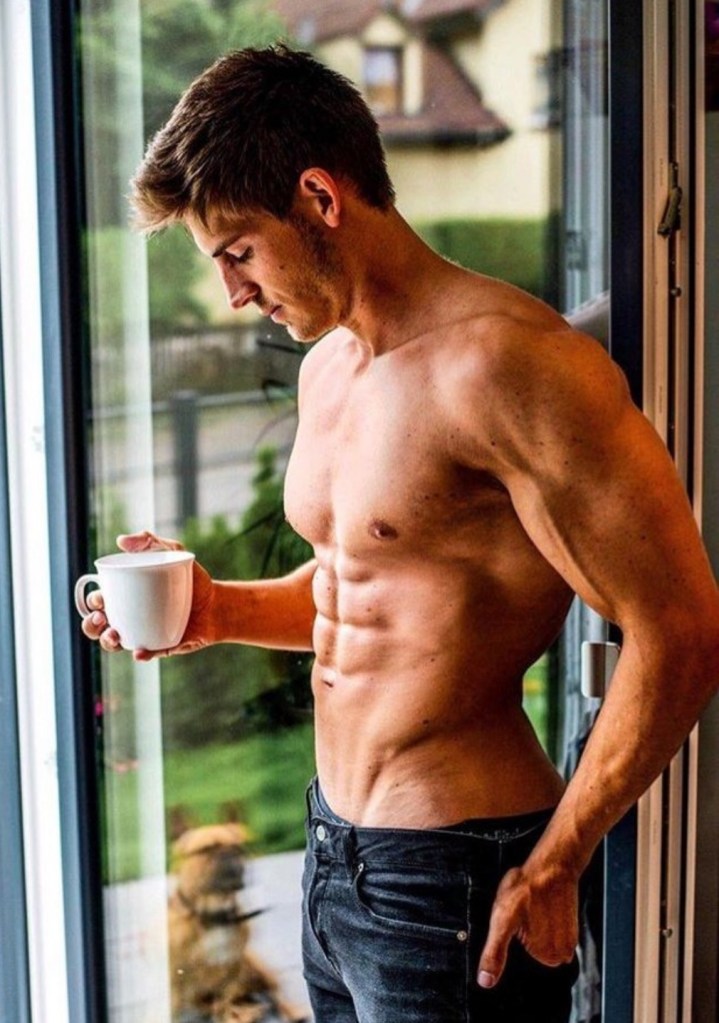
It’s Monday. Mondays suck! There’s really no other way to put it. The alarm went off way too early, the weekend flew by, and no amount of coffee seems to be enough to get me going.
It rained off and on most of the weekend, and I had a migraine the entire time, so it honestly feels like I didn’t even have a weekend. The migraine’s still hanging on this morning, and I’m seriously contemplating calling in sick—but I hate doing that on a Monday. It always feels like people assume you’re just trying to extend your weekend.
Some folks say Mondays are a fresh start, but let’s be honest—they’re more like a rude interruption. Mondays always seem to bring more emails, more meetings, and more “urgent” things that could have waited until Tuesday.
Still, we push through. We show up, we get the work done (somehow), and we count down the hours until we can go home again.
Here’s to surviving another Monday—may the boss be mercifully distracted, the day be short, and and the week get better from here.
I hope everyone has a wonderful and stress free week!


 | noisilycool3bc985058… on Pic of the Day |
 | iameverywhere1 on Not Quite as Planned |
| iameverywhere1 on Pic of the Day |
| noisilycool3bc985058… on Not Quite as Planned |
 | Joe on Pic of the Day |



As an Amazon Associate I earn from qualifying purchases. So, if you click on a link that takes you to Amazon.com, I may earn a commission.
Trust me, it isn’t much, but every little bit helps.



 The Closet Professor