
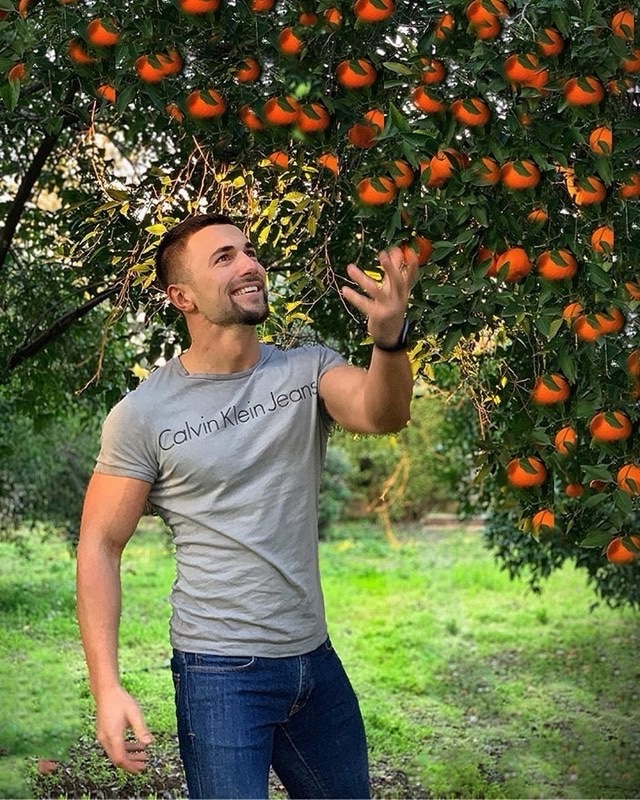
“But the fruit of the Spirit is love, joy, peace, patience, kindness, generosity, faithfulness, gentleness, and self-control. There is no law against such things. If we live by the Spirit, let us also be guided by the Spirit. Let us not become conceited, competing against one another, envying one another.”
—Galatians 5:22-23, 25–26
There is something quietly miraculous about this time of year.
Here in Vermont, even if we know better—even if we suspect this might still be “fake spring”—the signs are unmistakable. Snow had begun to melt. The ground softened. Trees, which only weeks ago seemed lifeless, started to show the faintest hint of buds.
And then—of course—it snowed.
It snowed all Friday afternoon. It’s snowing again today, and it’s expected to continue all day long. Spring, it seems, is not quite ready to fully arrive.
But that doesn’t mean it isn’t coming.
Spring is a season of becoming—not of instant transformation, but of gradual, sometimes interrupted growth. The snow may return, but it cannot undo what has already begun beneath the surface.
Paul’s words in Galatians speak of the fruit of the Spirit—not as something forced or manufactured, but something that grows. Fruit takes time. It begins unseen, deep within. It requires nourishment, patience, and care. And when it comes, it is both beautiful and sustaining.
Love. Joy. Peace. Patience. Kindness. Generosity. Faithfulness. Gentleness. Self-control.
These are not burdens placed upon us—they are evidence of life within us.
For many LGBTQ+ people, faith has too often been presented as something restrictive, something that demands we prune away essential parts of who we are. But Paul reminds us that the Spirit does not produce fear, shame, or self-hatred. The Spirit produces fruit—life-giving, nourishing, abundant fruit.
As John 15:5 tells us:
“I am the vine, you are the branches. Those who abide in me and I in them bear much fruit.”
We are not called to wither. We are called to grow.
And growth is not always loud or dramatic. Sometimes it looks like choosing kindness when bitterness would be easier. Sometimes it is learning to extend grace to ourselves after years of being told we were unworthy. Sometimes it is simply allowing ourselves to exist fully and honestly, trusting that who we are is not a mistake, but part of God’s ongoing creation.
The prophet reminds us in Isaiah 43:19:
“I am about to do a new thing; now it springs forth, do you not perceive it?”
Spring is that “new thing” made visible—even when snow is still falling.
Just as trees do not strain to produce buds, and flowers do not question whether they are worthy to bloom, we too are invited to live by the Spirit—to be guided, not driven; to grow, not perform.
Paul’s closing reminder is just as important:
“Let us not become conceited, competing against one another, envying one another.”
Spiritual growth is not a competition. No one blooms at the exact same time. Some trees are still bare while others are already in flower—but all are part of the same season, the same promise.
As 2 Corinthians 5:17 tells us:
“If anyone is in Christ, there is a new creation: everything old has passed away; see, everything has become new!”
This spring—even a snowy one—let yourself become.
- Let love bud where fear once lived.
- Let joy push through the frozen ground of doubt.
- Let peace settle into places that once felt barren.
You do not have to force the fruit. Just remain. Just live. Just grow. And trust that, in time, what is within you will blossom into something beautiful.



 Joe
Joe





 The Closet Professor
Thank you for commenting. I always want to know what you have to say. However, I have a few rules: 1. Always be kind and considerate to others. 2. Do not degrade other people's way of thinking. 3. I have the right to refuse or remove any comment I deem inappropriate. 4. If you comment on a post that was published over 14 days ago, it will not post immediately. Those comments are set for moderation. If it doesn't break the above rules, it will post.