

Author Archives: Joe
About Joe






Finally, It’s Friday!
I’m so glad it’s Friday, and it’s a vacation day for me. I have some vacation time I have to take by the end of our fiscal year (May 31) or lose it, so with the exception of next Wednesday, I will be taking off every Wednesday and Friday through the end of May.
While I mostly plan to relax and read over the weekend, I have some work to do for my class. My students’ research paper was due yesterday, and I need to grade those. I also need to catch up on grading their journals and prepare the final exam. Next week is the last week of classes, and I also need to prepare my final lectures. None of these tasks are difficult, but time consuming.
I also need to do some housework and laundry this weekend. Thinking of all I need to do, it might not be that relaxing of a weekend, but I’ll try my best to set aside some time just for me.
I forgot to post an Isabella Pic of the Week, so here you go:

Just Another Thursday
I really don’t have much to say today. It’s been a decent week with nothing too exciting. I’m still recovering from my illness that put me in the hospital, but every day, I’m getting better. I will need an ultrasound to check a few things further, but I’m not really worried about it. I just know that I need to start regularly exercising.
Today shouldn’t be anything exciting. I have classes to teach, but I’ll be the only person working at the museum today. I also don’t have any plans for the weekend. The most exciting thing (and it’s not that exciting) is that I have some vacation time I need to take or lose by the end of May, so I’ll take a day off every Wednesday and Friday through the end of May.
There’s just nothing exciting or interesting for that matter to talk about, and you know what? I’m just fine with some quiet boring days when I can just be lazy and read a good book.

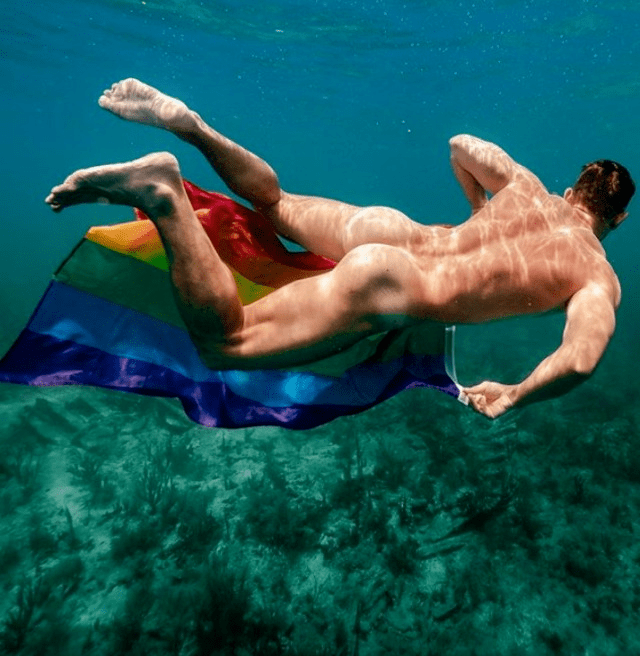
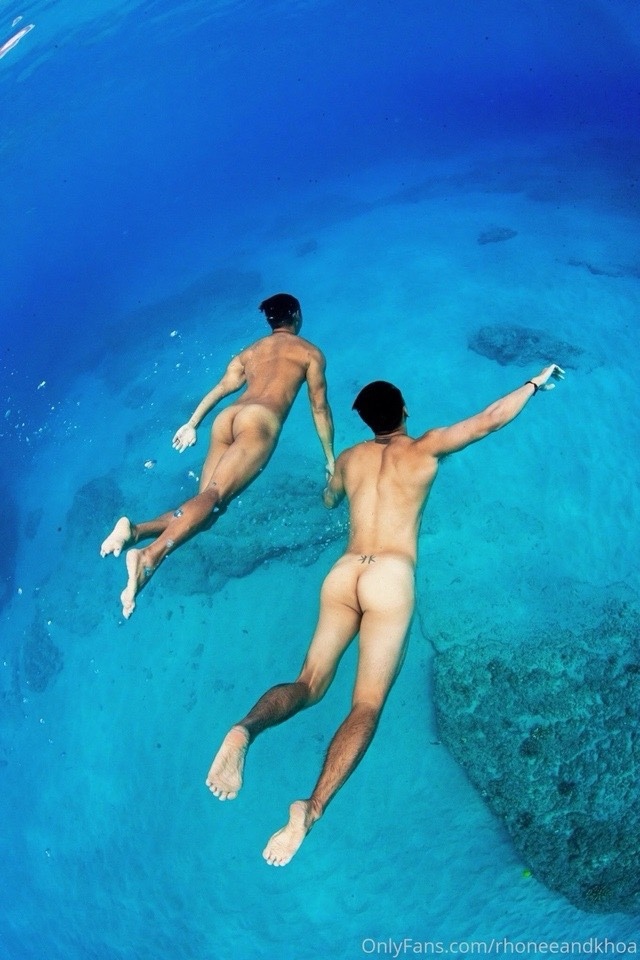
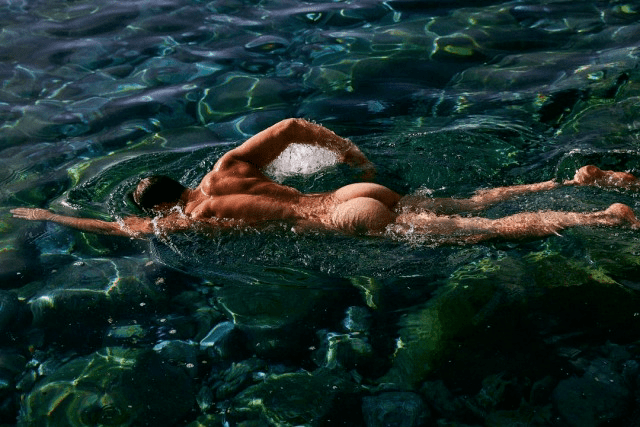
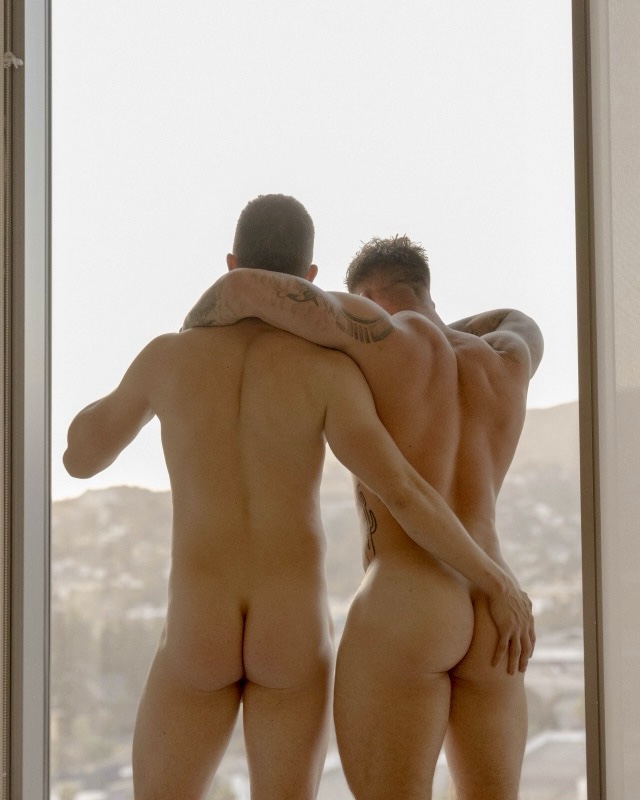
Propaganda and the Male Aesthetic
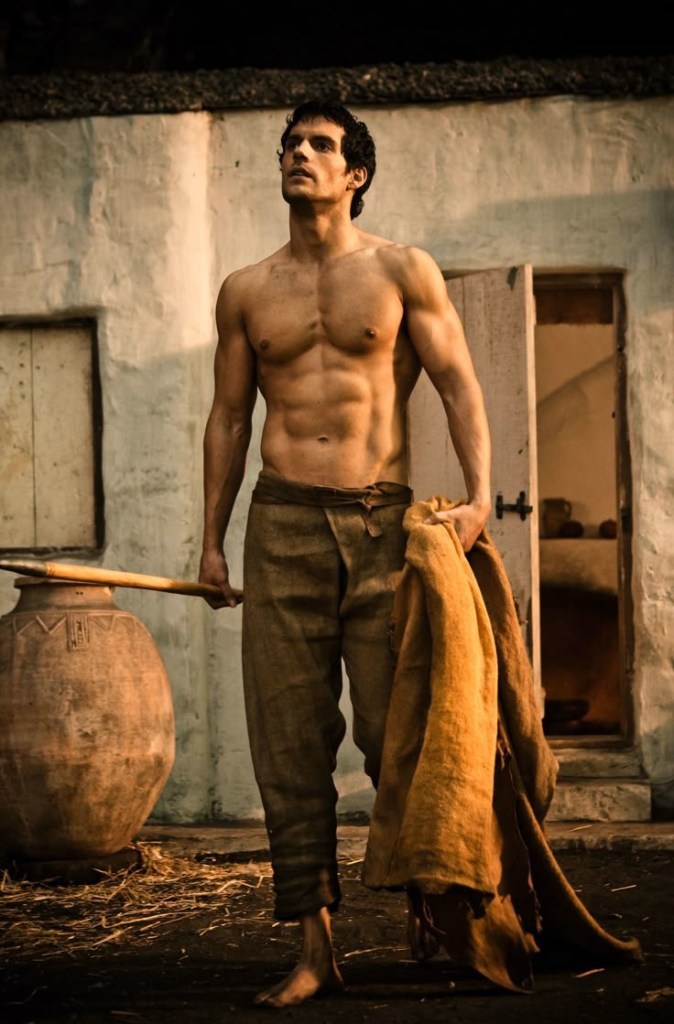
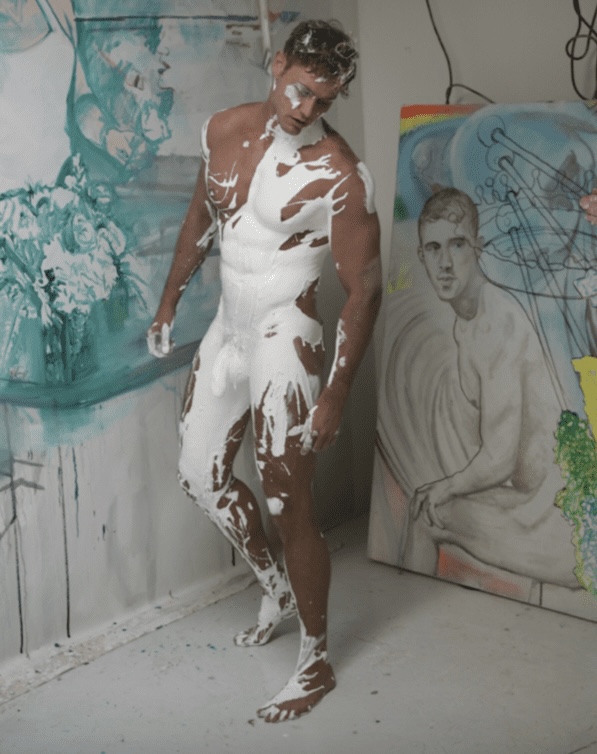
The idealized male physique, often described as an “inverted triangle” or “V-taper,” features broad shoulders, a narrow waist, and a strong, muscular build with low body fat, a physique seen in many male athletes, models, and actors. The ideal male body has evolved throughout history, with earlier periods valuing strength and athleticism, and more recent times emphasizing a lean, muscular look. Media and social trends play a significant role in shaping perceptions of the “ideal” male physique.
The idealized male aesthetic—emphasizing physical perfection, muscularity, and strength—has long served as a powerful tool for propaganda, shaped and reshaped to fit the political and cultural needs of various societies throughout history. This image of the “perfect man” functions not only as a model of physical excellence but also as a symbol of ideological values: power, discipline, dominance, and purity.

The roots of the male aesthetic ideal can be traced back to ancient civilizations like Greece and Rome. In Classical Greece, the male body was idolized in art and sculpture (e.g., Polykleitos’ Doryphoros), representing harmony, rationality, and civic virtue. Strength was linked to moral integrity and democratic citizenship. Rome adapted this, associating the powerful male body with imperial authority and conquest, as seen in statues of emperors like Augustus, who were idealized as youthful and godlike.
The Renaissance revived classical ideals, presenting the strong male body as a symbol of divine beauty and human potential. Artists like Michelangelo, with his David, reinforced the link between physical strength and spiritual or moral superiority. This era celebrated the “universal man”—physically capable, intellectually refined, and culturally elite.

As nationalism surged in the 19th century, the strong male body became central to shaping national identities. In Fascist Italy and Nazi Germany, propaganda weaponized the male aesthetic. Mussolini was often shown shirtless, working or posing, to convey virility, labor, and strength as core values of the state. Hitler’s regime promoted Aryan ideals through statues, films (like Leni Riefenstahl’s Olympia), and youth programs, equating physical perfection with racial superiority and moral righteousness.

In Soviet propaganda, the male worker or soldier, muscular and stoic, symbolized the power of the proletariat and the communist state. These images weren’t just about fitness—they were loaded with meaning: loyalty, discipline, and the ability to serve the state.
Even today, the muscular male figure continues to be used in propaganda, especially in authoritarian regimes. Leaders are often depicted engaging in rugged, physical activities—Vladimir Putin’s shirtless horse-riding is a modern example—projecting vitality, control, and masculinity as signs of leadership and national strength.

In the West, while the use of male aesthetics has shifted more toward consumer and celebrity culture, it still has political undercurrents. Military recruitment posters, sports ads, and action films all reinforce a vision of the male body as capable, heroic, and dominant.
Throughout history, the idealized male body has served not only as a cultural aspiration but also as a political weapon. Whether sculpted in marble or splashed across a billboard, it reflects the values and anxieties of the society that produces it—always more than flesh, always a symbol of something bigger.

Migraines have their say

Migraines have their say
By Teri Ellen Cross Davis
Whitney cottage, Hermitage Artist Retreat
You could write about the windows
all nine of them. You could write about
the gulf, red tide strangling Florida’s
shore, the opaque eyes of dead fish
caught in the algal bloom. You could write
about the sky—long as a yawn, sky blue
chasing cerulean away, stretched wisps
of white determined to be the canvas
for another sunset showstopper. But the body
has its own narrative in mind. Neurons hustling
pain blank out any page. No writing can be done
when an electric snare corrals the brain. No ear
searching for song while one temple pulses
an arrhythmic lament. Mercifully there’s triptan,
a black curtain over this inflammatory act. Strike
through today, uncap the pen again tomorrow.
About this Poem
Teri Ellen Cross Davis’s poem “Migraines have their say” offers a poignant exploration of the debilitating impact of migraines, particularly when they intrude upon moments meant for creativity and reflection. Written during her time at the Hermitage Artist Retreat, Davis captures the profound frustration of having one’s artistic aspirations overshadowed by physical suffering.
In the poem, Davis vividly describes the serene environment of the retreat—the expansive windows, the vast sky, and the Gulf’s horizon—elements that typically inspire artistic expression. However, the onset of a migraine transforms this idyllic setting into a backdrop of torment, as the pain eclipses her ability to engage with her surroundings or channel them into her work.
Davis’s personal history with migraines adds depth to the poem’s narrative. Diagnosed at thirteen, she endured prolonged episodes of pain before effective treatments became available. Even with medication, migraines continue to claim significant portions of her time, making their intrusion during an artist’s retreat feel especially cruel—a “special kind of theft,” as she describes.
The poem resonates with many who have experienced chronic pain, articulating the internal conflict between the desire to create and the incapacitation imposed by illness. It underscores the broader theme of how physical ailments can stifle self-expression and the pursuit of one’s passions.
For those interested in experiencing the poem firsthand, Davis’s reading is available through the Academy of American Poets’ “Poem-a-Day” series, offering an intimate connection to her words and experiences.
In “Migraines have their say,” Davis not only sheds light on the personal toll of chronic migraines but also invites a broader conversation about the intersection of health and creativity, and the resilience required to navigate both.
About the Poet
Teri Ellen Cross Davis is a distinguished American poet and advocate for the arts. Born in Cleveland, Ohio, she pursued her undergraduate studies in journalism and international affairs at Ohio University. She later earned a Master of Fine Arts in Creative Writing from American University.
Davis has authored two notable poetry collections: Haint (Gival Press, 2016), which received the 2017 Ohioana Book Award for Poetry, and a more perfect Union (Mad Creek Books, 2021), winner of the 2019 Journal/Charles B. Wheeler Poetry Prize.
Her commitment to the literary community is evident through her fellowships and residencies at esteemed institutions such as Cave Canem, the Virginia Center for Creative Arts, Hedgebrook, the Community of Writers Poetry Workshop, and the Fine Arts Work Center in Provincetown. Additionally, Davis has received grants from the Sustainable Arts Foundation and The Freya Project.
Davis’s poetry has been featured in various anthologies, including Bum Rush The Page: A Def Poetry Jam, Full Moon on K Street: Poems About Washington, DC, and The Golden Shovel Anthology: New Poems Honoring Gwendolyn Brooks. Her work also appears in journals such as Poet Lore, North American Review, Gargoyle, Natural Bridge, and Tin House. Currently, she serves as the O.B. Hardison Poetry Series Curator and Poetry Programs Manager at the Folger Shakespeare Library in Washington, D.C. Davis resides in Maryland with her husband, poet Hayes Davis, and their two children.
PS As you might can guess, I woke up with a migraine today. I would love to stay in bed and call in sick, but I cancelled classes last week because I was in the hospital and don’t feel like I can cancel any more. Also, I have a follow up appointment at my doctor’s office to see how I am doing since I’ve was discharged from the hospital.


Recent Comments
Joe on Pic of the Day Benny S on Pic of the Day noisilycool3bc985058… on Pic of the Day iameverywhere1 on Pic of the Day Joe on Pic of the Day Top Posts & Pages



Amazon Associate

As an Amazon Associate I earn from qualifying purchases. So, if you click on a link that takes you to Amazon.com, I may earn a commission.
Trust me, it isn’t much, but every little bit helps.


 The Closet Professor