
Author Archives: Joe
About Joe

Rebirth in Marble and Paint: The Renaissance Celebration of the Male Nude
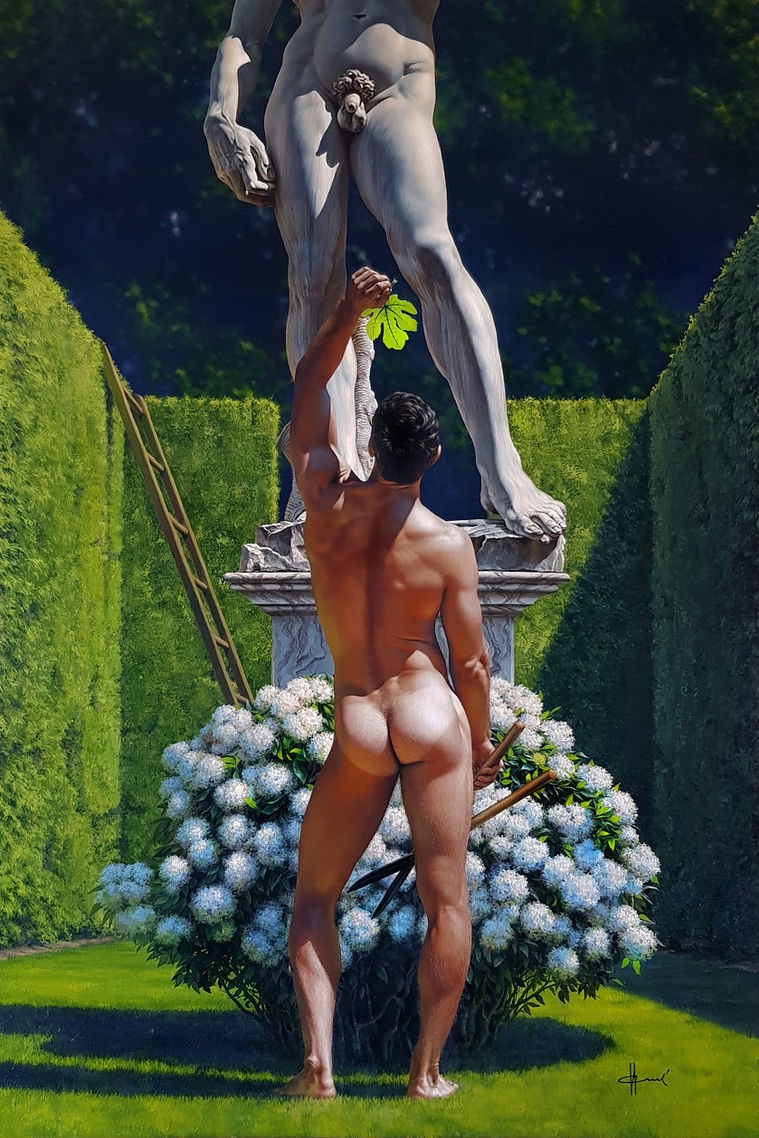
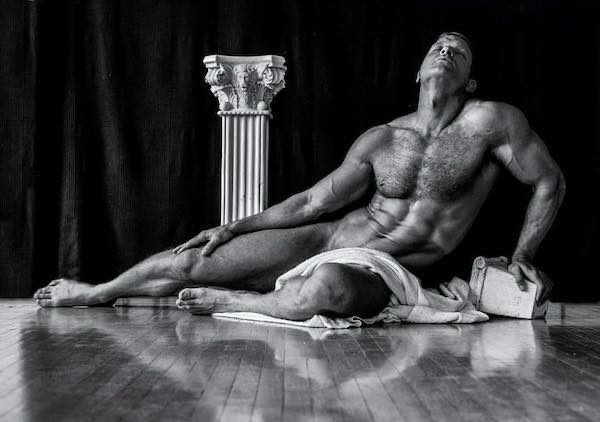
The Renaissance was a period of extraordinary artistic innovation, deeply rooted in the revival of classical antiquity. One of the most striking aspects of this artistic rebirth was the depiction of the male nude, which emerged as a central subject in painting and sculpture. Inspired by the idealized human form of ancient Greek and Roman art, Renaissance artists sought to depict the male body with a renewed emphasis on anatomical precision, movement, and harmony. Through their works, they celebrated the human body not only as a physical entity but as a symbol of intellectual and moral excellence.
The Renaissance aesthetic for the male nude was heavily influenced by the rediscovery of Greco-Roman sculptures, such as the Doryphoros of Polykleitos and the Laocoön and His Sons. These works provided artists with a model for idealized proportions, muscularity, and contrapposto—a stance in which the body’s weight is shifted onto one leg, creating a dynamic yet balanced composition. Renaissance humanism further reinforced this fascination with the body, as artists and scholars viewed the human form as a reflection of divine beauty and the perfection of nature.
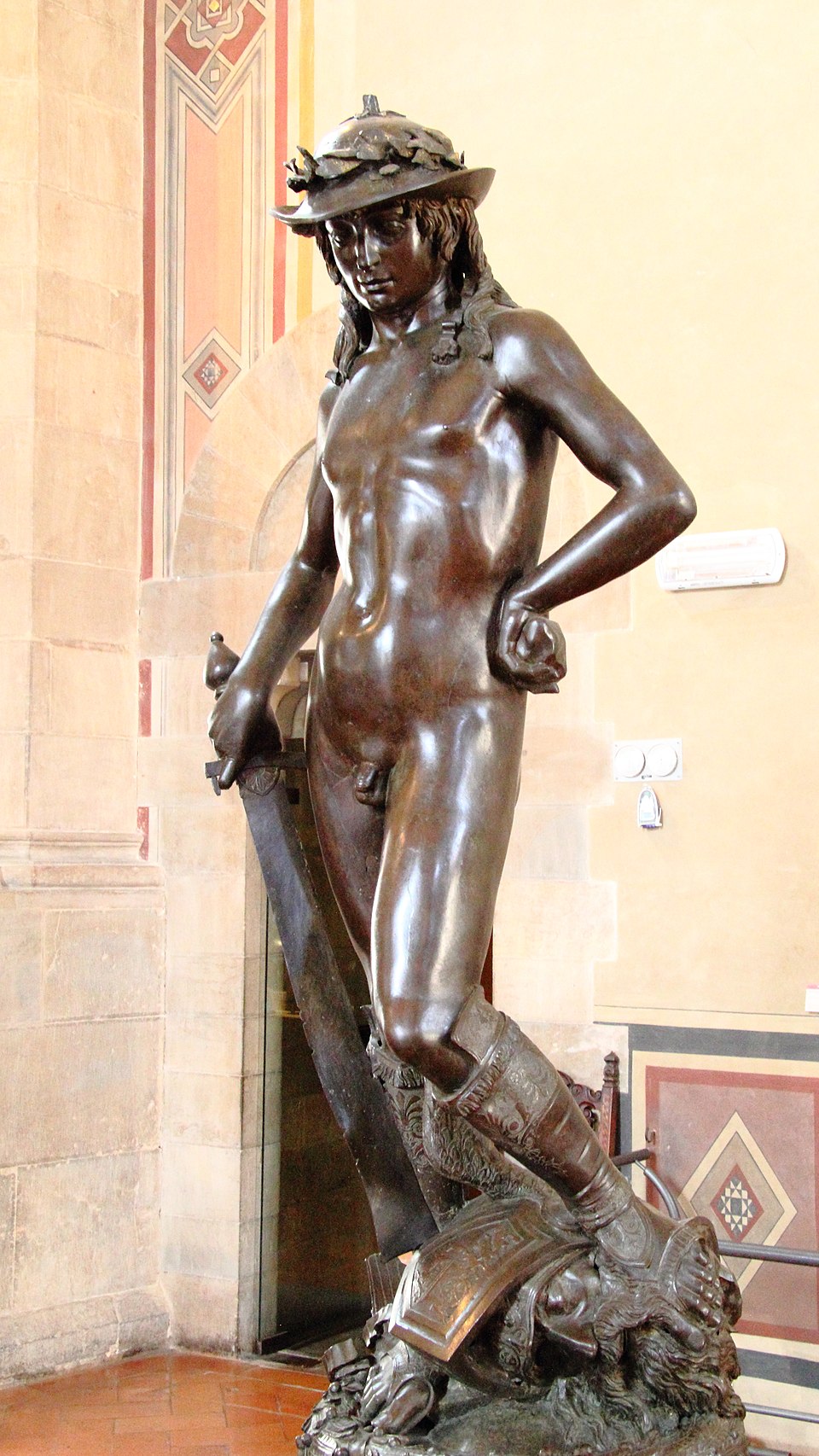
One of the earliest and most significant Renaissance depictions of the male nude is Donatello’s David, a bronze sculpture that stands as a departure from medieval artistic conventions. Unlike earlier depictions of David, which were typically clothed and rigid, Donatello’s David is an entirely nude, youthful figure standing in a relaxed contrapposto stance. His slender yet graceful form recalls ancient Greek statuary, while the sensuality of his pose and delicate features introduce a new level of naturalism. This was one of the first freestanding male nudes since antiquity, marking a return to the classical ideal of the human body as a subject worthy of artistic exploration.
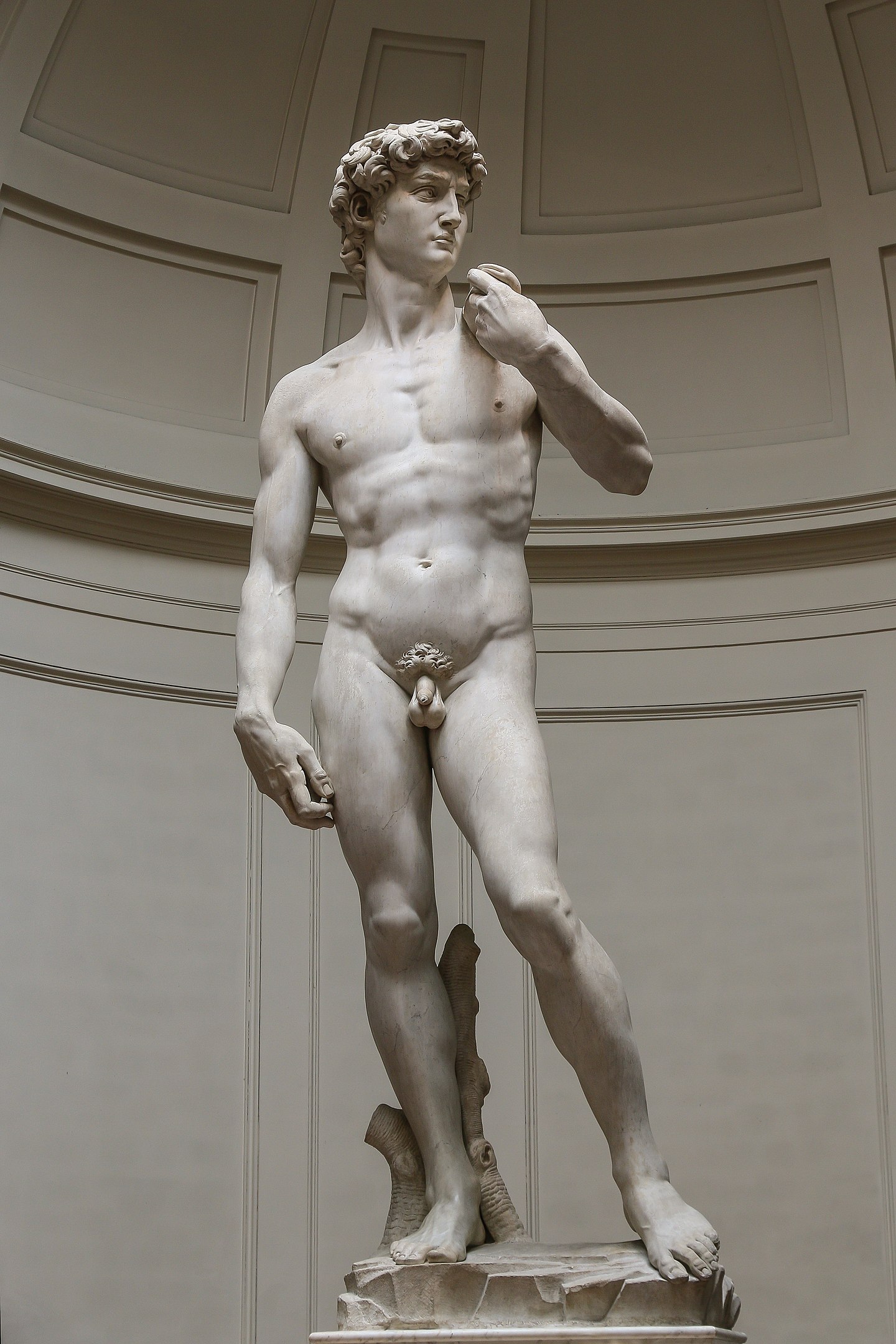
If Donatello’s David embodied grace and youthful beauty, Michelangelo’s David elevated the male nude to an expression of power and intellect. Created from a single block of marble, this towering figure stands over 17 feet tall, emphasizing strength and heroic idealism. Michelangelo’s meticulous study of anatomy is evident in David’s muscular definition, veins, and tense posture, reflecting both physical perfection and psychological depth. The influence of classical antiquity is clear, yet Michelangelo imbues his David with a distinctly Renaissance sense of individualism and self-awareness. Unlike Donatello’s contemplative David, Michelangelo’s version captures the moment before action, his furrowed brow and focused gaze conveying the tension of impending battle.
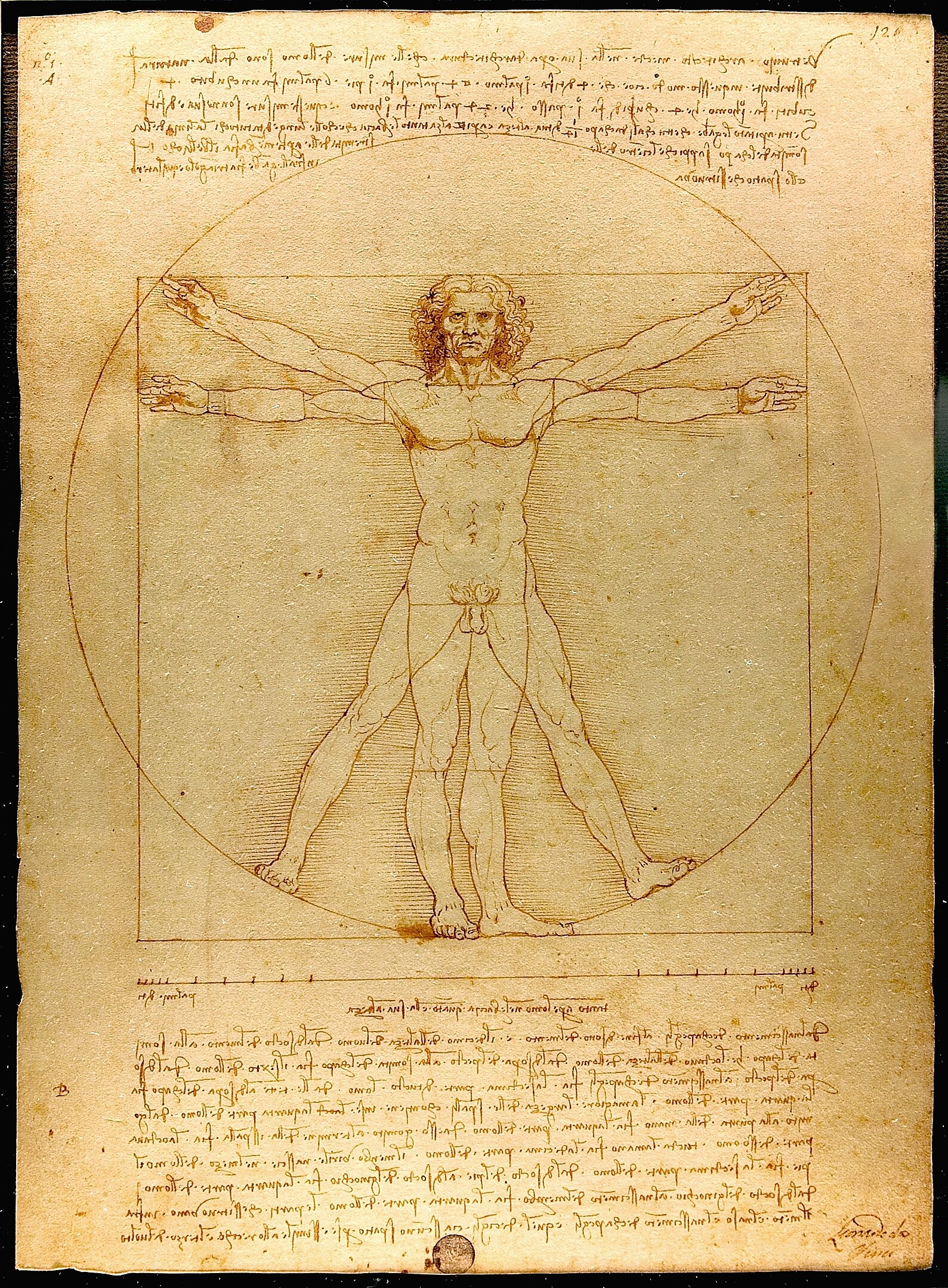
Though not a finished artwork, Leonardo da Vinci’s Vitruvian Man remains one of the most iconic representations of the Renaissance fascination with the male nude. Based on the writings of the ancient Roman architect Vitruvius, Leonardo’s drawing explores the mathematical proportions of the human body, inscribing a nude male figure within both a square and a circle. This image is not only an anatomical study but a philosophical statement on the harmony between man and the universe. Leonardo, like many Renaissance artists, saw the male body as a manifestation of divine order, bridging art, science, and humanism.
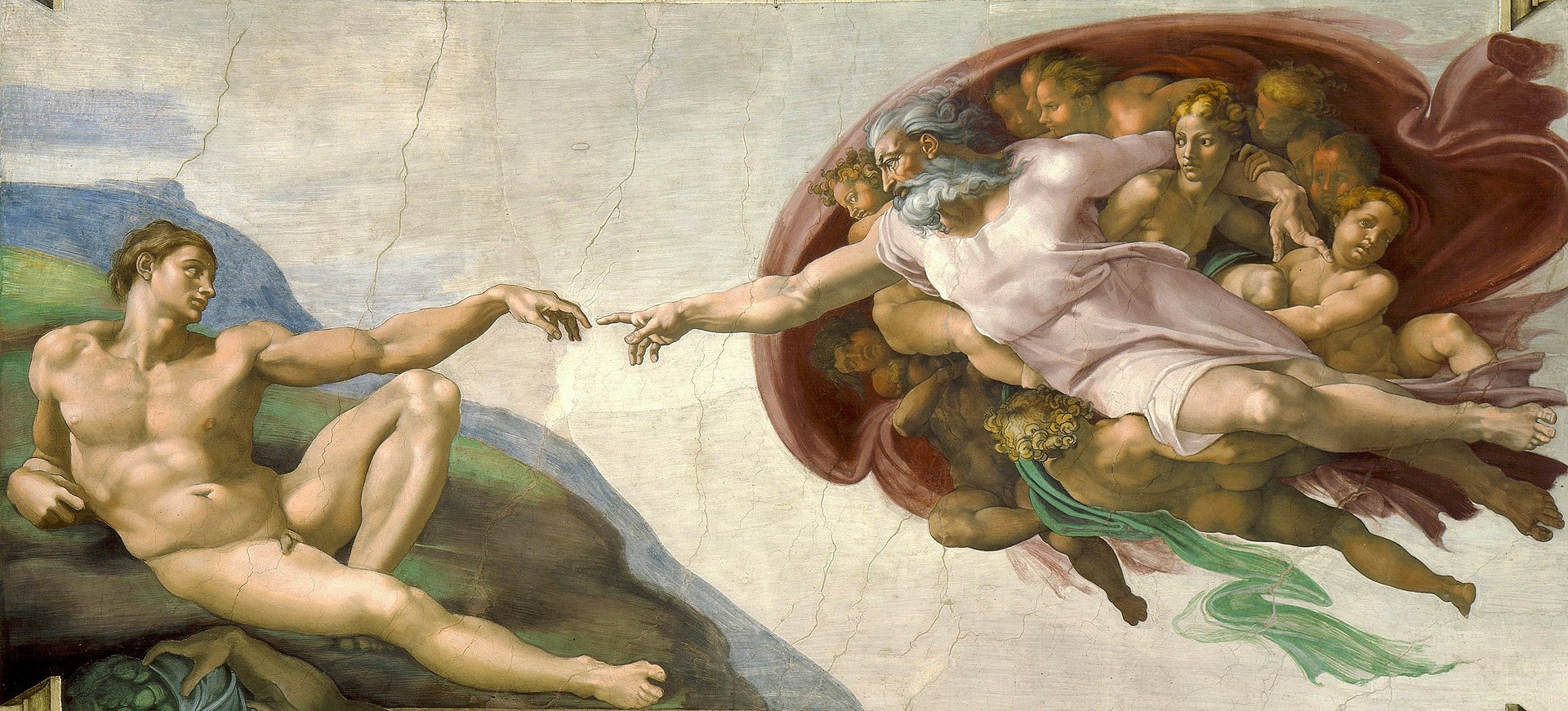
Another of Michelangelo’s masterful depictions of the male nude is found in The Creation of Adam, a fresco on the Sistine Chapel ceiling. Here, the muscular, reclining figure of Adam reaches out toward God in a moment of divine animation. Adam’s body, sculpted with the precision of an ancient Greek athlete, exudes both physical perfection and vulnerability, symbolizing humanity’s potential and dependence on divine grace. The composition and exaggerated gestures heighten the drama of the scene, making it one of the most celebrated images of the Renaissance.
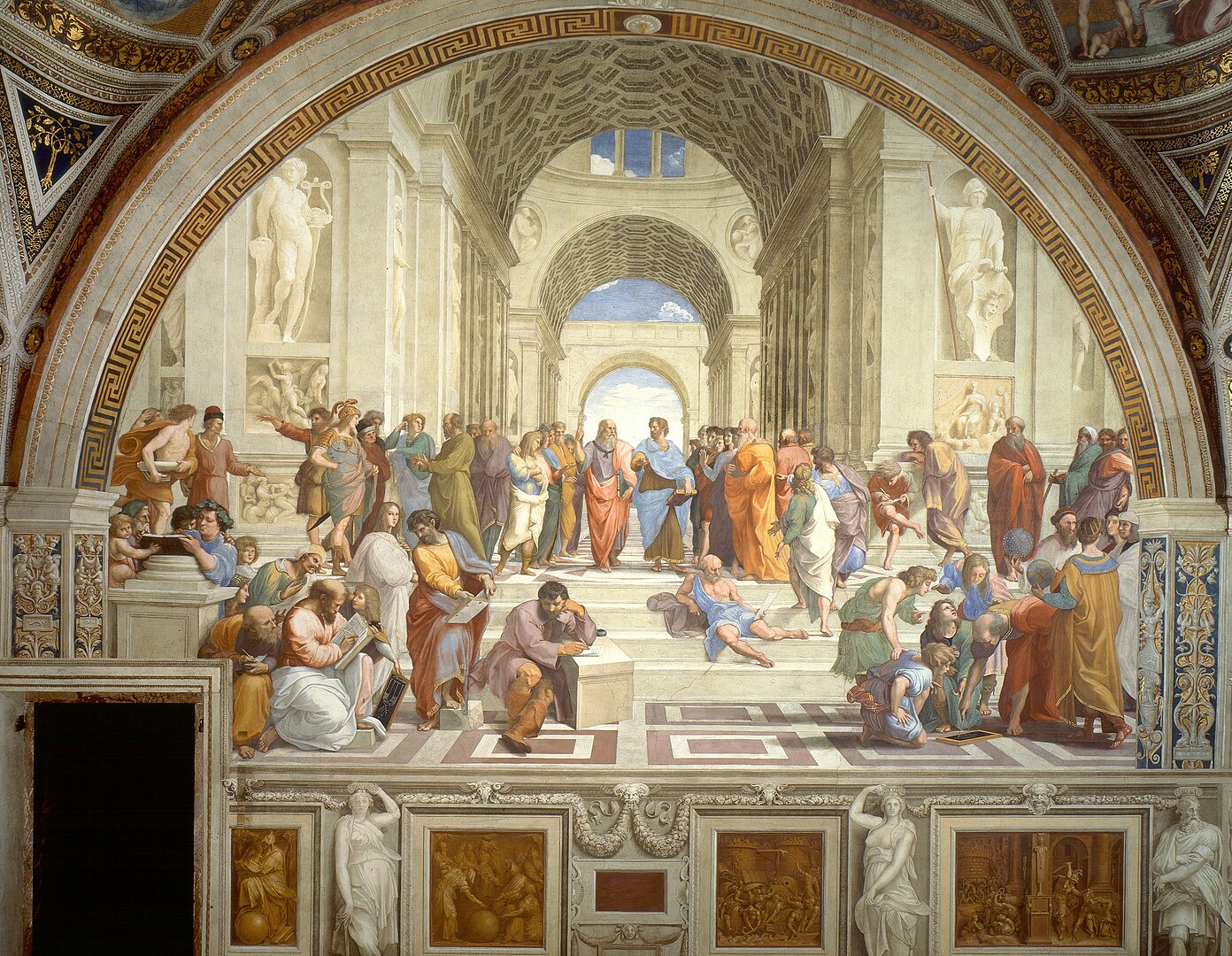
While Raphael is best known for his refined, idealized figures, The School of Athens includes several striking male nudes that showcase his mastery of anatomy and composition. The figures reclining in the foreground, likely inspired by classical sculptures, demonstrate the Renaissance artist’s ability to capture the beauty of the human form while integrating it into a grand intellectual scene. Unlike Michelangelo’s muscular intensity, Raphael’s figures possess a softer elegance, reflecting the harmonious balance that defined his artistic style.
The Renaissance aesthetic for the male nude in art was a testament to the period’s renewed admiration for classical ideals, humanism, and scientific inquiry. Whether through the sensual grace of Donatello’s David, the heroic grandeur of Michelangelo’s sculptures, or the intellectual rigor of Leonardo’s anatomical studies, Renaissance artists transformed the male nude into an enduring symbol of beauty, strength, and the limitless potential of mankind. Their works not only revived ancient artistic traditions but also laid the foundation for future generations of artists who would continue to explore and celebrate the human form.

Spring

Spring
By Louise Imogen Guiney
With a difference —Hamlet.
Again the bloom, the northward flight,
The fount freed at its silver height,
And down the deep woods to the lowest,
The fragrant shadows scarred with light.
O inescapable joy of spring!
For thee the world shall leap and sing;
But by her darkened door thou goest
Forever as a spectral thing.
About the Poem
Louise Imogen Guiney’s poem “Spring” is a lyrical meditation on the renewal and beauty of nature as the season changes. Guiney, a late 19th and early 20th-century poet, was known for her refined, often pastoral poetry that blended classical influences with a keen appreciation for the natural world. The poem captures the essence of spring as a time of rebirth, hope, and rejuvenation. It highlights the transition from winter’s barrenness to the lush vibrancy of spring, reflecting nature’s cyclical pattern.
Guiney employs rich and delicate imagery, describing blossoming flowers, fresh greenery, and the return of birdsong. She uses sensory details to create a vivid picture of the changing landscape, engaging the reader’s sight, smell, and hearing. The tone is celebratory and reverent, appreciating nature’s beauty and its connection to the human spirit. There is a sense of awe in how nature renews itself effortlessly, contrasting with human struggles.
Guiney’s style often incorporates classical references, and “Spring” may allude to mythology or poetic traditions that celebrate the season’s return. She employs a lyrical structure reminiscent of Romantic and Victorian poetry. Beyond a simple depiction of nature, the poem may suggest deeper themes of hope, resurrection, and the passage of time. Spring symbolizes a fresh start, not just for nature but metaphorically for the human soul.
Guiney’s “Spring” exemplifies her ability to blend refined, classical poetics with an intimate, heartfelt appreciation for nature’s beauty. The poem resonates with the universal joy of witnessing the world awaken after winter’s dormancy.
About the Poet
Louise Imogen Guiney (1861–1920) was an American poet, essayist, and critic known for her lyrical and refined verse, often inspired by classical and religious themes. Born in Roxbury, Massachusetts, she was the daughter of an Irish-American Civil War general, which instilled in her a deep appreciation for history and heroism. Guiney was educated at the Convent of the Sacred Heart in Providence, Rhode Island, where she developed a love for literature. Throughout her life, she was deeply involved in Boston’s literary circles, forging friendships with other poets and writers, including Alice Brown and Thomas Wentworth Higginson. Her poetry was influenced by English metaphysical and Romantic poets, reflecting a stylistic elegance and devotion to themes of faith, chivalry, and nature.
In the 1890s, Guiney moved to England, where she pursued her passion for medieval and Renaissance literature, dedicating herself to literary research rather than poetry. She worked as a librarian and scholar, focusing on editing and promoting lesser-known poets of the past. Despite her literary contributions, she struggled with financial difficulties and poor health, which limited her output in later years. She passed away in Chipping Campden, England, in 1920, leaving behind a legacy of poetry and essays that reflected her erudition, spiritual depth, and love for the poetic traditions of the past. Her work, though not widely known today, remains an important part of late 19th-century American literature.

Migraine Weekend

I had a migraine all weekend, one that was especially bad yesterday. Thankfully, I’m feeling better today because I have to go to work today. I need to prepare for this week’s classes. I also have a few things I need to work on for next week. However, because of my migraine and still feeling a bit foggy from my migraine medication, I don’t have much to say today.
I hope everyone has a great week!

Standing Strong in Our Identity

“Finally, be strong in the Lord and in His mighty power. Put on the full armor of God, so that you can take your stand against the devil’s schemes.”
— Ephesians 6:10-11
As LGBTQ+ people of faith, we often face struggles that test our confidence in God’s love and our own worth. Whether it’s rejection from loved ones, misunderstandings within faith communities, or the internal battle to fully embrace who we are, the journey can feel like a spiritual battlefield.
Paul’s words in Ephesians remind us that our strength does not come from human validation but from God’s mighty power. When we put on the “full armor of God,” we clothe ourselves in truth, righteousness, faith, and the assurance that we are beloved. This armor isn’t about fighting others—it’s about standing firm against the voices that try to convince us we are anything less than God’s beautifully made children.
The world may tell us we don’t belong, but God’s truth says otherwise. With His strength, we can reject fear and embrace courage. We can walk boldly in our identities, knowing that our faith and authenticity are not at odds, but rather, a testimony of God’s creative and inclusive love.
Where in your life do you need to put on the armor of God? How can you remind yourself today that you are deeply loved and divinely empowered? Remember that God strengthens us with His power. He helps us to stand firm in the truth that we are made in His image. He clothes us in faith and loves so that we may walk boldly in our identity, knowing that we belong to God.

Moment of Zen: Sunrise 🌄
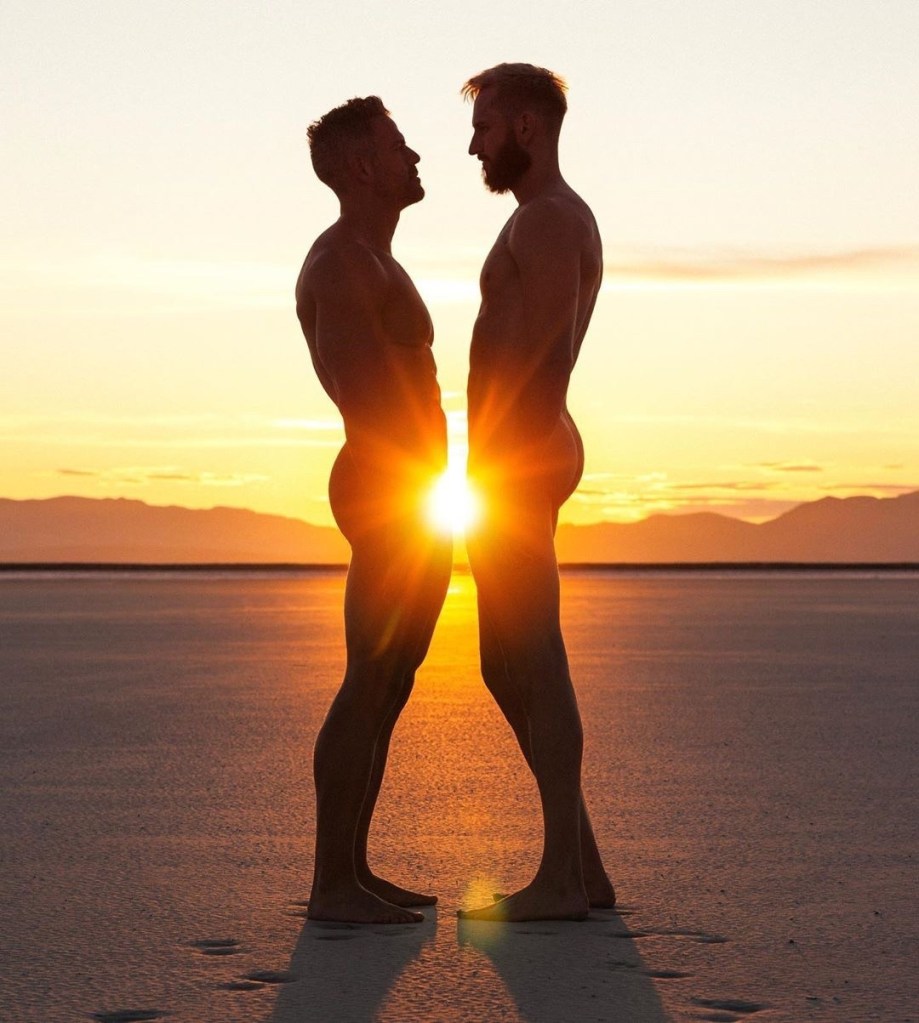
During this time of year in Vermont, I get to watch the sunrise over the mountains on my way to work. It’s so beautiful, and I feel lucky to see the sunrise each day.

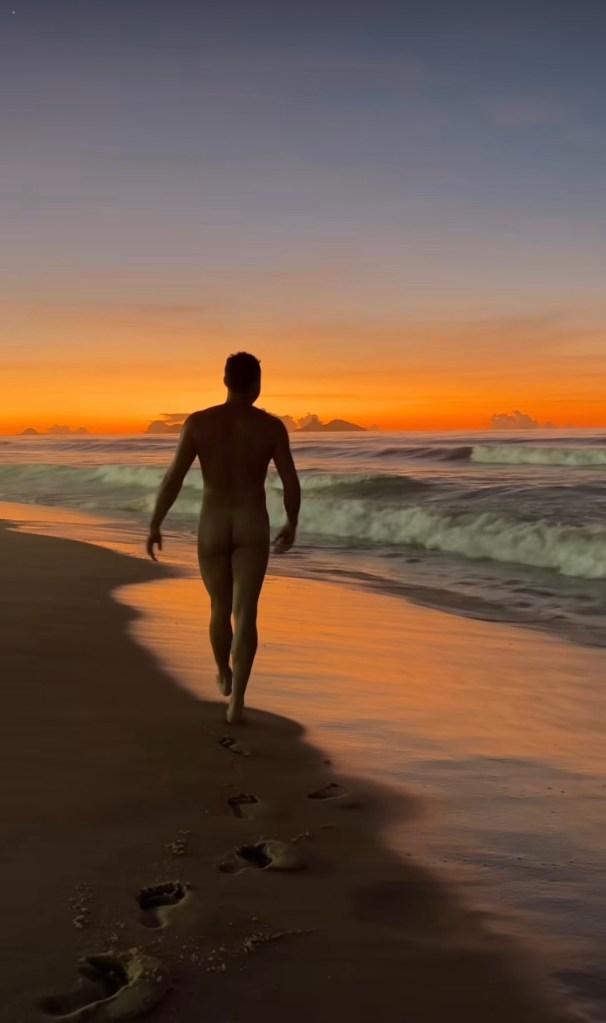

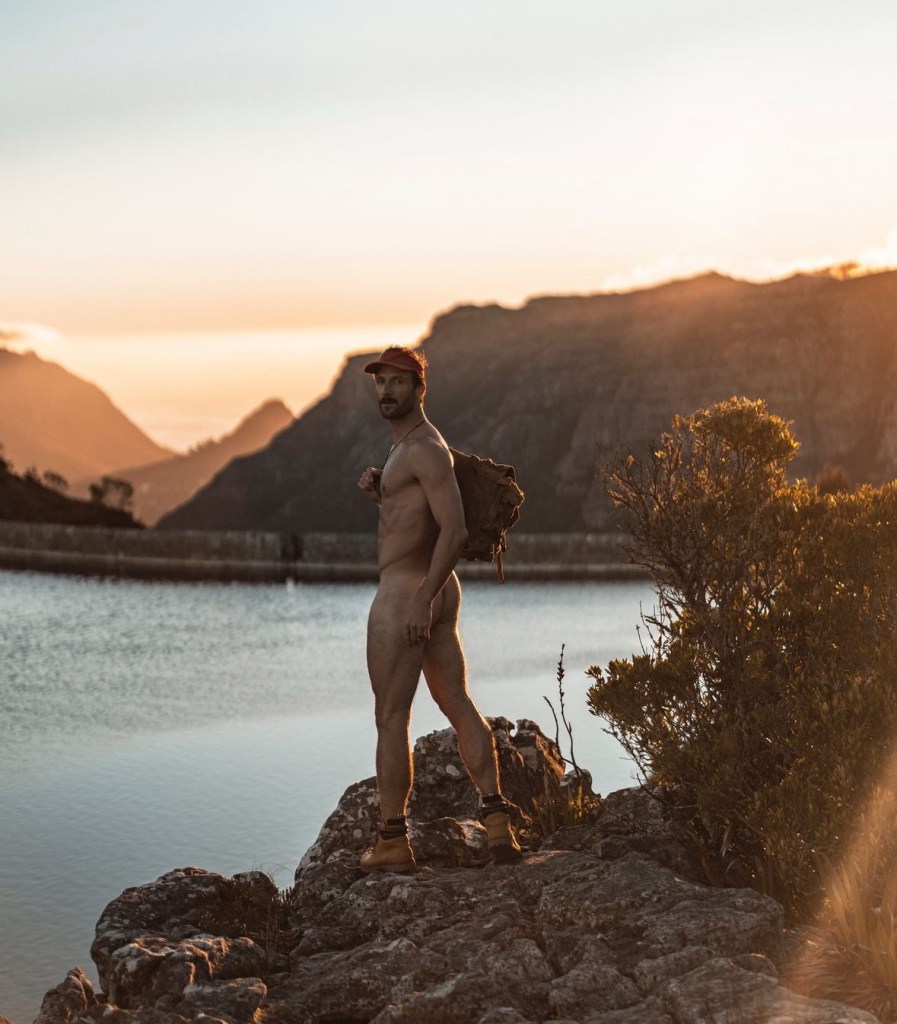


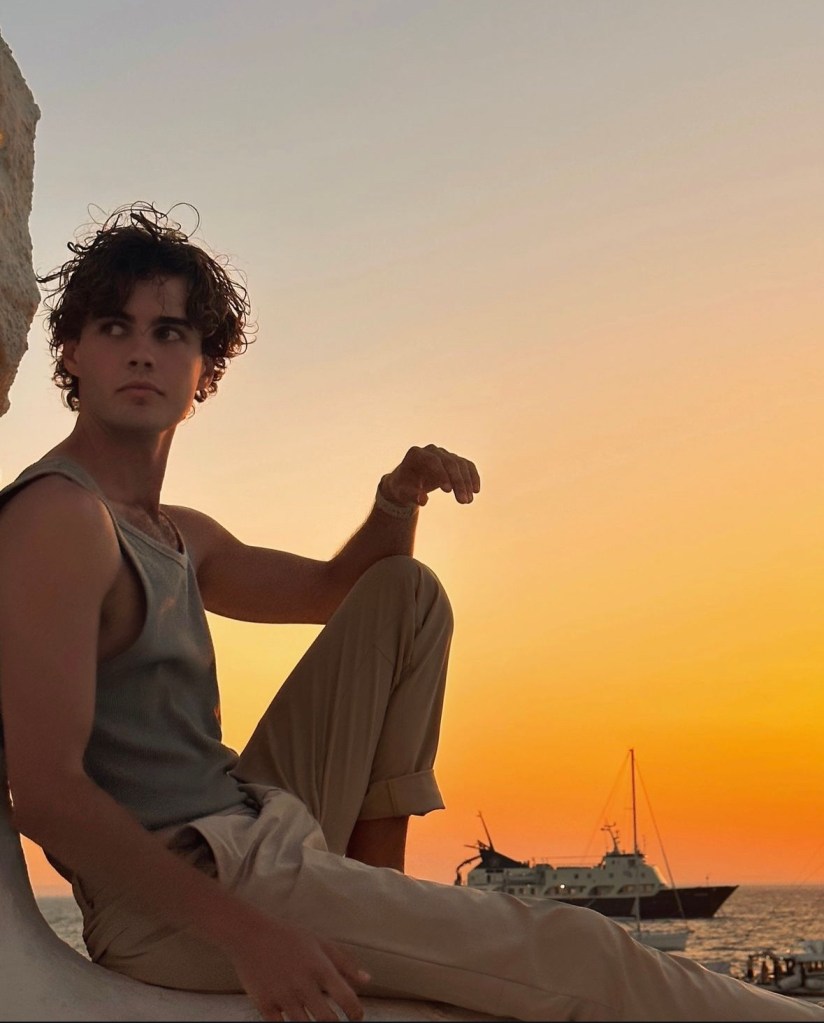

It’s always difficult to tell if a picture is showing a sunrise or sunset, but I chose images that I thought were more likely sunrise: men exercising, in a towel after a morning shower, or looking towards the dawn of a new day.


Authors
Recent Comments
Joe on Pic of the Day Benny S on Pic of the Day noisilycool3bc985058… on Pic of the Day iameverywhere1 on Pic of the Day Joe on Pic of the Day Top Posts & Pages




Amazon Associate

As an Amazon Associate I earn from qualifying purchases. So, if you click on a link that takes you to Amazon.com, I may earn a commission.
Trust me, it isn’t much, but every little bit helps.

 Joe
Joe


 The Closet Professor