Category Archives: Coming Out

Awakenings in the Dark: How Pop Culture Lit the Way for Generations of Gay Men

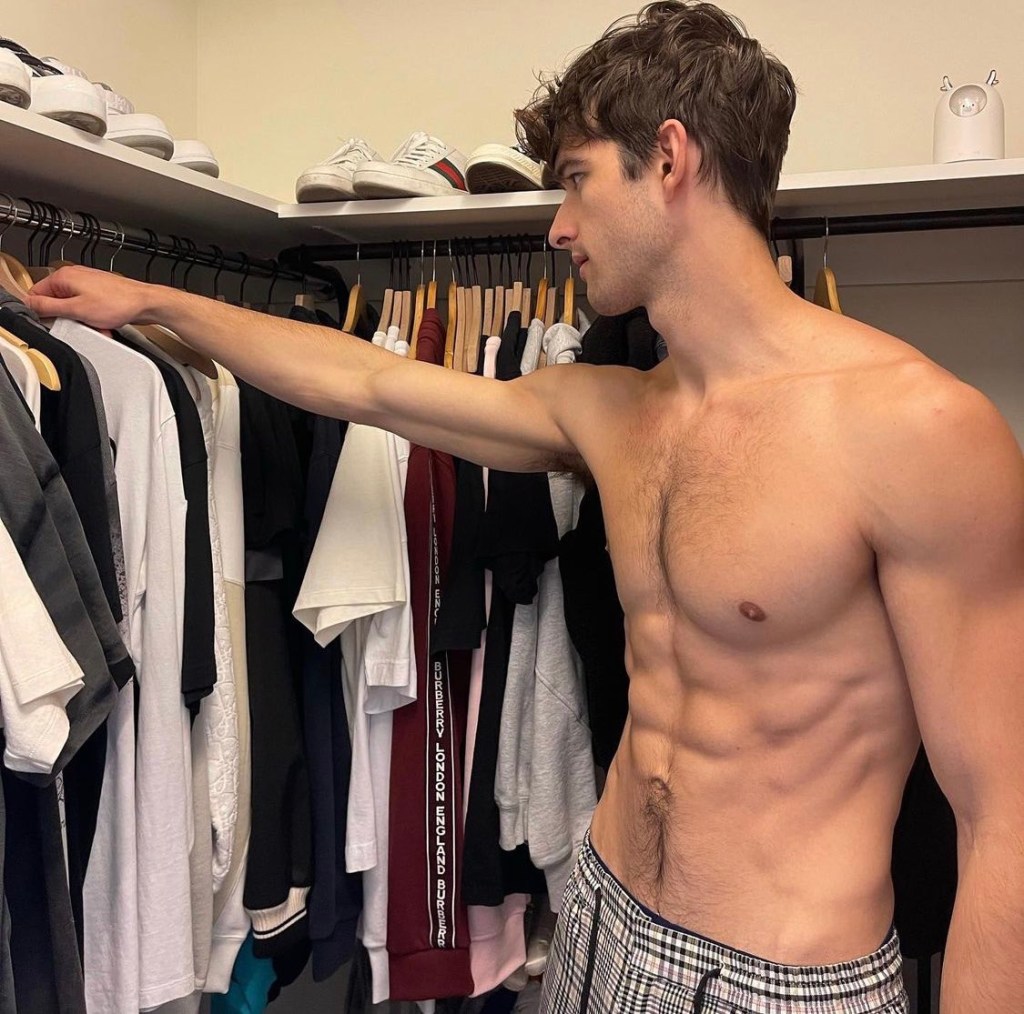
This post probably does not fit my usual art history post, but as I was thinking about the art of the male nude throughout the ages, I thought about the moment many gay men can point to—not always with words, but with a scene, a song, a sensation. A flicker of something electric, confusing, and undeniable. A man on a screen, a model in an ad, a lyric that hit too close. We call these gay awakenings. They rarely arrived with clarity, but they lingered, imprinted deep in the memory. They were the first time something inside whispered, That. I want that. Were their moments like that for men throughout history? Surely it was not a 20th century phenomenon, but we don’t have historical evidence since men rarely left behind evidence of their same sex attractions, especially not what sparked them. 

However, we do have evidence of what sparked gay awakenings in the 20th and 21st centuries. These moments shifted over the decades, shaped by the media of the time. Yet across generations—from Baby Boomers to Gen Z—the need was the same: a glimpse of oneself, not necessarily as the man on screen, but in the wanting of him.
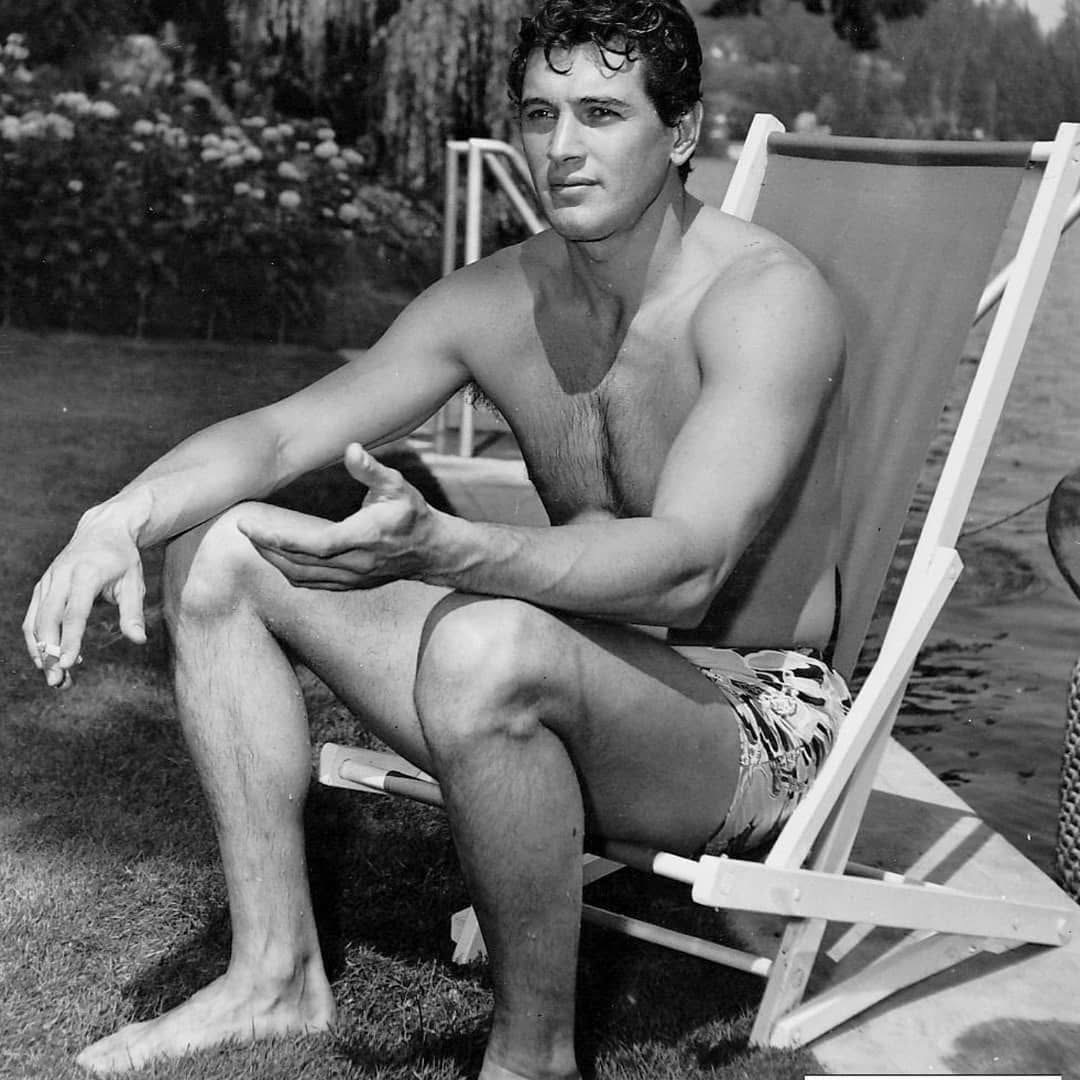
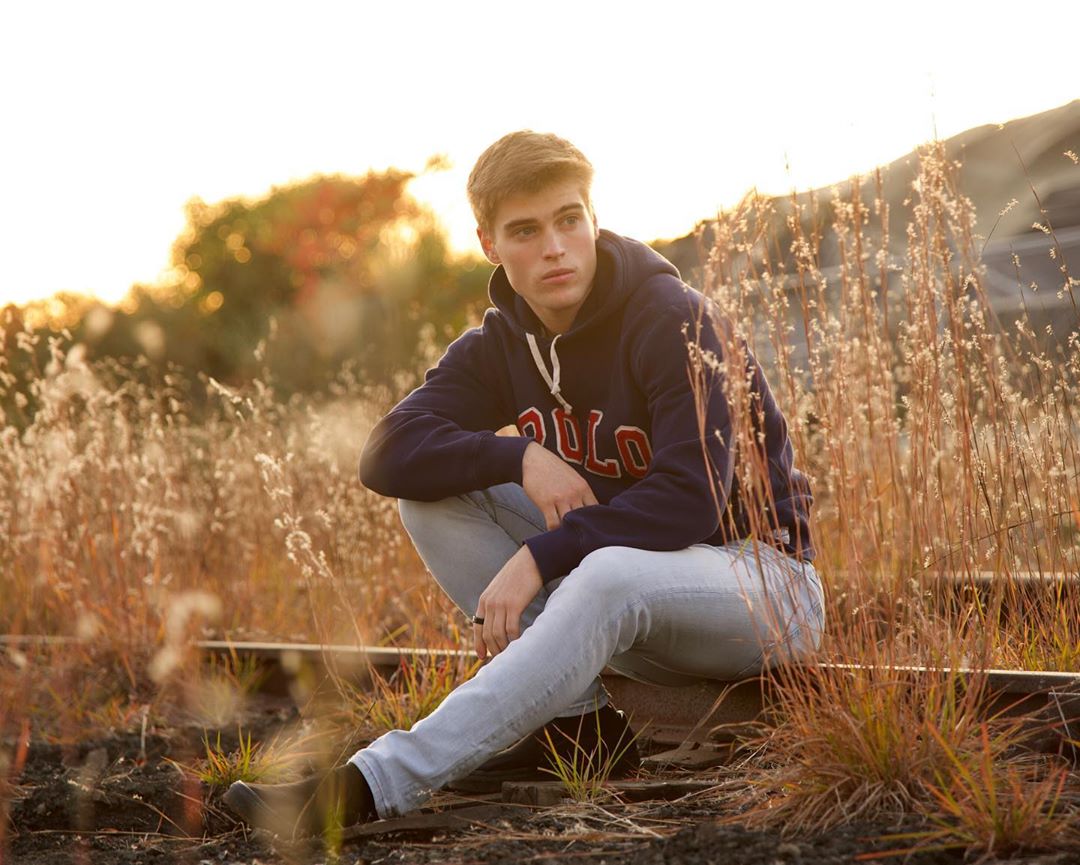
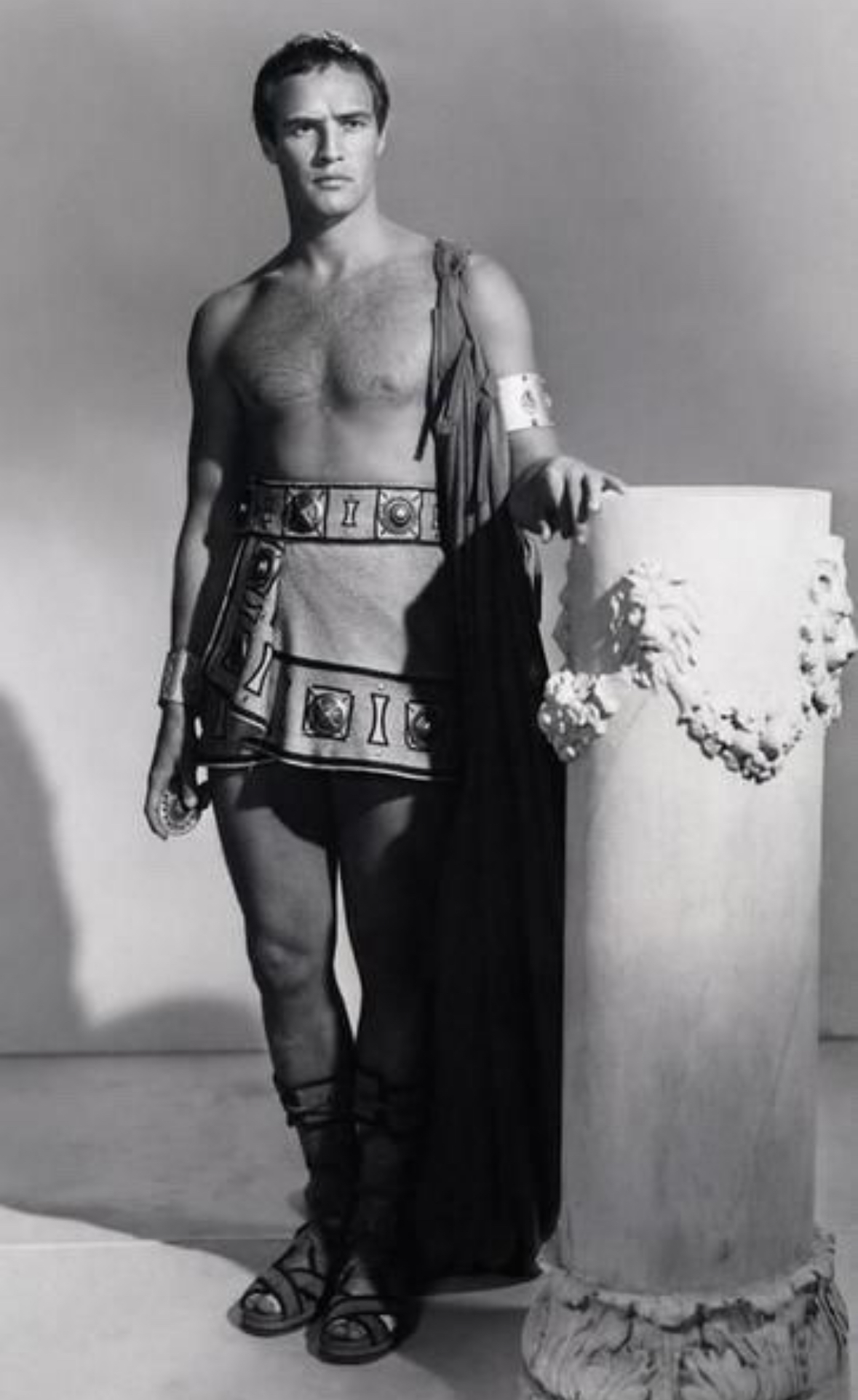
For gay men growing up in the 1950s and ’60s, the world was rigid, policed, and wrapped in postwar propriety. But desire, as it always does, found cracks to seep through. That first pulse of awareness might’ve come while watching Elvis Presley swing his hips across a black-and-white TV screen on The Ed Sullivan Show. It might’ve flickered during a particular heartthrob in a movie: a Rock Hudson melodrama, Cary Grant in almost anything, Marlon Brando’s famous shirtless scenes as Stanley in A Streetcar Named Desire or Marc Antony in Julius Ceasar, maybe it was James Dean or Tab Hunter. Even if the smiles of these movie stars were aimed at women, it didn’t matter. It was that moment when you realized, I’m attracted to him and not her. It’s a moment you can’t get out of your head and know that you need to see more of it.
These early awakenings were subtle, even silent. There were no gay characters on sitcoms, no Pride ads in June. But for a boy watching from his living room in the heartland, something stirred. Not quite nameable yet—but real.

By the time Gen X came of age in the ’80s and ’90s, the closet still loomed, but the culture had begun to shift. It was easier to access desire—though often through coded or carefully curated channels. A single moment, burned into the memories of many: Ryan Phillippe, naked, stepping out of the pool and showing his perfectly round little butt in Cruel Intentions. Dripping, glistening, camera lingering. For an entire generation, that was it. The scene that turned curiosity into hunger.
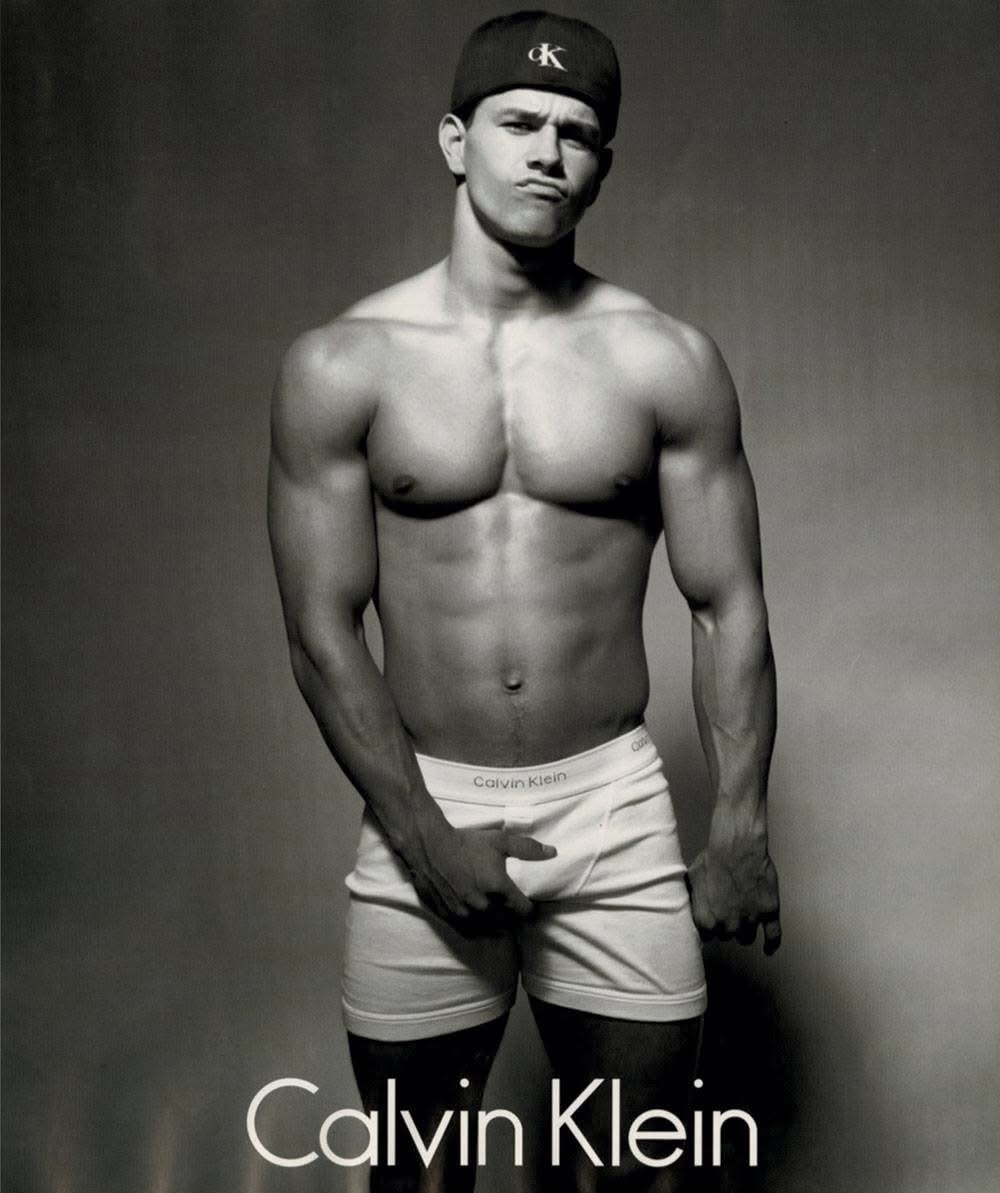
But it wasn’t just Phillippe. Mark Wahlberg’s Calvin Klein ads—shirtless, groping himself, caught in a mix of menace and seduction—lit up billboards and bedroom walls. In films like My Own Private Idaho, River Phoenix’s quiet, aching portrayal of love between men became a poetic kind of longing. These weren’t just pretty faces. They were emotional mirrors. My earliest such moments were probably either Harry Hamlin in Clash of the Titans or seeing Jose Canseco playing for the Oakland Athletics in the World Series. It started me collecting baseball cards. I can remember getting baseball cards from a cereal box one time and one of the cards was of Ryne Sandberg, who played for the Chicago Cubs. But still nothing cemented that knowledge that I had innate desires that could not be quelled like Cruel Intentions. Seeing Ryan Phillippe, naked, stepping out of that pool! Who cared if he was doing it to entice Reese Witherspoon? I sometimes forget there were women in the movie, especially with the scene of Greg McConnell (played by Eric Mabius) and Blaine Tuttle (played by Joshua Jackson) being caught in bed together. 
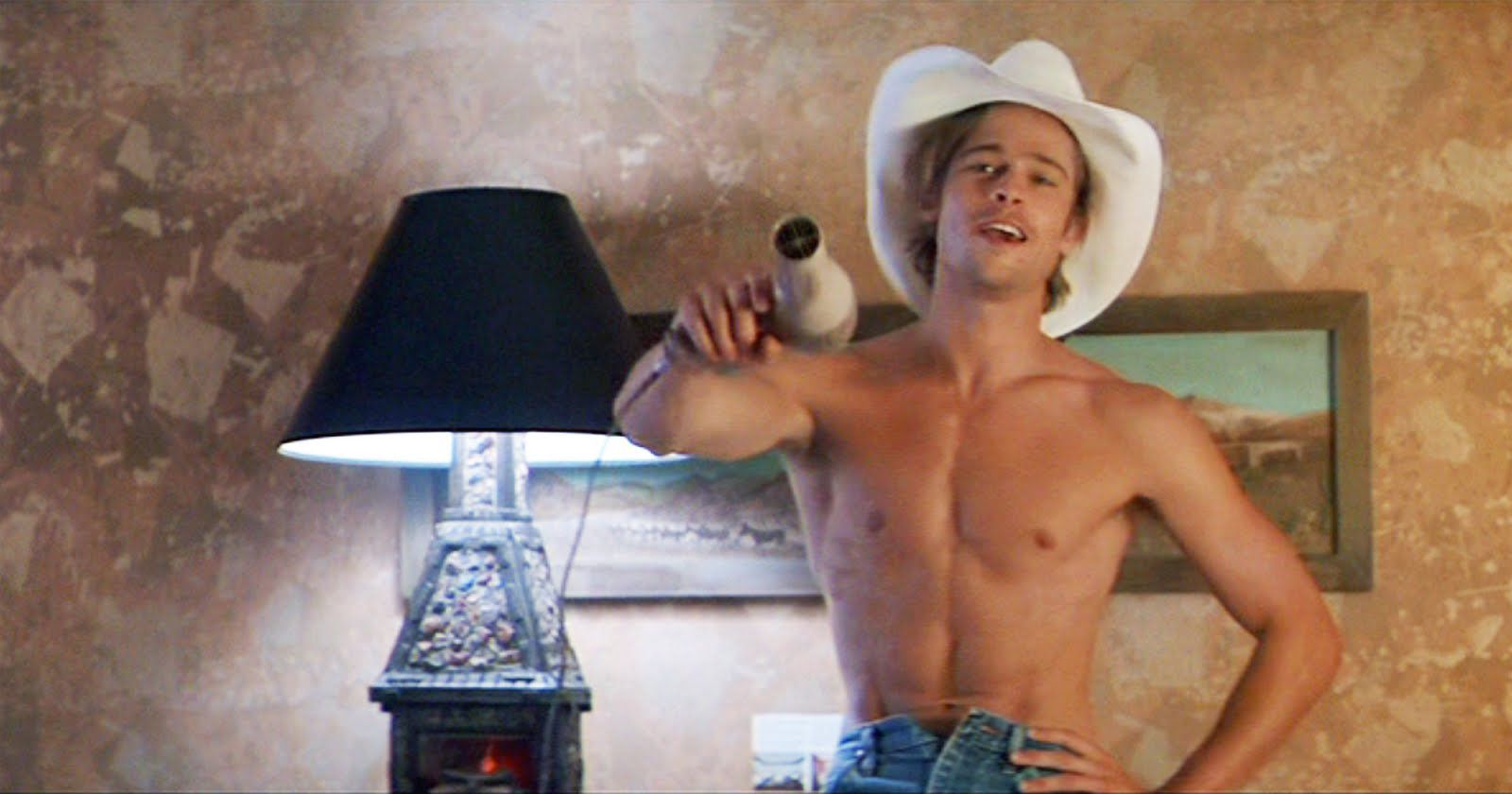
Millennials, too, found themselves through media, often somewhere between Tiger Beat and Tolkien. Orlando Bloom’s Legolas—the long hair, the soft voice, the bow taut with tension—captured the hearts of queer teens who didn’t yet know how to articulate why. Brad Pitt, shirtless and boyish in Thelma & Louise, became another kind of icon: all-American, sunlit, and openly objectified. TV shows like Buffy the Vampire Slayer blurred the lines even more. Angel and Spike weren’t just crushes—they were obsessions. Dangerous, beautiful men in leather with tortured pasts? For many, it was the perfect metaphor for closeted longing.

These awakenings were both erotic and emotional. They offered not just something to look at, but someone to feel through—long before there were gay storylines, there were boys and men who lived in our imaginations, held close in the safest, quietest corners of ourselves. And then came Gen Z—digital natives raised in a world where queerness was no longer only subtext, but storyline.
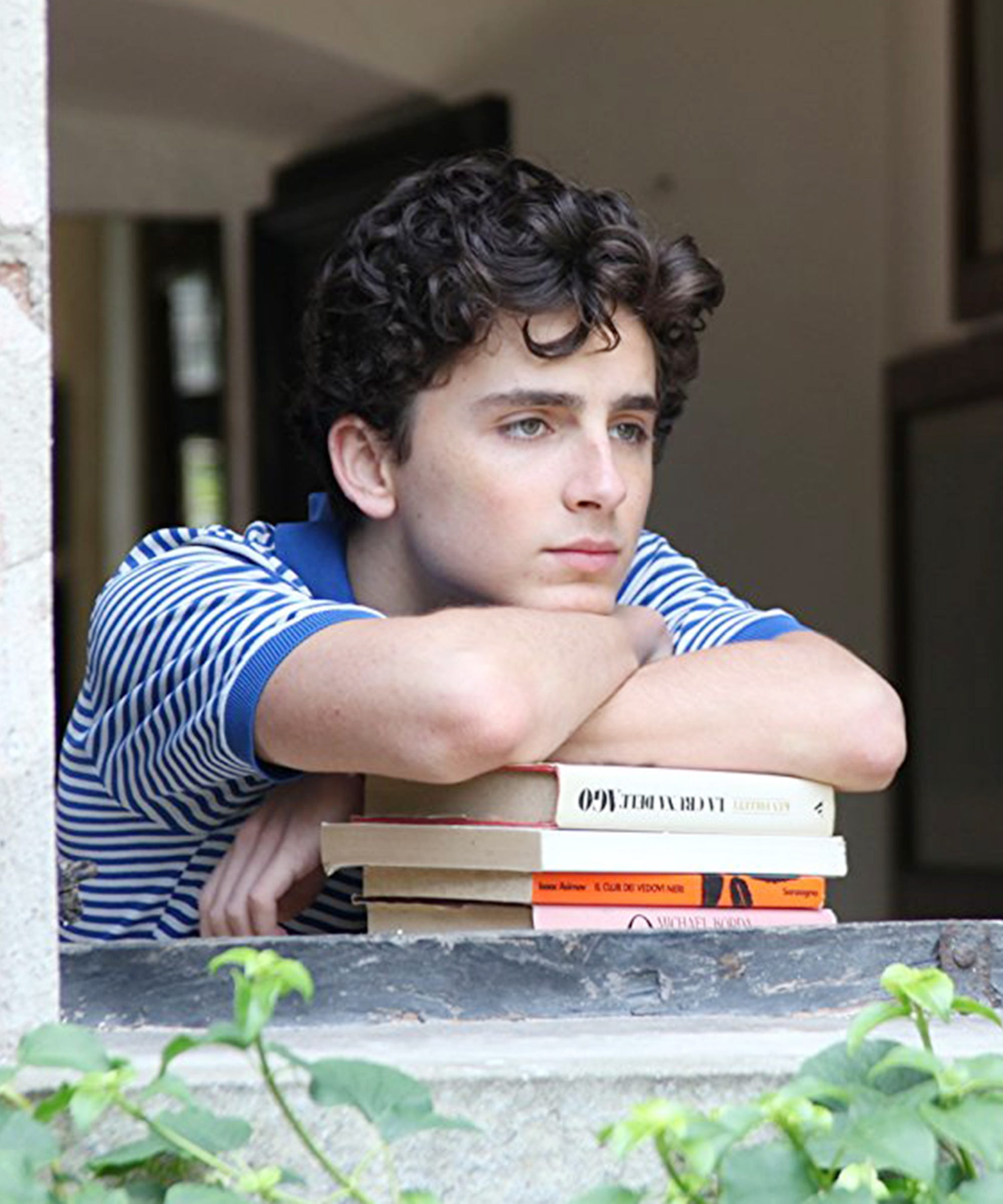
For many, Call Me by Your Name marked a watershed. Timothée Chalamet’s Elio was delicate, curious, and wholly queer in his desires. His aching love for Oliver wasn’t a tragedy—it was treated with reverence. Suddenly, queerness wasn’t just tolerated; it was cinematic, sun-dappled, and wrapped in classical music. Shows like Heartstopper carried the torch further, giving Gen Z something previous generations never had: visibility that was joyful. Awkward handholding, nervous smiles, first kisses that felt earned. This wasn’t subversion—it was celebration. 

In music, Troye Sivan crooned openly about blooming into desire, backed by visuals that were lush, erotic, and defiantly gay. Even Shawn Mendes, unintentionally or otherwise, became a fixation—his sensitivity and softness standing in contrast to the hard-edged masculinity of previous eras. For Gen Z, the awakening didn’t have to be hidden. It could be shared, tweeted, TikToked. And while every personal journey is unique, there’s comfort in knowing you’re not the only one who paused the movie, rewound the scene, or stared a little longer than you were “supposed” to.

These weren’t just crushes. They were compass points. They told us what we desired, yes—but also what we feared, what we yearned for, and what we might one day become. In eras when queerness was unspeakable, these awakenings whispered, You’re not alone. Sometimes that whisper came from a jock in a magazine ad. Sometimes from a vampire in a leather coat. Sometimes from a boy in the back row who looked at you just a second too long. But they all left a mark. And for many of us, that first flash of longing—in the flicker of a television screen or the fold of a catalog page—wasn’t just the start of desire. It was the beginning of truth.

While I know I could never name every example, here’s a curated selection of some of the most iconic gay awakening clips and ads:



Hiding

“Can anyone hide himself in secret places, So I shall not see him?” says the Lord; “Do I not fill heaven and earth?” says the Lord.

—Jeremiah 23:24

There are many LGBTQ+ people who never come out of the closet for any number of reasons. Often that reason is religious. LGBTQ+ Christians often are made to feel great shame over their sexuality, and they fear losing their family, friends, and sometimes even their jobs. Others who live countries where being LGBTQ+ is a crime remain in the closet because they fear for their lives because the punishment for being LGBTQ+ is either imprisonment or death. There are other reasons as well, most arguments against the LGBTQ+ community is or originally was based on religious beliefs. It is so sad that we live in a world that does not fully accept all people regardless of their sexuality, race, gender, religion, ancestry, etc. For others, they do not even come out to themselves let alone others. Jeremiah 23:24 that God proclaims, “Can anyone hide himself in secret places, So I shall not see him?” In other words, we do not have to come out to God, who is omnipotent, omniscient omnipresent, and omnibenevolent.

I have always believed that God created me as gay. Many people argue that it is a choice, I do not believe that it is. We are born this way. We are created by God, who does not make mistakes. Jeremiah 29:11-12 says, “For I know the plans I have for you, says the Lord, plans for welfare and not for evil, to give you a future and a hope. Then you will call upon me and come and pray to me, and I will hear you.” If I ever got a tattoo of a Bible verse, this would be it. It is my core philosophy that God has a plan for me, and I pray that He will guide me on the path to fulfill his plan. When God created us, our sexuality was part of that creation, and we should be proud to be part of God’s plan. Whether someone comes out or not, God created us in a way for a purpose and we should not hide form ourselves because we cannot hide from God. Proverbs 16:3 says, “Commit your works to the Lord, and your thoughts will be established.”

God knows that many struggle with their sexuality. We may recognize an attraction to men early in our lives. We may find we are attracted to both men and women. We may realize that we are born with the wrong gender. We may not even know what these feelings means, but God does. Whether we feel supported or not by the outside world, what we can be sure of is that we are accepted by God for how he created us. God will give us the strength we need to carry out His plan for us. Philippians 4:13 says, “I can do all things through Christ who strengthens me.” The closet can be a lonely place, and coming out can help end that loneliness, but we are never truly alone. God is omnipotent and all-powerful. God is omniscient and all-knowing. God is omnipresent and is always with us. God is omnibenevolent and will always love us. He is the personification of goodness, so we should not fear coming out to God because he already knows and already loves us.

In the “Parable of the Talents,” (Matthew 25:14–30), Jesus tells of a master who was leaving his house to travel, and, before leaving, entrusted his property to his servants. According to the abilities of each man, one servant received five talents, the second had received two, and the third received only one. The property entrusted to the three servants was worth eight talents. Upon returning home, after a long absence, the master asks his three servants for an account of the talents he entrusted to them. The first and the second servants explain that they each put their talents to work and have doubled the value of the property with which they were entrusted. The third servant, however, had merely hidden his talent, burying it in the ground. The third servant is punished and banished from the master. Thought his story is about a sum of money, there is a double meaning here. The use of the word “talent” to mean “gift or skill” in English and other languages originated from an interpretation of this parable sometime late in the 13th century. God gives us many talents, one of those is that He created all of being, including our sexuality.

Whether you remain in the closet only long enough to realize that you are in the closet, or you never emerge from the closet, you are still the person God created and the person God wants you to be. We have to be ourselves. We literally can’t be anyone else. If we hide who we are, we are hiding a gift given by God. It may not be safe for you to come out, but know that God sees you, He knows you, and He loves you. So, the least you can do is know yourself and love yourself. The Bible tells us to embrace Jesus and His sacrifice and live our lives based on that model. Part of being a healthy individual is figuring out who God wants us to be and learning to grow into and love­ that person. Paul tells us in Romans 12:2, “And do not be conformed to this world, but be transformed by the renewing of your mind, that you may prove what is that good and acceptable and perfect will of God.” First John 4:19 tells us, “We love Him because He first loved us.” I will end with this verse from Ephesians 2:10, “For we are His workmanship, created in Christ Jesus for good works, which God prepared beforehand that we should walk in them.”

A note on the context of Jeremiah 23:24:

Jeremiah 23:24 is a short passage from a series of prophesies in which the Jeremiah is supposedly in conflict with other prophets in his society. Jeremiah, one of the major prophets in the Bible, lived during the late 7th and early 6th centuries BC. He prophesied that Jerusalem would be handed over to the Babylonian army, which it did in 587 BC. Biblical scholars have argued that this verse and the one before it first had an independent existence before it became part of the collection of prophesies in Jeremiah 23:9-40. I usually do not take verses out of context, but this is one time that I will, especially since some scholars believe that it was part of an independent prophesy. As a stand-alone verse, Jeremiah proclaims that his God is not just a localized god like many of the gods of the polytheistic people around Judah, but an omnipresent God from whom no person can hide. When read as part of Jeremiah 23:9-40, it should be regarded as a passionate argument against a view held by some prophets that God’s nearness guarantees peace and security.


Understanding

“The painful part of being a queer kid is not in the knowing you’re queer, it’s in the not knowing. You know you’re different but you don’t know why. The other kids know you’re different too, in fact, they never let you forget it. But no one gives you a language for it. No one gives you a mirror. And so you just sit there, quietly, being different. Not fitting. Trying to be invisible. And so you are, truly, alone.”

I recently saw the above quote, and sadly, I don’t know who said it. However, if you grew up LGBTQ+, and I know most of you did, you can probably identify with this. I didn’t understand how I was different when I was young, I just knew that everyone said so. I also knew I was attracted to guys, but I “knew” I wasn’t supposed to be and kept telling myself that I just admired how they looked or acted and wished I was the same way. I had no words for it because either no one spoke about gay people or it was such an awful thing that it never occurred to me that I was that way too. 

Growing up, there was never even the slightest question as to whether I would go to college. No one could imagine I wouldn’t. The same was true about being gay. It was never something that I contemplated I could be. Kids used to call me gay, a fag, a queer, or a sissy, but I never thought any of those words pertained to me. They were just insults and hurtful. They made fun of the way I talked, walked, or moved my hands. Other kids made all of this sound so awful. I knew I was different, but I didn’t have the words to express how I was different. I think I knew that I didn’t want to be gay, a faggot, a queer, or a sissy. I also didn’t know how to change the way sound of my voice, how I walked, or my hand gestures. I tried, but to deepen my voice, it hurt my throat. Trying to walk more “manly” or not be expressive with my hands were done so unconsciously that it was a struggle to concentrate on not moving the way I moved.

Knowing I was different resulted in a few things that shaped my life. It made me incredibly shy and quiet, two things I’ve somewhat grown out of, though I can still be shy and quiet with people I don’t know. Being different and bullied caused a lifelong struggle with depression. It also encouraged me to hide in the world of books and to bury myself into studying. I read constantly, and I always made sure I got the best grades. Being smart though was a blessing and a curse. It was praised by some, but others just used it as another way to prove I was different. However, being smart was going to be my ticket out of my small hometown. They could make fun of me for being smart, but I never felt ashamed of that.

I didn’t begin to understand how I was different until college. I was able to do research on the internet. I could read books in private that helped me understand. I think one of the turning points was when I took an “Intro to Psychology” class. I can’t say I learned a lot from that class, but the professor allowed us to submit anonymous questions that he’d take time at the end of class to answer. Someone, and it was not me, asked, “How do you know if you’re gay?” The professor said that the subconscious mind can tell us a lot about ourselves, so think about what you dream. He said to ask ourselves what we dreamed at night. When we dreamed about a romantic partner or sex, was it about someone of the opposite or same sex? It made me think and to realize that I had never once in my memory dreamed of being with a girl. It was always a guy.

Many southern states are enacting “Don’t Say Gay” laws which prohibit teachers in elementary (and sometimes secondary) schools to discuss anything LGBTQ+. They are also banning books in libraries that discuss diversity. They are removing any of the resources kids need to understand why they are different and so alone. LGBTQ+ kids are more likely than straight kids to take their own life. If they could have a teacher they could talk to, adults who discussed with kids the diversity of sexuality, or the library had books a kid could read to help them understand, then maybe they’d realize they weren’t alone. If they saw that “Gay Is Ok,” then maybe they wouldn’t be so distraught and take their own life once they figured out why they are so different. I’d say that I don’t understand why homophobic politicians can’t see that they are killing kids by censoring what they can learn, but they wouldn’t care. These politicians tell themselves that if they keep kids ignorant of who they are, they can prevent them from being different. It doesn’t work that way. Instead, it harms these kids because they don’t understand or have the words to understand their feelings. I wish they would understand that this causes kids to harm themselves, but I also realize that these same politicians don’t care. If LGBTQ+ kids take their own life, then it’s one less person who doesn’t conform to their narrow minded beliefs.

Education, empathy, and understanding are some of the most important needs of young people. Those who are different and are forced to hide their true selves need to know that there is nothing wrong with them. 


Secret Place

He who dwells in the secret place of the Most High shall abide under the shadow of the Almighty.

—Psalm 91:1

Many of the newer translations of this passage use the word “shelter” instead of “secret place.” However, I think the King James Version (or in the case above the New King James Version [NKJV]) has a better translation because one need not limit the noun to merely a shelter (Hebrew, “cether”) as a structural entity. “Cether” can suggest construction of a physical nature, here it leans more toward a meaning akin to circumstances of secrecy, safe keeping, or protection. When dwelling in the secret place of God’s providence, faithful believers purposefully invest their trust in the One who promises to be the steward of their ultimate good in all things. 

I did a deeper dive into the word “secret place” or “shelter” for a reason. LGBTQ+ people spend part of their life in the closet. In a heteronormative world, we are seen as different which causes us to hide that part of ourselves until we feel comfortable to come out. You could say, “we dwell in a secret place.” I think Psalm 91 has a special meaning for LGBTQ+ Christians. The psalm is titled in the NKJV as, “Safety of Abiding in the Presence of God.”

Here I want to give you the whole of Psalm 91 (don’t worry, I won’t do a deep dive into all 16 verses):

He who dwells in the secret place of the Most High
Shall abide under the shadow of the Almighty.
I will say of the Lord, “
He is my refuge and my fortress;
My God, in Him I will trust.”

Surely He shall deliver you from the snare of the fowler
And from the perilous pestilence.
He shall cover you with His feathers,
And under His wings you shall take refuge;
His truth
shall be your shield and buckler.
You shall not be afraid of the terror by night,
Nor of the arrow that flies by day,
Nor of the pestilence that walks in darkness,
Nor of the destruction that lays waste at noonday.

A thousand may fall at your side,
And ten thousand at your right hand;
But it shall not come near you.
Only with your eyes shall you look,
And see the reward of the wicked.

Because you have made the Lord, who is my refuge,
Even the Most High, your dwelling place,
No evil shall befall you,
Nor shall any plague come near your dwelling;
For He shall give His angels charge over you,
To
keep you in all your ways.
In their hands they shall bear you up,
Lest you dash your foot against a stone.
You shall tread upon the lion and the cobra,
The young lion and the serpent you shall trample underfoot.

“Because he has set his love upon Me, therefore I will deliver him;
I will set him on high, because he has known My name.
He shall call upon Me, and I will answer him;
I will be with him in trouble;
I will deliver him and honor him.
With long life I will satisfy him,
And show him My salvation.”

Some people would see the “closet” as living a lie, but it is our “secret place” where we dwell in the shadow of God. We are closeted because we are scared and want to be safe. Some people can’t come out because it is dangerous for them. They are abandoned and disowned by their families and are forced to live in the streets, or they are forced to go through some type of religious therapy to make them straight. For many of us, coming out of the closet is a fear that we cannot confront, and we are constantly in fear that we will be found out. 

For many LGBTQ+ Christians who were raised in a conservative Christian environment, it is a struggle to accept ourselves in the face of those who tell us we are unnatural or an abomination. The fear of an eternity in Hell scares us, and we struggle with admitting that we are the way God made us. I have always said that “Christians” who preach hate are not Christians. They are people who use their religion as a way to discriminate and oppress others. If they believed in a universally loving God, then there would be no reason to have to come out and there would be no hate. Universal love and acceptance are a utopian world that we sadly do not live in. However, we live in a society (especially in non-authoritarian countries), where we can fight for that acceptance. It is a constant struggle, but it is a struggle where we “abide under the shadow of the Almighty.”

Psalm 91 tells us that we are safe under God’s shadow. I’ll be honest, I am at odds with my understanding of how God is in our daily lives. When I see good people suffer or die, especially “before their time,” it is hard for me to understand how God can let this happen. I don’t think it’s a question that I or anyone else can answer. However, I know we can take comfort in God’s love for us. When we are closeted, we do so for our safety, and I think God guides us through that safety net. When it’s our time to come out, if we ever do, I think we do so with God’s blessing, but I think we also can live in the closet with God’s blessing. He loves and protects us, though that protection may just be the comfort we take in our beliefs.

For many, believing in God is a comfort. It is our safety net. Believing that God exists gives me the strength to continue day to day. I look to God for guidance, and I pray that I recognize the signs of His guidance. I also believe that for those “who dwells in the secret place,” in this instance the closet, we do so “under the shadow of the Almighty.” God understands that the circumstances for being able to come out are varied, and everyone has their own struggle with coming out. For some, it is easier than others, but for those who it is not easy for, God will shelter them until the time comes to live outside of that “secret place.” There are two things we must understand, no one should be forced out of the closet, and we need to have understanding for those who remain in the closet. That being said, I have an exception to that rule: I have no pity for closeted people who do harm to the LGBTQ+ community just to hide their own sexuality. That is when someone is living a lie that cannot be tolerated by us or by God.


The Roads We Take

Yesterday was National Coming Out Day. Throughout history, people have remained in the closet for various reasons, but in this day and age, people are more comfortable and confident in coming out. Coming out is something that only a minority of people have to do. Only members of the LGBTQ+ community are forced to declare our sexuality in order to be true to ourselves. Some in the LGBTQ+ community, never come out, and that is their choice to make. For a lot of people, it’s a very difficult choice.

Yesterday, I posted the Robert Frost poem, “The Road Not Taken.” It’s final lines say:

Two roads diverged in a wood, and I—
I took the one less traveled by,
And that has made all the difference.

At some point in an LGBTQ+ individual’s life, they have certain choices they must make: Do I accept who I am? Will I hide who I really am from the world? If not, who do I want to come out to first? Who else do I want to know? Then, once out of the closet, we are forced to come out over and over again. Coming out has been the “road not taken” for many people. The LGBTQ+ community is a minority, and thus coming out becomes the road “less traveled by.” For me, taking that “less traveled by” road has made all the difference.


Delusions of Heterosexuality

When I was a teenager, it was inconceivable to me that I was gay. It took me being in college and reading some books, seeing some gay porn, and eventually exploring the internet before I realized that: Yes, I am gay. When I look back now, it seems crazy that I did not know I was gay. I had “crushes” on guys. I admired good looking guys. Hell, I even masturbated to guys at night when I was alone in my bedroom. How did I not realize I was gay when I only really fantasized and dreamed about guys? It was never women. I dated girls and even had sex with a few, but it was guys that I to whom I felt any kind of attraction.

Looking back, I bought fitness magazines and International Male catalogs. I told myself that I wanted to look like those guys. I wanted to have their physiques, even though I never have achieved that. I still told myself that I admired their bodies, but that I wasn’t attracted to them. Even with the guys I had fantasies about (and thought about being naked with them and doing sexual things with them), it never occurred to me that I might want a boyfriend or that I was gay. No, I told myself that I liked the way they looked, and I wanted to look like them. 

Obviously, I was deluding myself because I was always taught that the worst thing to be was a “faggot.” That’s how the bullies tortured me. They called me a “faggot,” “fag,” or “sissy.” I was so scared I was one, that I could not let myself believe that I was one. I was taught it was something wrong and dirty. God, how they fucked us up! 

Anyway, I’m curious. For those of you who did not come out early in life, who came out in college or later, what did you tell yourself about your attraction to guys? How did you justify to yourself that you were “straight” yet had an attraction to guys? I was so far in denial that I deluded myself into thinking it was just the admiration for guy’s physiques. What was your reasoning?


An NCOD Update

There is no poem post today. I have something very important to tell you about. I will likely post a poem tomorrow.

National Coming Out Day (NCOD) turned out to be more emotional than I could have expected. My niece, now my nephew, came out as trans (FTM) on Facebook. I don’t have the habit of checking Facebook often, but for some reason, I did check it first thing yesterday morning. At the top of my timeline was a post from my niece. While I was reading it, her name changed to his new name. I was immediately concerned for two reasons: 1) if this were true, this would not go well with his parents, and 2) if it wasn’t true, my niece was an insensitive jerk making a bad joke. I kept an eye on his Facebook page, and in a few hours, the post was gone. The name had reverted to the old name. No one commented on the post, so I am not sure how many people saw it. He’d posted it after midnight when presumably his parents had gone to bed, and I’m sure as soon as they saw it (my sister is always on Facebook), they made him take it down. I had a feeling it might be true since the terminology used was correct and the timing of the post as soon as it was officially NCOD. But I had to know for sure. I didn’t want him to be alone and scared if this was true.

I called my mom to find out what was going on, but she was in the dark about the whole thing. My mother’s response was, “I hope it’s not true.” I then told her the statistics of trans suicides and reminded her I had tried to commit suicide when I was a teenager. I told her she had to lend her support and that my sister needed to know what the consequences could be if she denied this child the necessary support. My mother told me to call my niece and ask her what was going on. My mother did say, “Don’t encourage her in this.” I said, “Mama, I will give her all the love and support she needs. I am not going to discourage her. She needs to know she is loved, accepted, and supported 100 percent.” My mother didn’t say anything more after that.

I hung up with my mother and called my niece. The phone was answered and immediately hung up. I then received a text asking if I was ok. I replied, “I was calling to see if you were OK.” He said, “Uh, physically yes.” I told him, “I saw your Facebook post. Please know you can always talk to me about anything.” He said his mom and dad freaked out, and I said, “Is it true? If it is, I love you and support you 100 percent.” He confirmed it was true and thanked me for supporting him. Then, I did something I had not planned to do until this kid went to college and was away from my sister and her husband. I told him I’d come out as gay twenty years ago and lived as an out gay man here in Vermont. He was shocked but thought that was “amazing.” How anyone doesn’t realize I am gay always boggles my mind, but he is 14 and sees me about once a year. We texted back and forth for a while, and I told him how much I supported him. I said he could always talk to me and count on me. I would do anything I could.

The good thing is that his aunt, my brother-in-law’s sister, was the first person he came out to in the family. She is, and has been, very supportive. He has always been closer to his aunt than with me probably because she lives near him. I rarely lived close by except for the six years when I moved back to Alabama after graduate school. However, my sister has never let her kids be around me unsupervised which has always made me think she suspects me of being gay and doesn’t want her children around me. My nephews both love their Uncle Joe, and you can see the excitement, joy, and love on their faces when they see me. I am glad he has his aunt as a strong ally. She is a force to be reckoned with and has always lived her life as she wanted to whether her parents liked it or not. I am glad my nephew has her support.

My nephew said it’s been getting more difficult the past two years with his parents, and he is hoping to find someone to take custody of him if he can convince his parents to sign custody over to someone. Hopefully, his aunt can be that person. She was in the legal field and has many lawyers as contacts which I am sure can help. I hope she can get custody of my nephew and give him the help he needs. I wish I had the financial ability to take him in up here. If he’d been kicked out, I would have gone and gotten him, but thankfully, they did not kick him out. I just hope he has the support network he needs. I told him if he needed anything from me to just let me know. I told him I loved him, and I thought he was a very brave boy.

Yesterday turned into an actual Coming Out Day for my family. Not only did my nephew come out to me, but I came out to him. When I wrote yesterday’s post, I had no idea that NCOD 2021 would be such an emotional day. I am so proud of my nephew. At fourteen, not only did I not understand I was gay, but I would have never been brave enough to come out to anyone.


National Coming Out Day

Every year on October 11, we celebrate National Coming Out Day (NCOD) to celebrate our coming out as LGBTQ+. NCOD was first celebrated in the United States in 1988. The initial idea was grounded in the feminist and gay liberation belief that our personal experiences are rooted in our political situation and gender inequality. NCOD emphasizes the most basic form of activism as coming out to family, friends, and colleagues to live life as an openly LGBTQ+ person. The foundational belief is that homophobia thrives in an atmosphere of silence and ignorance. Once people know that they have loved ones who are lesbian or gay, they are far less likely to maintain homophobic or oppressive views. In reality, this is not always the case, but the hope is still there that one day it will be. Whether you’re lesbian, gay, bisexual, transgender, or queer, we should be proud of who we are and our support for LGBTQ+ equality. 

Twenty years ago last spring, I came out to someone for the first time. It had taken me a long time to just come out to myself, and honestly, I had never verbalized my own coming out until I did it that night. It was not planned, and when I did it, I was scared to death. I have probably told this story before, but I think it is important to tell it again. I was in my first year of graduate school, and I saw an accepting world around me for the first time. You wouldn’t think that would be the case because I was living in Mississippi at the time, but the History Department and my new friends were different than anything I’d ever been accustomed to being around. I felt for the first time like it might be okay to tell someone my “deep dark secret.”

It was the Friday before our first spring break in grad school, and many of the grad students had gone out for drinks that night. We often got together on Friday nights, usually with a group of our professors. We had gone to a bar downtown instead of our usual bar near campus, if I remember correctly. After being there for a while, everyone decided to go to one of the professors’ houses to continue socializing, i.e., drinking. I will admit, I was probably pretty drunk that night, and a lot of my courage had been liquid courage. A good friend, her boyfriend, and I were sitting on the professor’s couch, and it was really late. I’m not sure why we were alone sitting on the couch, but we were. I think the subject of one of the professors being gay came up. I am a little fuzzy on what was said up until that point, but I know we were talking about gay people and how someone we thought was gay was actually straight, or something like that. Anyway, however the conversation had gone, I remember saying, “Well, you know, I’m not.” My friend replied, “Joe, we know you’re not gay.” To which I clarified, “No, I’m not straight.”

She and her boyfriend said they were proud and felt honored that I had confided in them, and they would not tell anyone. They said it was my truth to tell when I was ready. I just remember that they hugged me and were so loving and kind. I hid my gayness for so long, and it was like a weight off my shoulders to finally say it out loud and to someone else. Soon afterward, everybody started going home, and we went home too. She was my neighbor, and I believe her boyfriend had driven us that night. With her living in the apartment building directly behind me, there was never any reason to take more than one car, so we went to a lot of things together. She and her boyfriend never once made me feel like a third wheel.

After we got home, we went our separate ways, and I left for the beach the next day for spring break. I met some of my family in Pensacola. Coming out to my friend was on my mind the whole time. We had been drinking, so I was terrified that she would not remember the conversation, and I’d have to do it all over again. It had taken an inordinate amount of courage to come out the first time, and I didn’t know if I could do it again, even if they had been completely accepting. I knew many people forget things when they have been drinking, even though I remember everything when I’ve been drinking, granted details get fuzzy after 20 years. I was a nervous wreck that she wouldn’t remember. When we got back, our schedules were hectic because the end of the semester was drawing near, so I could not get her alone to see what she remembered. 

Finally, either the Friday after spring break or the following Friday, we all went out to the same downtown bar again. I was able to get her alone in the bar’s courtyard. I don’t know how I broached the subject, but I remember I finally came out and asked her, “Do you remember what I told you at [that professor’s] house?” Thankfully, she did. It was another weight off my shoulders. I remember we sat out in the courtyard for a while discussing cute guys at the bar that night. Never in my life had I had the chance to talk to someone about what guys I thought were cute. It was one of the most blissful moments of my life. For the first time in my life, I was able to be me. I didn’t have to pretend I was checking out some hot girl when I was actually checking out the guy she was with. I have always enjoyed people watching, but I had never gotten to openly watch and comment on guys with anyone else before. It had always been an inner dialogue in my brain. To this day, I still love to point out hot guys to my friends when it’s appropriate.

It was probably another eight months until I finally came out to the rest of the people in my graduate school, but that’s a story for another time. While I am still closeted to much of my family, my parents do know although we never discuss it. Happily, I can live openly and proudly as a gay man in Vermont. Isn’t that what National Coming Out day is all about? The ability to live authentically as ourselves and show others that we are human beings just like them. As Shylock says in Act 3, Scene 1 of The Merchant of Venice, “If you prick us, do we not bleed? If you tickle us, do we not laugh? If you poison us, do we not die? And if you wrong us, shall we not revenge? If we are like you in the rest, we will resemble you in that.” Shylock was talking about being a Jew versus a Christian, but does that not apply to all groups that are discriminated against?


The Never-Ending Coming Out Process

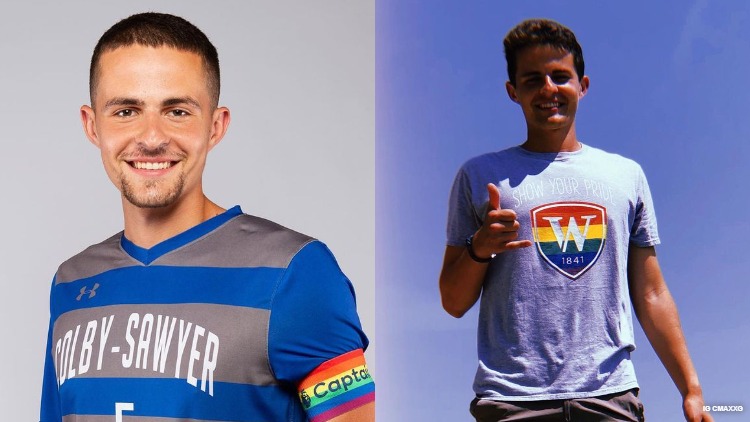
Couper Gunn, 20, is a captain of the men’s soccer team at Colby-Sawyer College, which is a little over an hour southeast of me, and will be graduating in 2022 with a major in History and Political Studies and a minor in Education on track for a master’s in Education. In January of this year, Couper wrote about his coming out for Outsports. He has said that wearing a Pride shirt inspired him, a gay college soccer captain, to come out.

In the video above, he talks about something that all of us have had to deal with: coming out. If you are not out, then coming out is something on your mind constantly. If you are out, coming out is on your mind every time you meet someone new. It’s not a one-and-done thing. We first have to come out to ourselves. Then, we have to come out to others in our lives. We also have to decide: Are we coming out at work? Should we come out in church? Do we come out to just friends or do we also come out to our family? When, where, how, why, and to whom are all decisions we have to make.

For some coming out is easy. They grew up in a loving and accepting environment, and they know they will be accepted. For most of us though, it’s not that simple. It seems that it gets easier for each generation, but there are still parts of the country that will always lag behind (the South, I am talking about you). It also makes a difference whether you live in an urban or rural area.

Once you do come out, it is a continuing process, and it’s not always easy for everyone. I came out very slowly. It began with telling two people I greatly trusted and admired. Then, I decided to tell a few other people, but for about a year, I was very selective of whom I told. Finally, I came out to everyone in my grad school, but that was by far not everyone I had to come out to. My parents were the hardest, but they found out before I could come out to them. Every time I have had a new job, I have had to go through the coming out process, most of the time, it has been done in a subtle way, and sometimes I never came out fully at all. Only a few people knew, like when I taught at the private school in Alabama.

Even coming out to my doctor in Vermont was a nerve-racking experience for me. I had only ever come out to one doctor before and that was a nightmare that I don’t want to discuss, though I think I have on this blog before. My doctor here never even batted an eye when I told him. Also, with my medical profile, I list that I am a gay man, so all of my medical specialists know that I am a gay man when they read my chart. The problem is that the process never really ends. I hope that one day, no one will have to go through the process of coming out. Our sexualities won’t be questioned, and we will be free to be who we are without fear of any kind. Until that day though, coming out will be a thing that all LGBTQ+ people have to grapple with.

Even once we come out, we should examine what parts of ourselves and our personalities are things we did to hide out sexuality. I told a friend not too long ago that I learned to walk without a swish and to stop talking so much with my hands. The same is true about the way I hold a cup of tea or coffee. For some, it’s the way we sit or how we cross our legs that we trained ourselves to do more “straight.” Sometimes we can’t even recognize all of the things we learned not to do or to do differently because we wanted to hide our sexuality. How many of us learned to check out men without being obvious? I know I learned to only move my eyes, not my head, but our eyes always give us away if someone is looking close enough. Do you recognize the things in you that you learned at an early age to hide or else you’d be labeled a sissy?

You can find Couper on Instagram @cmaxxg and TikTok @cmaxxg


It Has Gotten Better

I saw this video and had tears in my eyes when it was over. This is very much my story. I, too, grew up in the Bible Belt. I’m not sure what part of Alabama he grew up in, but I grew up in a rural area in the southern part of Alabama. Everyone but me seemed to know I was gay. I got called faggot, queer, sissy, gay, etc., all before I knew what any of it meant. People mocked me for my voice and mannerisms. I couldn’t do much about my voice, but I did change my mannerisms to be less “effeminate” in the bullies’ eyes. Those bullies made it all sound like it was the worst thing in the world to be gay, and I “knew” I didn’t want to be gay. It was unthinkable, and no matter what I did, the bullying did not stop until I went away to college. It took me years to accept myself. Just like him, this was in the 1990s. I also was in high school from 1992-1996. While he found theater and it saved his life, I found the internet and began researching, which saved my life. I finally had access to some of the answers I so desperately needed. This blog has also helped me to “find” myself.

The story of my sophomore year was a bit different from his. My best friend was a girl. (She’s now a Trump loving Republican, and we no longer speak.) But back then she was my cover in a way. I guess she was my “beard,” but it really didn’t seem to change anyone’s perceptions of me. I was still the intelligent, effeminate teenager whose most of his friends were girls, but never his girlfriend. Instead of hiding my friendship, I tried to hide my true self using that friendship. However, during that sophomore year when I was 16, the bullying got so bad, I took a handful of pills. I’d been on Ativan for my migraines. The doctor had taken me off of them, but I still had part of a bottle. I took all I had left hoping this would end my misery. Thankfully, it wasn’t enough for an overdose, and I just became violently ill.

I hated high school, just like I’d hated middle school. I hated all my years at that small private school in Alabama. I remember in kindergarten, my teacher forced me to take a toy truck to the playground and play with the other boys. I preferred to play with the girls. All of this came together to change who I was. I was a well-behaved kid at school, I was not a nice kid to my parents at home. I backtalked a lot and was constantly in trouble for it. I hated my dad’s rule of “Do as I say, not as I do.” At one point, my parents wanted to send me away to a boarding school. I wanted to find one for the academics and opportunities it might provide, and they wanted me out of their hair. They didn’t want to send me to a school for kids with severe behavioral problems, and I didn’t want to go to a military school. We did a bit of research into boarding schools. I wanted to be sent to an all-boys school, which in hindsight would probably had been just as bad as what I was going through. Eventually, they figured out that I wanted to be sent away, and they dropped the idea.

I have struggled much of my life with my sexuality. I’d say it could be one of the reasons for my migraines, but I’ve had migraines my whole life, even before I started school. I have had some miserable periods in my life. College and graduate school were different, but I always struggled with having enough money during those years. I was the typical poor college student, which added to my anxiety. Then, as a high school teacher, I seemed to hit rock bottom. I am a good teacher, but I was teaching spoiled rich kids who made my behavioral issues in high school seem minor. I was a good kid except when alone with my parents. My students were hateful, disobedient, and lazy, and I felt like I was more of a babysitter than a teacher. My bad temper came out a lot more than I’d have wanted. I wish I could have been calmer when dealing with them, but they often brought me to the brink. Teaching at a private school was by far the most difficult and worst job I’ve ever had. I was not cut out for teaching secondary school. I always did much better teaching college.

Only in the last few years have I begun to fully accept myself. It took moving 1,400 miles away to a mostly solid blue state to be happy, and to get a fairly decent paying job. Mostly these days, I am happy. I do struggle with some health issues (chronic migraines, diabetes, my weight, my brittle teeth), but even those seem to be getting under control. The Botox treatments seem to be working; my diabetes seems to be under control; and I’ve been losing weight, though I still have more weight I need to lose. My teeth are still a work in progress (I have to go to the dentist for a broken tooth this morning), but hopefully, things will get better in the dental department as well.

The most important thing is that I have accept who I am, and I am proud of my sexuality. Yes, I still have to be in the closet when I go home in an effort to appease my family, but one day, I hope and pray this too shall pass. I live my life as an out gay man here in Vermont, and I am unapologetically gay. Vermont has laws protecting gay people from discrimination, and the university I work for has anti-discrimination policies. I don’t have to put up with homophobia here. It’s not perfect, and I’m still getting comfortable in my own skin, but it has gotten better. Isn’t that what we all hope for when dealing with our sexuality?

The It Gets Better Project is a nonprofit organization with a mission to uplift, empower, and connect lesbian, gay, bisexual, transgender, and queer youth around the globe.