I wish I could stay home this morning, but I have a few things I need to be at the museum to do. If I had my work computer here, I’d call in sick. I left at lunch yesterday because I had a migraine. This morning, it’s not much better, in fact it’s not better at all. I may only go in for a partial day. I need my work computer to do much of what I need to do today. I have a school group coming today, but my boss could handle that. However, I need my computer for the rest of what’s on my agenda. I have some emails to answer; I need to prepare for my classes next week; and I need my computer to be able to work from home tomorrow. I could do all that at home on my personal laptop, but it only has Microsoft Word, not the rest of the Office Suite. I could access it through the online Microsoft 365, but I hate using Office through my browser. It always feels clumsy to me. Anyway, I’ll go in today for whatever length I need to, then, I’ll work from home tomorrow.
Here’s your Isabella pic of the week:
I’d rather be doing this today: laying on my couch with Isabella on my hip. I wish she’d lay in my lap or down my chest and stomach, which she’ll do on rare occasions, but her preference is my hip with me laying on my side. Sometimes, this is how I fall asleep at night, with her on my hip.
And suddenly there was with the angel a multitude of the heavenly host praising God and saying: “Glory to God in the highest, And on earth peace, goodwill toward men!”
—Luke 2:13-14
Many of you are probably not familiar with this news story, but a anti-LGBTQ+ group called Clean Up Alabama (CUA) has been fighting to get Prattville Pride, Prattville, Alabama’s LGBTQ+ organization, removed form the annual Prattville Christmas Parade. I used to work in Prattville back when I was in college, and I have always hated the place. CUA stated, “The Christmas parade is a celebration of Christmas, the birth of Jesus Christ the Messiah. It is NOT a time to celebrate someone’s sexual preferences.” They obviously think the celebration of Christmas is a time to celebrate, not the message of Jesus Christ, but a message of hatefulness towards their fellow man (and women and non-binary, etc.). Let’s, for a moment, overlook the fact that Christmas was chosen to be on December 25 because it coincided with the Roman pagan holiday of Saturnalia and teh Winter Solstice, not the actual birth of Christ, and instead look at what should be the meaning of the holiday and the actions and symbols used to celebrate the season.
In Alabama, and my sister is one of them, they hate to say Happy Holidays instead of Merry Christmas or to use Xmas, because it highlights their Christian insecurities and takes the “CHRIST out of Christmas.” I wish they could all take my Art History class because they would find out that the X in Xmas is an old Christian tradition because it is part of the Chi Rho symbol. Early Christian art is filled with symbology to represent the meaning of the Christian faith.
Chi (X) and Rho (P) are the beginnings of the Greek word ΧΡΙΣΤΟΣ (Romanized: CHRISTOS). Before Emperor Constantine made Christianity legal in the Roman Empire, Christians were forced to hide their faith; however, they identified themselves with certain symbols: the cross and crucifix (the most commonly used symbols today), several different combinations of Greek letters (ichthys, Alpha and Omega, Chi Rho, IH monogram, IX monogram), the Good Shepherd, a dove, a peacock, or an anchor. Let us look at why these symbols were so important and meaningful to early Christians.
The ichthys (ἰχθύς in Greek, meaning “fish”) is a symbol consisting of two intersecting arcs that resemble the profile of a fish. The ichthys was used by early Christians as a secret symbol during times of persecution under the Roman Empire. It allowed them to identify themselves to one another discreetly. The Greek word ichthys also served as an acronym for the phrase: Ἰησοῦς Χριστὸς Θεοῦ Υἱὸς Σωτήρ (“Jesus Christ, Son of God, Savior”). Therefore, the ichthys represents Jesus Christ and the Christian faith. The fish itself is also significant because of its frequent appearance in the Gospels. The ichthys symbol is also a reference to the Holy Eucharist, with which the miracle of the multiplication of the loaves and fishes had such intimate connection both in point of time and significance. (Matthew 15:32–39 and Mark 8:1–9) It is also significant because Jesus called Peter and Andrew, both fishermen, to be His disciples. Mark 1: 16–18 says, “And as He walked by the Sea of Galilee, He saw Simon and Andrew his brother casting a net into the sea; for they were fishermen. Then Jesus said to them, ‘Follow Me, and I will make you become fishers of men.’ They immediately left their nets and followed Him.”
The Alpha and Omega since the earliest Christianity of the first and the last letters of the Greek alphabet, alpha (α or Α) and omega (ω or Ω), derives from the statement said by Jesus in Revelation 22:13, “I am the Alpha and the Omega, the Beginning and the End, the First and the Last.” The first two letters of the name of Jesus in Greek (ΙΗΣΟΥΣ), iota (Ι) and eta (Η), sometime superimposed one on the other was also a well known and very early way to represent Christ. Another early form of the monogram of Christ, found in early Christian ossuaries in Palaestina, was formed by superimposing the first (capital) letters of the Greek words for Jesus and Christ, i.e. iota Ι and chi Χ, so that this monogram means “Jesus (ΙΗΣΟΥΣ)Christ ΧΡΙΣΤΟΣ.”
The image of the Good Shepherd, often with a sheep on his shoulders, is the most common of the symbolic representations of Christ found in the Catacombs of Rome, and it is related to the Parable of the Lost Sheep (Matthew 18:12–14 and Luke 15:3–7). The dove as a Christian symbol is of very frequent occurrence in ancient ecclesiastical art. According to Matthew 3:16, “When He had been baptized, Jesus came up immediately from the water; and behold, the heavens were opened to Him, and He saw the Spirit of God descending like a dove and alighting upon Him.” For this reason, the dove became a symbol of the Holy Spirit, and in general it occurs often in connection with early representations of baptism. Ancient Greeks believed that the flesh of peafowl did not decay after death, and so the peacock became a symbol of immortality. Early Christianity adopted this symbolism, and thus many early Christian paintings and mosaics show the peacock. Christians also adopted the anchor as a symbol of hope in future existence because the anchor was regarded in ancient times as a symbol of safety. For Christians, Christ is the unfailing hope of all who believe in him: Saint Peter, Saint Paul, and several of the early Church Fathers speak in this sense. The Hebrews 6:19 says, “This hope we have as an anchor of the soul, both sure and steadfast, and which enters the Presence behind the veil” connects the idea of hope with the symbol of the anchor.
Most Christians do not have a very good understanding of what the symbols they sometimes use mean, nor do they understand the significance of the early Christian symbols and the sacrifices that early Christians made to spread the Word of God. Too many Christians are spouting hate and wrapping it in theology, but they forget that we are all one in Christ. Galatians 3:28 says, “There is neither Jew nor Gentile, neither slave nor free, nor is there male and female, for you are all one in Christ Jesus.”
An Update on Prattville Pride and the Prattville Christmas Parade:
A few hours before the city of Prattville’s annual Christmas parade was to start, a Trump-appointed federal judge ordered the city to allow an LGBTQ+ pride group’s float to be included. Prattville Pride called the order “a powerful affirmation of the importance of visibility, representation, and inclusion for all members of our community,” in a Facebook post.
In his order, U.S. District Judge R. Austin Huffaker of the Middle District of Alabama wrote: “While there are areas of unprotected speech, such as incitement of violence, the City makes no argument and provides no evidence that Prattville Pride has engaged in any speech or behavior that would remotely fall into an unprotected speech category. It is undisputed that Prattville Pride has complied with the City’s regulations.”
“The City removed Prattville Pride from the parade based on its belief that certain members of the public who oppose Prattville Pride, and what it stands for, would react in a disruptive way. But discrimination based on a message’s content “cannot be tolerated under the First Amendment,” the order continued.
Today’s is December 4th, National Cookie Day. Growing up, I remember my mother baking cookies throughout the month of December for different holiday parties and get togethers. When I was in elementary school and we still had a Christmas party, everyone would bring some kind of treat. Our fellow students would only allow me and my sister to bring one thing: Mama’s cookies. They were basic cookie recipe from the Betty Crocker Cookbook with icing on them. I never thought there was much special about them, but everyone else seemed to love them. I much preferred my mother’s pecan cookies or her snowball cookies, which were my favorite. (See recipe below.)
We can thank the Dutch for more than windmills and tulips. The English word “cookie” derives from the Dutch word koekie, meaning “little cake.” Hard cookie-like wafers have existed for as long as baking has been documented. Not surprisingly, they traveled well, too. However, they were usually not sweet enough to be considered cookies by modern-day standards. The origin of the cookie appears to begin in Persia in the 7th century, soon after the use of sugar became common in the region. They then spread to Europe through the Muslim conquest of Spain. Cookies were common at all levels of society throughout Europe by the 14th century, from the royal cuisine to the street vendors.
Cookies arrived in America in the 17th century. Macaroons and gingerbread cookies were among the popular early American cookies. In most English-speaking countries outside of North America, the most common word for cookie is “biscuit.” In some regions, both terms, cookies, and biscuits are used.
To celebrate National Cookie Day, pick up some cookies at your local bakery and share some of your cookies with your family and friends! A great way to get started is by making a list of your favorite cookies to bake and enjoy. Then organize your baking tools and start your assembly line.
Snowball Cookies
Prep Time: 30 Min
Cook Time: 15 min
Servings: 60
Ingredients • 1 cup unsalted butter, softened • ½ cup powdered sugar • 1 teaspoon vanilla extract • 2 ¼ cups all-purpose flour • 1 cup very finely chopped pecans • ¼ teaspoon salt • ⅓ cup powdered sugar, or more as needed
Preparation Steps 1. Gather all ingredients. Preheat the oven to 350 degrees F (175 degrees C). 2. Beat butter, 1/2 cup powdered sugar, and vanilla with an electric mixer in a large bowl until smooth. 3. Gradually mix in flour, pecans, and salt until completely incorporated. 4. Roll dough into walnut-sized balls and place 2 inches apart onto ungreased baking sheets. 5. Bake in the preheated oven until bottoms are light golden brown but tops are still pale, 12 to 15 minutes. (Try not to let cookies get too brown: it’s better to undercook them than to overcook them.) 6. Remove cookies from the oven and let sit on the baking sheets briefly before removing to wire racks. 7. Place 1/3 cup powdered sugar in a shallow bowl; roll hot cookies in sugar to coat, then return to the wire racks to cool. 8. Once cooled, roll cookies in the powdered sugar once more.
Note Snowball cookies are incredibly easy to make for rich and buttery, melt-in-your-mouth festive treats rolled in powdered sugar to resemble snowballs.
Nutrition Calories: 63 kcal Fat: 4 g Saturated Fat: 2 g Unsaturated Fat: 0 g Cholesterol: 8 mg Sodium: 9 mg Carbohydrates: 6 g Fiber: 0 g Protein: 1 g
I have been doing fairly well with my migraines lately. The combination of Qulipta, a once-daily CGRP medicine (most CGRPs are monthly injections), and quarterly Botox injections seems to be a working pretty well. I’m a month away from my next set of injections, but I’d gone nearly a month without a major migraine before I had one begin on Monday. It was a rainy Monday, and my migraine began with the rain. Thankfully, I was not at work since I’d already taken the day off to go to Burlington for my audiology appointment. However, I ended up calling in sick to work yesterday because I woke up continuing to have a migraine that seemed to be getting worse the longer I was awake. My migraine isn’t completely gone, but I have some things I need to take care of at work that do not need to wait any longer. If my migraine doesn’t improve as the day goes on, I may have to leave early, but I am going to give it a try.
This will be a shortened week at work because I will be going in today and tomorrow, then I’m scheduled to work from home on Friday. Next week will also be a shortened week because of Thanksgiving. We’ll actually close at midday on Wednesday and have the rest of the week off.
O Wind, hast thou a sigh Robbed from her lips divine Upon this sunbright day— A token or a sign?
Oh, take me, Wind, into Thy confidence, and tell Me, whispering soft and low, The secrets of the dell.
Oh, teach me what it is The meadow flowers say As to and fro they nod Thro’ all the golden day.
Oh, hear, Wind of the South, And whispering softer yet, Unfold the story of The lone pine tree’s regret.
Oh, waft me echoes sweet That haunt the meadow glen— The scent of new-mown hay, And songs of harvest men;
The coolness of the sea And forest dark and deep— The soft reed notes of Pan, And bleat of straying sheep.
Oh, make me, Wind, to know The language of the bee— The burden of the wild Bird’s rapturous melody;
The password of the leaves Upon the cottonwood; And let me join them in Their mystic brotherhood.
About the Poem
Alexander Posey’s poem “To Wahilla Enhotulle” reflects themes of longing, love, and a deep connection to the natural world, which are often characteristic of his work as a Creek (Muscogee) poet. Posey, a Native American writer and journalist, often used his poetry to explore themes of identity, cultural heritage, and the spiritual connection of the natural landscape. The poem expresses a heartfelt yearning for Wahilla Enhotulle, who might represent a specific person or an idealized figure of love. The poet’s tone is deeply personal, blending admiration with a sense of melancholy, as if the connection to this figure is distant or unfulfilled.
Nature plays a significant role in the poem’s imagery, serving as a metaphor for the poet’s emotions and his cultural identity. Posey often drew upon the natural elements of the Creek homeland to anchor his reflections, and here nature may symbolize the enduring beauty and purity of Wahilla Enhotulle or their bond. While the poem’s primary focus is personal, it may also carry cultural undertones. As a Creek writer, Posey’s work often honors his heritage, and the name Wahilla Enhotulle itself evokes Creek linguistic roots, grounding the poem in his culture. There’s a wistful quality in the poem, as if the poet is reflecting on something fleeting—whether it be love, memory, or life itself. This theme resonates with the universal experience of cherishing moments that cannot last.
“To Wahilla Enhotulle” can be read as an ode to a beloved person or a representation of an ideal that feels just out of reach. The intertwining of personal affection with a reverence for nature reflects Posey’s deep spiritual connection to the world around him, rooted in his identity as both a poet and a Creek individual. The poem invites readers to contemplate love, beauty, and the way they endure, even amid change or loss.
Most often when we think of the removal of Native Americans from the Southeastern United States, the Cherokee Indians and the Trail of Tears is often the most dramatically remembered, but the Chickasaw, Choctaw, and Creek Indians also faced the hardships brought about by President Andrew Jackson’s administration passing the Indian Removal Act in 1830. The forced displacement of the Creek (Muscogee) people from their ancestral lands in the southeastern United States (modern-day Alabama, Georgia, and Florida) to designated Indian Territory in present-day Oklahoma adds a deeper meaning for “To Wahilla Enhotulle.” The removal process, often called the Trail of Tears, was marked by immense suffering, resistance, and loss. During the removal, thousands of Creek people were marched westward under harsh conditions, suffering from disease, starvation, and exposure. It is estimated that around 3,500 Creek people died during the journey.
The Creek removal was part of a broader pattern of dispossession and cultural disruption faced by Native American tribes. Despite the trauma of removal, the Creek Nation has endured, maintaining a vibrant culture and community in Oklahoma today. Despite the hardships, they established a new government and cultural institutions, preserving their traditions and identity. The history of removal remains a powerful reminder of the resilience of Indigenous peoples in the face of systemic oppression.
On a personal note, my great grandmother was a Creek Indian from Alabama. A small group of the Creek descendants stayed behind and settled largely in Escambia County, Alabama, where the federally recognized Poarch Band of Creek Indians has a reservation.
About the Poet
Alexander Posey (1873–1908) was a Creek (Muscogee) poet, journalist, humorist, and political figure, celebrated for his contributions to Native American literature and his advocacy for his people. Born near Eufaula in Indian Territory (modern-day Oklahoma), he was of mixed Creek and European descent. Posey was fluent in both Creek and English, which deeply influenced his literary voice.
He attended Bacone Indian University, where he honed his writing skills and developed a love for literature. Posey became a prominent journalist and the first Native American to own and edit a newspaper, the Eufaula Indian Journal. Through this platform, he addressed issues facing Native communities, including land allotment policies and the erosion of tribal sovereignty.
Posey is best known for his poetry, which blends themes of nature, love, and Creek heritage with a modern sensibility. His poems often reflect a deep connection to the natural world, as well as a sense of longing and melancholy. He also gained fame for his humorous “Fus Fixico” letters, satirical essays written in the voice of a fictional Creek elder, critiquing government policies and cultural assimilation.
Tragically, Posey died at the age of 35 in 1908, drowning in the North Canadian River. Despite his short life, his work continues to resonate as a significant contribution to American and Native American literature.
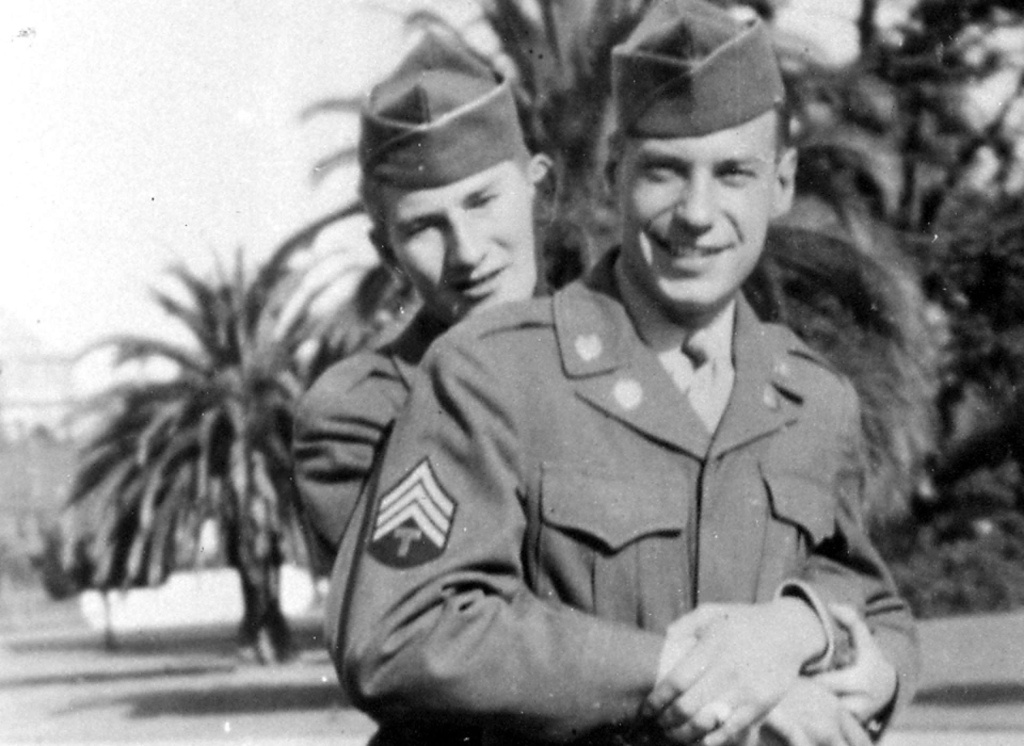
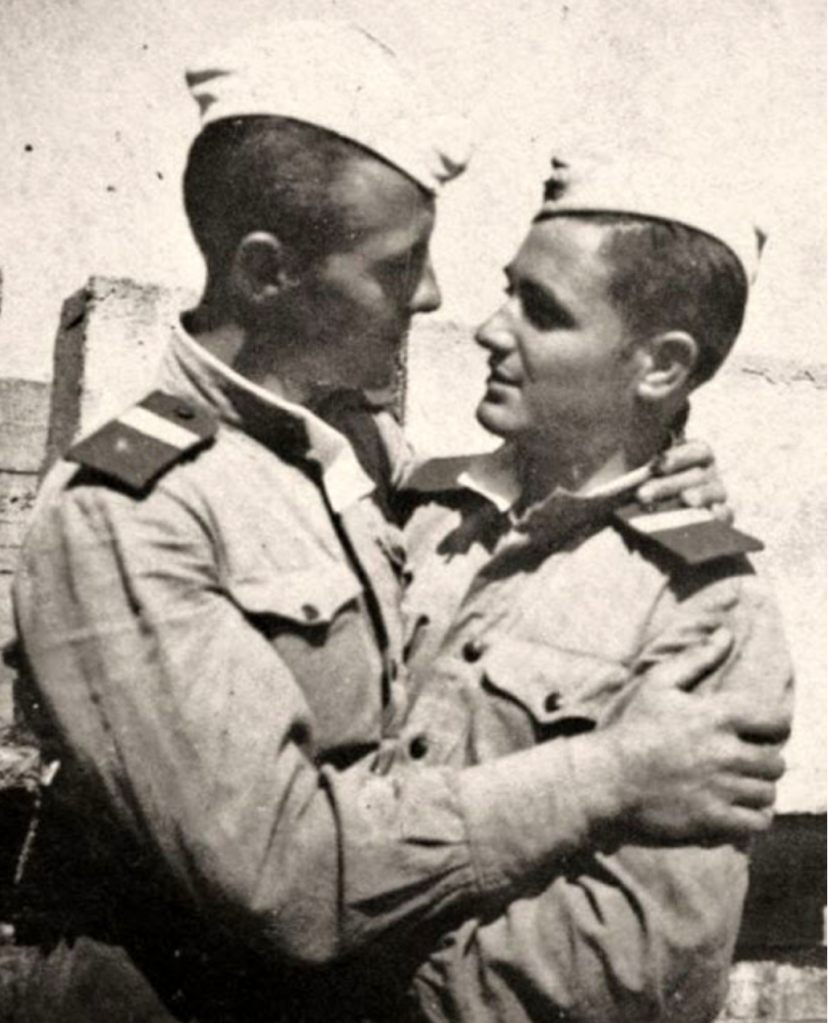
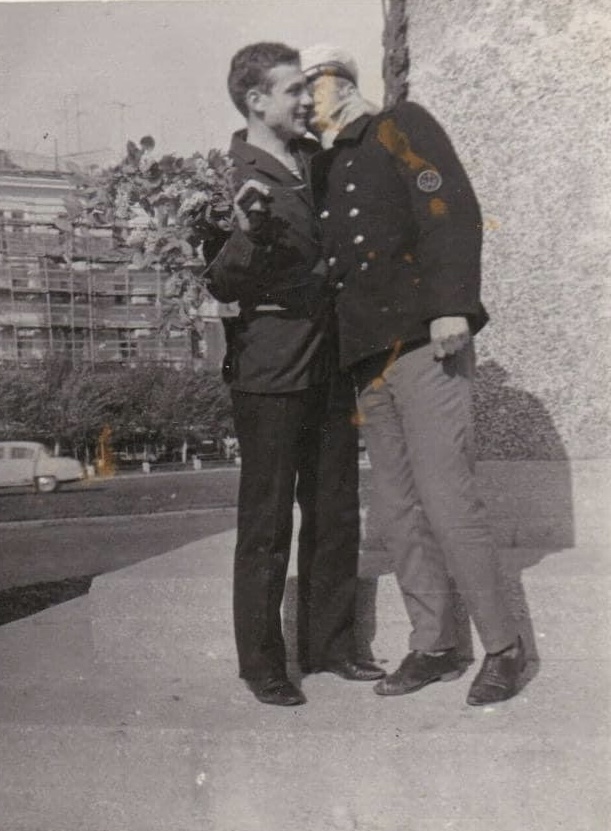
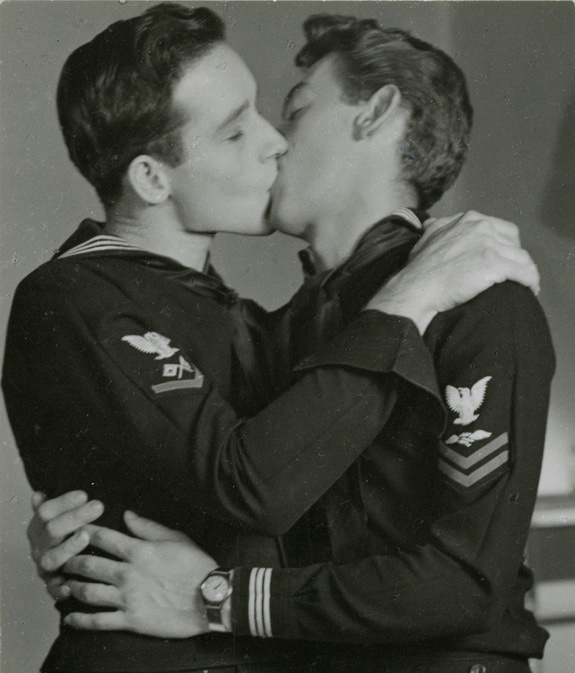
Veterans Day is a U.S. holiday observed annually on November 11 to honor and thank all military veterans for their service to the country. Originally called Armistice Day, it marked the end of World War I at 11 am on November 11, 1918. In 1954, it was renamed Veterans Day to recognize veterans of all wars and branches of service. In some countries, it was renamed Remembrance Day. Unlike Memorial Day, which honors those who died in military service, Veterans Day celebrates all who have served, both living and deceased. It’s a day to reflect on the sacrifices made by veterans to protect the freedoms and values of the United States. Today, we extend a special recognition to LGBTQ+ veterans who have made extraordinary sacrifices to protect our freedoms, often facing unique challenges and barriers along the way.
The military has historically been a challenging environment for LGBTQ+ service members, with policies like “Don’t Ask, Don’t Tell” (DADT) reminding us of a time when service members risked their careers—and even their freedom—by simply being open about their identities. The repeal of DADT in 2011 marked a significant step toward equality, but LGBTQ+ veterans have a longer history of service and sacrifice that deserves our recognition and respect.
LGBTQ+ veterans have served in every conflict in American history, often in silence, yet with a dedication to the mission and their comrades. Despite facing systemic discrimination, they have shown the same courage and commitment as their peers, contributing to our safety and national security. Their service is a testament to their resilience and a reminder of the strength that diversity brings to our armed forces.
Many LGBTQ+ veterans carry the additional burden of dealing with the consequences of historical discrimination. For some, this has meant fighting for proper benefits, receiving honorable discharges, or simply finding acknowledgment of their service. Thankfully, as awareness and support grow, resources are being created to help LGBTQ+ veterans access the care and recognition they deserve. These efforts are crucial as we work toward a future where all veterans are honored for their service, regardless of who they are.
Today, we honor LGBTQ+ veterans for their bravery, resilience, and sacrifice. They remind us that the pursuit of freedom and equality often requires courage not only on the battlefield but in everyday life. Let us continue to support and uplift LGBTQ+ veterans, ensuring they receive the honor, care, and respect they have always deserved.
Thank you to all LGBTQ+ veterans. Your service has made a difference, and your stories continue to inspire us all.
The relationship between Jonathan and David, as described in the Bible (primarily in 1 Samuel 18-20 and 2 Samuel 1), is one of deep emotional connection, loyalty, and love. While the Bible does not explicitly describe their relationship as romantic or sexual, some readers and scholars have speculated that their bond could be interpreted as a same-sex love story. Let’s explore the key aspects of their relationship and why some see it as a potential gay love story.
The Bible clearly portrays Jonathan and David as having a profound and intense bond. In 1 Samuel 18:1, it says that Jonathan loved David as his own soul, “Now when he had finished speaking to Saul, the soul of Jonathan was knit to the soul of David, and Jonathan loved him as his own soul.” In 2 Samuel 1:26, after Jonathan’s death, David expresses his grief in a lament, saying, “I am distressed for you, my brother Jonathan; you have been very pleasant to me; your love to me was wonderful, surpassing the love of women.”
This description of love has led some readers to see a romantic or even homoerotic subtext, especially because David compares Jonathan’s love to the love he experienced with women, calling it “wonderful.” In ancient cultures, deep friendships between men were often expressed in highly affectionate and poetic terms, which may not imply a romantic relationship in the way we might interpret it today; however, in other ancient cultures there is not clear distinction between friendship and romantic love against men. In 7th century AD, Christians had a practice known as adelphopoiesis, a ceremony practiced in Eastern Christian tradition to unite together two people of the same sex ostensibly as siblings, but the practice closely resembled a marriage. The most notable of these couples was the Christian martyrs Saint Sergius and Saint Bacchus.
First Samuel 18:3 says, “Then Jonathan and David made a covenant, because he loved him as his own soul.” Here, Jonathan and David make a covenant, a formal agreement between two individuals that symbolized deep loyalty, commitment, and trust. The covenant they made suggests a profound and mutual bond, sealed with love and loyalty. Some scholars argue that this covenant could reflect a form of lifelong commitment that is similar to a romantic or marital bond. However, others view it more in the context of political and social alliances common in ancient Israel. Like adelphopoiesis in the early Christian tradition, historians debate the true nature of these types of covenants. Regardless of whether they were romantic or not, they would not have been openly recognized as romantic couplings.
Another part of their story that some interpret as romantic is found in 1 Samuel 20:41, which says, “As soon as the lad had gone, David arose from a place toward the south, fell on his face to the ground, and bowed down three times. And they kissed one another; and they wept together, but David more so.” When Jonathan and David part ways, they kissed and wept together, though David wept the most. In many cultures, particularly in the ancient Near East, kissing between men was a common gesture of friendship, respect, and loyalty even to this day. However, modern readers may see this as a more intimate, potentially romantic moment. We have to be careful of interpreting history through modern eyes.
Modern interpretations vary widely when it comes to Jonathan and David’s relationship. Some LGBTQ+ Jews and Christian, along with their allies, interpret their bond as a biblical example of same-sex love, providing a model of deep affection and emotional commitment between two men. This interpretation is often embraced by those seeking to find representations of LGBTQ+ relationships in scripture. On the other hand, many traditional interpretations understand Jonathan and David’s relationship as one of intense friendship, characterized by loyalty, shared faith, and mutual support during political upheaval. In this view, their love is seen as non-sexual but still profound, reflecting the deep bonds that could exist between friends in the ancient world. Even if it was non-sexual, the intimacy does not mean they were not romantically attached.
The story of Jonathan and David is rich in emotional language and affection, which can lead to different interpretations depending on one’s perspective. There is no explicit evidence in the biblical text that their relationship was sexual or romantic, but their deep love and commitment to each other leave room for readers, especially in modern times, to see possibilities for a romantic interpretation. Whether viewed as an intense friendship or as a potential same-sex love story, Jonathan and David’s relationship exemplifies loyalty, love, and devotion that transcends societal expectations. Regardless of whether it is seen through a lens of friendship or romantic love, their story is a source of reflection on love and connection.
The unanimous Declaration of the thirteen united States of America, When in the Course of human events, it becomes necessary for one people to dissolve the political bands which have connected them with another, and to assume among the powers of the earth, the separate and equal station to which the Laws of Nature and of Nature’s God entitle them, a decent respect to the opinions of mankind requires that they should declare the causes which impel them to the separation.
We hold these truths to be self-evident, that all men are created equal, that they are endowed by their Creator with certain unalienable Rights, that among these are Life, Liberty and the pursuit of Happiness. That to secure these rights, Governments are instituted among Men, deriving their just powers from the consent of the governed, –That whenever any Form of Government becomes destructive of these ends, it is the Right of the People to alter or to abolish it, and to institute new Government, laying its foundation on such principles and organizing its powers in such form, as to them shall seem most likely to effect their Safety and Happiness…
In the United States, the Fourth of July commemorates the ratification of the Declaration of Independence by the Second Continental Congress on July 4, 1776, establishing the United States of America. The Second Continental Congress declared that the Thirteen Colonies were no longer subject to the tyranny of British rule under King George III and were now united, free, and independent states.
Resistance to British rule began in 1765 with Parliament’s passage of the Stamp Act that became a catalyst for a group colonists to convene the Stamp Act Congress to articulate a response. Its “Declaration of Rights and Grievances” argued that taxation without representation violated their rights as Englishmen.
In 1767, tensions increased following the British Parliament’s passage of the Townshend Acts, a group of new taxes and regulations imposed on the thirteen colonies. In an effort to quell the mounting rebellion in the colonies, which was particularly severe in Massachusetts Bay Colony, King George III deployed troops to Boston. An altercation with these British troops resulted in the killing of five protesters in what became known as the Boston Massacre on March 5, 1770.
Tensions continued to rise with further taxes imposed on the colonists by Parliament resulting in various protests and boycotts, such as the Boston Tea Party on December 16, 1773. In 1775, King George III declared the Massachusetts Bay Colony to be in a state of open defiance and rebellion. In April 1775, the first battles at Lexington and Concord resulted in the first major military campaign of the American Revolution.
In July 1776, the Second Continental Congress denounced King George III as a tyrant who trampled the colonists’ rights as Englishmen, passed the Lee Resolution for national independence on July 2, and on July 4, 1776, adopted the Declaration of Independence, which embodied the political philosophies of liberalism and republicanism, rejected monarchy and aristocracy, and famously proclaimed that “all men are created equal.”
From that point on, men and women of the United States have fought and died to resist tyranny and authoritarianism. While the Declaration of Independence stated that “all men are created equal,” the United States have not always lived up to those ideals, but in each subsequent generation, Americans have worked towards making all men and women equal.
Sadly, the Republican Party has veered away from freedom into the realm of authoritarian rule. Because they have become the minority party in the United States, they have tried to curtail the rights of Americans in an effort to solidify their power under an oligarchy of the rich who have systematically begun brainwashing Americans with news media such as Fox News and Newsmax, bought Supreme Court justices and members of Congress, and have solidified seemingly wholeheartedly behind a bombastic buffoon who seems only able to spout lies and grievances.
We must continue to fight tyranny, oppression, discrimination, and authoritarianism at every turn. We cannot become complacent and allow wealth, greed, and hatred rule this nation. Furthermore, for all the people calling for President Biden to step aside and allow the Democrats to choose another nominee need to realize that it’s too late for a course correction and must consolidate behind Biden’s reelection campaign. If they change course now, I firmly believe it will irreparably damage any hopes of the presidency or Democratic gains in Congress. We have to support Biden with the same fervor as Republicans are supporting Trump.
It’s too late to change our minds now, but it needs to be a lesson that we need younger leadership in this country. Generation X needs to step up and replace the aging Baby Boomers. We need to learn our lesson. We will not be able to progress as a nation and continue to resist tyranny, if we don’t look to younger generations. We need to work to be a nation where allpeople are created and treated as equals.
LGBTQ+ Americans are especially at risk of losing hard fought gains for equality. Conservatives in this country are intensifying their plans to dismantle the framework that guarantees our freedoms. They are advocating to infuse the government with elements of their warped version of Christianity. They want to criminalize pornography, remove legal protections against discrimination based on sexual orientation and gender identity, and terminate diversity, equity, and inclusion programs.
In this Independence Day, we need to think about what freedom means to us. Is it the freedom to think for ourselves, be equal, and rejoice in our freedoms, or is it freedom from thinking independently, allowing for legally sanctioned inequality, and the celebration of tyranny. Do you want democracy or tyranny? It’s a simple choice. We must choose freedom!
Happy Independence Day, America! Let’s truly be the “land of the free and the brave.”
The Normandy landings were the landing operations and associated airborne operations on Tuesday, June 6, 1944 of the Allied invasion of Normandy in Operation Overlord during World War II. Codenamed Operation Neptune and often referred to as D-Day, it is the largest seaborne invasion in history. The operation began the liberation of France, and the rest of Western Europe, and laid the foundations of the Allied victory on the Western Front.
It’s more important than ever that we remember the sacrifices made to liberate Europe from the grips of fascism. While fascism in Spain and Portugal did not end with the Allied victory in Europe, it did end Italian and German fascism. With far right politicians are using violence, fear, and hatred to make political gains. Whether that is through outright lies and propaganda, changing to voting laws making it harder for people to vote, or passing laws to brainwash young minds by forbidding the teaching of history they disagree with, these right wing politicians are using the same tactics and rhetoric that led to the rise of fascism in Europe during the 1920s and 1930s. They completely ignore facts, twist the words of others, and believe laws only apply to other people.
During the Second World War, over 61 million soldiers and civilians died resisting fascism. We can’t allow fascist governments to gain control again. Remember the sacrifices made to liberate Europe. Remember the men who died in the largest seaborne invasion in history eighty years ago today.
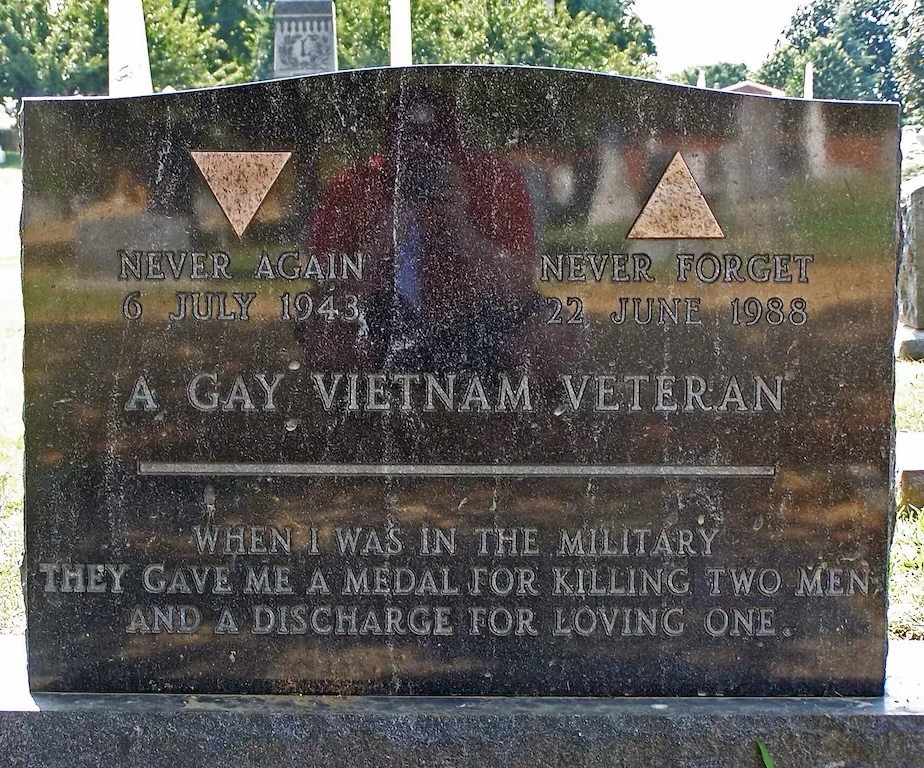
For many of us, Memorial Day weekend is about cookouts, sales, watching fireworks, and fellowshipping with family and friends. However, this weekend is supposed to be about honoring those who made the ultimate sacrifice. They gave their lives serving in one of the branches of the U.S. Armed Forces. As a military historian working at a military college, I am very much aware of the sacrifices made every day by military personnel. Historically, LGBTQ+ soldiers have sacrificed even more. For most of the history of the U.S. military, LGBTQ+ soldiers had to be closeted because being “out” wasn’t acceptable. Being outed could have cost them their military career. Many LGBTQ+ soldiers kept their mouths shut and their business to themselves to protect themselves from harm and protect the nation.
In 1982, the U.S. military enacted a policy explicitly banning gay men and lesbians from their ranks. Before that, however, same-sex relations were criminalized and a cause for discharge. And in the early 1940s, it was classified as a mental illness, disqualifying gay men and lesbians from service. In 1993, the “don’t ask, don’t tell” policy (DADT) went into effect, allowing closeted LGBTQ+ soldiers to serve in the military. Under the policy, service members would not be asked about their sexual orientation but would be discharged for disclosing it.
Many LGBTQ+ soldiers were outed as gay or lesbian by fellow soldiers and not allowed to serve. Some soldiers were killed by their fellow comrades while on active duty. If you saw the 2003 film Soldier’s Girl, you are aware of U.S. Army infantry soldier PFC Barry Winchell who was murdered on July 6, 1999, by a fellow soldier for dating a transgender woman, Calpernia Addams. The murder became a point of reference in the ongoing DADT debate. Eighteen years after DADT was enacted, Congress repealed the policy, allowing openly gay, lesbian, and bisexual people to serve in the military.
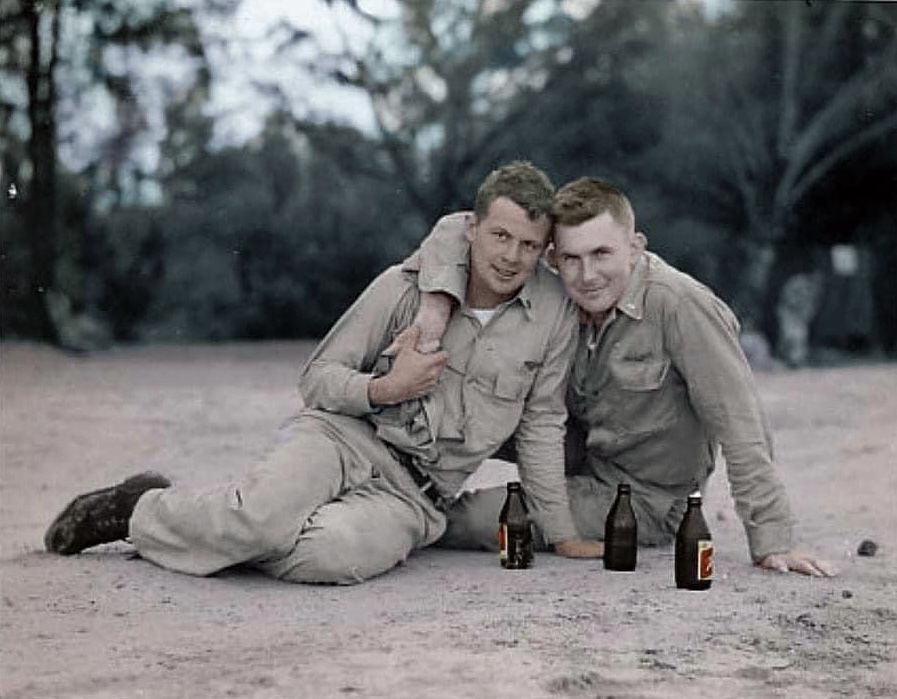
Another barrier was lifted in 2013 when spousal and family benefits were extended to same sex married partners in the military. After ending temporarily in 2016, the ban on transgender individuals was again rescinded in 2021, allowing transgender individuals to enlist and serve in the armed forces. It’s been a long journey, but LGBTQ+ soldiers have always been part of the American military. In an era before gay marriage or open pride, military men fell in love, formed passionate friendships, and had same-sex encounters. Due to social and official discrimination, most of the stories of these LGBTQ+ soldiers have gone untold. One famous example was Baron Friedrich von Steuben, a Prussian military man hired by George Washington to whip the Continental Army into shape during the darkest days of the Revolutionary War. He was known for his bravery and the discipline and grit he brought to the American troops. Historians also believe he was gay—and served as an openly gay man in the military when sex between men was punished as a crime.
So, if you have never considered the LGBTQ+ service members who lost their lives to serve a country that didn’t respect them, you should. We shouldn’t take our freedom for granted. It comes with a price tag, and we all need to remember this. As we celebrate another Memorial Day weekend, please note this isn’t just another time to party. Today is a day set aside to remember those who have sacrificed their lives so that we may live and be free, fight against discrimination, and love who we want. These brave, unsung heroes sacrificed the truth of themselves. Let us never forget them.
Be safe, be conscious, be proud, and remember our fallen LGBTQ+ service members who died in times when being “out” wasn’t allowed. Thankfully, things seemed to have changed drastically in the U.S. military. LGBTQ+ service members are able to serve openly and without harassment. While acceptance of LGBTQ+ service members is a relatively new development in the military’s long history, the Department of Defense is committed to maintaining a strong force that reflects the nation’s diversity.














 Joe
Joe


