

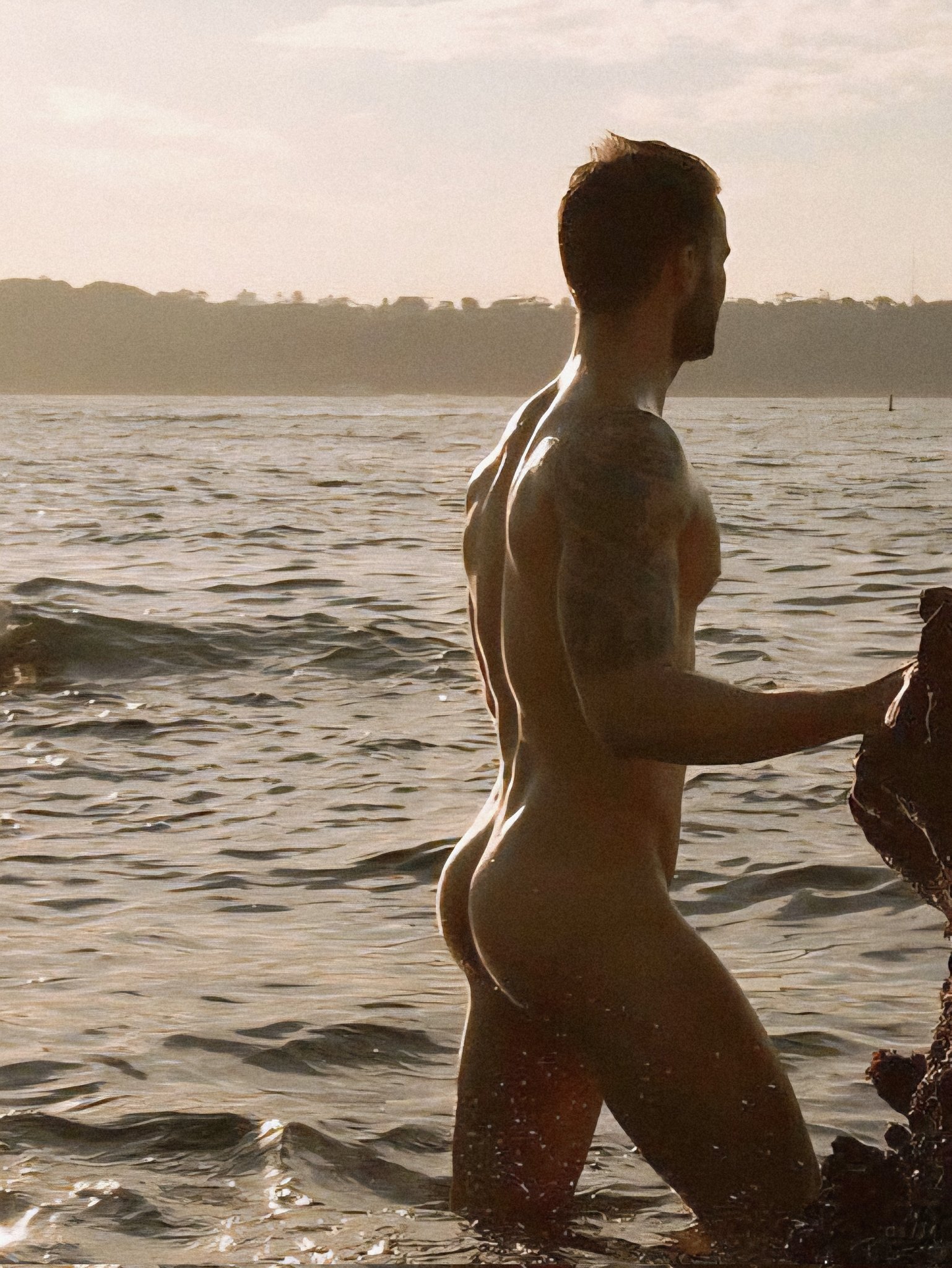
“ new selfie painting,” gouache on board
Max (artist)
@matthewcats_art (X) / @matthewcats (Instagram)
“ new selfie painting,” gouache on board
Max (artist)
@matthewcats_art (X) / @matthewcats (Instagram)
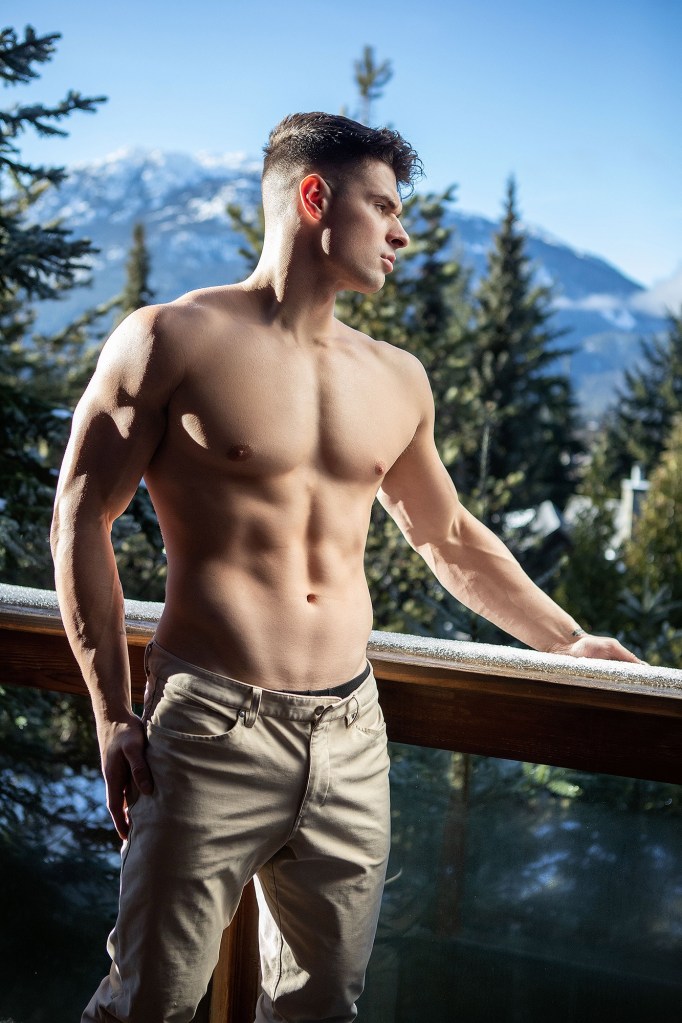
The Mountain
By Robert Frost
The mountain held the town as in a shadow
I saw so much before I slept there once:
I noticed that I missed stars in the west,
Where its black body cut into the sky.
Near me it seemed: I felt it like a wall
Behind which I was sheltered from a wind.
And yet between the town and it I found,
When I walked forth at dawn to see new things,
Were fields, a river, and beyond, more fields.
The river at the time was fallen away,
And made a widespread brawl on cobble-stones;
But the signs showed what it had done in spring;
Good grass-land gullied out, and in the grass
Ridges of sand, and driftwood stripped of bark.
I crossed the river and swung round the mountain.
And there I met a man who moved so slow
With white-faced oxen in a heavy cart,
It seemed no hand to stop him altogether.
“What town is this?” I asked.
“This? Lunenburg.”
Then I was wrong: the town of my sojourn,
Beyond the bridge, was not that of the mountain,
But only felt at night its shadowy presence.
“Where is your village? Very far from here?”
“There is no village—only scattered farms.
We were but sixty voters last election.
We can’t in nature grow to many more:
That thing takes all the room!” He moved his goad.
The mountain stood there to be pointed at.
Pasture ran up the side a little way,
And then there was a wall of trees with trunks:
After that only tops of trees, and cliffs
Imperfectly concealed among the leaves.
A dry ravine emerged from under boughs
Into the pasture.
“That looks like a path.
Is that the way to reach the top from here?—
Not for this morning, but some other time:
I must be getting back to breakfast now.”
“I don’t advise your trying from this side.
There is no proper path, but those that have
Been up, I understand, have climbed from Ladd’s.
That’s five miles back. You can’t mistake the place:
They logged it there last winter some way up.
I’d take you, but I’m bound the other way.”
“You’ve never climbed it?”
“I’ve been on the sides
Deer-hunting and trout-fishing. There’s a brook
That starts up on it somewhere—I’ve heard say
Right on the top, tip-top—a curious thing.
But what would interest you about the brook,
It’s always cold in summer, warm in winter.
One of the great sights going is to see
It steam in winter like an ox’s breath,
Until the bushes all along its banks
Are inch-deep with the frosty spines and bristles—
You know the kind. Then let the sun shine on it!”
“There ought to be a view around the world
From such a mountain—if it isn’t wooded
Clear to the top.” I saw through leafy screens
Great granite terraces in sun and shadow,
Shelves one could rest a knee on getting up—
With depths behind him sheer a hundred feet;
Or turn and sit on and look out and down,
With little ferns in crevices at his elbow.
“As to that I can’t say. But there’s the spring,
Right on the summit, almost like a fountain.
That ought to be worth seeing.”
“If it’s there.
You never saw it?”
“I guess there’s no doubt
About its being there. I never saw it.
It may not be right on the very top:
It wouldn’t have to be a long way down
To have some head of water from above,
And a good distance down might not be noticed
By anyone who’d come a long way up.
One time I asked a fellow climbing it
To look and tell me later how it was.”
“What did he say?”
“He said there was a lake
Somewhere in Ireland on a mountain top.”
“But a lake’s different. What about the spring?”
“He never got up high enough to see.
That’s why I don’t advise your trying this side.
He tried this side. I’ve always meant to go
And look myself, but you know how it is:
It doesn’t seem so much to climb a mountain
You’ve worked around the foot of all your life.
What would I do? Go in my overalls,
With a big stick, the same as when the cows
Haven’t come down to the bars at milking time?
Or with a shotgun for a stray black bear?
‘Twouldn’t seem real to climb for climbing it.”
“I shouldn’t climb it if I didn’t want to—
Not for the sake of climbing. What’s its name?”
“We call it Hor: I don’t know if that’s right.”
“Can one walk around it? Would it be too far?”
“You can drive round and keep in Lunenburg,
But it’s as much as ever you can do,
The boundary lines keep in so close to it.
Hor is the township, and the township’s Hor—
And a few houses sprinkled round the foot,
Like boulders broken off the upper cliff,
Rolled out a little farther than the rest.”
“Warm in December, cold in June, you say?”
“I don’t suppose the water’s changed at all.
You and I know enough to know it’s warm
Compared with cold, and cold compared with warm.
But all the fun’s in how you say a thing.”
“You’ve lived here all your life?”
“Ever since Hor
Was no bigger than a—” What, I did not hear.
He drew the oxen toward him with light touches
Of his slim goad on nose and offside flank,
Gave them their marching orders and was moving.
About the Poem
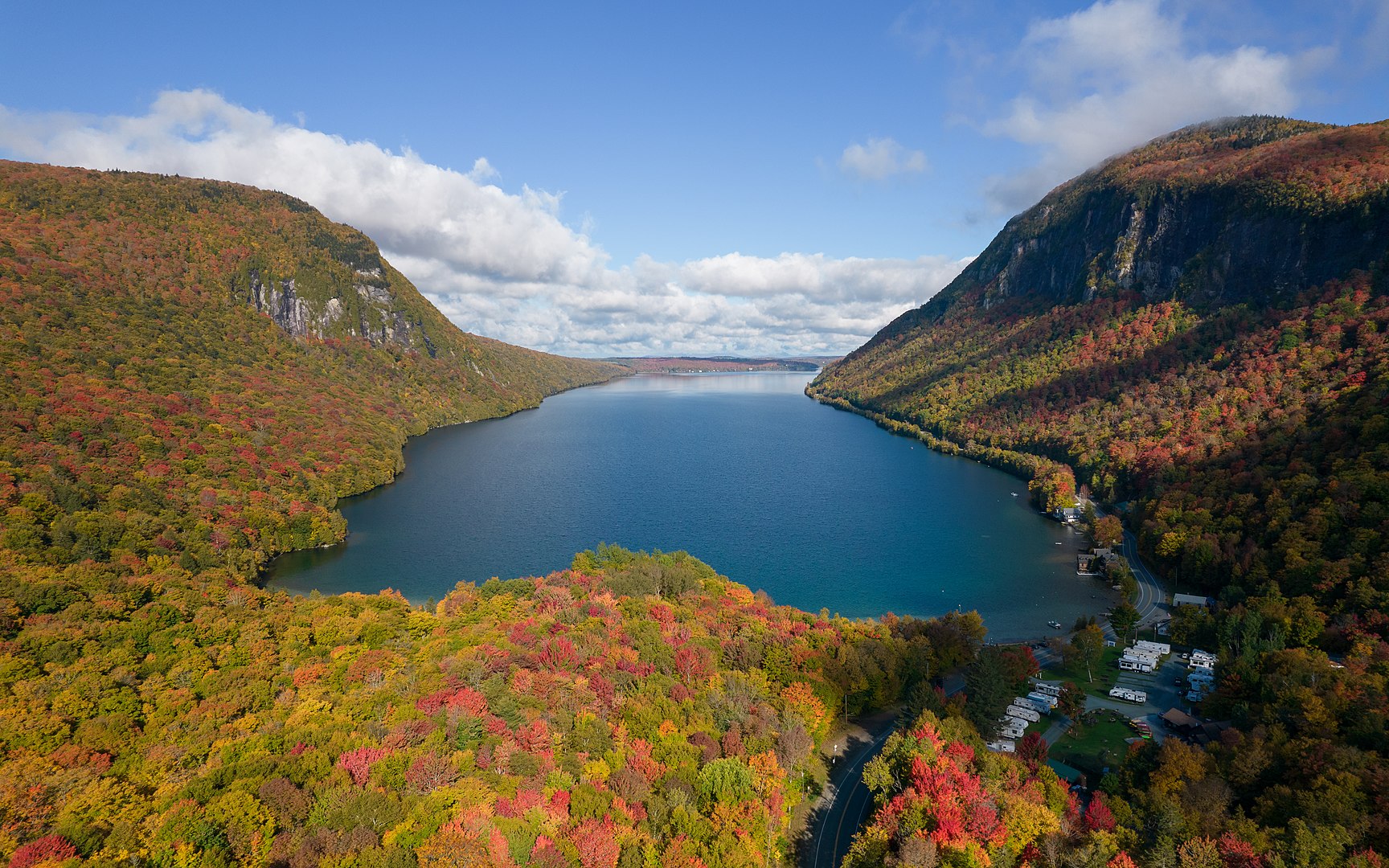
Since I had the chance to visit Lake Willoughby this past weekend, I thought it would be fitting to look at one of Robert Frost’s lesser-known but evocative poems, The Mountain. The poem mentions Mount Hor — one of the two dramatic mountains that rise on either side of Lake Willoughby in Vermont’s Northeast Kingdom. Having seen the lake and the mountains in person now, I feel even more connected to the scene Frost describes.
Frost’s speaker begins by describing the imposing presence of the mountain over the town, how it casts a shadow and seems to shelter him. There’s awe in the way the mountain “holds” the town — almost like a guardian — yet it also looms, cutting out stars from view. When the speaker climbs the mountain in search of its supposed secret, he discovers that the mountain doesn’t really do anything except stand there. There is no magical spring at its summit, no hidden source of the river — water comes from elsewhere.
This poem has always struck me as a quiet meditation on human expectations versus reality. We often assume that something as grand as a mountain must contain secrets or power. But the truth is simpler — the mountain’s presence itself is its gift. It doesn’t need to justify its existence with hidden springs or mystical origins.
Standing along the shores of Lake Willoughby, looking up at Mount Hor and its neighbor Mount Pisgah rising sharply from the water’s edge, I thought of Frost’s insight: sometimes, beauty and meaning are not about what a place gives us, but about what it is.
Have you ever visited a place that made you feel that way — where its presence alone was enough?
About the Poet
Robert Frost (1874–1963) was one of America’s most celebrated poets, renowned for his depictions of rural life, his mastery of conversational language, and his profound observations on nature and human experience. Though he was born in California, Frost’s literary identity is deeply tied to New England, where he lived for much of his life.
Vermont, in particular, features prominently in his work. He lived for many years in Shaftsbury, Vermont, and his poetry captures the landscapes, seasons, and rhythms of New England life — its mountains, woods, fields, and quiet towns. Poems like The Mountain reflect his sensitivity to the Vermont landscape and his ability to see both its grandeur and its simplicity.

My back pain got considerably worse over the weekend, and by last night it was unbearable enough that I ended up in the ER. They gave me some stronger painkillers and sent me home, but nothing has really helped so far. I tossed and turned all night, trying to find a comfortable position — there wasn’t one.
I’m hoping to get in to see my doctor today and figure out what comes next. Fingers crossed for some relief soon.
“See to it that no one takes you captive through philosophy and empty deceit, according to human tradition, according to the elemental spirits of the universe, and not according to Christ. For in him the whole fullness of deity dwells bodily, and you have come to fullness in him, who is the head of every ruler and authority.”
— Colossians 2:8–10
On this quiet Sunday, we hear Paul’s words to the church at Colossae, offering both a warning and a promise: we must not be led astray by false philosophies, but we can rest in the assurance that in Christ we are already made full.
It can feel intimidating when Paul warns against “philosophy and empty deceit,” but his concern is not about learning, thinking, or asking questions. He is warning us not to be convinced that we need anything more than Christ to be whole — not to be enslaved by systems that promise fullness but deliver only shame and fear.
For us as LGBTQ+ Christians, this is a deeply comforting and challenging truth. The world — and sadly, much of the church — has often told us we are incomplete, broken, disordered. They’ve claimed we need to be “fixed” or “delivered” from who we are. Those are indeed empty deceits. Paul’s words remind us not to be taken captive by those human traditions that deny the fullness God already gives us.
Because we have come to fullness in him.
We don’t need to contort ourselves to fit the world’s narrow definitions of holiness. Christ himself — the one in whom “the whole fullness of deity dwells bodily” — has made us complete. Our queerness does not separate us from that fullness, and no authority on earth has the right to tell us otherwise.
So, let us stay watchful: testing the messages we hear to see whether they align with the love, grace, and truth of Christ. And let us stay secure: knowing that we are already whole in him, without shame, without needing to erase who we are.
We are not lacking. We are not less-than. We are already full — because Christ is full, and we are in him.
On this Sunday, may we feel that fullness in our hearts. May we resist the voices that would try to take us captive through deceit. And may we rest in the truth that Christ himself makes us complete — wonderfully and perfectly made in his love.

🎶Don’t go chasing waterfalls
Please stick to the rivers and the lakes that you’re used to
I know that you’re gonna have it your way or nothing at all
But I think you’re moving too fast🎶
—“Waterfalls” TLC

The lyrics above are from the song “Waterfalls” by TLC. They speak not only to the swift, dramatic plunge of water over a falls, but also to the way people often let life rush past them—always chasing the next thrill or achievement—until suddenly, it’s over. Good advice often goes unheeded when someone is determined to forge their own path, even recklessly.
While the singer warns of the chaos that can come from moving too fast, she also urges thoughtfulness and peace. The chorus reminds us to live each moment fully and intentionally, making the best of the time we have.

This perspective echoes the wisdom of Marcus Aurelius in Meditations: “Dwell on the beauty of life,” and “Do not act as if you were going to live ten thousand years. Death hangs over you. While you live, while it is in your power, be good.”

Take a breath. Find your river or lake—and appreciate its quiet beauty.

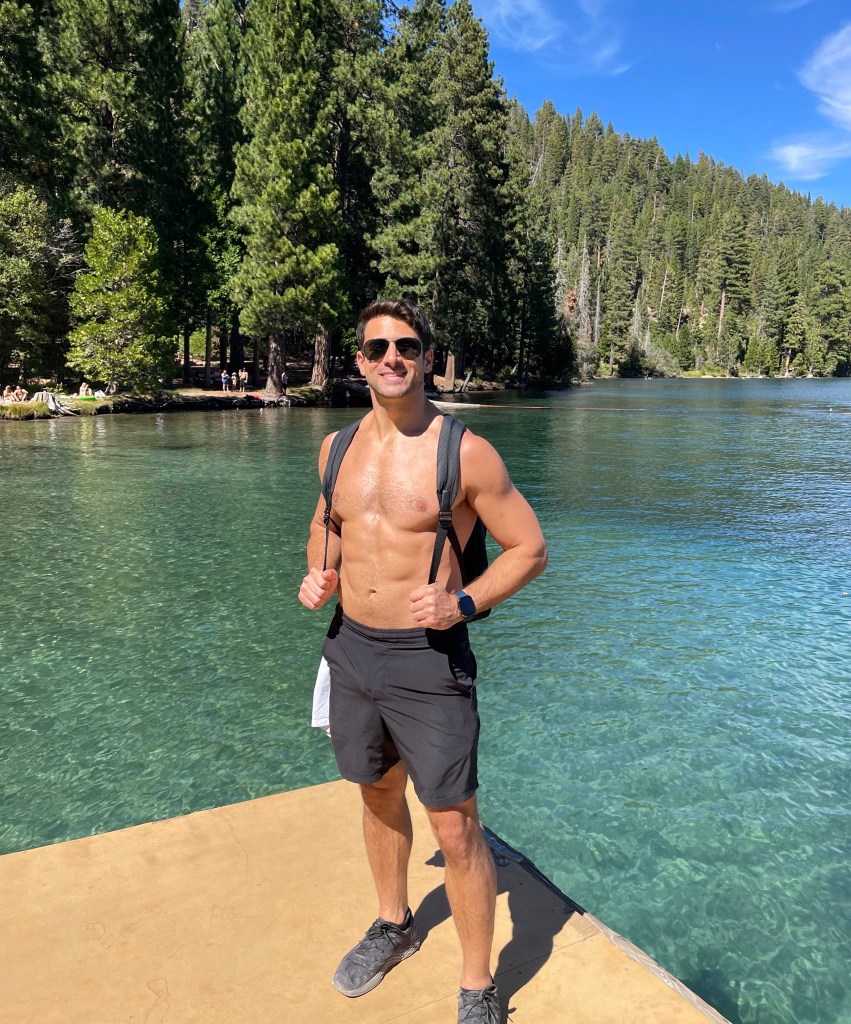

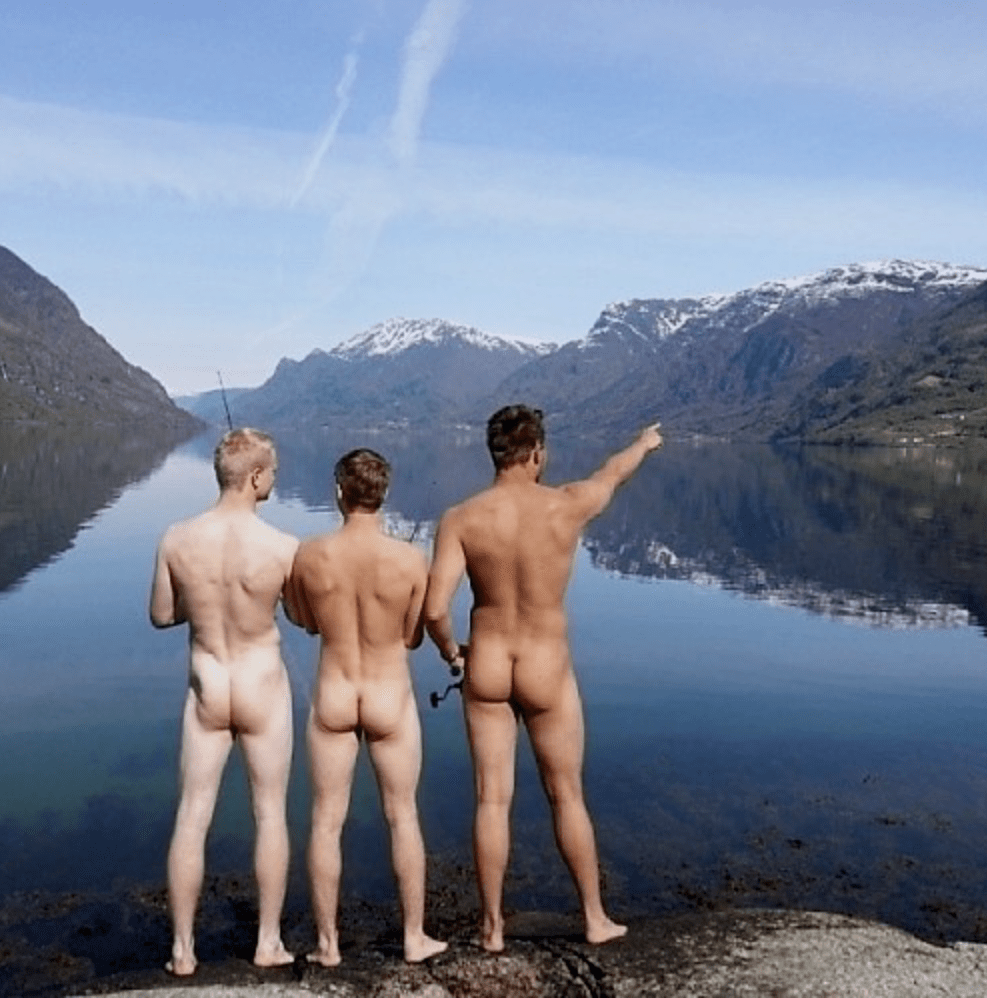

Thank goodness, it is finally Friday. This week has felt unusually long—one of those where Friday seemed like it would never arrive—but here it is at last. I’ll be working from home today, which also means I’ll likely sneak in a few loads of laundry between emails and projects. That’s life.
At least it’s supposed to be a beautiful day. Tomorrow promises more sunshine and even better weather, and I’m planning to take full advantage of it. I’ve decided to go hiking around Lake Willoughby, a glacial lake in northern Vermont known for its incredible clarity, chilly waters, and breathtaking scenery. From the pictures I’ve seen, it’s no wonder it’s considered one of the most beautiful lakes in New England.
I’m looking forward to a day spent in nature—hiking, relaxing, and hopefully finding a quiet spot on the shore to sit in the sun and read. Whether I make a full day of it or just a few hours, I’ll have plenty of water with me, and of course, I won’t forget the sunscreen.
But first, there’s this work-from-home Friday to get through. Hopefully, it will be easy enough, and then I can start the weekend properly.
How are you planning to spend your weekend? Do you have a favorite spot in nature to relax and recharge?
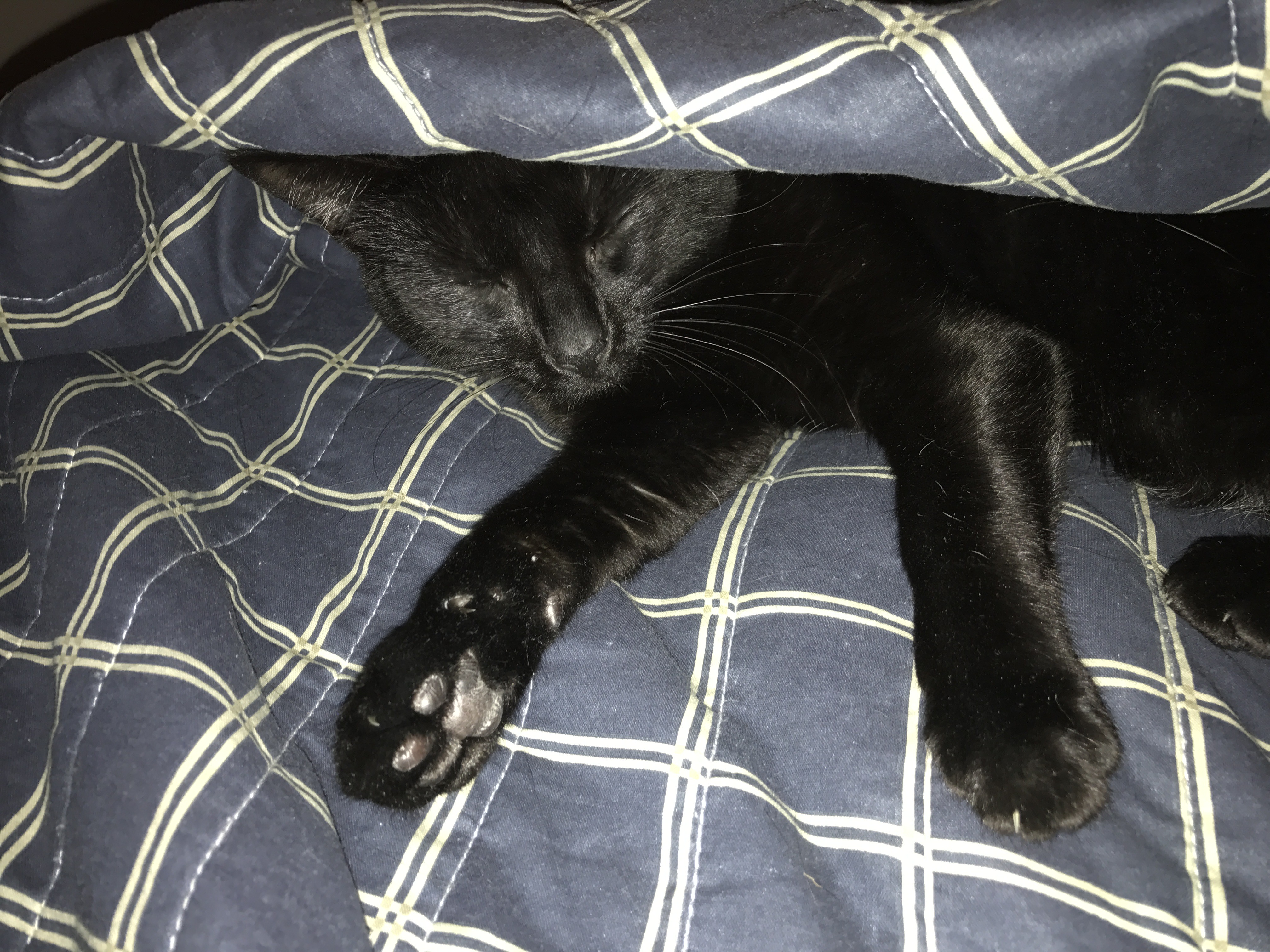
Here’s your Isabella pic of the week, proving once again that she’s the queen of cozy. Half-covered by a blanket and looking absolutely adorable, she’s clearly mastered the fine art of Friday relaxation.


 | noisilycool3bc985058… on Pic of the Day |
 | Joe on Pic of the Day |
 | vandycolt on Pic of the Day |
 | furbirdsqueerly on Pic of the Day |
| Joe on Pic of the Day |



As an Amazon Associate I earn from qualifying purchases. So, if you click on a link that takes you to Amazon.com, I may earn a commission.
Trust me, it isn’t much, but every little bit helps.



 The Closet Professor