On July 12, 2010, I sat down and wrote my very first post here at The Closet Professor. It was called The Ancient Olympics: A History Lesson, and at the time I had no idea where this blog would lead me. I simply felt the need to write — to carve out a small corner of the internet where I could share my thoughts, my passions, my struggles, and perhaps connect with a few kindred spirits along the way.
Fifteen years later, that single post has grown into thousands. Between the original Blogger site and the backup WordPress site, The Closet Professor has been viewed more than 8.5 million times. In that time, I’ve posted nearly every day — missing only on those rare occasions when tragedy struck and I simply couldn’t bring myself to write anything. Through it all, you — my readers — have been here with me, and it’s your presence that has made this journey possible.
Through this blog, I’ve shared my love of history, art, music, gay culture, and the quiet moments of spirituality in my Sunday devotionals. I’ve written candidly about my health, my desires, my triumphs, and my defeats. I’ve shared the differences between life in Alabama and life in Vermont, and I’ve tried to be as honest as I could — about who I am and what I hope to become.
Over the years, some posts have struck a special chord. The most popular Moment of Zen of all time was Brazilian Men, posted on February 26, 2022 — a celebration of warmth, joy, and unabashed beauty. The second most popular Moment of Zen was Wet Dreams from June 27, 2015, evoking the sensual allure of water and desire. The most visited Pic of the Day appeared on February 28, 2022 — a beautifully candid image of a nude Black man standing before an open refrigerator, his body bathed in soft, domestic light, a moment both intimate and arresting that continues to resonate with many of you.
Among all the posts I’ve written, the most visited of all time remains Naked Male Camaraderie, published on August 24, 2010, and viewed over 300,000 times — still the post that brings more visitors than any other. The next most popular posts over the years have been Pensacola Beach’s Gay Memorial Day Celebration, The Hanky Code, Gays and the Old West, and Naked Warriors in History. Together, these posts reflect what this blog has always tried to capture — a mixture of beauty, history, desire, and connection.
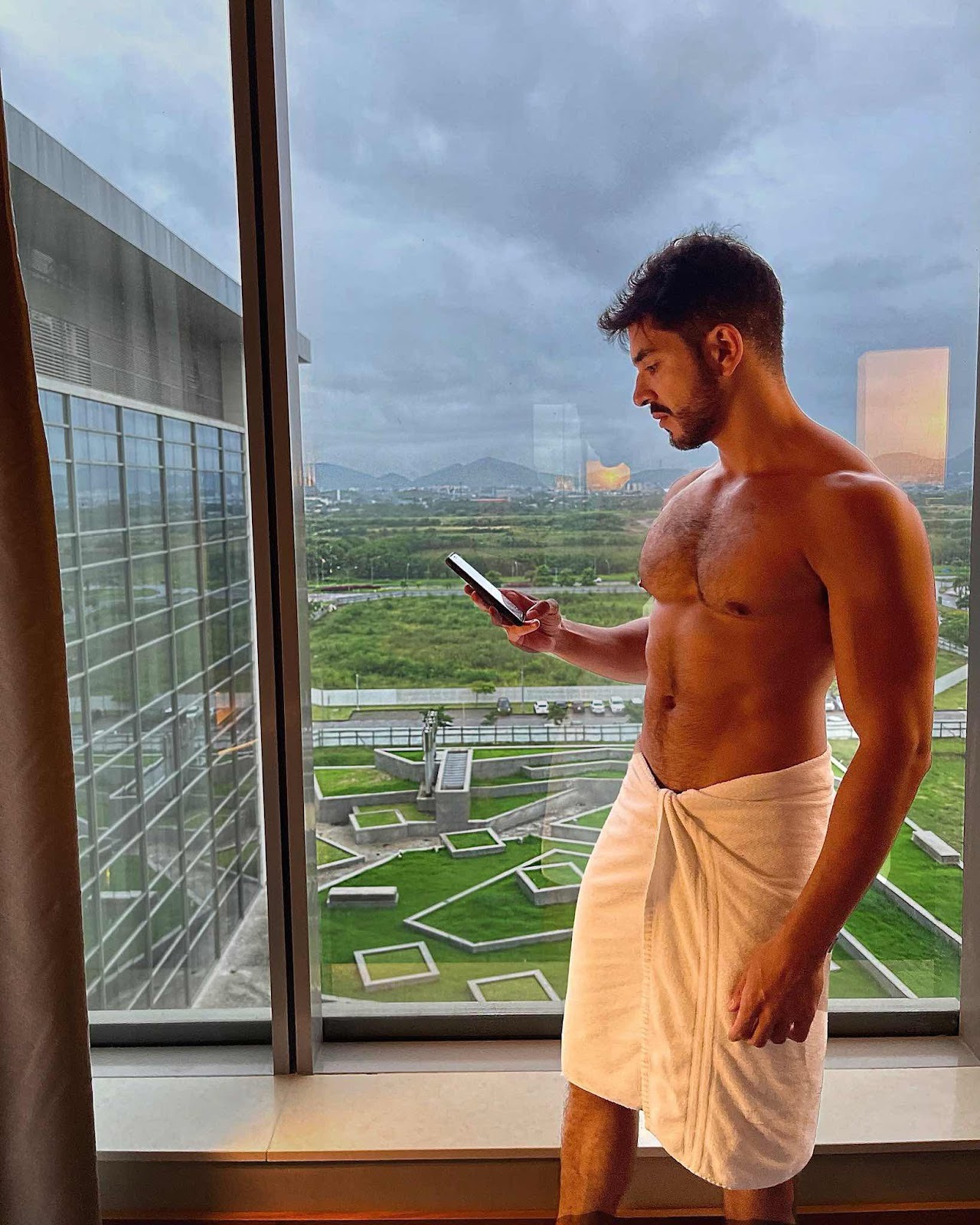
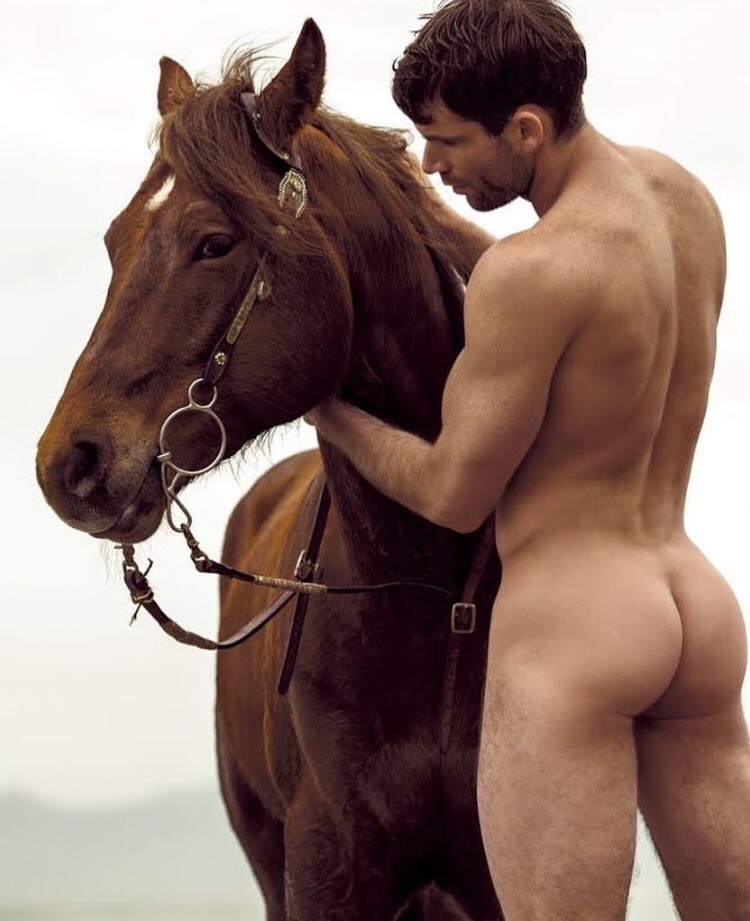
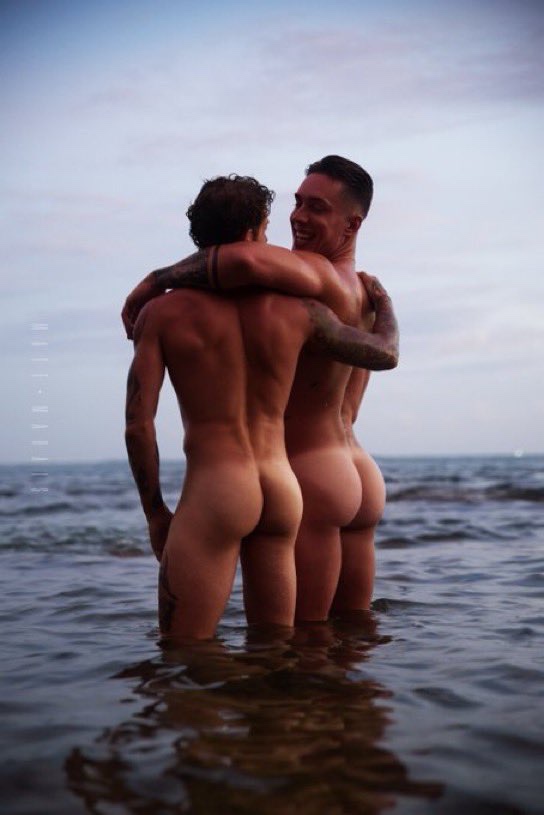
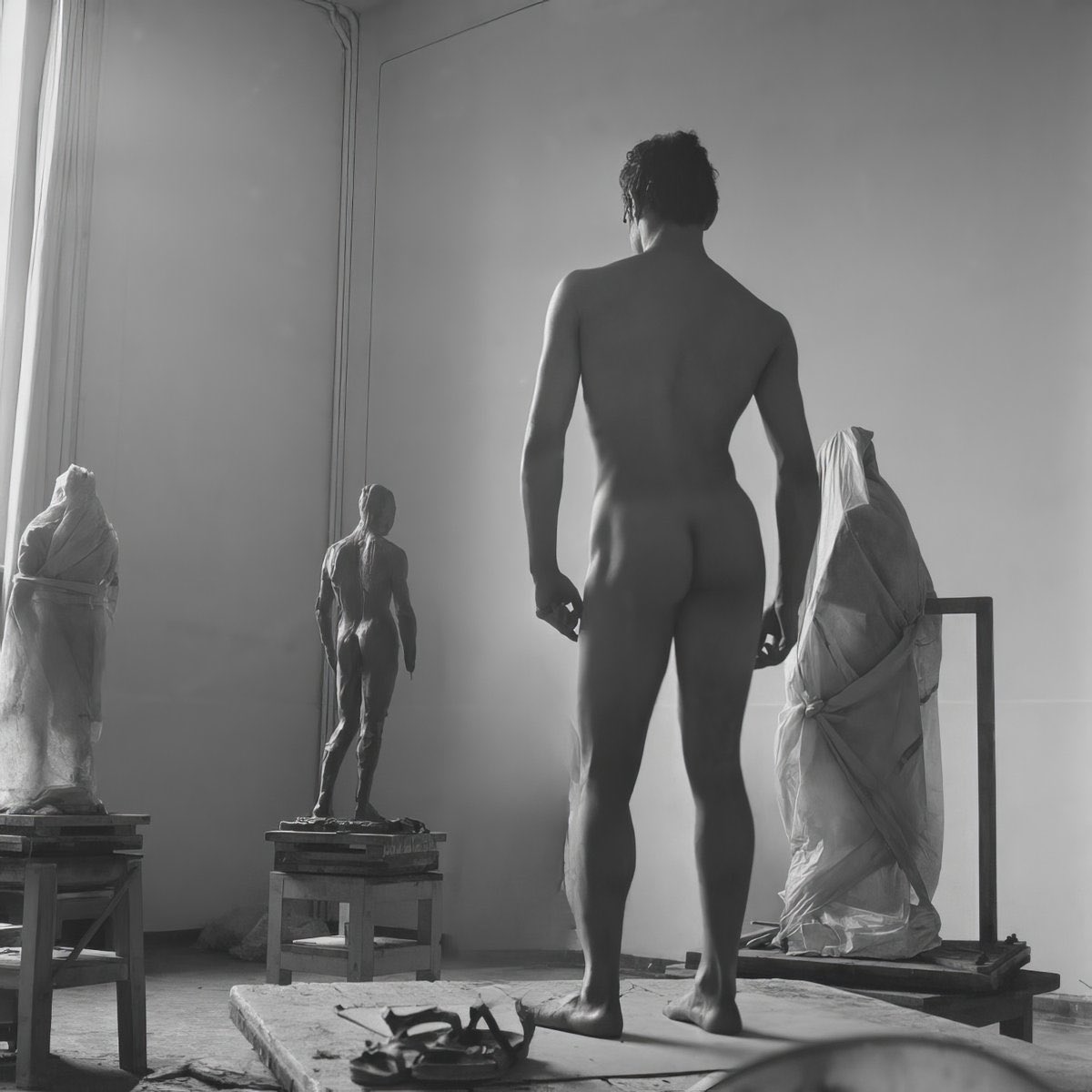
To mark this milestone, I’ve chosen ten images to celebrate the journey we’ve shared here:
three from Brazilian Men, honoring the most beloved Moment of Zen;
one from Wet Dreams, the memorable runner-up;
another from the most popular Pic of the Day;
and five more, each representing one of the five most visited posts.
These images reflect not just what has attracted the most attention over the years, but what this blog has always been about: beauty, desire, history, and camaraderie.
As I reflect on these fifteen years, I’m overwhelmed with gratitude for what this blog has brought into my life. Through it, I’ve grown as a gay man, learned more about myself, and come to embrace parts of me I once tried to hide. I’ve made dear friends — some who have stayed with me all these years, some who have changed my life, some who have moved on, and some who have sadly passed away. And new friends continue to arrive, reminding me that this space still matters.
I’ve learned from you, my readers, as much as I’ve shared with you. You’ve shown me grace, humor, kindness, and wisdom. This blog has been a lifeline in difficult times and a place of joy in better ones. It is a record of my journey — spiritual, intellectual, emotional — and a testament to the connections we can make when we dare to be honest.
I cherish each and every one of you who has walked part of this path with me. Thank you for being here — for reading, for commenting, for simply stopping by and sharing a quiet moment with me. Here’s to fifteen years of The Closet Professor, and to many more to come.
Do you remember what first brought you here? I’d love to hear in the comments below.
For as long as the male nude has existed in art — from the Kouros statues of ancient Greece to the sketches of Michelangelo — the erotic potential of the male body has fascinated artists and viewers alike. But what happens when we turn our gaze to the realm of gay pornography? Can gay porn — films and photography explicitly created for sexual arousal — also be considered art?
It’s a provocative question, but a worthwhile one. In fact, the history of gay porn itself often parallels the history of queer art: pushing boundaries, challenging taboos, celebrating bodies, and telling truths about desire.
The Beginnings: Porn as Forbidden Art
Long before moving pictures, erotic images circulated as drawings, engravings, and photographs. In the 19th century, so-called “French postcards” depicted nude men as athletic models, though sometimes posed in implicitly homoerotic ways. One of the earliest and most influential figures to straddle the line between art and pornography was Wilhelm von Gloeden, whose photographs of Sicilian boys, taken between the 1880s and 1920s, combined classical references, soft lighting, and unabashed sensuality. These images were sold as art but carried undeniable erotic charge.
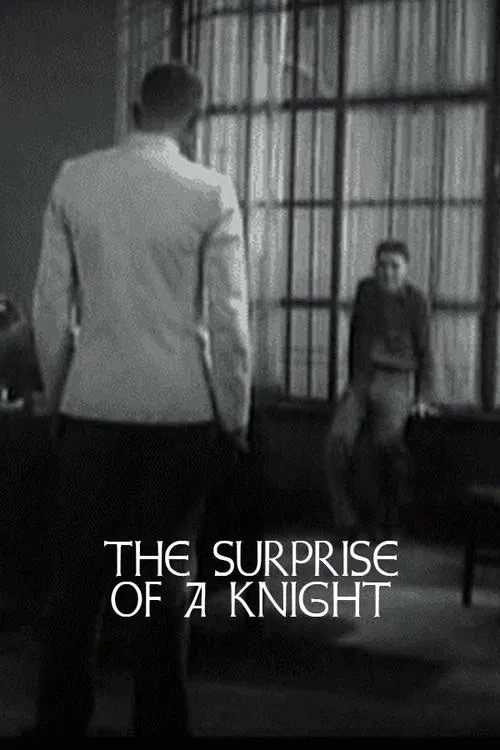
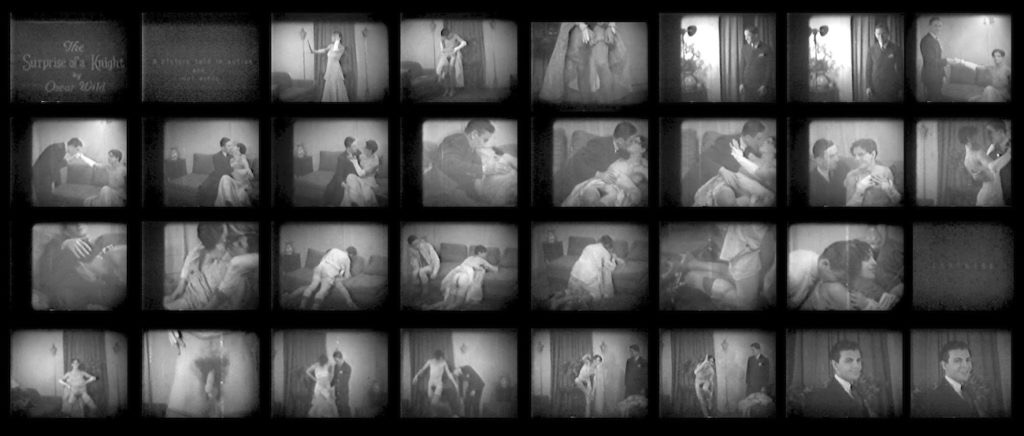
When film arrived, early pornography — called “stag films” — rarely included explicitly gay scenes. Still, there were clandestine reels from the 1920s–40s that showed male-male encounters. Though they were often anonymous and lacked narrative or polish, their very existence documented queer desire at a time when it was otherwise hidden. The Surprise of a Knight (1930), one of the earliest surviving gay stag films, is a fascinating precursor — a clandestine, playful short that captures queer desire in an era of strict censorship, showing how even in the shadows, erotic expression could hint at both art and resistance.
The Surprise of a Knight opens with an elegantly dressed “lady” preparing for a visit, who reveals a patch of pubic hair as an intertitle credits the screenplay to “Oscar Wild.” In the drawing room, the lady flirts and kisses her dapper “knight,” rebuffing his gropes before playfully slapping him and then performing oral sex. She then positions herself face-down on the sofa, and the knight simulates anal sex with her twice, both reaching climax. After he departs, the “lady” lifts her skirts to reveal he is actually a man, punctuated by an intertitle reading “Surprise.” The man dances nude, his penis visible, before the knight returns to help him undress completely; they dance together briefly, and in the final shot the man, now in business attire, winks at the camera before walking off.
The Classic Era: Porn as Provocation, Pleasure as Art
The so-called “Golden Age” of gay porn coincided with the sexual revolution of the late 1960s and 1970s. Explicit films were finally being made openly, screened in theaters, and even reviewed in mainstream publications. During this period, filmmakers experimented with narrative, cinematography, and symbolism — producing works that were undeniably pornographic but also clearly ambitious, aesthetically considered, and culturally significant. Some of these films are now preserved in archives and even screened in museums.
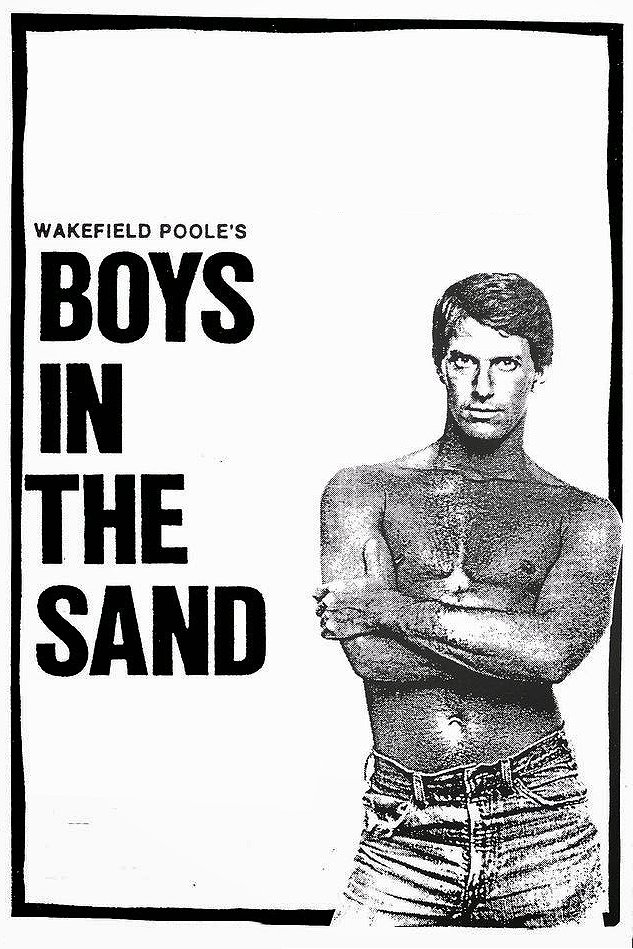
Perhaps the most famous of these was Boys in the Sand (1971), directed by Wakefield Poole, which portrayed erotic encounters on Fire Island in lush, painterly compositions. Poole’s film was groundbreaking for its beautiful cinematography and narrative flow — and it even premiered to a packed theater audience, signaling a new cultural visibility.
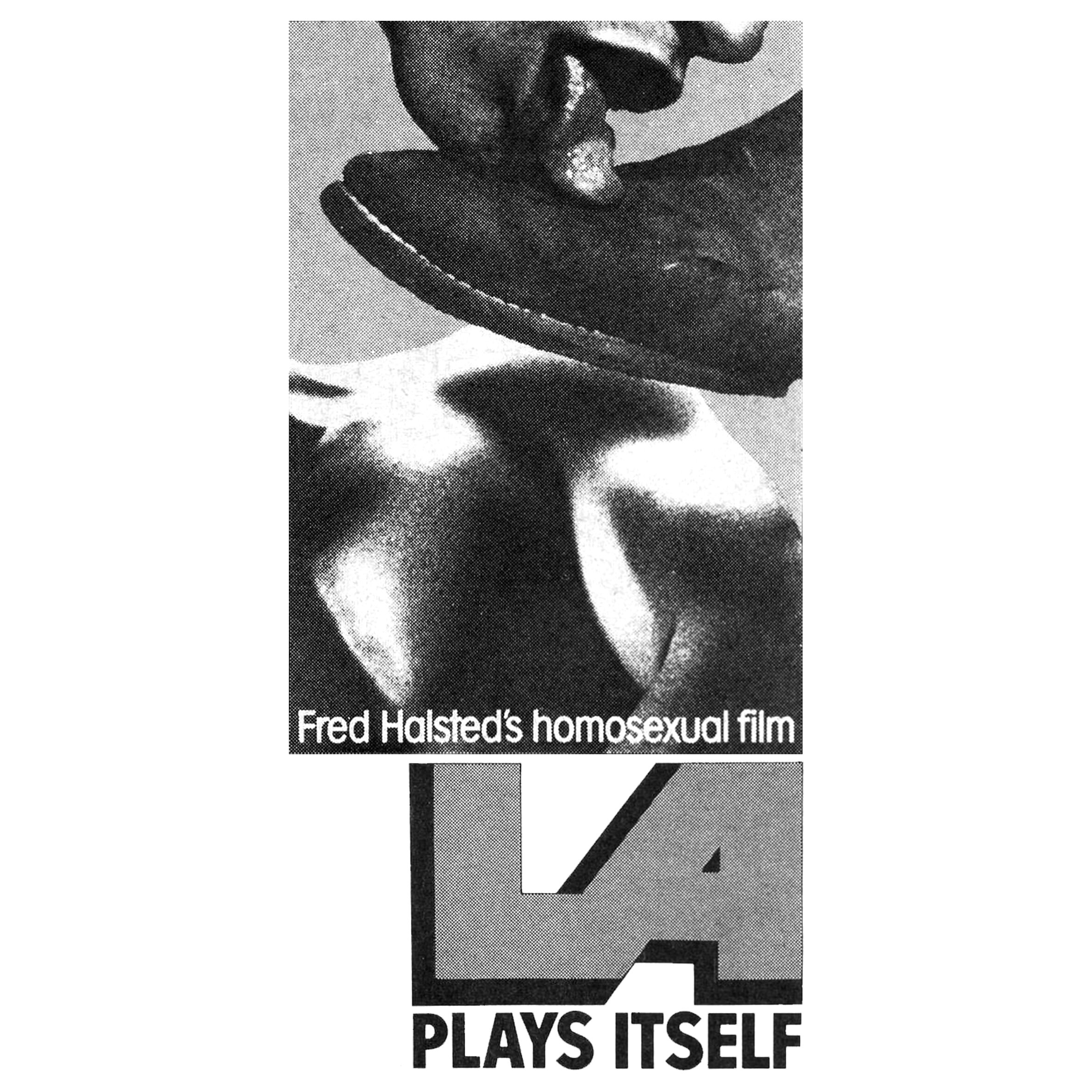
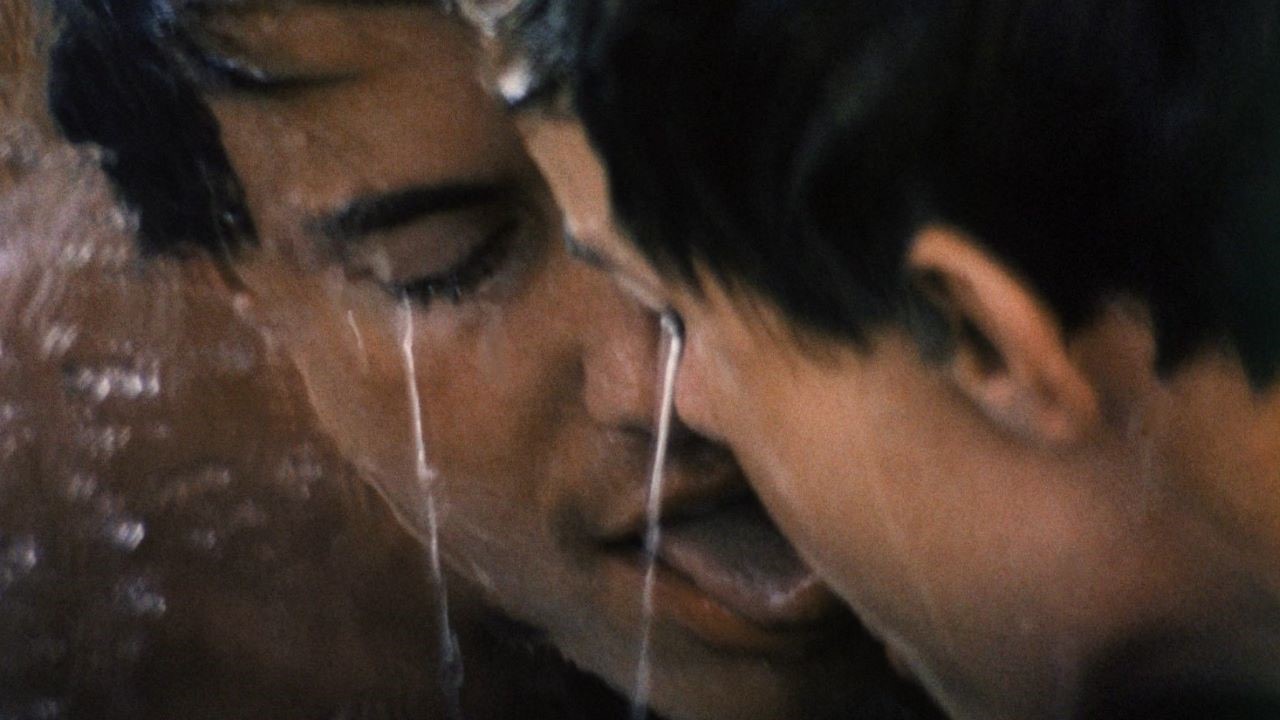
Around the same time, Fred Halsted’s LA Plays Itself (1972) took a radically different approach, presenting gay sex through a gritty, surrealist lens that reflected the urban experience of Los Angeles. In October 2023, New York’s IFC Center hosted a rare screening of Fred Halsted’s LA Plays Itself, shown on Friday, October 20 and Saturday, October 21. The IFC Center, a renowned independent art-house cinema in New York City, screening LA Plays Itself is significant because it affirms the film’s enduring status not just as underground pornography but as a provocative work of avant-garde queer art worthy of serious cultural recognition. This gritty, surreal classic of queer cinema was presented as part of a retrospective celebrating the film’s radical blend of explicit gay sexuality, avant-garde experimentation, and social critique — reminding audiences why it remains both controversial and artistically significant more than fifty years later.
From: Fred Halsted’s LA Plays Itself (1972)
Other notable films of this era, such as Sex Garage and Drive!, blended explicit sex with experimental art-film techniques, offering a kind of avant-garde pornography. And beyond film, the hypermasculine, leather-clad drawings of Tom of Finland profoundly influenced the aesthetic of this era — his work infused pornographic imagery with style and self-confidence. These films treated sex not just as a physical act but also as an expression of fantasy, identity, and even politics — often blending sensuality with beauty and humor.
The Condom Era: Risk, Responsibility, and Reinvention
With the arrival of HIV/AIDS in the early 1980s, the landscape of gay porn changed dramatically. Fear and loss reshaped queer sexuality, and the industry adopted condoms both as a visual norm and as an ethical statement. Yet filmmakers continued to create works that were erotic, imaginative, and even moving. While the films of this era often retained the narrative ambition of the classic period, the urgent subtext of survival and safer sex advocacy gave them new weight. Many films explicitly incorporated education or chose to eroticize condoms themselves, making them part of the fantasy rather than an intrusion on it.
One example is More of a Man (1986), which managed to portray explicit gay sex as affirming and healthy during a time of crisis. Later films such as Oversized Load (1992) and Flashpoint (1994) demonstrated that high production values and eroticism could coexist with a commitment to showing safer sex. Directors like Chi Chi LaRue injected humor, camp, and even tenderness into their films while insisting on condoms, making the condom itself part of the fantasy rather than an obstacle. These works helped sustain gay erotic culture during a devastating epidemic, offering viewers both pleasure and reassurance. These films demonstrated how erotic art could adapt to a changed world, preserving desire while honoring safety and responsibility.
The Post-Condom Era: Emotional Realism and Erotic Storytelling
With the introduction of PrEP (pre-exposure prophylaxis) and better treatments for HIV, the last decade has seen a return to condomless (or “bareback”) porn. Some see this as a fetishization of risk; others view it as reflecting new realities where undetectable equals untransmittable (U=U) and consent is better understood. The artistry of the current era often lies in its diversity: high-definition cinematography, thoughtful storytelling, and a new openness about race, body types, and kink.
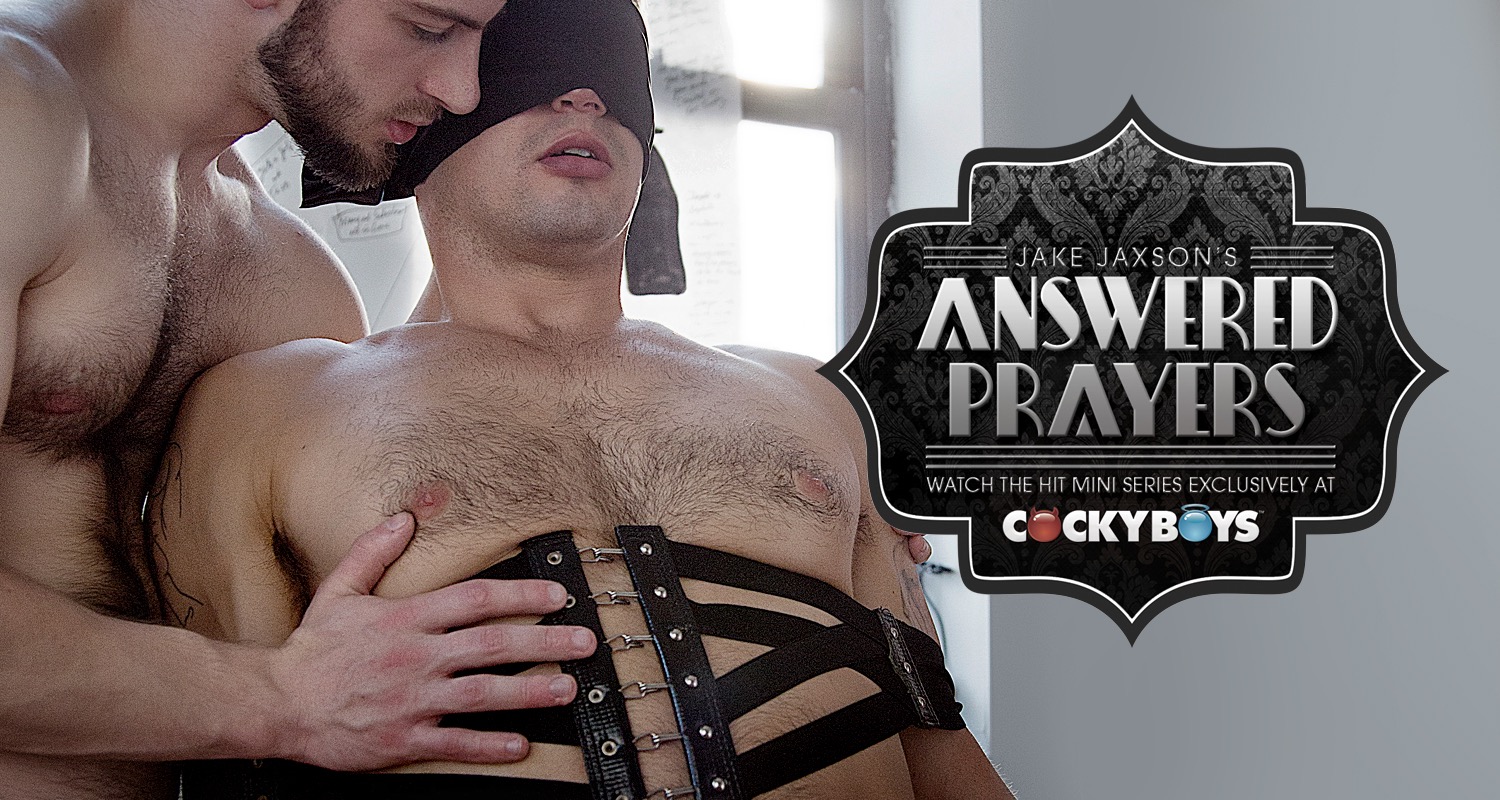
Studios like CockyBoys have embraced the idea of “art house porn” — their Answered Prayers series (2014–15) was highly conceptual, blending dreamlike imagery, emotional narratives, and striking cinematography with explicit sex. Meanwhile, queer filmmaker Bruce LaBruce has consistently created films that integrate hardcore gay sex into narrative art cinema, screened at film festivals and museums.
In addition, Davey Wavey’s Himeros project has taken the idea of porn-as-art even further, explicitly positioning itself at the intersection of eroticism, education, and body positivity. With its emphasis on advocacy and sensual exploration, Himeros aims to create porn that doesn’t just arouse but also affirms, teaching viewers to see their own bodies and desires as beautiful and worthy. And across the independent scene, more and more filmmakers are producing “post-porn” hybrids: installations, videos, and screenings in galleries that use pornographic elements to explore desire, identity, and politics.
What Makes Porn Art?
So, what distinguishes these works from “just porn”?
Intent: Many of these works aim not just to arouse but to say something — about desire, about queerness, about the human condition.
Aesthetic Vision: Careful cinematography, editing, sound design, and narrative ambition elevate the material.
Cultural Context: In eras when mainstream culture erased queer desire, these films asserted its legitimacy and beauty.
Emotional Resonance: Art moves us — and some of these films succeed in doing so even beyond the erotic charge.
Of course, not all gay porn is art — nor does it have to be. But these examples show that pornography can be artful, meaningful, and even beautiful. Whether you view it on a gallery wall, a festival screen, or your laptop at midnight, it is part of the long story of how queer people have imagined, celebrated, and preserved our desires.
What do you think? Where do you draw the line between porn and art? Or is there even a line at all? Share your thoughts in the comments.
I’m happy to say I’m finally feeling better. I went back to see the doctor yesterday, and she confirmed that my back pain was muscular and not skeletal — which was a relief to hear. She explained that the muscle had been strained and was pressing on a nerve, which caused the pain I’d been experiencing.
She prescribed a medication to help relax the muscle, and it seems to be working. The only downside is that it makes me very sleepy. I slept very well last night (maybe too well), and this morning it was hard to drag myself out of bed. But overall, I’m definitely feeling better today, which is a big step in the right direction.
Also, I realized I didn’t post an Isabella picture last week, so I thought I’d do something a little special this time. Below is a short video of Isabella taken exactly nine years ago today. She was such a cute and playful kitten back then — and she still has that same spark in her eyes today.
Enjoy this little glimpse of her kitten days, and thank you all for your kind words and support while I’ve been recovering!
I ended up taking a sick day yesterday because I woke up with a migraine. The migraine had actually started Monday, and then a night of thunderstorms kept me awake for much of the night. When I got up Tuesday morning, the migraine was still hanging on, so I knew I wasn’t going to make it to work.
Thankfully, the headache finally eased up before noon yesterday. My back, which has been bothering me for two weeks now, felt a little better but still not great. I already had a massage scheduled for the afternoon, and I was hopeful that would help.
The massage therapist focused mostly on my right side — where the back, neck, and shoulder pain have been concentrated — and she said my muscles there were really tense. She really dug into my shoulder and back, and while that definitely helped loosen my back a bit, my shoulder was sore afterwards from how much work it took to get those knots to release.
This morning I have more movement in both my neck and back, which is an improvement, but the pain itself isn’t much better yet. My doctor’s office told me to call them back this afternoon if I’m still hurting after my muscles have had time to relax fully from the massage. I really hope that happens by then, but at this point I just don’t know.
With all this going on, I probably won’t have an art history post ready this week, but I’ll see what I can put together later on if I feel up to it.
I hope all of you are doing well — the week is already half over, so we’ve got the weekend to look forward to. Hang in there, and take care of yourselves.
Just a dash of lambent carmine
Shading into sky of gold;
Just a twitter of a song-bird
Ere the wings its head enfold;
Just a rustling sigh of parting
From the moon-kissed hill to breeze;
And a cheerful gentle, nodding
Adieu waving from the trees;
Just a friendly sunbeam’s flutter
Wishing all a night’s repose,
Ere the stars swing back the curtain
Bringing twilight’s dewy close.
About This Poem
In the warm quiet of a summer evening, there comes a moment when the world seems to take a collective breath — when the sun lets go of the day and hands it gently to the night. Joshua Henry Jones Jr.’s poem “In Summer Twilight” beautifully captures that fleeting moment, painting it in colors of carmine and gold, with whispers of birdsong, breezes, and moonlight. At its heart, “In Summer Twilight” is a love letter to the day’s end — a quiet catalog of its soft sounds, subtle colors, and farewell gestures. The poem’s language is delicate and luminous: “lambent carmine,” “moon-kissed hill,” “stars swing back the curtain.”
This poem reminds us that the beauty of nature is not just in grand spectacles but in the gentle transitions, the nearly imperceptible moments that signal change. Twilight is not a violent end to day but a tender and deliberate passing. Jones personifies the elements — trees nodding adieu, a sunbeam wishing repose — emphasizing the intimate, almost communal quality of dusk.
There’s also something quietly hopeful here. The day’s end isn’t mourned; instead, it’s a graceful curtain drawn by the stars, making way for the next act. The theme of harmony between the earth and sky, between time and rest, feels particularly poignant in a modern world that rarely stops to notice such things.
Joshua Henry Jones Jr. published this poem during the Harlem Renaissance, though he was based in Boston rather than Harlem. At a time when African American writers were pushing boundaries, reclaiming their voices, and asserting their presence in literature, Jones chose, in this poem, not to protest but to praise — to claim his right to beauty and belonging in the natural world.
In an era when Black Americans were too often excluded from mainstream notions of gentility, leisure, and pastoral bliss, writing a poem about the loveliness of twilight could itself be quietly radical. Jones’s work reminds us that the African American literary tradition is just as much about affirming humanity and celebrating grace as it is about confronting injustice.
About the Poet
Joshua Henry Jones Jr. (1886–1955) was an African American poet, journalist, and novelist who became an important literary figure in Boston’s Black community in the early 20th century. Born in South Carolina, Jones studied at Ohio State University and Yale before moving to Boston. He became known for his sensitive poetry, his novel By Sanction of Law (1924), which explored an interracial marriage in Boston, and his leadership in civic and literary circles.
His poetry often reflects a deep appreciation for nature, a gentle lyricism, and a quiet dignity — qualities that shine beautifully in “In Summer Twilight.”
As we enjoy these summer evenings, let Jones’s words be a reminder to pause and notice the world around us: the nod of the trees, the flutter of the sunbeam, the curtain of stars drawing closed. There is still room — and need — for this kind of quiet wonder.





















 Joe
Joe





 The Closet Professor