🌈 Bold, Beloved, and Called

“But you are a chosen race, a royal priesthood, a holy nation, God’s own people, in order that you may proclaim the mighty acts of him who called you out of darkness into his marvelous light.”

— 1 Peter 2:9 


“For God did not give us a spirit of fear, but of power and of love and of self-discipline.”

— 2 Timothy 1:7 


“Love is patient, love is kind… It bears all things, believes all things, hopes all things, endures all things. Love never fails.”

— 1 Corinthians 13:4, 7–8 

As Pride Month draws to a close, we are invited not to retreat—but to rise. We should not pack away our rainbow flags or tuck away our truths—we should plant them firmly in the soil of our daily lives. We have explored who we are (fearfully and wonderfully made). We’ve reclaimed the image of God within us (queerly reflected). We’ve healed what shame tried to break, found boldness in our truth, and committed to growing where we are planted. now, we turn to three things that comes next.

We are called to serve God.

Jesus’ words in Matthew 5:16 (“Let your light shine before others, so that they may see your good works and give glory to your Father in heaven.”) offer a powerful commission: Let your light shine. Not dimmed for the comfort of others. Not hidden behind polite silence. But out in the open. Joyfully. Authentically. As a witness to what God has done in and through us.

Scripture tells us that we are a royal priesthood, a holy people, God’s own. That’s not conditional. That’s not for someone else. That’s for us. We are called not in spite of who we are, but because of who we are. We are called out of shame and silence, out of marginalization and fear, into God’s marvelous light. Our queerness, our tenderness, our truth—they are not spiritual liabilities. They are spiritual gifts.

Through God’s gift, we are bold.

For many LGBTQ+ Christians, Pride has historically been about survival—holding onto life, faith, and hope in a world that tried to silence us. And that survival has been sacred. But now, we are called to more than surviving. We are called to joy. To deep, radiant, unashamed joy.

Paul writes in Philippians 4:4, “Rejoice in the Lord always; again, I will say, Rejoice.”  Not only when things are easy. Not only when we’re safe. But always. Because joy—real joy—is an act of spiritual resistance. It’s a declaration that we are still here, still beloved, and still building something beautiful. It takes courage to live openly as an LGBTQ+ Christian. It takes courage to love ourselves in a world that taught us to hide. It takes courage to believe that the Spirit speaks through our lives.

But here’s the truth: we were not given a spirit of fear. We were given the Spirit of power—to stand tall. The Spirit of love—to resist hate with grace. The Spirit of self-discipline—to hold fast to our faith even when others misunderstand it. Holy boldness is not loud arrogance. It is quiet faithfulness. It is showing up fully, beautifully, honestly—day after day. Pride is not just a celebration. It is a declaration: We are still here, and we are still beloved.

We are love in motion.

Love is not just a feeling—it is a force. It bears burdens. It holds space. It speaks truth. And LGBTQ+ love is no less holy than any other. In fact, many of us have learned how to love through rejection, through hiding, through longing. We have had to fight to love ourselves, to love one another, and to believe that God loves us too.

Our lives as LGBTQ+ Christians are not a detour from faith—it is a testament to it. Our honesty, our resilience, our capacity for love—these are lamps lit by the Spirit. When we love openly, we reflect the God who is love. When we celebrate joyfully, we reflect the God who rejoices over creation. When we live truthfully, we reflect the Christ who never apologized for healing, embracing, and breaking the rules to welcome the outcast.

We are not just welcome in the Church—we are vital to its witness. Our pride doesn’t end with the parade. It continues in our daily living, in our compassion, in our courage to shine. So now, let that love flourish. Let it speak. Let it heal. Whether you’re single, partnered, celibate, dating, married, or questioning—you carry within you the kind of love that “never fails.” Love that transforms. Love that reflects God.

God calls us to be courageous. He made us part of His royal priesthood. He called us into the light—not despite our queerness, but through it. He gives us boldness to live as He created us. God gives us strength to resist shame, and tenderness to love others as He love us. We carry His love—patient, kind, and enduring—into a world that so desperately needs it, especially in this climate of hate that seems to permeate our political, secular, and, far too often, religious worlds.

We are chosen. We are courageous. We are love in motion.

As Pride Month ends, may our truth continue to shine, our love continues to grow, and our calling becomes ever clearer. Let the world see what God is doing through us—a radiant reflection of bold, beloved queerness.

🌈🏳️‍🌈🏳️‍⚧️


Pic of the Day


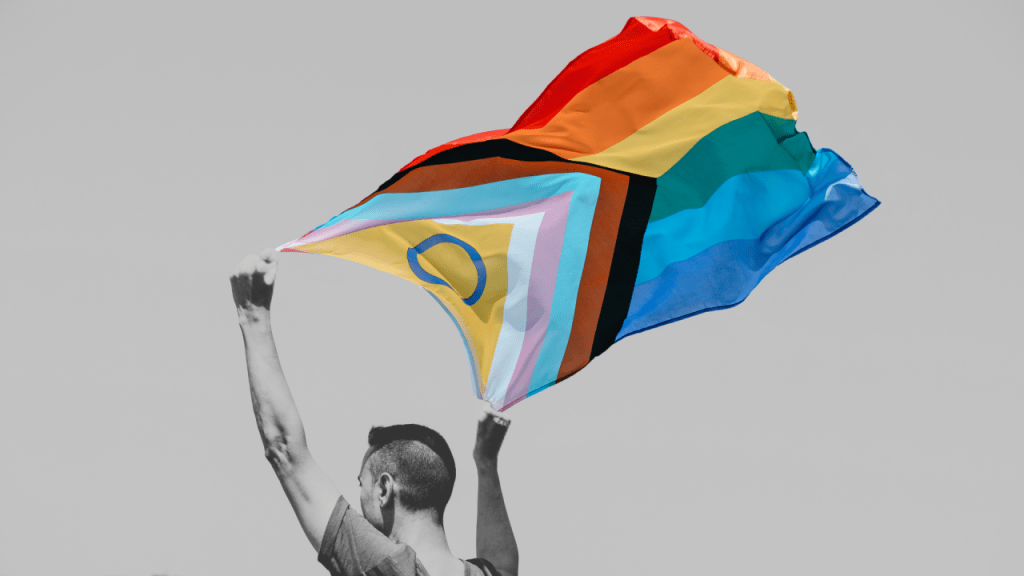
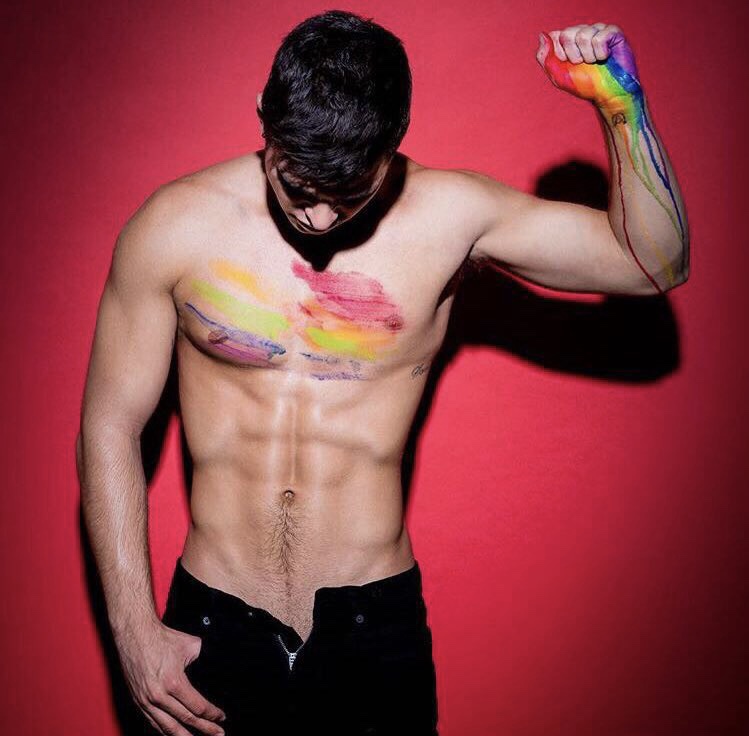
Moment of Zen: Colors of the Rainbow


Pic of the Day


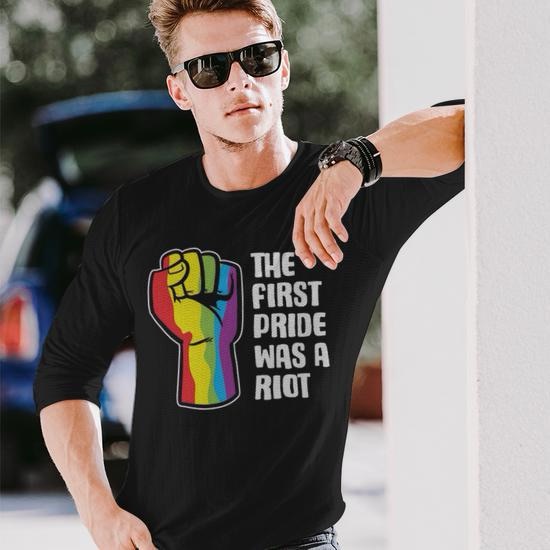
The First Pride Was a Riot

In the early hours of June 28, 1969, something extraordinary happened on a quiet stretch of Christopher Street in New York City. After years—decades—of police harassment, social invisibility, and the criminalization of queer existence, a group of drag queens, trans women, gay men, and lesbians refused to be silent. When officers raided the Stonewall Inn—a dingy, Mafia-run gay bar in Greenwich Village—the community inside and outside the bar erupted in defiance. What followed were six nights of protest, resistance, and righteous rage. The Stonewall Riots weren’t the beginning of LGBTQ+ activism, but they were the spark that ignited a global fire.

“The First Pride Was a Riot.” That slogan adorns t-shirts, protest signs, and banners today as a reminder that our liberation was not handed to us—it was demanded. It was thrown back in the faces of billy clubs, shouted in the streets, and carved into the consciousness of a country that would rather not have seen us at all. Marsha P. Johnson, Sylvia Rivera, Stormé DeLarverie—names that should be shouted from rooftops—were part of this uprising. They fought not just for acceptance, but for dignity. For survival.

The summer of 1969 marked a turning point. In the year that followed, LGBTQ+ organizations across the U.S. multiplied, and on the anniversary of Stonewall in 1970, the first Pride marches were held in New York, Chicago, and Los Angeles. These were not corporate-sponsored festivals with rainbow floats. They were loud, political, and unapologetic marches for visibility, safety, and rights.

Stonewall happened in a cultural moment when the world was already in upheaval: the Civil Rights Movement, the Women’s Liberation Movement, and anti-Vietnam War protests were reshaping the American political landscape. The gay rights movement joined that chorus—and for a time, especially into the 1970s, it began to sing with joy and newfound sexual freedom. The 1970s became a decade of exploration and visibility. Gay men in particular embraced a new culture of liberation: discos pulsed with rhythm and energy, bathhouses became places not of shame but of connection, and artists, writers, and activists pushed boundaries in the public eye.

But the joy of that revolution would come under brutal siege in the 1980s with the emergence of the AIDS crisis. As friends and lovers died in staggering numbers, the government remained indifferent, slow, and cruelly silent. The queer community rallied again—not just to mourn, but to fight. Groups like ACT UP and the Gay Men’s Health Crisis forced a reluctant nation to see us, to acknowledge our grief and fury. Stonewall had taught us how to protest. AIDS taught us how to organize for our lives.

And still, here we are.

Today, we celebrate Pride with parades, with community, and yes, with joy—but we cannot forget the riot that began it. Nor can we ignore the threats we continue to face. In this current political climate, with a Republican administration openly hostile to LGBTQ+ rights, we are watching hard-won freedoms come under attack. Trans healthcare, anti-discrimination protections, even the right to teach honest history in schools are being stripped away state by state. Pride is not just a celebration—it is a protest. A defiance. A promise that we will not go back.

The Stonewall Riots were not polished, pretty, or corporatized. They were angry, spontaneous, and necessary. We owe our thanks to those brave souls who threw bricks, linked arms, and stood their ground. And we honor them best not just with rainbows—but with resistance.

So wear that shirt with pride: The First Pride Was a Riot. And remember why.

🏳️‍🌈⸻🏳️‍🌈

What does Pride mean to you this year? How do you honor the history while living in the now? Share your reflections in the comments below.


Pic of the Day


Isabella Pic of the Week


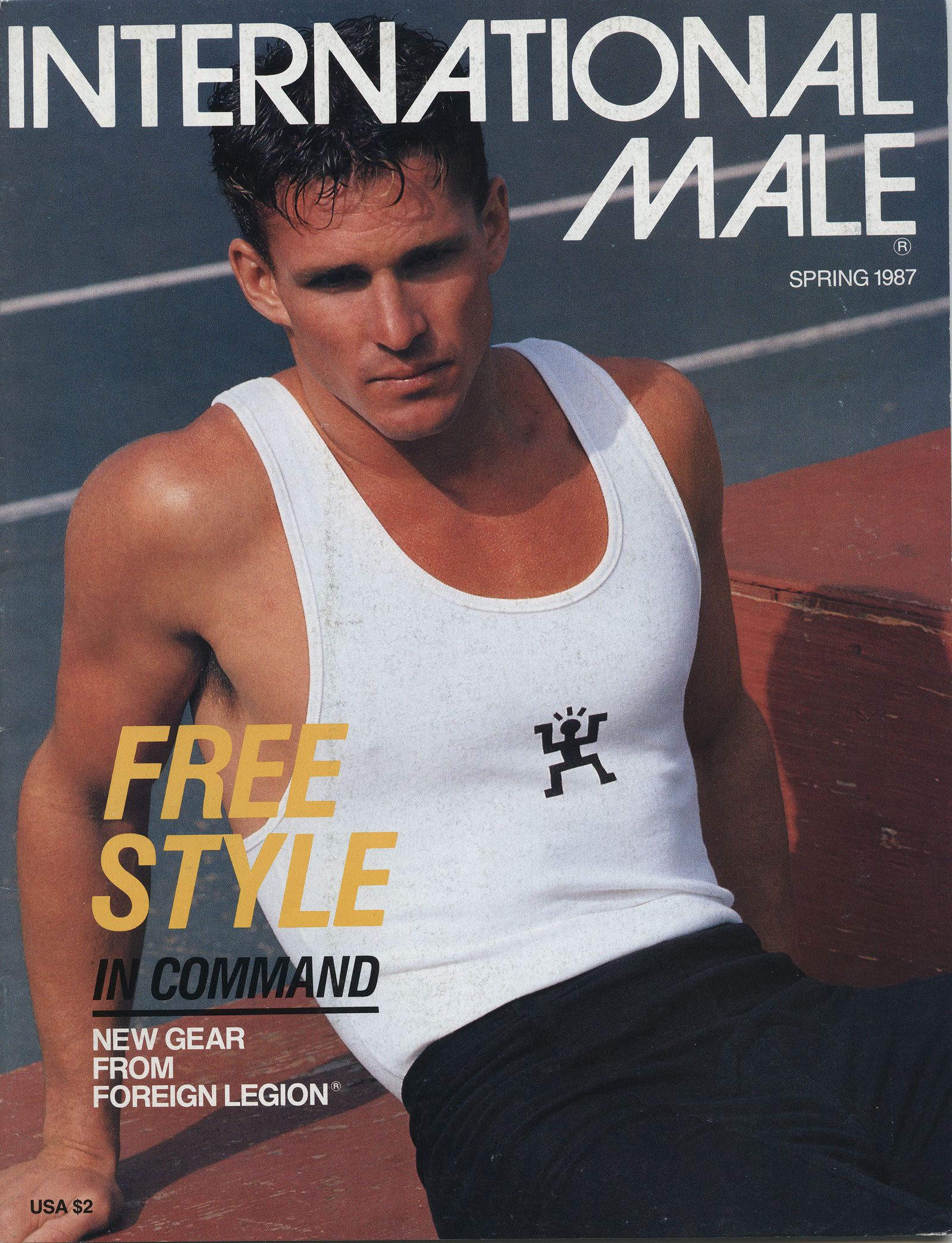
Male-Order Desire: The Bold Legacy of International Male

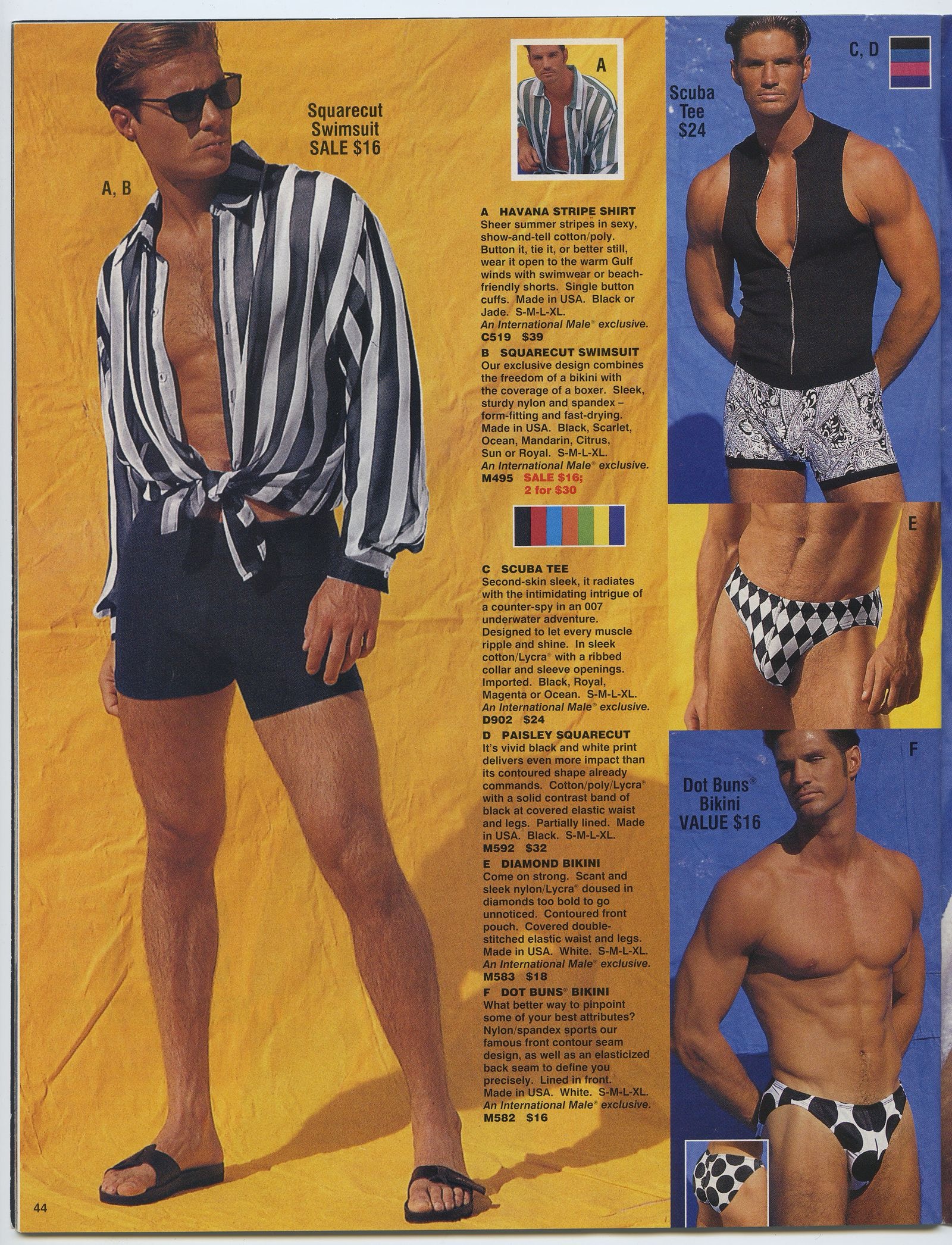
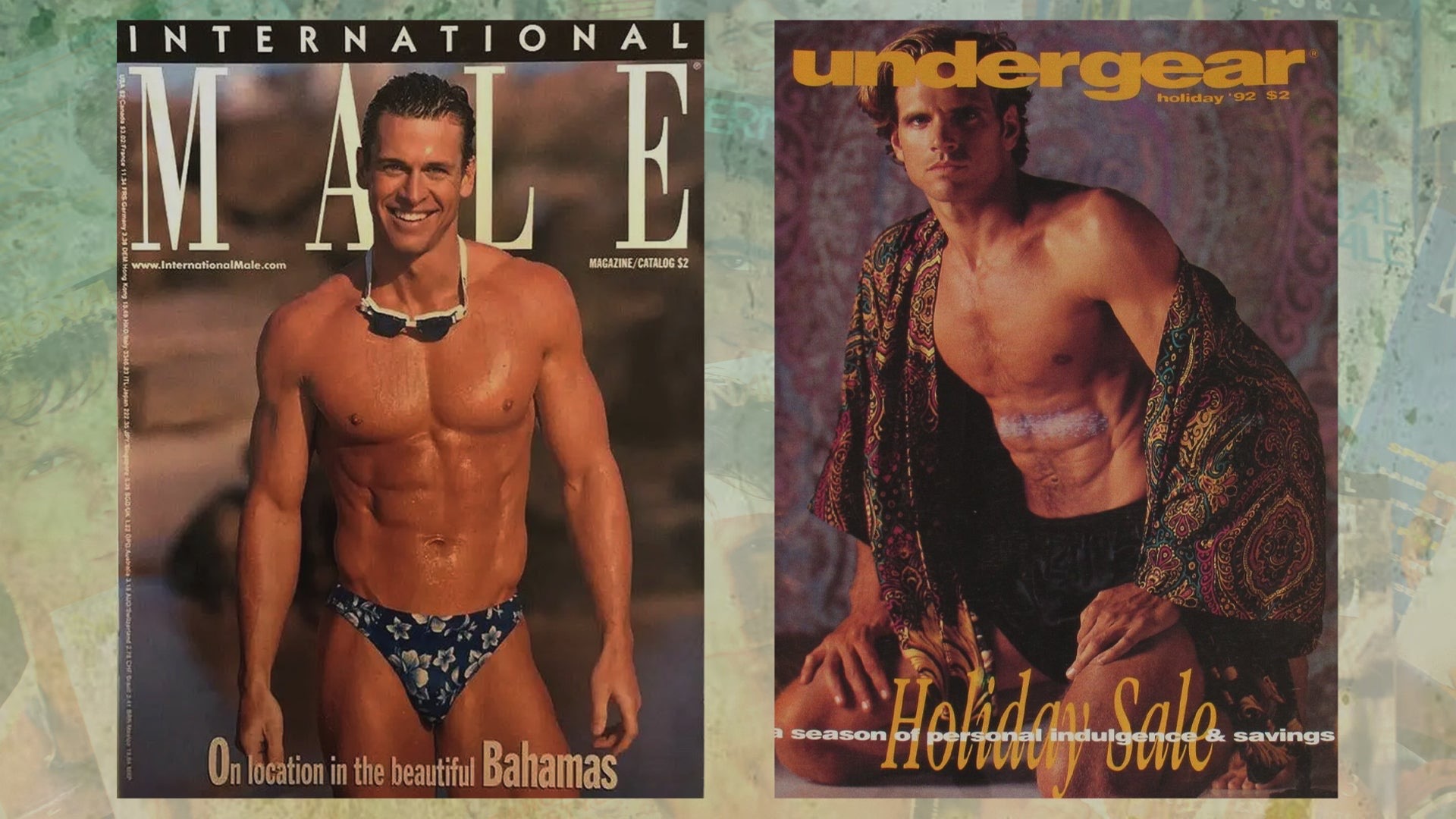
Long before Grindr profiles and Instagram thirst traps, gay men turned to other sources for affirmation, fantasy, and fashion. And for many, there was nothing quite like opening the mailbox to find the latest issue of International Male—a glossy, unapologetically flamboyant catalog filled with mesh shirts, tight pants, deep V-necks, and men whose smoldering stares made it very clear: this wasn’t just about buying clothes.

From its founding in the 1970s through its peak in the ’80s and ’90s, International Male became a low-key lifeline for gay men across America. And even if it never explicitly said the word “gay,” the message was clear: these clothes—and these bodies—were for you.

International Male was launched in 1974 by Gene Burkard, a San Diego-based entrepreneur with an eye for flamboyant fashion and emerging markets. His goal? To create a mail-order catalog for men who wanted more than just workwear and flannel. This was high-collared, disco-era glam for men who wanted to be seen—and desired.

Though never overtly labeled as gay, the catalog’s aesthetic left little doubt. Muscular male models posed in silky robes, sheer tank tops, and outrageously tight trousers, often in settings that felt more boudoir than boardroom. But because it was technically a fashion catalog, it flew under the radar. For closeted men in conservative towns, this was covert contraband—an acceptable, even respectable way to engage with queer desire.

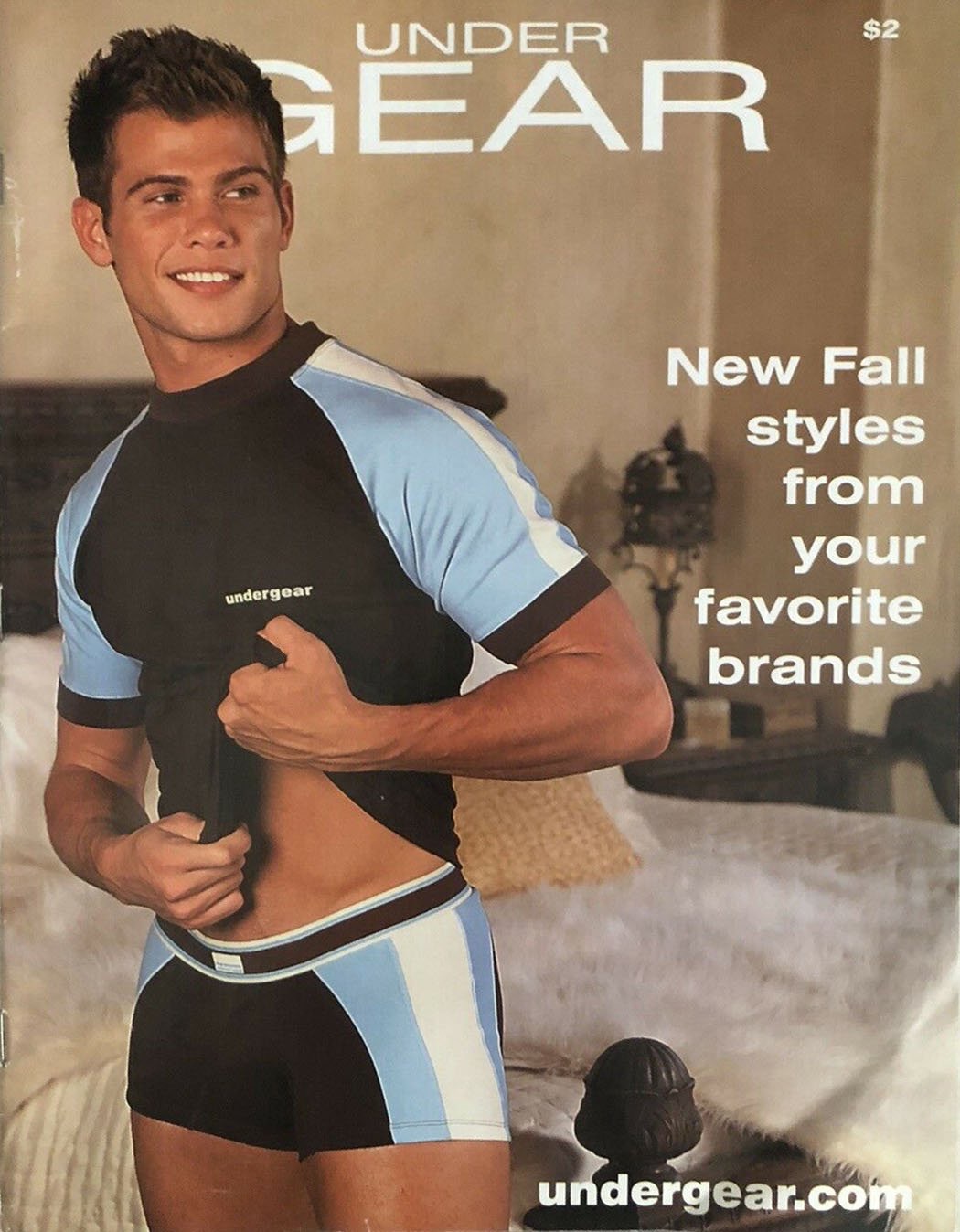
At its peak in the 1980s and early ’90s, International Male had over 3 million customers. Its sister brand, Undergear, took things even further, focusing almost entirely on underwear and swimwear. Both catalogs were often tucked under beds, stuffed in gym bags, or secretly flipped through while pretending to look for a new blazer.

The magic of International Male was never really about the clothes. It was about fantasy. About possibility. About creating a world where men could be sexy, flamboyant, and free.

For gay men—especially those in the pre-Internet era—the catalog served as coded affirmation. It said, “You’re not alone.” It offered a vision of masculinity that didn’t have to be rugged or repressed. It could be styled, sensual, even sultry.

As queer studies scholar Shaun Cole writes in Don We Now Our Gay Apparel, catalogs like International Male offered not just fashion but “performances of masculinity” that pushed boundaries and created new scripts for how men could look and be seen.

Other Icons of Queer Print Culture

International Male wasn’t alone. There was a whole universe of catalogs, zines, and magazines that played pivotal roles in gay history:

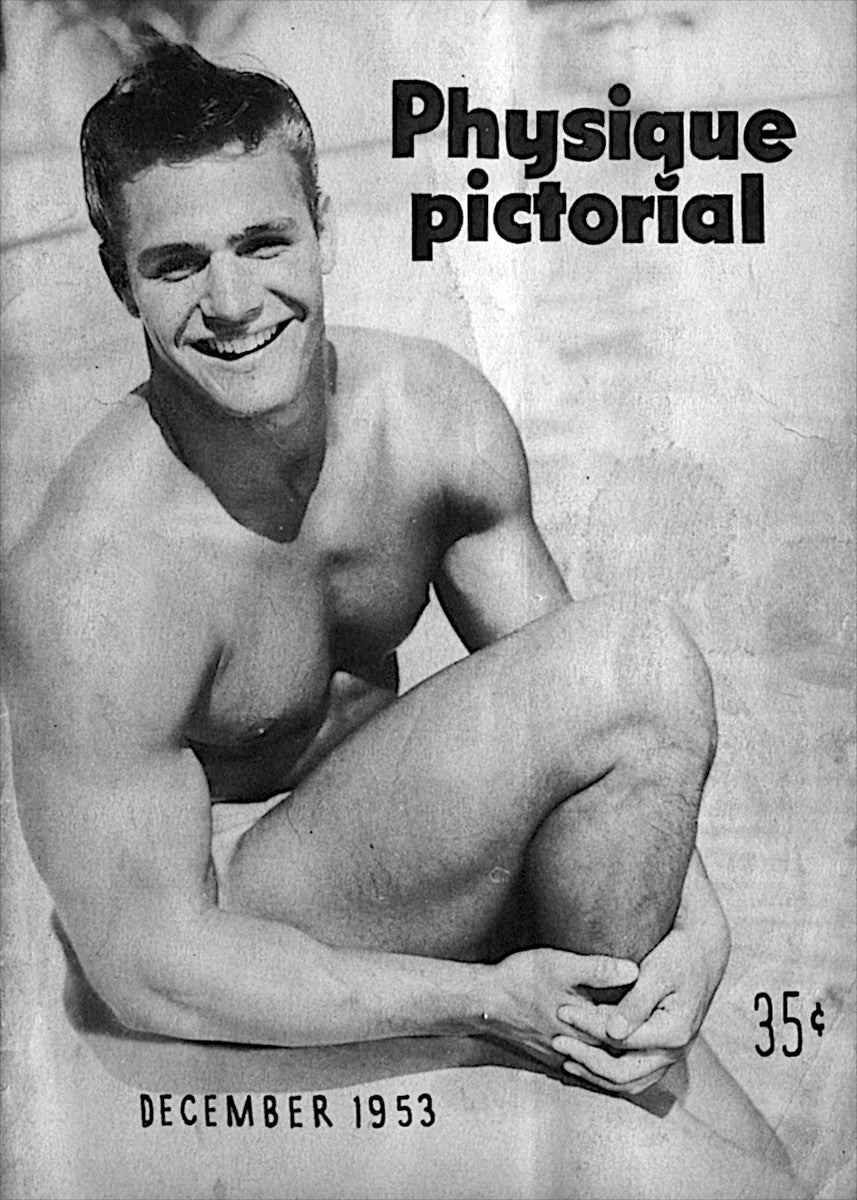
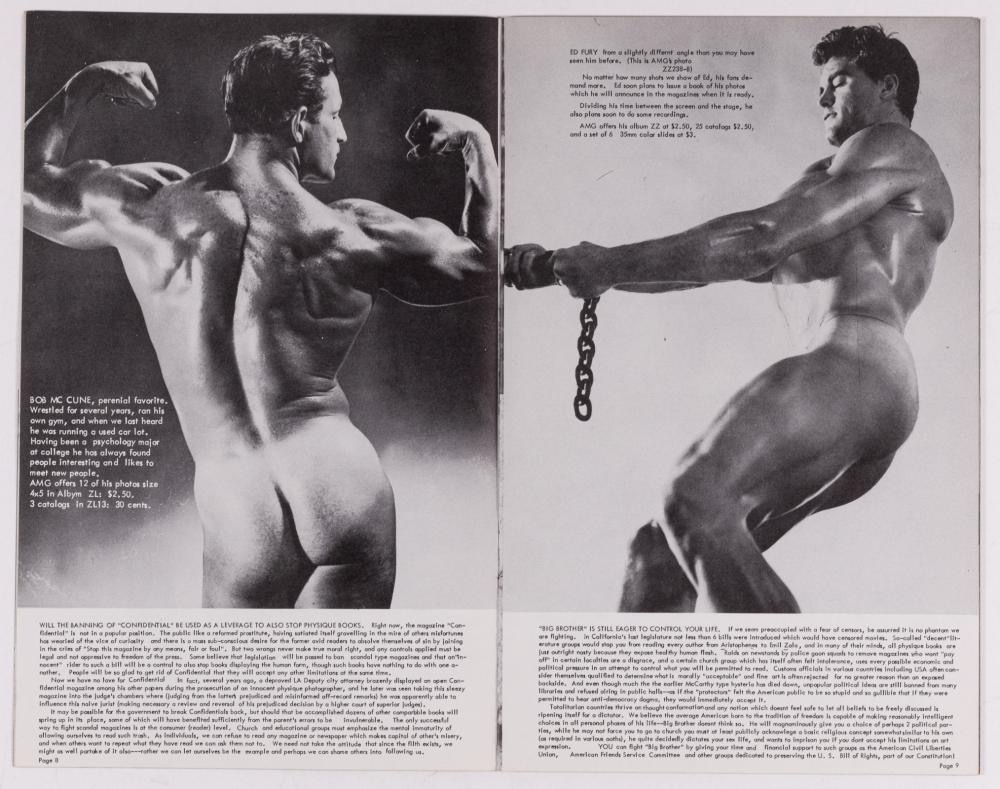
Physique Pictorial (1951–1990)

Launched by Bob Mizer, this “fitness” magazine was the first to feature nearly nude muscular men in a semi-legit format. It helped launch the careers of models like Joe Dallesandro and inspired generations of artists, including Tom of Finland.

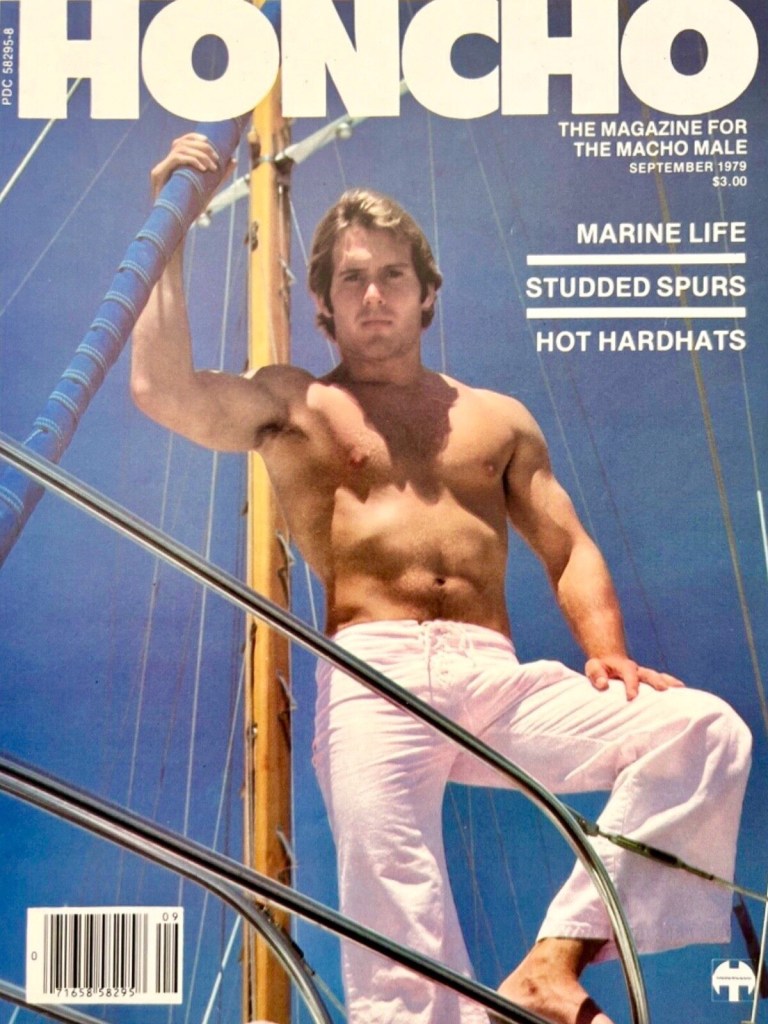
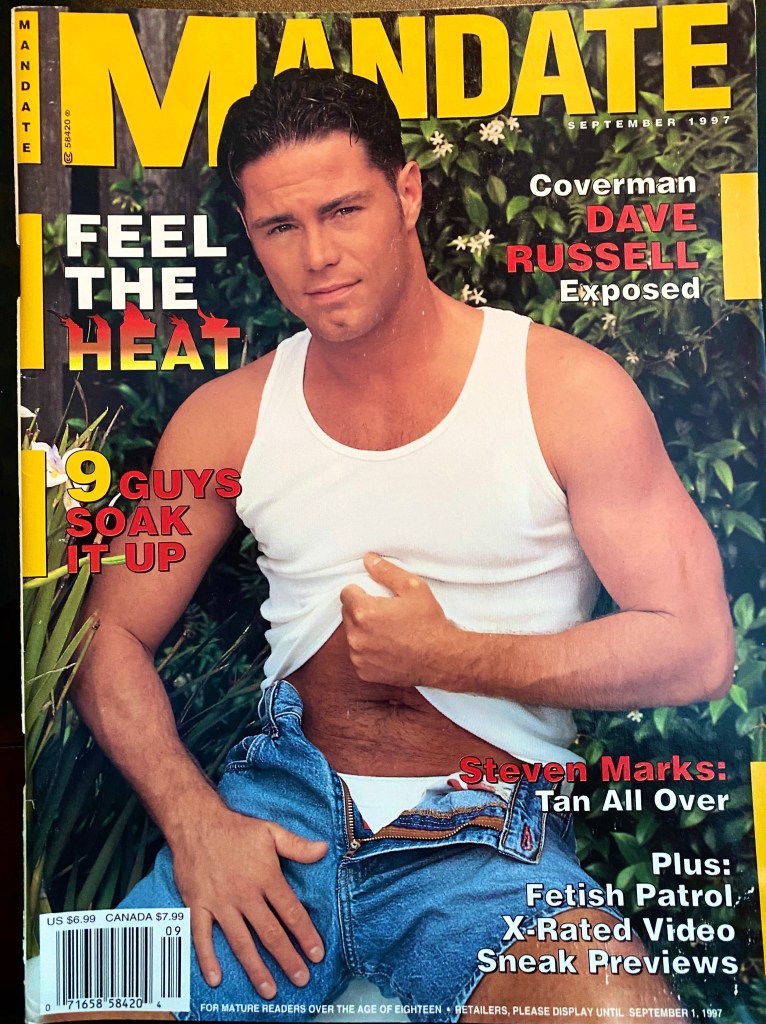
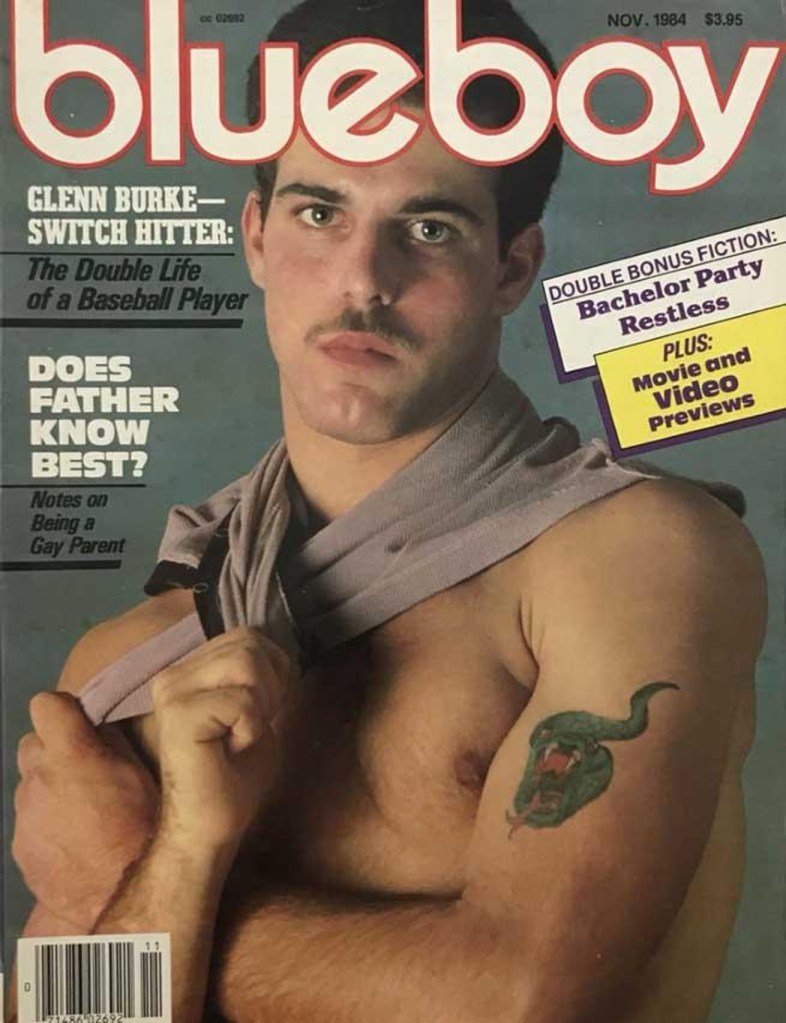
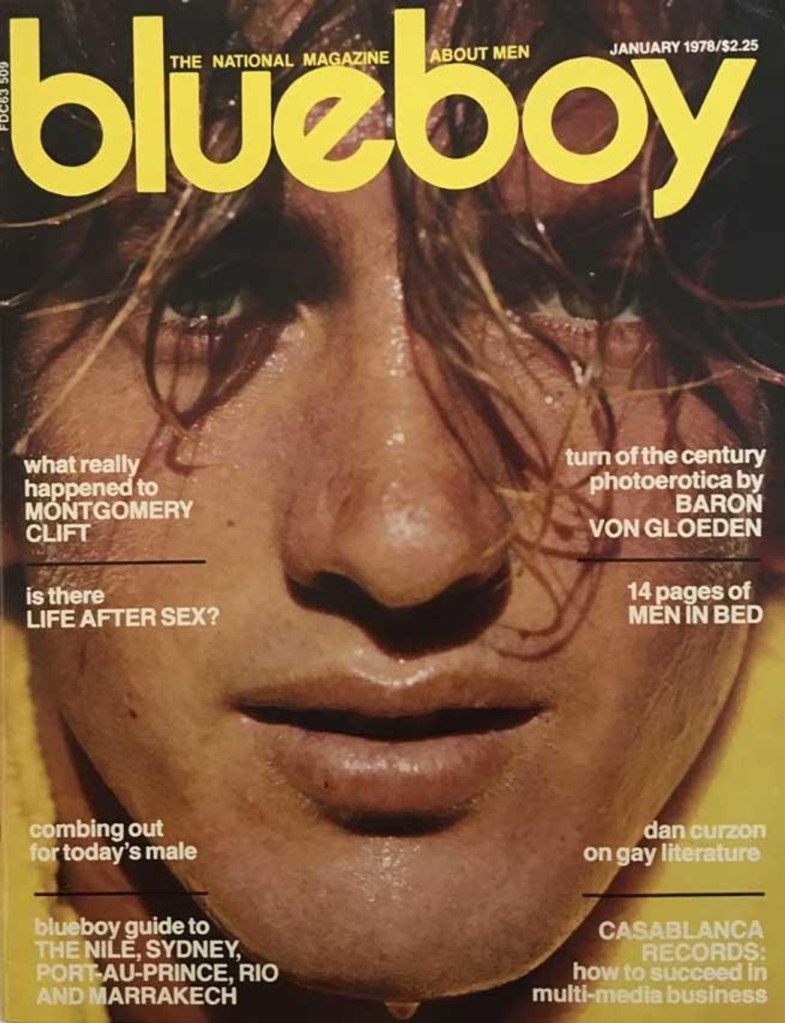
Honcho, Mandate, and Blueboy (1970s–1990s)

Glossy gay lifestyle and erotica magazines that blended porn, interviews, fashion, and personal ads. They gave gay men access to a world far larger and more glamorous than their own.

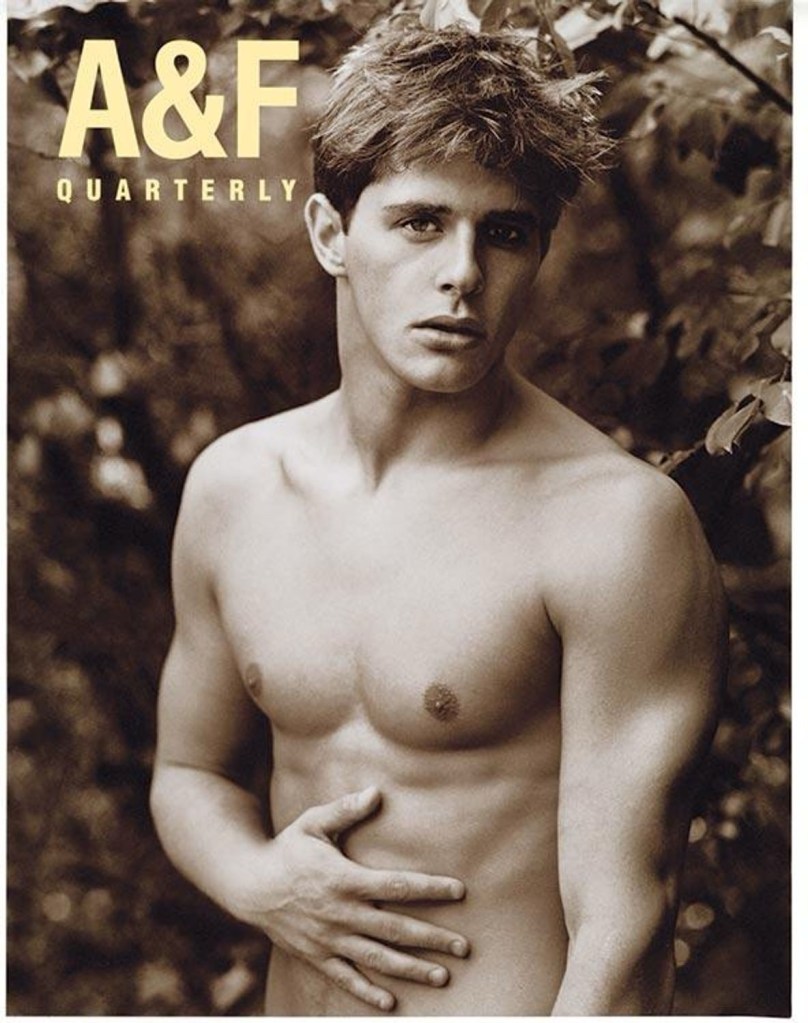
A&F Quarterly (1997–2003)

While technically a catalog for Abercrombie & Fitch, under Bruce Weber’s lens it became a bold, glossy celebration of homoerotic youth culture—shirtless boys in golden fields, bathed in natural light and coded desire.

Undergear

A spinoff of International Male, this catalog was even more explicitly erotic—offering thongs, jockstraps, sheer briefs, and loungewear photographed with far less subtlety.

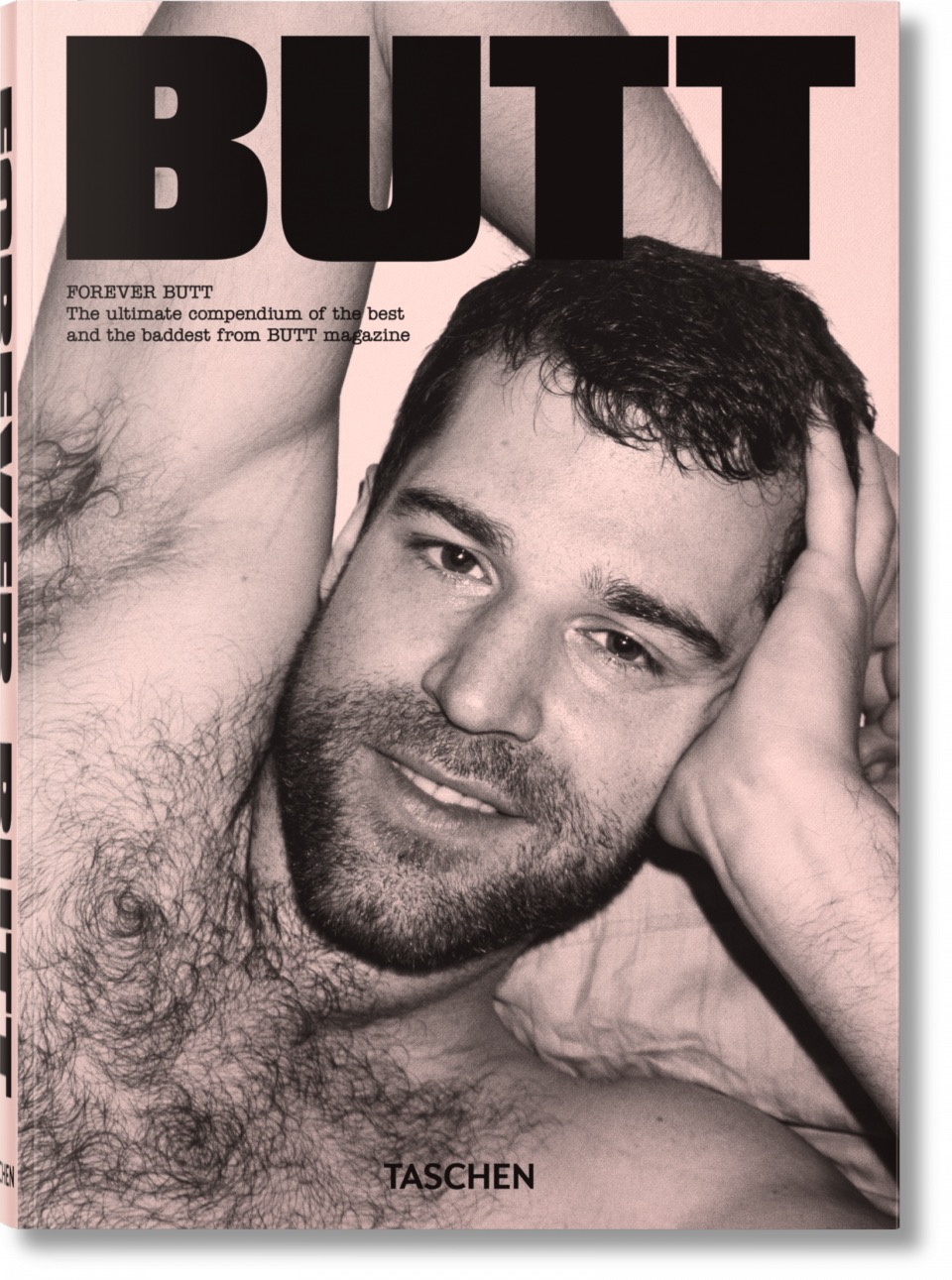
BUTT Magazine (2001–2016)

Launched in Amsterdam, BUTT was an indie, raw, and refreshingly honest publication that celebrated gay sex, intimacy, and everyday life. Pink pages, candid interviews, and gritty photography made it a cult favorite.

The Argument for Art

As with erotic photography and gay porn cinema, there’s a growing argument that catalogs like International Male should be remembered not just as pop culture oddities but as legitimate artifacts of queer history and visual art.

They reflect the shifting landscape of male identity. They archive our fantasies, our insecurities, our attempts to be beautiful in a world that once told us we didn’t belong.

Today, collectors preserve International Male catalogs as kitsch, camp, and cultural gold. Exhibitions of old issues have appeared in queer history museums, and documentaries (like All Man: The International Male Story, 2022) are reclaiming the catalog’s legacy as both fashion history and queer resistance.

For many gay men, flipping through International Male was a ritual—a private moment of longing and laughter. It was how you discovered new shirts and new dreams. How you imagined a body that might one day be yours—or in your bed.

And perhaps that’s the enduring power of such catalogs and magazines: they made desire visible. They turned clothing into code, fashion into fantasy, and mail-order into memory.

So, here’s to International Male—to its satin shirts, its sultry stares, its sneaky subversiveness. It was never just about the clothes. It was always about the possibility of being seen.

Further Reading and Viewing


Pic of the Day


Running on Empty This Morning

I know that today is usually when I post one of my art history pieces, and I do actually have one written and ready… but I just haven’t had the chance to gather the images for it yet. Honestly, I would have worked on it last night, but I was at the museum working until nearly 9:00 pm, giving tours. By the time I stopped for gas and got home, it was close to 10:00 pm, and I was wiped out.

My throat felt raw from talking loudly for two solid hours (the realities of leading big group tours). I always keep a bottle of water nearby between tours, but I can’t bring one along during the tours themselves—no food or drink allowed inside the museum. So when I finally got home, I was simply too tired to pull together the post.

The tours themselves went well, though! These were high school students visiting as part of a summer camp. One of the groups in particular was fantastic—really engaged, asking great questions, and interacting with me throughout. Of course, not all groups of teenagers are like that (group dynamics are always interesting), but that one made the long evening worthwhile.

I’m still feeling a bit worn out this morning, but I have another regular workday ahead of me. I’ll try to have the art history post ready for tomorrow. Thanks, as always, for reading.