

Moment of Zen: 🏳️🌈 Flag Day 🏳️🌈

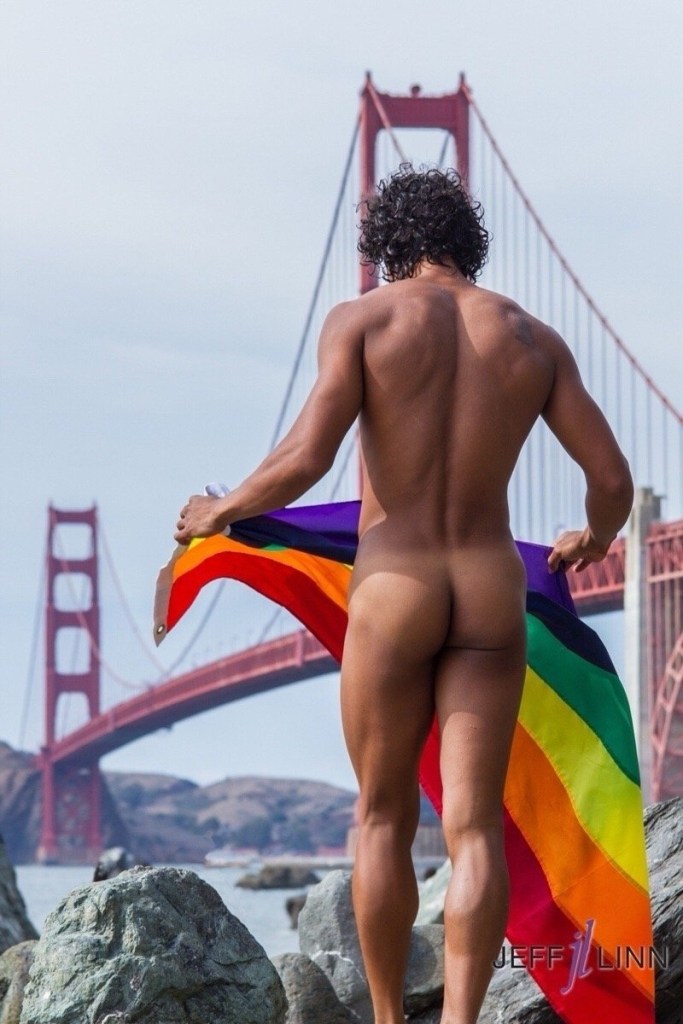
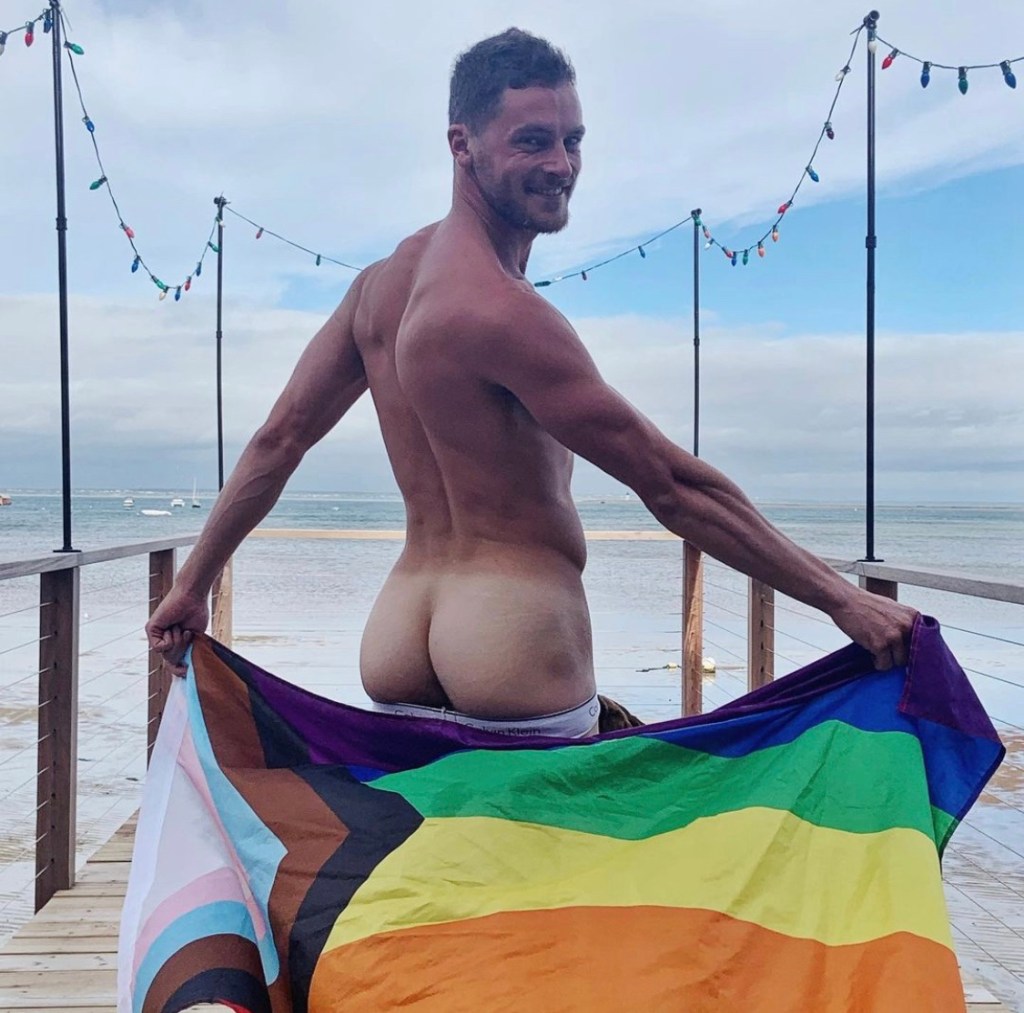
Today is Flag Day, a moment traditionally set aside to honor the adoption of the American flag and what it represents. But with the current administration using the occasion to stage a highly controversial military parade—one timed to double as a birthday celebration for Donald Trump—it’s hard to feel the usual patriotic pride. The event, laden with tanks, fighter jets, and political spectacle, has drawn criticism for politicizing the military, straining budgets, and veering disturbingly close to authoritarian pageantry. So instead of celebrating with stars and stripes draped in nationalism, I’ll be sharing images of flags that reflect the spirit, resilience, and identity of myself and many of my readers—flags that speak to inclusion, struggle, and pride in the face of adversity.





One Last Rep
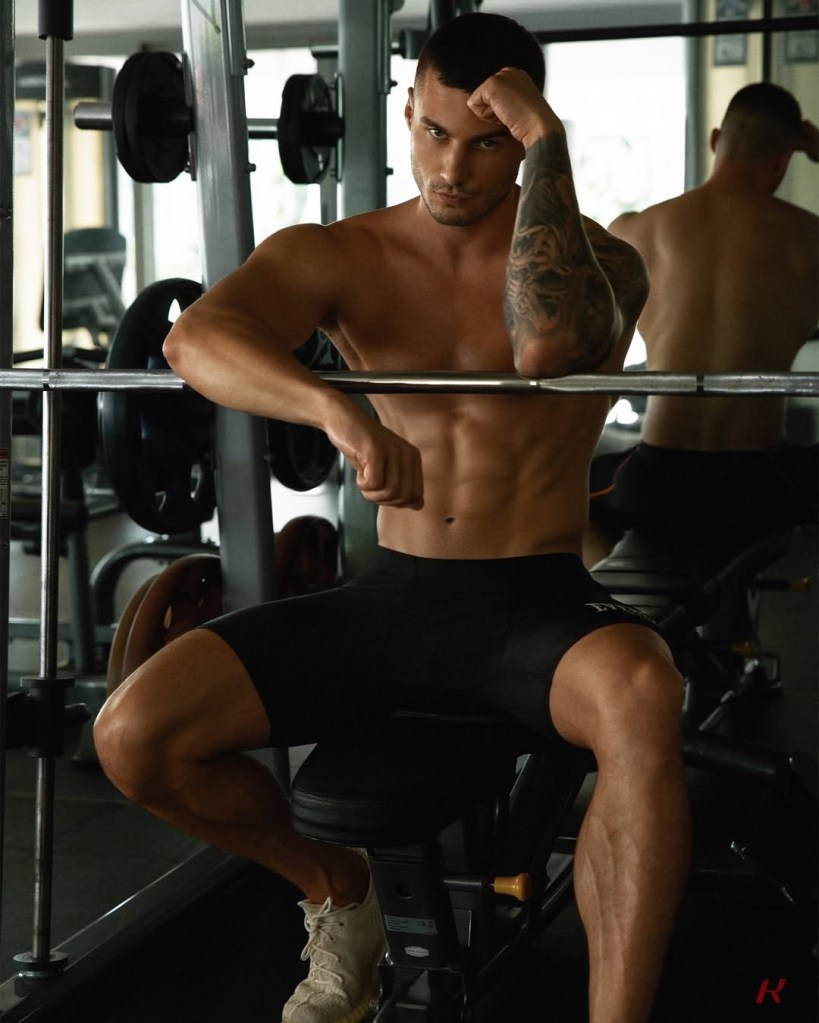
Today marks a bittersweet milestone: my last one-on-one workout with my trainer. Over the past weeks, he’s been a fantastic motivator, guide, and friend as I’ve navigated this fitness journey. He’s taught me so much—not just about exercise routines and proper form but also about determination, consistency, and pushing past my own limits.
When he told me on Monday that this week would be emotional, I understood exactly what he meant. It’s clear how much he loves training and helping people achieve their goals. Sadly, Planet Fitness doesn’t compensate their trainers enough, prompting him to seek a promotion into management. I fully support his decision—he deserves recognition and reward for his hard work—but I’ll genuinely miss our regular sessions.
Fortunately, this isn’t a total farewell. He’ll still be around as an assistant manager, offering advice, answering questions, and checking in on my progress. He’s even promised to write up a personalized plan summarizing what we’ve done so far and outlining how I should continue. It’s comforting to know I’ll have that guidance moving forward. I’m genuinely motivated to continue my workouts and keep improving my health and fitness.
And let’s be honest, I’ll definitely enjoy seeing him around the gym still—his cute little butt and the perfect way he fills out those sweatpants are perks I won’t easily forget!
Here’s wishing everyone a wonderful weekend filled with smiles and relaxation. Keep moving forward, and remember: every step counts!

Migraine Fog

Sometimes I just don’t know what to write about. This week has not been particularly exciting—it’s been one of those stretches where the days blur together, marked mainly by their lack of notable events. On top of that, I’ve been dealing with a migraine since Monday. Though it’s better this morning, it’s still lingering, a quiet reminder that it’s not quite ready to leave.
Migraine fog has a way of clouding thoughts and making inspiration especially elusive. It leaves me feeling disconnected, struggling to find the right words or any words at all. I sit down at the keyboard, hoping something will spark—perhaps a memory, a piece of news, or a passing thought that might grow into a meaningful reflection. But today, the page feels particularly daunting in its emptiness, my thoughts muted by the dull haze of discomfort.
Yet, there’s comfort even in admitting the absence of excitement or inspiration. Writing honestly about these quiet, difficult moments feels genuine, relatable. It’s a reminder that life isn’t always about milestones or major events. Sometimes, it’s simply about getting through a dull week or coping with a persistent headache and its accompanying fog.
So today, I’m writing this—acknowledging the quiet, the uneventful, and the struggle to find words through the haze. It’s a small step, but sometimes, that’s enough.
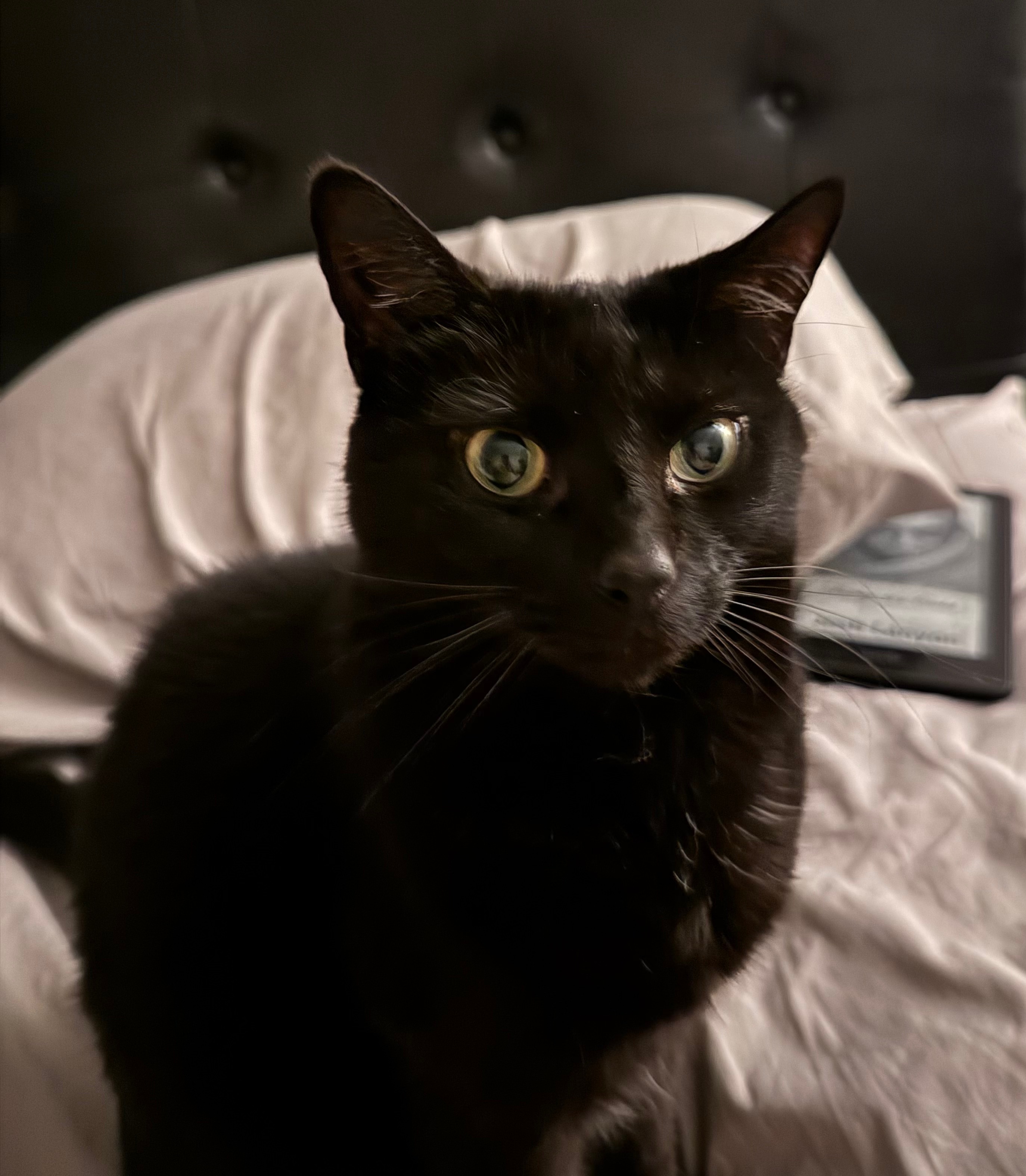
Isabella Pic of the Week: Ever attentive, Isabella is probably pondering life’s great feline mysteries—or perhaps just wondering when I’ll go to bed so I can get up early enough to feed her.

Before the Parades: Gay Pride in Art and Artistic Expression
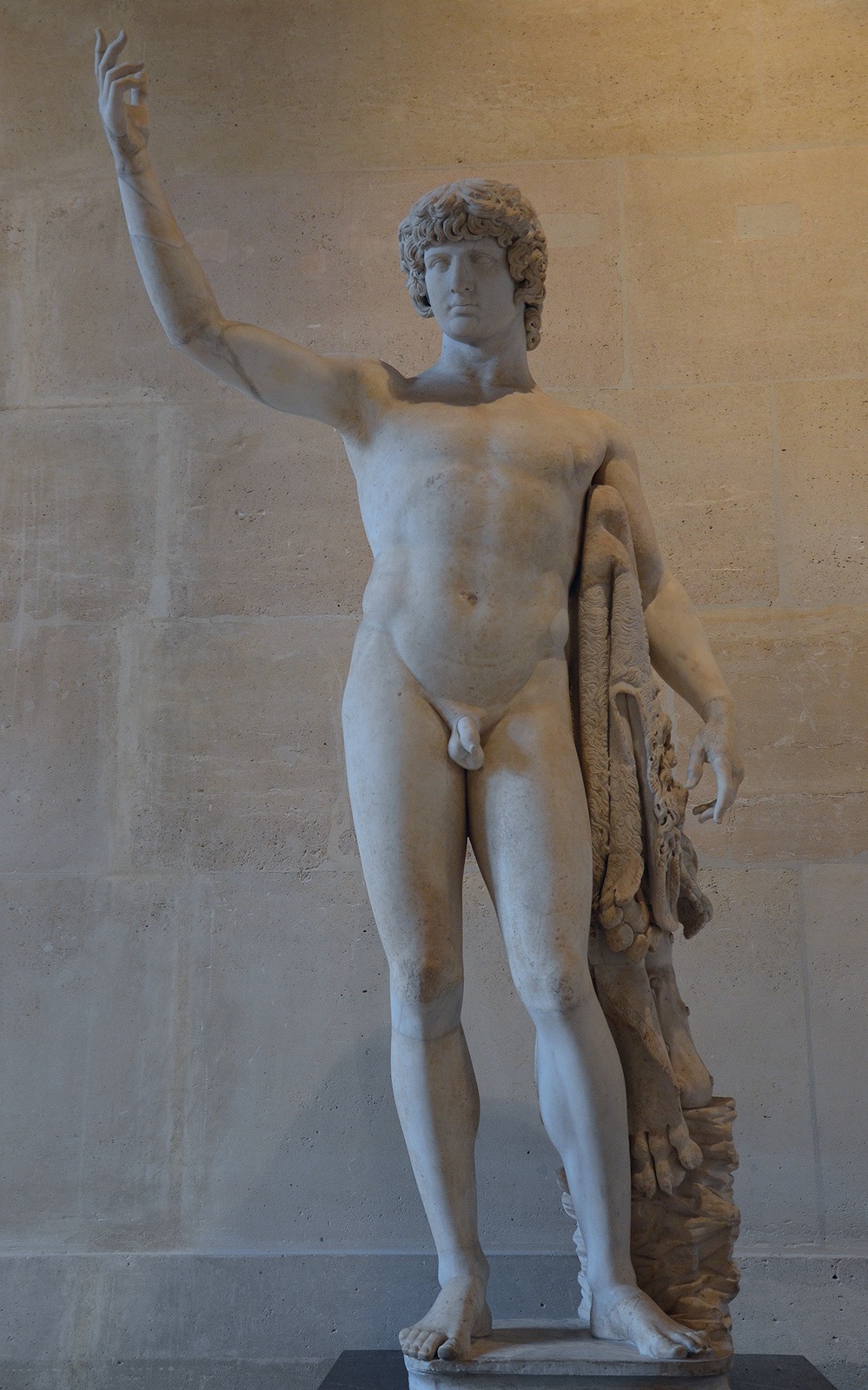
While the concept of Gay Pride as we know it—public marches, rainbow flags, and open celebration of LGBTQ+ identity—is a relatively recent phenomenon, the spirit of gay pride has long found expression through art. For centuries, queer individuals used artistic media to celebrate same-sex desire, intimacy, and identity in ways that defied societal norms and preserved a sense of dignity and joy. Long before the world was ready for open affirmation, LGBTQ+ artists—and their allies—used beauty, symbolism, and coded language to proclaim their existence and their worth.
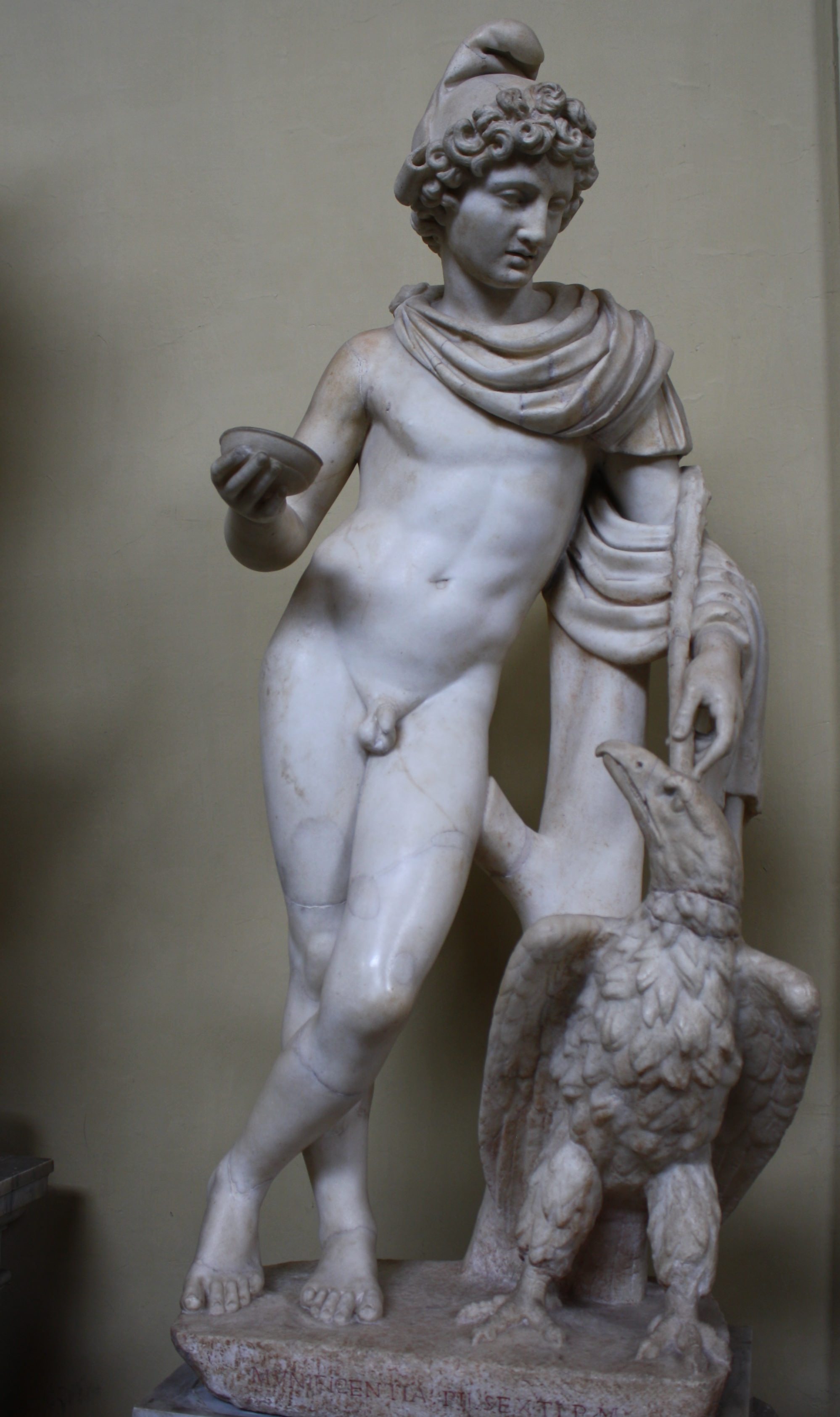
Art has always provided a refuge for queer expression, especially in eras and regions where same-sex love was criminalized or pathologized. From the sensual male nudes of classical antiquity to the romantic portraits of Renaissance companions, art offered what public discourse denied: a space to affirm beauty and love between men. The sculptures of ancient Greece and Rome—Apollo, Ganymede, Antinous—didn’t just celebrate form; they canonized homoerotic ideals in marble and bronze. Even when later societies sought to suppress these themes, artists returned to them time and again, as if retrieving a sacred truth buried beneath centuries of shame.
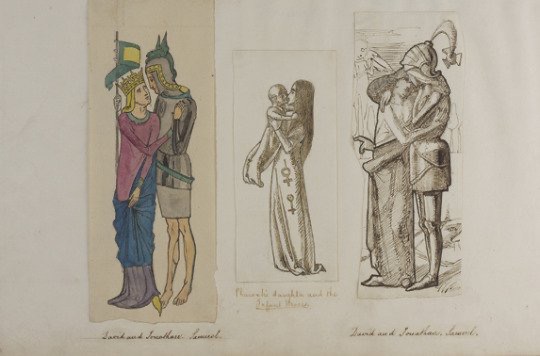
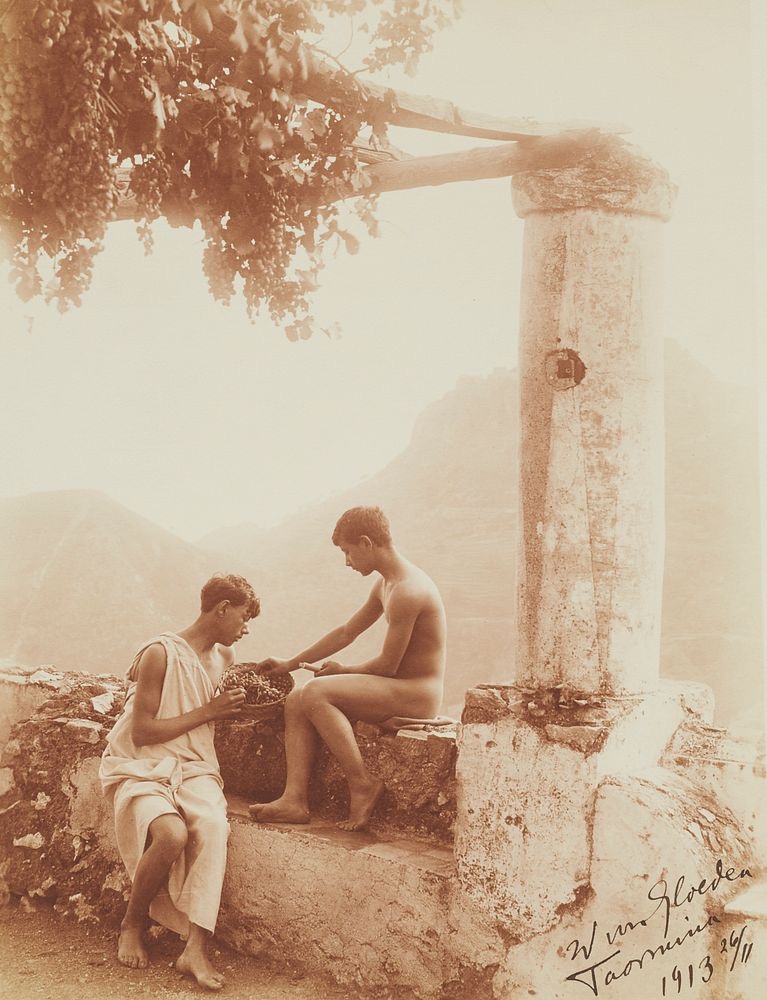
During the 19th century, artists such as Simeon Solomon in Britain and Wilhelm von Gloeden in Italy dared to depict love between men with unmistakable tenderness and eroticism. Solomon’s watercolors of biblical figures—David and Jonathan, Ruth and Naomi—recast religious stories as queer allegories, while von Gloeden’s photographs of young men in Sicily, staged in classical poses, cloaked desire in the guise of nostalgia and antiquity. Their works were often persecuted, sometimes destroyed, but they endure today as testimonies of queer pride in the face of rejection.
In the 20th century, as queer identity began to coalesce into more defined social and political movements, art took on a sharper edge. Artists like Keith Haring and David Wojnarowicz turned pride into protest. Their works channeled anger, loss, celebration, and eroticism in ways that were unapologetically queer—bold lines, graphic imagery, public installations, and furious calls to action during the AIDS crisis. At the same time, the poetry of Audre Lorde, the paintings of Paul Cadmus, and the photography of Robert Mapplethorpe revealed the many facets of queer life—from intimacy and sensuality to community and struggle.
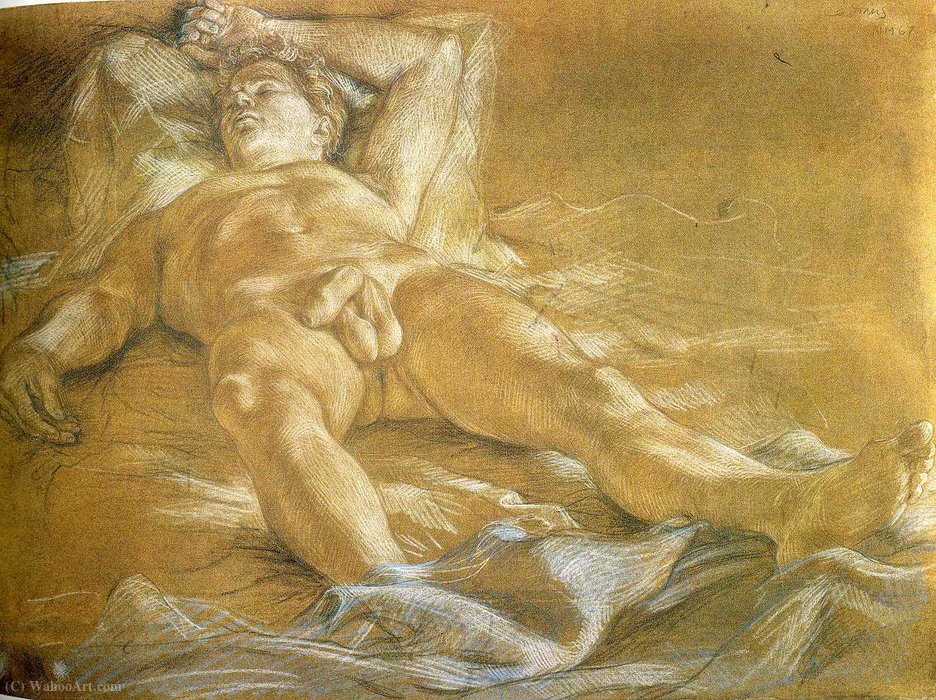
What unites these expressions across time is a fundamental belief: that same-sex love is beautiful, worthy of representation, and part of the human story. Whether through coded glances in Renaissance paintings or blazing neon activism in contemporary murals, gay pride has always found a way to speak. Even when silenced, it painted itself into the margins, waiting for a world that could see it clearly.
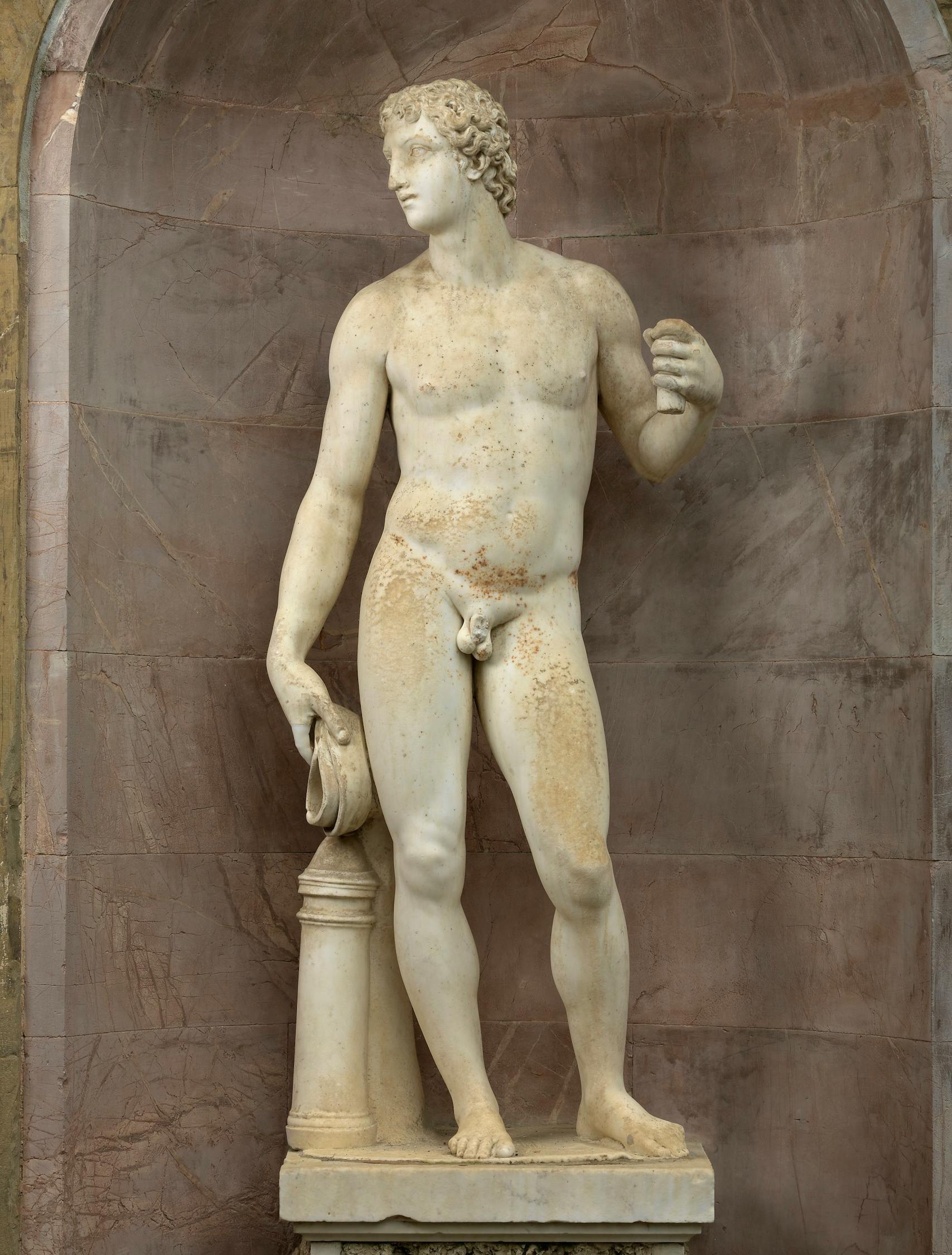
Today, we celebrate openly. But let us also remember and honor those who celebrated in secret—those who, through brushstroke and verse, camera and chisel, gave voice to a pride they couldn’t proclaim aloud. They remind us that Pride is not only about visibility, but also about creation. And art, in all its forms, remains one of the truest expressions of queer existence and resilience.

The City
The City
By C. P. Cavafy
You said: “I’ll go to another country, go to another shore,
find another city better than this one.
Whatever I try to do is fated to turn out wrong
and my heart lies buried like something dead.
How long can I let my mind moulder in this place?
Wherever I turn, wherever I look,
I see the black ruins of my life, here,
where I’ve spent so many years, wasted them, destroyed them totally.”
You won’t find a new country, won’t find another shore.
This city will always pursue you.
You’ll walk the same streets, grow old
in the same neighborhoods, turn gray in these same houses.
You’ll always end up in this city. Don’t hope for things elsewhere:
there’s no ship for you, there’s no road.
Now that you’ve wasted your life here, in this small corner,
you’ve destroyed it everywhere in the world.
About the Poem
You said: “I’ll go to another land, I’ll go to another sea.
Another city will turn up, one better than this…”
You won’t find a new country, won’t find another shore.
This city will always pursue you.
In “The City”, C.P. Cavafy offers a haunting meditation on the inability to escape oneself. The speaker dreams of abandoning the city—representing failure, disappointment, and perhaps forbidden desires—for another, better place. But the poem undermines this fantasy, repeating the refrain that the city, and all it symbolizes, “will always pursue you.” The “city” becomes not just a literal place, but a psychological and emotional state—a metaphor for internalized shame, regret, or the burden of identity.
This theme has particular resonance in queer readings of the poem. For many LGBTQ+ individuals, especially in the early 20th century when Cavafy was writing, fleeing from one’s environment did not mean freedom from judgment or repression. The city follows not because of geography, but because it lives within the self. The speaker’s disillusionment—“You won’t find new places, you won’t find other seas”—echoes the pain of those who have tried to escape their own truths or reinvent themselves in new places, only to discover that what haunts them is internal.
Cavafy’s strength lies in this subtlety. He rarely wrote directly about homosexuality, but his poems are filled with coded longing, remembrance of fleeting encounters, and the quiet ache of unfulfilled desires. “The City” is often paired with poems like “Days of 1903” or “The Afternoon Sun” in queer readings, all of which evoke nostalgia for past loves or unspoken yearnings. The city becomes both the scene of desire and the prison of repression. During Pride Month, “The City” reminds us that visibility, acceptance, and healing must begin within—even as we fight for it in the world outside.
About the Poet
Constantine P. Cavafy (1863–1933) was a Greek poet who lived most of his life in Alexandria, Egypt. Though he worked as a civil servant by day, his poetry carved a powerful legacy that would influence generations of queer and modernist writers. His work often blends historical references from Hellenistic and Byzantine eras with deeply personal emotional landscapes. Published sparingly during his lifetime, many of his poems circulated privately among friends and admirers, adding to their aura of intimacy and secrecy.
Cavafy was a gay man writing in a conservative society, and he developed a poetic language that allowed him to express homoerotic longing while veiling it in allegory, history, and metaphor. He never married and lived a relatively reclusive life, but his poetry reveals a rich inner world of desire, memory, and loss. After his death, his work gained international recognition, with poets like E.M. Forster championing his genius and his role as a pioneer of queer literature.
In poems like “The City,” Cavafy’s voice is timeless. His ability to fuse the personal with the universal, the erotic with the philosophical, continues to speak to readers who have wrestled with identity, regret, and the yearning for a different life. For LGBTQ+ audiences, his poetry offers not just reflection, but connection—a bridge across time and silence.


Authors
Recent Comments
noisilycool3bc985058… on Pic of the Day Joe on Pic of the Day Benny S on Pic of the Day noisilycool3bc985058… on Pic of the Day iameverywhere1 on Pic of the Day Top Posts & Pages



Amazon Associate

As an Amazon Associate I earn from qualifying purchases. So, if you click on a link that takes you to Amazon.com, I may earn a commission.
Trust me, it isn’t much, but every little bit helps.

 Joe
Joe


 The Closet Professor