My recent health scare—especially the concern about potential liver damage—has given me the push I needed to commit to exercising more regularly. I feel like I have to take action now, especially since the earliest appointment I could get with a gastroenterologist isn’t until November. With that in mind, I joined my local Planet Fitness. Yesterday was my first visit, and I met with a trainer (we’ll call him Neo—not his real name, of course).
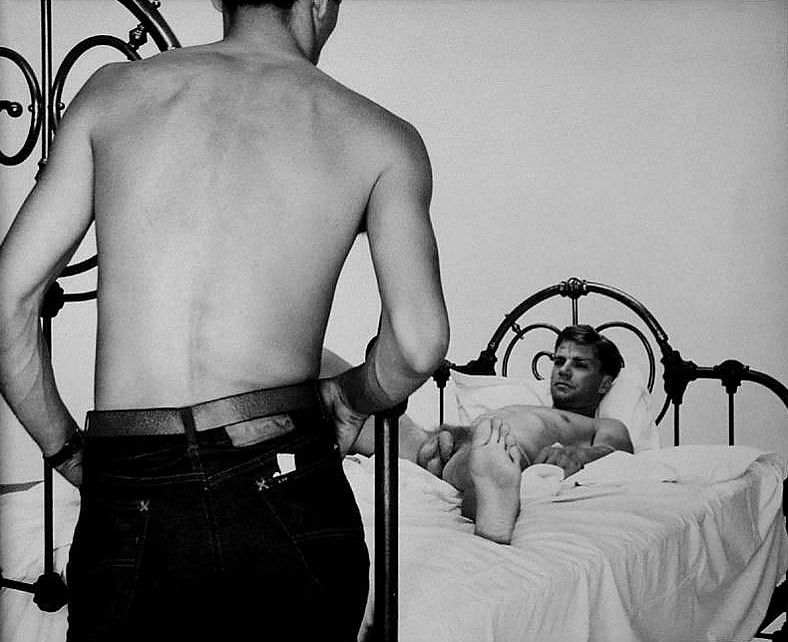
Beyond improving my health, I’ll admit I now have an extra bit of motivation to work out: Neo himself. He’s not the guy in the photo above, but the body type is remarkably similar. He’s cute, sweet, and seems genuinely interested in helping me get into shape (which, of course, is his job—but still). I’d been nervous that working with a trainer might feel intimidating, but Neo immediately put me at ease. During our first meeting, we talked about my health, my prior experience working out, and my fitness goals. We didn’t dive into a workout just yet, though I did spend some time on the treadmill. Our first real training session is scheduled for Friday, when we’ll begin developing my personalized fitness program.
Originally, I’d planned to work out before work, three to four times a week—around 6 a.m. However, now that I’ll be training with Neo, that plan needs adjusting. He doesn’t start until 10 a.m., and while I know I could go alone before work, the truth is I’m not sure I’d stick to it. I know myself well enough to recognize that after-work sessions, at least for now, will be more realistic—especially if I have a scheduled appointment. Once I commit to someone else, the thought of canceling (or worse, skipping entirely) would eat me alive with guilt.
Once I get comfortable with my workout routine, I can transition to morning workouts on my own and keep occasional training sessions with Neo either during the day or after work to stay motivated and ensure I’m making progress.
And I can’t forget the Isabella pic of the week. This is her, “You need to go to bed” face (similar to her “You need to get up and feed me” face):
I opened my eyes this morning to see her face a few inches from mine staring at me. It’s a little disconcerting when you wake up and open your eyes to be met with total blackness.
George Platt Lynes (1907–1955) occupies a unique and courageous place in 20th-century photography. Best known during his lifetime for his sophisticated fashion images and celebrity portraits, Lynes also created a substantial, deeply personal body of male nudes and homoerotic photographs. These images, radical for their time, remained largely hidden from public view for decades. Today, they stand not only as remarkable works of art but also as rare, defiant records of queer desire in a period of profound social repression.
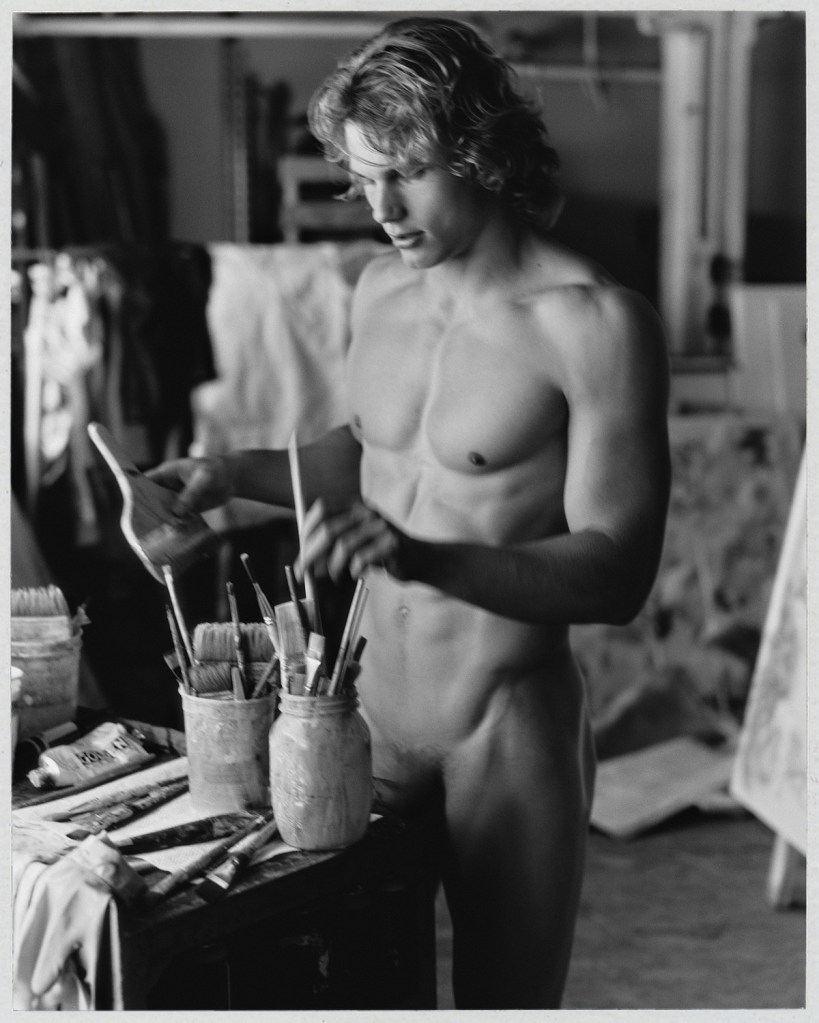
Tennessee Williams, George Platt Lynes,1944
Lynes began his career in the 1920s and 1930s, becoming a sought-after fashion photographer for Harper’s Bazaar, Vogue, and Town & Country. His images were noted for their theatricality, stylization, and mythic undertones. Yet, while he achieved success in commercial photography, he was simultaneously pursuing a private and more dangerous artistic project: photographing nude men, often friends, performers, and lovers.
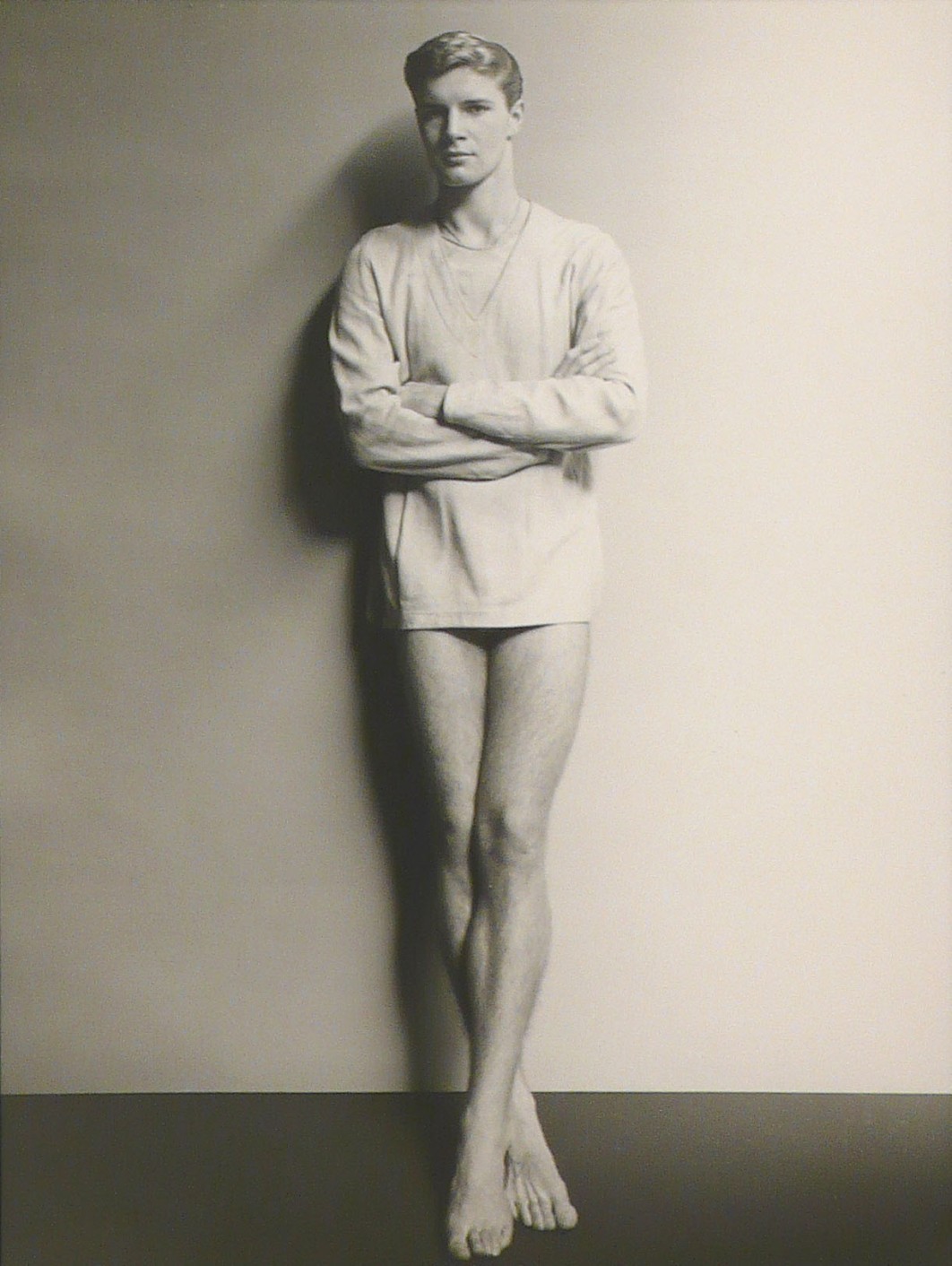
Bill Harris, George Platt Lynes, 1942
By the early 1930s, Lynes had begun producing a series of male nudes that blended classical influences—Greek sculpture, Renaissance painting—with the sleek modernism of Art Deco. Unlike typical academic nudes, Lynes’s subjects were not anonymous muses but men with whom he shared personal and often romantic bonds. These photographs, which captured beauty, vulnerability, and homoerotic longing, could not be exhibited openly. Instead, Lynes circulated them privately among his queer kinship networks.
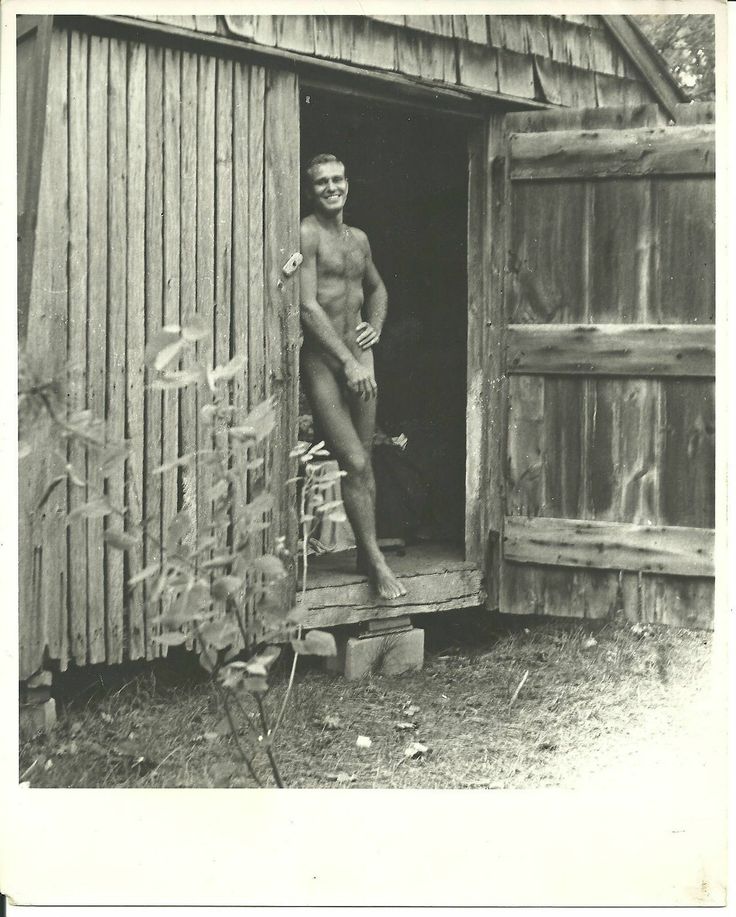
Jack Fontan, George Platt Lynes, 1950
Lynes was part of a closely connected circle of elite gay men who shaped American arts and letters between the world wars and into the early Cold War. For sixteen years, Lynes lived with writer Glenway Wescott and museum curator Monroe Wheeler, who were a couple for over fifty years. The three shared a household, with Lynes and Wheeler sharing a bedroom. This network extended to other prominent cultural figures, including Lincoln Kirstein and artist Paul Cadmus. During the 1940s and early 1950s, they hosted private gatherings and sex parties, creating a vibrant yet discreet sexual subculture. However, as Cold War paranoia intensified, especially targeting homosexuals, these communities were forced further underground.
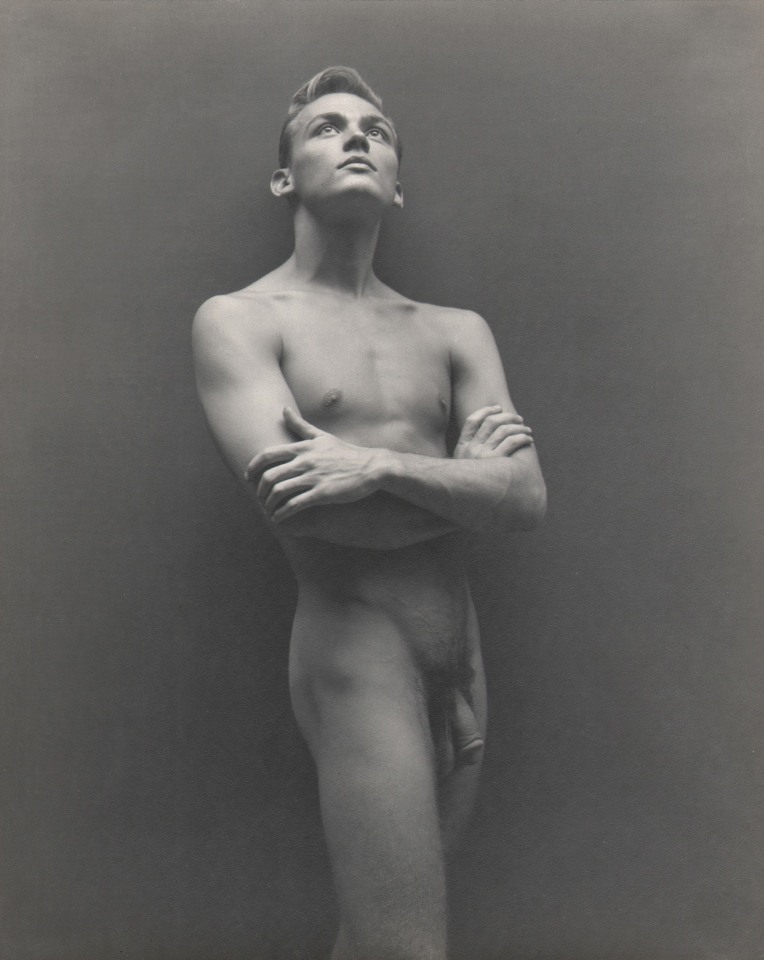
Untitled, George Platt Lynes, 1950
In April 1950, Wescott voiced his concerns to Lynes about the risks of circulating explicit photographs. While he personally supported Lynes’s art, he feared professional repercussions for Wheeler, who by then held a prominent public role at the Museum of Modern Art. Wescott warned of the dangers of “guilt by association,” especially given the rising visibility of anti-communist and anti-homosexual purges in government and cultural institutions. His fears were justified. On March 1, 1950, The New York Times reported that of ninety-one State Department employees forced to resign under loyalty investigations, “most of these were homosexuals.” Though the article framed this in the context of communist infiltration, it was clear that sexual orientation had become a major front in the Cold War cultural wars.
Male Nude Study, George Platt Lynes, 1951
Despite the risks, Lynes continued to make and circulate his portraits. Determined that his work would find an audience, he published some images in the German homosexual journal Der Kreis during the 1950s, one of the few outlets at the time willing to feature such material. He also became an important collaborator with Alfred Kinsey, the pioneering sex researcher. Between 1949 and 1955, Lynes sold and donated a significant portion of his male nudes to Kinsey’s research institute. This ensured that even if the public could not yet see these works, they would be preserved. Today, much of Lynes’s homoerotic photography resides at the Kinsey Institute in Bloomington, Indiana.
Untitled, George Platt Lynes, 1951
Lynes’s photographs are not only striking in their formal beauty and symbolism but also powerful cultural documents. They archive queer, illicit desire at a time when being openly homosexual could mean career destruction, social ostracism, or worse. His images captured the bodies and souls of men who, like himself, lived in defiance of rigid moral codes and the oppressive climate of McCarthy-era America. The fact that he continued this work privately, even as the Red Scare and Lavender Scare drove many into deeper secrecy, speaks to his artistic courage and personal integrity.
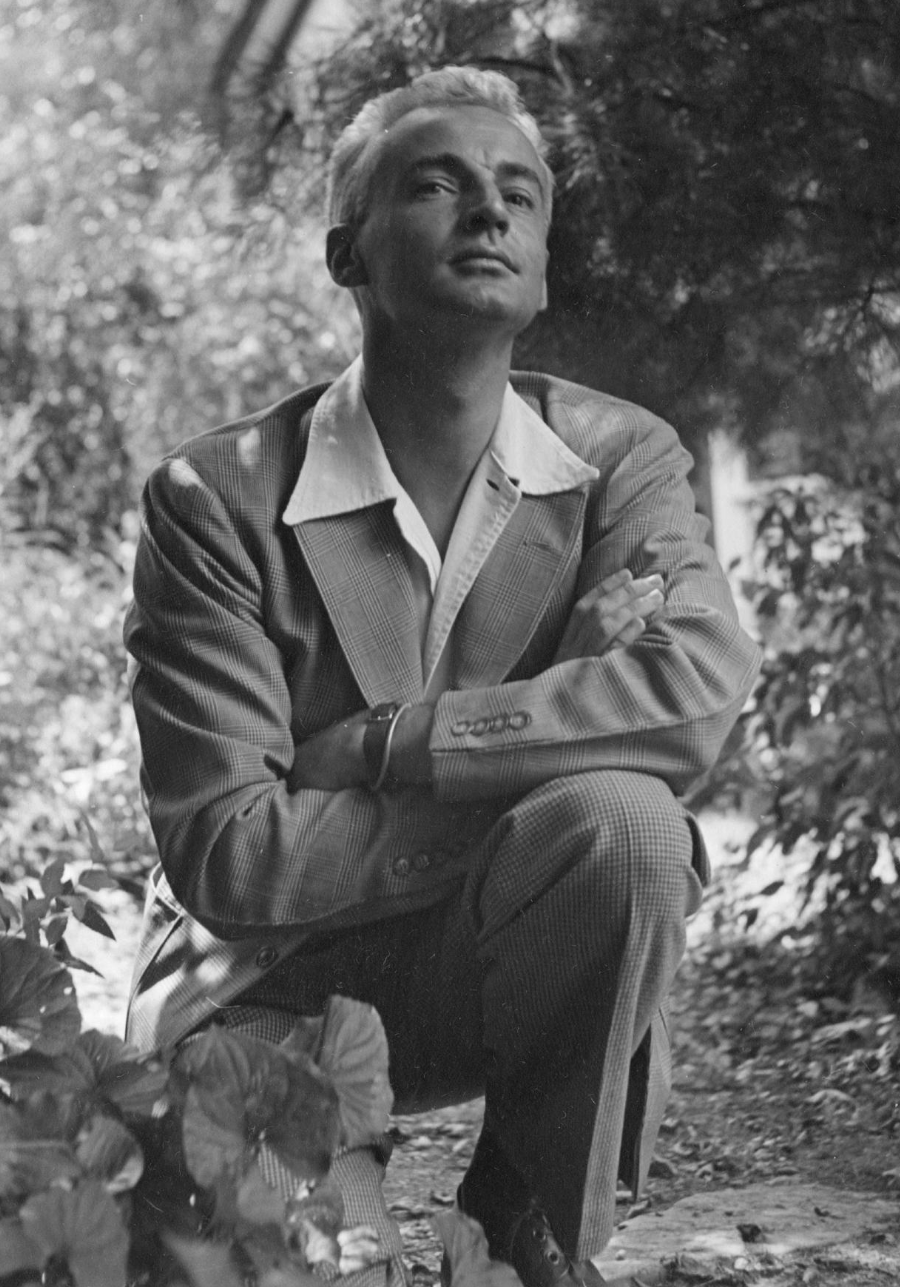
Self-Portrait, Hollywood, George Platt Lynes, c. 1947
George Platt Lynes died of lung cancer in 1955 at the age of 48. While much of his work was nearly lost—he destroyed many negatives fearing posthumous exposure—his decision to entrust photographs to Kinsey safeguarded his legacy. Today, George Platt Lynes is recognized not only for his contributions to fashion and portrait photography but as a courageous, visionary artist who captured the complexities of queer male identity long before the modern gay rights movement. His private images, once kept in the shadows, now illuminate a vital chapter of both photographic and LGBTQ+ history.
translated from the Arabic by Joseph Dacre Carlyle
How frail are riches and their joys! Morn builds the heap which eve destroys; Yet can they leave one sure delight— The thought that we’ve employed them right.
What bliss can wealth afford to me, When life’s last solemn hour I see?— When Mavia’s sympathising sighs Will but augment my agonies?
Can hoarded gold dispel the gloom That death must shed around his tomb? Or cheer the ghost which hovers there, And fills with shrieks the desert air?
What boots it, Mavia, in the grave Whether I loved to waste or save? The hand that millions now can grasp In death no more than mine shall clasp.
Were I ambitious to behold Increasing stores of treasured gold, Each tribe that roves the desert knows I might be wealthy, if I chose.
But other joys can gold impart; Far other wishes warm my heart;— Ne’er may I strive to swell the heap Till want and woe have ceased to weep.
With brow unaltered I can see The hour of wealth of poverty: I’ve drunk from both the cups of Fate, Nor this could sink, nor that elate.
With fortune blest, I ne’er was found To look with scorn on those around; Nor for the loss of paltry ore, Shall Hatem seem to Hatem poor.
Hatim al-Tai was a legendary figure in Arabic folklore, who was mentioned in Hadiths of Mohammed (the sayings and actions of the Prophet Muhammad) as a celebrated sixth-century poet and an enlightened tribal king, revered for the generosity he extended to his people and all others. When invoked today, the phrase ‘more generous than Hatim’ refers to those who act toward others with benevolence, magnanimity, and hospitality (attributes that are commonplace throughout the Arab world). Though Hatim lived before the Islam, one of the Five Pillars of Islam, the core beliefs and practices required of Muslims, is Zakat (Charity), giving a portion of one’s wealth to the poor and needy.
Hatim’s poem “On Avarice,” as translated by Joseph Dacre Carlyle, offers a timeless meditation on the transience of wealth and the virtues of generosity and humility. Structured in rhyming couplets, the poem reflects the speaker’s contemplative tone and stoic philosophy. Hatim presents wealth as fleeting—“Morn builds the heap which eve destroys”—and argues that its only enduring value lies in how it is used to benefit others. Rather than hoarding riches, the poet asserts that righteous use of wealth provides a “sure delight,” one that transcends material gain and persists beyond death. This moral perspective sets the tone for the entire poem, encouraging readers to reject avarice and embrace a life of purpose and benevolence.
Throughout the poem, Hatim emphasizes that wealth cannot protect against death or ease the inevitable suffering that accompanies it. Gold cannot “dispel the gloom / That death must shed around his tomb” nor bring comfort to the soul. The poet further underscores his stoic attitude by claiming emotional resilience in both prosperity and hardship: “I’ve drunk from both the cups of Fate, / Nor this could sink, nor that elate.” His experiences with wealth and poverty have granted him a philosophical outlook, allowing him to view fortune and loss with equal serenity. This acceptance of life’s impermanence and the steadfast refusal to let riches define his worth reveal the poem’s central moral teaching.
The final stanzas reaffirm Hatim’s humility and moral strength. He declares that he never looked down upon the poor during times of prosperity, nor does he consider himself diminished when wealth is lost. This balance reflects not only personal virtue but also a cultural ideal. In Arab culture, especially in the pre-Islamic period, generosity (karam) was a defining attribute of nobility and honor. This reputation deeply informs the tone and themes of “On Avarice.” Rather than merely offering abstract wisdom, the poem serves as a personal creed, embodying the values for which Hatim was revered. His reflections are not philosophical musings detached from real life, but principles proven by action and legend. In this way, “On Avarice” transcends its historical setting to offer a universal message: that the true measure of a person lies not in the wealth they accumulate, but in the integrity, generosity, and humility with which they live.
About this Poet
Born in Ha’il, in the region that is now northern Saudi Arabia, Hatim al-Tai lived during the pre-Islamic era, a time known in Arab history as the Jahiliyyah or “Age of Ignorance.” Despite the often harsh and competitive tribal environment of the time, Hatim’s virtues set him apart. His acts of selfless giving, including sharing his wealth and food even in times of scarcity, became legendary. Poets and storytellers praised him not only for his material generosity but also for his wisdom, humility, and poetic skill, which secured his place in the oral traditions of Arab culture.
Hatim’s reputation endured far beyond his lifetime. He became a symbol of karam (generosity), an essential virtue in Arab ethics, and was frequently cited as a moral exemplar in both pre-Islamic and Islamic literature. His name became synonymous with munificence; to this day, the phrase “more generous than Hatim” is used across the Arab world. Early Muslim scholars and poets, while living in a new religious context, still admired Hatim’s virtues and preserved many anecdotes and poems attributed to him. His moral legacy influenced not only Arabic literature but also wider cultural values regarding hospitality and charity, making him an enduring figure of admiration throughout Islamic history.
Later Islamic writers and theologians incorporated Hatim al-Tai into their moral teachings as an example of fitrah—the innate human disposition toward goodness that Islam recognizes even in those who lived before the Prophet Muhammad’s revelation. Though Hatim himself was not Muslim, his generosity and humility were seen as universal virtues that aligned with Islamic ethical ideals. Sufi poets in particular admired Hatim, often invoking his name as a symbol of spiritual generosity—the giving not only of material wealth but also of compassion, wisdom, and love. Through these reinterpretations, Hatim al-Tai became not just a figure of tribal legend, but a lasting moral archetype who bridged the cultural values of the pre-Islamic and Islamic worlds.
If only the leaders and wealthy in the United States could learn from Hatim al-Tai.
I guess my mind was elsewhere this morning and I was a bit distracted. I’m not sure by what other than that I made my morning tea and turned on the news. I nearly forgot to write a post for today. Because of that, I don’t have much more to say. It will be a sort of short week. I’m still using up vacation time and will be off Wednesday and Friday. Other than that, there’s nothing exciting to report.
“I have loved you with an everlasting love; I have drawn you with unfailing kindness.”
— Jeremiah 31:3
As gay men, each of us has faced moments of doubt, rejection, or even questioned your place in God’s plan. But the truth is this: God’s love for us is unwavering, unconditional, and everlasting. We were created in love, with a divine purpose, and nothing can change that.
We owe it to ourselves to embrace who we are. Ephesians 2:10 says, “For we are God’s handiwork, created in Christ Jesus to do good works, which God prepared in advance for us to do.” We are not mistakes. We are God’s masterpiece. The world may try to tell us otherwise, but the One who formed the universe also formed us—intentionally, beautifully, and with a purpose. Our identity, our love, and our hearts are not separate from our faith but are essential parts of who God made us to be.
We can overcome fear with faith. Joshua 1:9 says, “Have I not commanded you? Be strong and courageous. Do not be afraid; do not be discouraged, for the Lord your God will be with you wherever you go.” Living authentically takes courage. Whether you are fully out or still on that journey, know that God walks beside you every step of the way. When fears arise—fear of rejection, loneliness, or misunderstanding—remember that God’s presence is constant, and His love is stronger than any fear.
God demands that we love boldly and without shame. We are told in 1 Peter 4:8, “Above all, love each other deeply, because love covers over a multitude of sins.” Love is at the core of who God is, and it is at the core of who we are. Whether it’s in friendships, family, or romantic relationships, our love is sacred and good. God does not condemn love that is rooted in kindness, commitment, and respect. Instead, He calls us to love deeply and without fear.
With God, we can stand in confidence. Philippians 4:13 says, “I can do all this through Him who gives me strength.” There is strength in being who we are. There is power in embracing our faith and our identity fully. God has given us everything you need to walk this journey with confidence, grace, and purpose. Ask yourself: How have you seen God’s love in your journey of self-acceptance? What fears do you need to surrender to God? How can you love yourself and others more deeply today?
God is infinite love. “Whoever does not love does not know God, because God is love.” (1 John 4:8) We should thank God for creating us in His image. Our faith in God can help us walk in confidence, knowing that we are fully loved and fully accepted by God. He will strengthen our heart, guide our steps, and let our lives be a reflection of God’s love.















 Joe
Joe





 The Closet Professor