

Monthly Archives: July 2020
Dreams
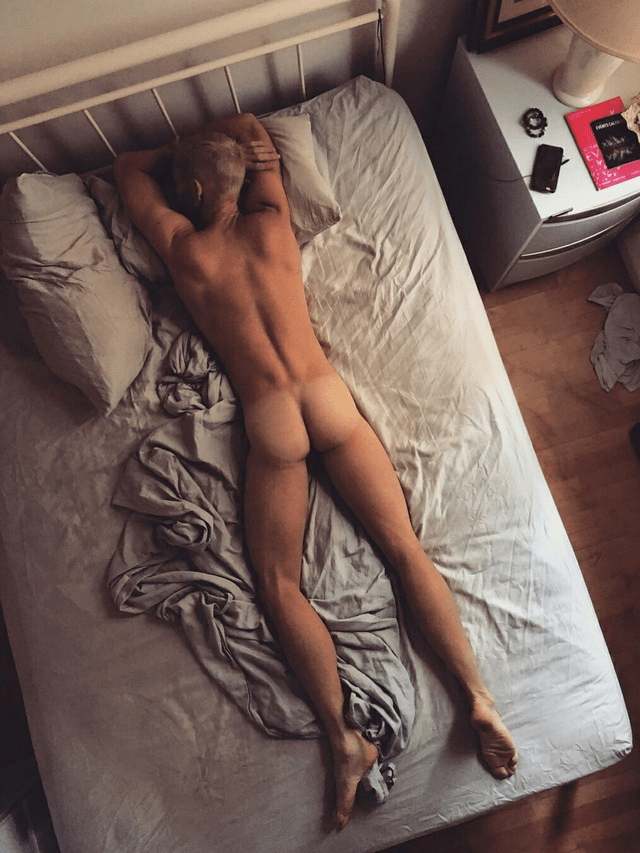
Dreams can be strange. I never know what I’m going to get. One night you have wonderful, sexy dreams; the next you have disturbing, eerie dreams. On another night, it’s vivid nightmares. Sometimes you know you’ve been dreaming. You wake up with a certain type of feeling but you can’t remember what you dreamed. When I do remember dreams, it’s right after I wake up. For me, the vivid dreams, whether nightmares or not, are difficult to distinguish from reality. They stay with me a long time.
I recall a few times when I’ve met a man at a bar or someplace, and while nothing happened between us, I’ve had dreams that they did. Occasionally, I’ve dreamed of upcoming dates with someone, and sometimes, I’ll dream afterward of where those dates might have gone but didn’t. Other times, I’ll have nightmares about the loss of a person, a pet, or friend. I wake up terrified, and it takes me a while to calm down. When I was a kid, I had two recurring nightmares in which I lost my family. The scenarios were so outrageous, they were and are difficult to explain to anyone, but I still remember them.
The other night, I had a very disturbing dream. It was not unpleasant, but it brought up unhappy memories. I couldn’t fall back to sleep afterward so I wrote this post. I dreamed about the boyfriend of a friend of mine who had died. He had died just a month shy of his boyfriend’s plan to propose to him. In the dream, the boyfriend had tried to move on with his life though it was obvious there was a great sadness in him. He had moved to a major city where I had another friend. Without the boyfriend ever knowing, this other friend used her influence among her gay friends to secretly look out for him. She was very secretive about it and didn’t tell me what she was doing until years later when she knew he was doing well and could move on. In the dream, I was happy the boyfriend had been able to move on. In reality, it’s been five years since the death of my friend. It brought back still painful memories.
Several things struck me as odd about the dream scenario. While I did get to know the boyfriend after my friend’s death, I had not known him very well before. The communications between us lasted only a short time as they were too upsetting for both of us. Another striking thing concerns the female friend. In real life, she rarely keeps secrets from me. Obviously, we all have things we don’t discuss, but in general, she and I share a great deal about our lives. She would not have kept her helping the boyfriend a secret. And while she does have gay friends, I don’t think she has the influence over them alluded to in the dream. It was a bizarre dream and quite disconcerting. I wonder why I had it.
There are varying theories why we dream and what they mean; No one knows for sure. Some researchers say dreams have no purpose or meaning. Others say we need dreams for our mental, emotional, and physical well-being. Just as there are different opinions why we dream, there are different views on what dreams mean. Some experts claim dreams have no connection to our real emotions or thoughts; they’re just strange stories that don’t relate to normal life. Others say our dreams may very well reflect our thoughts and feelings—our deepest desires, fears, and concerns especially when they are recurring. By interpreting our dreams, we might gain insight into our lives and ourselves. Many people say they’ve come up with their best ideas while dreaming. I am not one of those people.
Does anyone have a vivid or recurring dream they would like to share?
Trolls, Flamers, and Cyber Bullies…Oh My!
For a few years now, I’ve had commenters who hide behind anonymity and leave nasty comments on my blog. Usually, they are on politically-oriented posts, but not always. On my 10th anniversary post, someone left a comment that had no place there, and I deleted it. Often these comments are made to inflame me and my readers, but this one was aimed solely at me. I’m sure it was meant to “put me in my place.” One thing they said was I hide behind anonymity, yet, they left their comment anonymously. The commenter was just another hypocrite. Why do people feel the need to be cruel or unkind? Why are so many ‘Karens’ showing up these days harassing people? What makes the tinfoil hatters come out in droves? Lately, it seems people are on the attack, and wild conspiracy theories abound. I tend to think it is because the current president has done so much damage to civility. People no longer feel manners are needed. Role models are being disparaged everyday so the weak and mean-spirited can feel better about their own worthless selves.
Social media is a huge part of our lives. It’s used in everything; it’s everywhere. And at some point, nearly all of us will undoubtedly be subjected to some form of negativity there. These negative people earn the titles: troll, flamer, or cyber bully, and as a rule, are just rude and mean. But what exactly are trolls, flamers, and cyber bullies and how do they differ? Trolls are people who post non-relevant, often offensive content on message boards, forums, blogs, or social networking sites—anywhere they will get a reaction. Their goal is to start a flame war which means successful trolling. That brings us to the flamers. Often, these are the people who respond to the trolls’ inflammatory posts. They begin warring with words about the content using name-calling and threats to try to get other flamers to back down. Flamers, like trolls, tend to come off as idiots due to their neglect of standard grammar and spelling. Flaming can be closely related to cyber bullying. Cyber bullies are not limited to the Internet; they sometimes use texting to intimidate their targets. Cyber bullies are unique from flamers and trolls in that they sometimes target people they know in real life rarely bothering to keep their identity a secret.
Trolls, flamers, and cyber bullies are bountiful on sites like Facebook, Instagram, and Twitter. If you have a blog or just read them, you’ve likely come in contact with them at some point. Facebook gets particularly intense when there are national or international events going on. When you are friends with conservatives and liberals on Facebook, your feed can feel like entering a literal boxing match of words. Arguments are endless, and comments from both sides try to get a rise out of each other. These days, I look at Facebook less and less. There are too many people showing their utter ignorance. People post some of the stupidest unsupported ideas to push their political agendas. It was bad during the Obama Administration with barely concealed racism, but with Trump in office, it has become more intense, and is getting worse with the pandemic and the Black Lives Matter protests. It should be noted that having arguments doesn’t mean trolling is taking place. Sometimes they are just ignorant. Someone who makes a wild, unwarranted, and insulting comment is trolling. Someone who brings something off topic into the conversation to make a person mad is trolling. Flamers feed off a troll’s comments but come off as complete imbeciles, because their grammar and spelling are usually terrible. Quite often, it is so bad, it is barely comprehensible. Cyber bullies may do the same things, but it’s usually personal.
Social media is an excellent way to engage with the world around you, and a great way to make friends. In the 10 years I’ve been blogging, I’ve made some wonderful friends. But while it can be a positive experience, you’ll probably run into trolls, flamers, and cyber bullies on the Internet. The Internet is often brushed off as unimportant by those who spend little time there, but the social implications of its nearly anonymous status are bigger than most people would like to admit. The anonymity is the only reason trolls and flamers can get away with their abusive speech.
I’ve been criticized for remaining “anonymous” and using a pseudonym, but here’s the kicker, my name really is Joe, and if you pay attention to what I write about my life, it’s not hard to figure out my real identity. Like Superman and Clark Kent, if people had just paid attention, they would have noticed they were the same person not that I am comparing myself to Superman. People who have contacted me by email usually get to know who I am as I learn who they are. I like getting to know my readers, and I work to have a positive place for them. I’m not always positive; sometimes my depression comes through. People have said I complain too much, but is it really complaining if I’m just being honest about my current state of mind or health? Shouldn’t I have the right to say what I want on my own blog? I often wonder why trolls and flamers continue to read what I write if they hate it so much. I discuss my sexuality and mental and physical health so that someone out there can relate and not feel alone. I know how lonely you can feel with an issue you think is singular to you.
A therapist once told me I hide my pain. In the past, people who knew me often didn’t know I was in constant pain from migraines. They didn’t know when I was sad, depressed, and/or anxious; they didn’t know my sexuality. I put on a brave face and hid my pain, and who I really was. Those who really knew and cared about me could always tell when something wasn’t right. They knew when I had a migraine or when I was sad, but most people never saw that part of me. Southerners, like me, were taught not to complain. But in the last 10 years, a few things have changed: I live openly as a gay man in Vermont; and I’m generally more honest about how I’m feeling. So, when I have a bad migraine and don’t feel like writing a post, I explain why I’m not posting that day. I know some of you would wonder why I didn’t post, and I don’t want to cause anyone to worry.
One of the differences between the North and the South is when someone is asked, “How are you doing?” A Southerner is going to respond with “I’m fine,” no matter how they are feeling. When you ask a Northerner the same question, they are likely to tell you everything that is wrong with them. Maybe it’s living in Vermont, maybe it’s writing this blog, or maybe it’s because I’m more comfortable with who I am, but I hide my pain less now. I try to be more open to who I really am. I think it makes me a more honest person, not a complainer.
And for future trolls, flamers, and cyber bullies who come to this blog, I hope they will read and remember my rules on posting comments:
- Always be kind and considerate to others.
- Do not degrade other people’s way of thinking.
- I have the right to refuse or remove any comment I deem inappropriate.
- If you comment on a post that was published over 14 days ago, it will not post immediately. Those comments are set for moderation. If it doesn’t break the above rules, it will post.
We Wear the Mask
We Wear the Mask
By Paul Laurence Dunbar
We wear the mask that grins and lies,
It hides our cheeks and shades our eyes,—
This debt we pay to human guile;
With torn and bleeding hearts we smile,
And mouth with myriad subtleties.
Why should the world be over-wise,
In counting all our tears and sighs?
Nay, let them only see us, while
We wear the mask.
We smile, but, O great Christ, our cries
To thee from tortured souls arise.
We sing, but oh the clay is vile
Beneath our feet, and long the mile;
But let the world dream otherwise,
We wear the mask!
“We Wear the Mask” was written by African American poet and novelist Paul Laurence Dunbar in 1895. Like much of Dunbar’s work, “We Wear the Mask” is a reaction to the experience of being black in America in the late 19th century, following the Civil War—a period when life seemed to have improved for black Americans yet in reality was still marked by intense racism and hardship. Dunbar compares surviving the pain of oppression to wearing a mask that hides the suffering of its wearer while presenting a more joyful face to the world.
The poem itself does not specifically mention race; its message is applicable to any circumstance in which marginalized people are forced to present a brave face in order to survive in an unsympathetic, prejudiced society. The poem begins with the speaker stating that “We,” a reference to all of humankind, put on masks. We wear them and others use them to ignore the problems that exist in modern society. They have a deep impact on our understanding of ourselves and others. Hearts are changed through tearing and mouths contain endless expressions.
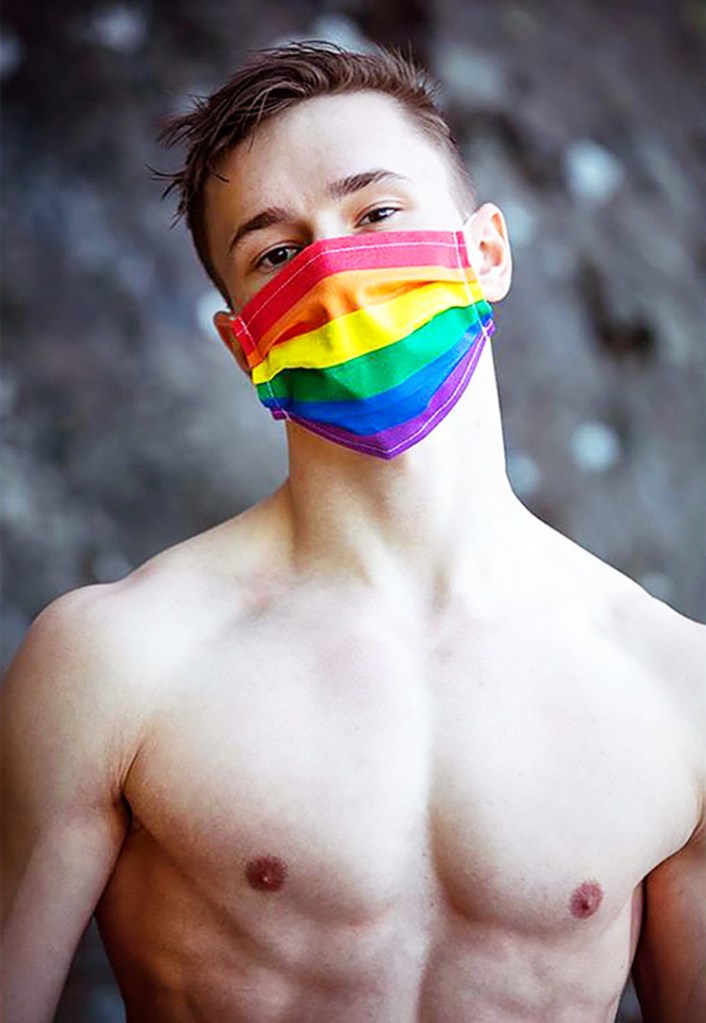
“We Wear the Mask” talks about hiding behind masks to disguise our true selves, much like the LGBTQ community and the closet. Today, it feels like it could have a different meaning. Wearing a mask to help prevent the spread of COVID-19 tells us a lot about others. Those who don’t wear them are not only putting themselves at risk but also those around them. By not wearing a mask, they are committing a selfish act. By wearing a mask, we not only protect ourselves, but we show we have compassion for those around us. While politicians and their supporters fight over the topic of wearing masks, a growing number of scientific studies support the idea that masks are a critical tool in curbing the spread of the coronavirus.
Wearing a mask doesn’t take the place of other important COVID-19 prevention protocols, such as social distancing and handwashing. You can go out in public areas without a mask only if there is no one nearby. Otherwise, regardless if it’s close quarters or spaced out, you should wear a mask with others around. This is precaution and courtesy to yourself and those nearby you. Medical experts tell us that during the first wave of the pandemic, those countries that implemented masking early were more successful than others at reducing the spread of the virus. Wearing a mask doesn’t mean that you are weak or afraid or a coward. Not wearing it however tells those around you how selfish you are. It’s a way to protect the vulnerable around you. It’s our duty to keep each other healthy. So, please wear your masks.

Homophobic Language: Part II
When I wrote last Friday’s post on homophobic language I said, “The words gay (used in a demeaning fashion), fag, sissy, fairy, queer, faggot can do psychological damage to a young person especially when used in a degrading way.” Roderick, a reader of this blog, and always such a sweet darling, asked, “Joe, interesting that you don’t even mention the term “queer.” Is it or is it not homophobic?” I pointed out that I had mentioned it; however, it was a brief comment. So, I thought perhaps I should do another post on derogatory gay euphemisms. They have been used in movies, by politicians, religious leaders, and everyday people. This is by no means an exhaustive list. Below are some terms I feel are important to address.
The first term is gay when used in a demeaning fashion. It is interesting how that word came to mean homosexual. It appears to have its origins around the 12th century in England derived from the Old French word ‘gai’, which in turn was probably derived from a Germanic word though that isn’t completely known. The word’s original meaning meant something “joyful”, “carefree”, “full of mirth”, or “bright and showy.” However, around the early part of the 17th century, the word began to be associated with immorality. Fast-forward to the 19th century, and the word referred to a woman who was a prostitute or a gay man who slept with a lot of women (ironically enough) often prostitutes.
However, in the 1920s and 1930s, the word’s meaning began to change. In its sexual definition, a gay man no longer meant a man who had sex with a lot of women, but now referred to men who had sex with other men. By 1955, the word officially acquired the added definition of homosexual male. The 1938 movie, Bringing Up Baby, was the first film to use the word gay to mean homosexual. In one scene, Cary Grant ends up having to wear a lady’s feathery robe. When another character asks why he is wearing that he responds with an ad-libbed line, “Because I just went gay.” At the time, mainstream audiences didn’t get the reference, so the line was popularly thought to have meant, “I just decided to be carefree.” Whether Grant meant gay as in homosexual or gay as in carefree is up for debate, but rumors about Grant’s sexuality have always been around especially when it pertained to his relationship with Randolph Scott.
Queer is a word particularly traumatic for me. I don’t like hearing it, and I don’t use it. Some people classify queer as a sexuality different from gay especially in the term genderqueer another word for non-binary. Merriam-Webster defines “queer” as a “sometimes disparaging & offensive” term for same-sex attraction. Some LGBTQ+ activists began to reclaim the word as a deliberately provocative and politically radical alternative to the more assimilationist branches of the LGBTQ+ community. Even with that usage, I still find it offensive because of personal experiences. As I said in Friday’s post, “When the gay community normalizes these words, they don’t know the traumatic affect it can have on someone younger.” When it comes to the word queer, I find it homophobic, and it causes a great deal of discomfort. However, others in the LGBTQ+ community don’t see it that way as long as it’s within the LGBTQ+ community or in academic usage such as queer studies. I guess it is up to which side of the fence you fall.
My daddy always told me not to be a sissy. I hate the word. I think we all know this, but it deserves repeating: sissy (derived from sister), also sissy baby, sissy boy, sissy man, sissy pants, etc., is a pejorative term for a boy or man who is not traditionally masculine and shows possible signs of fragility. Sissy implies a lack of courage, strength, athleticism, coordination, testosterone, male libido, and stoic calm all of which have traditionally been associated with masculinity and considered important to the male role in Western society. A man might also be considered a sissy for being interested in traditionally feminine hobbies or employment (e.g., fashion), displaying effeminate behavior (e.g., using hair products, displaying limp wrists), being unathletic, being homosexual. By the 1930s, the most damning insult was to be called a sissy; the word was widely used by American football coaches and sports writers to disparage rival teams, and to encourage ferocious player behavior. Good students were taunted as sissies, and clothing styles associated with higher social classes were demeaned as sissified.
Fairy denotes not only homosexuality but effeminacy. It has been used when speaking of gay men for over 100 years. One example of its use was from the Roaring Twenties. On a Friday night in February 1926, a crowd of some 1,500 packed the Renaissance Casino in New York City’s Harlem neighborhood for the 58th Masquerade and Civil ball of Hamilton Lodge. The New York Age reported nearly half of those attending appeared to be “men of the class generally known as ‘fairies,’ and many Bohemians from the Greenwich Village section who [….] in their gorgeous evening gowns, wigs, and powdered faces were hard to distinguish from many of the women.” For the most part, fairy has been stripped of its power by the Radical Faerie movement and new-era queers. On a side note, Faerie Camp Destiny, the Radical Faerie sanctuary in New England, began in the town where I currently live though it has since moved. (It is now in southern Vermont.) Radical Faeries have always been a special group in the gay hippie sanctuary of Vermont.
While growing up, I heard other phrases from my mother. She would describe gay men as having “sugar in their shorts,” that they were “light in the loafers,” or the ever-popular “queer as a $3 bill.” Because of my mother’s derisive use of these phrases, I particularly hate them. Though I don’t remember my mother using it, “limp-wristed” was another common phrase. Holding your hand up and flipping your wrist down so it looks limp has been a code I’ve known for most of my life to mean gay. Southerners have always enjoyed using colorful language to disparage people. Sodomite was well-known in the South during the 19th century. Though it is the place where LGBTQ+ people have the least rights and respect, a Williams Institute study looking at LGBTQ+ demographics across the United States found that the South had the largest LGBTQ+ population of all other regions in America. With an LGBTQ+ population of 3,868,000, the South surpassed every other region in its makeup of the 11,343,000 Americans—roughly 4.5 percent – that “identify as lesbian, gay, bisexual, or transgender.” Eventually, the South will have to wake up and start treating their own people better.
Before ‘’gay’’ became common and accepted parlance, the world had many other unofficial names for men who liked men. Some names were self-created by the gay community, and others were thrust, often cruelly, upon gay, bi, and queer men. Following are a few terms used in the past some of which are thankfully becoming obsolete while others are being reclaimed by the gay community. Mary is a mostly innocuous term from the middle 20th century used among gay and bi men. It was first mentioned in the early 1900s and has been reclaimed by the gay community. An example is Hamburger Mary’s Bar & Grille, a gay-themed and LGBT-friendly burger restaurant chain started in San Francisco in 1972. The eateries are often in gay neighborhoods and are intended to represent stereotypical gay culture through humorously named menu items, flamboyant décor with many of their locations hosting drag shows on weekends.
Nancy boy is based on a vaudeville term. The ‘nance,’ was a gay burlesque character from the 1930s who created laughs as he pranced about the stage creating campy scenes and sketches of gay life. The ‘nance’ character put on an outrageous show and was popular with audiences. In the late 1930s, New York Mayor Fiorello LaGuardia, fearful of how the lurid burlesque shows would make his city look in the upcoming World’s Fair of 1939, cracked down on burlesque houses. Part of LaGuardia’s anger was aimed at the ‘nance’ whom critics said created audiences of lusty gay men having sex in the dark balconies of the burlesque emporiums. It was an outrage, the Mayor said, and police began swooping down on burlesque shows closing many and forcing others to drop the ‘nance’ act or greatly curb it. The term has always been used to mock gay men and today is still used in a derogatory fashion.
Flowers have a long association with the LGBTQ community. The American “Pansy Craze” of almost 100 years ago cemented the use of that flower’s name as a slang term for gay men. During the Pansy Craze of 1930–1933, drag queens, known as “pansy performers”, experienced a surge in underground popularity especially in Los Angeles, New York, Chicago, and San Francisco. Oscar Wilde earlier turned the green carnation into a symbol for gay men in England by wearing one in his lapel. Violets were associated with Sappho herself, and the calamuswith Walt Whitman. A pre-Stonewall gay bar at the corner of Christopher Street and Gay Street was called The Flower Pot. While we don’t know whether “lavender” refers to the color or the herb, either way, the word seems to have been used in connection with gay men since the 1920s. It’s now used interchangeably with “rainbow” to mean “LGBTQ+” at events like Lavender Graduations, and the annual Lavender Law Conference of the LGBT Bar Association.
While we are on the subject of plants, a “fruit” is another euphemism for a gay man. I don’t think “fruit” has been reclaimed. It still gets under my skin. It’s a word used to laugh at us. When I first came out in graduate school, one of my professors walked up to me at a bar gathering of the History Department and drunkenly said, “Congratulations, I hear you are a fruit.” I was horrified. It was an inappropriate thing to say to a student. He was a very rude man from Canada, a historian of Latin America. Canadians don’t tend to be so rude at least I’ve never found them to be. However, it’s what I’d expect from a Latin America historian. Sorry if you are one, hopefully this doesn’t pertain to you, but I have always found them not to be the nicest of people. When it comes to historians, we all have our own quirks associated with our disciplines; medievalist are always a strange bunch of people, military historians tend to be rivet counters (obsessing on minutiae of their particular interest, especially military and technology history), oral historians tend to be the most liberal and social justice-minded. I could go on, but I will likely offend someone if I haven’t already. Besides, I’m off topic.
I know this list is only the tip of the iceberg. I stayed with American euphemisms and derogatory terms. I did not delve into words and phrases for the rest of the LGBTQ+ spectrum. Lesbians, bisexuals, transgender, non-binary, etc., have derogatory terms directed at them. I also didn’t discuss the more subtle and not so subtle terms used in politics for gay-baiting such as fussy, hysterical, San Francisco, wine drinker, lifestyle, etc. Then there is the rest of the world who have their own terms; the list goes on and on and on. While terms are being reclaimed by some in the LGBTQ+ community, I cannot stress this enough: many of them will continue to be hurtful to other members of the community. Childhood and family trauma live with a person their entire lives. It is forever. When you grow up hearing words and phrases used derogatorily and directed at yourself, it is almost impossible to reclaim them and use them for your own empowerment.

10 Years
I can’t believe the journey started 10 years ago today when I started my blog, The Closet Professor. During these 10 years, I’ve published 4,437 posts, and had nearly 4 million views and 19,000 comments.
How my life is different from back then! In July 2010, I had just finished my first-year teaching at a private school in Alabama. I was miserable working in a job that paid little, and with bills that continued to mount. Now, 10 years later, I’m living in Vermont, have a great job as a Museum Curator, hold the academic rank of Assistant Professor, and make a salary more than double what I was making then; plus, I have insurance and retirement. Ten years ago, I couldn’t imagine any of this especially living in Vermont of all places. The only thing I might have thought would happen by 2020 was I would be an Assistant Professor. I had also hoped to have my PhD., but unfortunately, that was not to be. To make a long story short, I had a terrible dissertation advisor, and it went downhill from there.
During these 10 years, I’ve posted almost daily and sometimes with more than one post. The only times I didn’t post were when depression overtook me because of the deaths of loved ones. The best thing about this blog is I’ve made wonderful friends. When times have been the toughest, y’all have been here, and helped me get through so much. If it weren’t for my friends, and I consider all of you who read this a friend, I wouldn’t have kept this blog going all this time. Thank you for these amazing years, and let’s hope for at least another ten!



Authors
Recent Comments
noisilycool3bc985058… on Dr. McDreamy Joe on Dr. McDreamy poetrybeautiful3d840… on Dr. McDreamy Joe on Dr. McDreamy noisilycool3bc985058… on Dr. McDreamy Top Posts & Pages


Amazon Associate

As an Amazon Associate I earn from qualifying purchases. So, if you click on a link that takes you to Amazon.com, I may earn a commission.
Trust me, it isn’t much, but every little bit helps.

 Joe
Joe


 The Closet Professor