

Monthly Archives: March 2021
Moment of Zen: Cuddling

This is what I miss most about having a boyfriend: laying in bed in each other arms. Besides a hug, it’s one of the safest and most comforting feelings.

I especially miss it during cold winter nights in Vermont.
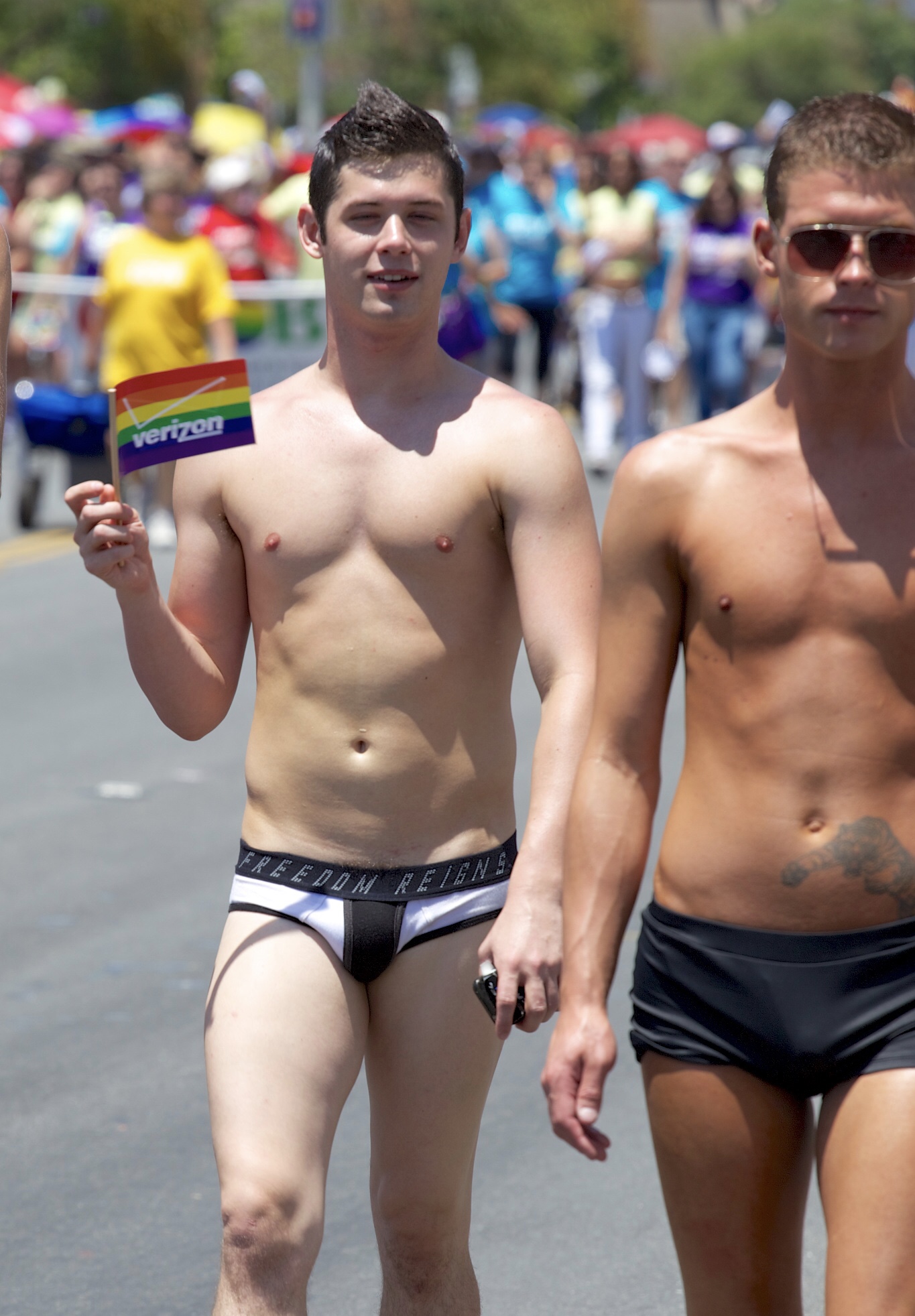
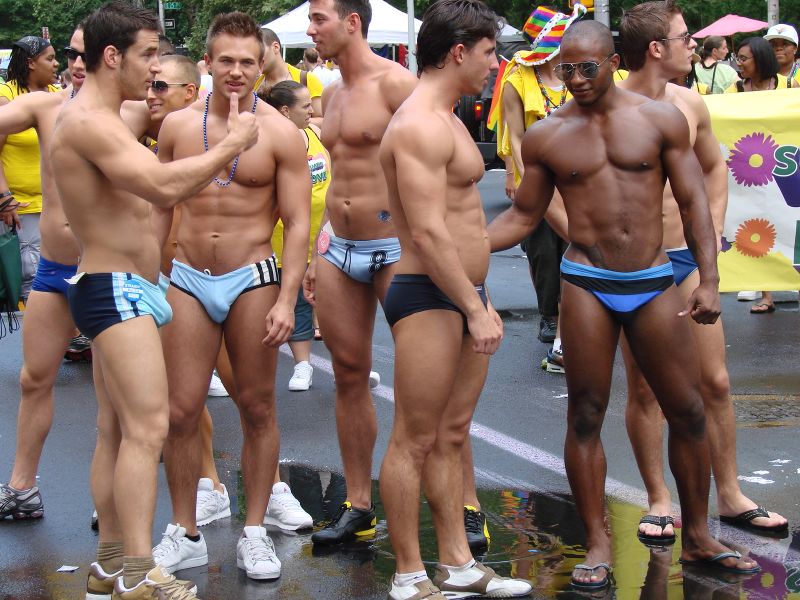
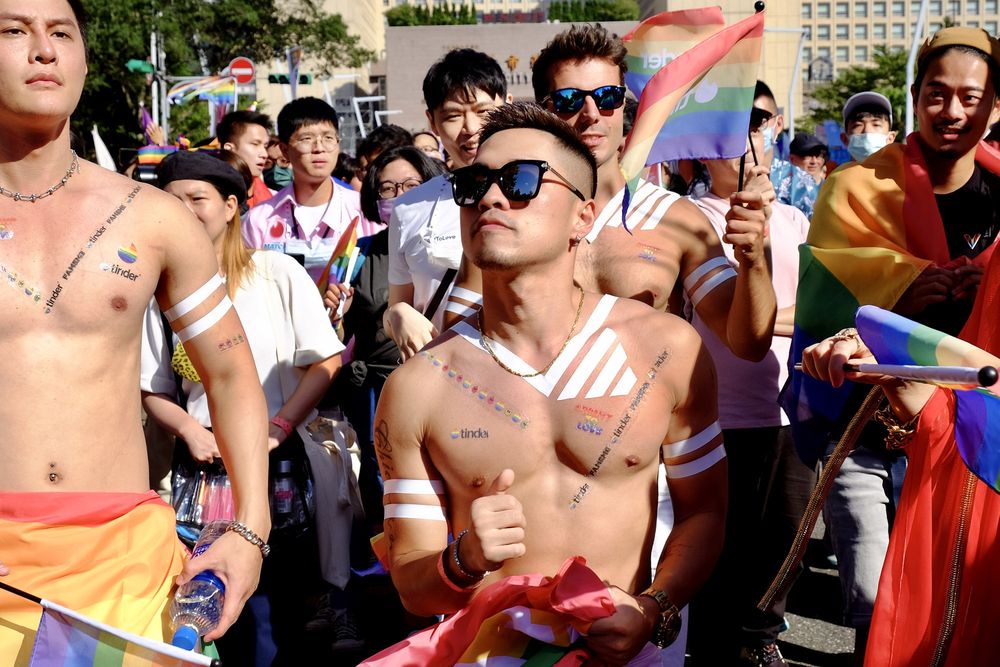
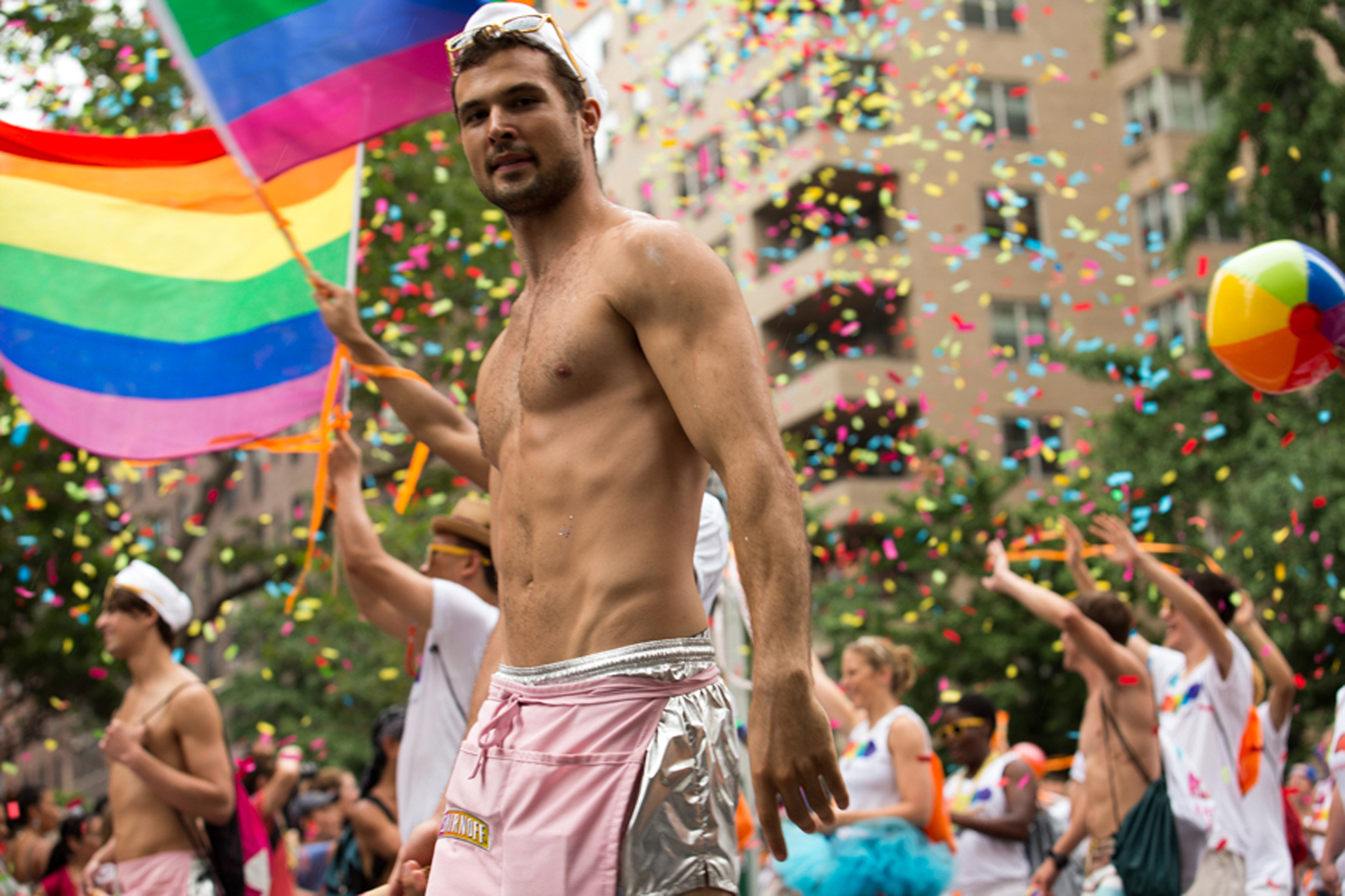
LGBTQ+ Generational Problems: Millennials (Gen Y), Generation Z, and Generation Alpha
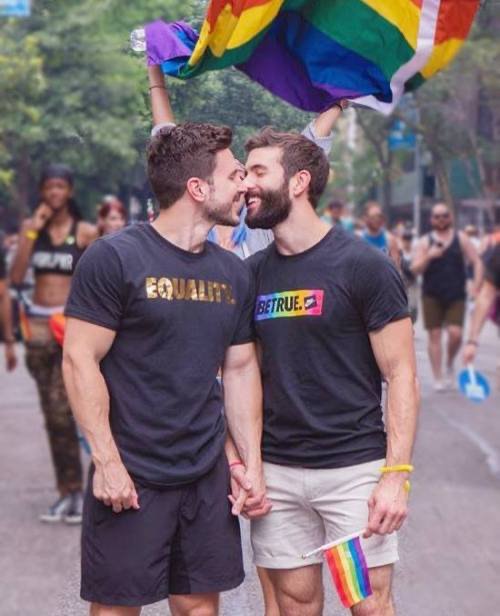
The United States appeared to be changing, and it looked like equal rights and protections were in the future for Generations Y and Z. However, it would not be easy. In 1993, the Department of Defense issued a directive prohibiting the U.S. Military from barring applicants from service based on their sexual orientation. “Applicants… shall not be asked or required to reveal whether they are homosexual,” stated the new policy. But it still forbade applicants from engaging in homosexual acts or making a statement that he or she was homosexual. This policy was known as “Don’t Ask, Don’t Tell.” Then in 1996, Clinton signed the Defense of Marriage Act into law. The law defined marriage as a legal union between one man and one woman and said no state was required to recognize a same-sex marriage from out of state. On November 4, 2008, California voters approved Proposition 8, making same-sex marriage in California illegal. The passing of the ballot garnered national attention from gay-rights supporters across the U.S. Prop 8 inspired the NOH8 campaign, a photo project using celebrities to promote marriage equality.
As these setbacks eventually have been overturned, Generations Y and Z have grown up in a time of immense change mainly for the better. In December 2010, the U.S. Senate voted to repeal the “Don’t Ask, Don’t Tell” policy, allowing gays and lesbians to serve openly in the U.S. Military. On June 26, 2015, in a 5-4 decision of Obergefell v. Hodges, the U.S. Supreme Court declared same-sex marriage legal in all 50 states. These new freedoms and equality brought new challenges for the youngest members of the LGBTQ+ community. The “Alphabet Mafia,” so named for all the letters to support the sexual spectrum (LGBTQIA, etc.), has given rise to a backlash from religious conservatives. While more states every year work to pass laws to protect LGBTQ+ people, lesbians, gays, and bisexuals largely have been protected by rulings only from the U.S. Supreme Court. Those rulings are now in jeopardy with the make-up of the current court. The Equality Act passed by the House of Representatives is unlikely to pass the Senate unless changes are made to the filibuster or the filibuster is abolished. Plus, there are bills advancing through state legislatures that target transgender people, limit local protections, and allow the use of religion to discriminate.
The current anti-transgender bills target transgender and nonbinary people for discrimination by barring or criminalizing healthcare for transgender youth, stopping access to the use of appropriate facilities like restrooms, restricting transgender students’ ability to fully participate in school and sports, allowing religiously-motivated discrimination against trans people, or making it more difficult for trans people to get identification documents with their name and gender. Two of these bills, Alabama’s HB-1 and SB-10, companion bills filed by Rep. Wes Allen and Sen. Shay Shelnutt, would criminalize medical professionals who support transgender youths’ identity forcing them to choose between the possibility of government prosecution or adhering to the evidence-based clinical guidelines of their field. These bills would expressly prohibit the use of puberty-blockers and hormone therapies, and require school counselors to report instances of “gender dysphoria.” They also ban gender-affirmation surgeries or sex-reassignment surgeries on children although such procedures are not performed on minors. If passed through the House of Representatives and State Senate, these bills would make Alabama the first U.S. state to enact an official transgender medical ban. The ban is one of eight anti-trans pieces of legislation being considered by state legislatures across the country. Medical experts and transgender advocates warn criminalizing transgender medical care could lead to a spike in suicides and mental health problems among trans youth.
Since the 1970s, when gay rights began to be enacted in some parts of the country, there has been a conservative backlash. It has happened for every minority that has tried to gain equality. The fight is a long way from being over for the LGBTQ+ community just as it continues to be a struggle for racial and ethnic minorities. Until Congress enacts solid protections for LGBTQ+ individuals and the courts back up those protections, conservatives in the U.S. will continue to find new ways to attack our rights. They will continue to use hate and religion to find exemptions even for protections that already have been enacted. In 1988, only 11 percent of Americans supported same-sex marriage. National support for same-sex marriage’s legal recognition rose above 50 percent for the first time in 2011. Today, the percentage of Americans who support gay marriage is slightly above 70 percent. I believe the most significant roadblock to LGBTQ+ rights are, and will continue to be, religious exemptions. I think the current Supreme Court will uphold religious exemptions. Until that changes, we will not have equality. The only way to end religious discrimination is for religious organizations with tax-exempt status to lose that status because of their discriminatory practices.
As I said at the beginning of Wednesday’s post, every LGBTQ+ generation has faced the difficulty of: if my family finds out I am gay, will they reject me? or if I come out, will my family accept me? Sadly, until there is universal acceptance of the diversity of sexuality, this is unlikely to change. In the seven generations since 1900, each generation has faced its own unique problems with some of those being carried over to other generations. It is paramount that the living generations of the LGBTQ+ community have conversations about what is important to younger gay generations versus those who remember the Stonewall riots and lived through the AIDS crisis. Whether perceived or real, differences between generations have existed long before the term “generation gap” became popular in the 1960s.
Often, each generation has different views on social, political, cultural, and religious issues. LGBTQ+ generations before Millennials were mostly in the closet and afraid of being outed, losing their job and families, possibly their lives. Many of those generations tried to maintain an appearance of “respectability” by being married and having children. In many ways, Generation X was a transition generation between the old and the new. They were the first to experiment with the internet and begin creating a greater LGBTQ+ community. The gay generations since the Millennials can connect no matter where they live. They never knew a time without the internet and have made the most use of technology. They can be more integrated into the mainstream, and they find it easier to be open about their sexuality within society. They have role models and allies that did not exist for older generations. In my opinion, if we recognize our differences, realize what we have in common, understand our past, and embrace our future, we can come together and be a powerful unstoppable force.
This three-part series of posts is not meant to be an exhaustive look at the problems faced by generations of LGBTQ+ individuals. This final installment is focused on the latest generations growing up in a vastly different world from earlier LGBTQ+ generation, and thus the focus is on how much more still needs to be done.
Pics of the Day
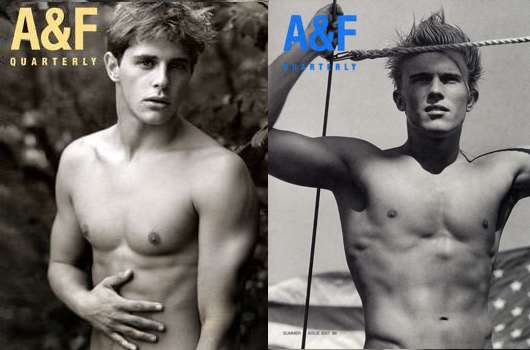
Today’s “Pics of the Day” are from A&F Quarterly, another iconic fashion catalog of Generation X published from 1997-2003. A&F Quarterly was an American lifestyle periodical by Abercrombie & Fitch, targeted towards the college-aged youth (18-22) and as a promotional vehicle for the A&F brand. Its contents prominently feature photo spreads by Bruce Weber. The Quarterly’s inclusion of nudity and sexuality was a controversial topic but like International Male provided an escape for many gay men with its homoerotic images.


LGBTQ+ Generational Problems: Generation X

Generation X, my generation, grew up in a world where gay men were gripped by the fear of AIDS. Contracting HIV, the virus that causes AIDS, was a death sentence. When the AIDS epidemic took hold in the U.S., it surged through communities that the straight world preferred not to see. HIV/AIDS has had a disproportionate impact on certain populations, particularly gay and bisexual men, other men who have sex with men, and racial and ethnic minorities. The AIDS epidemic was ignored by the Reagan administration for much of the 1980s even as the spread of the virus grew exponentially. By the fall of 1981, more than 100 AIDS cases had been reported to the U.S. Centers for Disease Control and Prevention (CDC). By February 1983, the first 1,000 cases had been reported. The second 1,000 were reported in the next six months, and the third 1,000 before the end of the year.
By the end of 1984, AIDS had ravaged the United States for at least three years affecting approximately 7,700 people and killing more than 3,500. It is possible AIDS had been present and unseen for years before that. Scientists had identified the cause of HIV/AIDS, and the CDC had identified all its major transmission routes. Yet, US leaders mainly remained silent and unresponsive to the health emergency. It wasn’t until September 1985, four years after the crisis began, that President Reagan first publicly mentioned AIDS. But by then, AIDS was already a full-blown epidemic. By the late 1980s, cases had been reported from every state. It took eight years (until August 1989) for the first 100,000 cases to be reported; the second 100,000 were reported in just two years (by November 1991). The half-million total was passed in October of 1995. The cumulative total of cases through December 2001 was 816,149, of whom 666,026 (81.6%) were men, 141,048 (17.3%) were women, and 9,074 (1.1%) were children under age 13.
The stigma and discrimination associated with AIDS and gay men were overwhelming. Public response was negative in the early years of the epidemic. In 1983, a doctor in New York was threatened with eviction leading to the first AIDS discrimination lawsuit. Bathhouses across the country closed due to high-risk sexual activity. Some schools barred children with HIV from attending. When Congress held its first hearing on AIDS in 1982, only a single reporter showed up. In a House floor speech, Representative Bill Dannemeyer of California read graphic descriptions of homosexual sex acts. The actions and words of the powerful politician had a stifling effect on other Republicans inclined to help deal with the epidemic. Conservative politicians pushed for government registration of AIDS patients. In 1987, the United States placed a travel ban on visitors and immigrants with HIV. President Obama lifted this ban in 2010.
In early 1985, the CDC finally developed the nation’s first AIDS prevention plan spearheaded by epidemiologist, Dr. Donald Francis. Washington leaders ultimately rejected it on February 4, 1985. Dr. Francis later recounted in an article in the Journal of Public Health Policy that Dr. John Bennett, the CDC’s central coordinator for AIDS and the AIDS Task Force chairman, told him: “Don, they rejected the plan. They said, ‘Look pretty and do as little as you can.'” On September 17, 1985, President Reagan finally, publicly mentioned AIDS when responding to a reporter’s question. He called it a “top priority” and defended his administration’s response and research funding. On October 2, Congress allocated nearly $190 million for AIDS research—$70 million more than the administration’s request. That same day, actor Rock Hudson, Reagan’s close personal friend, died from AIDS dragging the disease into the public’s eye.
In 1986, reports from the Institute of Medicine/National Academy of Science and Reagan’s Surgeon General, C. Everett Koop, advocated for a coordinated response to AIDS. Under pressure, Reagan appointed a commission to investigate the epidemic. Towards the end of 1987, the country began taking steps to raise AIDS awareness by sponsoring AIDS Awareness Month, launching the “America Responds to AIDS” advertising campaign, and mailing the Surgeon General’s findings to every American household. Reagan’s response to AIDS should sound familiar. Our former, twice-impeached president used a similar tactic during the COVID pandemic. Take, for example, the following early response of the Reagan administration. During an October 1982 White House press briefing, Conservative journalist Lester Kinsolving questioned Larry Speakes, President Reagan’s press secretary, about the president’s reaction to AIDS which was then affecting some 600 people. When Kinsolving mentioned the disease was known as the “gay plague,” the press pool erupted in laughter. Rather than providing a substantive answer, Speakes said, “I don’t have it,” sparking more laughter. He then proceeded to question Kinsolving multiple times about whether he had AIDS.
It became a joke for the Religious Right. When religious people found out you were gay, you often got the response, “I hope you die of AIDS” or “You’ll die of AIDS soon enough.” Families rejected their gay sons, and even more so if they had AIDS. The church of a cousin of mine who was gay and died of AIDS, refused to allow his funeral at the church or to allow him burial in the cemetery. The family never admitted he died of AIDS. But I knew. My aunt (it was her stepson) had told my mother the name of his doctor. He was the only doctor in Montgomery who would see AIDS patients. Being gay was not only the worst thing you could be, but many like me were raised to believe all gay people died of AIDS. It scared me into the closet for years.
Things slowly began to change as antiviral medications advanced, and AIDS was no longer a death sentence. In 1988, the World Health Organization organized the first World AIDS Day to raise awareness of the spreading pandemic. In May 1996, the U.S. Supreme Court decided in Romer v. Evans that Colorado’s 2nd amendment denying gays and lesbians protections against discrimination was unconstitutional. In April 2000, Vermont became the first state in the US to legalize civil unions and registered partnerships between same-sex couples. In 2003, the U.S. Supreme Court ruled in Lawrence v. Texas that sodomy laws in the U.S. were unconstitutional. In 2004, Massachusetts became the first state to legalize gay marriage. The state supreme court found the prohibition of gay marriage unconstitutional because it denied the dignity and equality of all individuals. In the following six years, New Hampshire, Vermont, Connecticut, Iowa, and Washington D.C. followed suit.
This three-part series of posts is not meant to be an exhaustive look at the problems faced by generations of LGBTQ+ individuals. This second part largely focuses on the impact of the AIDS epidemic on Generation X, but the AIDS crisis affected all living generations of LGBTQ+ individuals.
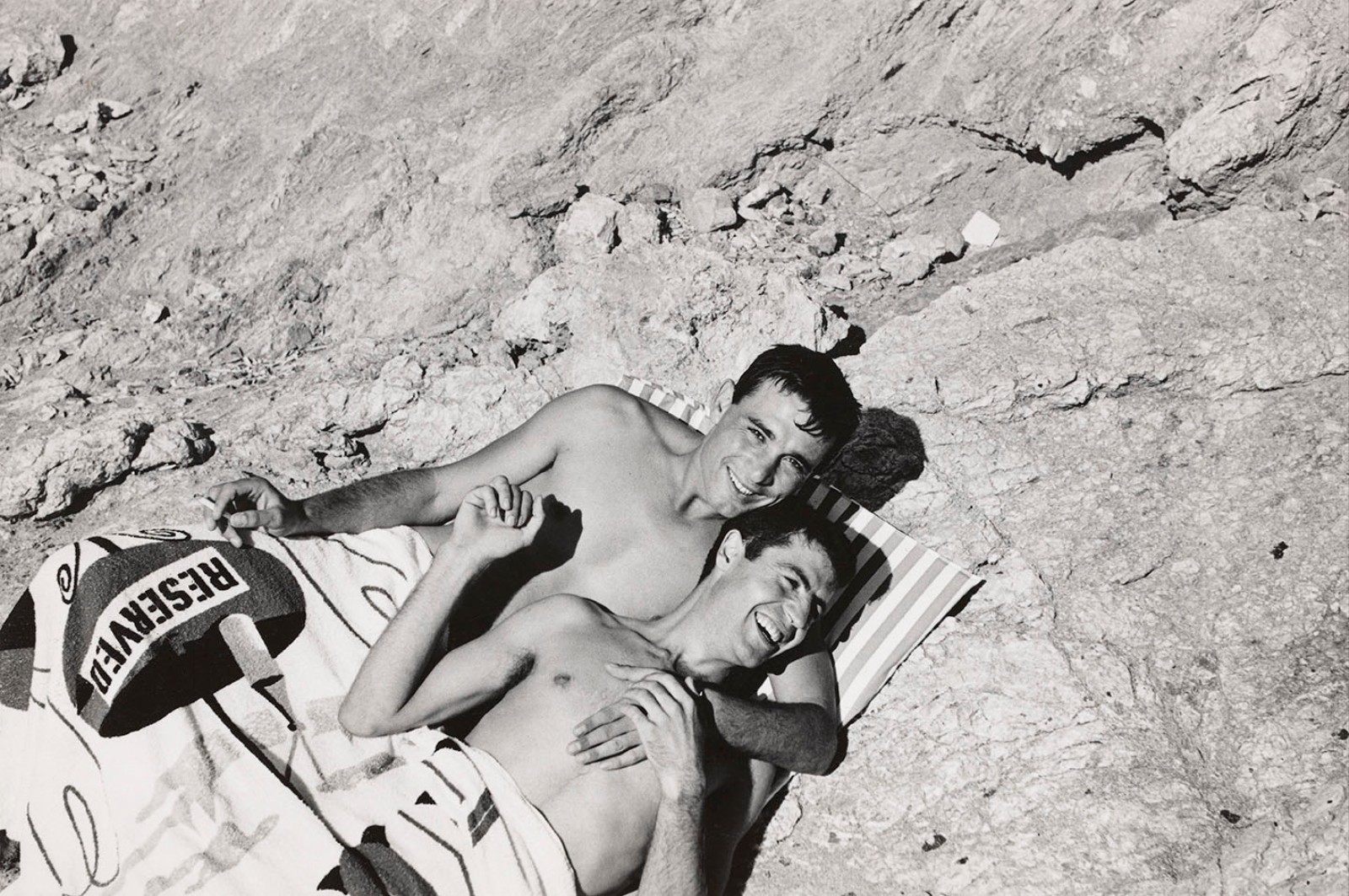
LGBTQ+ Generational Problems: The Greatest Generation, the Silent Generation, and Baby Boomers

Every generation of gay men has faced the difficulty of: if my family finds out I am gay, will they reject me? or if I come out, will my family accept me? These questions are a near-universal fear even when someone has liberal parents or even gay parents. In the seven generations since 1900, each generation has faced its unique problems. Although some of these problems may be shared by several generations, each generation has its own fundamental issue which it faced. The seven living generations of Americans are usually defined as the following although some disagreement still exists within the dates:
- The Greatest Generation (born 1901-27)
- The Silent Generation (born 1928-45)
- Baby Boomers (born 1946-64)
- Generation X (born 1965-80)
- Millennials (born 1981-97)
- Generation Z (born 1998-2010)
- The burgeoning Generation Alpha (born 2011-25)
The Greatest Generation and the Silent Generation, those who fought in World War I, World War II, and Korea, faced what became known as the Lavender Scare. It mainly refers to gay men who worked in the federal government, and meant they were marked for life as a homosexual.
In 1947, at the beginning of the Cold War, the State Department had begun campaigns to rid the department of communists and gay men. Before the Lavender Scare and post-World War II, gay men from rural towns had begun to congregate in cities where they could keep their anonymity. However, this newfound peace and community were disturbed in 1947 when the United States Park Police created a Sex Perversion Elimination Act primarily targeting these communities in parks. At least five hundred people were arrested, and police charged seventy-six. The fear of communism led to a hysteria attacking all communities which were different.
The fear of communism was first seen from 1917-1920 in the First Red Scare which followed the 1917 Bolshevik Russian Revolution and the subsequent wave of Communist revolutions throughout Europe and beyond. The Second Red Scare (1947-1957) was popularly known as “McCarthyism” after Senator Joseph McCarthy. McCarthyism coincided with an increased fear of communist espionage that resulted from increasing tension in the Cold War. This fear was compounded when several high-ranking U.S. government officials confessed to being spies for the Soviet Union. By the time of this Second Red Scare, interrogations of one’s sexuality had become routine in the 1950s’/1960s’ federal workplace. Questions like “Do you identify as a homosexual or have you ever had same-sex sexual relations?” became commonplace as employers attempted to root out gay employees. The U.S. government feared that gay diplomats or intelligence operatives were particularly susceptible to blackmail by communist agents. This period became known as the Lavender Scare—a period of interrogation and firing of gay civil servants. The prohibition of gays working for the government continued through the fall of the Soviet Union in 1991.
The Lavender Scare made being publicly gay difficult. Although gay men were largely closeted before the Lavender Scare, being publicly gay during the 1950s was challenging and near impossible without significant consequences. Not only were gay federal employees fired, but many others were also fired for “guilt of association,” knowing someone who was gay. Because of the resulting stigma within the federal government as well as in larger public culture, many of the federal investigations and resulting firings lead to dismissed employees’ suicides—most of which were later covered up by federal interrogators. Several gay people later stepped up to challenge the federal government’s “sexual perversion” components including civil servant Frank Kameny who took his case to the Supreme Court. Although Kameny lost, a few federal courts began ruling in his favor by 1969. More gay rights organizations also developed such as the Mattachine Society (1950), and the Daughters of Bilitis (1955) founded by lesbians. The Lavender Scare’s effects, however, were long-lasting.
The Lavender Scare not only broke up and quieted the cities’ queer communities which were afraid of federal employment discrimination and potential hate crime, but it also resulted in a largely conservative, homogenous culture within the government. While most federal organizations eventually overturned their policies on gay and lesbian discrimination, the FBI, NSA, and the State Department banned gay men and women into the 1990s until President Bill Clinton officially overturned these rules in 1995. Later, as recent as 2015, Secretary of State John Kerry apologized to the LGBT community on behalf of the federal government’s Lavender Scare interrogations, stating: “I apologize to those who were impacted by the practices of the past and reaffirm the department’s steadfast commitment to diversity and inclusion for all our employees, including members of the LGBTI community.”
Baby Boomers continued to face discrimination in the federal workplace, but they appeared to be making some strides. The late 1960s and 1970s saw the beginnings of the gay liberation movement which had its spark in events like the Compton’s Cafeteria Riot (1966), the Stonewall Riots (1969), and the American Psychiatric Association vote to remove homosexuality from its list of mental illnesses (1973). Before these events—that led to Kathy Kozachenko becoming the first openly gay American elected to public office (1974) or Harvey Milk winning a seat on the San Francisco Board of Supervisors (1977)—being gay, or committing sodomy, was criminal in most states. The sexual revolution of the 1960s did not extend to the gay community. Even when things began to change in larger cities, there was a backlash. On June 24, 1973, someone burned down the UpStairs Lounge in New Orleans. Thirty-two people died, and at least 15 were injured as the result of fire or smoke inhalation. Until the 2016 Orlando nightclub shooting, in which 49 people were murdered, the UpStairs Lounge arson attack was the deadliest known attack on a gay club in U.S. history.
In 1977, singer and conservative Southern Baptist Anita Bryant led a successful campaign with the “Save Our Children” crusade to repeal a gay rights ordinance in Dade County, Florida. Bryant faced severe backlash from gay rights supporters across the U.S., but to little avail. The gay rights ordinance would not be reinstated in Dade County until December 1, 1998, more than 20 years later. On November 27, 1978, former city supervisor Dan White assassinated Harvey Milk. White was convicted of voluntary manslaughter and sentenced to only seven years in prison. The late 1960s and 1970s were a period of ups and downs for gay men and women in America. By 1980, there looked like there would be real change as The Democratic Rules Committee stated it would not discriminate against homosexuals. At their National Convention on August 11-14, the Democrats became the first major political party to endorse a homosexual rights platform. Then tragedy struck; the gay men of the Baby Boomer generation saw their world come crashing down. On July 3, 1981, the New York Times printed the first story about a rare pneumonia and skin cancer found in forty-one gay men in New York and California. The CDC initially referred to the disease as GRID, Gay Related Immune Deficiency Disorder. When doctors found the symptoms outside the gay community, Bruce Voeller, a biologist, and the National Gay Task Force founder, successfully lobbied to change the disease’s name to AIDS.
This three-part series of posts is not meant to be an exhaustive look at the problems faced by generations of LGBTQ+ individuals. Furthermore, this first part largely focuses on gay men.

Wind

Wind
By Gwendolyn Bennett
The wind was a care-free soul
That broke the chains of earth,
And strode for a moment across the land
With the wild halloo of his mirth.
He little cared that he ripped up trees,
That houses fell at his hand,
That his step broke calm on the breast of seas,
That his feet stirred clouds of sand.
But when he had had his little joke,
Had shouted and laughed and sung,
When the trees were scarred, their branches broke,
And their foliage aching hung,
He crept to his cave with a stealthy tread,
With rain-filled eyes and low-bowed head.
Gwendolyn Bennett, a teacher, artist, and writer, was born in Giddings, Texas in 1902. She never published her collected work, but her poems, short stories, and nonfiction columns appeared in literary journals, among them Opportunity, Fire!! and Palms. Bennett was connected to the Harlem Renaissance and a dedicated supporter of African American writers and artists through support groups, community centers, and schools. She died in Reading, Pennsylvania in 1981.


Authors
Recent Comments
noisilycool3bc985058… on Dr. McDreamy Joe on Dr. McDreamy poetrybeautiful3d840… on Dr. McDreamy Joe on Dr. McDreamy noisilycool3bc985058… on Dr. McDreamy Top Posts & Pages


Amazon Associate

As an Amazon Associate I earn from qualifying purchases. So, if you click on a link that takes you to Amazon.com, I may earn a commission.
Trust me, it isn’t much, but every little bit helps.

 Joe
Joe


 The Closet Professor