
Monthly Archives: August 2024
Rainy Wednesday
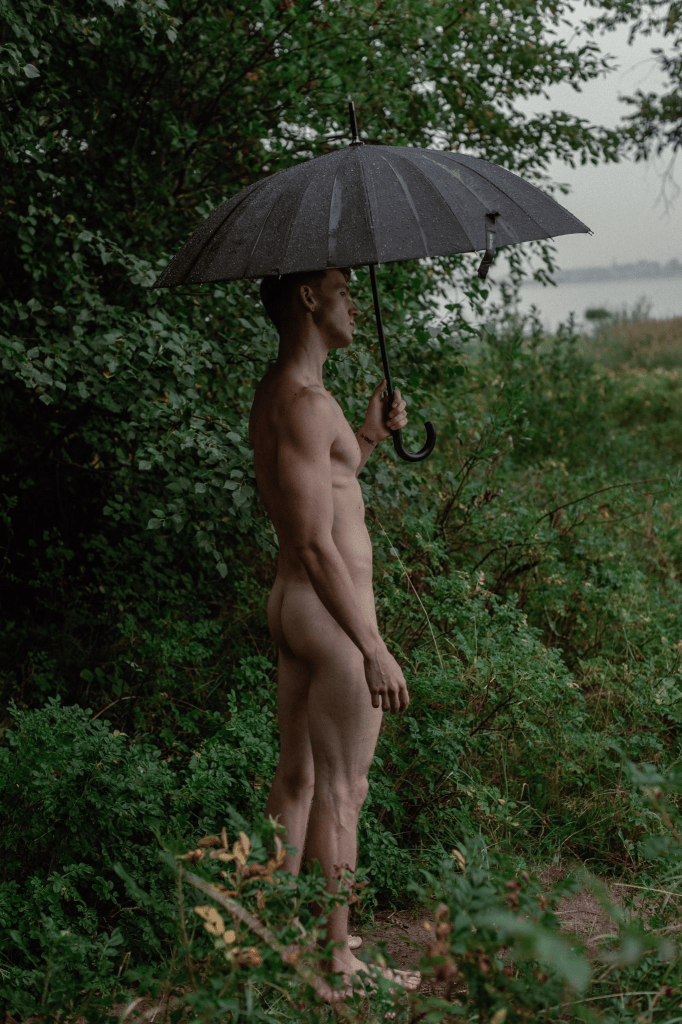
Here in Vermont, we’ve had rain every day this week. I honestly don’t mind the rain, but my migraines do. Changes in air pressure causes my migraines to act up. I definitely have a problem whenever the air pressure is low, and Vermont has been in a low pressure system for past several days.
In other words, I’ve had terrible migraines all week. It started Sunday night and was pretty awful throughout Monday. I had been out with a bad migraine the Monday before, so I felt bad about calling in two Mondays in a row. My migraine got so bad Monday night that I went to bed at 7:30 pm. Last night, I went to bed at 9 pm. At least I’m getting at least 8 hours of sleep. The sun is expected to return on Friday, so hopefully, this migraine will improve by then.

My Hole. My Whole.

My Hole. My Whole.
By Sam Sax
what to call you who i’ve slept beside through so many apocalypses
the kind that occur nightly in this late stage of the collapsing west
boyfriend was fine even though we are neither boys nor men but love
how it makes us sudden infants in the eyes of any listener—how
it brings us back to some childhood we never got to live. that was,
at the time, unlivable. my sweetheart. my excised sheep’s-heart.
my fled garden. my metal garter. after yet another man calls his wife
his partner at the dog park it’s clearly time to find another name for you—
he says it’s my partner’s birthday we’re going to buca di beppo then key largo—
and wild how quick a name becomes yet another vehicle
through which to reproduce violence. partner fit like a skin and then
that skin tightened and tore off—you who are neither my chain
italian restaurant nor my all-inclusive vacation spot. not my owner
or my only or my own. not my down payment or my dowery
of sheep and crop. not lost. not loss. apophasis is a way of naming
what is by what is not—but what is? my boutonniere. my goofy queer.
my salt. my silk. my silt. my slit. my top and my basement. my vanquished
prostate. my battered apostate. my memory. my memory. my meteor.
all these names for what exactly? to introduce what is to those
who don’t know. this is my whole. this is my hole. take part of me.
About This Poem
Some of you may not be too fond of this poem because it’s modern poetry, but occasionally, I think modern poetry can really make us think. Then, sometimes, it just doesn’t make sense at all, even after the poet discusses what it means. “My Hole. My Whole.” is one of those poems that is easy to understand, is quite interesting, and makes you think.
pSam Sax wrote about what inspired this poem. He said, “This poem began, as many do, struggling with the limitations of language. Being in a long-term, queer, poly, nonbinary relationship, we often find ourselves pushing against the terminology we inherited for how to name ourselves and our love(s), how to become legible to ourselves and to others. Both queerness and poetry can offer ways of breaking with the past and searching for strange syntax and improper nouns, not just to define an already lived experience but to eke out a space to imagine new possible futures. This poem struggles with this question of naming, of possibility, of fluidity. It offers up one way of honoring the flexibility and specificity of our loves.”
About the Poet
Sam Sax is a queer Jewish writer and educator. They are the author of Pig (Scribner, 2023); Bury It (Wesleyan University Press, 2018), which received the 2017 James Laughlin Award; and Madness (Penguin Books, 2017), winner of the National Poetry Series. They are also the author of the novel, Yr Dead (McSweeney’s, 2024).
Of Sax’s work, James Laughlin Award judge Tyehimba Jess writes,
Bury It, Sam Sax’s urgent, thriving excavation of desire, is lit with imagery and purpose that surprises and jolts at every turn. Exuberant, wild, tightly knotted mesmerisms of discovery inhabit each poem in this seethe of hunger and sacred toll of toil. A vitalizing and necessary book of poems that dig hard and lift luminously.
Sax has received fellowships from the National Endowment for the Arts, the Poetry Foundation, Lambda Literary, MacDowell, Stanford University, and Yaddo. They are also the two-time Bay Area Grand Slam Champion.
Sax has served as the poetry editor at BOAAT Press, and they are currently serving as a lecturer in the ITALIC program at Stanford University.

What to Wear?

Usually on Sunday, I plan out what I’ll wear to work during the week ahead. For some reason, I don’t do that yesterday. I haven’t even decided what I’m going to wear to work today. Not that I even want to actually go to work today, but I have to go regardless of what I want to do, which right now is to go back to bed. I’m really not looking forward to work at all this week. I have several events to attend, and I’d rather not go to any of them. While I don’t have any crucial tasks that need to be done today, I have things that should keep me pretty busy. The busier I can be, the quicker the day will go by.
I hope you all have a wonderful week!

Rock of Ages
God is our refuge and strength, A very present help in trouble.
-Psalm 46:1
Rock of Ages
Rock of Ages, cleft for me,
let me hide myself in thee;
let the water and the blood,
from thy wounded side which flowed,
be of sin the double cure;
save from wrath and make me pure.
Not the labors of my hands
can fulfill thy law’s demands;
could my zeal no respite know,
could my tears forever flow,
all for sin could not atone;
thou must save, and thou alone.
Nothing in my hand I bring,
simply to the cross I cling;
naked, come to thee for dress;
helpless, look to thee for grace;
foul, I to the fountain fly;
wash me, Savior, or I die.
While I draw this fleeting breath,
when mine eyes shall close in death,
when I soar to worlds unknown,
see thee on thy judgment throne,
Rock of Ages, cleft for me,
let me hide myself in thee.
“Rock of Ages” is a popular Christian hymn written by the Reformed Anglican minister Augustus Toplady, an Anglican cleric and hymn writer. He was a major Calvinist opponent of John Wesley (founder of the Methodist Church). Toplady is best remembered as the author of the “Rock of Ages.”
“Rock of Ages” has always been a popular hymn, and it’s one of my favorites. Through the song, Toplady speaks of how God is our refuge and strength. As Psalm 46:1 says, “God is our refuge and strength, A very present help in trouble.” God will be with us in our time of need. He may not always present Himself in the way we want, but it is in the way He deems we need the most. God answers all of our prayers, but sometimes that answer may be “no.” However, no matter what, we can draw strength from our belief in God.
There is a popular, but probably apocryphal, story about the origin of this hymn text that started 122 years after publication of the hymn text by a letter published in the Times of London on June 3, 1898 from Dean Lefroy of Norwich, together with one from Sir W. H. Wills on the same matter. The burden of Lefroy’s correspondence is based on a claim made by Sir W. H. Wills regarding the origin of this hymn. Wills’ claim asserted that Toplady drew his inspiration from an incident in the gorge of Burrington Combe in the Mendip Hills in England. Toplady, then a curate (assistant Church of England preacher) in the nearby village of Blagdon, was travelling along the gorge when he was caught in a storm. Finding shelter in a gap in the gorge, he was struck by the title and scribbled down the initial lyrics.
According to E. J. Fasham, a more likely inspiration for the text is a 1673 sermon by Daniel Brevint (who had been the Dean of Durham Cathedral). This sermon had been partially quoted in the preface to Charles Wesley’s Hymns of the Lord’s Supper (1745), which was in common use amongst a number of ministers of the period. The similarity between the passages from Brevint’s sermon and the hymn suggests this was the starting point for Toplady’s text. Regardless of the origins of the hymn, we can still draw great strength and inspiration from it.
The text of this hymn from Toplady’s July 1776 ‘alt’ version has been substantially edited since its publication by different denominations over the years creating a number of versions of the hymn text used by different churches around the world. An example of an edit made to Toplady’s text is: “When my eyes shall close in death” was originally written as “When my eye-strings break in death”. Notwithstanding the bitter pamphlet war between Augustus Toplady and John Wesley over the correctness of Calvinist (souls are predestined for heaven or hell) versus Arminian (souls are saved through God’s grace) theology, there has been speculation by some, that although Toplady was a Calvinist, the edited version of the words, “Be of sin the double cure, Save from wrath, and make me pure,” suggest he agreed with the teachings of the Methodist preacher under whom he received his religious conversion, and of his contemporary, John Wesley, who taught the “double cure”, in which a sinner is saved by the atonement of Jesus, and cleansed from sin by being filled with the Holy Spirit.

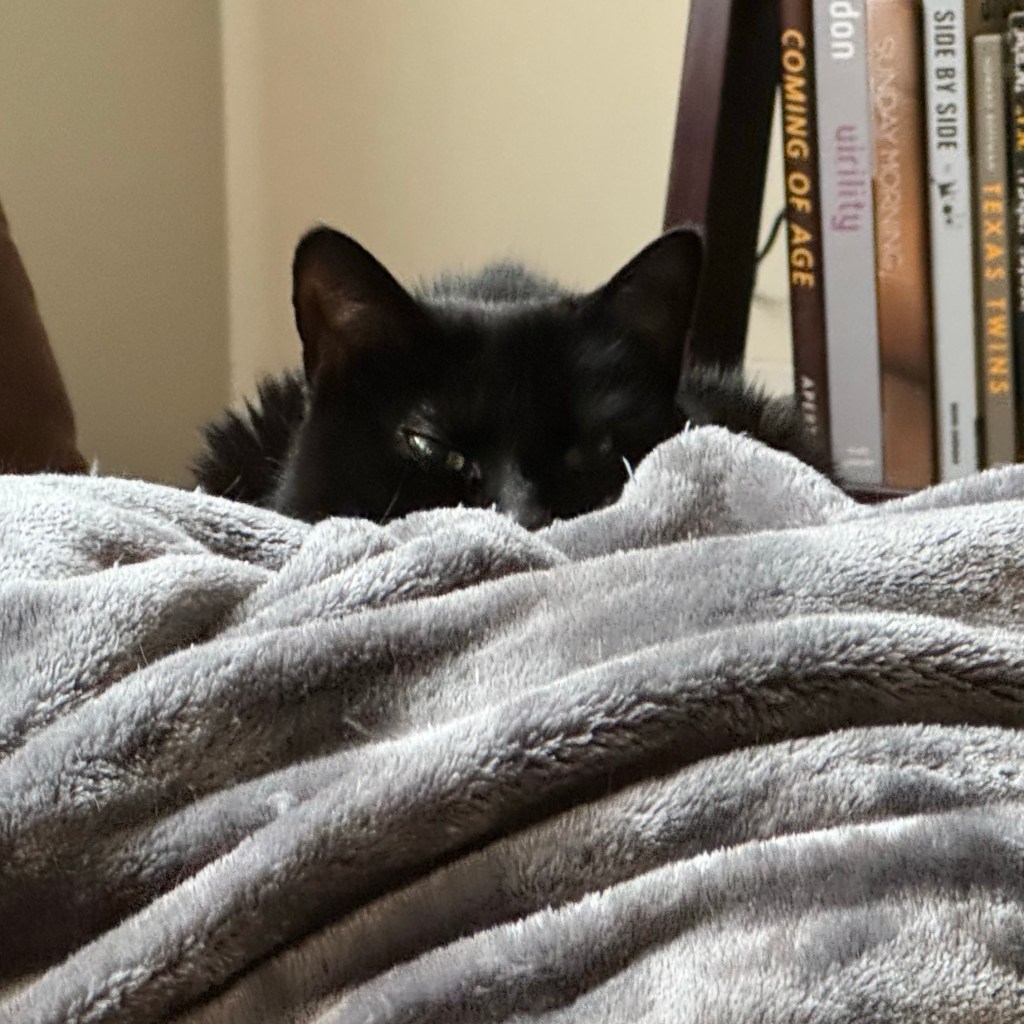
Moment of Zen: National Black Cat Appreciation Day


National Black Cat Appreciation Day is on August 17 every year. It’s not the same as National Black Cat Day, which falls on October 27. The goal of both holidays is to celebrate these sleek, beautiful creatures.
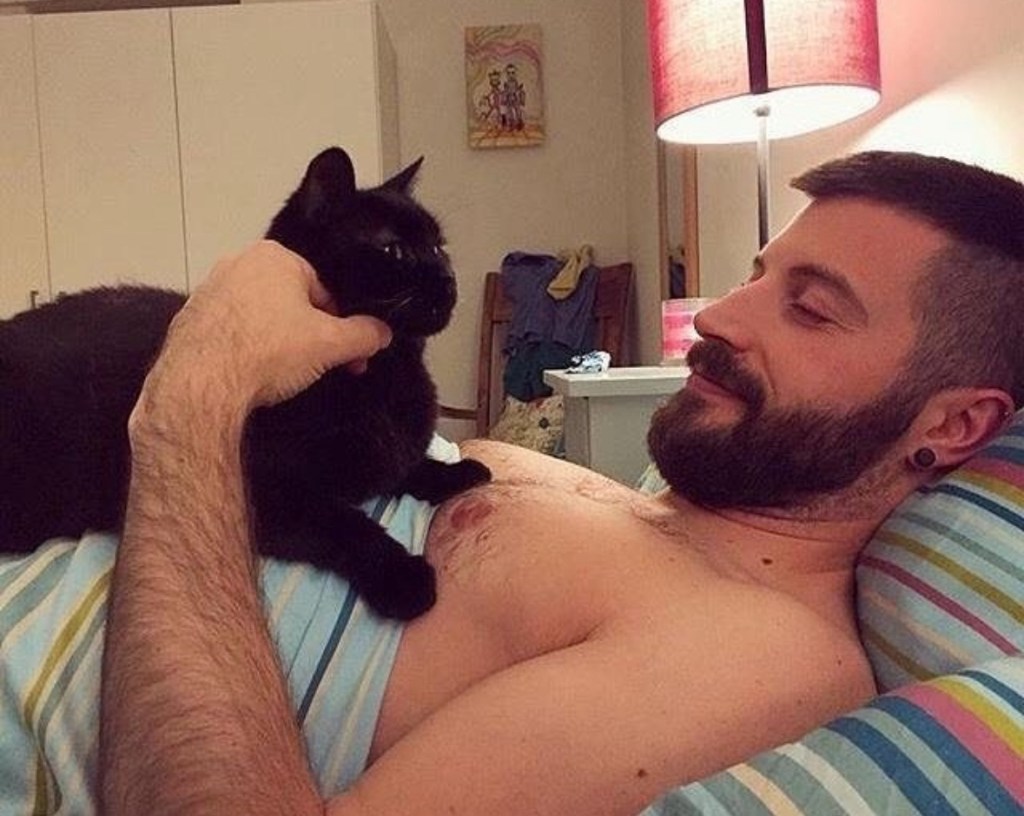


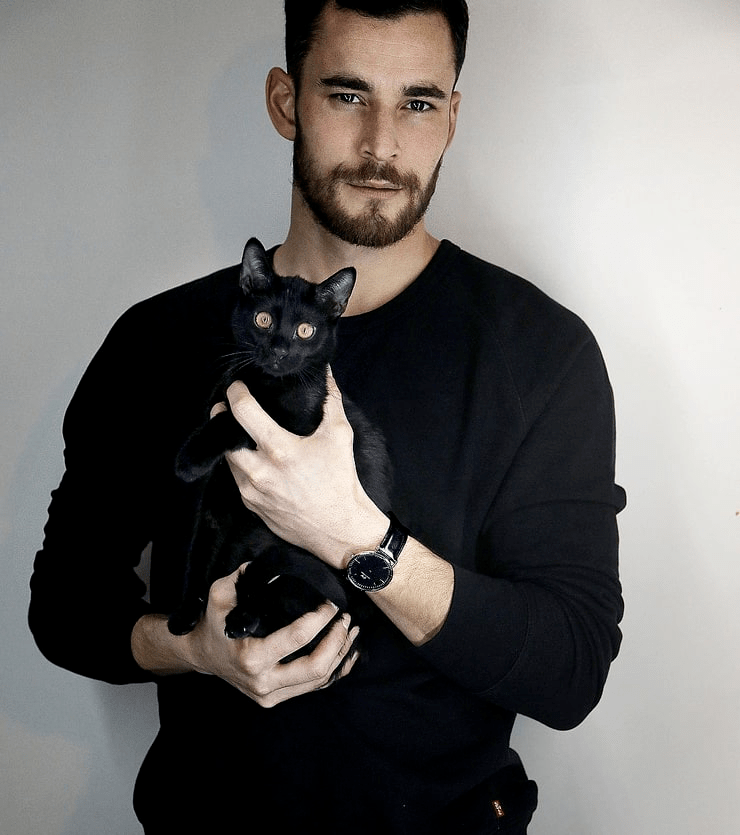
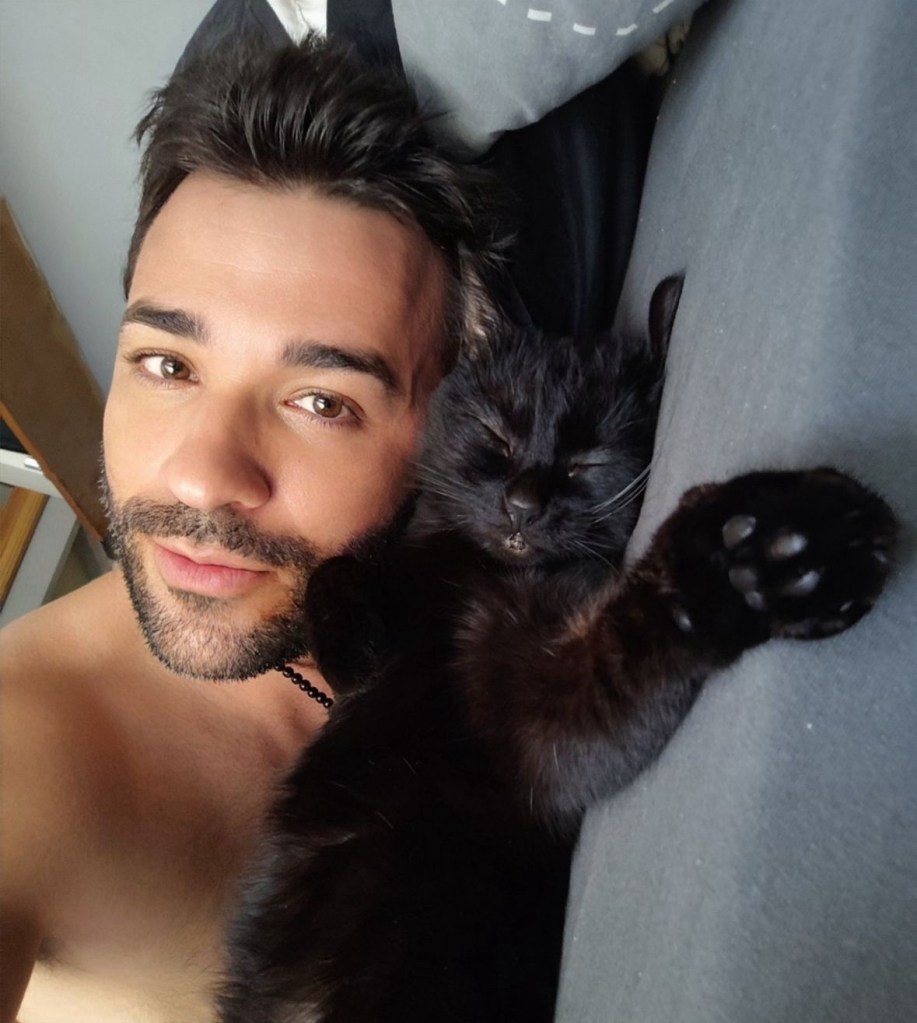


Of course, I have to include the most beautiful black cat:



Authors
Recent Comments
noisilycool3bc985058… on Dr. McDreamy Joe on Dr. McDreamy poetrybeautiful3d840… on Dr. McDreamy Joe on Dr. McDreamy noisilycool3bc985058… on Dr. McDreamy Top Posts & Pages


Amazon Associate

As an Amazon Associate I earn from qualifying purchases. So, if you click on a link that takes you to Amazon.com, I may earn a commission.
Trust me, it isn’t much, but every little bit helps.

 Joe
Joe


 The Closet Professor