
Monthly Archives: October 2024
Happy Halloween! 🎃

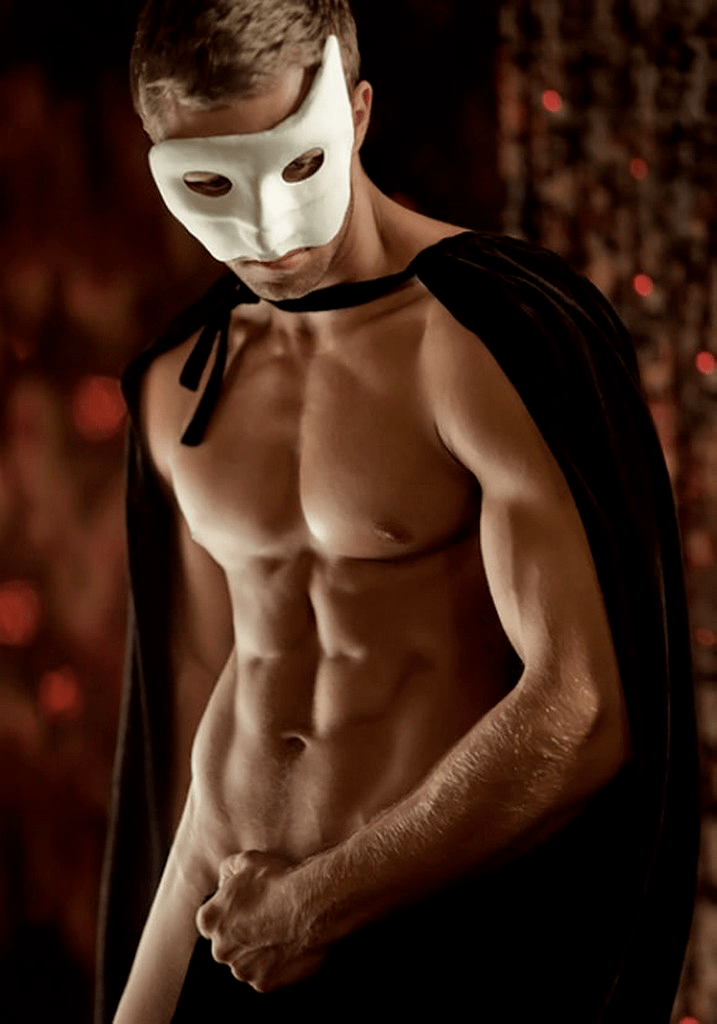
Halloween is one of the holidays I most enjoy. I don’t have trick or treaters where I live, but I used to at my previous apartment. I always enjoyed seeing the little kids in their costumes. As an adult, I’ve gone to my fair share of adult Halloween parties (and by that I do not mean it in an adult movie kind of way. I merely mean a Halloween party with all adults in attendance. I used to regularly visit a friend of mine who lived in Thibodaux, Louisiana, at Halloween. She always hosted a fun Halloween costume party. A few times we went out to bars in Thibodaux where everyone would be dressed in costumes. Thibodaux is a college town, so there were a lot of hot college guys, usually in sex costumes that were a lot of fun to watch. I haven’t been, nor am I going to any Halloween parties this year because I’ve had a lot of other stuff going on, and I did not want to have to find a costume. Still, I enjoy Halloween.

Halloween is an institution in the LGBTQ+ community and is occasionally referred to as “Gay Christmas.” Halloween has risen from its roots as a pagan fire festival about celebrating harvest and warding off spirits, to a day of celebrating everything spooky, transgressive, and fabulous. Halloween though plays a special role in the LGBTQ+ community not only because it can be a lot of fun, but also because LGBTQ+ people spend large parts of their lives hiding their true selves and presenting in a way that is at odds with their desires and identity. Halloween’s emphasis on dressing up as something you are typically not ends up being a powerful outlet to present ourselves in a way that expresses who you really are.
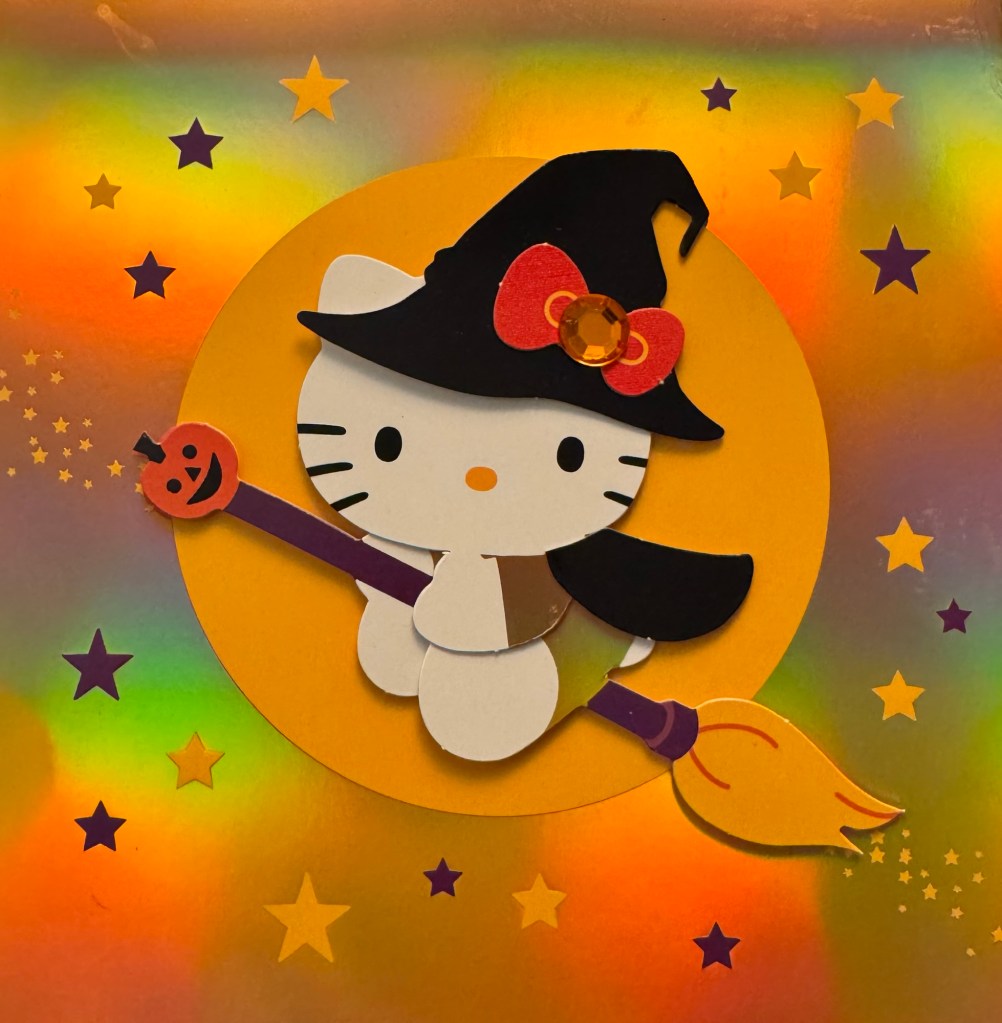
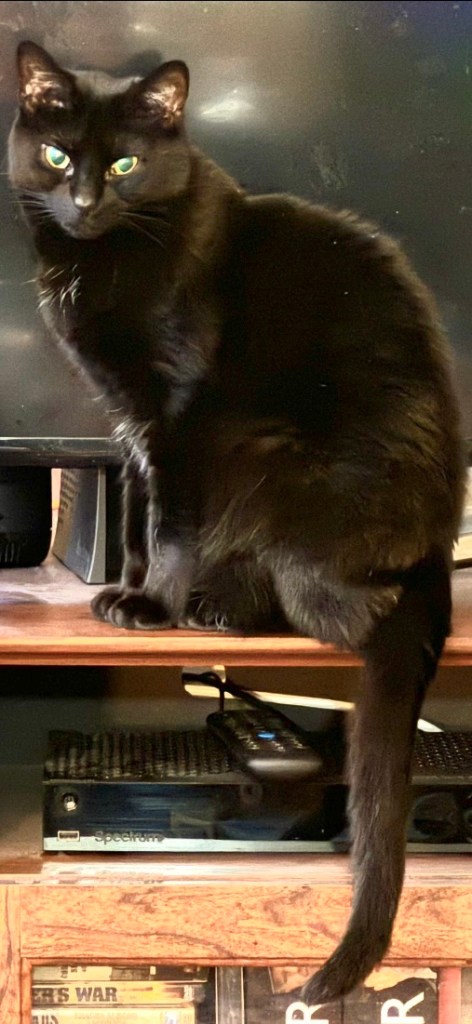
Each year, my friend Susan send me a Halloween card. This year she sent two. The Hello Kitty cards are always cute no matter what occasion they are for, but I think they are especially cute when they are Halloween cards. The other card she sent looks a lot like Isabella. Black cats get a bad reputation for being bad luck, though they are not seen as bad luck all over the world, but it’s a persisting superstition in the United States. One of the joys of having a black cat is that I have a natural decoration for Halloween, especially when she stands in the window and stares out at people.
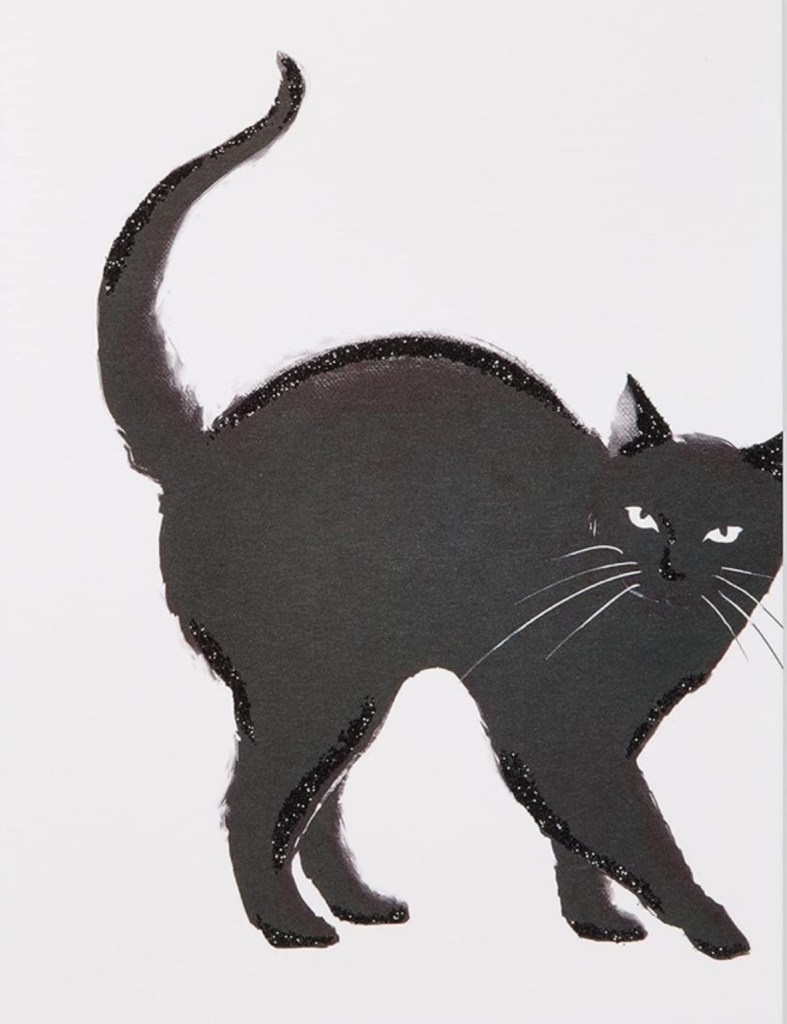
I did not have a picture of Isabella in the same pose as the cat on the card, but the look in her eyes is similar to those of the cat on the card.
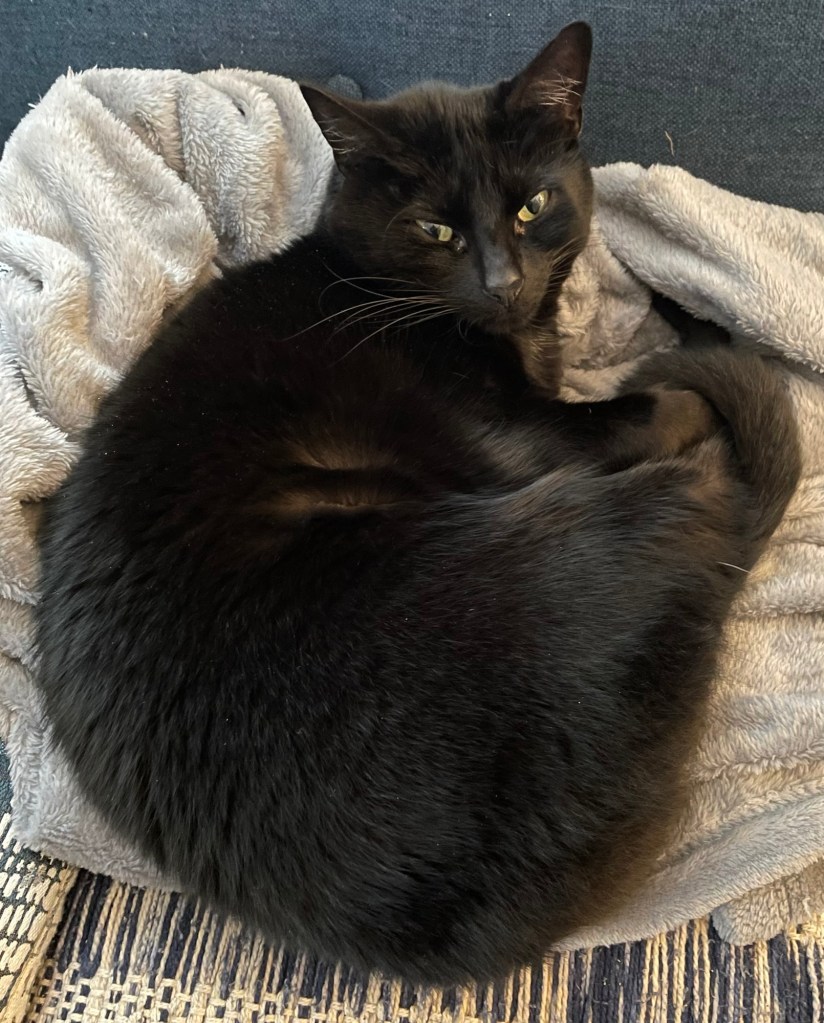
However you think of black cats, my Isabella is a beautiful, kind, and loving cat who brings me a lot of joy and is most certainly not bad luck.

Slept Late, Long Day

I slept a tad bit later than usual this morning. I’d probably have slept later if Isabella wasn’t quite so persistent. Anyway, I have a big day today, but thankfully, I get to start it later than usual. I have an important speaker presenting a program at the museum today, and I am praying we have a good turnout. There have been so many issues with this particular event, I just want something to go right. Regardless, I need to have something nice to wear today, hence the picture above. I’m pretty sure I know what I want to wear, but because I will be up in front of everyone to introduce our guest, I need to try and look nice. I’ll then be entertaining the speaker this afternoon before returning him to the airport. It won’t be as long of a day as yesterday, which ended up being just over 12 hours, but it will probably end up being longer than usual. *Fingers Crossed* All of this goes well today.

The Raven

The Raven
By Edgar Allan Poe
Once upon a midnight dreary, while I pondered, weak and weary,
Over many a quaint and curious volume of forgotten lore—
While I nodded, nearly napping, suddenly there came a tapping,
As of some one gently rapping, rapping at my chamber door—
“’Tis some visitor,” I muttered, “tapping at my chamber door—
Only this and nothing more.”
Ah, distinctly I remember it was in the bleak December;
And each separate dying ember wrought its ghost upon the floor.
Eagerly I wished the morrow;—vainly I had sought to borrow
From my books surcease of sorrow—sorrow for the lost Lenore—
For the rare and radiant maiden whom the angels name Lenore—
Nameless here for evermore.
And the silken, sad, uncertain rustling of each purple curtain
Thrilled me—filled me with fantastic terrors never felt before;
So that now, to still the beating of my heart, I stood repeating,
“’Tis some visitor entreating entrance at my chamber door—
Some late visitor entreating entrance at my chamber door;—
This it is and nothing more.”
Presently my soul grew stronger; hesitating then no longer,
“Sir,” said I, “or Madam, truly your forgiveness I implore;
But the fact is I was napping, and so gently you came rapping,
And so faintly you came tapping, tapping at my chamber door,
That I scarce was sure I heard you”—here I opened wide the door;—
Darkness there and nothing more.
Deep into that darkness peering, long I stood there wondering, fearing,
Doubting, dreaming dreams no mortal ever dared to dream before;
But the silence was unbroken, and the stillness gave no token,
And the only word there spoken was the whispered word, “Lenore?”
This I whispered, and an echo murmured back the word, “Lenore!”—
Merely this and nothing more.
Back into the chamber turning, all my soul within me burning,
Soon again I heard a tapping somewhat louder than before.
“Surely,” said I, “surely that is something at my window lattice;
Let me see, then, what thereat is, and this mystery explore—
Let my heart be still a moment and this mystery explore;—
’Tis the wind and nothing more!”
Open here I flung the shutter, when, with many a flirt and flutter,
In there stepped a stately Raven of the saintly days of yore;
Not the least obeisance made he; not a minute stopped or stayed he;
But, with mien of lord or lady, perched above my chamber door—
Perched upon a bust of Pallas just above my chamber door—
Perched, and sat, and nothing more.
Then this ebony bird beguiling my sad fancy into smiling,
By the grave and stern decorum of the countenance it wore,
“Though thy crest be shorn and shaven, thou,” I said, “art sure no craven,
Ghastly grim and ancient Raven wandering from the Nightly shore—
Tell me what thy lordly name is on the Night’s Plutonian shore!”
Quoth the Raven “Nevermore.”
Much I marvelled this ungainly fowl to hear discourse so plainly,
Though its answer little meaning—little relevancy bore;
For we cannot help agreeing that no living human being
Ever yet was blest with seeing bird above his chamber door—
Bird or beast upon the sculptured bust above his chamber door,
With such name as “Nevermore.”
But the Raven, sitting lonely on the placid bust, spoke only
That one word, as if his soul in that one word he did outpour.
Nothing further then he uttered—not a feather then he fluttered—
Till I scarcely more than muttered “Other friends have flown before—
On the morrow he will leave me, as my hopes have flown before.”
Then the bird said “Nevermore.”
Startled at the stillness broken by reply so aptly spoken,
“Doubtless,” said I, “what it utters is its only stock and store
Caught from some unhappy master whom unmerciful Disaster
Followed fast and followed faster till his songs one burden bore—
Till the dirges of his Hope that melancholy burden bore
Of ‘Never—nevermore.’”
But the Raven still beguiling my sad fancy into smiling,
Straight I wheeled a cushioned seat in front of bird, and bust and door;
Then, upon the velvet sinking, I betook myself to linking
Fancy unto fancy, thinking what this ominous bird of yore—
What this grim, ungainly, ghastly, gaunt and ominous bird of yore
Meant in croaking “Nevermore.”
This I sat engaged in guessing, but no syllable expressing
To the fowl whose fiery eyes now burned into my bosom’s core;
This and more I sat divining, with my head at ease reclining
On the cushion’s velvet lining that the lamp-light gloated o’er,
But whose velvet violet lining with the lamp-light gloating o’er,
She shall press, ah, nevermore!
Then, methought, the air grew denser, perfumed from an unseen censer
Swung by Seraphim whose foot-falls tinkled on the tufted floor.
“Wretch,” I cried, “thy God hath lent thee—by these angels he hath sent thee
Respite—respite and nepenthe, from thy memories of Lenore;
Quaff, oh quaff this kind nepenthe and forget this lost Lenore!”
Quoth the Raven “Nevermore.”
“Prophet!” said I, “thing of evil!—prophet still, if bird or devil!—
Whether Tempter sent, or whether tempest tossed thee here ashore,
Desolate yet all undaunted, on this desert land enchanted—
On this home by Horror haunted—tell me truly, I implore—
Is there—is there balm in Gilead?—tell me—tell me, I implore!”
Quoth the Raven “Nevermore.”
“Prophet!” said I, “thing of evil—prophet still, if bird or devil!
By that Heaven that bends above us—by that God we both adore—
Tell this soul with sorrow laden if, within the distant Aidenn,
It shall clasp a sainted maiden whom the angels name Lenore—
Clasp a rare and radiant maiden whom the angels name Lenore.”
Quoth the Raven “Nevermore.”
“Be that word our sign in parting, bird or fiend!” I shrieked, upstarting—
“Get thee back into the tempest and the Night’s Plutonian shore!
Leave no black plume as a token of that lie thy soul hath spoken!
Leave my loneliness unbroken!—quit the bust above my door!
Take thy beak from out my heart, and take thy form from off my door!”
Quoth the Raven “Nevermore.”
And the Raven, never flitting, still is sitting, still is sitting
On the pallid bust of Pallas just above my chamber door;
And his eyes have all the seeming of a demon’s that is dreaming,
And the lamp-light o’er him streaming throws his shadow on the floor;
And my soul from out that shadow that lies floating on the floor
Shall be lifted—nevermore!
This is a long post (3 pages), so if you want to read about the poem or about Edgar Allan Poe, make sure to click on the #2 and #3 below.

“Up and at ‘em”

My mother often woke us up by saying “Up and at ‘em.” Sometime, she’d be silly and say, “Up and at ‘em, Atom Ant,” although I used to think she said, “Up and Adam, Adam Ant,” which doesn’t really make sense, but I was a kid. Up and at ’em means there’s a lot of work to be done, and there certainly is this week. Today should be the calm before the storm, but Tuesday and Wednesday are going to be whirlwind days when I will be hosting a special guest to the museum. Usually, I look forward to these guests. I get to entertain them and take them to nice dinners, but usually it’s over a three-day period. This time, it’s all packed in two days. So, when I woke up this morning, All I could think was my mother saying, “Up and at ‘em.” Actually, it felt like that was what Isabella was telling me this morning when she started trying to wake me up at 4 am. I kept sleeping until after 5 am. She was not pleased with me, but she forgave me when I finally got up.
I guess Dolly Parton sang it more accurately:
Tumble out of bed and I stumble to the kitchen
Pour myself a cup of ambition
And yawn and stretch and try to come to life
Jump in the shower and the blood starts pumpin’
Out on the street, the traffic starts jumpin’
With folks like me on the job from nine to five
I actually work eight to four, but you get the picture. It’s a busy week ahead.

Jonathan and David

The relationship between Jonathan and David, as described in the Bible (primarily in 1 Samuel 18-20 and 2 Samuel 1), is one of deep emotional connection, loyalty, and love. While the Bible does not explicitly describe their relationship as romantic or sexual, some readers and scholars have speculated that their bond could be interpreted as a same-sex love story. Let’s explore the key aspects of their relationship and why some see it as a potential gay love story.
The Bible clearly portrays Jonathan and David as having a profound and intense bond. In 1 Samuel 18:1, it says that Jonathan loved David as his own soul, “Now when he had finished speaking to Saul, the soul of Jonathan was knit to the soul of David, and Jonathan loved him as his own soul.” In 2 Samuel 1:26, after Jonathan’s death, David expresses his grief in a lament, saying, “I am distressed for you, my brother Jonathan; you have been very pleasant to me; your love to me was wonderful, surpassing the love of women.”
This description of love has led some readers to see a romantic or even homoerotic subtext, especially because David compares Jonathan’s love to the love he experienced with women, calling it “wonderful.” In ancient cultures, deep friendships between men were often expressed in highly affectionate and poetic terms, which may not imply a romantic relationship in the way we might interpret it today; however, in other ancient cultures there is not clear distinction between friendship and romantic love against men. In 7th century AD, Christians had a practice known as adelphopoiesis, a ceremony practiced in Eastern Christian tradition to unite together two people of the same sex ostensibly as siblings, but the practice closely resembled a marriage. The most notable of these couples was the Christian martyrs Saint Sergius and Saint Bacchus.
First Samuel 18:3 says, “Then Jonathan and David made a covenant, because he loved him as his own soul.” Here, Jonathan and David make a covenant, a formal agreement between two individuals that symbolized deep loyalty, commitment, and trust. The covenant they made suggests a profound and mutual bond, sealed with love and loyalty. Some scholars argue that this covenant could reflect a form of lifelong commitment that is similar to a romantic or marital bond. However, others view it more in the context of political and social alliances common in ancient Israel. Like adelphopoiesis in the early Christian tradition, historians debate the true nature of these types of covenants. Regardless of whether they were romantic or not, they would not have been openly recognized as romantic couplings.
Another part of their story that some interpret as romantic is found in 1 Samuel 20:41, which says, “As soon as the lad had gone, David arose from a place toward the south, fell on his face to the ground, and bowed down three times. And they kissed one another; and they wept together, but David more so.” When Jonathan and David part ways, they kissed and wept together, though David wept the most. In many cultures, particularly in the ancient Near East, kissing between men was a common gesture of friendship, respect, and loyalty even to this day. However, modern readers may see this as a more intimate, potentially romantic moment. We have to be careful of interpreting history through modern eyes.
Modern interpretations vary widely when it comes to Jonathan and David’s relationship. Some LGBTQ+ Jews and Christian, along with their allies, interpret their bond as a biblical example of same-sex love, providing a model of deep affection and emotional commitment between two men. This interpretation is often embraced by those seeking to find representations of LGBTQ+ relationships in scripture. On the other hand, many traditional interpretations understand Jonathan and David’s relationship as one of intense friendship, characterized by loyalty, shared faith, and mutual support during political upheaval. In this view, their love is seen as non-sexual but still profound, reflecting the deep bonds that could exist between friends in the ancient world. Even if it was non-sexual, the intimacy does not mean they were not romantically attached.
The story of Jonathan and David is rich in emotional language and affection, which can lead to different interpretations depending on one’s perspective. There is no explicit evidence in the biblical text that their relationship was sexual or romantic, but their deep love and commitment to each other leave room for readers, especially in modern times, to see possibilities for a romantic interpretation. Whether viewed as an intense friendship or as a potential same-sex love story, Jonathan and David’s relationship exemplifies loyalty, love, and devotion that transcends societal expectations. Regardless of whether it is seen through a lens of friendship or romantic love, their story is a source of reflection on love and connection.


Authors
Recent Comments
Steve Davis on Friday Gratitude, Friday the 1… noisilycool3bc985058… on Pic of the Day noisilycool3bc985058… on Pic of the Day noisilycool3bc985058… on Pic of the Day noisilycool3bc985058… on Moment of Zen: Reading Top Posts & Pages


Amazon Associate

As an Amazon Associate I earn from qualifying purchases. So, if you click on a link that takes you to Amazon.com, I may earn a commission.
Trust me, it isn’t much, but every little bit helps.

 Joe
Joe


 The Closet Professor