

Monthly Archives: June 2025
The City

The City
By C. P. Cavafy
You said: “I’ll go to another country, go to another shore,
find another city better than this one.
Whatever I try to do is fated to turn out wrong
and my heart lies buried like something dead.
How long can I let my mind moulder in this place?
Wherever I turn, wherever I look,
I see the black ruins of my life, here,
where I’ve spent so many years, wasted them, destroyed them totally.”
You won’t find a new country, won’t find another shore.
This city will always pursue you.
You’ll walk the same streets, grow old
in the same neighborhoods, turn gray in these same houses.
You’ll always end up in this city. Don’t hope for things elsewhere:
there’s no ship for you, there’s no road.
Now that you’ve wasted your life here, in this small corner,
you’ve destroyed it everywhere in the world.
About the Poem
You said: “I’ll go to another land, I’ll go to another sea.
Another city will turn up, one better than this…”
You won’t find a new country, won’t find another shore.
This city will always pursue you.
In “The City”, C.P. Cavafy offers a haunting meditation on the inability to escape oneself. The speaker dreams of abandoning the city—representing failure, disappointment, and perhaps forbidden desires—for another, better place. But the poem undermines this fantasy, repeating the refrain that the city, and all it symbolizes, “will always pursue you.” The “city” becomes not just a literal place, but a psychological and emotional state—a metaphor for internalized shame, regret, or the burden of identity.
This theme has particular resonance in queer readings of the poem. For many LGBTQ+ individuals, especially in the early 20th century when Cavafy was writing, fleeing from one’s environment did not mean freedom from judgment or repression. The city follows not because of geography, but because it lives within the self. The speaker’s disillusionment—“You won’t find new places, you won’t find other seas”—echoes the pain of those who have tried to escape their own truths or reinvent themselves in new places, only to discover that what haunts them is internal.
Cavafy’s strength lies in this subtlety. He rarely wrote directly about homosexuality, but his poems are filled with coded longing, remembrance of fleeting encounters, and the quiet ache of unfulfilled desires. “The City” is often paired with poems like “Days of 1903” or “The Afternoon Sun” in queer readings, all of which evoke nostalgia for past loves or unspoken yearnings. The city becomes both the scene of desire and the prison of repression. During Pride Month, “The City” reminds us that visibility, acceptance, and healing must begin within—even as we fight for it in the world outside.
About the Poet
Constantine P. Cavafy (1863–1933) was a Greek poet who lived most of his life in Alexandria, Egypt. Though he worked as a civil servant by day, his poetry carved a powerful legacy that would influence generations of queer and modernist writers. His work often blends historical references from Hellenistic and Byzantine eras with deeply personal emotional landscapes. Published sparingly during his lifetime, many of his poems circulated privately among friends and admirers, adding to their aura of intimacy and secrecy.
Cavafy was a gay man writing in a conservative society, and he developed a poetic language that allowed him to express homoerotic longing while veiling it in allegory, history, and metaphor. He never married and lived a relatively reclusive life, but his poetry reveals a rich inner world of desire, memory, and loss. After his death, his work gained international recognition, with poets like E.M. Forster championing his genius and his role as a pioneer of queer literature.
In poems like “The City,” Cavafy’s voice is timeless. His ability to fuse the personal with the universal, the erotic with the philosophical, continues to speak to readers who have wrestled with identity, regret, and the yearning for a different life. For LGBTQ+ audiences, his poetry offers not just reflection, but connection—a bridge across time and silence.
Monday Again

Here we are again—Monday. Somehow it always manages to arrive faster than we expect, doesn’t it?
This morning began the usual way: me standing in front of my closet, staring blankly at the hanging shirts like they might whisper the answer to “What should I wear today?” I finally settled on something practical—comfort matters when you’re spending most of the day alone in the office. Yes, alone. The joy of summer at a university museum means most folks are off on vacation, faculty are scattered to the winds, and students are few and far between. It’s quiet, still, and honestly… kind of blissful. There’s something peaceful about being the only one here. No meetings. No interruptions. Just me and the hum of the air conditioning.
Of course, with summer also comes the slow trickle of tasks. There’s not much to prep, no classes and not many programs to plan, and the daily to-do list is shorter than usual. I can’t say I’m complaining, but it does leave a lot of room for reflection—and daydreaming.
One of those daydreams involves my fitness routine. Today marks the next-to-last session with my trainer, and I’m already thinking about what comes next. Do I keep going in the afternoons, even though I know I’ll be tired from work? (Let’s be honest—not having much to do can sometimes be more exhausting than being busy.) It’s easy to talk myself out of going when I’m dragging by the end of the day. That said, I’ve genuinely enjoyed working out, even if it’s just a 20–30 minute walk on the treadmill. I haven’t quite worked up the courage to use the machines on my own yet, but that’ll need to change next week. Or maybe… maybe I try becoming one of those people who works out before work. I used to do that—twenty years ago—when I had college classes later in the day instead of a full-time job. I’ve always admired folks with the discipline to exercise before the sun’s fully up. Could that be me? We’ll see. I’ve got one more session to decide if I’m ready to trade evenings for early mornings.
Wherever you are this Monday—whether you’re easing into the week or sprinting out of the gate—I hope your weekend brought you some rest, some joy, or at least a good story to tell. Here’s hoping this week treats you kindly, and that you find a few quiet moments of your own, even if you’re not alone in an office.
Stay cool and take care.

🌈 Redeeming Pride

“But he gives more grace. Therefore, it says, ‘God opposes the proud, but gives grace to the humble.’”
— James 4:6
“You shall love the Lord your God with all your heart, and with all your soul, and with all your mind…and you shall love your neighbor as yourself.”
— Matthew 22:37, 39
“There is therefore now no condemnation for those who are in Christ Jesus.”
— Romans 8:1
For centuries, Christians have been taught that pride is one of the Seven Deadly Sins—a dangerous self-exaltation that places one’s ego above God. And rightly so, this kind of pride—the pride that leads to arrogance, domination, and the denial of God’s grace—is spiritually harmful.
So, what does this mean for LGBTQ+ Pride? Are we sinning by celebrating who we are? Let us be clear: LGBTQ+ Pride is not the sin of pride. It is not self-worship. It is not superiority. It is not about denying God—it’s about denying shame.
For many of us, the world has tried to crush our spirits, silence our truths, and teach us to hate ourselves. We were told that being gay, bi, trans, or queer was incompatible with faith, with love, with dignity. And yet here we are—alive, thriving, and still clinging to hope. That is what Pride Month celebrates: not arrogance, but survival; not superiority, but belovedness; not sin, but sacredness.
The “pride” warned against in Scripture is not about loving yourself as God made you. It’s about refusing to love God or others. It’s about placing your ego above compassion. It’s about being closed off to grace. But the pride we celebrate in June is the healing of what was broken. It is the restoration of image-bearing dignity. It is standing up and saying, “I am fearfully and wonderfully made” (Psalm 139:14).
Jesus taught us the greatest commandments: to love God and to love our neighbor as ourselves. That last part—loving ourselves—is often forgotten, yet it is essential. We cannot extend love if we believe we are unworthy of it. Pride, for the LGBTQ+ Christian, is not sinful—it is sacred defiance against shame, and a return to the truth that we are loved just as we are.
God reminds us that His grace is not reserved for the perfect, but for the honest and the hurting. He helps us discern the difference between selfish pride and holy confidence. Let our celebration of Pride be a witness to God’s inclusive love, to the beauty of diversity in His creation, and to the freedom found in Christ. We should Remain humble, yes—but also whole.
God doesn’t call us to be ashamed of who we are. God calls us to walk humbly, love deeply, and live truthfully. As LGBTQ+ Christians, we can hold our heads high—not in arrogance, but in gratitude for the grace that sustains us. This Pride Month, reject the shame others tried to place on you. Celebrate who God made you to be. That kind of pride—the kind that honors truth, healing, and love—is not sin. It is resurrection.
We are not condemned. We are cherished.
🌈🏳️🌈🏳️⚧️

Moment of Zen: Archery
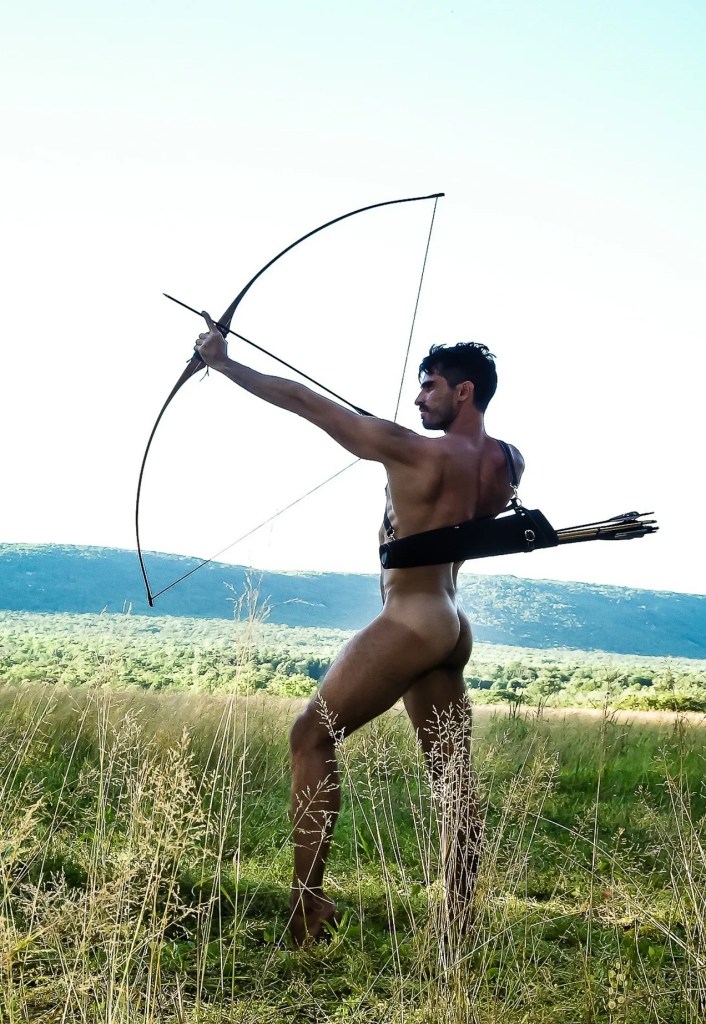
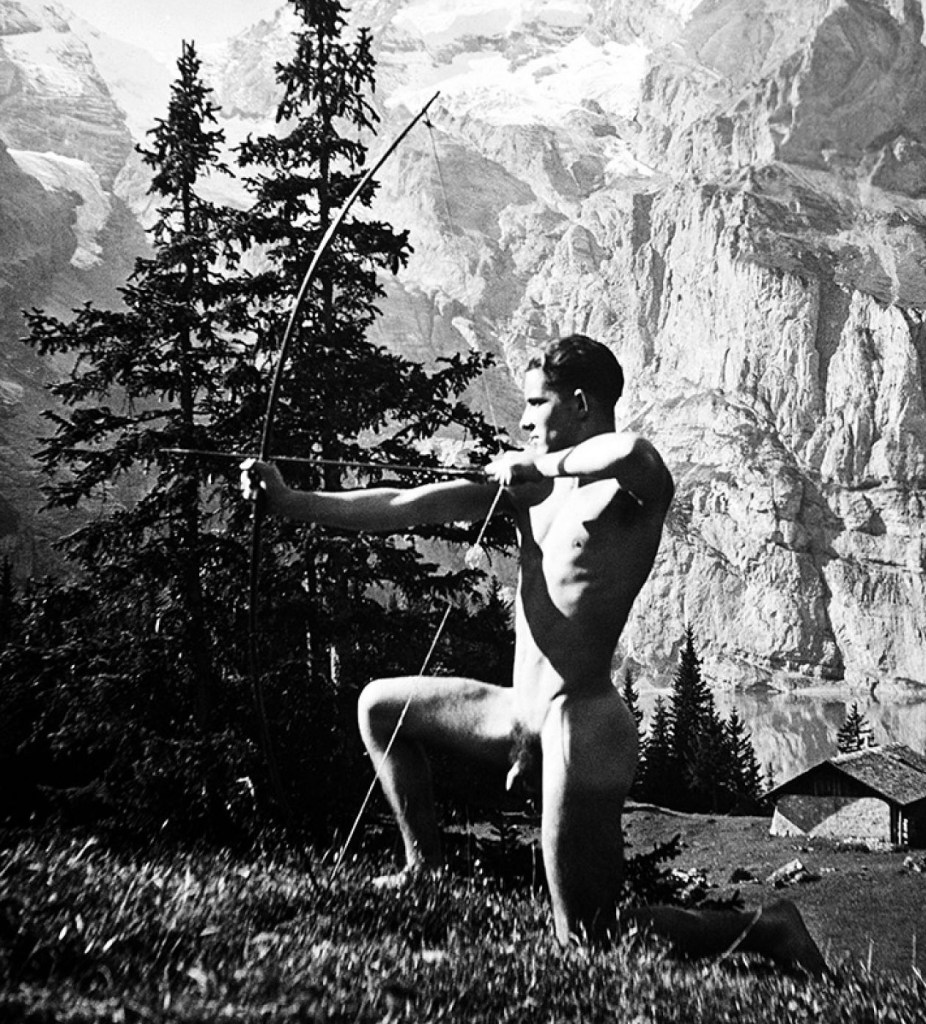

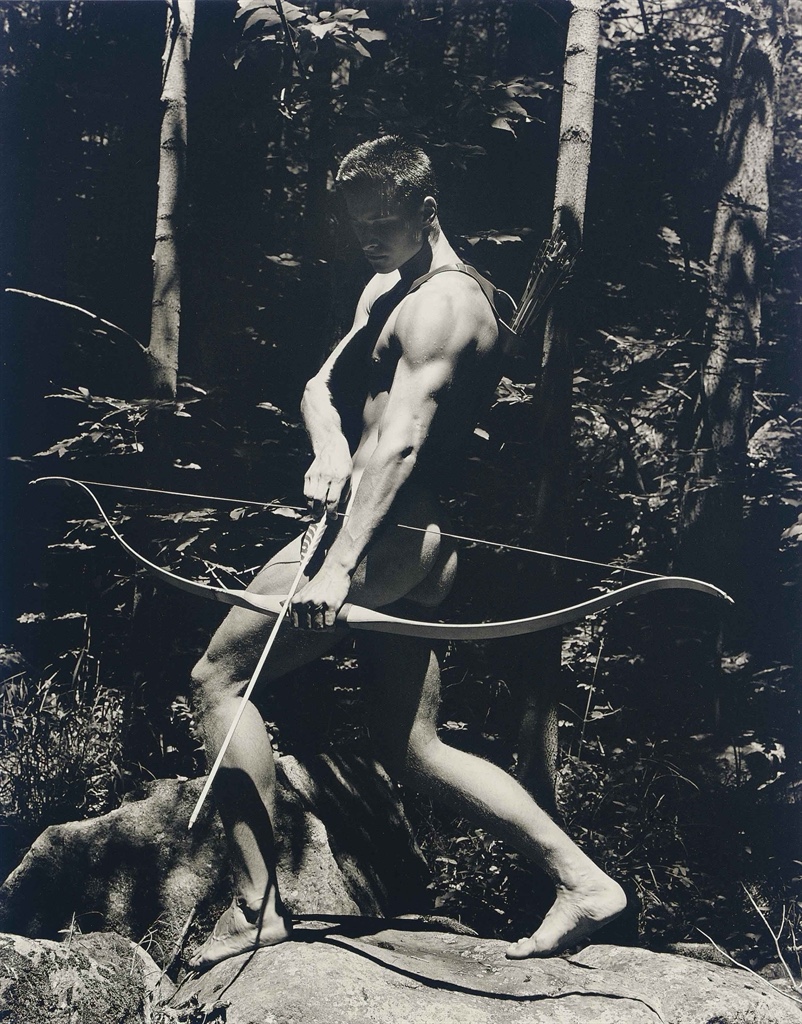

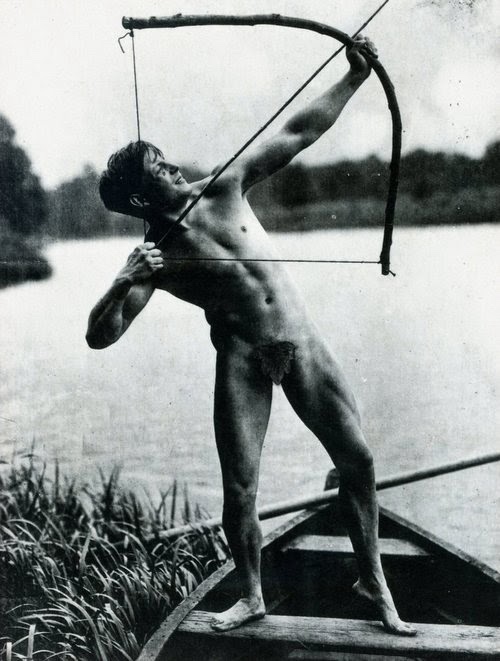

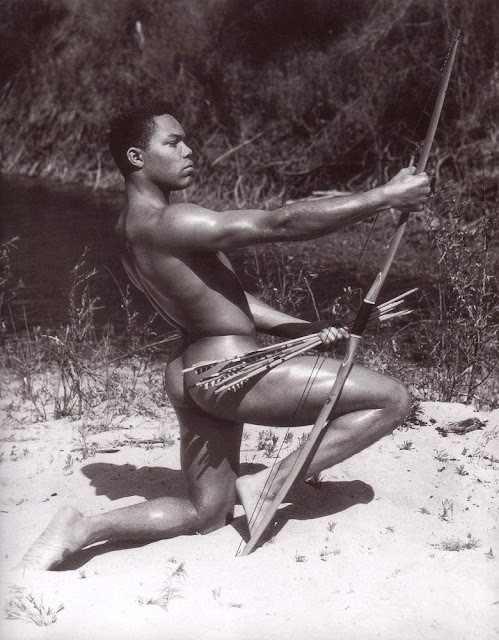
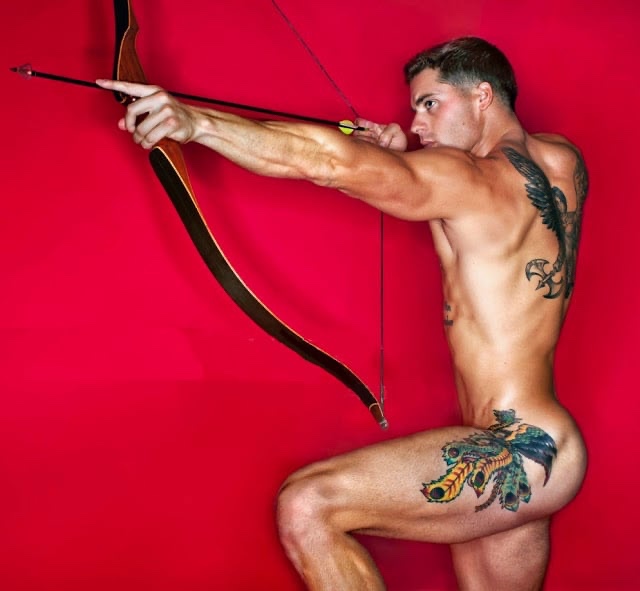
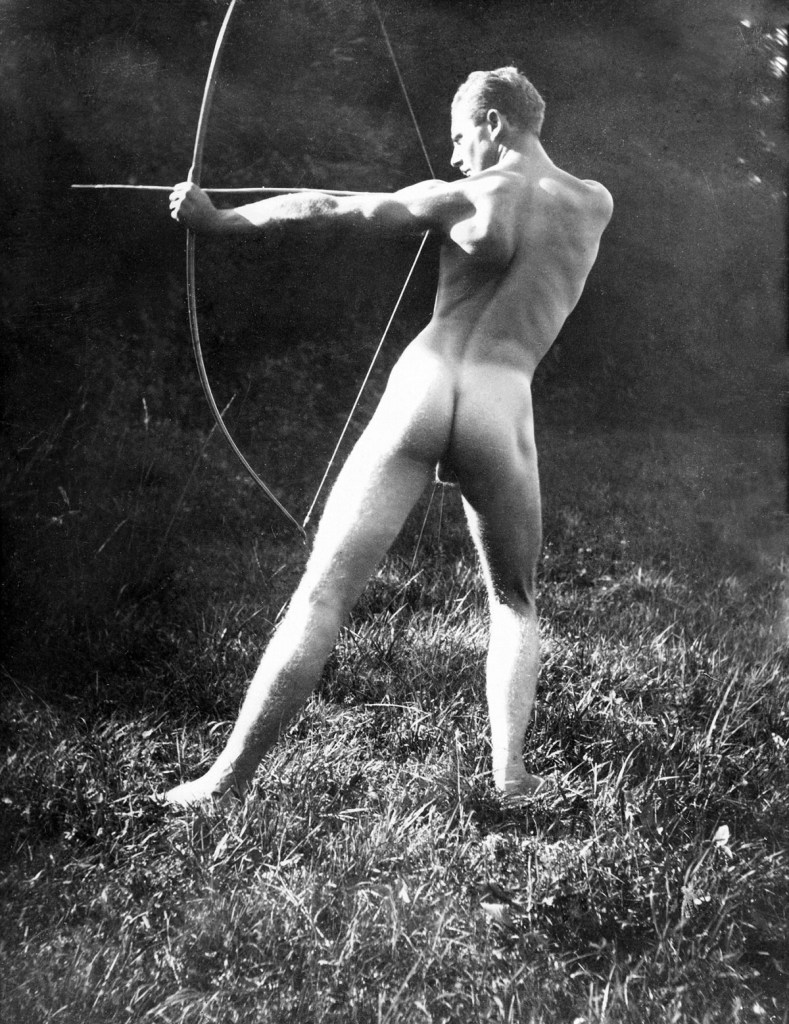
I’ll be honest, I don’t really care anything about archery, but I do like these pictures. There is just something very sexy about these adult Cupids. (I guess I should say Eros, Cupid’s Roman counterpart, is more often depicted as either an adult or young adult, whereas Cupid is more often depicted as younger.)
A Shameful Gesture in Pride Month
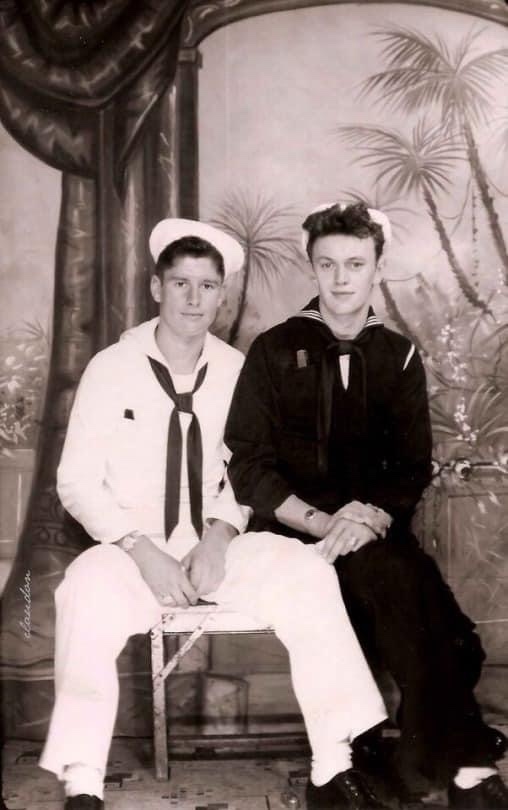
I’ll be honest—I’m angry.
This week, Defense Secretary Pete Hegseth announced that the Navy will be renaming the USNS Harvey Milk. Let that sink in. During Pride Month—a time when we reflect on the courage and contributions of LGBTQ+ individuals—he chose to strip Harvey Milk’s name from a Navy ship. It’s hard to see this as anything but a deliberate and deeply cynical move.
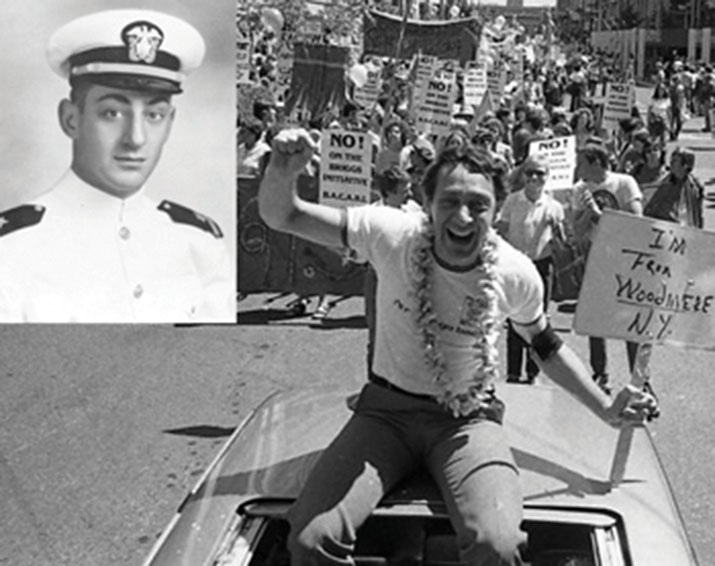
For those who don’t know, Harvey Milk wasn’t just a gay icon—he was a Navy veteran. He served this country. He wore the uniform. And after being discharged during an era when being openly gay meant exile or worse, he went on to become the first openly gay elected official in California. He fought for equality with both passion and integrity, and ultimately gave his life for the cause of justice and representation.
When the USNS Harvey Milk was christened, it felt like a small but meaningful step toward acknowledging that queer Americans have always served—often in silence, often in danger, always with dignity. That ship’s name stood for something more than just metal and machinery. It honored visibility, service, and sacrifice.
To remove that name—during Pride Month, no less—isn’t just tone-deaf. It’s cruel. It’s shameful. It’s part of a larger effort we’re seeing to roll back the clock on diversity, inclusion, and basic decency. This isn’t about strengthening the military. It’s about erasing queer people from the story of America. It’s about rewriting history in a way that suits a narrow, regressive agenda.
We’re told this has something to do with restoring “warrior ethos” and “core values.” But here’s what I know: real strength includes empathy. Real warriors fight for all people, not just the ones who look or love like them. Real leadership doesn’t cower behind performative patriotism—it uplifts the truth, even when that truth makes some people uncomfortable.
Secretary Hegseth’s record already includes a DUI arrest and a long list of questionable decisions. But this one? This feels personal. This feels targeted. This feels like a slap in the face to every queer person who has ever served this country and to everyone who continues to fight for equality and recognition today.
Harvey Milk once said, “Hope will never be silent.” And neither should we.
So no, we’re not going to sit quietly while our heroes are erased. We’re not going to accept Pride Month as a time for symbolic gestures and empty rainbows while the actual legacy of LGBTQ+ people is being dismantled. We’re going to keep remembering. We’re going to keep speaking. And we’re going to make damn sure that the name Harvey Milk is never forgotten.

Edmund White: Illuminating the Path of Gay Awakening Through Literature

Yesterday, the literary world bid farewell to Edmund White, a pioneering voice in queer literature, who passed away at the age of 85 in his Manhattan home. His death marks the end of a prolific career that not only chronicled the gay experience but also profoundly influenced countless individuals’ journeys toward self-discovery and acceptance.
Born in Cincinnati in 1940 and raised in Evanston, Illinois, White’s early life was marked by the societal pressures of conformity. Despite being accepted to Harvard, he chose to study Chinese at the University of Michigan to remain close to a therapist who promised to “cure” his homosexuality—a reflection of the era’s prevailing attitudes. This personal struggle became a cornerstone of his literary work, providing an authentic lens through which he depicted the complexities of gay life.
White’s debut novel, Forgetting Elena (1973), received acclaim from literary figures like Vladimir Nabokov. However, it was A Boy’s Own Story (1982) that solidified his place in literary history. This semi-autobiographical novel, the first in a trilogy, offered an unflinching portrayal of a young man’s coming-of-age and grappling with his sexual identity in mid-20th-century America. The trilogy continued with The Beautiful Room Is Empty (1988) and concluded with The Farewell Symphony (1997), each delving deeper into the evolving landscape of gay life.
In 1977, White co-authored The Joy of Gay Sex with Dr. Charles Silverstein. This groundbreaking manual combined candid discussions of sexual practices with insights into gay culture, politics, and relationships. At a time when such topics were taboo, the book served as both a practical guide and a bold statement of affirmation for the gay community.
White’s commitment to visibility extended beyond his writing. He was a founding member of the Violet Quill, a group of gay writers who sought to create literature that authentically represented their experiences. Additionally, he co-founded the Gay Men’s Health Crisis in 1982, the first organization dedicated to addressing the AIDS epidemic, demonstrating his dedication to activism and community support.
White’s influence permeated both literature and academia. He taught creative writing at institutions like Brown and Princeton, mentoring a new generation of writers. His literary contributions earned him numerous accolades, including the PEN/Saul Bellow Award for Achievement in American Fiction and France’s Ordre des Arts et des Lettres.
Beyond awards, White’s true legacy lies in the personal awakenings his work inspired. By articulating the nuances of gay identity with honesty and artistry, he provided readers with a mirror to see themselves and a window into the broader human experience. His narratives offered solace to those grappling with their identities and challenged societal norms, fostering greater understanding and acceptance.
As we reflect on the impact of pop culture on personal identity, as discussed in yesterday’s blog post, Edmund White’s contributions stand as a testament to the power of storytelling in shaping self-awareness and cultural perception. His voice may be silenced, but his words continue to resonate, guiding many on their paths to self-discovery.
Rest in peace, Edmund White. Your stories have illuminated the path for countless others.


Authors
Recent Comments
noisilycool3bc985058… on Dr. McDreamy Joe on Dr. McDreamy poetrybeautiful3d840… on Dr. McDreamy Joe on Dr. McDreamy noisilycool3bc985058… on Dr. McDreamy Top Posts & Pages


Amazon Associate

As an Amazon Associate I earn from qualifying purchases. So, if you click on a link that takes you to Amazon.com, I may earn a commission.
Trust me, it isn’t much, but every little bit helps.

 Joe
Joe


 The Closet Professor