My back pain got considerably worse over the weekend, and by last night it was unbearable enough that I ended up in the ER. They gave me some stronger painkillers and sent me home, but nothing has really helped so far. I tossed and turned all night, trying to find a comfortable position — there wasn’t one.
I’m hoping to get in to see my doctor today and figure out what comes next. Fingers crossed for some relief soon.
“See to it that no one takes you captive through philosophy and empty deceit, according to human tradition, according to the elemental spirits of the universe, and not according to Christ. For in him the whole fullness of deity dwells bodily, and you have come to fullness in him, who is the head of every ruler and authority.”
— Colossians 2:8–10
On this quiet Sunday, we hear Paul’s words to the church at Colossae, offering both a warning and a promise: we must not be led astray by false philosophies, but we can rest in the assurance that in Christ we are already made full.
It can feel intimidating when Paul warns against “philosophy and empty deceit,” but his concern is not about learning, thinking, or asking questions. He is warning us not to be convinced that we need anything more than Christ to be whole — not to be enslaved by systems that promise fullness but deliver only shame and fear.
For us as LGBTQ+ Christians, this is a deeply comforting and challenging truth. The world — and sadly, much of the church — has often told us we are incomplete, broken, disordered. They’ve claimed we need to be “fixed” or “delivered” from who we are. Those are indeed empty deceits. Paul’s words remind us not to be taken captive by those human traditions that deny the fullness God already gives us.
Because we have come to fullness in him.
We don’t need to contort ourselves to fit the world’s narrow definitions of holiness. Christ himself — the one in whom “the whole fullness of deity dwells bodily” — has made us complete. Our queerness does not separate us from that fullness, and no authority on earth has the right to tell us otherwise.
So, let us stay watchful: testing the messages we hear to see whether they align with the love, grace, and truth of Christ. And let us stay secure: knowing that we are already whole in him, without shame, without needing to erase who we are.
We are not lacking. We are not less-than. We are already full — because Christ is full, and we are in him.
On this Sunday, may we feel that fullness in our hearts. May we resist the voices that would try to take us captive through deceit. And may we rest in the truth that Christ himself makes us complete — wonderfully and perfectly made in his love.
Please stick to the rivers and the lakes that you’re used to
I know that you’re gonna have it your way or nothing at all
But I think you’re moving too fast🎶
—“Waterfalls” TLC
The lyrics above are from the song “Waterfalls” by TLC. They speak not only to the swift, dramatic plunge of water over a falls, but also to the way people often let life rush past them—always chasing the next thrill or achievement—until suddenly, it’s over. Good advice often goes unheeded when someone is determined to forge their own path, even recklessly.
While the singer warns of the chaos that can come from moving too fast, she also urges thoughtfulness and peace. The chorus reminds us to live each moment fully and intentionally, making the best of the time we have.
This perspective echoes the wisdom of Marcus Aurelius in Meditations: “Dwell on the beauty of life,” and “Do not act as if you were going to live ten thousand years. Death hangs over you. While you live, while it is in your power, be good.”
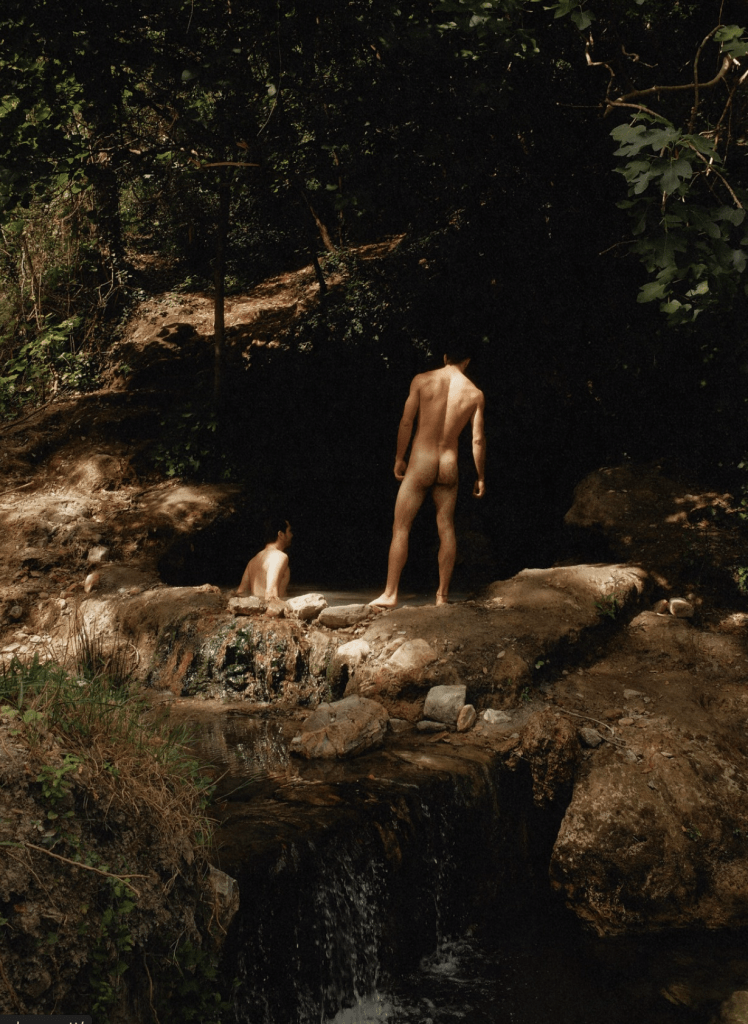
Take a breath. Find your river or lake—and appreciate its quiet beauty.
Thank goodness, it is finally Friday. This week has felt unusually long—one of those where Friday seemed like it would never arrive—but here it is at last. I’ll be working from home today, which also means I’ll likely sneak in a few loads of laundry between emails and projects. That’s life.
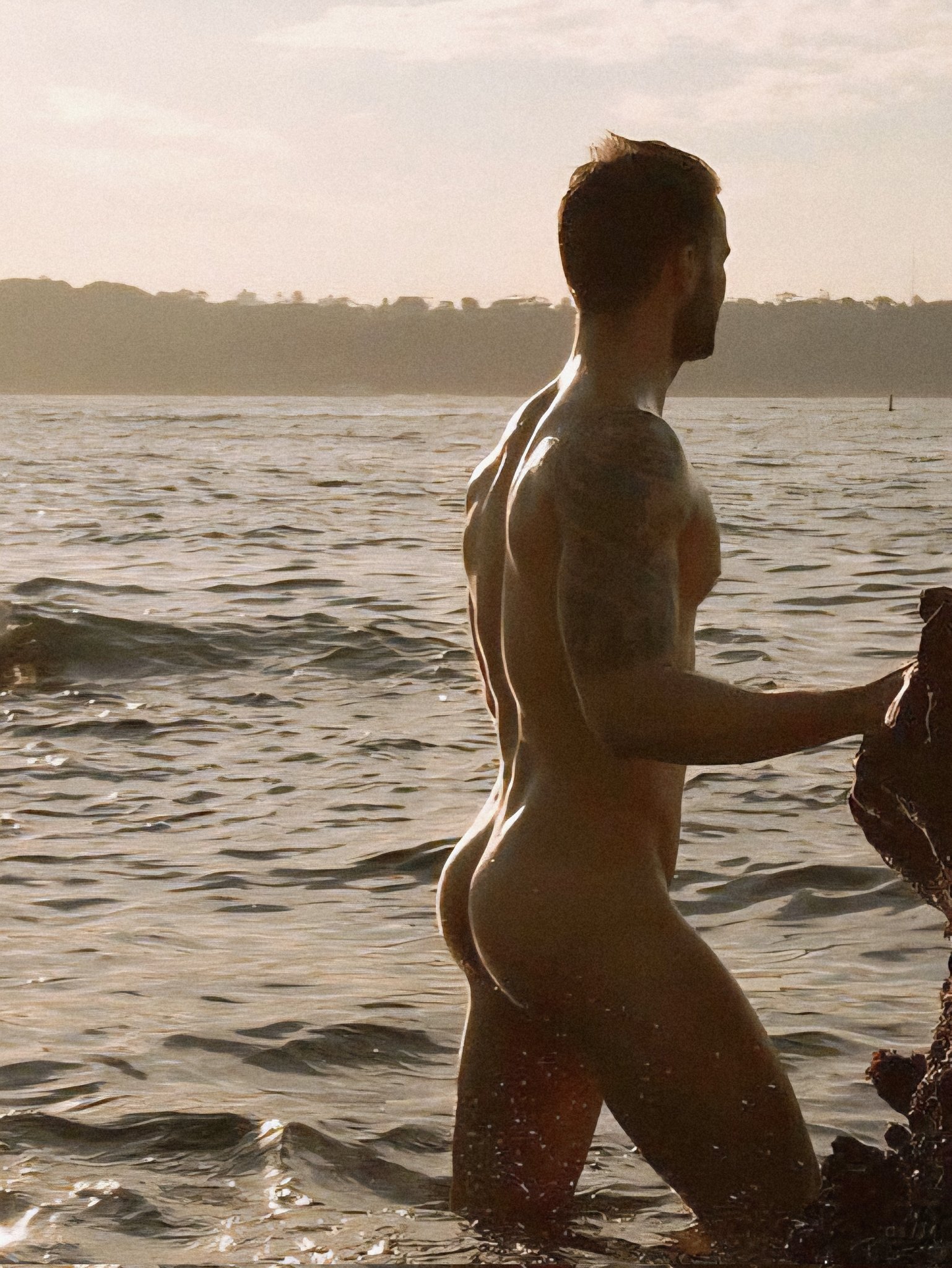
At least it’s supposed to be a beautiful day. Tomorrow promises more sunshine and even better weather, and I’m planning to take full advantage of it. I’ve decided to go hiking around Lake Willoughby, a glacial lake in northern Vermont known for its incredible clarity, chilly waters, and breathtaking scenery. From the pictures I’ve seen, it’s no wonder it’s considered one of the most beautiful lakes in New England.
Looking north from above south shore of Lake Willoughby, with Mount Hor on the left and Mount Pisgah on the right.
I’m looking forward to a day spent in nature—hiking, relaxing, and hopefully finding a quiet spot on the shore to sit in the sun and read. Whether I make a full day of it or just a few hours, I’ll have plenty of water with me, and of course, I won’t forget the sunscreen.
But first, there’s this work-from-home Friday to get through. Hopefully, it will be easy enough, and then I can start the weekend properly.
How are you planning to spend your weekend? Do you have a favorite spot in nature to relax and recharge?
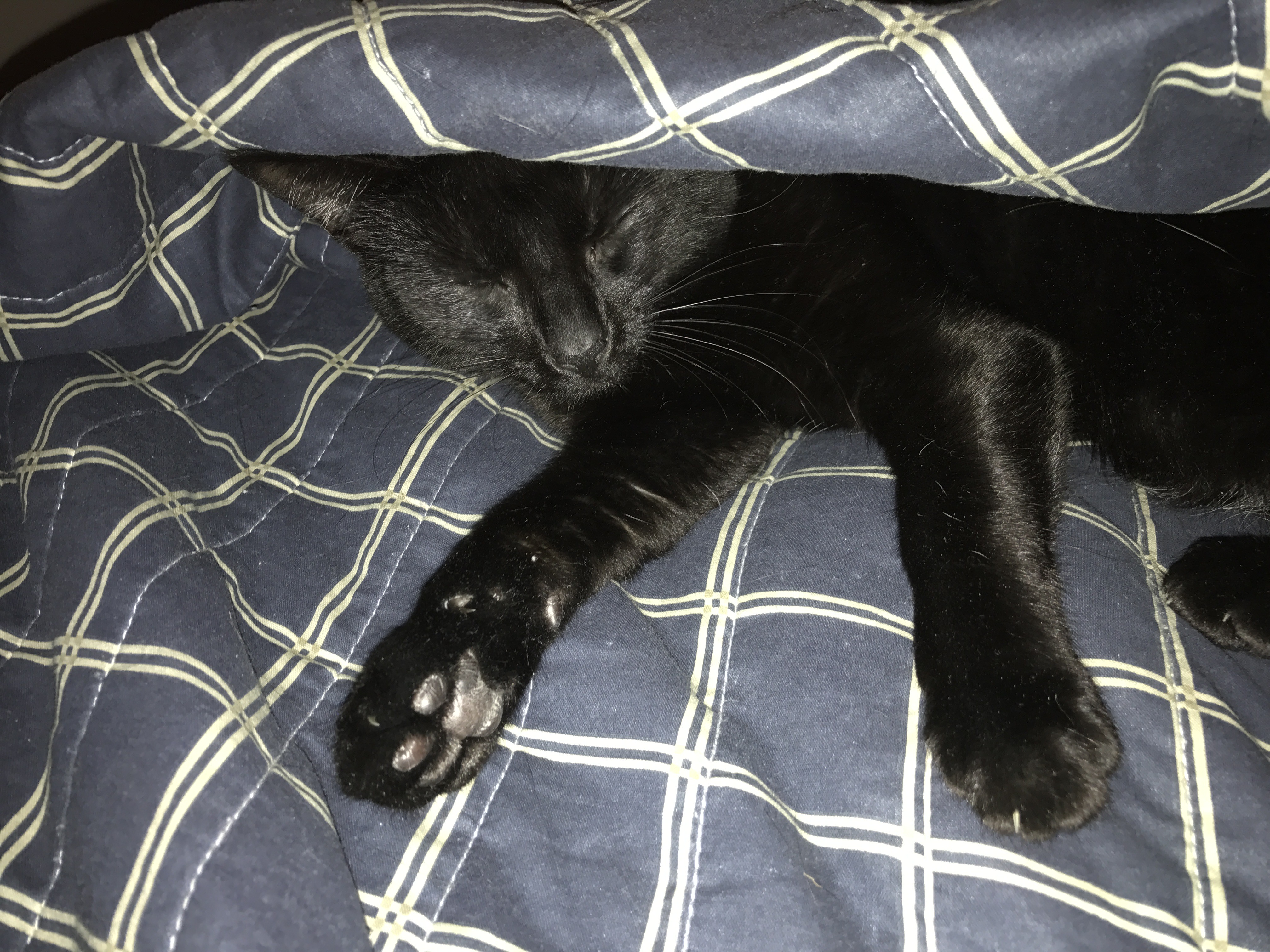
Here’s your Isabella pic of the week, proving once again that she’s the queen of cozy. Half-covered by a blanket and looking absolutely adorable, she’s clearly mastered the fine art of Friday relaxation.
One of the oldest and most provocative questions in art history is what counts as art? That question becomes even more layered when we look at gay-themed films. Are they art? Are they pornography? Or something else entirely?
Last week, in my post “Can Gay Porn Be Considered Art?”, I explored how even pornography can rise to the level of art when it’s created with intention, craft, and meaning. This week, I want to turn to films—particularly gay-themed ones—and ask: where do they fit on the spectrum between art and pornography?
Let’s start at the beginning: Are films art?
The answer from an art historical perspective is a resounding yes. Cinema, from its very birth, was hailed by some as the most modern and democratic art form—capable of bringing storytelling, image, sound, and emotion into a single, immersive experience.
But when sex enters the frame, things get complicated—particularly for films with queer themes.
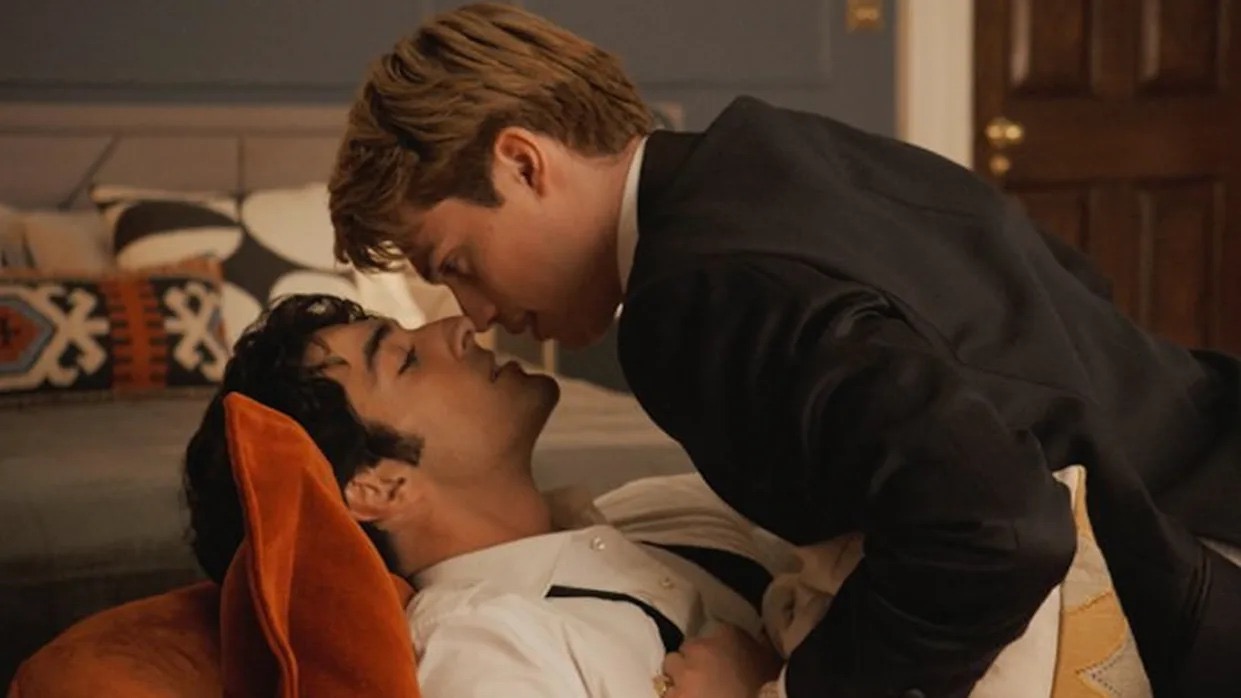
Red, White & Royal Blue
Consider Red, White & Royal Blue, which generated considerable buzz in the gay community for its romantic and tender love scenes. The two leads engage in intercourse—though we see no frontal nudity or penetration, and most of the actual sexual act is in the facial expressions of the two main characters. The narrative focuses on their emotional and political stakes as much as their physical passion.
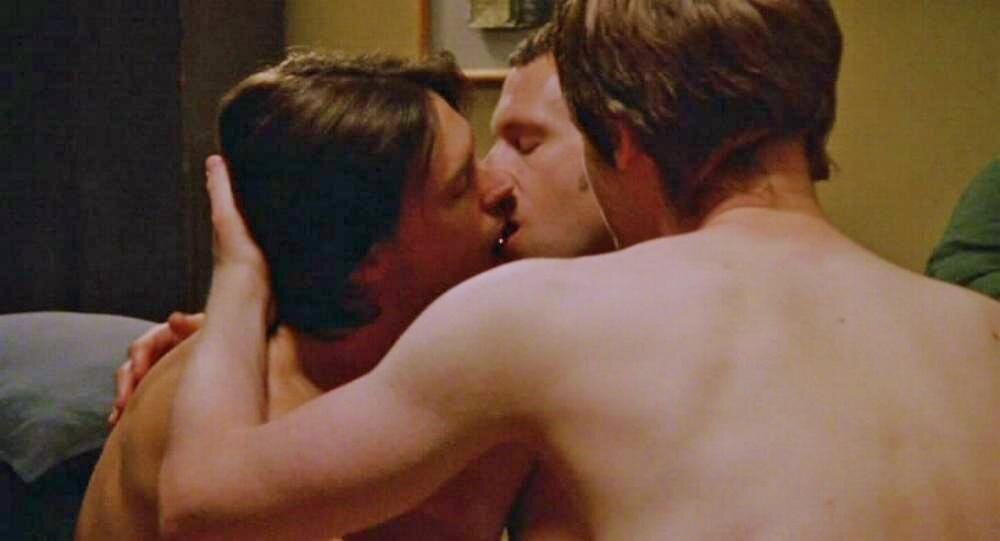
Shortbus
But compare that to Shortbus, the groundbreaking 2006 independent film featuring gay and straight characters exploring sexuality, intimacy, and loneliness. It famously includes unsimulated sex scenes—autofellatio, rimming, ejaculation, and more—woven into a story about connection in New York City. Despite its graphic imagery, many critics and audiences hailed Shortbus as an art film because the sexual content was in service to its humanistic and narrative vision.
Minx
Then on the other end of the spectrum are campy, sex-forward comedies like the Eating Out series or Another Gay Movie, which parody and revel in gay hookup culture with winks, nudity, and humor. These films are explicitly about sex, but in a light, comic, self-aware way—not quite pornography, but certainly not subtle. In the same vein, we might put certain HBO shows (The White Lotus, Euphoria) or Minx (on HBO/Starz), which features an extraordinary amount of male frontal nudity but uses it to explore the 1970s porn industry with a feminist and comedic slant.
So, where do we draw the line between art and pornography?
It’s not always clear—and, as you pointed out, it may well be “in the eye of the beholder.” In general:
Pornography tends to have a singular, utilitarian purpose: sexual arousal and entertainment. It doesn’t usually ask its audience to reflect, empathize, or wrestle with deeper meaning. However, even pornography can be considered art, as I wrote about in last week’s post, “Can Gay Porn Be Considered Art?”—and I think it can be. When crafted thoughtfully, with aesthetic intention and emotional resonance, even porn can rise to the level of art.
Art, even when explicit, usually serves a broader purpose—telling a story, exploring vulnerability, interrogating social norms, or celebrating intimacy.
That doesn’t mean art can’t also be arousing—just as Mapplethorpe’s photographs or Greek kouroi might still thrill us centuries later. The difference lies in intent and context.
Many of these films (and TV series) deliberately blur the line. Shortbus was attacked by some as pornography precisely because it showed real sex acts, but defended as art because it was about loneliness, connection, and what it means to be human. Meanwhile, Red, White & Royal Blue was criticized by some for being too tame, choosing romantic convention over sexual candor—but it, too, is art, in the sense that it tells a story about love and identity.
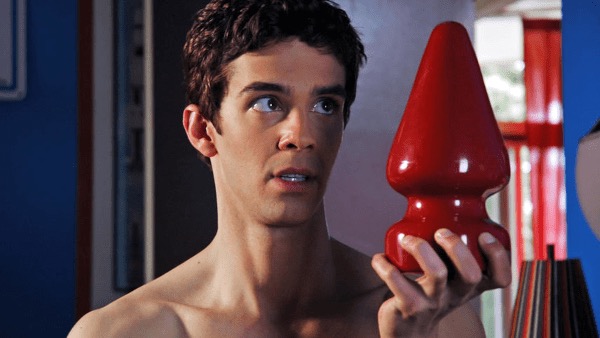
Another Gay Movie
Even campy comedies like Another Gay Movie or series like The White Lotus are part of this conversation—using nudity and sexual humor partly to titillate, yes, but also to satirize and expose cultural hypocrisy.
Personally, I tend to agree that much of what we call pornography is shallow and transactional, whereas even the most sexually explicit arthouse films still aspire to say something about the human experience. Then again, as I’ve also noted, some modern “art” (abstract or otherwise) can feel just as empty or pretentious to some of us as porn can.
We as gay viewers—long denied honest representations of ourselves—have often sought out films that blurred the line between art and eroticism, because sometimes that’s where we feel most seen. Cinema remains, perhaps, the most widely consumed art form in the gay community—precisely because it can contain beauty, sex, tenderness, and critique all at once.
What do you think? Have you seen a film (Shortbus? Minx? Another Gay Movie?) that you felt crossed a line—or one that made you feel understood? Does the presence of graphic sex diminish a movie’s artistic value for you—or enhance its honesty?
Let’s keep the conversation going in the comments.

















 Joe
Joe




 The Closet Professor