
Category Archives: Photography


Dog Days Done
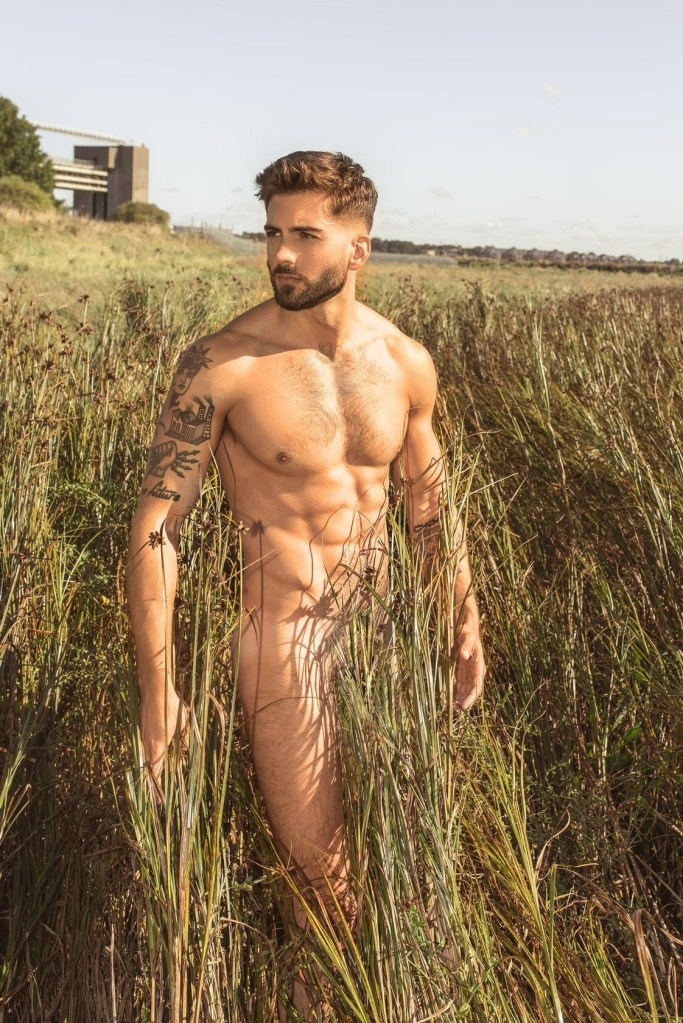
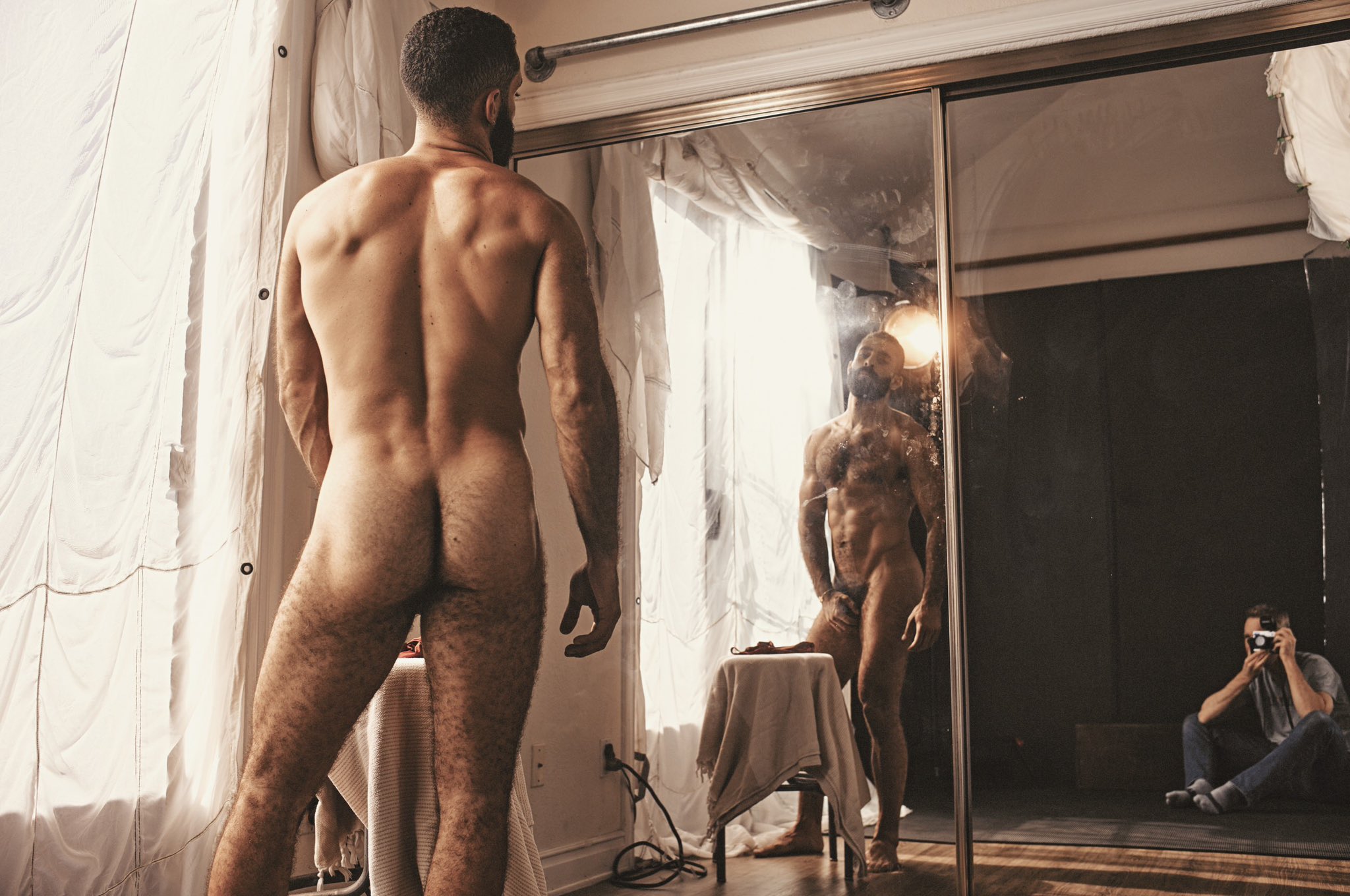
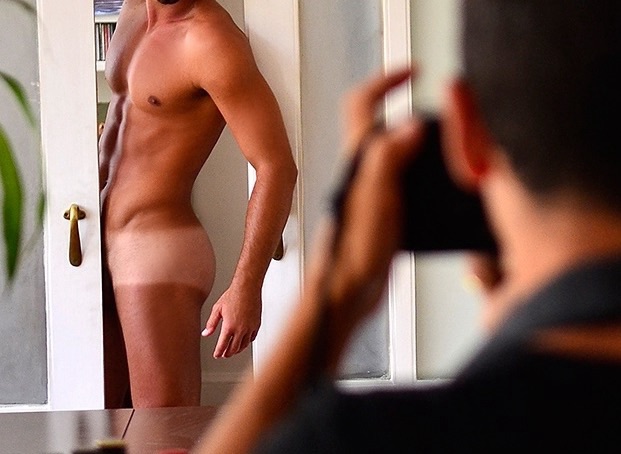
Today’s poem arrives right on cue at the close of the Dog Days of Summer. As of yesterday, August 11, those long, sultry days ended; today, August 12, begins the slow march toward autumn. Salena Godden’s “Dog Days Done” captures this turning point with sensual, lyrical detail—personifying summer’s departure and autumn’s arrival in a way that feels both personal and universal. Godden, a British poet and novelist of Jamaican-Irish heritage, writes from a place of inclusivity and celebration, embracing her own bisexual identity and the diverse experiences that shape her work. In this piece, she reminds us that every ending is also a beginning.
Dog Days Done
By Salena Godden
Summer lifts her skirt
revealing a glimmer of
amber, light and yellow.
Summer takes her time
to pack her belongings,
her weary butterflies
and thirsty bees.
And somewhere
in a distant field
August writes
goodbye letters
in gold on hay
and corn and
chestnut and you.
The morning after
the first thunderstorm
you’ll open the window
and smell it changed,
wafts of smoke,
and rain and past.
This ending
is a beginning.
Make hay
and make love,
gather bilberries
and blackberries.
Dog days done,
Sirius is south,
the last burst of roses,
apples and cider,
the Lughnasadh feast,
the tomato harvest,
the fruits so red and ripe
in September’s hands,
summer feeding
autumn’s mouth.
About the Poem
“Dog Days Done” is a rich meditation on the seasonal turning point between the sultry heat of late summer and the first breath of autumn—precisely the transition we enter today. Godden personifies summer as a graceful, almost theatrical figure—“Summer lifts her skirt / revealing a glimmer of amber”—infusing the natural shift with sensuality and warmth.
Throughout, the imagery pulses with the fatigue and richness of August: “weary butterflies” and “thirsty bees” suggest both the end of a long labor and the sweetness that remains. The image of August writing goodbye letters in gold merges the agricultural—hay, corn, chestnut—with the personal—“and you”—inviting the reader into the intimacy of the season’s farewell.
The poem pivots on the moment after the first thunderstorm, when you “smell it changed,” a sensory shift signaling not loss, but renewal: “This ending / is a beginning.” Godden’s call to “Make hay / and make love” bridges work and pleasure, grounding the cyclical rhythm of the seasons in human touch and connection.
Her reference to the Lughnasadh feast places the poem firmly within a deep cultural and historical tradition. Lughnasadh, a Celtic festival named for the god Lugh, marks the beginning of the harvest season, traditionally celebrated on August 1 with games, markets, feasting, and offerings of the first fruits. It honors both the labor of the growing season and the gratitude for its bounty. By invoking it here, Godden aligns the personal and the cosmic—her imagery becomes not just about the turning of the weather, but about humanity’s timeless connection to the land and the cycles that sustain us.
Her closing lines—“summer feeding / autumn’s mouth”—collapse the boundaries between past and future, underscoring how every ending carries the seeds of what follows. There is also, in the openness of her imagery, a quiet inclusivity: love, labor, and renewal belong to everyone, a reflection of Godden’s own embrace of diverse identities and experiences.
About the Poet
Salena Godden is a British poet, author, broadcaster, and performance artist of Jamaican-Irish heritage, widely regarded as one of the most dynamic voices in contemporary UK literature. Her work spans poetry, memoir, essays, and fiction, with collections such as Under the Pier (2011), Fishing in the Aftermath: Poems 1994–2014 (2014), Pessimism Is for Lightweights – 13 Pieces of Courage and Resistance (2018), and With Love, Grief and Fury (2024). Her debut novel, Mrs Death Misses Death (2021), won multiple awards and was shortlisted for others, cementing her place as a distinctive and daring storyteller.
Openly bisexual, Godden’s creative life has often been shaped by queer spaces and sensibilities. She has spoken of writing in “glorious gay bars” and embraces a worldview informed by inclusivity, fluid identity, and celebration of difference. These values infuse her work with a generosity of spirit and a refusal to confine human experience to narrow definitions.
Elected a Fellow of the Royal Society of Literature, Godden is also an acclaimed performer, known for her live readings that blend lyricism, humor, and political consciousness. Her poetry often carries both the intimacy of lived experience and the resonance of myth, connecting personal moments to universal cycles—much like the seasonal turn captured in “Dog Days Done.”
Posing the Ideal: The Enduring Language of the Male Nude
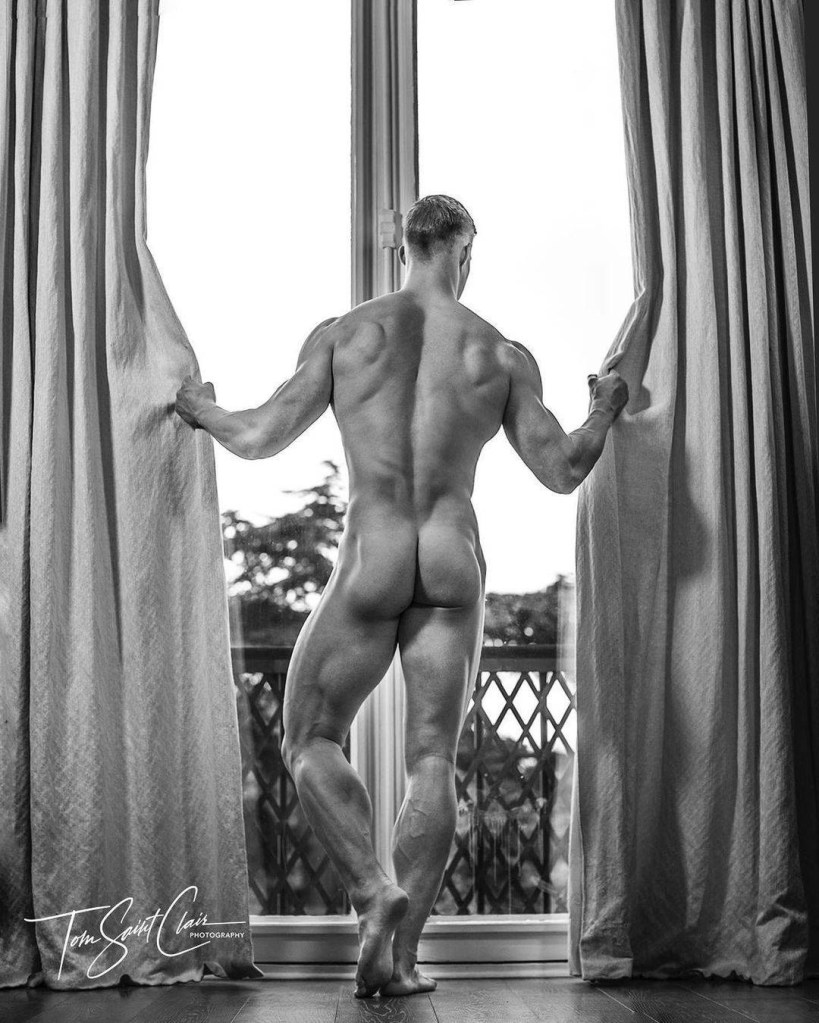
From the marble gods of antiquity to the chiaroscuro of contemporary fine art photography, the male nude has long served as a canvas for ideals—beauty, heroism, eroticism, even vulnerability. While fashions shift and aesthetics evolve, certain poses recur again and again across centuries, connecting ancient sculptors with modern photographers, and Renaissance artists with queer creators exploring body and identity. These poses are not random; they are visual codes, passed down like a secret language. Below are ten of the most iconic, from the classical to the contemporary.
Contrapposto — The Classical Stand
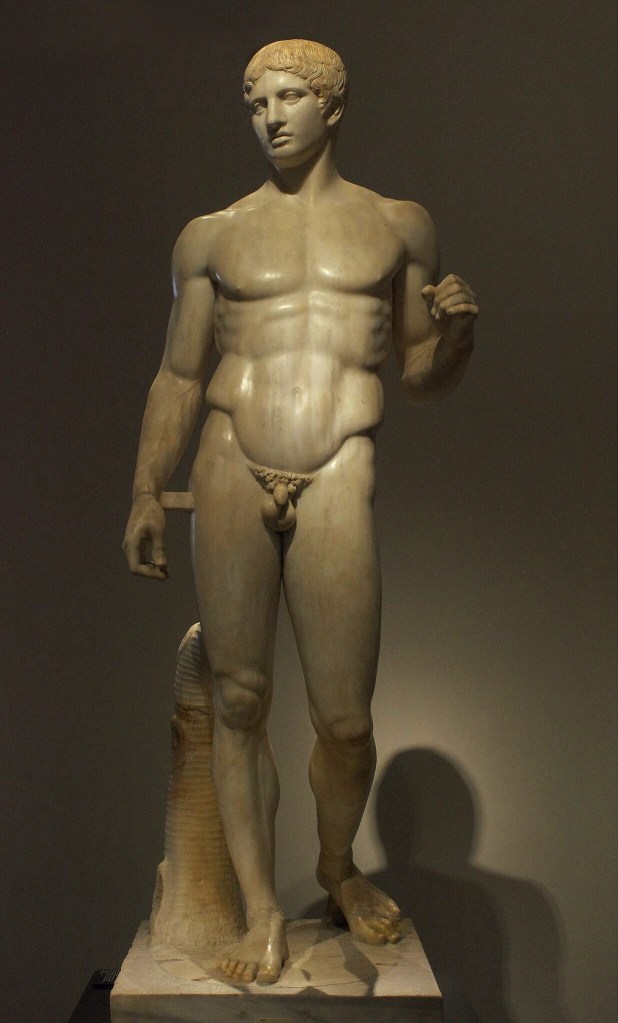
The contrapposto is perhaps the most recognizable pose in Western art. One leg bears weight while the other relaxes, creating a subtle S-curve in the spine and a naturalistic opposition of shoulders and hips. It suggests calm confidence, inner balance, and effortless beauty—a divine masculinity grounded in the human form. This pose remains a standard in fine art photography, particularly in black-and-white portraiture where tension and repose dance together in the frame.
The Heroic Nude
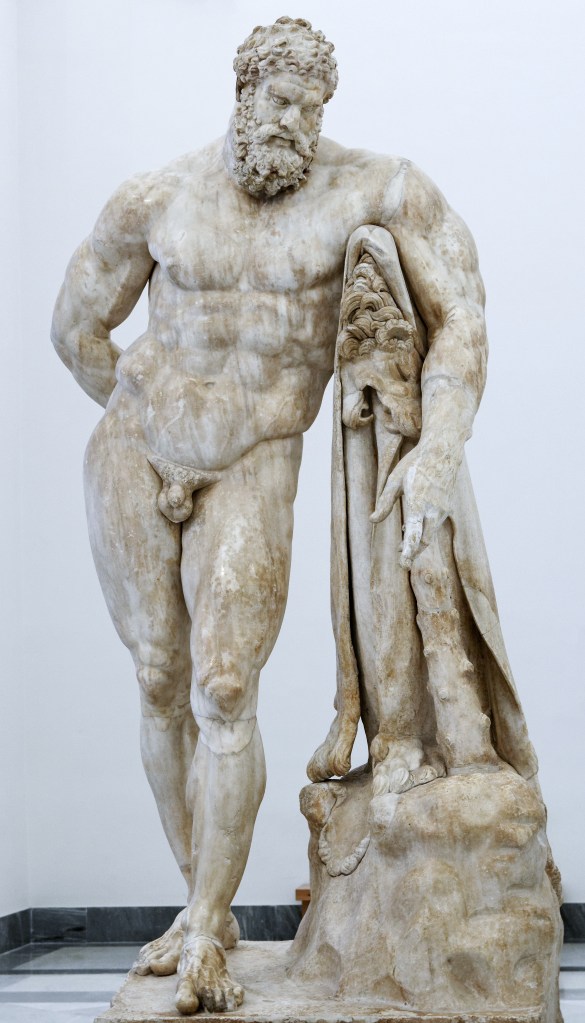
This pose stretches the body into exaggerated musculature—shoulders squared, stance wide, genitals often prominently displayed. In mythological sculptures and athletic statues, the heroic nude expressed power without armor, valor without shame. Modern echoes appear in Bruce Weber’s Calvin Klein ads or Tom of Finland’s hyper-masculine pinups, though with more erotic charge and often a wink of camp.
The Reclining Nude

Lying down, one arm behind the head, the other draped or trailing—the reclining male body exudes sensuality. Unlike the upright hero, the reclining nude invites the viewer in. It’s a pose of leisure, of trust, of soft exposure. In contemporary photography, it appears in the work of Robert Mapplethorpe and Herb Ritts, sometimes erotic, sometimes contemplative, but always intimate.
The Standing Frontal Nude
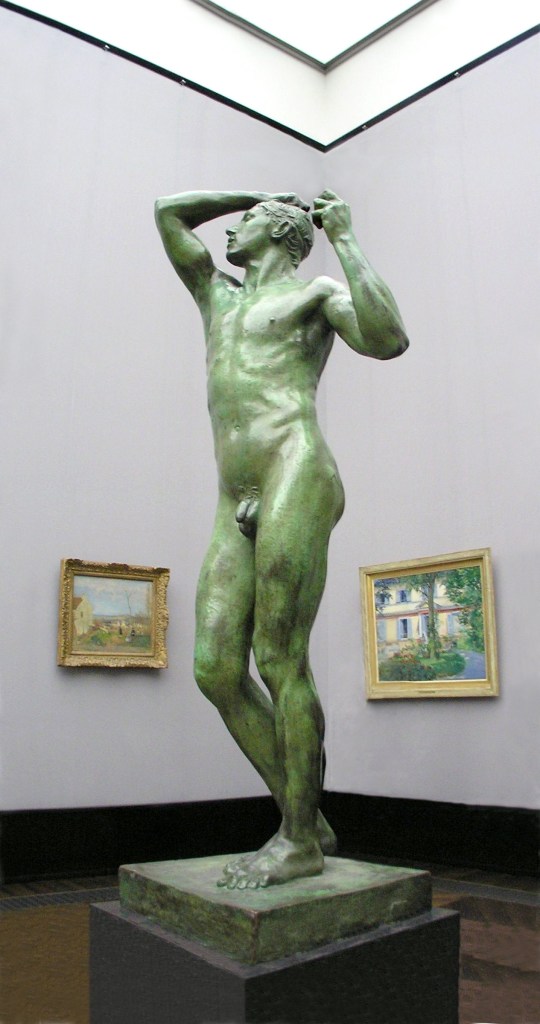
The fully frontal male nude remains one of the boldest artistic statements. It can convey power, but also deep vulnerability. With no turn of the hip or modest shadow, the body is presented in full—often rigid, symmetrical, and deliberately confronting the viewer. In photography, artists like George Platt Lynes and John Dugdale have used this pose to explore identity and embodiment with quiet boldness.
The Crouching Nude
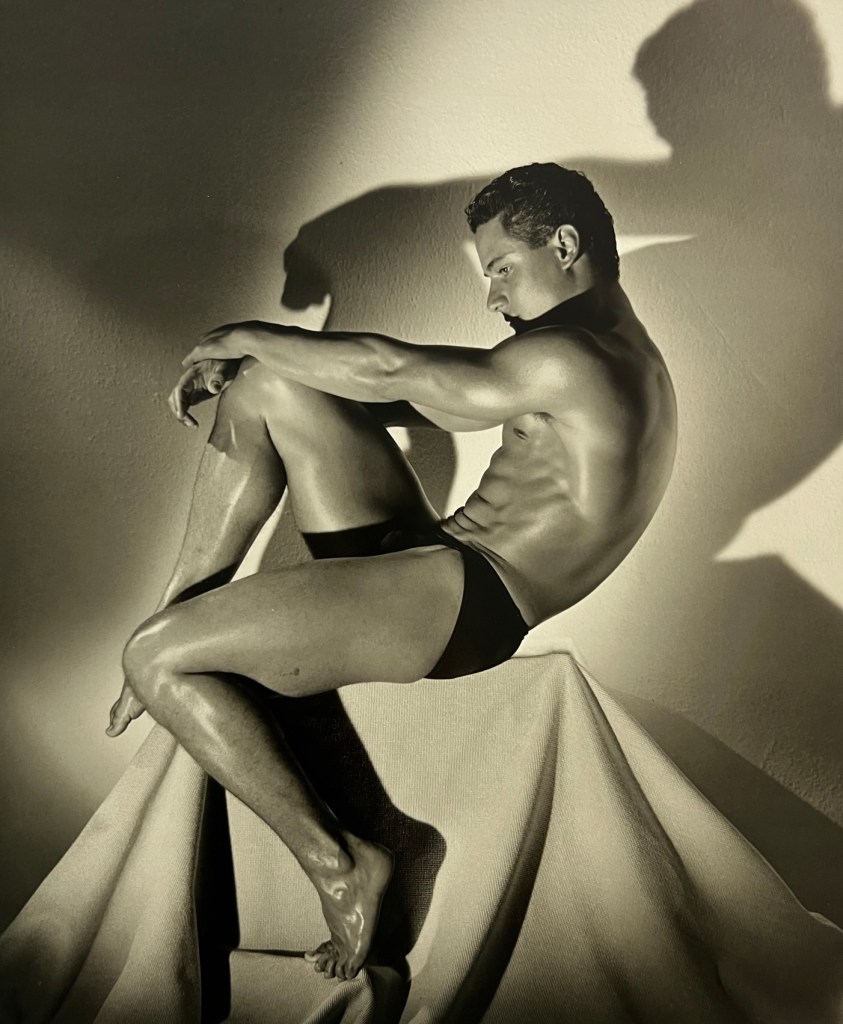
Though more common with female nudes, the crouching pose has become a staple in expressive male photography—knees drawn up, torso folded inward, arms wrapped across chest or thighs. It signals protection, introspection, or erotic containment. Contemporary artists like Omar Z. Robles or Ren Hang have used this pose to convey psychological intimacy, even fragility.
The Twisted Torso

Tension defines this pose—one limb pulled back, the torso twisted, spine coiled like a spring. It’s dynamic and dramatic, revealing musculature in full stretch and flex. In photographs, this pose dramatizes motion and often captures the male body mid-action—whether in dance, sport, or erotic tension. Think of dancer-turned-models in chiaroscuro-lit poses by photographers like Rick Day or Clive Barker.
The Averted Gaze
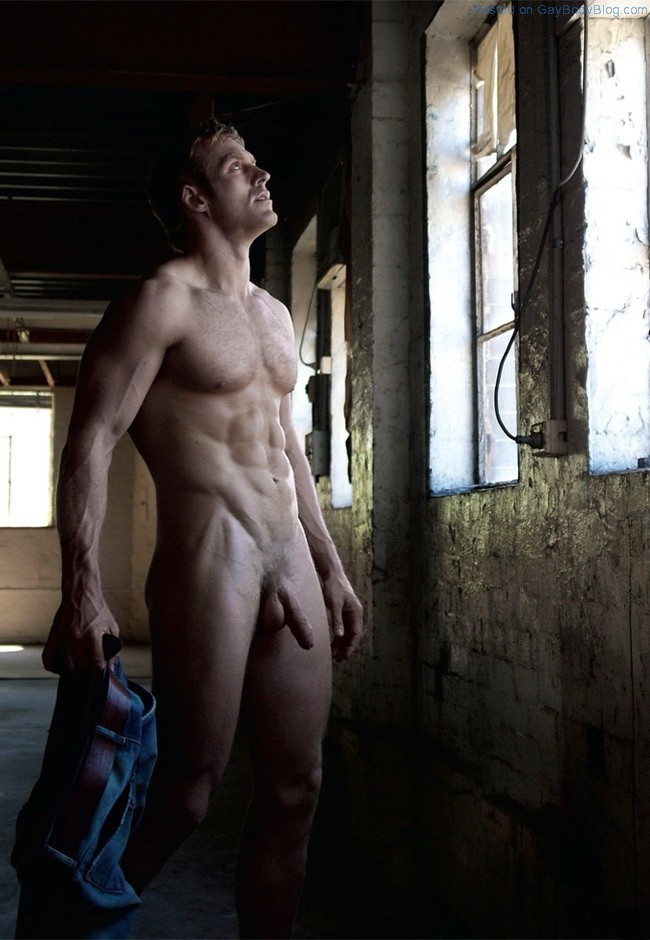
This pose isn’t about the body so much as the gaze—or lack thereof. The male nude who looks away, whether shy, lost in thought, or caught in reverie, offers something emotionally elusive. In modern portraits, the averted gaze disarms the viewer: the nude isn’t performing for us, but existing despite us. It’s a favorite in modern queer portraiture, from artists like Duane Michals or Paul Freeman.
Arm Over Head — The Display of Strength and Vulnerability

An arm raised behind the head lengthens the body, stretching the torso and exposing the armpit—an often-erotic gesture in male imagery. Saint Sebastian, often portrayed in this pose, became a queer icon through his sensual vulnerability. Today, this pose appears in both fitness photography and erotic art, especially where strength and submission intertwine.
Memento Mori — The Nude and Mortality
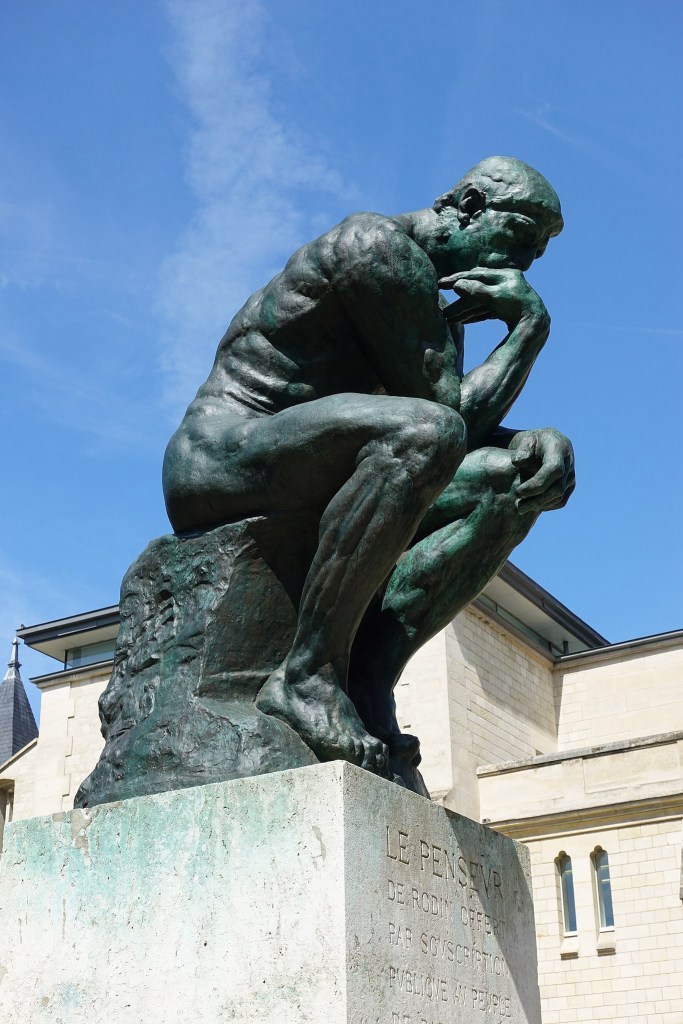
This pose shows the male body entwined with symbols of death—a skull, a candle, a vacant stare. The man may be seated, leaning on one arm, lost in thought or grief. The erotic body meets existential dread. In contemporary queer art, this pose often reappears in AIDS-era photography—Peter Hujar and David Wojnarowicz come to mind—where the beauty of the body confronts its own impermanence.
The Mirror Pose

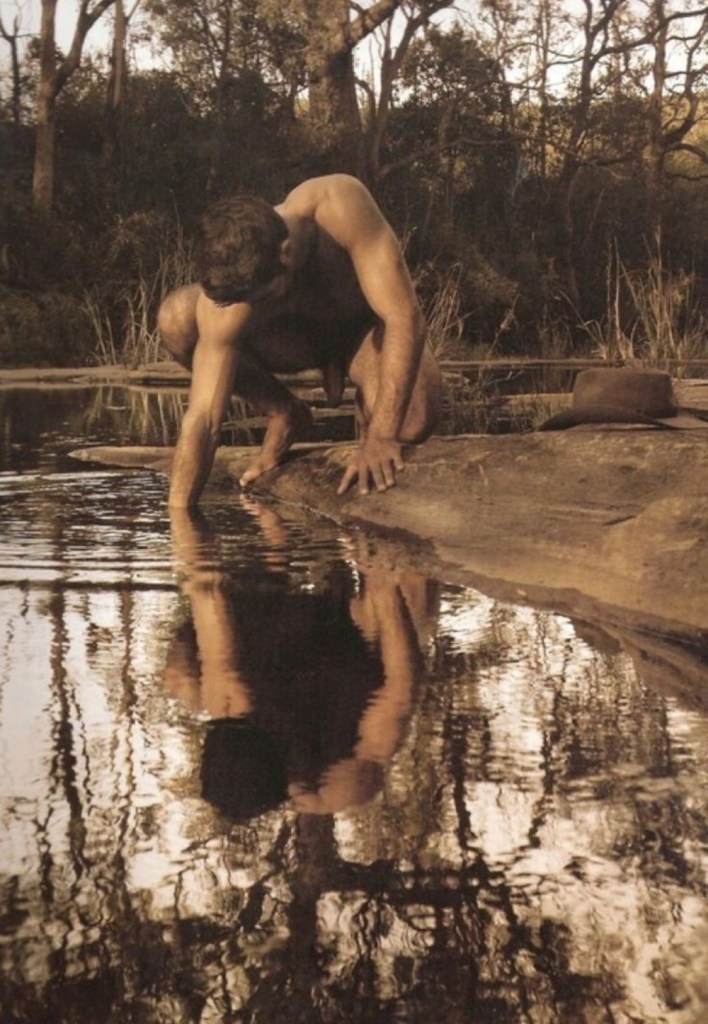

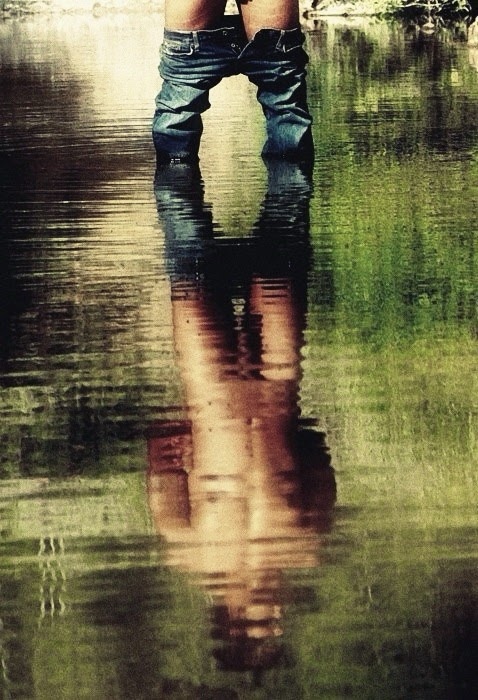
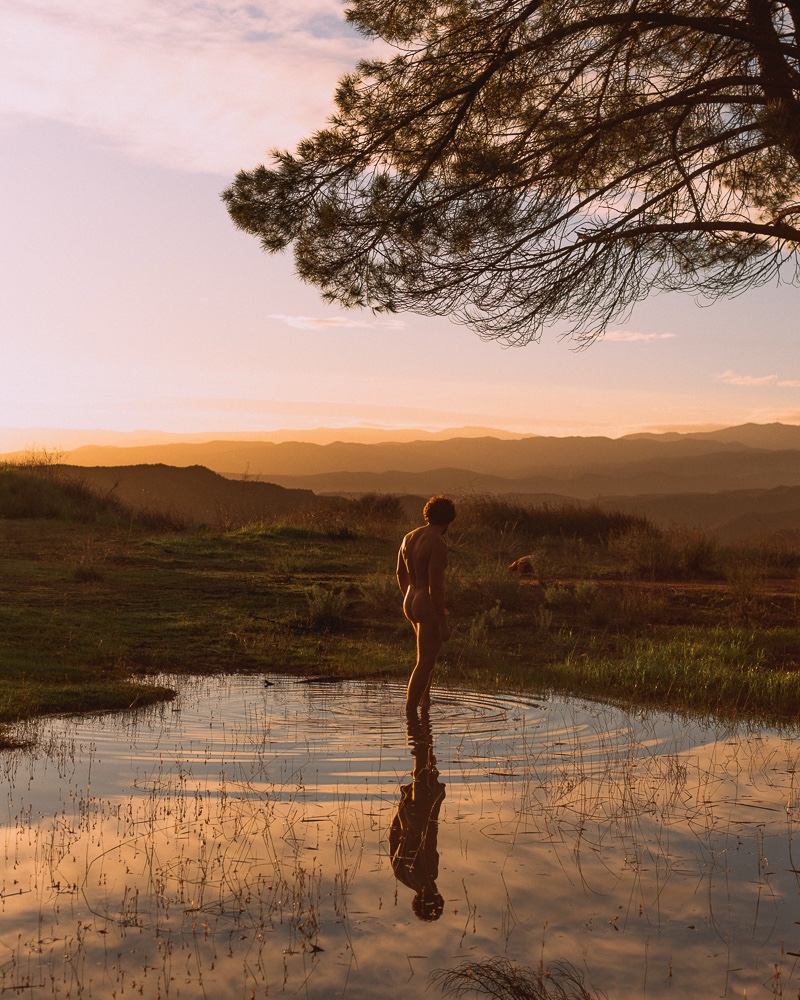

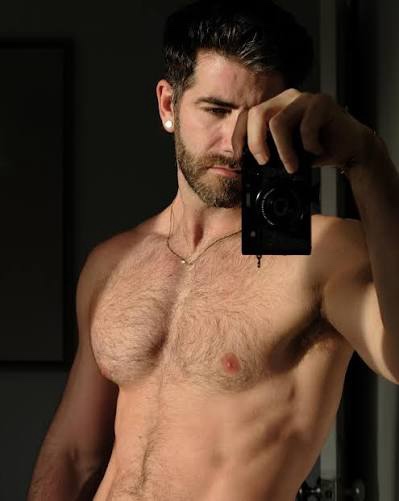
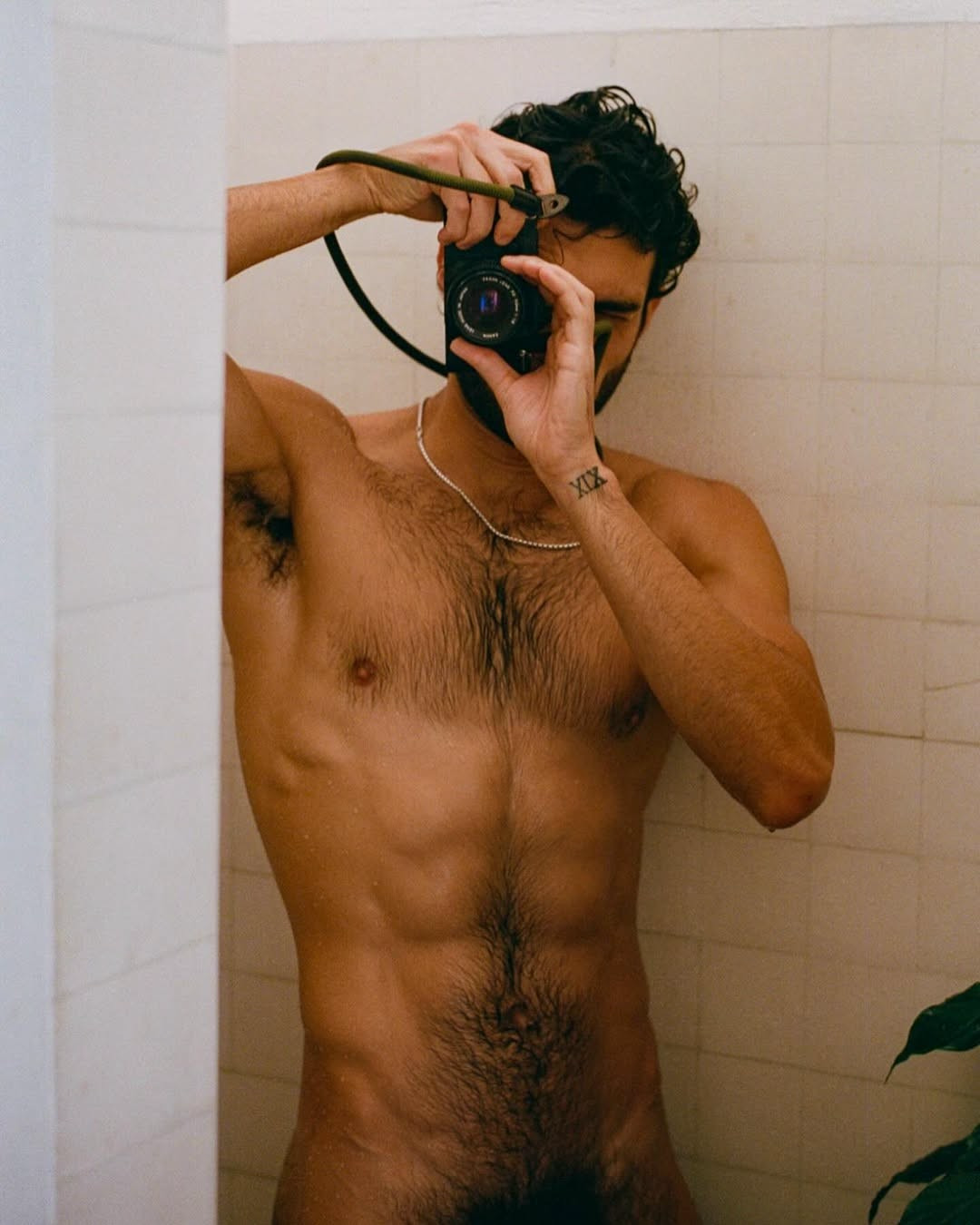
The male nude gazing at his reflection—either literally or metaphorically—carries a rich history of both vanity and self-awareness. In modern work, this pose has become a commentary on queer desire, identity, and self-recognition. Whether through mirrored images, doubled exposures, or paired models, the mirrored pose flirts with the erotic and the existential: Who do we see when we look at ourselves?
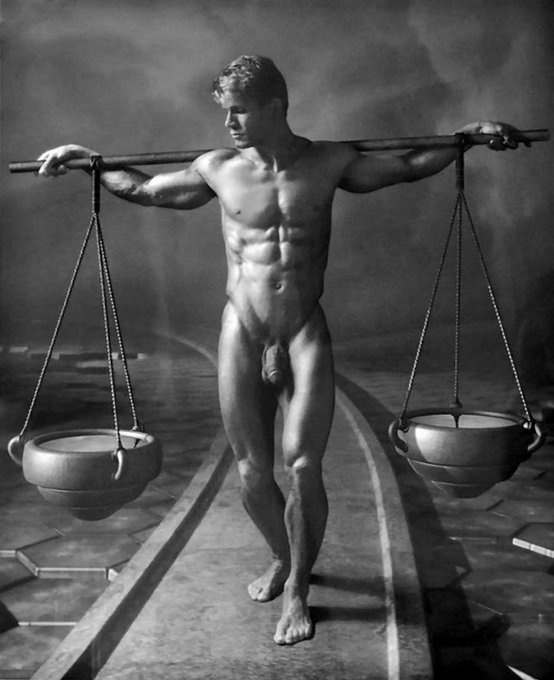
These poses, repeated across millennia, aren’t just about aesthetics—they’re about how we’ve viewed the male body and the roles it plays: protector, object of desire, thinker, vessel of strength or sorrow. And in queer art especially, these poses become subversive. They reclaim what was once coded and hidden, turning vulnerability into power and eroticism into expression.
Whether sculpted in marble, captured in monochrome, or filtered through a digital lens, the male nude continues to speak a visual language of longing, beauty, and identity. It’s a language many of us have learned to read—and some of us are still learning to write with our own bodies.


Recent Comments
noisilycool3bc985058… on Pic of the Day Joe on Pic of the Day Benny S on Pic of the Day noisilycool3bc985058… on Pic of the Day iameverywhere1 on Pic of the Day Top Posts & Pages



Amazon Associate

As an Amazon Associate I earn from qualifying purchases. So, if you click on a link that takes you to Amazon.com, I may earn a commission.
Trust me, it isn’t much, but every little bit helps.


 The Closet Professor