

Category Archives: Photography
Lynes Drawn Between Couture and the Closet
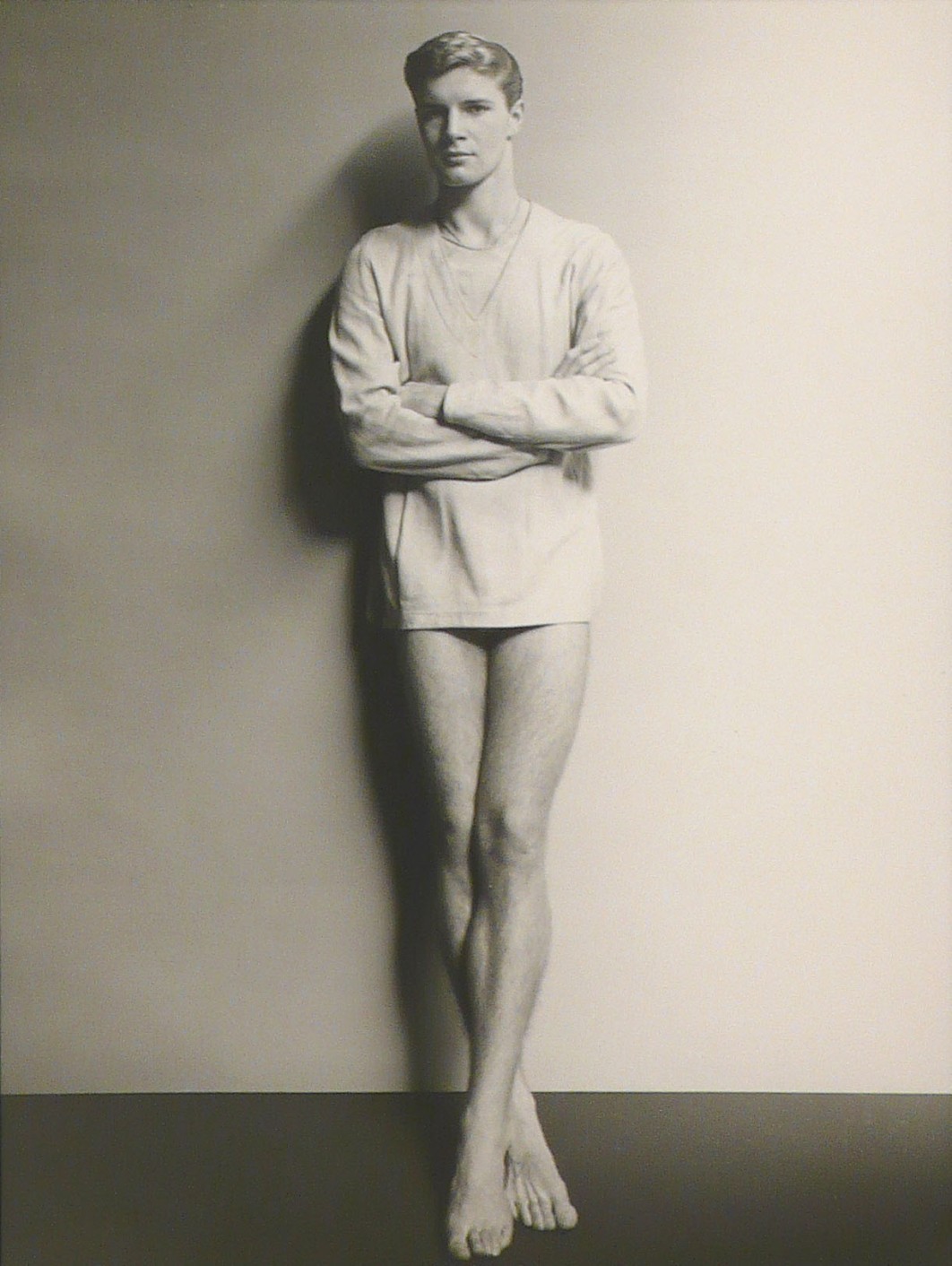
George Platt Lynes (1907–1955) occupies a unique and courageous place in 20th-century photography. Best known during his lifetime for his sophisticated fashion images and celebrity portraits, Lynes also created a substantial, deeply personal body of male nudes and homoerotic photographs. These images, radical for their time, remained largely hidden from public view for decades. Today, they stand not only as remarkable works of art but also as rare, defiant records of queer desire in a period of profound social repression.
Lynes began his career in the 1920s and 1930s, becoming a sought-after fashion photographer for Harper’s Bazaar, Vogue, and Town & Country. His images were noted for their theatricality, stylization, and mythic undertones. Yet, while he achieved success in commercial photography, he was simultaneously pursuing a private and more dangerous artistic project: photographing nude men, often friends, performers, and lovers.
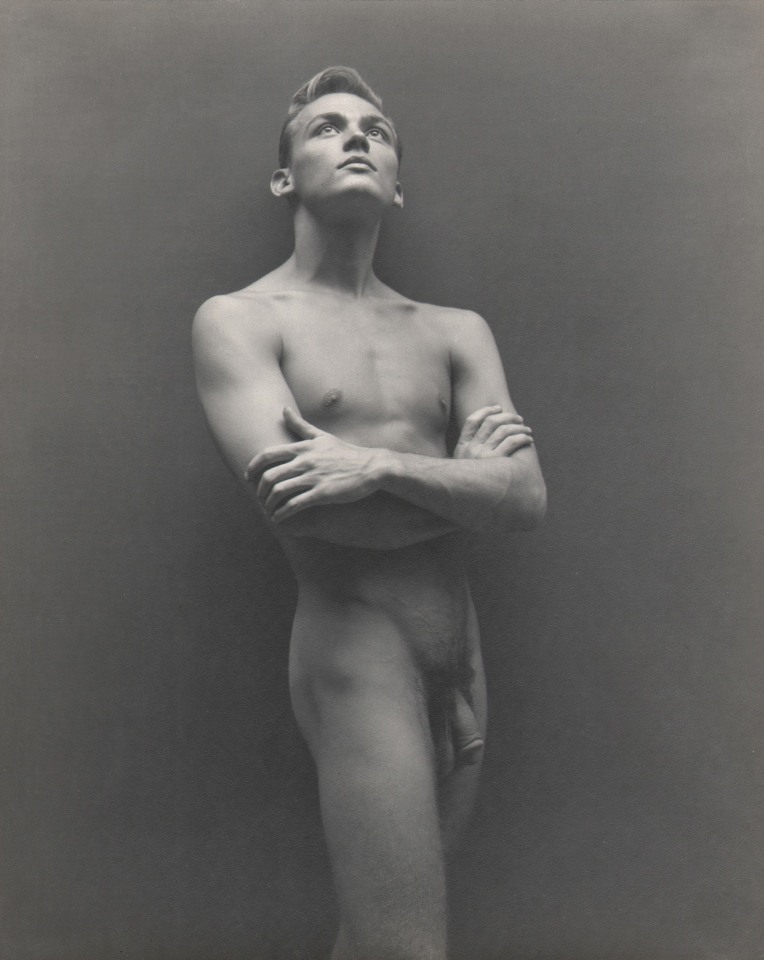
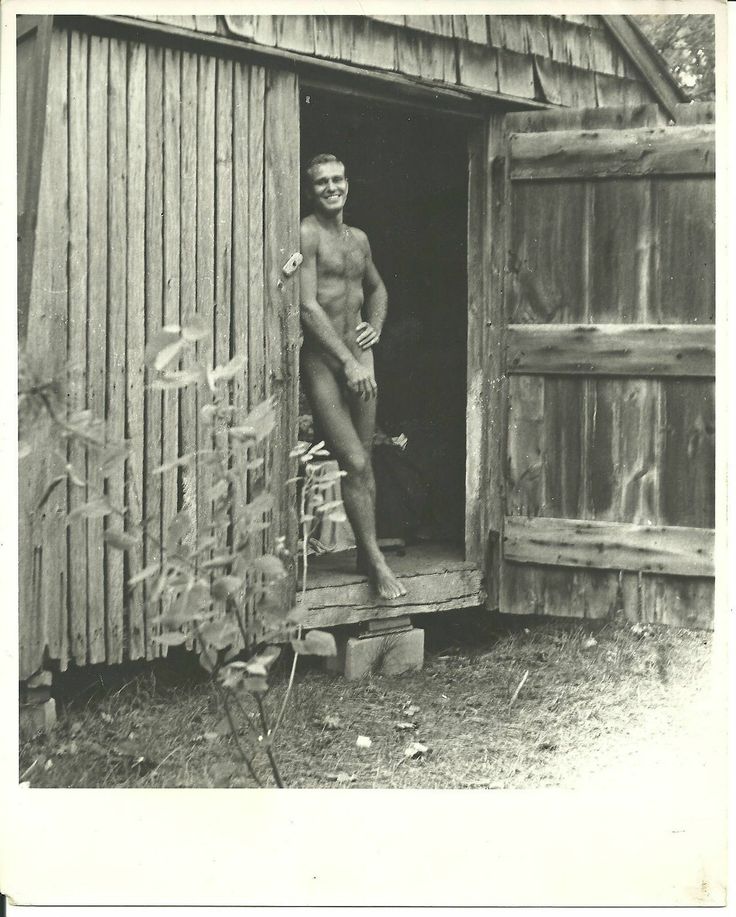
By the early 1930s, Lynes had begun producing a series of male nudes that blended classical influences—Greek sculpture, Renaissance painting—with the sleek modernism of Art Deco. Unlike typical academic nudes, Lynes’s subjects were not anonymous muses but men with whom he shared personal and often romantic bonds. These photographs, which captured beauty, vulnerability, and homoerotic longing, could not be exhibited openly. Instead, Lynes circulated them privately among his queer kinship networks.
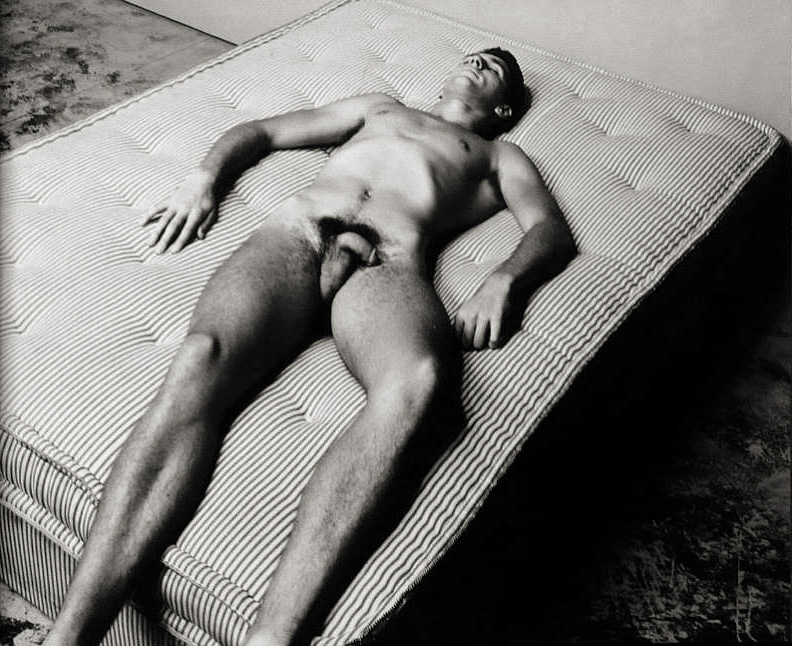
Lynes was part of a closely connected circle of elite gay men who shaped American arts and letters between the world wars and into the early Cold War. For sixteen years, Lynes lived with writer Glenway Wescott and museum curator Monroe Wheeler, who were a couple for over fifty years. The three shared a household, with Lynes and Wheeler sharing a bedroom. This network extended to other prominent cultural figures, including Lincoln Kirstein and artist Paul Cadmus. During the 1940s and early 1950s, they hosted private gatherings and sex parties, creating a vibrant yet discreet sexual subculture. However, as Cold War paranoia intensified, especially targeting homosexuals, these communities were forced further underground.

In April 1950, Wescott voiced his concerns to Lynes about the risks of circulating explicit photographs. While he personally supported Lynes’s art, he feared professional repercussions for Wheeler, who by then held a prominent public role at the Museum of Modern Art. Wescott warned of the dangers of “guilt by association,” especially given the rising visibility of anti-communist and anti-homosexual purges in government and cultural institutions. His fears were justified. On March 1, 1950, The New York Times reported that of ninety-one State Department employees forced to resign under loyalty investigations, “most of these were homosexuals.” Though the article framed this in the context of communist infiltration, it was clear that sexual orientation had become a major front in the Cold War cultural wars.

Despite the risks, Lynes continued to make and circulate his portraits. Determined that his work would find an audience, he published some images in the German homosexual journal Der Kreis during the 1950s, one of the few outlets at the time willing to feature such material. He also became an important collaborator with Alfred Kinsey, the pioneering sex researcher. Between 1949 and 1955, Lynes sold and donated a significant portion of his male nudes to Kinsey’s research institute. This ensured that even if the public could not yet see these works, they would be preserved. Today, much of Lynes’s homoerotic photography resides at the Kinsey Institute in Bloomington, Indiana.
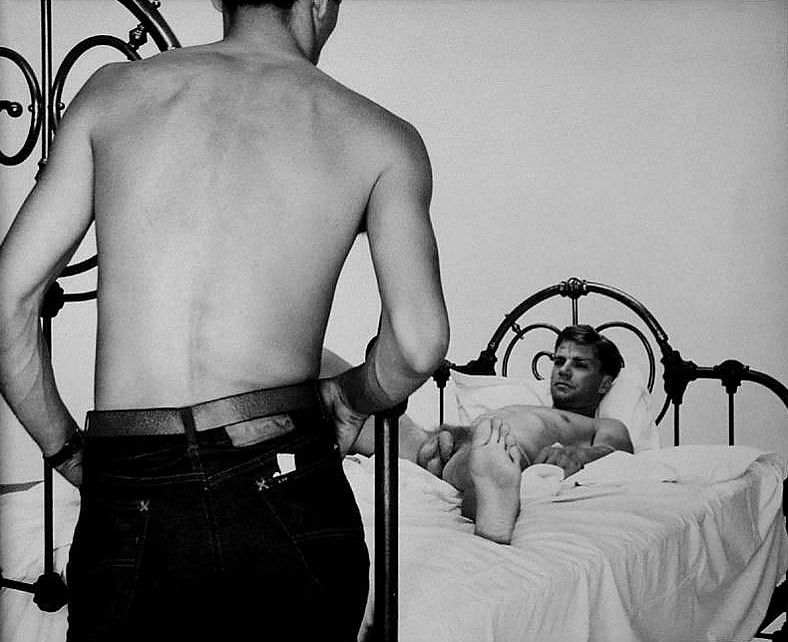
Lynes’s photographs are not only striking in their formal beauty and symbolism but also powerful cultural documents. They archive queer, illicit desire at a time when being openly homosexual could mean career destruction, social ostracism, or worse. His images captured the bodies and souls of men who, like himself, lived in defiance of rigid moral codes and the oppressive climate of McCarthy-era America. The fact that he continued this work privately, even as the Red Scare and Lavender Scare drove many into deeper secrecy, speaks to his artistic courage and personal integrity.
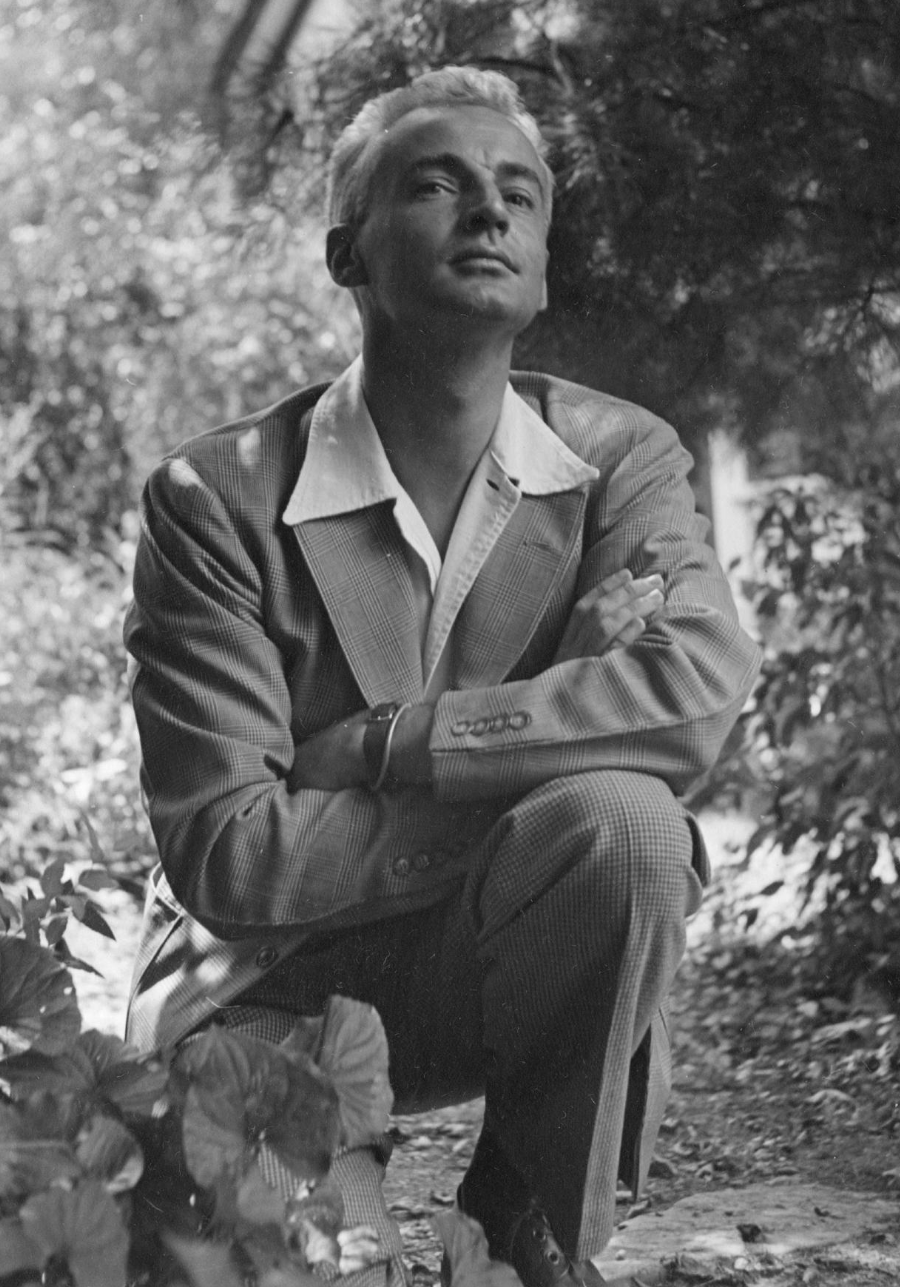
George Platt Lynes died of lung cancer in 1955 at the age of 48. While much of his work was nearly lost—he destroyed many negatives fearing posthumous exposure—his decision to entrust photographs to Kinsey safeguarded his legacy. Today, George Platt Lynes is recognized not only for his contributions to fashion and portrait photography but as a courageous, visionary artist who captured the complexities of queer male identity long before the modern gay rights movement. His private images, once kept in the shadows, now illuminate a vital chapter of both photographic and LGBTQ+ history.

Framing the Male Nude
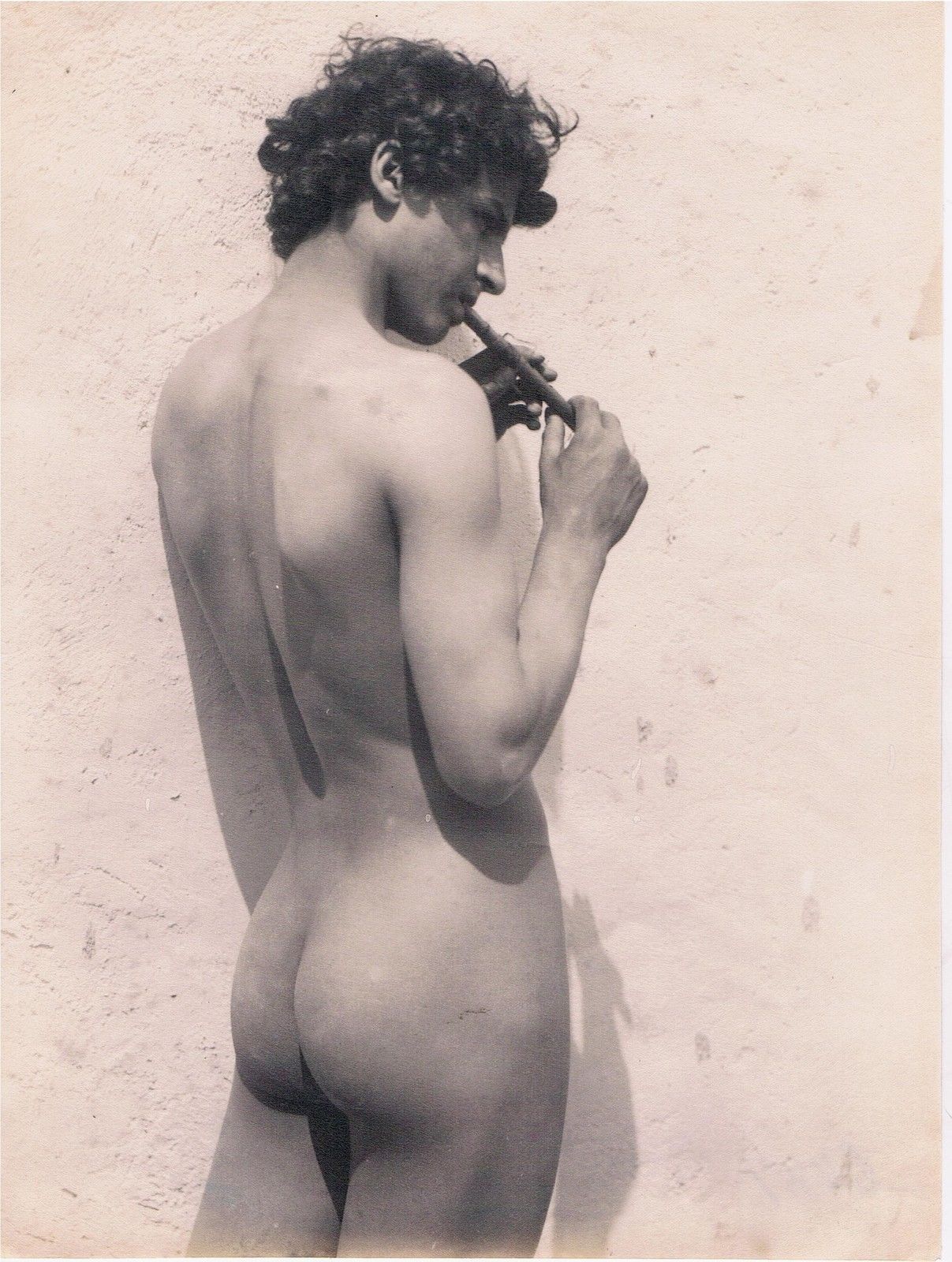
The photography of the male nude occupies a rich and multifaceted space in visual history. From its emergence in the 19th century to its entwinement with queer identity and sexual liberation in the 20th, the male nude has been variously categorized as artistic, erotic, art-erotic, or pornographic. These categories—though often overlapping—are shaped by aesthetic choices, social context, and the photographer’s intent. While definitions remain fluid, understanding their distinctions helps trace the evolution of male imagery, censorship, and desire across time.

Artistic male nudes are rooted in classical ideals of beauty, proportion, and human form. These works typically present the male body as a timeless object of contemplation rather than sexual desire. Photographers such as Wilhelm von Gloeden and Guglielmo Plüschow, working in late 19th-century Italy, produced pastoral, sepia-toned images of nude youths posed against ancient ruins or natural landscapes. The subjects, often draped in togas or standing in contrapposto, evoke Hellenistic sculpture. The aesthetic was elevated, not erotic framed as reference for artists or scholars.
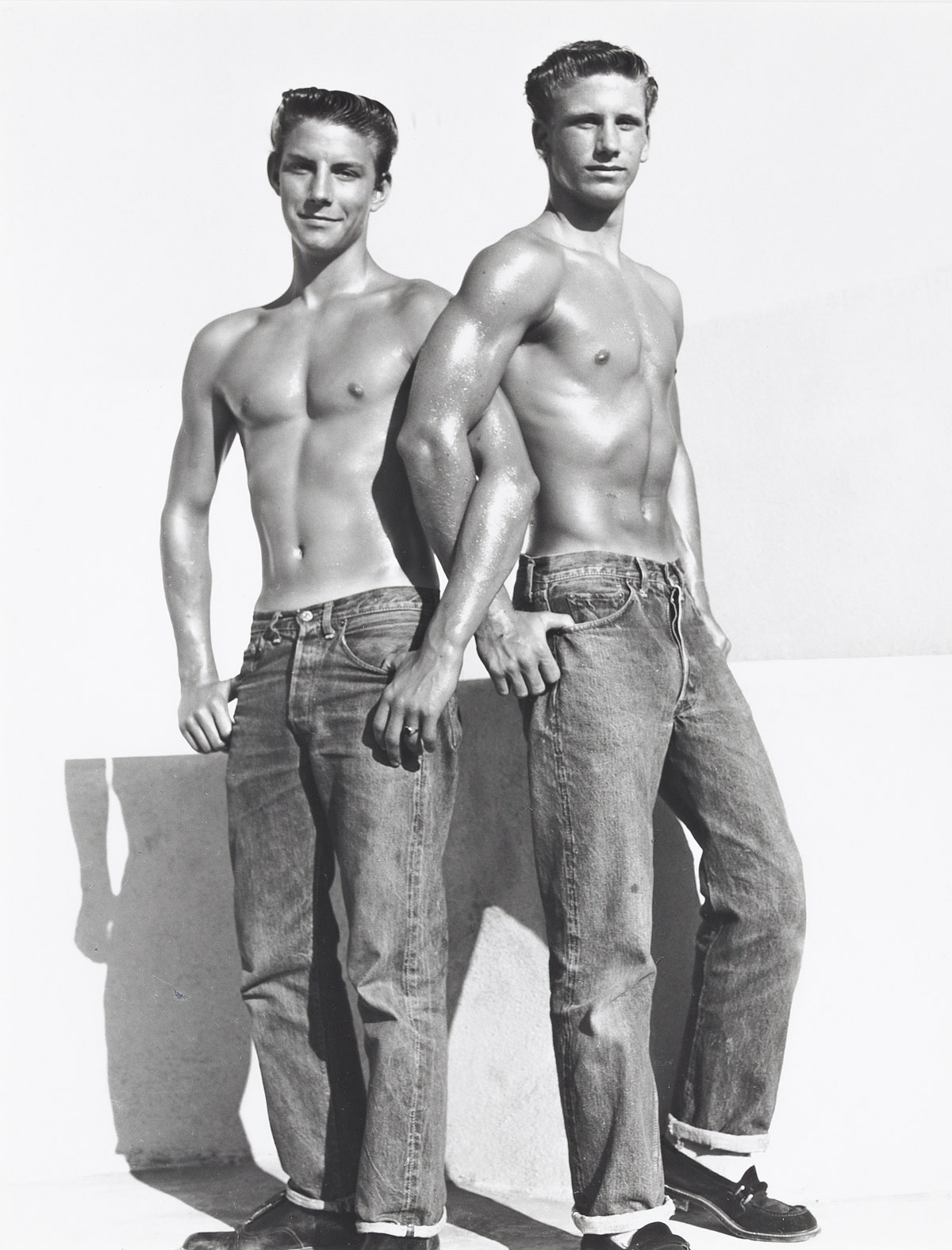

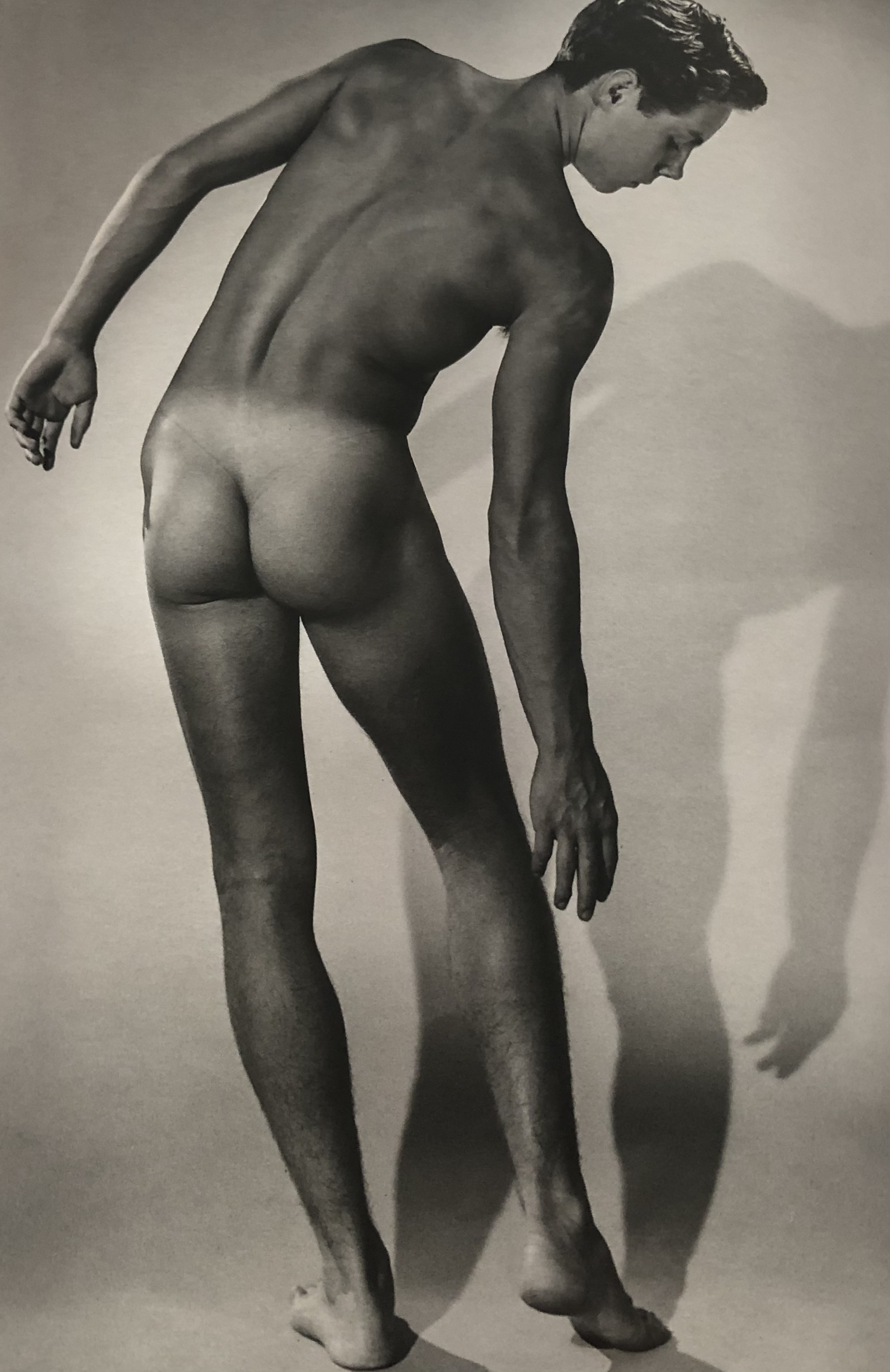
Erotic male nudes, by contrast, are designed to evoke desire. While still avoiding explicit content, they emphasize sensuality and allure. Studios like the Athletic Model Guild, founded by Bob Mizer in 1945, epitomize this genre. Mizer’s models were often young, muscular, and photographed in minimal attire—usually posing straps. Though presented as ‘model studies’ or athletic reference images, they were unmistakably charged with homoerotic appeal. A classic example is AMG model Jim Grant in 1949, his body carefully composed for aesthetic and erotic impact.
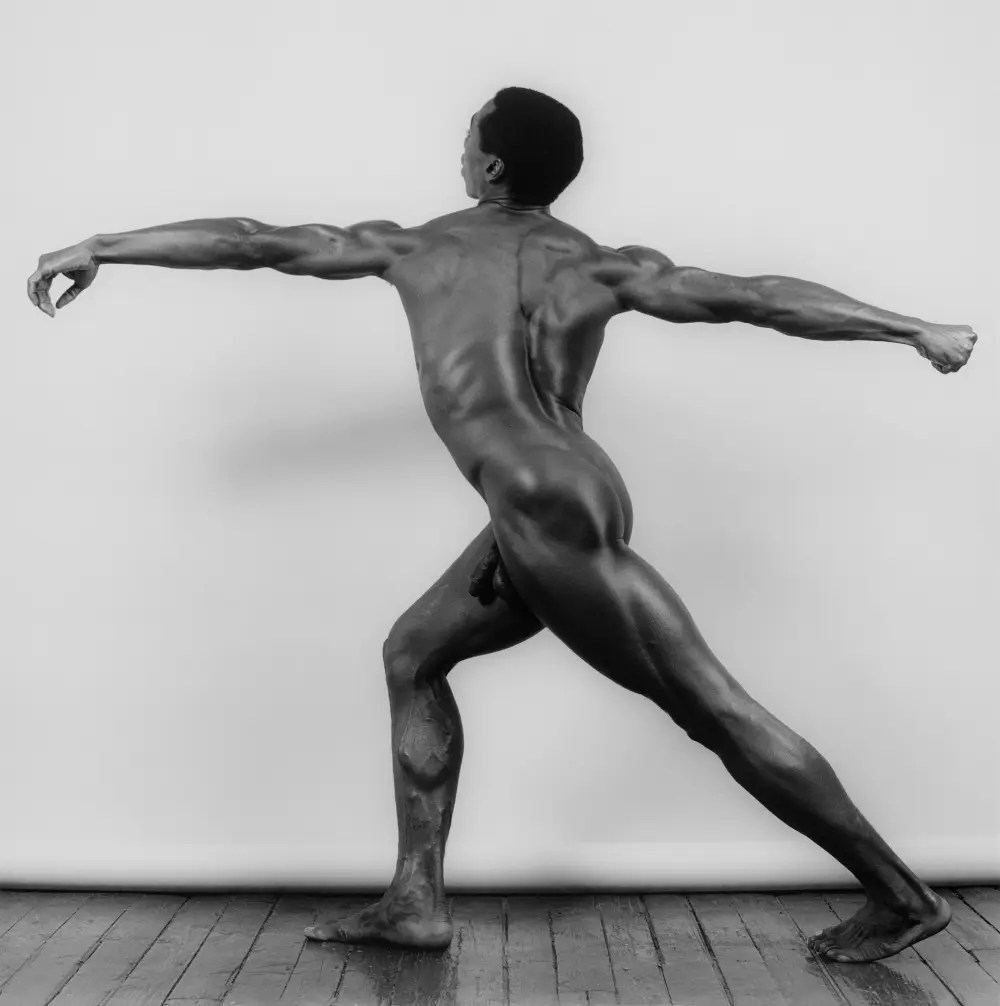
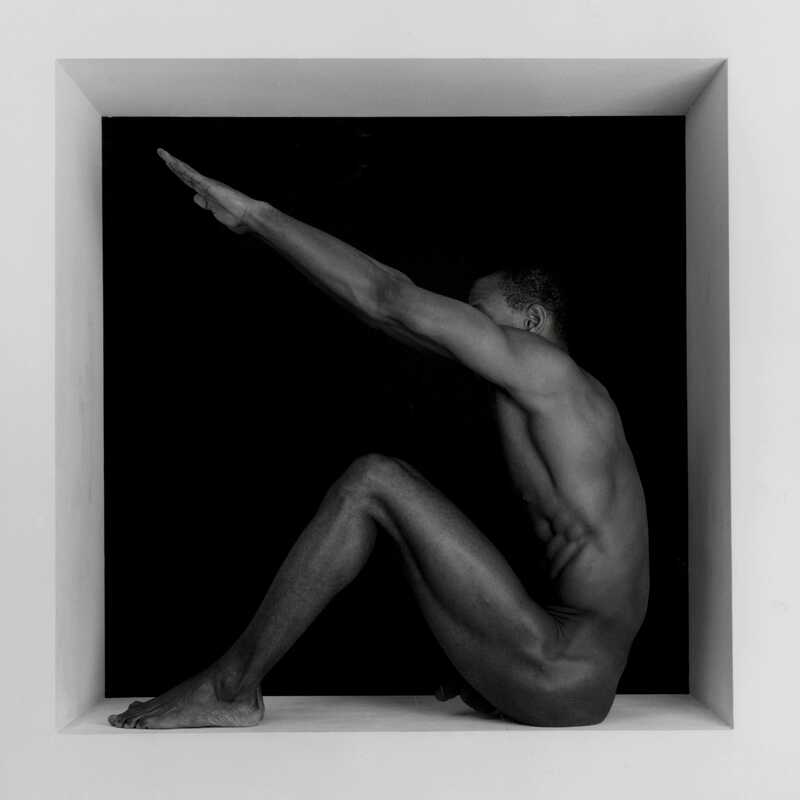

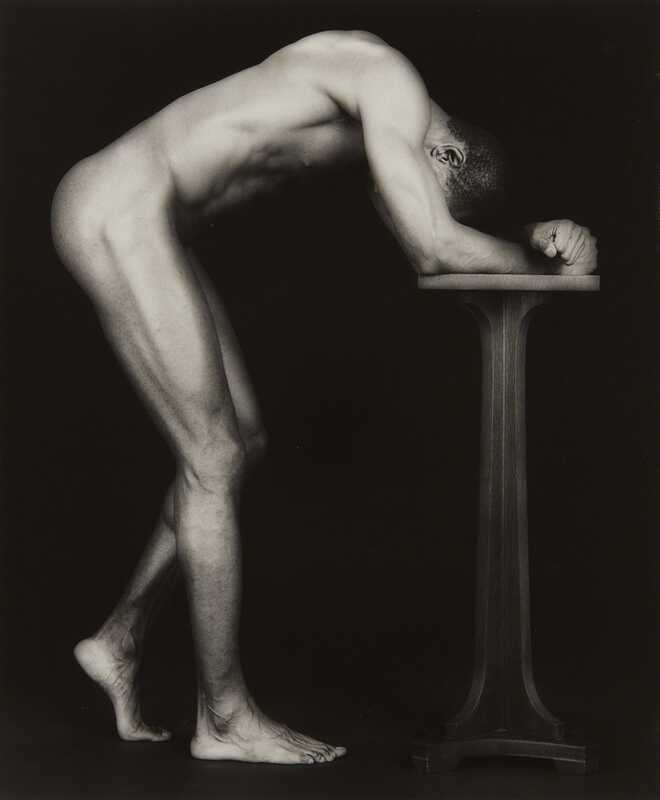
Between these poles lies the hybrid category of art-erotic nudes—images that deliberately blend aesthetic ambition with erotic suggestion. Photographer Robert Mapplethorpe redefined this space in the 1970s and ’80s. His studio portraits of Black male nudes, leather-clad figures, and homoerotic still lifes challenged museum conventions while embracing overt sensuality. His 1986 photograph of bodybuilder Thomas—posed like a neoclassical statue but fully exposed—is both starkly erotic and compositionally exquisite. Earlier precedents include F. Holland Day’s portrait of Nicola Giancola as St. Sebastian, which straddle martyrdom and homoerotic reverence.
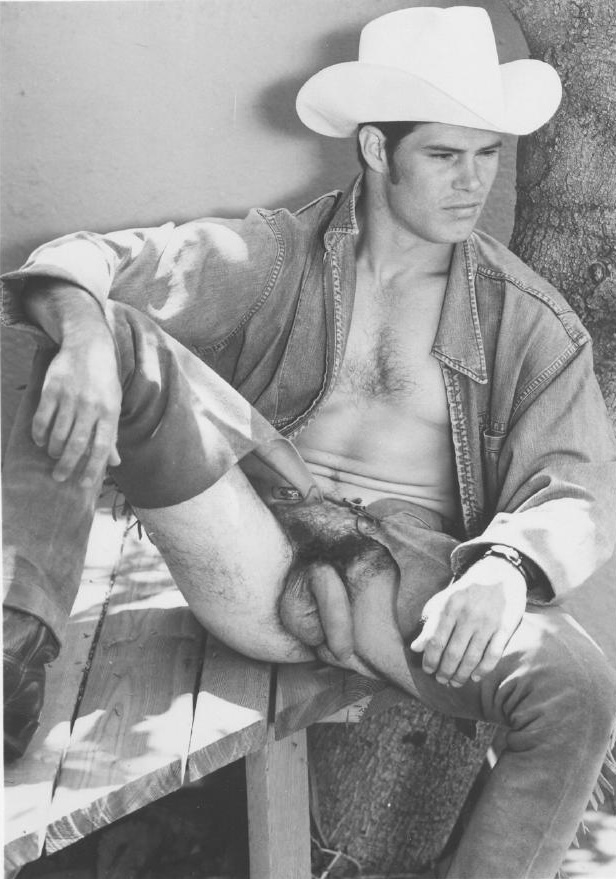
Still photo pornography occupies the far end of the spectrum, with imagery created explicitly for sexual arousal. With the loosening of obscenity laws in the 1960s and 1970s, studios like COLT, Falcon, and Target began publishing full-frontal male photography, often themed around working-class or hypermasculine fantasies. A 1970s COLT photo set of model Buddy Houston, fully nude and posed as a cowboy, exemplifies this genre. Here, the goal is no longer suggestion or metaphor, but direct sexual gratification—often accompanied by narratives or visual cues designed to stimulate.

These categories—artistic, erotic, art-erotic, and pornographic—are best understood as points along a continuum rather than rigid definitions. A single image might be interpreted differently depending on the viewer, setting, or historical moment. In 1964 United States Supreme Court Justice Potter Stewart described his threshold test for obscenity in Jacobellis v. Ohio by saying:
I shall not today attempt further to define the kinds of material I understand to be embraced within that shorthand description [“hard-core pornography”], and perhaps I could never succeed in intelligibly doing so. But I know it when I see it, and the motion picture involved in this case is not that.
In gallery spaces, an image may be framed as art; in private, it may serve a different function altogether. For LGBTQ+ audiences, especially during eras of repression, these images carried layered meanings: as mirrors of desire, acts of defiance, and moments of recognition. Their legacy continues to shape how we view the male body, beauty, and freedom.
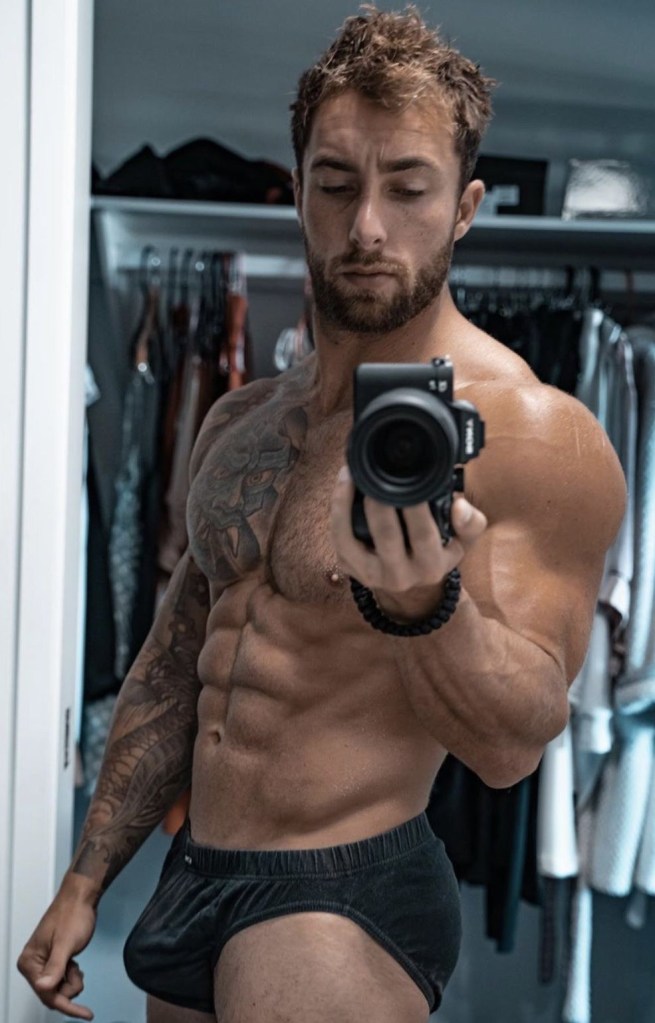


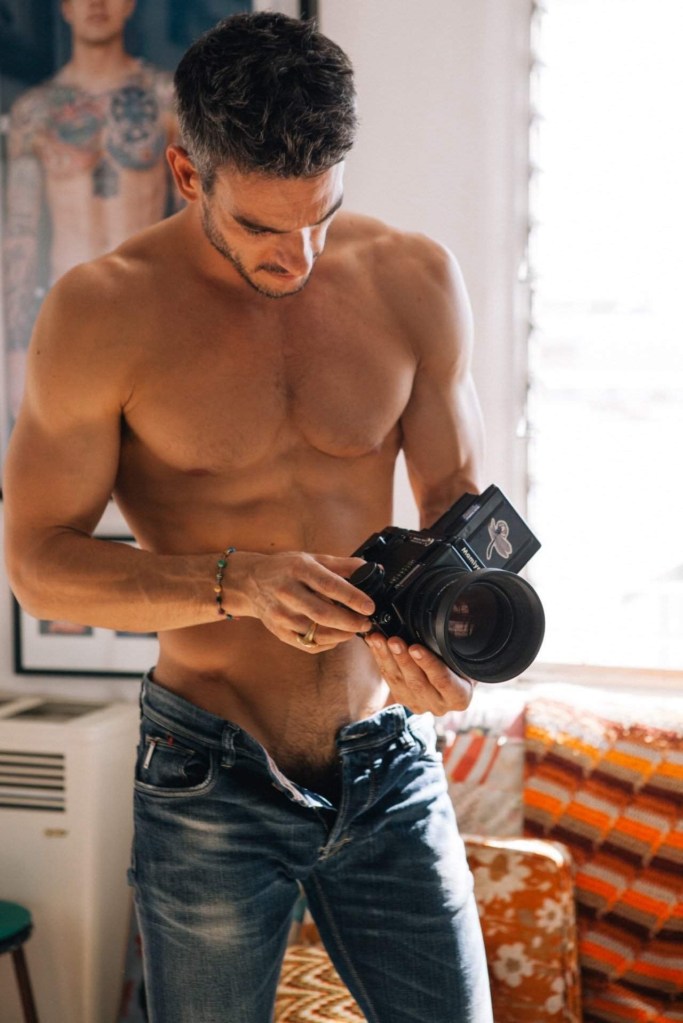
Moment of Zen: Jesus Prado

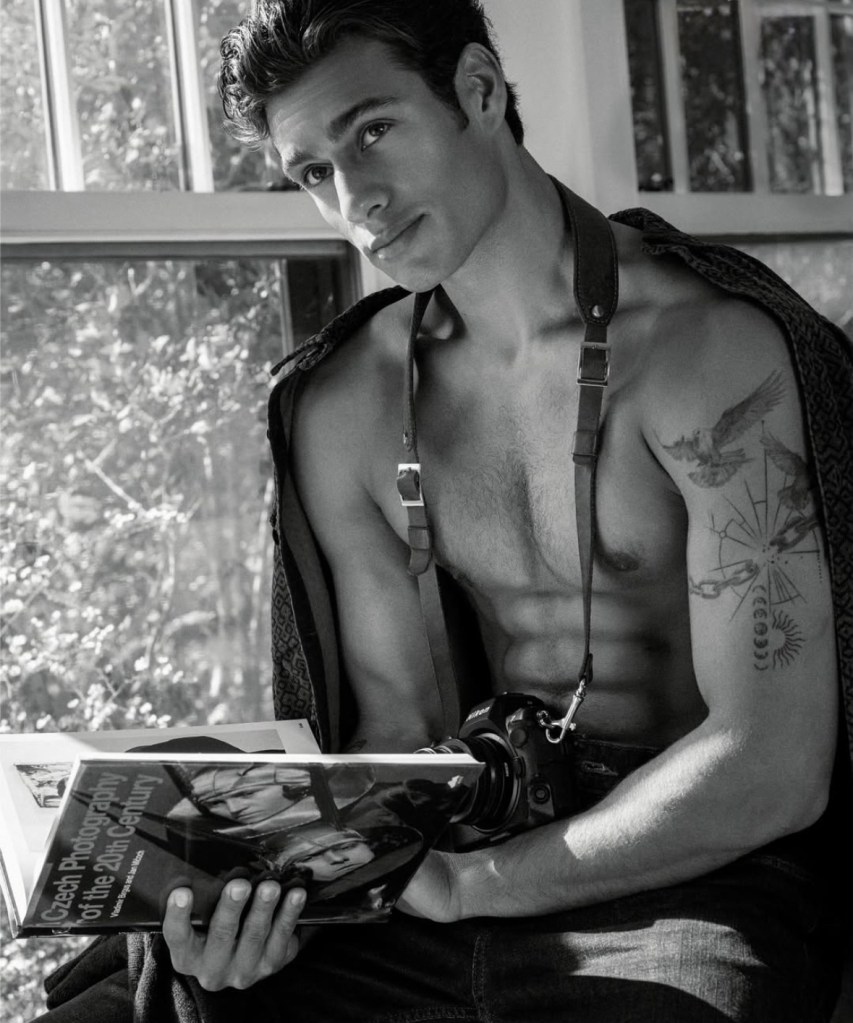
I love this photo set of Jesus Prado by photographer Joan Crisol. There are a few more bonus pics I’m sure you will love if you click “read more” below.









Authors
Recent Comments
noisilycool3bc985058… on Pic of the Day Joe on Pic of the Day noisilycool3bc985058… on Pic of the Day iameverywhere1 on Pic of the Day noisilycool3bc985058… on Pic of the Day Top Posts & Pages



Amazon Associate

As an Amazon Associate I earn from qualifying purchases. So, if you click on a link that takes you to Amazon.com, I may earn a commission.
Trust me, it isn’t much, but every little bit helps.

 Joe
Joe


 The Closet Professor