Category Archives: Pride

Male-Order Desire: The Bold Legacy of International Male

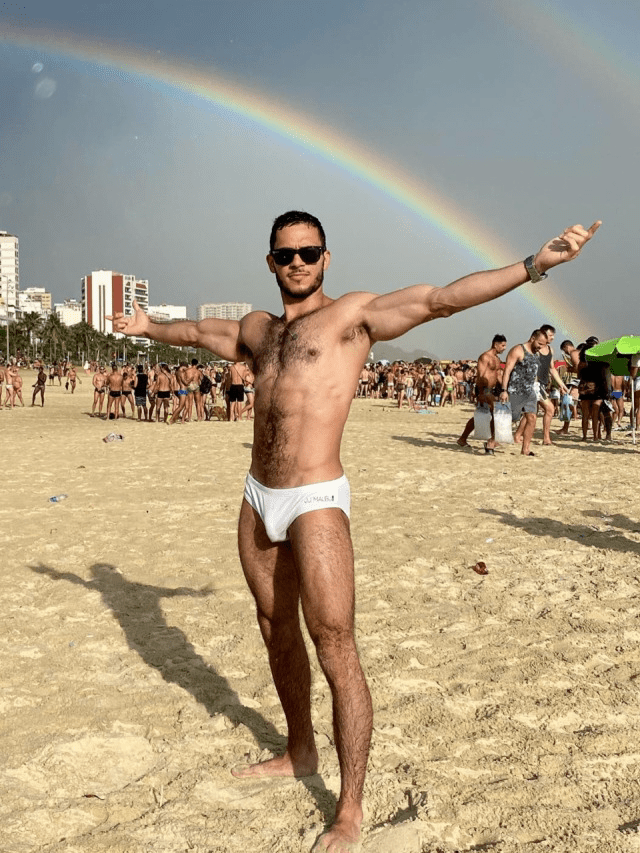
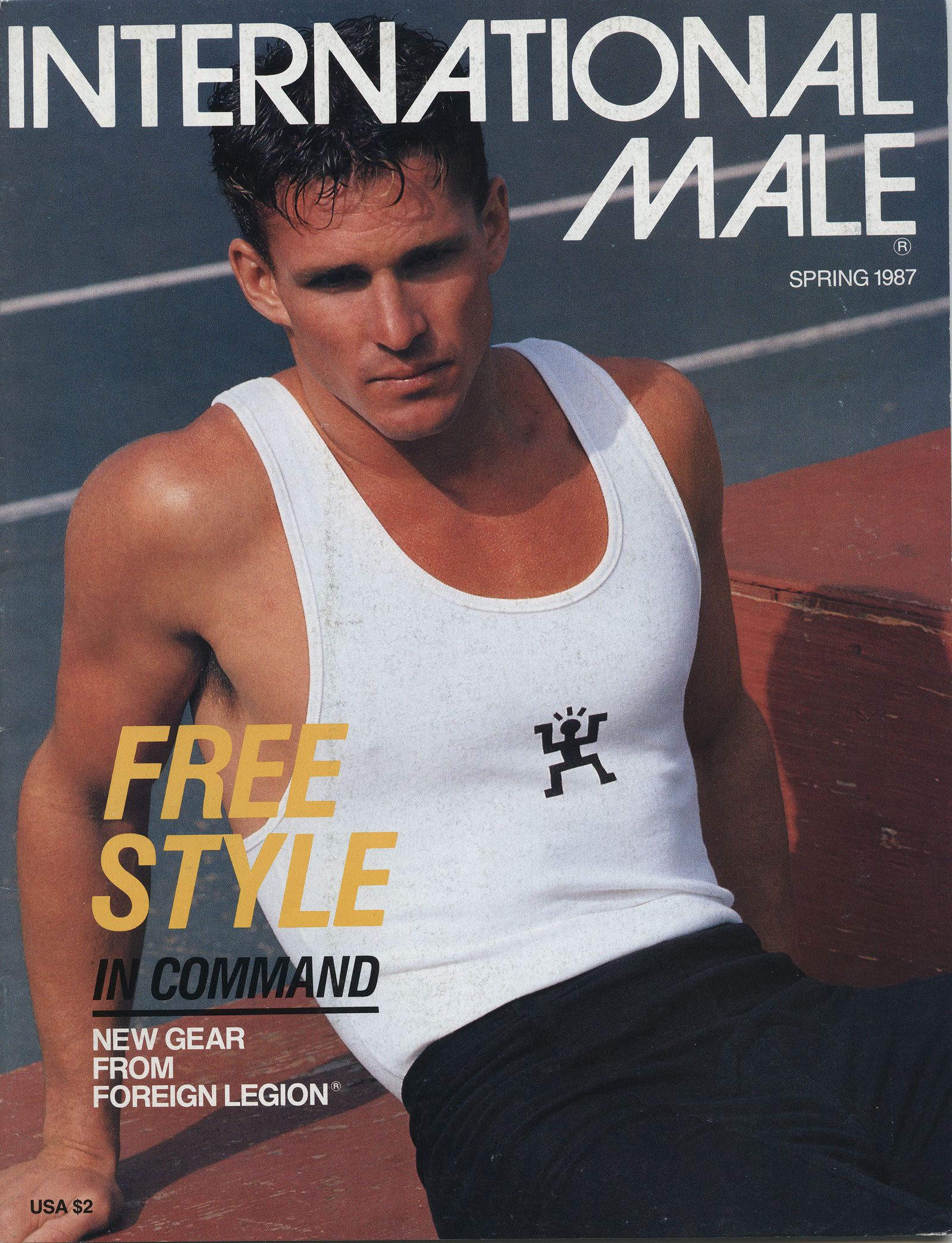
Long before Grindr profiles and Instagram thirst traps, gay men turned to other sources for affirmation, fantasy, and fashion. And for many, there was nothing quite like opening the mailbox to find the latest issue of International Male—a glossy, unapologetically flamboyant catalog filled with mesh shirts, tight pants, deep V-necks, and men whose smoldering stares made it very clear: this wasn’t just about buying clothes.

From its founding in the 1970s through its peak in the ’80s and ’90s, International Male became a low-key lifeline for gay men across America. And even if it never explicitly said the word “gay,” the message was clear: these clothes—and these bodies—were for you.
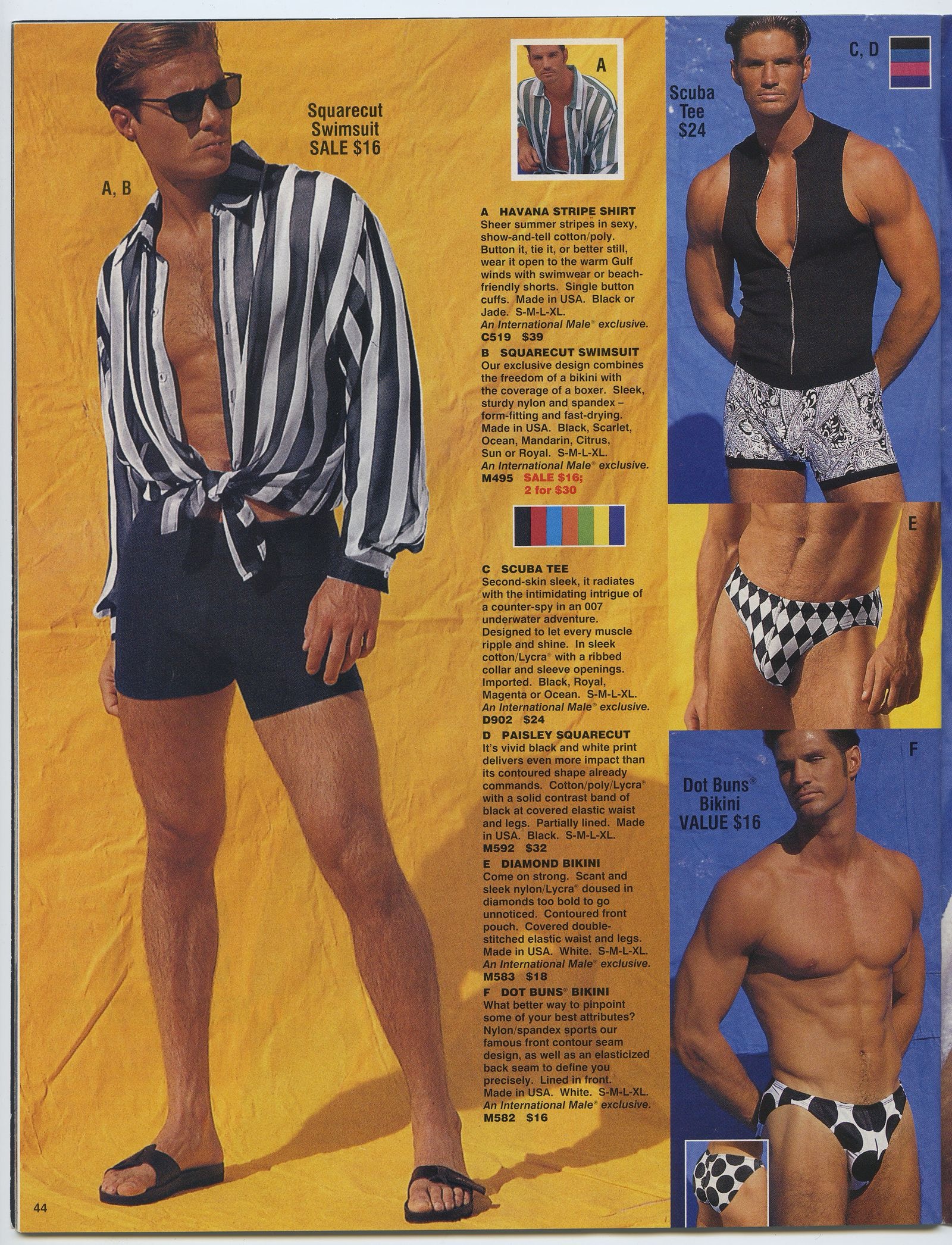
International Male was launched in 1974 by Gene Burkard, a San Diego-based entrepreneur with an eye for flamboyant fashion and emerging markets. His goal? To create a mail-order catalog for men who wanted more than just workwear and flannel. This was high-collared, disco-era glam for men who wanted to be seen—and desired.

Though never overtly labeled as gay, the catalog’s aesthetic left little doubt. Muscular male models posed in silky robes, sheer tank tops, and outrageously tight trousers, often in settings that felt more boudoir than boardroom. But because it was technically a fashion catalog, it flew under the radar. For closeted men in conservative towns, this was covert contraband—an acceptable, even respectable way to engage with queer desire.
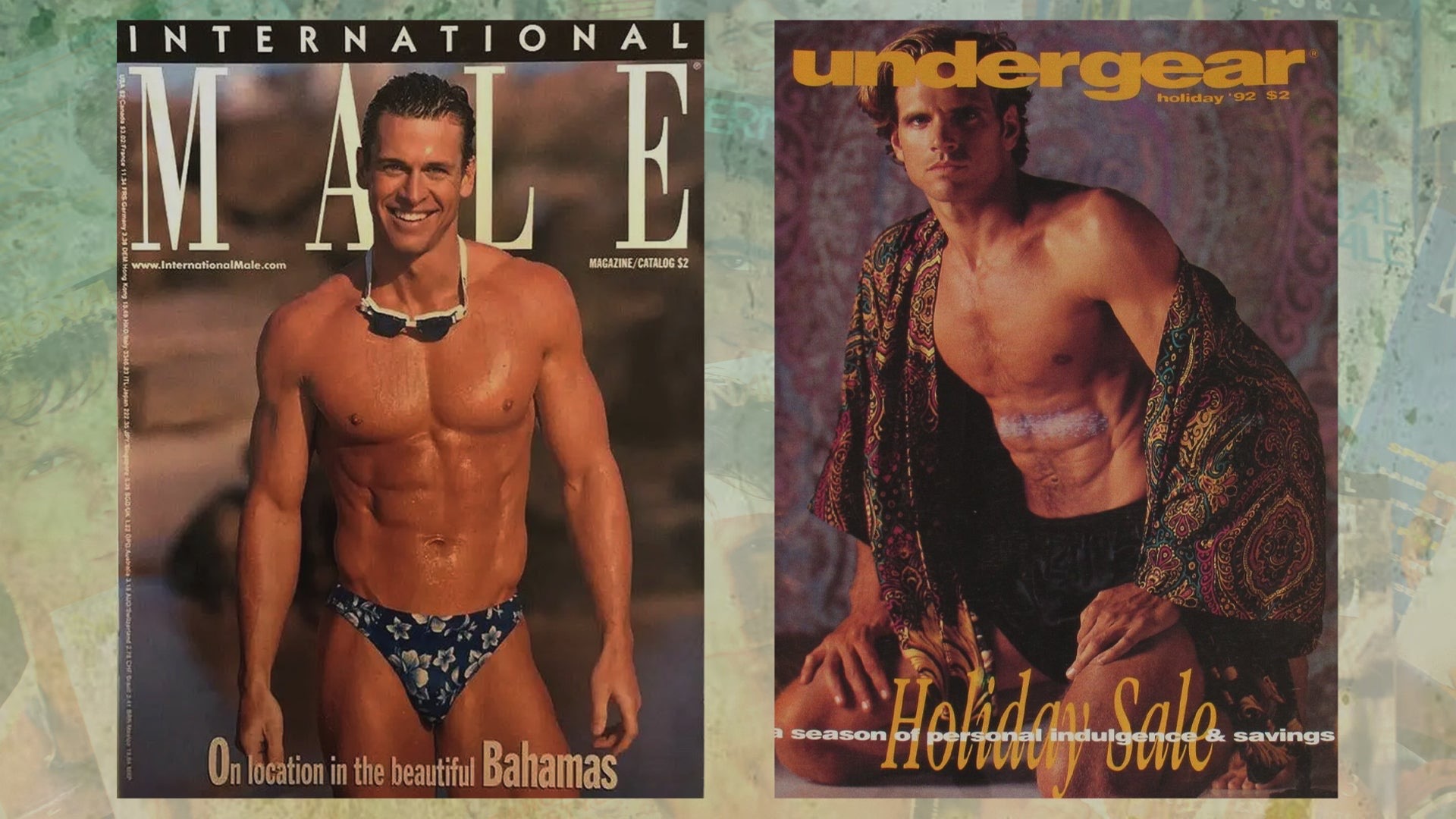
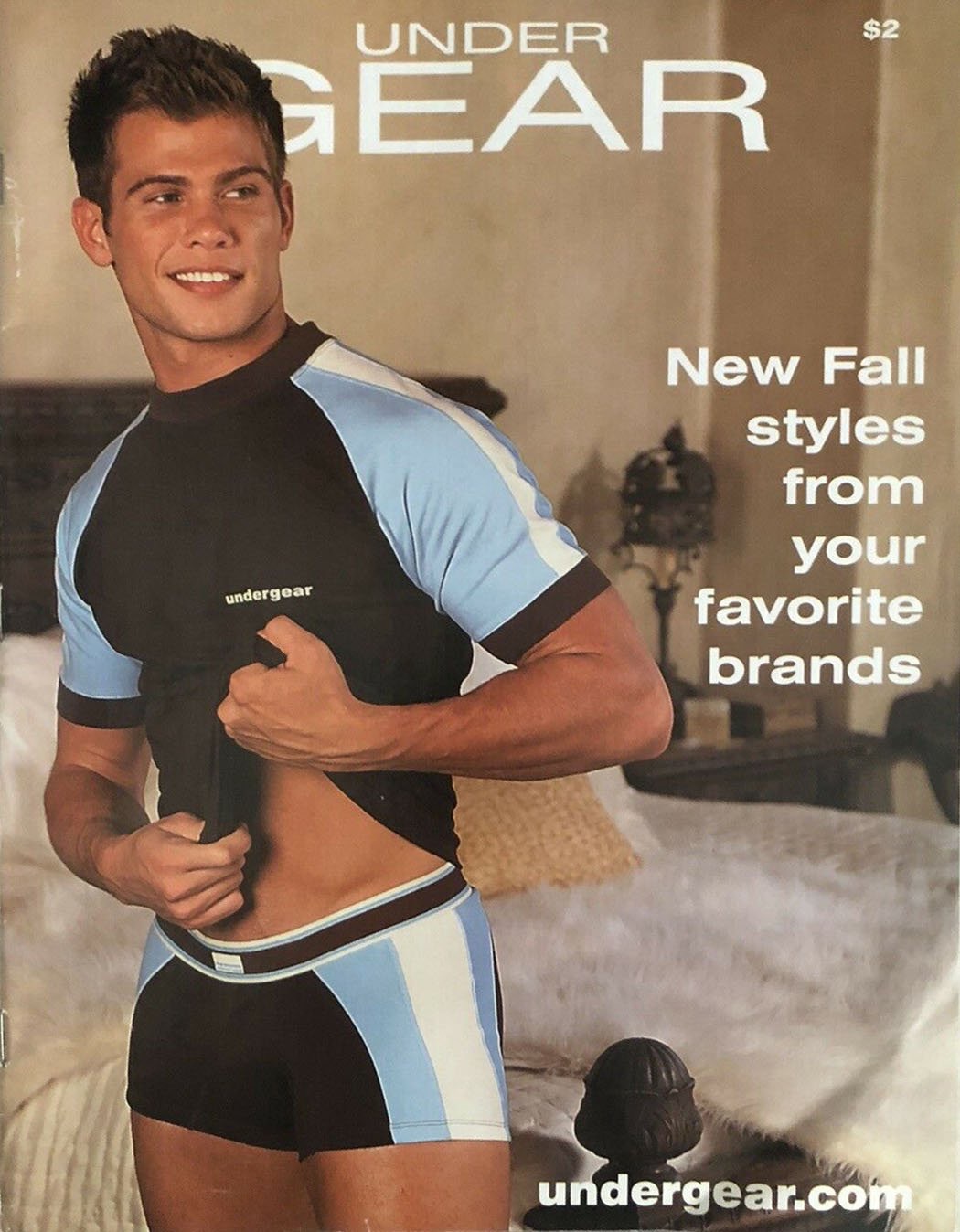
At its peak in the 1980s and early ’90s, International Male had over 3 million customers. Its sister brand, Undergear, took things even further, focusing almost entirely on underwear and swimwear. Both catalogs were often tucked under beds, stuffed in gym bags, or secretly flipped through while pretending to look for a new blazer.

The magic of International Male was never really about the clothes. It was about fantasy. About possibility. About creating a world where men could be sexy, flamboyant, and free.
For gay men—especially those in the pre-Internet era—the catalog served as coded affirmation. It said, “You’re not alone.” It offered a vision of masculinity that didn’t have to be rugged or repressed. It could be styled, sensual, even sultry.

As queer studies scholar Shaun Cole writes in Don We Now Our Gay Apparel, catalogs like International Male offered not just fashion but “performances of masculinity” that pushed boundaries and created new scripts for how men could look and be seen.
Other Icons of Queer Print Culture

International Male wasn’t alone. There was a whole universe of catalogs, zines, and magazines that played pivotal roles in gay history:
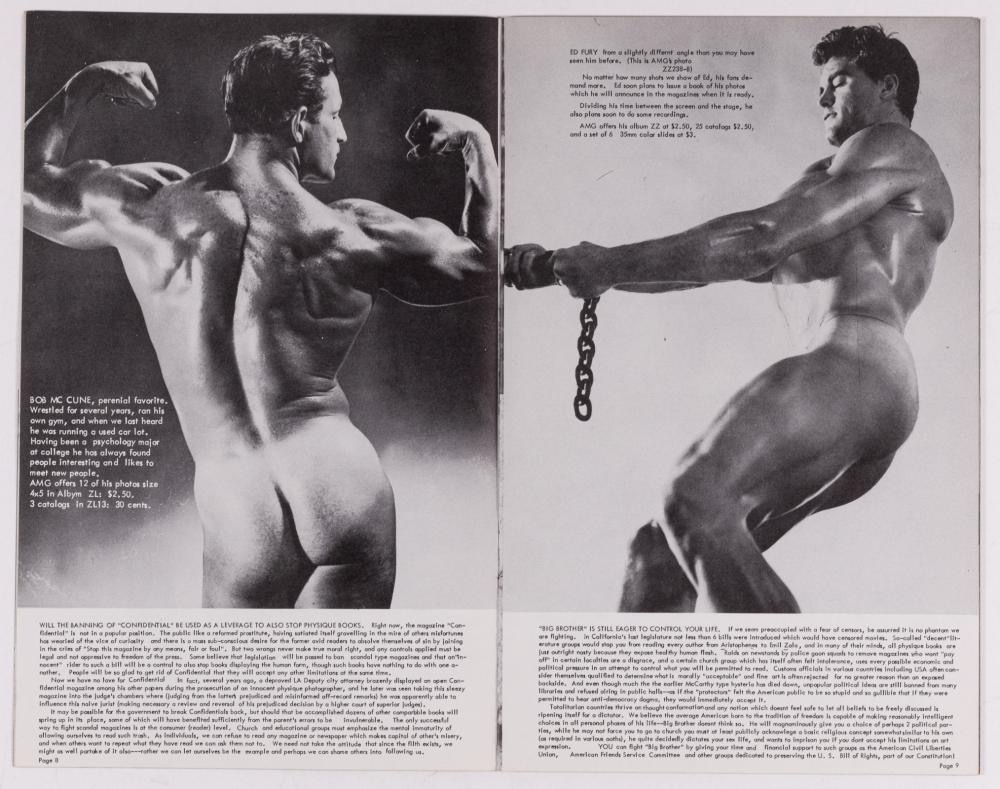
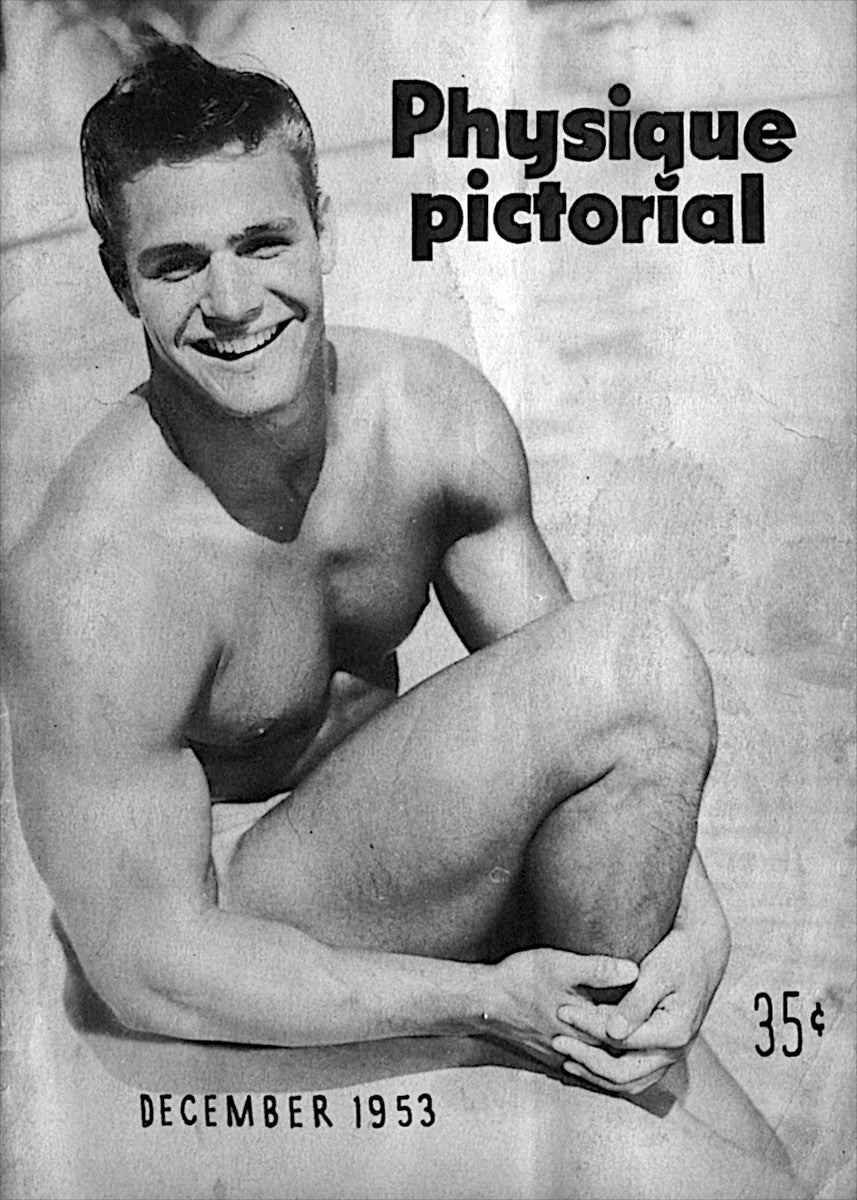
Physique Pictorial (1951–1990)

Launched by Bob Mizer, this “fitness” magazine was the first to feature nearly nude muscular men in a semi-legit format. It helped launch the careers of models like Joe Dallesandro and inspired generations of artists, including Tom of Finland.
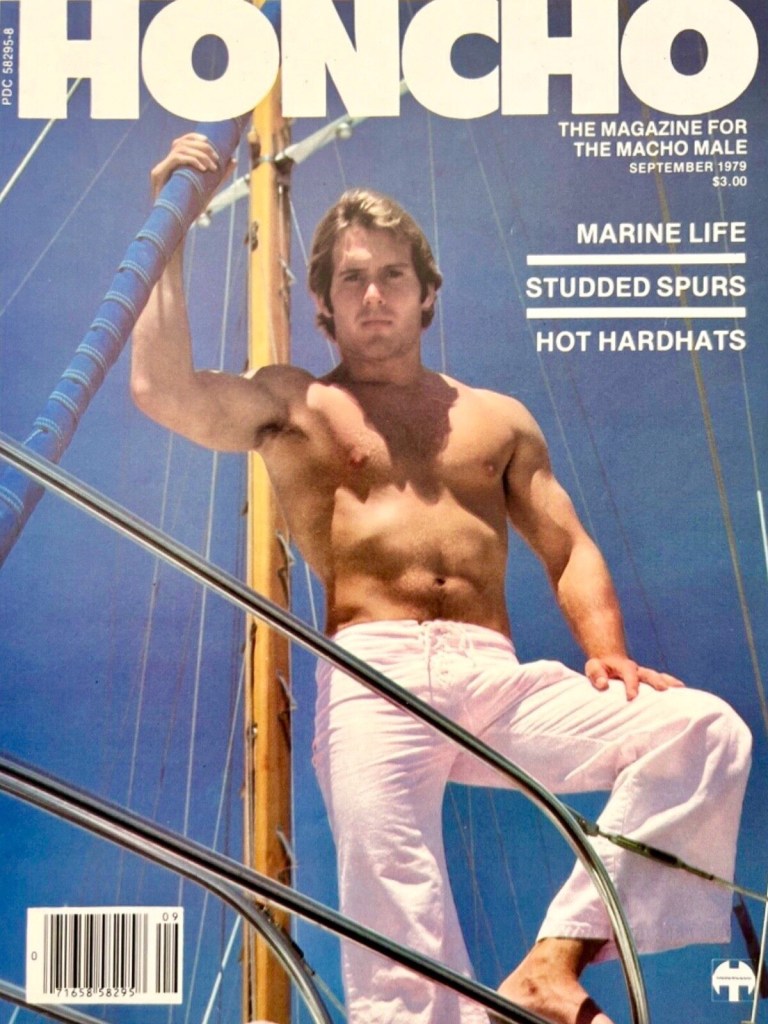
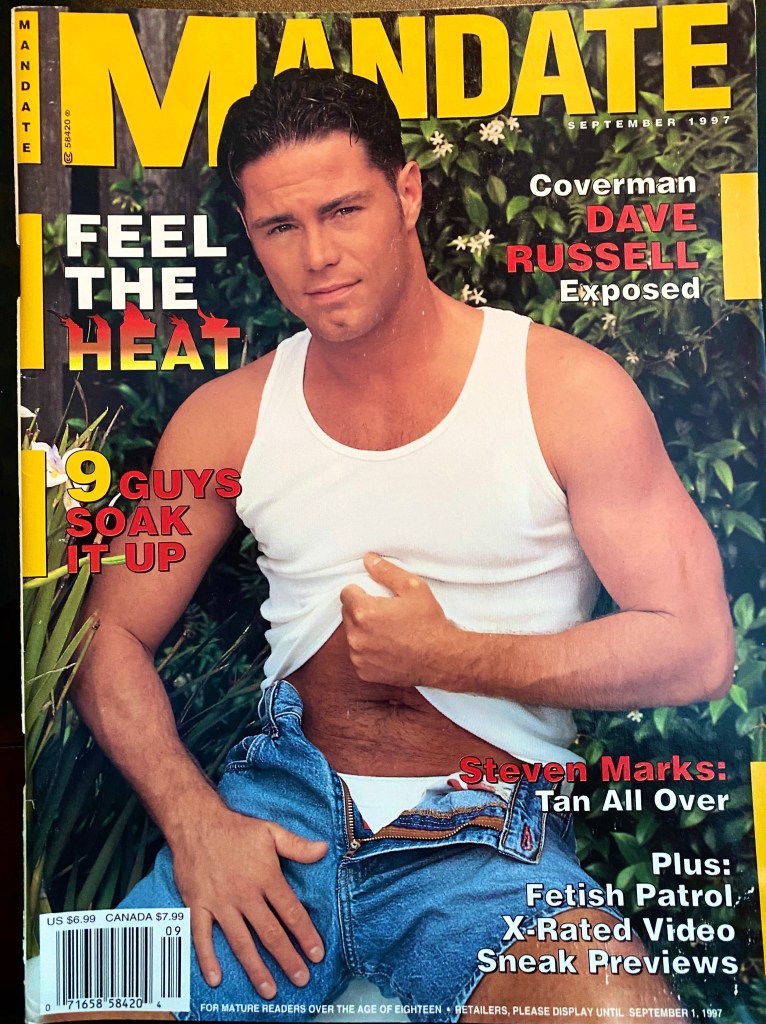
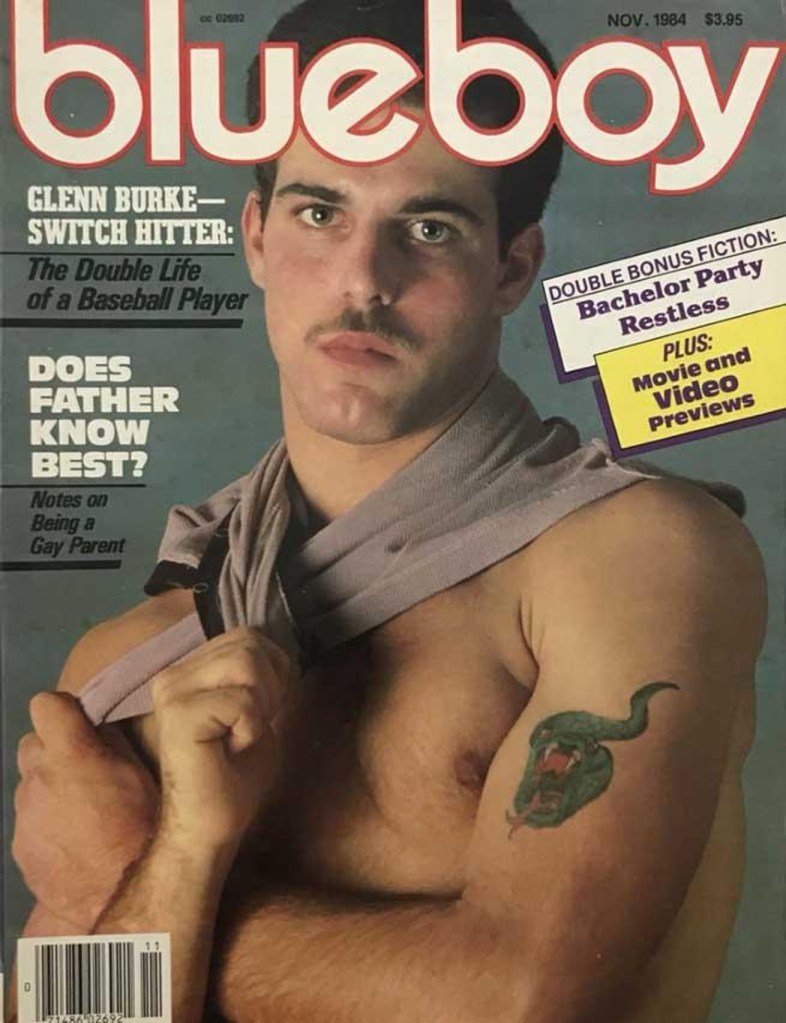
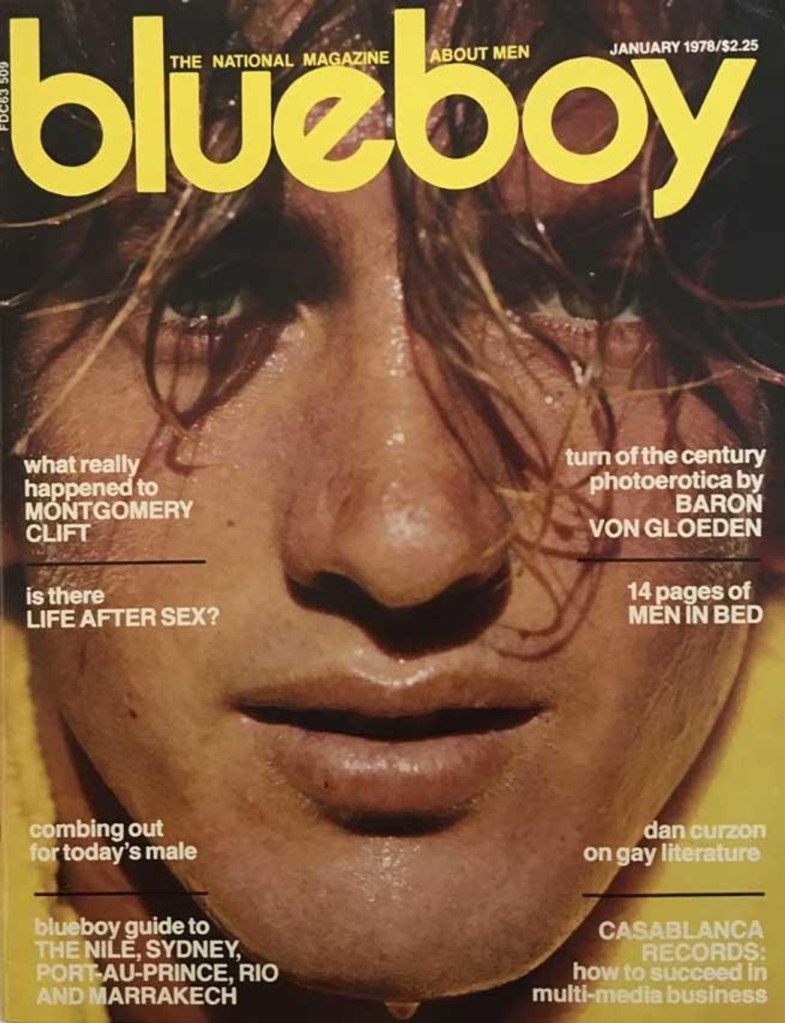
Honcho, Mandate, and Blueboy (1970s–1990s)

Glossy gay lifestyle and erotica magazines that blended porn, interviews, fashion, and personal ads. They gave gay men access to a world far larger and more glamorous than their own.

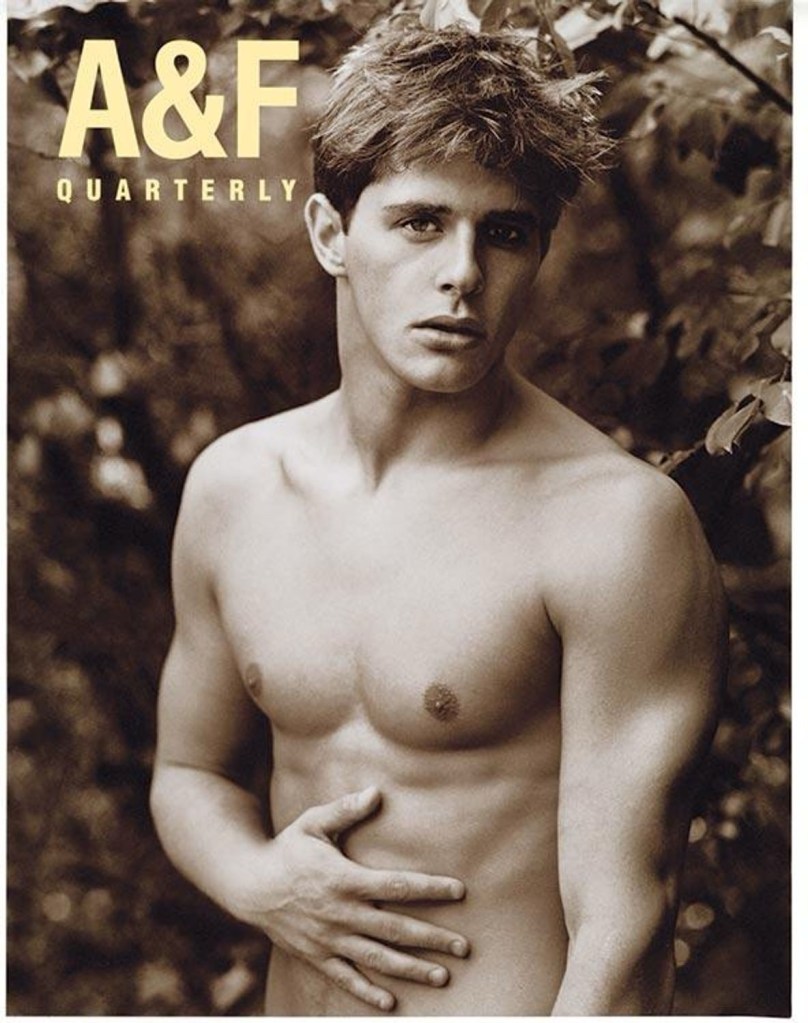
A&F Quarterly (1997–2003)

While technically a catalog for Abercrombie & Fitch, under Bruce Weber’s lens it became a bold, glossy celebration of homoerotic youth culture—shirtless boys in golden fields, bathed in natural light and coded desire.

Undergear

A spinoff of International Male, this catalog was even more explicitly erotic—offering thongs, jockstraps, sheer briefs, and loungewear photographed with far less subtlety.
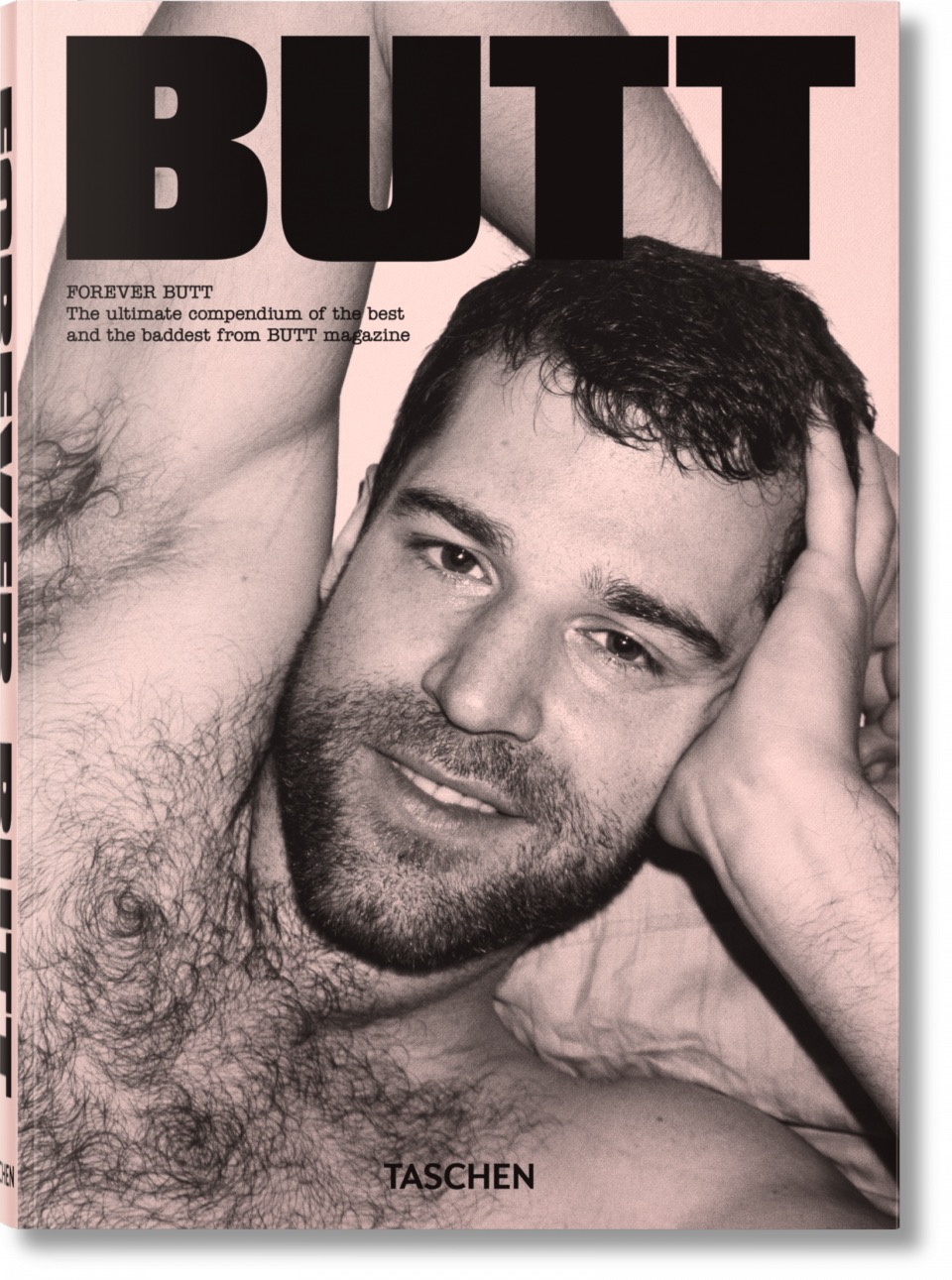
BUTT Magazine (2001–2016)
Launched in Amsterdam, BUTT was an indie, raw, and refreshingly honest publication that celebrated gay sex, intimacy, and everyday life. Pink pages, candid interviews, and gritty photography made it a cult favorite.

The Argument for Art

As with erotic photography and gay porn cinema, there’s a growing argument that catalogs like International Male should be remembered not just as pop culture oddities but as legitimate artifacts of queer history and visual art.

They reflect the shifting landscape of male identity. They archive our fantasies, our insecurities, our attempts to be beautiful in a world that once told us we didn’t belong.

Today, collectors preserve International Male catalogs as kitsch, camp, and cultural gold. Exhibitions of old issues have appeared in queer history museums, and documentaries (like All Man: The International Male Story, 2022) are reclaiming the catalog’s legacy as both fashion history and queer resistance.

For many gay men, flipping through International Male was a ritual—a private moment of longing and laughter. It was how you discovered new shirts and new dreams. How you imagined a body that might one day be yours—or in your bed.

And perhaps that’s the enduring power of such catalogs and magazines: they made desire visible. They turned clothing into code, fashion into fantasy, and mail-order into memory.

So, here’s to International Male—to its satin shirts, its sultry stares, its sneaky subversiveness. It was never just about the clothes. It was always about the possibility of being seen.

Further Reading and Viewing


Pride in Every Stroke: Gay Art Since 1970

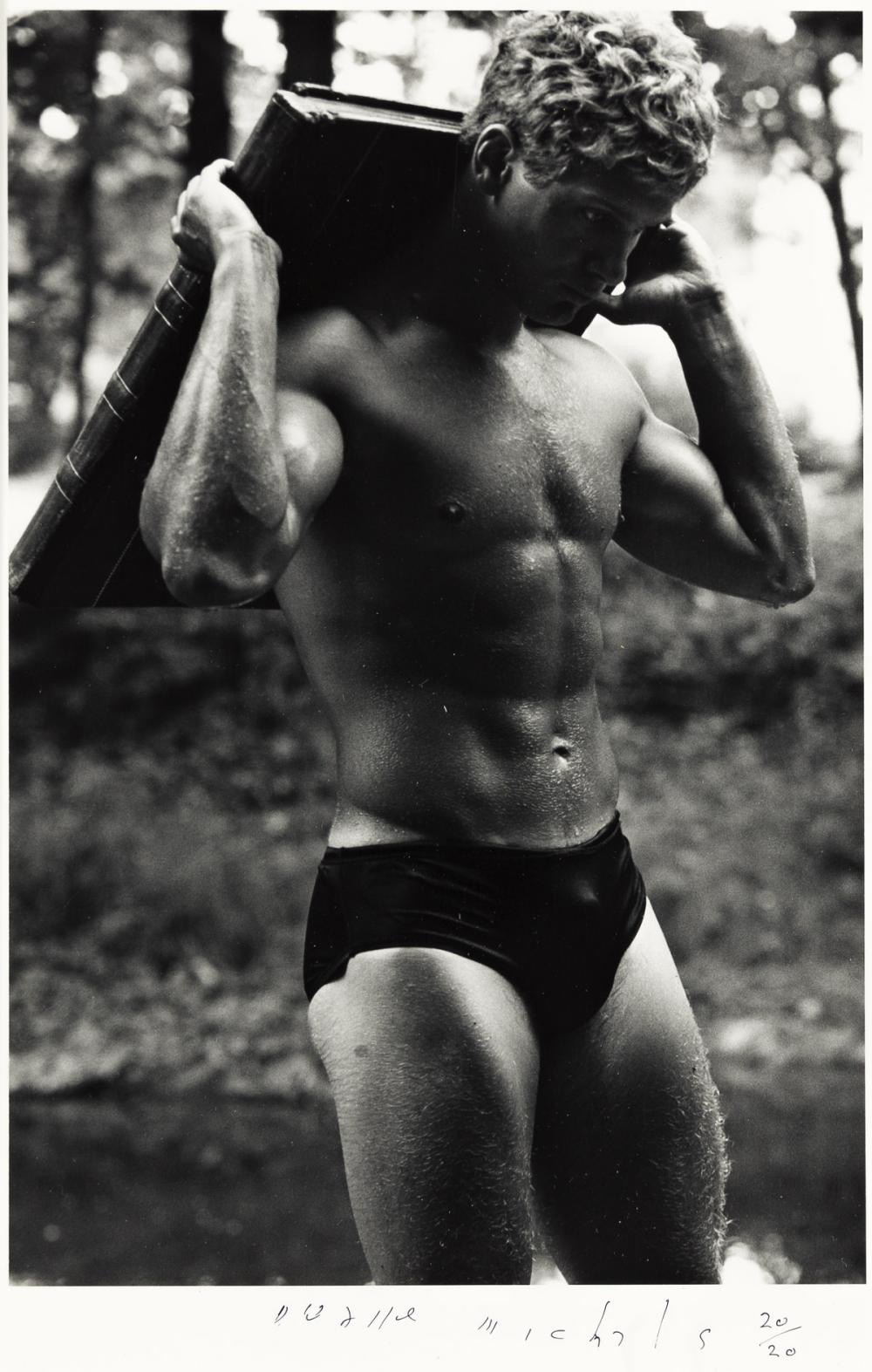
Duane Michals, Male figure holding book, date unknown.

When the first Pride parade marched through New York City in June 1970—commemorating the one-year anniversary of the Stonewall uprising—it marked not only a political turning point but also an artistic awakening. No longer confined to coded symbolism or covert expression, gay pride began to blaze through the art world in bold, unflinching forms. Over the next six decades, LGBTQ+ artists harnessed the power of visibility to challenge oppression, celebrate desire, mourn loss, and imagine futures beyond shame.

The 1970s: Visibility and Liberation

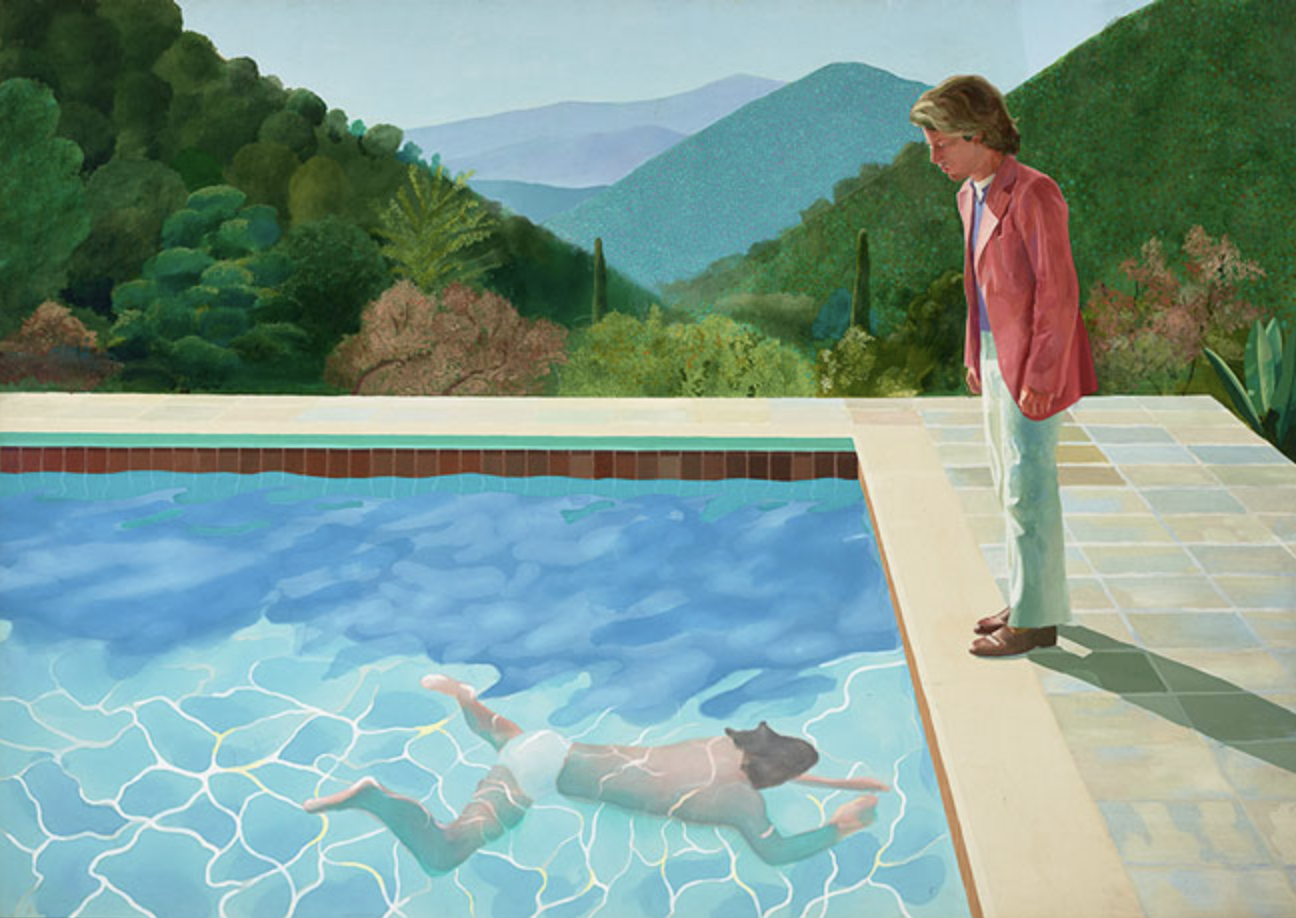
David Hockney, Portrait of an Artist (Pool with Two Figures), 1972.
David Hockney, Peter Getting Out of Nick’s Pool, 1966.
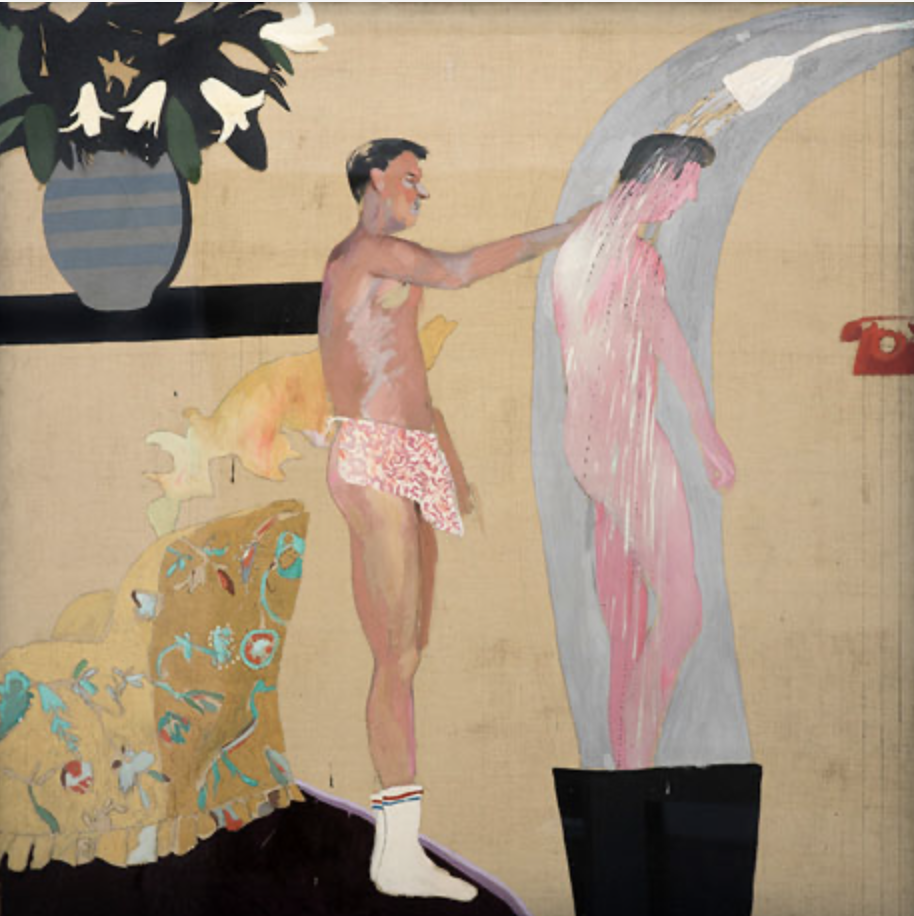
David Hockney, Domestic Scene, Los Angeles, 1963.
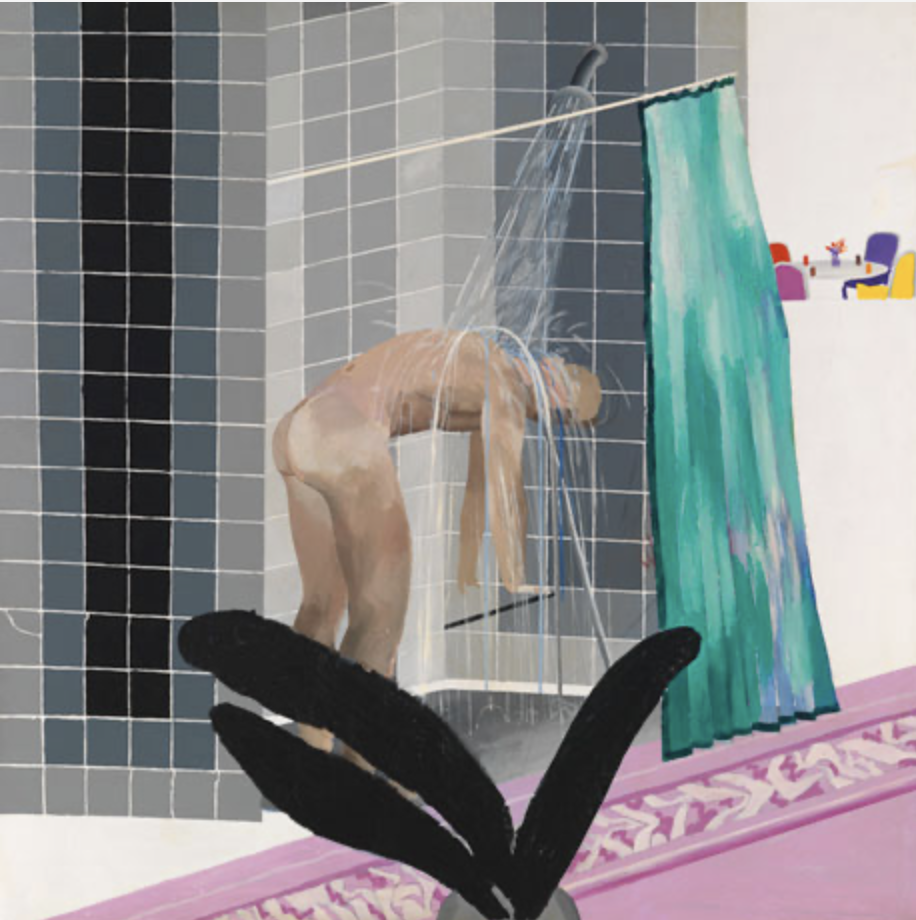
David Hockney, Man in Shower in Beverly Hills, 1964.
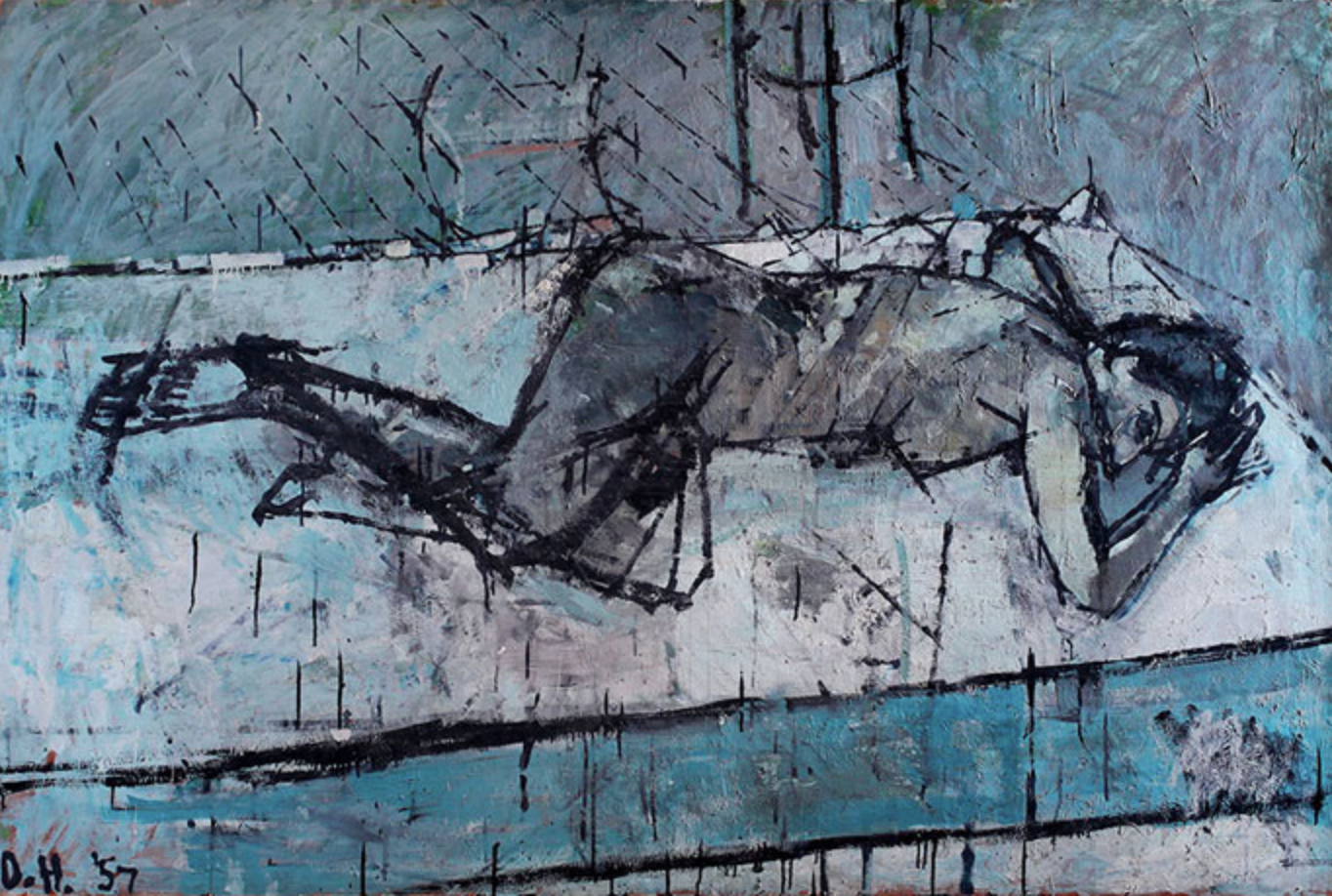
David Hockney, Nude, 1957.

Hockney is known for his vibrant use of color, innovative techniques, and significant contributions to the Pop Art movement. He infused his work with subtle but powerful depictions of gay male intimacy. His 1971 painting Portrait of an Artist (Pool with Two Figures) captured not just a sunlit pool but a relationship dynamic—gaze, distance, vulnerability. It remains one of the most iconic queer paintings of the 20th century. Educated at the Royal College of Art in London, Hockney became celebrated for his depictions of California life, especially his swimming pool series such as Peter Getting Out of Nick’s Pool (1966). His artistic practice spans painting, drawing, printmaking, photography, stage design, and digital art, including pioneering work with iPad drawing apps. Openly gay, Hockney’s works often explore themes of intimacy, domestic life, and sexuality, and his expansive career has solidified him as one of the most influential artists of the 20th and 21st centuries.

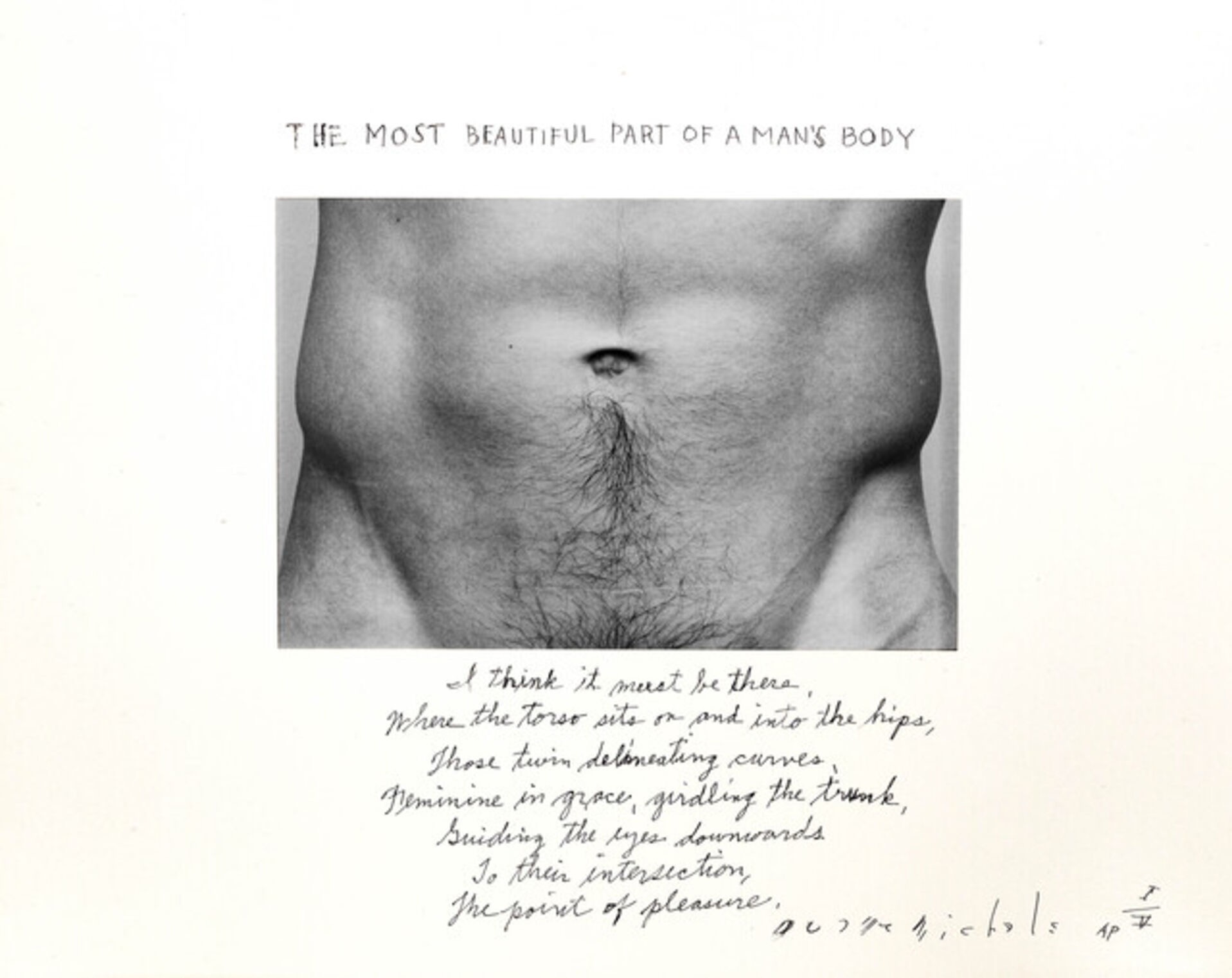
Duane Michals, The Most Beautiful Part of a Man’s Body, 1974.
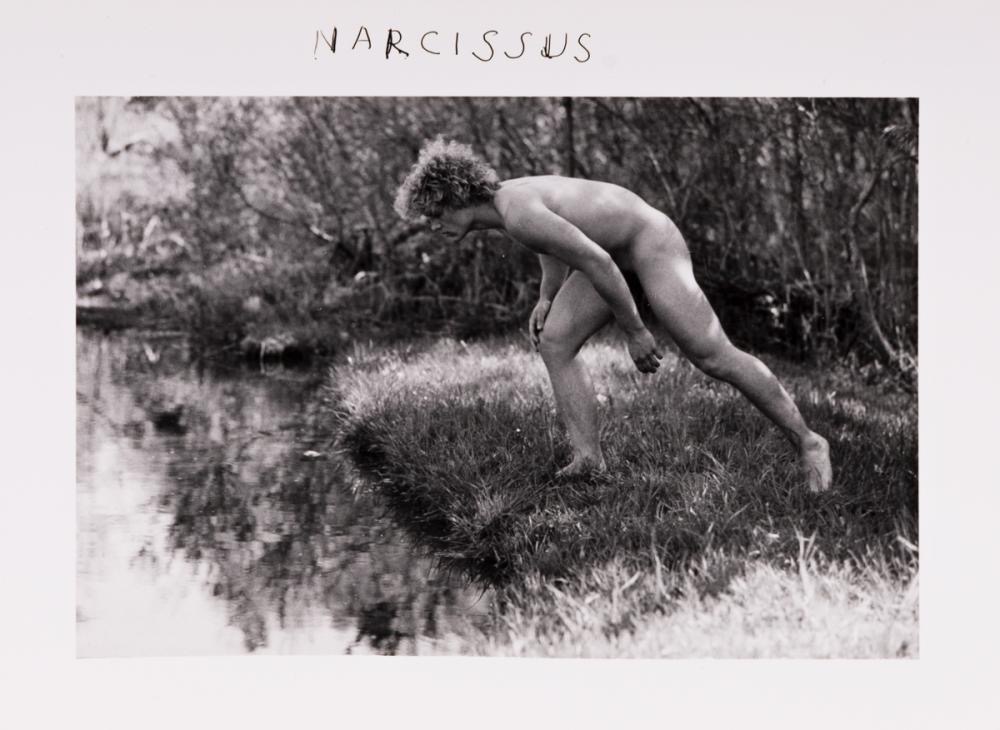
Duane Michals, Narcissus, 1985.
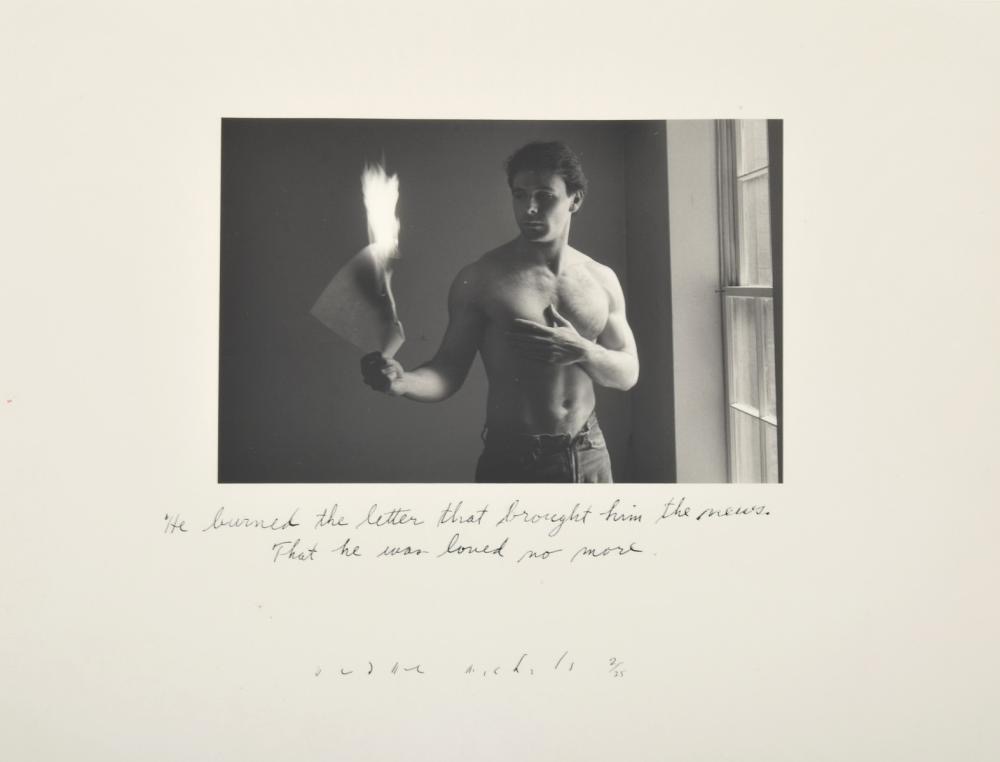
Duane Michals, He burned the letter that brought him the news that he was loved no more, date unknown.
Duane Michals, Moment of Perfection, c. 1980.
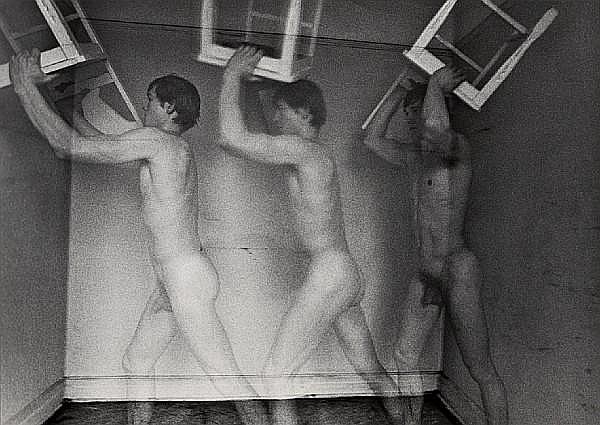
Duane Michals, Man Carrying a Chair, 1982.
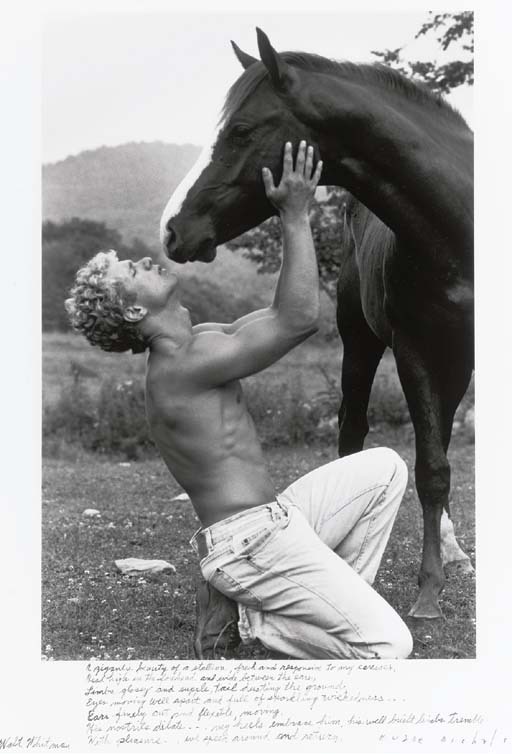
Duane Michals, A Gigantic Beauty of a Stallion, from The Series Salute To Walt Whitman, 1970.
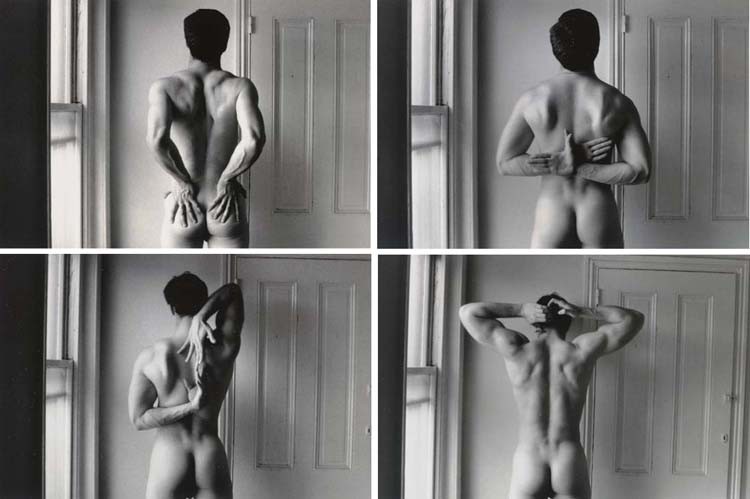
Duane Michals, Back Talk, 1970s.
Duane Michals, Take One and See Mt. Fujiyama, 1976.

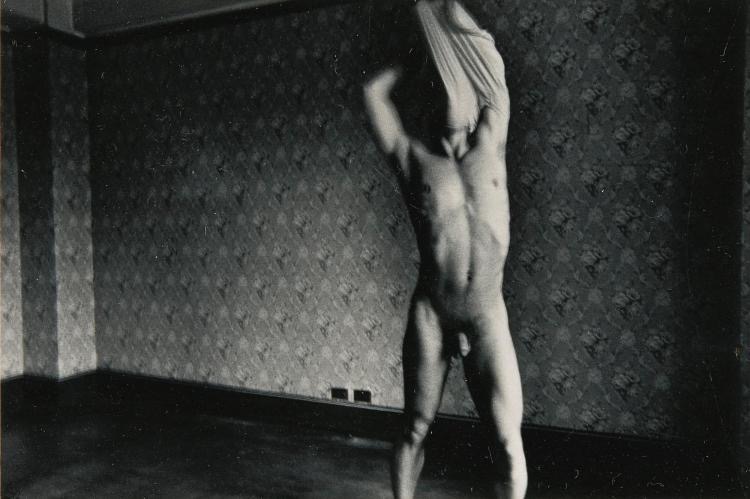
Duane Michals (1932- ) is an influential American photographer renowned for his innovative use of photographic sequences and handwritten narratives that create intimate and poetic visual storytelling. Often blending dream-like imagery with deeply personal themes, Michals pushed beyond traditional documentary photography, favoring staged scenes to explore metaphysical questions, mortality, and human emotion. He used photographic sequences to tell poetic, often erotic, visual stories—like his haunting piece The Most Beautiful Part of a Man’s Body (1974), which explored vulnerability and sensuality through layered narrative. Michals’ pioneering approach profoundly impacted contemporary photography, emphasizing that imagery could embody not only what is seen, but also what is felt, imagined, or deeply desired.

The 1980s–90s: Art in the Shadow of AIDS

As the AIDS crisis devastated the LGBTQ+ community, artists responded with fury, grief, and resilience.

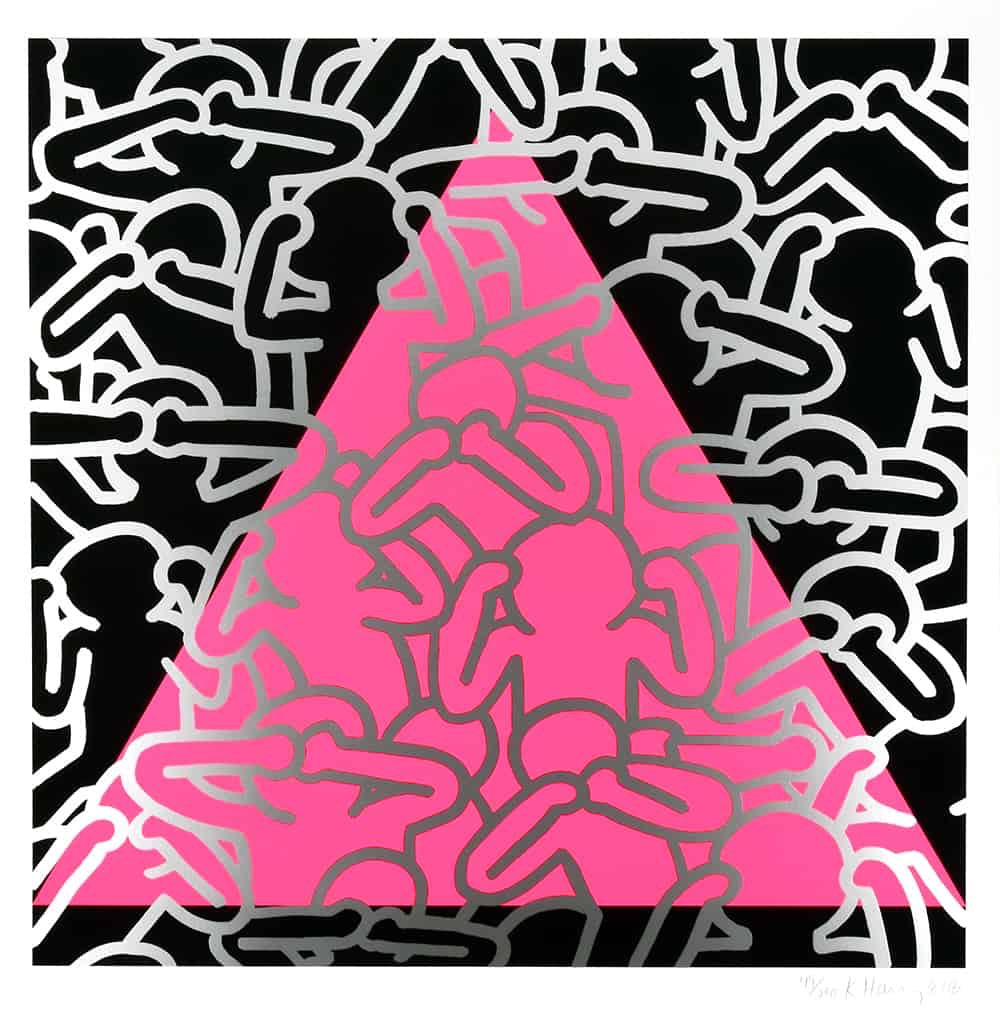
Keith Haring, Silence Equals Death, 1989.
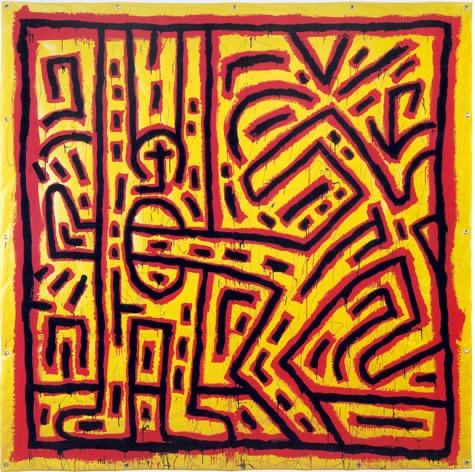
Keith Haring, Untitled, 1981.

Keith Haring (1958-1990) was a groundbreaking American artist whose bold, neon-outlined figures transformed urban spaces and gallery walls into vibrant canvases filled with queer joy and political urgency. Rising to prominence in the 1980s New York art scene, Haring used accessible imagery and public spaces—including subways and street murals—to communicate powerful messages on sexuality, AIDS awareness, and social justice. His iconic Silence = Death imagery became a rallying cry against apathy and inaction, galvanizing activism during the AIDS epidemic and amplifying voices within the LGBTQ+ community. Haring’s energetic style and activist spirit continue to resonate, ensuring his legacy as an artist who merged exuberant creativity with fearless advocacy.

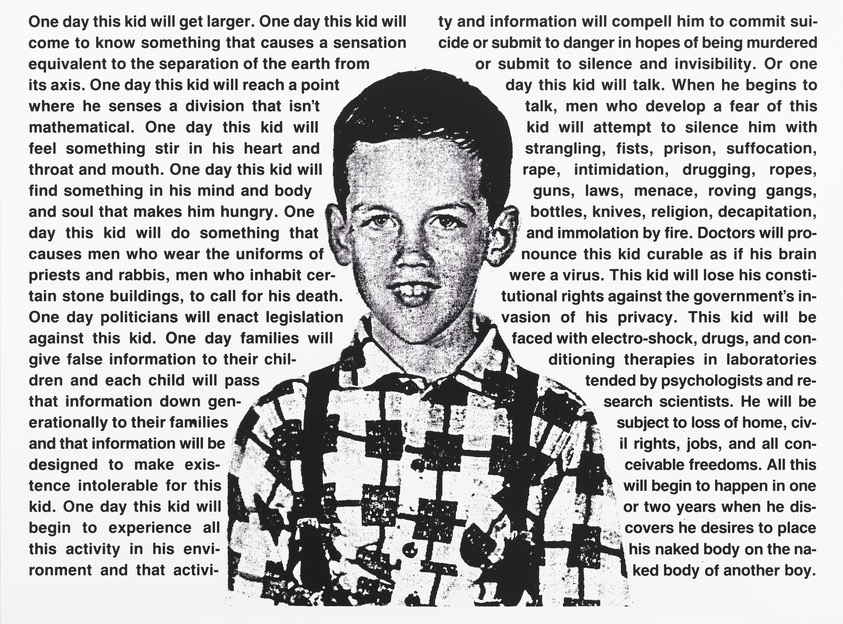
David Wojnarowicz, Untitled (One Day This Kid…), 1990.

David Wojnarowicz (1954-1992) was a fiercely confrontational American artist, writer, and activist whose work channeled the raw power of queer rage into searing critiques of homophobia, censorship, and government inaction during the AIDS crisis. Emerging from New York’s East Village art scene in the 1980s, Wojnarowicz worked across media—painting, photography, film, and text—to expose the violence and vulnerability of queer existence. His iconic piece Untitled (One day this kid…) (1990) juxtaposes a childhood photo of himself with a prophetic, damning text that lays bare the grim realities faced by queer youth in a hostile world. Unapologetically political and deeply personal, Wojnarowicz’s art remains a visceral reminder of both the pain and defiance at the heart of queer survival.

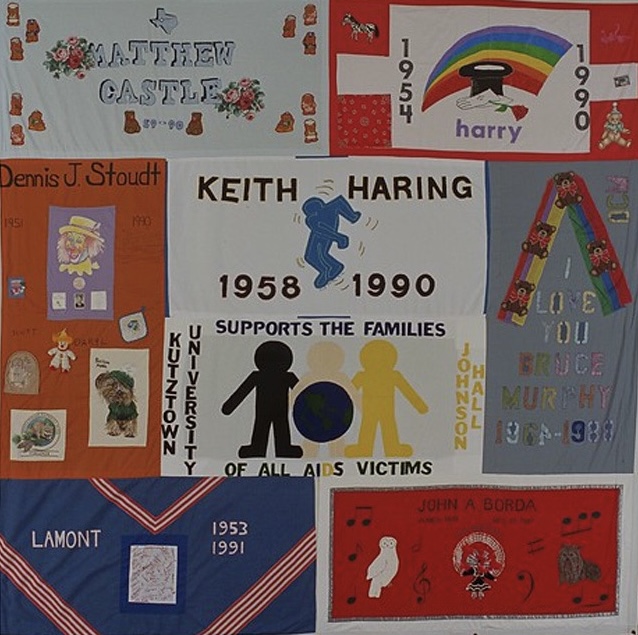
NAMES Project AIDS Memorial Quilt

The NAMES Project AIDS Memorial Quilt, begun in 1987, now contains over 50,000 panels. It is both a work of art and a massive, tangible act of remembrance and protest.

2000s–Present: Intersectionality and Expanding the Frame

In recent decades, Pride in art has become more expansive, intersectional, and experimental.

Zanele Muholi, a South African visual activist, documents Black LGBTQ+ life through dramatic portraiture. Their series Faces and Phases offers a powerful visual archive of queer resilience. Mickalene Thomas reclaims the Black female body in rhinestone-studded paintings and photographic tableaux. Her work unapologetically fuses queerness, glamour, and political assertion. See Le déjeuner sur l’herbe: Les Trois Femmes Noires (2010), a reimagining of Manet’s painting through a queer, Black feminist lens. Cassils, a transgender performance artist, uses their body in durational, often physically intense works. In Becoming an Image, they strike a clay block in darkness while a camera flash records the violence—a metaphor for queer visibility and embodiment. Juliana Huxtable, a Black trans artist, poet, and performer, combines Afrofuturism, photography, and digital media to challenge fixed identities. Her self-portraits—gender-fluid, mythic, fierce—embody queer futurity.

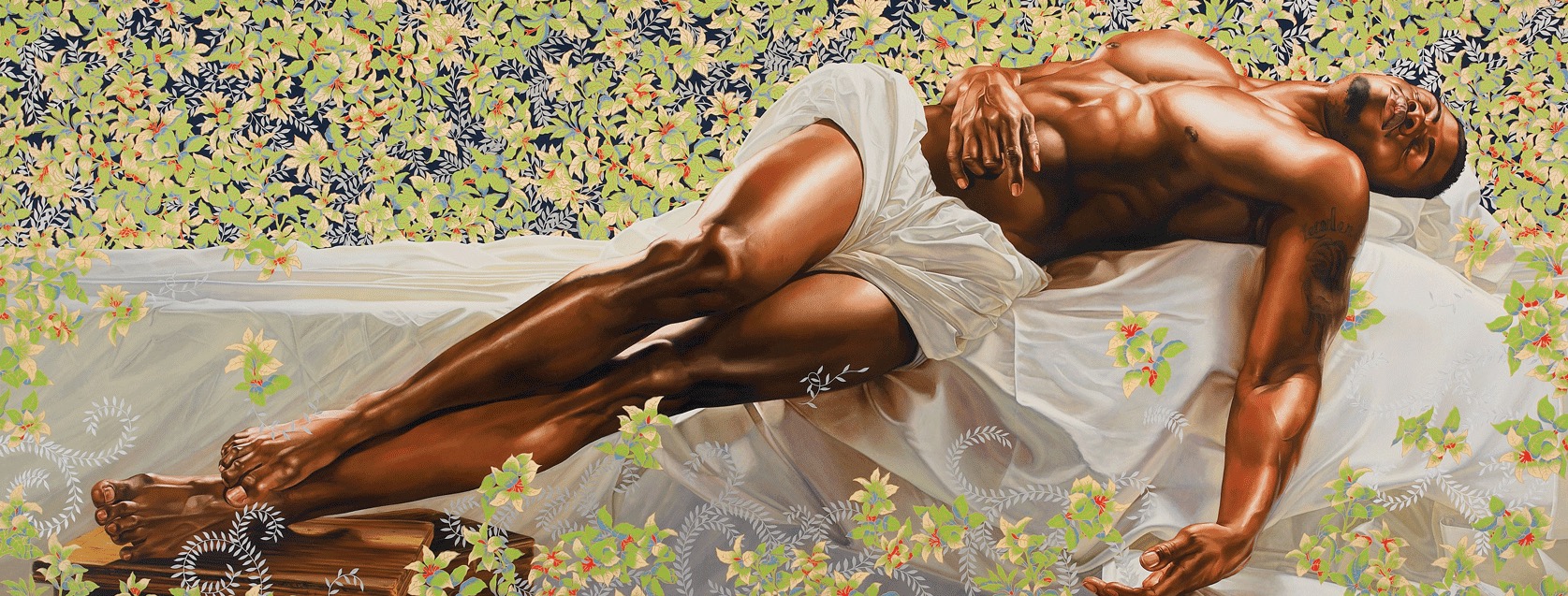
Kehinde Wiley, Sleep, 2008.

More Artists to Explore

  • Robert Mapplethorpe – his black-and-white male nudes remain some of the most iconic (and controversial) queer images in American photography.
  • Kehinde Wiley – while not exclusively queer-themed, his work often presents Black men in romantic or intimate poses, reclaiming both history and homoerotic aesthetic.
  • Hunter Reynolds – an AIDS activist and visual artist whose performance pieces and memorial works carry immense emotional and historical weight.
  • Gilbert Baker – not only an artist, but the designer of the rainbow flag itself, one of the most enduring symbols of queer pride.

Pride as Resistance and Renewal

From murals to fashion, fine art to graffiti, queer art since 1970 has told the story of a people who refused to be erased. Pride in art has been about more than beauty—it has been about survival, protest, celebration, and memory.

As Pride Month continues, remember that the movement is not only political—it is also creative. And in every painting, photograph, poem, and performance, LGBTQ+ artists have asked the world to see them not just as survivors—but as visionaries.


They Know This Will Kill Kids. They Did It Anyway.

Out of all the cruel, calculated, and heartless things the Trump administration has done over the years, I honestly think this one might be the lowest. And it makes me the angriest. I’m talking about their decision — part of the Republican budget plan from the start — to end an LGBTQ+ suicide prevention hotline by cutting federal support for it.

And let’s be clear: this wasn’t accidental. The Trevor Project, one of the most important and effective crisis intervention services for LGBTQ+ youth, was deliberately targeted in this budget process. The decision to defund this life-saving hotline wasn’t about fiscal responsibility — it was about ideology. About sending a message that these kids don’t matter, don’t deserve support, and should simply disappear from public life.

The timing wasn’t accidental either. It’s one more in a long string of attacks on the LGBTQ+ community that the Trump administration has launched just since the beginning of June. Pride Month — when queer and trans people are supposed to celebrate visibility, survival, and progress — has instead been marked by this administration using every opportunity to roll back protections, erase visibility, and push hateful rhetoric. This move to kill the hotline is cold and calculating — a deliberate choice to cause harm and inflict fear on a vulnerable community during a month meant to honor their dignity.

And for all the Republican talk of being so-called “pro-life”? This is just one more example of how hollow — and frankly how deadly — that slogan really is. They take away social welfare programs that leave children hungry. They gut protections for working families. And now they strip away suicide prevention services for the LGBTQ+ youth most at risk. Let’s be clear: “pro-life” means nothing to them. Their actions reveal the truth — they are pro-death when it comes to the most vulnerable. They are doing everything in their power to remove support and safety nets for those who need them most.

There is also a strong argument that this decision is not only morally and ethically indefensible — it may well violate civil rights laws and open the door to future legal challenges. When the government deliberately strips away access to life-saving services from a marginalized group — one that faces disproportionate rates of harassment, discrimination, and suicide — that can amount to deliberate indifference under civil rights standards. It can also create a chilling effect, reinforcing a climate of exclusion and hostility. Federal agencies are supposed to administer their programs without discrimination, and courts have recognized that targeting specific groups in ways that increase harm may violate constitutional protections under the Equal Protection Clause — or even Title VI or Title IX in certain contexts. This is not just political cruelty — it could, and should, be the subject of serious legal scrutiny.

Let that sink in for a moment. A hotline dedicated to saving lives — to answering desperate calls from LGBTQ+ youth in crisis — is being deliberately shut down. Not because of lack of need. Not because it wasn’t effective. But because this administration is ideologically hostile to those kids’ very existence.

And I do mean kids. Many of the young people who reach out to The Trevor Project and similar hotlines are teenagers — sometimes as young as 11 or 12 — grappling with feelings of isolation, rejection, bullying, abuse. They turn to these hotlines because they have nowhere else to go. And for the government of the United States to turn its back on them — to deliberately erase the “TQ” from its language, to send the message that they don’t exist or don’t matter — is unconscionable.

This isn’t “just politics.” This isn’t about religious differences. This is literally about life and death. Children will die because of this decision. That’s not hyperbole. The statistics on suicide among LGBTQ+ youth are heartbreaking — and undeniable. Cutting off a lifeline will only make it worse.

As someone who grew up in a deeply conservative and homophobic family, I know firsthand how much something like The Trevor Project could have meant. Back in 1994, as a scared teenager who had been taught that my feelings for other boys were sinful — that they would send me to hell — I didn’t understand my own sexuality. I was still in denial, confused, and terrified. But those around me had already convinced me that what I was feeling was evil.

One night, overwhelmed, I swallowed a handful of pills. Thankfully, all they did was make me sick — but at the time, I had no one to turn to. There was no hotline, no safe space, no adult I trusted enough to confide in. I survived, but many don’t. And I can’t help but think how different things might have been if I’d had a resource like The Trevor Project back then. I wish I could do more.

And even if you don’t personally “agree” with LGBTQ+ identity — even if you’re unsure or uncomfortable — how can anyone with a shred of compassion justify abandoning children in crisis? You don’t have to understand every aspect of someone’s identity to care whether they live or die. You don’t have to condone or celebrate LGBTQ+ lives to believe that kids deserve help and hope when they reach out.

I find myself asking: What God do these people believe in? Because it sure as hell isn’t the Christian God I was taught about. The God I believe in calls us to love our neighbor, to comfort the brokenhearted, to bind up the wounded — not to throw them away.

This news honestly makes me want to cry. Not in a performative way. In a gut-wrenching, soul-heavy way. Because I know the reality: young queer kids will be sitting in their rooms, alone, afraid, maybe thinking about ending their lives — and now they’ll have one less place to turn.

How could anyone do this? How could anyone look at a struggling 14-year-old trans kid, or a scared gay teen in a conservative household, and say: We are going to take away your helpline. We are going to pretend you don’t exist. We are going to make it harder for you to survive.

And how can Christians in good conscience support this? Jesus didn’t teach us to abandon vulnerable kids. He taught us to welcome them, to love them, to protect them.

Out of everything this administration has done — all the lies, the corruption, the cruelty — this hits me the hardest. Because these are children. And they deserve better.

And if it makes you angry too — good. Let it. But don’t let it stop there. Speak out. Write. Donate. Support the hotlines that do still exist. Vote.

Most importantly: You can help The Trevor Project continue its life-saving work by donating here: https://www.thetrevorproject.org/donate/. Without government support, they will rely even more on our generosity to keep the hotline going for those who need it most.

Because lives are on the line. And I, for one, refuse to look away.


🌈 God’s Image, Queerly Reflected

“So, God created humankind in his image, in the image of God he created them; male and female he created them.”

— Genesis 1:27

From the very beginning, Scripture tells us something radical: that we are made in the image of God. This verse from Genesis is often quoted, but too rarely unpacked in its glorious, expansive truth.

What does it mean to be made in the image of God? It means we reflect God not in uniformity, but in diversity. Not in sameness, but in difference. It means every gender, every orientation, every body, every soul bears something sacred—something divine. Yet for generations, many LGBTQ+ people have been told the opposite. That our queerness is a distortion, a rebellion, an error. But what if our queerness is not a flaw, but a feature of God’s creativity?

God is not binary. God is not confined. God is creator, relational, mysterious, wildly imaginative. And we—queer, trans, nonbinary, gay, lesbian, bi, ace, and all beyond—carry that same creativity, complexity, and relational beauty within us.mWe are not outside God’s image. We are part of its full expression.

Think about the rainbow—a biblical sign of covenant and peace. Its beauty lies in its range. Each color distinct, yet part of a whole. The same is true of humanity. Our identity, your body, our orientation, our way of loving—these are not obstacles to divine reflection. They are evidence of it. We are part of the kaleidoscope of God’s presence in the world.

Queerness challenges rigid categories. It defies the neat boxes religion and society often try to impose. But perhaps that is exactly what the image of God does too. It disrupts our assumptions. It invites wonder. In a world eager to limit God’s likeness to the familiar, LGBTQ+ people expand the canvas. We remind the Church that God is still creating, still surprising, still delighting in what is “very good.”

God made us in His image, in all our beauty and complexity—our queerness reflects His creativity. When others try to diminish our worth, He reminds us that we carry the divine imprint. Our lives should be a mirror of His love, a reflection of His grace, and a celebration of the diversity He called good.

We are not a deviation from God’s design. We are a beloved echo of the divine voice that said, “Let us make humankind in our image.” Our queerness is not too much. It is not too different. It is exactly what it was meant to be: a radiant, holy reflection of the God who made us.

Go forth this Pride Month not just with courage, but with the joy of knowing that when you live as your full self, you show the world what God looks like.

🌈🏳️‍🌈🏳️‍⚧️


Before the Parades: Gay Pride in Art and Artistic Expression

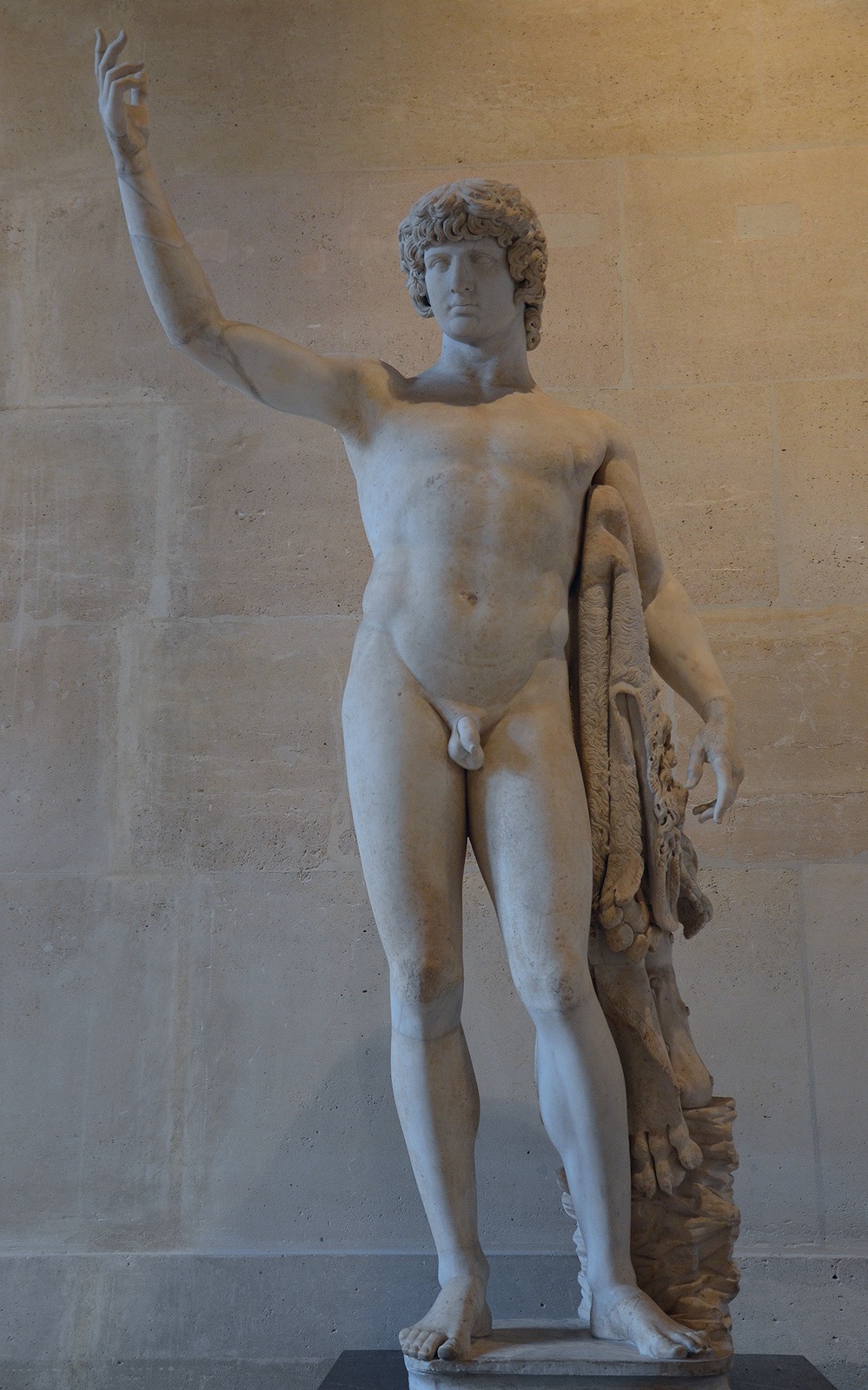
“Braschi Antinous”, also known (wrongly) as Albani Antinous, the statue is composed of an antique head of Antinous and an antique body of Hercules, 2nd century AD, (Louvre Museum)

While the concept of Gay Pride as we know it—public marches, rainbow flags, and open celebration of LGBTQ+ identity—is a relatively recent phenomenon, the spirit of gay pride has long found expression through art. For centuries, queer individuals used artistic media to celebrate same-sex desire, intimacy, and identity in ways that defied societal norms and preserved a sense of dignity and joy. Long before the world was ready for open affirmation, LGBTQ+ artists—and their allies—used beauty, symbolism, and coded language to proclaim their existence and their worth.

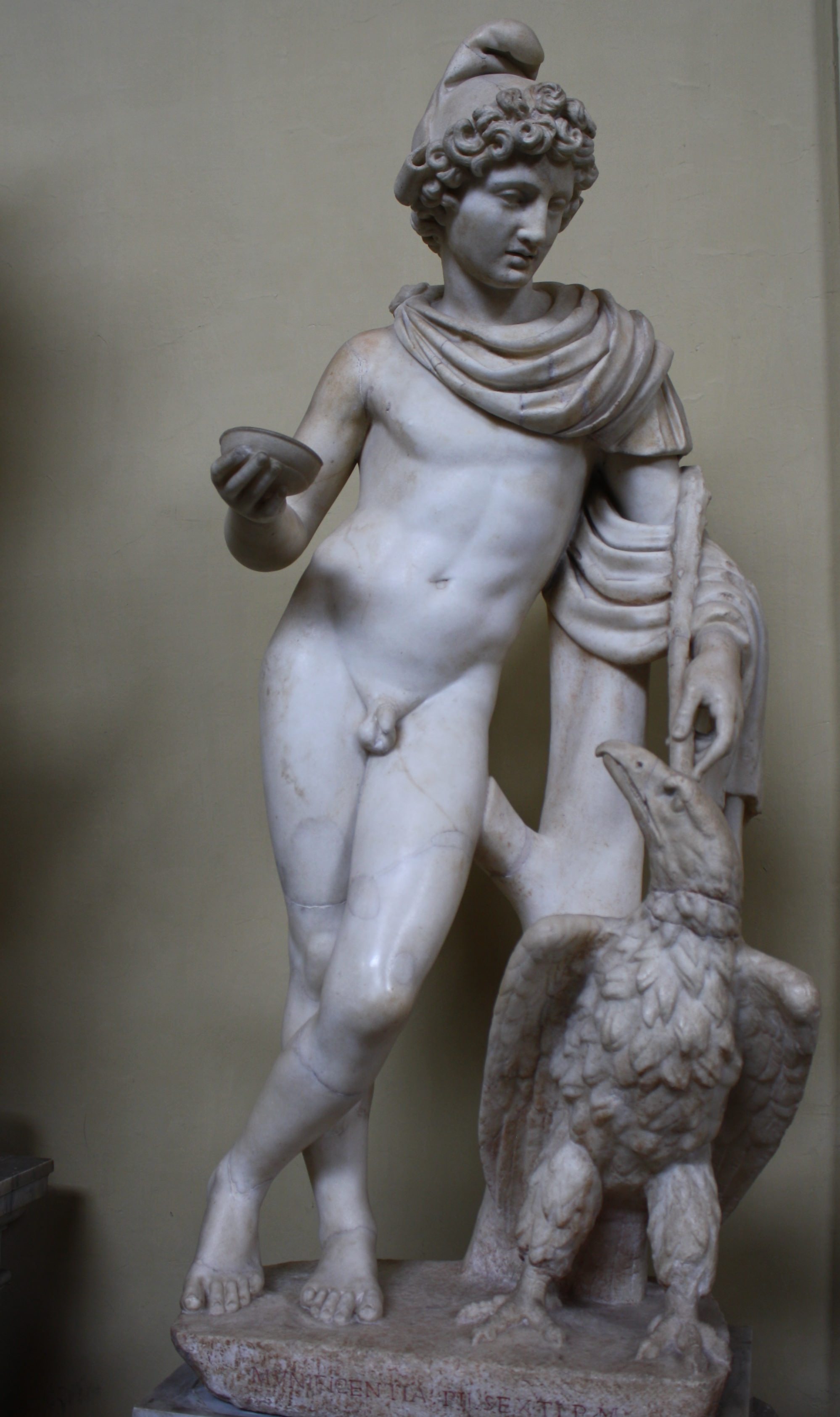
Ganymede, Rome, 2nd century CE. (Vatican Museums, Rome)

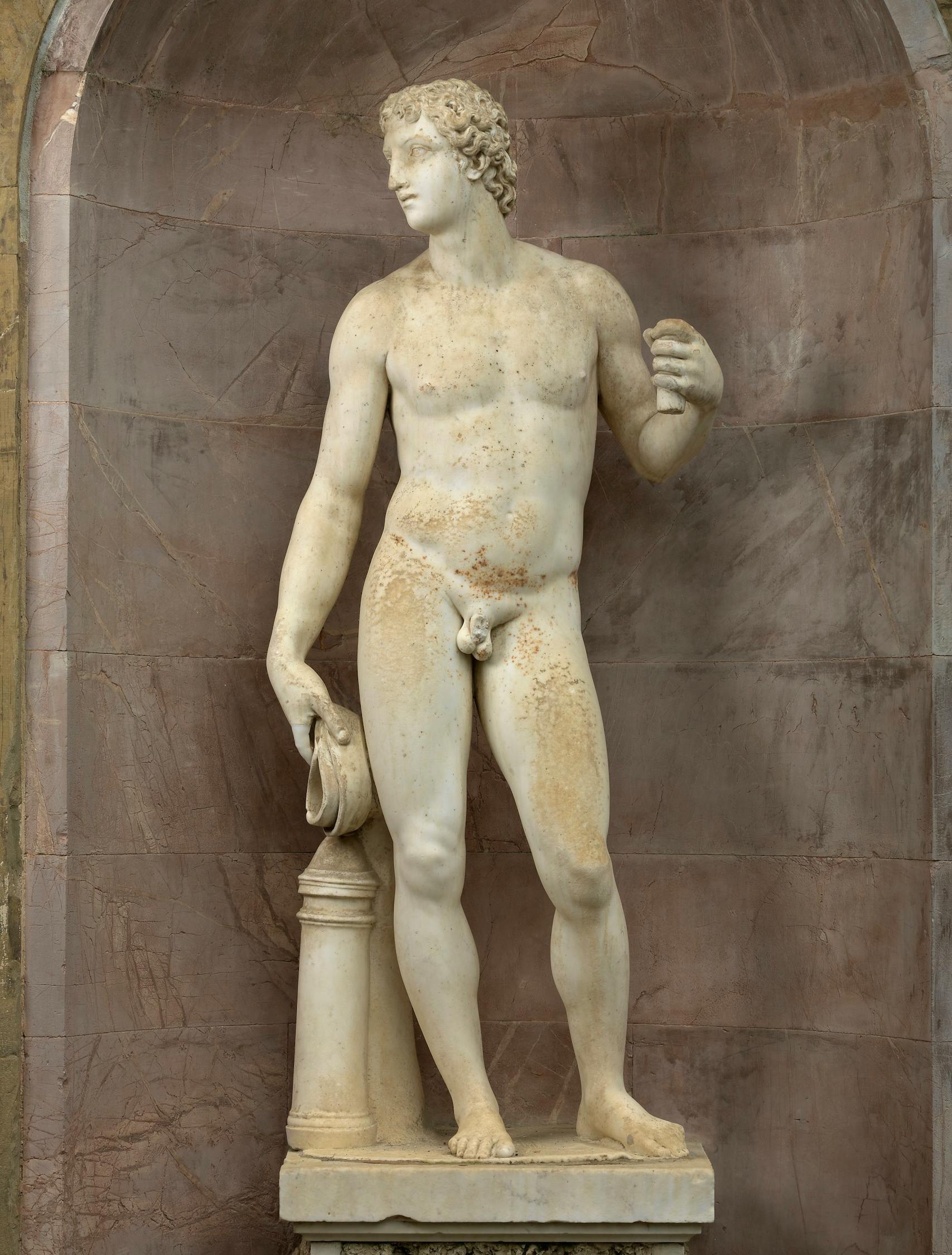
Art has always provided a refuge for queer expression, especially in eras and regions where same-sex love was criminalized or pathologized. From the sensual male nudes of classical antiquity to the romantic portraits of Renaissance companions, art offered what public discourse denied: a space to affirm beauty and love between men. The sculptures of ancient Greece and Rome—Apollo, Ganymede, Antinous—didn’t just celebrate form; they canonized homoerotic ideals in marble and bronze. Even when later societies sought to suppress these themes, artists returned to them time and again, as if retrieving a sacred truth buried beneath centuries of shame.

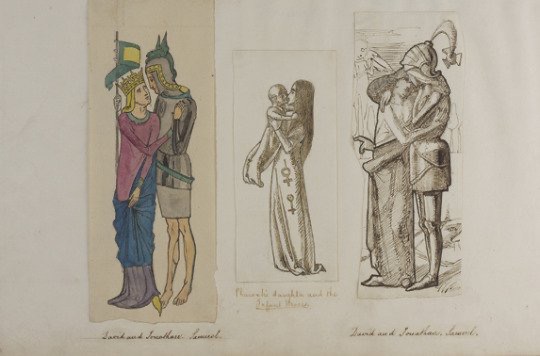
David and Jonathan. Samuel & Pharaohs Daughter and the Infant Moses from Simeon Solomon’s 1854 Sketchbook (Jewish Museum London)

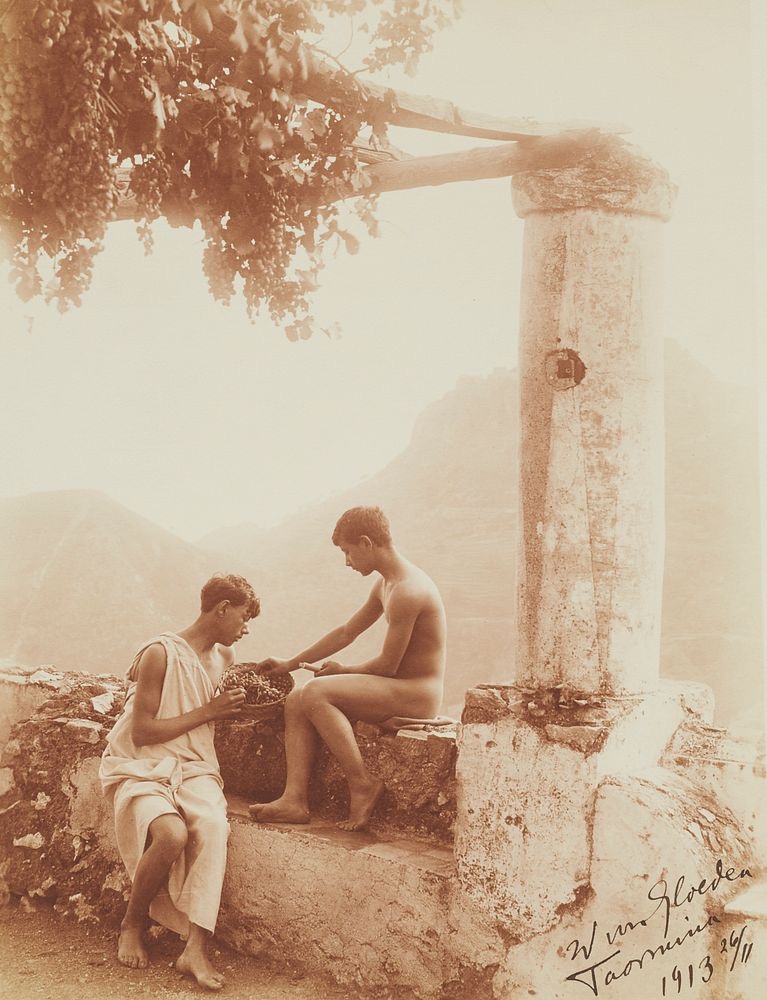
During the 19th century, artists such as Simeon Solomon in Britain and Wilhelm von Gloeden in Italy dared to depict love between men with unmistakable tenderness and eroticism. Solomon’s watercolors of biblical figures—David and Jonathan, Ruth and Naomi—recast religious stories as queer allegories, while von Gloeden’s photographs of young men in Sicily, staged in classical poses, cloaked desire in the guise of nostalgia and antiquity. Their works were often persecuted, sometimes destroyed, but they endure today as testimonies of queer pride in the face of rejection.

Photograph titled “Pastoral Idyll,” Wilhelm von Gloeden, 1913 (Private Collection)

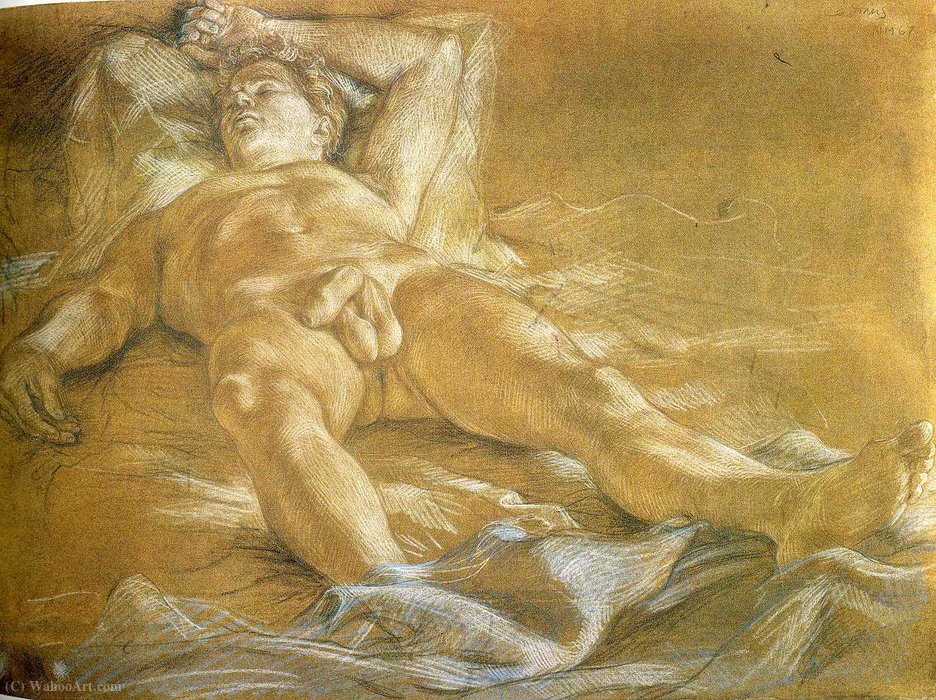
In the 20th century, as queer identity began to coalesce into more defined social and political movements, art took on a sharper edge. Artists like Keith Haring and David Wojnarowicz turned pride into protest. Their works channeled anger, loss, celebration, and eroticism in ways that were unapologetically queer—bold lines, graphic imagery, public installations, and furious calls to action during the AIDS crisis. At the same time, the poetry of Audre Lorde, the paintings of Paul Cadmus, and the photography of Robert Mapplethorpe revealed the many facets of queer life—from intimacy and sensuality to community and struggle.

“Untitled (565), Paul Cadmus, 1968, (Originally, the property of actor, cabaret singer, and Paul Cadmus’ muse and lover, Jon F. Anderson)

What unites these expressions across time is a fundamental belief: that same-sex love is beautiful, worthy of representation, and part of the human story. Whether through coded glances in Renaissance paintings or blazing neon activism in contemporary murals, gay pride has always found a way to speak. Even when silenced, it painted itself into the margins, waiting for a world that could see it clearly.

Apollo, Baccio Bandinelli, 1548 – 58, (Boboli Gardens)

Today, we celebrate openly. But let us also remember and honor those who celebrated in secret—those who, through brushstroke and verse, camera and chisel, gave voice to a pride they couldn’t proclaim aloud. They remind us that Pride is not only about visibility, but also about creation. And art, in all its forms, remains one of the truest expressions of queer existence and resilience.


🌈 Redeeming Pride

“But he gives more grace. Therefore, it says, ‘God opposes the proud, but gives grace to the humble.’”

— James 4:6 


“You shall love the Lord your God with all your heart, and with all your soul, and with all your mind…and you shall love your neighbor as yourself.”

— Matthew 22:37, 39


“There is therefore now no condemnation for those who are in Christ Jesus.”

— Romans 8:1

For centuries, Christians have been taught that pride is one of the Seven Deadly Sins—a dangerous self-exaltation that places one’s ego above God. And rightly so, this kind of pride—the pride that leads to arrogance, domination, and the denial of God’s grace—is spiritually harmful.

So, what does this mean for LGBTQ+ Pride? Are we sinning by celebrating who we are? Let us be clear: LGBTQ+ Pride is not the sin of pride. It is not self-worship. It is not superiority. It is not about denying God—it’s about denying shame.

For many of us, the world has tried to crush our spirits, silence our truths, and teach us to hate ourselves. We were told that being gay, bi, trans, or queer was incompatible with faith, with love, with dignity. And yet here we are—alive, thriving, and still clinging to hope. That is what Pride Month celebrates: not arrogance, but survival; not superiority, but belovedness; not sin, but sacredness.

The “pride” warned against in Scripture is not about loving yourself as God made you. It’s about refusing to love God or others. It’s about placing your ego above compassion. It’s about being closed off to grace. But the pride we celebrate in June is the healing of what was broken. It is the restoration of image-bearing dignity. It is standing up and saying, “I am fearfully and wonderfully made” (Psalm 139:14).

Jesus taught us the greatest commandments: to love God and to love our neighbor as ourselves. That last part—loving ourselves—is often forgotten, yet it is essential. We cannot extend love if we believe we are unworthy of it. Pride, for the LGBTQ+ Christian, is not sinful—it is sacred defiance against shame, and a return to the truth that we are loved just as we are.

God reminds us that His grace is not reserved for the perfect, but for the honest and the hurting. He helps us discern the difference between selfish pride and holy confidence. Let our celebration of Pride be a witness to God’s inclusive love, to the beauty of diversity in His creation, and to the freedom found in Christ. We should Remain humble, yes—but also whole.

God doesn’t call us to be ashamed of who we are. God calls us to walk humbly, love deeply, and live truthfully. As LGBTQ+ Christians, we can hold our heads high—not in arrogance, but in gratitude for the grace that sustains us. This Pride Month, reject the shame others tried to place on you. Celebrate who God made you to be. That kind of pride—the kind that honors truth, healing, and love—is not sin. It is resurrection.

We are not condemned. We are cherished.

🌈🏳️‍🌈🏳️‍⚧️


A Shameful Gesture in Pride Month

I’ll be honest—I’m angry.

This week, Defense Secretary Pete Hegseth announced that the Navy will be renaming the USNS Harvey Milk. Let that sink in. During Pride Month—a time when we reflect on the courage and contributions of LGBTQ+ individuals—he chose to strip Harvey Milk’s name from a Navy ship. It’s hard to see this as anything but a deliberate and deeply cynical move.

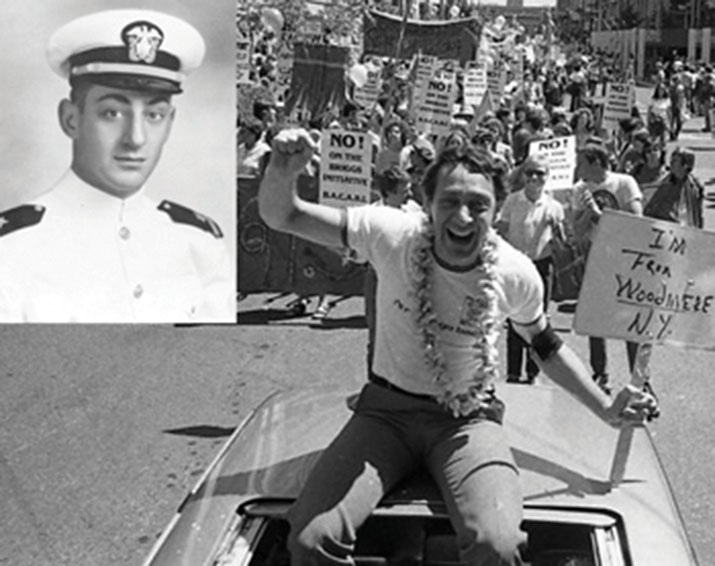
For those who don’t know, Harvey Milk wasn’t just a gay icon—he was a Navy veteran. He served this country. He wore the uniform. And after being discharged during an era when being openly gay meant exile or worse, he went on to become the first openly gay elected official in California. He fought for equality with both passion and integrity, and ultimately gave his life for the cause of justice and representation.

When the USNS Harvey Milk was christened, it felt like a small but meaningful step toward acknowledging that queer Americans have always served—often in silence, often in danger, always with dignity. That ship’s name stood for something more than just metal and machinery. It honored visibility, service, and sacrifice.

To remove that name—during Pride Month, no less—isn’t just tone-deaf. It’s cruel. It’s shameful. It’s part of a larger effort we’re seeing to roll back the clock on diversity, inclusion, and basic decency. This isn’t about strengthening the military. It’s about erasing queer people from the story of America. It’s about rewriting history in a way that suits a narrow, regressive agenda.

We’re told this has something to do with restoring “warrior ethos” and “core values.” But here’s what I know: real strength includes empathy. Real warriors fight for all people, not just the ones who look or love like them. Real leadership doesn’t cower behind performative patriotism—it uplifts the truth, even when that truth makes some people uncomfortable.

Secretary Hegseth’s record already includes a DUI arrest and a long list of questionable decisions. But this one? This feels personal. This feels targeted. This feels like a slap in the face to every queer person who has ever served this country and to everyone who continues to fight for equality and recognition today.

Harvey Milk once said, “Hope will never be silent.” And neither should we.

So no, we’re not going to sit quietly while our heroes are erased. We’re not going to accept Pride Month as a time for symbolic gestures and empty rainbows while the actual legacy of LGBTQ+ people is being dismantled. We’re going to keep remembering. We’re going to keep speaking. And we’re going to make damn sure that the name Harvey Milk is never forgotten.


🌈 Pride in the Image of God

“I praise you, for I am fearfully and wonderfully made. Wonderful are your works; that I know very well.” 

— Psalm 139:14

“There is no longer Jew or Greek, there is no longer slave or free, there is no longer male and female; for all of you are one in Christ Jesus.” 

— Galatians 3:28

“For the Spirit God gave us does not make us timid, but gives us power, love and self-discipline.” 

— 2 Timothy 1:7

Pride Month is often seen as a celebration—of identity, visibility, survival, and love. But for LGBTQ+ Christians, it is also a sacred invitation to reclaim our place in the story of God’s people. To be LGBTQ+ and Christian is not a contradiction. It is a divine calling to live authentically, in the truth of who we are, as beloved children created in God’s own image.

Pride is not about arrogance or rebellion; it is about dignity. It is about standing tall in a world that has too often tried to make us small. It is about refusing shame. And it is about remembering that the same God who knit us together in the womb did so with care, intention, and joy.

Too many of us have heard the message that God’s love must be earned by becoming someone else. But the gospel tells a different story—a story of radical welcome, unearned grace, and a Savior who broke down barriers and sought out the marginalized. Jesus didn’t conform to religious expectations. He loved expansively, healed indiscriminately, and told us not to be afraid.

This Pride Month, hear this truth clearly: You are not a mistake. You are not outside the reach of grace. You are part of the Body of Christ. Your love, your life, your truth—they matter deeply to God.

Take pride in the Spirit’s power within you. Take pride in your survival and in your joy. Take pride in your faith, not despite who you are, but because of who you are.

We should thank God for creating us wonderfully and wholly. In a world that sometimes denies us dignity, He remind us that we are His. Let Pride Month be a season of healing, joy, and holy resistance. We should walk in the confidence of God’s love, stand in the truth of His grace, and shine with the light He placed within us. We must always remember to love others with that same wild, welcoming love.

So, this Pride Month let’s go forth in love and boldness, knowing we are a living reflection of God’s creativity. Our lives are a testimony of truth, resilience, and grace. This Pride Month—and always—walk proudly in the name of the One who made you exactly as you are: deeply loved, beautifully queer, and wholly divine.

🌈🏳️‍🌈🏳️‍⚧️


Presidents’ Day

Presidents’ Day is often seen as a celebration of leadership, democracy, and the vision of those who have shaped the United States. But for the LGBTQ+ community, this day can carry a more complex meaning. It is both a reminder of how far we have come in the fight for equality and a call to action against the rising tide of fascism threatening our freedoms.  

In recent years, far-right politicians have worked aggressively to roll back LGBTQ+ rights, attack transgender individuals, and undermine democracy itself. This Presidents’ Day, we must ask ourselves: What kind of leadership do we truly honor? Do we celebrate those who uphold justice, or do we resist those who seek to oppress? 

American history has been shaped by leaders who both upheld and denied justice. While presidents like Abraham Lincoln fought to expand freedom, others have enforced policies that marginalized communities. The LGBTQ+ community has had to fight for every inch of progress—from the Stonewall riots to marriage equality—often against leaders who sought to erase us.  

Today, we face new threats. Across the country, lawmakers are banning gender-affirming healthcare, censoring LGBTQ+ history, and criminalizing queer existence. These actions are not just about policy; they are about power, control, and the systematic erasure of marginalized people.  

We cannot afford to pretend that what is happening in the U.S. is politics as usual. The rise of authoritarian leaders pushing anti-LGBTQ+ policies is part of a broader attack on democracy itself. Fascism thrives on scapegoating vulnerable groups, restricting freedoms, and silencing dissent. If we do not resist now, the consequences will be catastrophic—not just for LGBTQ+ people but for everyone. 

How to Fight Back:

  1. Vote and Mobilize – The LGBTQ+ community and allies must organize, vote in every election, and push for leaders who uphold human rights. 
  2. Support LGBTQ+ Organizations – Groups like the Trevor Project, Lambda Legal, and the ACLU are on the front lines, fighting for our rights. 
  3. Challenge Hate in Our Communities – Whether in churches, schools, or workplaces, we must speak out against anti-LGBTQ+ rhetoric and policies.
  4. Engage in Peaceful Protest – From Pride marches to demonstrations, public action remains a powerful tool against oppression. 
  5. Uplift and Protect One Another – In times of rising hate, mutual aid and community care are essential. No one should have to fight alone. 

Presidents’ Day should not just be about honoring the past—it should be about shaping the future. We must demand leaders who fight for justice, not those who spread fear and division. The presidency should be a position of service, not oppression. If those in power refuse to uphold human dignity, then it is our duty to resist them with everything we have.  

The LGBTQ+ community has always been resilient. We have survived persecution, discrimination, and violence. And we will continue to fight. Presidents’ Day can be a reminder that leadership is not just about those in office—it’s about all of us, standing together, building a future where love, justice, and equality prevail. This year, let Presidents’ Day be a call to action. The fight is far from over, but we are not alone. Together, we will resist. Together, we will win. 


MLK Day

On this very cold January 20th (It’s currently 6º F and it will drop to -4º by midnight tonight.), we celebrate Martin Luther King Jr. Day, honoring the legacy of a man whose fight for justice, equality, and love transformed the world. While Dr. King’s work focused on the Civil Rights Movement and dismantling systemic racism, his message of universal dignity resonates deeply within the LGBTQ+ community.

Dr. King believed in the interconnectedness of all struggles for equality, famously stating, “Injustice anywhere is a threat to justice everywhere.” His words remind us that the fight for LGBTQ+ rights is part of a broader movement for human rights and liberation.

Throughout history, LGBTQ+ activists have drawn inspiration from Dr. King’s nonviolent approach and his unwavering hope for a more just society. Bayard Rustin, one of King’s closest advisors and the chief architect of the 1963 March on Washington, was a gay man who lived his truth despite societal discrimination. Rustin’s vital contributions to the Civil Rights Movement show the shared stakes between racial and LGBTQ+ justice.

On this day, we reflect on how Dr. King’s dream challenges us to continue the work of building a world where everyone is free to love, live, and be their authentic selves. His legacy urges us to fight against hate and discrimination in all its forms and to envision a future rooted in compassion and equality.

As LGBTQ+ individuals and allies, celebrating Martin Luther King Jr. Day is a reminder of the power of solidarity, courage, and the belief that love truly conquers all. Together, we honor his dream by continuing to create a world where everyone can thrive.