Here’s a question for my fellow southern transplants to the frigid north: have you found an appreciation for how hot hockey players are? I know nothing about hockey, but I’ve known a few hockey players since moving to Vermont, and they are a sexy bunch. Growing up in the South, I always found football and baseball players hot, and while they have football and baseball up here, hockey is to the North what football is to the South.
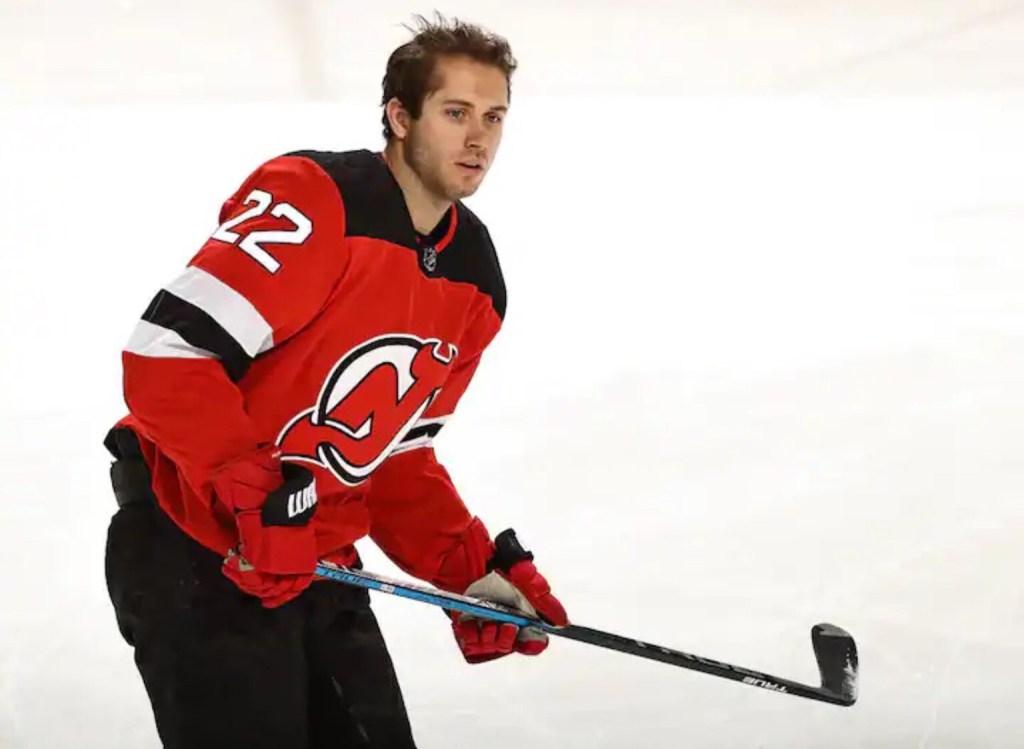
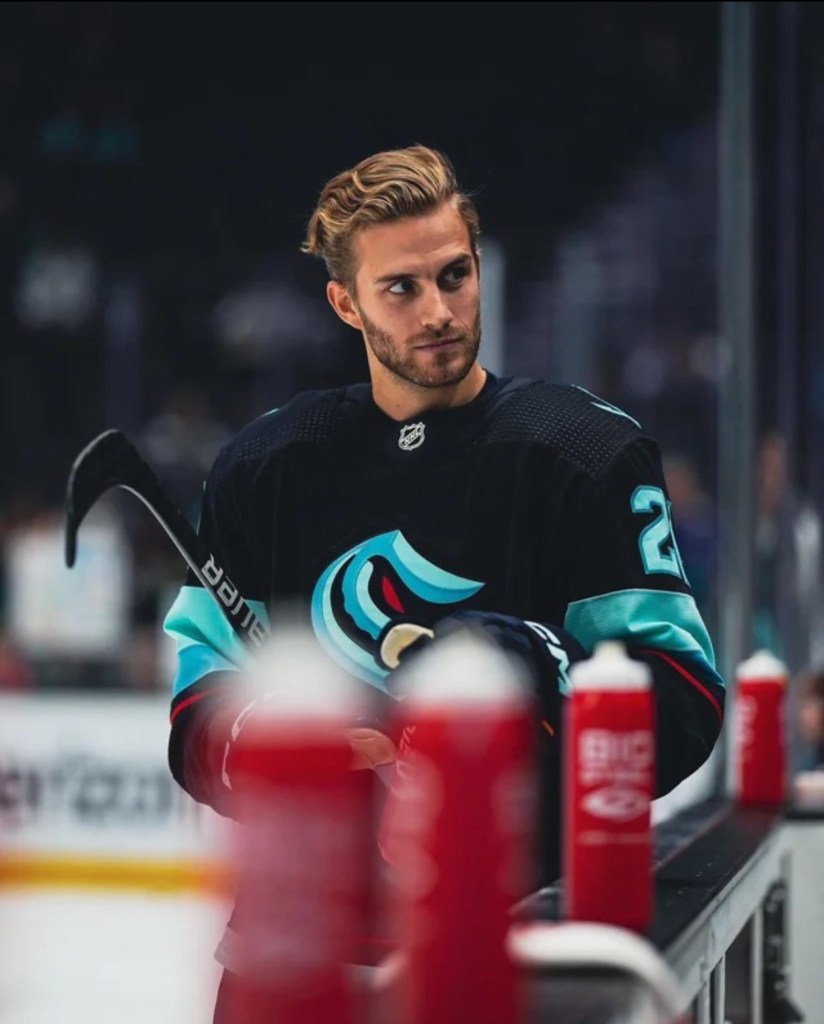
Nick Schmaltz (Arizona Coyotes)Ryan Murray (Free Agent/formerly of the Edmonton Oilers)Sidney Crosby (Pittsburgh Penguins)Alexander Wennberg (Seattle Kraken)Elias Lindholm (Calgary Flames)
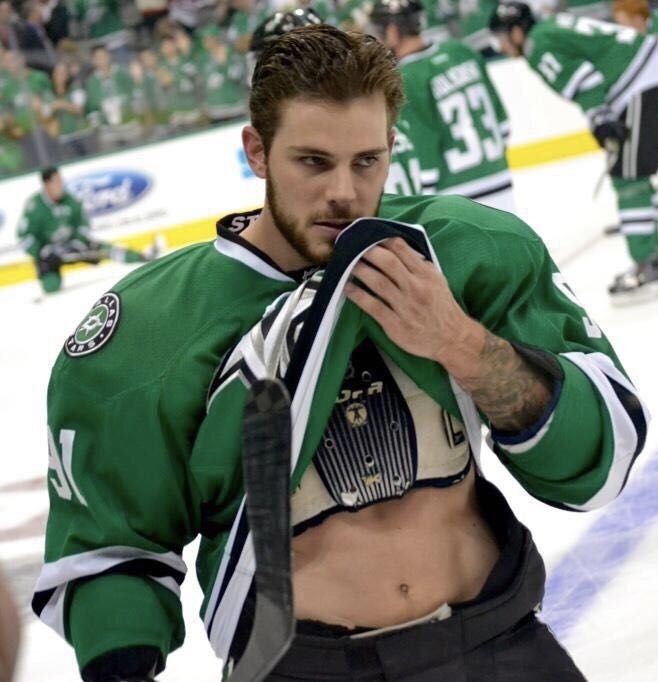
Last but not least, Tyler Seguin, who I have always thought was hot even before I knew anything about hockey except that Tyler Seguin is hot!
How did you watch the game? Alone? At home? With friends? At a bar? Etc.
Did you have any good Super Bowl snacks?
Did your team win?
What commercial was your favorite?
My answers:
I watched the Super Bowl until halftime after I watched Rihanna’s halftime show. After that, I was feeling tired, and I wasn’t interested in the game, so I just went to bed.
I watched it at home and alone.
I didn’t have any snacks. I’ve been trying to eat better lately.
If I had to choose a team, I’d probably have chosen Philadelphia, so no, my team did not win.
A few of them, I couldn’t even tell you what they were advertising, and none of them particularly stood out for me. I probably missed some by turning off the game, but if there were really good ads, I’ll probably see them in the news or many, many times as I watch TV.
I tried to stay up and watch all of the Thursday night football game on ESPN2, but I kept nodding off and decided to just give up and go to bed. As much as I love college football, the night games are not the easiest to be able to stay up to watch, and as I said yesterday, it’s been a busy and exhausting week. I plan to get some rest this weekend. I won’t have much football to watch on Saturday. Auburn is the only one of the teams I watch that is playing on Saturday. Alabama is not playing this weekend. Auburn has been less than great this year, much less, actually. So, I doubt I’ll pay a lot of attention to the game.
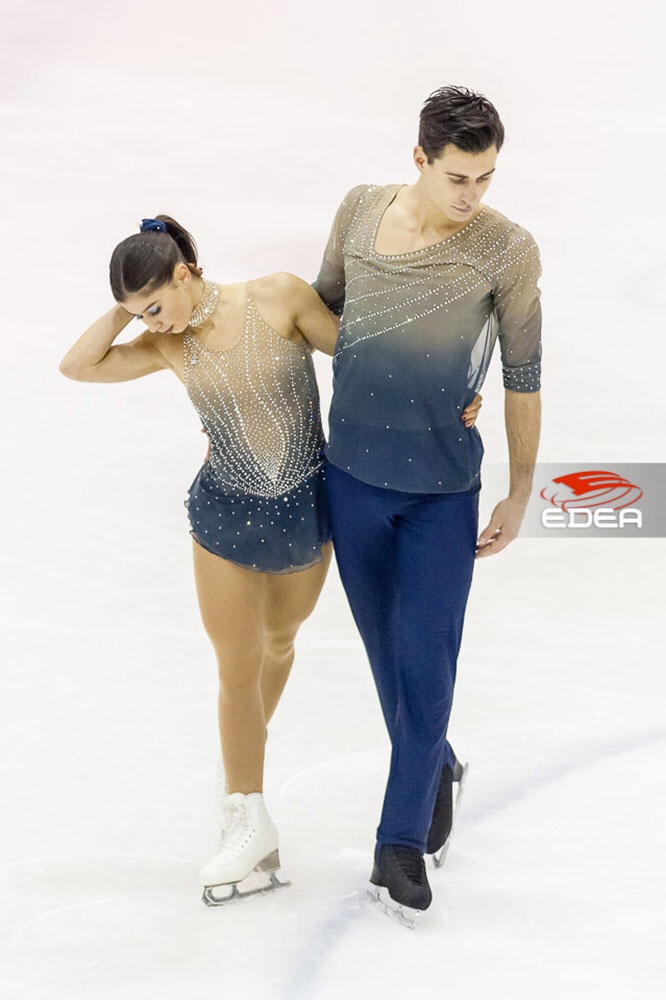
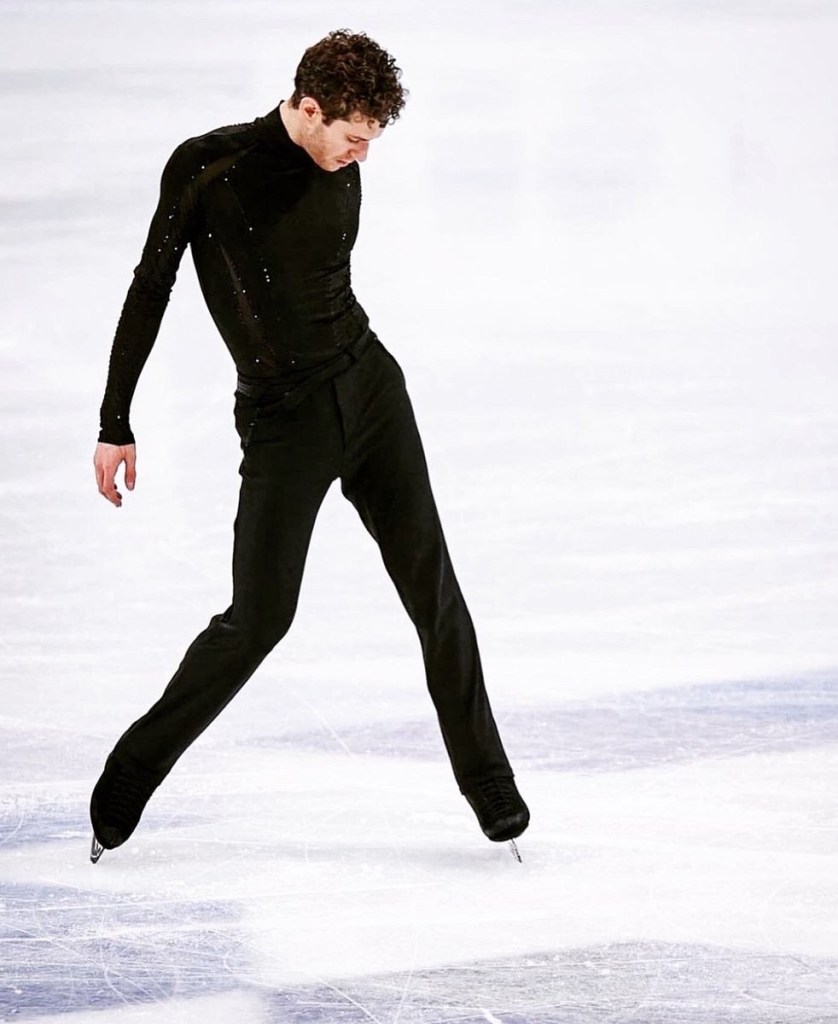
In 2018, American figure skater Adam Rippon became the first openly gay man to qualify for the Olympics. No openly gay figure skaters competed in the 2014 Olympics in Sochi, and there were only three, including Rippon at the 2018 PyeongChang Olympics. At the 2022 Winter Olympics in Beijing, there are a record eight out gay men competing in figure skating. This increase is due to the greater level of acceptance in society and sports, according to skaters who have come out, with social media being a big driver. Jason Brown, who competes in singles, is Team USA’s only gay figure skater competing this year, though Team USA’s pairs skater Timothy LeDuc is the first non-binary skater to compete. LeDuc is a pairs figure skater, who competes with their teammate Ashley Cain-Gribble.
Kévin Aymoz
France has Kevin Aymoz completing in singles and Guillaume Cizeron in pairs. Canada also has two out gay men competing this year: pairs skater Eric Radford, who skates with Vanessa James, and Paul Poirier, who skates with Piper Gilles in ice dancing. Also in ice dancing, Lewis Gibson of Great Britain skates with Lilah Fear, and Simon Proulx Sénécal of Armenia skates with Tina Garabedian. Finally, Filippo Ambrosini of Italy skates with Rebecca Ghilard in pairs figure skating.
Guillaume Cizeron
But what accounts for this record number of out gay men in the Beijing Olympics? Chad Conley, a Canadian junior nationals silver medalist who now coaches and is gay, was asked what accounted for the increase in the number of out male skaters. He said, “I do not think there is a change in the numbers of gay men in figure skating. In fact, I find there are more straight males finding success in figure skating.” Conley said that skaters feel more open about coming out because of the chance to make money on tour as opposed to being blackballed from the sport. “What is easier than it was even 15 years ago is that skaters who are open about their sexual orientation are now able to get postseason contracts with ‘Stars on Ice’ and more commercial sponsorships,” he said. “This is considered a recent evolution.”
Filippo Ambrosini with Rebecca Ghilard
Filippo Ambrosini never had a public coming out moment, but his Instagram account has numerous photos of him and his male partner, making it seemingly obvious that he is LGBTQ. When asked for confirmation by Outsports, Ambrosini said, “Yes, I identify as gay and I’m out.” The same goes for ice dancer Guillaume Cizeron of France, who came out in 2020 by posting a photo of him and his boyfriend. In response to the Instagram post, Cizeron said, “I would not consider myself in the closet before posting this, so I don’t really consider it coming out. Even though I have never spoken publicly about my sexual orientation, I am one of those who think that it is not something that [people] should have to do. Straight people don’t come out. … I still hesitated a bit before publishing. Because I’m not in the habit of revealing really intimate things. I don’t know what got into me, I said to myself, ‘What do I have to lose?’”
Jason Brown
When American singles skater Jason Brown came out during Pride Month last June, he talked about the diversity he experienced in skating. “I’ve grown up surrounded by beautiful, creative, strong, proud, successful and supportive LGBTQ+ role models,” Brown said on Instagram. “Whether it be family members, coaches, skaters, teachers, friends or others I’ve had the privilege of crossing paths with, my perception of what’s it like to be LGBTQ+ was far from one-dimensional. I’ve always found it impossible and truthfully dangerous to paint or stereotype any one group with a singular brushstroke. The diversity of people I’ve met along my journey has shown me that everyone is so individually themselves. No experience or personality is the same, simply people finding their identity, their voice and owning their truths and their own unique ways.”
Despite the record number of out male skaters, there are still issues, especially with coaches and judges from the former Soviet Union, where skating — and homophobia — has a long tradition. In October, Alexander Vedenin, a former international judge, said that Cizeron was “cold” in his performances with his ice dance partner Gabriella Papadakis because he is gay. “The French skate with class, but are cold,” Vedenin said. “The partner [Cizeron] does not have a traditional orientation and he cannot hide it.” Cizeron responded to Vedenin’s comments, calling them “a pathetic attempt to harm us.” On Instagram, Cizeron said, “Don’t let ignorant people tell you how much of a man or a woman you are. What makes you a man, a woman, a non-binary or anything in between, has nothing to do with your sexual orientation, and even less with your abilities, your value, your skills, or the level or respect that you deserve.”
Ashley Cain-Gribble and Timothy LeDuc
In addition, 1994 Olympic silver medalist Alexander Zhulin of Russia insulted Timothy LeDuc, the non-binary American pairs skater, and then refused to apologize. LeDuc has been amazing in telling their historic story to inspire others, but the concern is that there could be homophobic judges who share the disgusting views of those two Russians. Cizeron and Papadakis won the silver at the 2018 Winter Games in South Korea and have won first at the worlds, so they are serious gold medal contenders.
“Until proper sanctions are put in place when comments from regulated officials — coaches and judges — make disrespectful comments, then our sport will not be completely safe,” Conley said.
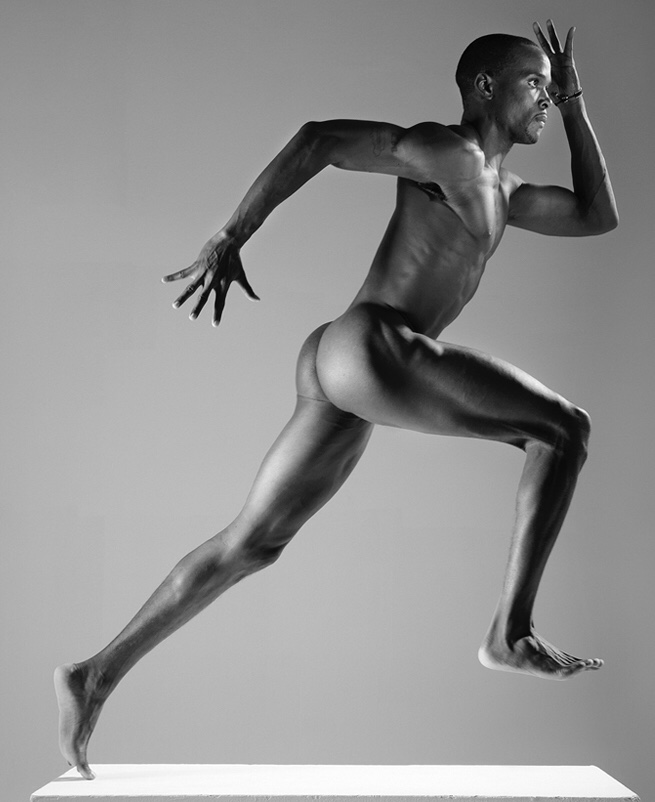
If the modern Olympic Games ran true to the strict customs of ancient Greece, they might well today have been called the “Naked Games”. From the early 8th century BC, Olympic athletes competed in the nude. There are indisputable records going back to Athenian philosopher Plato in the 5th century BC and even Homer’s Iliad, as well as many explicit drawings that confirm it was common practice for all male track and field athletes to take part naked. This included the often-dangerous sports of discus throwing, wrestling, boxing, and horse racing without protective clothing.
There was a version of protection used by the Ancient Greeks, but one that would be odd to us today to be considered much protection. To protect the penis during wrestling matches and other contact sports, the men would tie a string known as a kynodesme around the tip of their foreskin enclosing their glans, thus keeping the glans safe. The kynodesme could then either be attached to a waist band to expose the scrotum or tied to the base of the penis so that the penis appeared to curl upwards.
The only exception to the nudity rule seems to have been for charioteers, who wore long white tunics. The words gymnastics and gymnasium are based on the Greek adjective gymnos, which means lightly-clad or naked. For non-charioteers, the only adornment on the athletes’ bronzed, muscular torsos would have been the gleam of olive oil with which they ritually anointed themselves.
Some historians have believed that the reason for competing nude was to make sure that women did not compete. According to one legend, it was discovered that a woman had competed and won, so it was decreed that athletes would compete nude from that point on to make sure that only men competed in the Olympics. It was also said that this was done to make sure that non-Greeks, particularly Jews or others who practiced circumcision, could not compete. Only a man who was uncircumcised was allowed to compete.
According to Dionysius of Halicarnassus, a writer in the 1st century BCE, Greek athletes did not compete in the nude until the 15th Olympiad in 720 BCE, more than 2700 years ago. That was more than half a century after the birth of the first Olympic Games, which originated in Olympia, in southern Greece, in 776 BCE. A Spartan runner named Acanthus was said to have set the fashion by appearing without the customary loincloth. Two hundred years later, the origin of this practice of nudity was attributed to another sprinter, Osippus, who won the one-stade footrace (about 200 yards) at the Olympics of 720 BCE. It was said he realized that a naked man could run faster than one impeded by a loincloth.
In the 7th century CE, more than 1300 years later, writer Isidore of Seville suggested that during a race in Athens, one of the runners had the bad luck to trip over his own loincloth when it slipped down. A magistrate in charge of the games ordered a new ruling that athletes should compete in the nude. The historian Thucydides, who lived at the end of the 5th century BCE, wrote that it was the “Spartans who were the first to play games naked, to take off their clothes openly and to rub themselves down with olive oil after their exercise. In ancient times even at the Olympic Games the athletes used to wear coverings for their loins and indeed this practice was still in existence not very many years ago.”
Women were not completely excluded from the Olympics. While married women were not allowed to participate in, or to watch, the ancient Olympic Games, unmarried women could attend the competition, and the priestess of Demeter, goddess of fertility, was given a privileged position next to the Stadium altar. During the classic period in Greece (500–323 BCE), women were allowed to participate in sporting events in Sparta, and there were two other events for sportswomen from other parts of Greece, Athens and Delos.
The closest thing to a women’s version of the Ancient Olympics were the Heraean Games, a separate festival honoring the Greek goddess Hera, which was held to demonstrate the athleticism of young, unmarried women. The athletes, with their hair hanging freely and dressed in special tunics that cut just above the knee and bared their right shoulder and breast, competed in footraces. The track shortened to about one-sixth the length of the men’s track in the Olympic Stadium. It’s uncertain if men were barred from these all-female races. Little is known about this festival other than what was written by Pausanias, a 2nd century CE Greek traveler. He mentions it in his description of the Temple of Hera in the Sanctuary of Zeus and says that it was organized and supervised by a committee of sixteen women from the cities of Elis. The festival took place every four years, when a new peplos, a body-length garment established as typical attire for women in ancient Greece, was woven and presented to Hera inside her temple.
It wasn’t that women were discouraged from sports in general; physical fitness was highly valued by women in Greece. A few women have been documented driving chariots, owning horses that won Olympic competitions, swimming, juggling, performing acrobatics, and potentially even wrestling. Spartan women were well-known for promoting physical education, believing good fitness assisted in healthy childbirth. By the first century CE, female athletic competitions were common under the Roman Empire. The first woman recorded to have won an event in the Olympics was Kyniska (or Cynisca) of Sparta, the daughter of Eurypontid king, Archidamus II, and the full sister of King Agesilaus (399–360 BCE). She won the four-horse chariot race in 396 and again in 392.
Last night, I had an idea for a post, but it wasn’t fully formed yet. I still need to work through what I want to say, but hopefully, it will be interesting when/if I get it written (sometimes I think I have a great idea, but then when I delve into it more, I change my mind). I really don’t have much to say today otherwise, and I just wasn’t in the mood to write a substantive post for today. So, this one will be short and sweet.
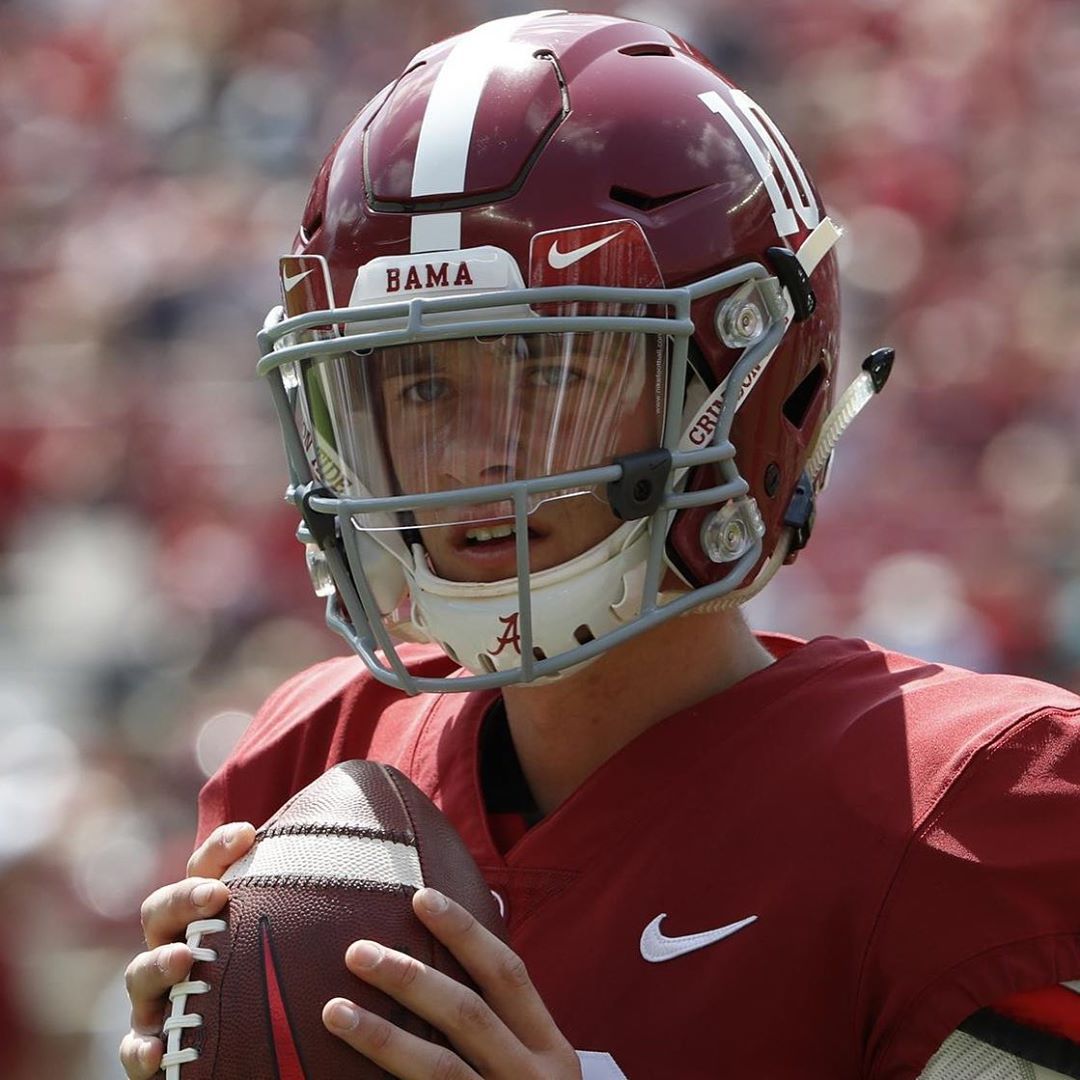
Alabama QB Mac Jones
Tonight is the National Championship Game in college football. Alabama (12-0) will be playing Ohio State (7-0) in Miami at Hard Rock Stadium. Hopefully, this game will give Nick Saban a record seventh title win. Ohio State won their last National Championship in 2014, when they beat Alabama for the first time in the four previous meetings of the two schools.
I just don’t have much to say today. I was feeling a little down last night. Maybe it was being alone on Thanksgiving; perhaps it was something else. I am not sure what it was. I think we probably all have days when we just feel a little down. Hopefully, my mood will improve over the weekend. The Iron Bowl is tomorrow. If Alabama wins, that should lift my mood. For an Alabamian who loves football, this is the event of the year. The Iron Bowl is one of the biggest rivalries in college football between the Auburn University Tigers and the University of Alabama Crimson Tide. It’s more important than the National Championship or the Super Bowl. The rivalry dates back to 1893, though it hasn’t been played every year; in fact, it was not played at all between 1907 and 1948 but has been played every year since the rivalry restarted. Alabama leads the series with 46 to Auburn’s 37. The game ended in a tie only once in 1907. This year, Alabama’s head coach Nick Saban tested positive for COVID-19 Wednesday and will be unable to coach in tomorrow’s game.























 Joe
Joe





 The Closet Professor