

Moment of Zen: The Black Party
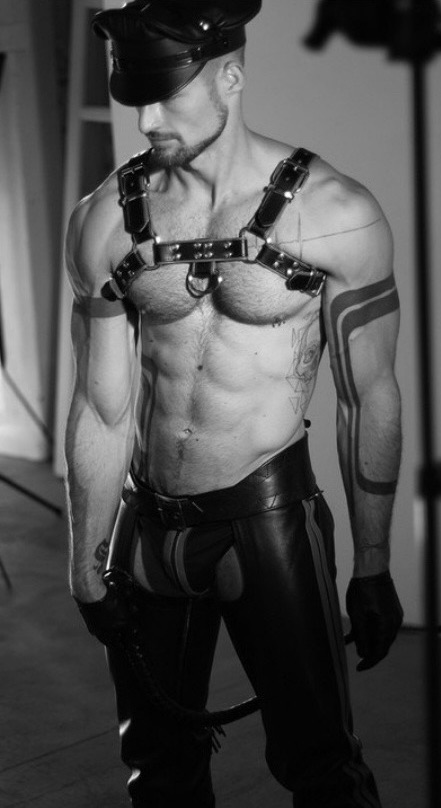
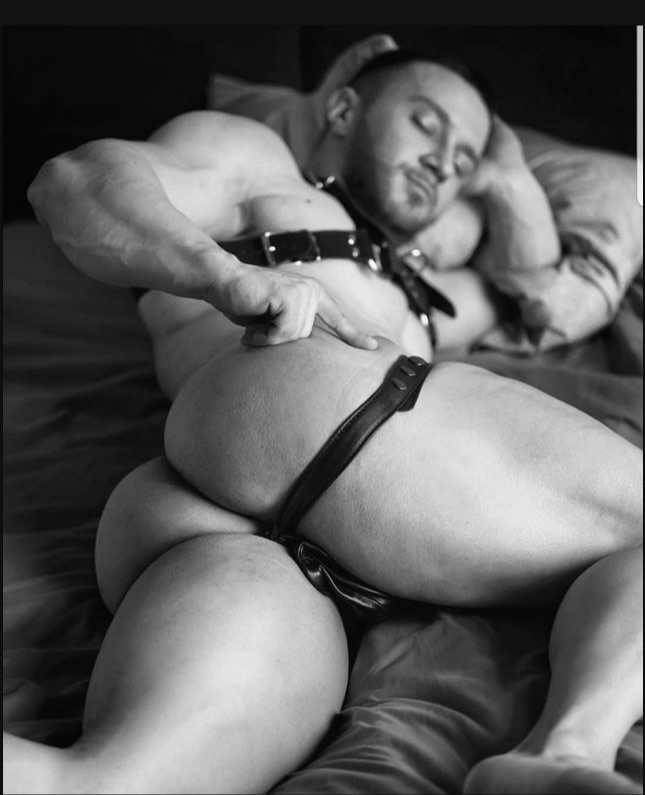
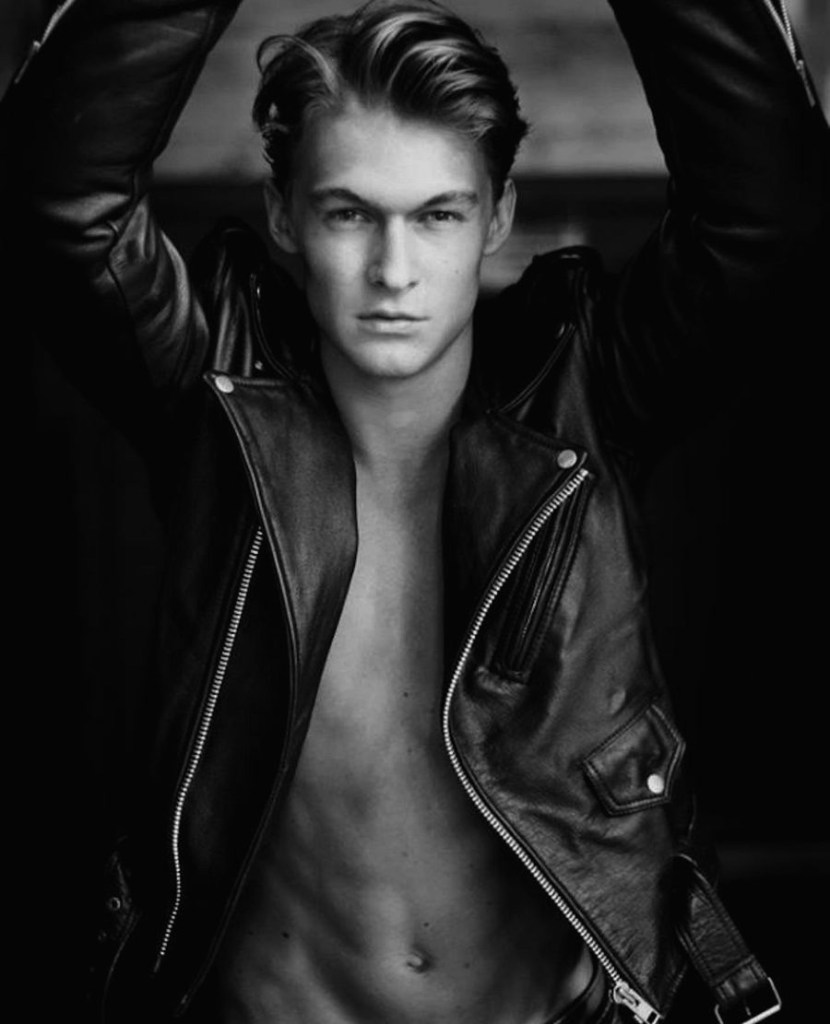
I did go to the Burly Bears Black Party. It was fun. There was a lot of eye candy, especially this one bartender. At times, there were three bartenders, and they were all hot. But, the one who fixed my drink was without a doubt the hottest guy there. He looked similar to the guy in the last pic, except he had a patch of chest hair between his pecs. I had fun people watching, but it was very crowded and loud. I stayed for a while and then decided to just go home.






_______________________________
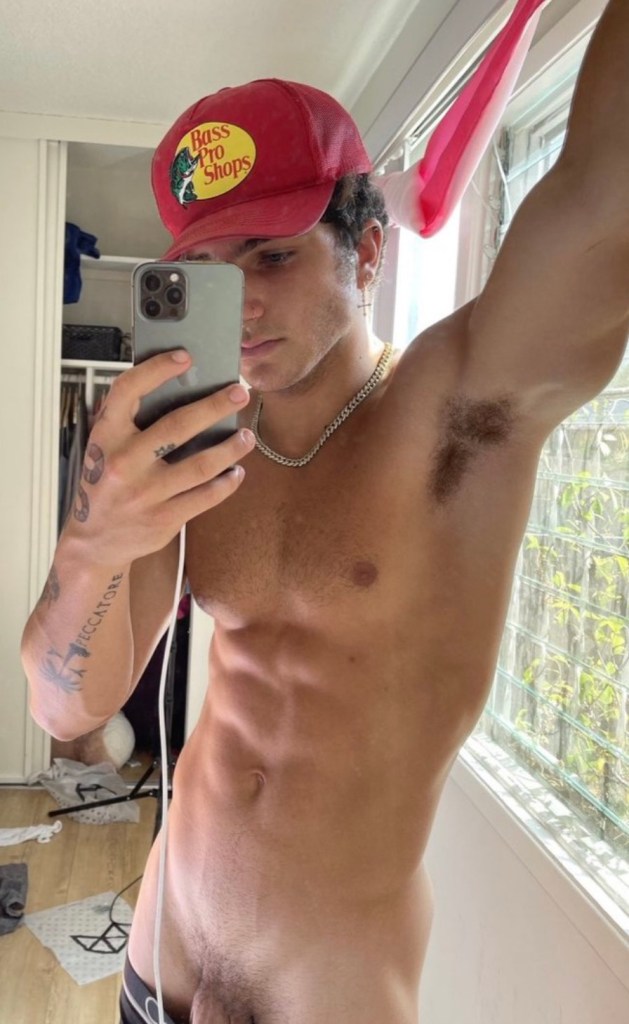
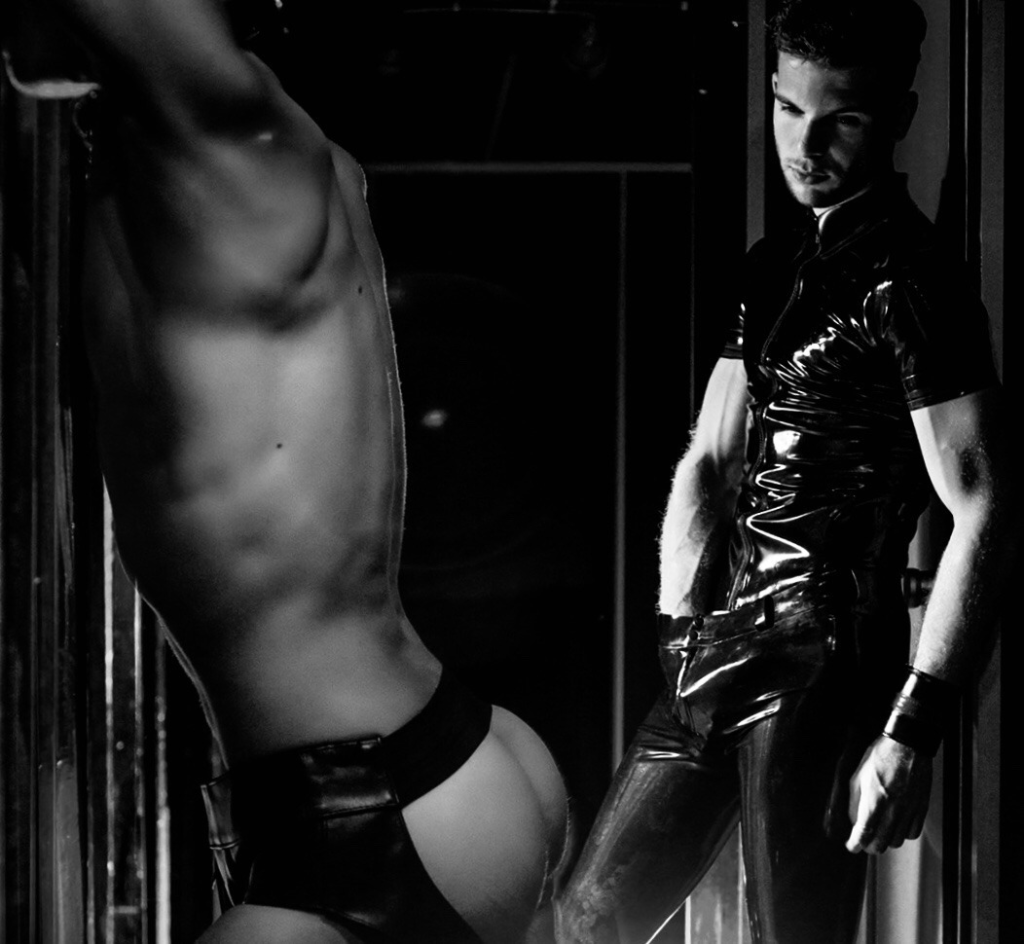
This guy looks a bit like the bartender.
Tonight…Maybe…Possibly 🤔

As long as I am feeling well and get up the courage to actually do it, I plan to go out tonight and have a little fun. Since 2007, there has been a get together of gay men once a month called Burly Bears in Burlington. It’s basically a dance party at one of the bars. Burlington has LGBTQ+ events in a regular basis, and they are becoming more common in Vermont outside of Burlington as well. Most of that is centered on drag, which I love, and geared towards the LGBTQ+ community, which is great in itself. However, as far as for events geared towards GBTQ+ men, Burly Bears is the only thing out there in Vermont. Don’t get me wrong, inclusivity is great, but I also think there is a time when GBTQ+ men want to be surrounded but other men and not also surrounded by lesbians, which outnumber the GBTQ+ men in Vermont, at least 2 to 1.
I haven’t been in a long while and I would love to go to the Burly Bears event tonight. I just get nervous and, you might even say, cowardly about going alone to an event like this. I can be a very shy, nervous, and awkward person. When I host guests at the museum, give tours, or teach classes, I am not particularly shy or nervous, though I am probably still a little awkward. I am always afraid when going to events like the Burly Bears that I won’t get up the courage to talk to anyone and no one will come up and talk to me. I know I probably sound stupid about this, and I should just get over myself. I am not the most confident person most of the time, and, let’s face it, gay men can be a little cliquish, especially gay men in Burlington, Vermont. The city of Burlington tends to separate itself from the rest of the state.
Anyway, tonight the theme for Burly Bears is the annual Black Party. As described on Facebook: “In the spirit of New York, Miami, and Montreal: It’s our Burly Bear Black Party! Pull out those black shirts, shorts, and Ts! Get those leather vests, jocks, pup masks, boots, and harnesses out.” Wearing all black is not an issue for me. I have a lot of black clothes in my wardrobe, so that’s easy peasy. Putting myself out there is the difficult part. I have to admit, I loved black leather and that whole part of the gay culture, though I have never ventured much into it myself. I just need to make myself go, because I know once I am there, I’ll be ok, and if I’m not, I can always leave. There’s only a $5 cover charge and all proceeds go to Outright VT, so if I just go and leave, it’ll only cost me $5 that will go to a good cause anyway. Once I’m there though, I’ll get a drink and, hopefully, have a good time. If nothing else, they always have hot bartenders working at these events, and who doesn’t love a sexy, flirty bartender?
If you will, send some encouraging energy my way, because I really would like to get out more, be more of a part of the LGBTQ+ community in Vermont, and meet some new people.

Feeling Better

I went to work yesterday and completed a few tasks that needed to be done, but by lunchtime, my migraine was back with a vengeance. I ended up going home at lunch and sleeping most of the afternoon, which helped my migraine. Thankfully, I am feeling better this morning, but if you have migraines, you understand what I call a shadow migraine, also known as a hangover migraine. The technical term is a postdrome migraine. For me, I feel a bit achy (though not as bad as the main migraine), like I am in a brain fog (things just seem to take longer to process), and a feeling of being physically drained. For some people, a postdrome migraine feels like having hangover. I’ve had my share of hangovers over the years, and for me, a postdrome headache is not nearly as bad. It just feels like a dull headache in the background.
The migraine I’ve had this week was one caused by weather changes. The migraine started along with some light rain and got worse as a stronger weather front moved into the area. I often get a migraine either as the weather front moves into or when the precipitation begins. This one seems to have started before the rain began. It is supposed to start raining this afternoon and go through tomorrow morning before starting again late tomorrow night. On Saturday, we are expecting a mix of snow and rain before it becomes only snow on Sunday.
I don’t know what all these weather changes will mean for my migraines, but I am hoping it won’t be too bad. I am planning to have a friend over for Thanksgiving next week, and I have a lot to do to get ready. However, if I have a rough migraine weekend, I may just not be able to host Thanksgiving. I really want to because I love all the cooking, but I can only do so much when my migraines are causing issues.

Migraine Days

I have been doing fairly well with my migraines lately. The combination of Qulipta, a once-daily CGRP medicine (most CGRPs are monthly injections), and quarterly Botox injections seems to be a working pretty well. I’m a month away from my next set of injections, but I’d gone nearly a month without a major migraine before I had one begin on Monday. It was a rainy Monday, and my migraine began with the rain. Thankfully, I was not at work since I’d already taken the day off to go to Burlington for my audiology appointment. However, I ended up calling in sick to work yesterday because I woke up continuing to have a migraine that seemed to be getting worse the longer I was awake. My migraine isn’t completely gone, but I have some things I need to take care of at work that do not need to wait any longer. If my migraine doesn’t improve as the day goes on, I may have to leave early, but I am going to give it a try.
This will be a shortened week at work because I will be going in today and tomorrow, then I’m scheduled to work from home on Friday. Next week will also be a shortened week because of Thanksgiving. We’ll actually close at midday on Wednesday and have the rest of the week off.

To Wahilla Enhotulle

To Wahilla Enhotulle
By Alexander Posey
(To the South Wind)
O Wind, hast thou a sigh
Robbed from her lips divine
Upon this sunbright day—
A token or a sign?
Oh, take me, Wind, into
Thy confidence, and tell
Me, whispering soft and low,
The secrets of the dell.
Oh, teach me what it is
The meadow flowers say
As to and fro they nod
Thro’ all the golden day.
Oh, hear, Wind of the South,
And whispering softer yet,
Unfold the story of
The lone pine tree’s regret.
Oh, waft me echoes sweet
That haunt the meadow glen—
The scent of new-mown hay,
And songs of harvest men;
The coolness of the sea
And forest dark and deep—
The soft reed notes of Pan,
And bleat of straying sheep.
Oh, make me, Wind, to know
The language of the bee—
The burden of the wild
Bird’s rapturous melody;
The password of the leaves
Upon the cottonwood;
And let me join them in
Their mystic brotherhood.
About the Poem
Alexander Posey’s poem “To Wahilla Enhotulle” reflects themes of longing, love, and a deep connection to the natural world, which are often characteristic of his work as a Creek (Muscogee) poet. Posey, a Native American writer and journalist, often used his poetry to explore themes of identity, cultural heritage, and the spiritual connection of the natural landscape. The poem expresses a heartfelt yearning for Wahilla Enhotulle, who might represent a specific person or an idealized figure of love. The poet’s tone is deeply personal, blending admiration with a sense of melancholy, as if the connection to this figure is distant or unfulfilled.
Nature plays a significant role in the poem’s imagery, serving as a metaphor for the poet’s emotions and his cultural identity. Posey often drew upon the natural elements of the Creek homeland to anchor his reflections, and here nature may symbolize the enduring beauty and purity of Wahilla Enhotulle or their bond. While the poem’s primary focus is personal, it may also carry cultural undertones. As a Creek writer, Posey’s work often honors his heritage, and the name Wahilla Enhotulle itself evokes Creek linguistic roots, grounding the poem in his culture. There’s a wistful quality in the poem, as if the poet is reflecting on something fleeting—whether it be love, memory, or life itself. This theme resonates with the universal experience of cherishing moments that cannot last.
“To Wahilla Enhotulle” can be read as an ode to a beloved person or a representation of an ideal that feels just out of reach. The intertwining of personal affection with a reverence for nature reflects Posey’s deep spiritual connection to the world around him, rooted in his identity as both a poet and a Creek individual. The poem invites readers to contemplate love, beauty, and the way they endure, even amid change or loss.
Most often when we think of the removal of Native Americans from the Southeastern United States, the Cherokee Indians and the Trail of Tears is often the most dramatically remembered, but the Chickasaw, Choctaw, and Creek Indians also faced the hardships brought about by President Andrew Jackson’s administration passing the Indian Removal Act in 1830. The forced displacement of the Creek (Muscogee) people from their ancestral lands in the southeastern United States (modern-day Alabama, Georgia, and Florida) to designated Indian Territory in present-day Oklahoma adds a deeper meaning for “To Wahilla Enhotulle.” The removal process, often called the Trail of Tears, was marked by immense suffering, resistance, and loss. During the removal, thousands of Creek people were marched westward under harsh conditions, suffering from disease, starvation, and exposure. It is estimated that around 3,500 Creek people died during the journey.
The Creek removal was part of a broader pattern of dispossession and cultural disruption faced by Native American tribes. Despite the trauma of removal, the Creek Nation has endured, maintaining a vibrant culture and community in Oklahoma today. Despite the hardships, they established a new government and cultural institutions, preserving their traditions and identity. The history of removal remains a powerful reminder of the resilience of Indigenous peoples in the face of systemic oppression.
On a personal note, my great grandmother was a Creek Indian from Alabama. A small group of the Creek descendants stayed behind and settled largely in Escambia County, Alabama, where the federally recognized Poarch Band of Creek Indians has a reservation.
About the Poet
Alexander Posey (1873–1908) was a Creek (Muscogee) poet, journalist, humorist, and political figure, celebrated for his contributions to Native American literature and his advocacy for his people. Born near Eufaula in Indian Territory (modern-day Oklahoma), he was of mixed Creek and European descent. Posey was fluent in both Creek and English, which deeply influenced his literary voice.
He attended Bacone Indian University, where he honed his writing skills and developed a love for literature. Posey became a prominent journalist and the first Native American to own and edit a newspaper, the Eufaula Indian Journal. Through this platform, he addressed issues facing Native communities, including land allotment policies and the erosion of tribal sovereignty.
Posey is best known for his poetry, which blends themes of nature, love, and Creek heritage with a modern sensibility. His poems often reflect a deep connection to the natural world, as well as a sense of longing and melancholy. He also gained fame for his humorous “Fus Fixico” letters, satirical essays written in the voice of a fictional Creek elder, critiquing government policies and cultural assimilation.
Tragically, Posey died at the age of 35 in 1908, drowning in the North Canadian River. Despite his short life, his work continues to resonate as a significant contribution to American and Native American literature.


Authors
Recent Comments
iameverywhere1 on The Luxury of No Plans vandycolt on The Luxury of No Plans iameverywhere1 on Road Trip Prep iameverywhere1 on Pic of the Day vandycolt on Pic of the Day Top Posts & Pages




Amazon Associate

As an Amazon Associate I earn from qualifying purchases. So, if you click on a link that takes you to Amazon.com, I may earn a commission.
Trust me, it isn’t much, but every little bit helps.

 Joe
Joe


 The Closet Professor