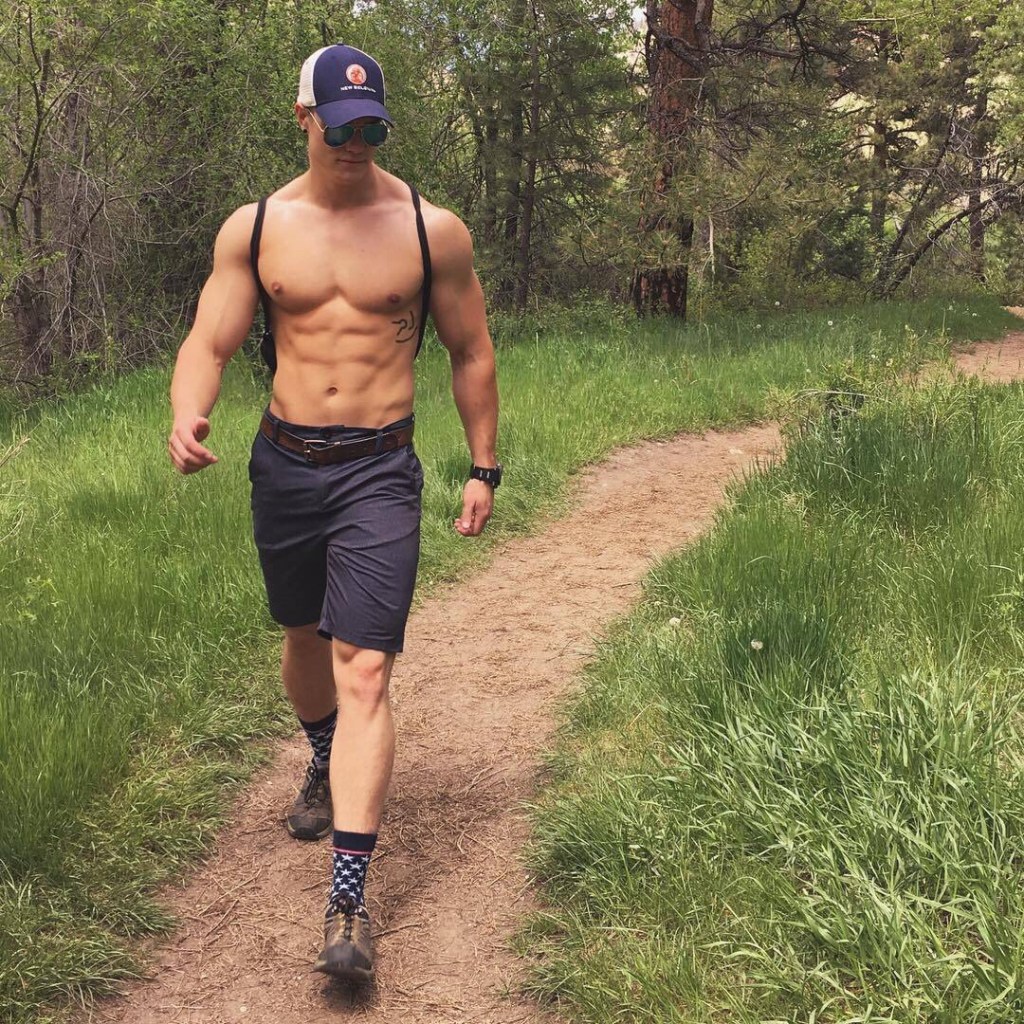
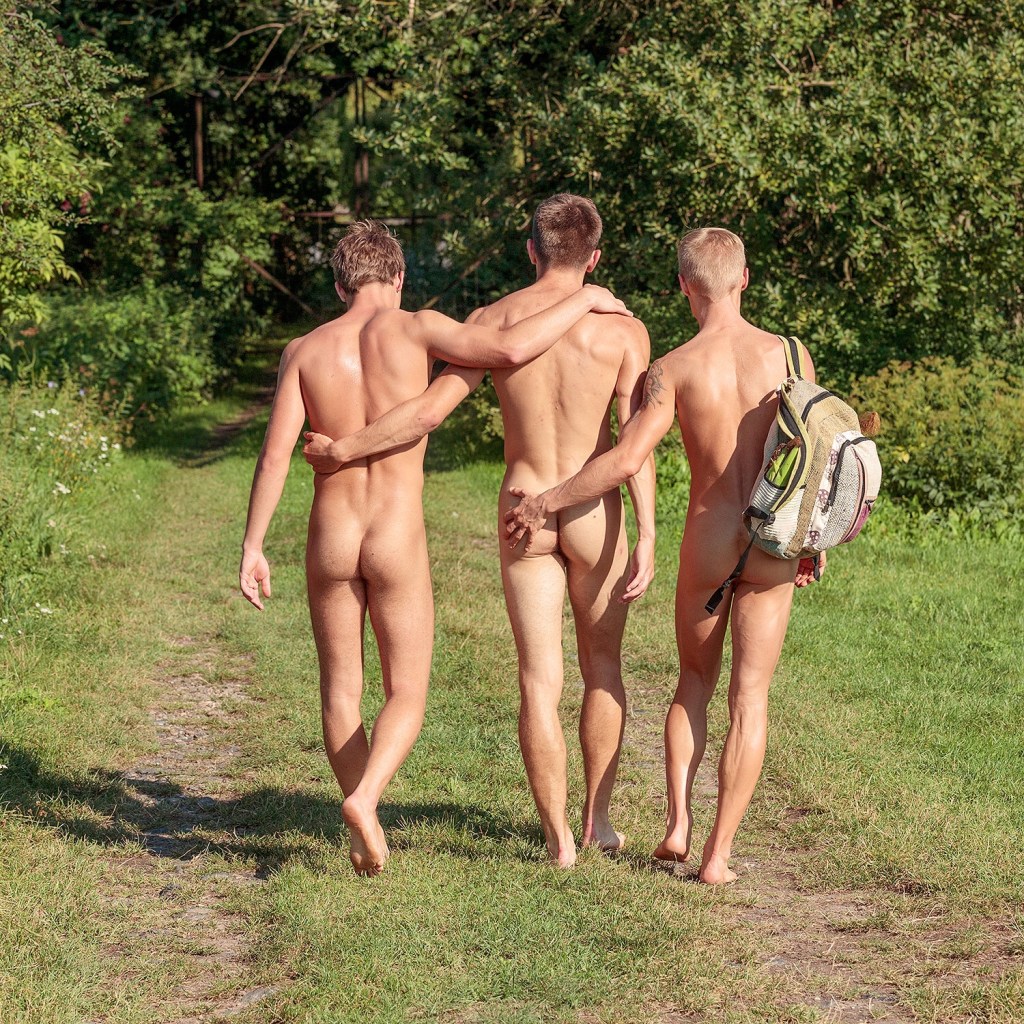
Vermont has a state wide biking and walking route called the Cross Vermont Trail that is under construction. The idea behind the project is to make a multi-use path the width of Vermont following the Winooski River and Wells River. There are a couple of sections near me, and one in particular that I have been enjoying walking. Considering that public nudity is legal in Vermont, I’d love to come across some of these guys on the path, but so far, I haven’t been that lucky. I’ll keep trying. If nothing else, it’s good exercise and the scenery along the river is beautiful.
I love the rain, and one of the few things I miss about the South are the great big thunderstorms. Don’t bet me wrong, I do not miss the hurricanes and tornadoes, but I miss a good thunderstorm. It rarely rains very hard in Vermont, and when it does, it’s rare that I hear thunder r see lightning. As much as I love the rain, I have grown to dread it over the past year or so since I’ve had this problem with my trigeminal nerve. Weather changes, especially rain wreak havoc on my migraines. Yesterday was a rainy day in Vermont, and I woke with a headache. I went to work, but as the morning dragged on, my headache just got worse. So, I headed home. I told my student shadow not to come since I would not be there. I had several things I needed to do yesterday, but none of them were going to get done because of my headache. Also, the longer I was at the museum, the worse my headache became.
I went home and went to bed. The new blinds kept the light out nicely. Eventually, I got up and made a simple dinner. I stayed up to watch the first of the televised January 6th hearings. Did anyone else watch it? If so, what did you think? Watching the hearing did not help my headache, so I went to bed as soon as it ended. If I wake up this morning still with a headache, I won’t be going into work. We’ll see.
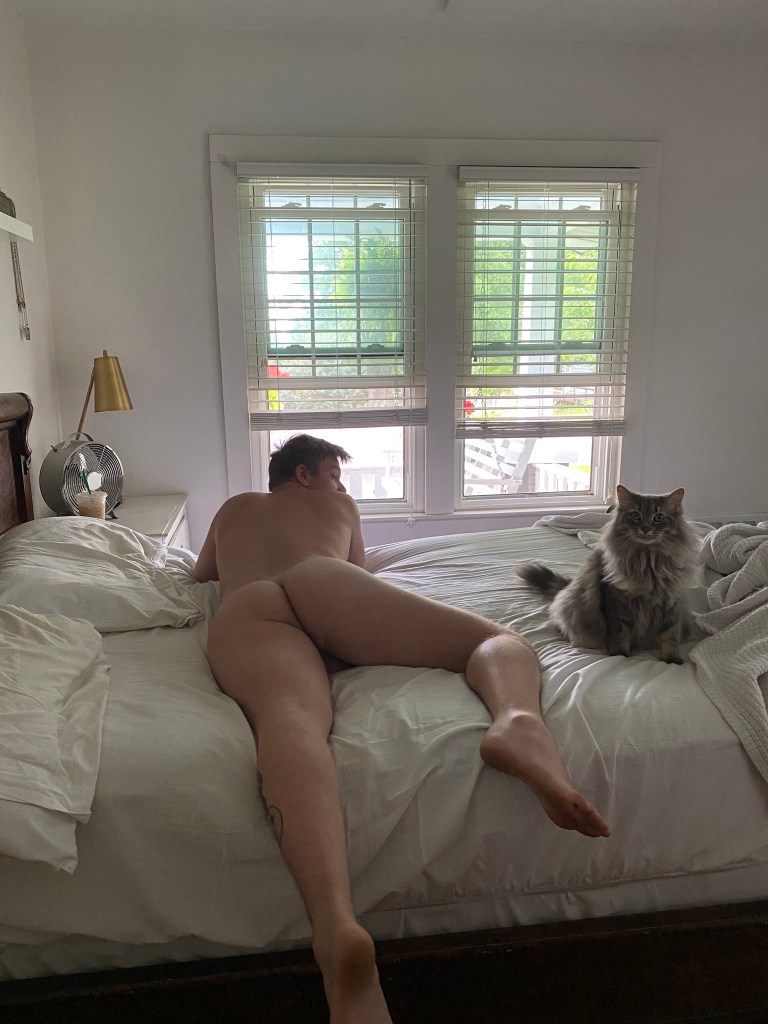
Finally, the new blinds for my apartment have come in. It’s been six weeks since I ordered them (I had been told 6-8 weeks), but they were delivered to the installers and are being installed this afternoon. I’m pretty excited. I’ve felt like I’ve been on display to all my neighbors without any window treatments. I put up some temporary coverings on the windows, but I’ve left some without anything so Isabella can see outside. I think what I’m most excited for is that I will no longer worry about anyone seeing me if I walk around my apartment naked or lounge on my couch in just my underwear. It’s really all about a little freedom in my apartment. The best part , though, is that these blinds are room-darkening blinds which I was told will block out most of the sunlight when I need darkness. This was an important feature because when I have migraines, I usually get very photosensitive and can’t stand much light around me.
I’m really looking forward to having these blinds installed. I took today off so that I can move the furniture out of the way to make it easier for them to install. Besides, there isn’t much going on at the museum, so I can easily take the time off. Most museums are busiest during the summer months, but because we are a university museum and there are no students on campus in the summer, no one really comes in. However, we are one of the few air conditioned buildings on campus, so once the temperatures get too hot, some people will bring their laptops and work in the museum instead of in their hot, stuffy offices.
And Now Upon My Head the Crown By Phillip B. Williams
1. In the first place—I wanted him and said so when I had only meant to say. His eyes opened beyond open as if such force would unlock me to the other side where daylight gave reason for him to redress.
When he put on his shirt, after I asked him to keep it off, to keep putting off the night’s usual end, his face changed beneath the shirt: surprise to grin, to how even the body of another’s desire can be a cloak behind which to change one’s power, to find it.
2. In the first place he slept, he opened the tight heat of me that had been the only haven he thought to give a name:
Is-it-mine? Why-you-running? Don’t-run-from-it—as though through questions doubt would find its way away from me, as though telling me what to do told me who I was.
About This Poem “This poem is part of a few ‘failed sonnets’ I’d written and revised out of their intended form. In this revision, I wanted the phrase ‘in the first place’ to move through two possibilities: the first instance and the first location. That there may be other readings is great. As for the title, I guess I was thinking less about success and more about regretting when one gets exactly what one has asked for.” —Phillip B. Williams
About The Poet Phillip B. Williams is the author of Mutiny (Penguin, 2021), a 2022 PEN/Voelcker Award for Poetry finalist, and Thief in the Interior (Alice James Books, 2016), winner of the 2017 Kate Tufts Discovery Award and a Lambda Literary Award. He has received a Whiting Award and Ruth Lilly Fellowship from the Poetry Foundation. He currently lives in Philadelphia.
Today is the anniversary of D-Day when British, Canadian and US soldiers – 160,000 of them – landed on the beaches of Normandy in treacherous weather, initiating the Western Allied effort to liberate mainland Europe from Nazi Germany. While D-Day is not a specific LGBT-related event, there were undoubtedly many hundreds of young gay soldiers killed on those beaches. 160,000 landed, 9,000 killed or wounded. Today we remember them with gratitude.
June is Pride Month and festivals and parades are happening across the world in celebration of LGBTQ+ Pride. But Pride didn’t start as a parade, it started as a protest with the Stonewall Riots in 1969 and many historians believe that the roots of these LGBT activists can be found in the World War II experiences of gays men and lesbians in the American military.
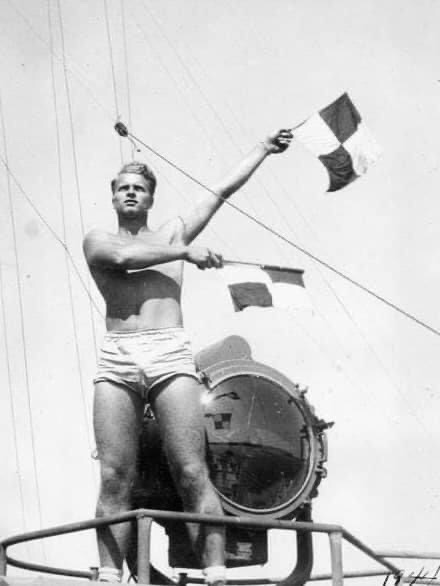
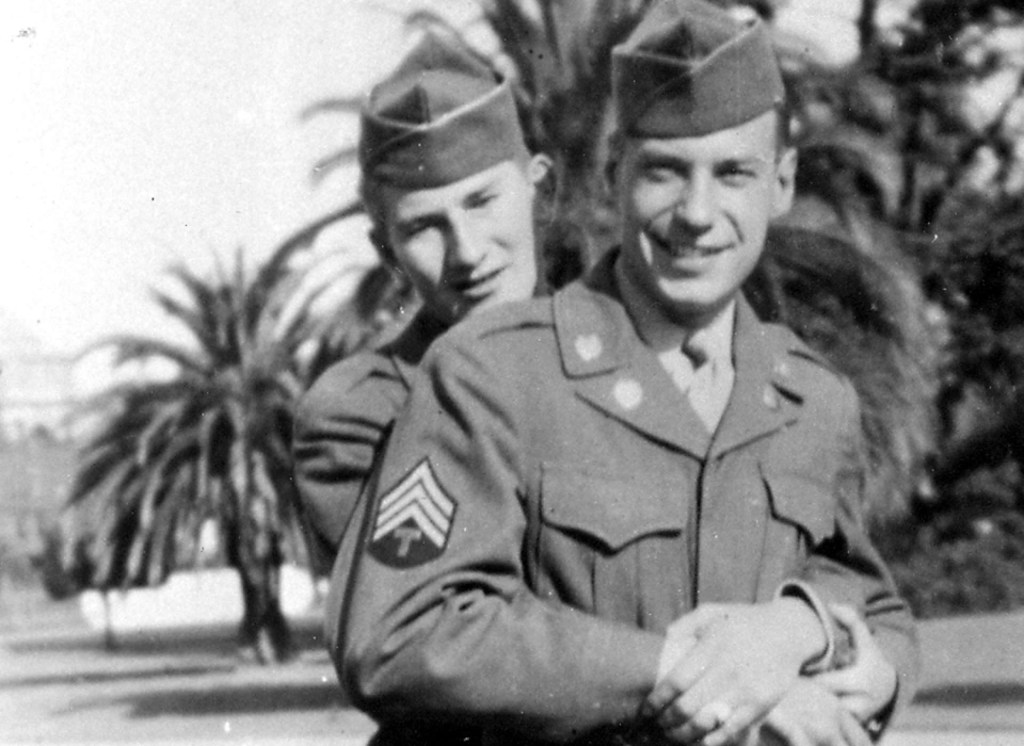
Despite the threat of persecution, gay and lesbian service members thrived during World War II. As with most young soldiers, many had never left their homes before and the war provided them an opportunity to find community, camaraderie, and, in some cases, first loves. These new friendships gave gay and lesbian GIs refuge from the hostility that surrounded them and allowed for a distinct sub-culture to develop within the military. Service members on every warfront enjoyed drag show entertainment; an entire gay lexicon was developed from the writings of Dorothy Parker; and eventually an underground queer newspaper emerged. The “Myrtle Beach Bitch” or “Myrtle Beach Belle” covertly shared news and stories between bases and units.
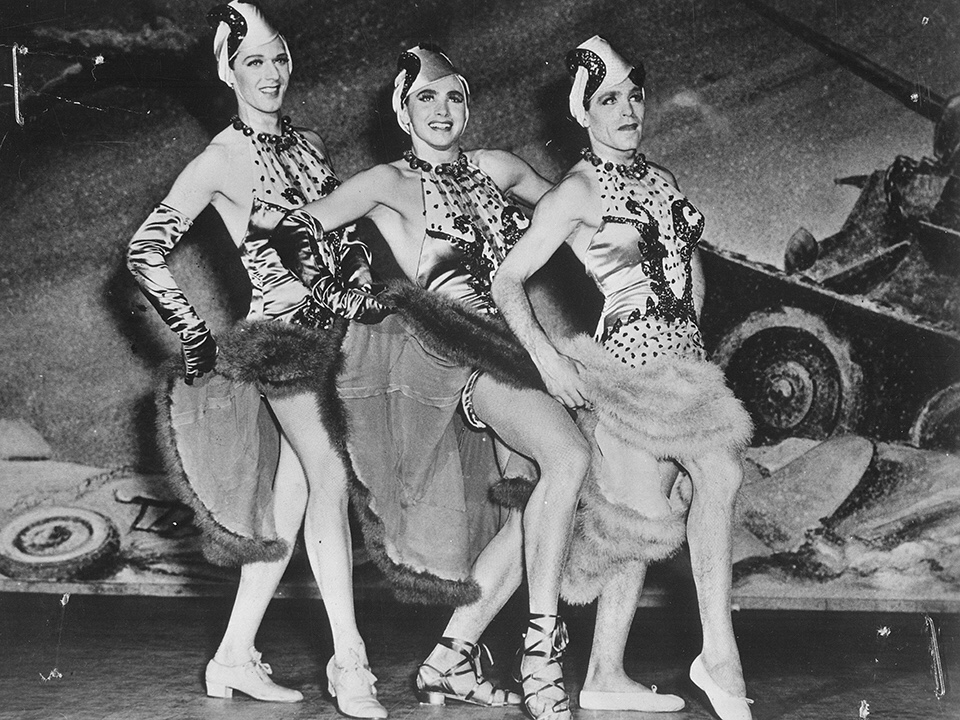
Gay male culture flourished in many ways in the military during the Second World War. Homosocial environments and the intimacy caused by life in combat made many in the military practice “don’t ask don’t tell” before it was even the official military stance. Drag shows were quite popular during the war, like “G.I. Carmen,” an all-GI musical stage show produced by the 253rdInfantry Regiment, 63rdDivision of the U.S. Army as a morale booster for Allied troops. There were also queer social networks of gay men.
Thousands of gay, lesbian, and bisexual men and women served in the armed forces during World War II. The massive manpower needed during the war created an ambiguous place for gay men and lesbians in military service. And gay men and women, like most groups of Americans, wanted to serve their country. You can read more about LGBTQ+ service members in Allan Bérubé’s book Coming Out Under Fire: The History of Gay Men and Women in World War II.
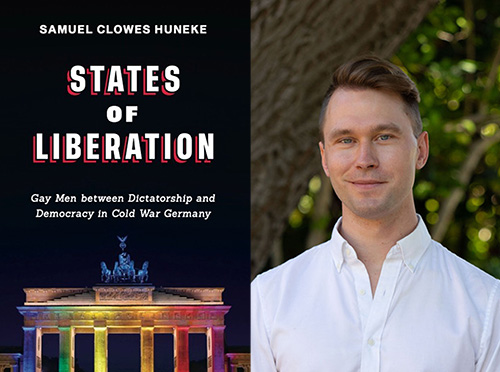
If anyone is interested, the International Spy Museum is hosting a virtual talk by Samuel Clowes Huneke, author of States of Liberation: Gay Men between Dictatorship and Democracy in Cold War Germany. He will focus on how both Eastern and Western intelligence agencies sought to recruit gay men because they believed that they were naturally more conspiratorial and would thus make better agents. Huneke explores previously untapped German archives to capture this surprising story of espionage and emancipation with its colorful cast of Cold War characters.
Samuel Clowes Huneke is a historian of modern Europe, with a focus on the social and political history of twentieth-century Germany. He is broadly interested in how everyday life intersects with and shapes the relationships between citizens and states. His research foci include the history of gender and sexuality, legal history, and the history of dictatorship and democracy. Dr. Huneke received a B.A. summa cum laude in German and Mathematics from Amherst College, an M.Sc. with Distinction in Applicable Mathematics from the London School of Economics, and a Ph.D. in History from Stanford University.
I will be attending, and it looks/sounds very interesting. (It doesn’t hurt that he’s rather handsome.)










 Joe
Joe





 The Closet Professor