

Moment of Zen: Men

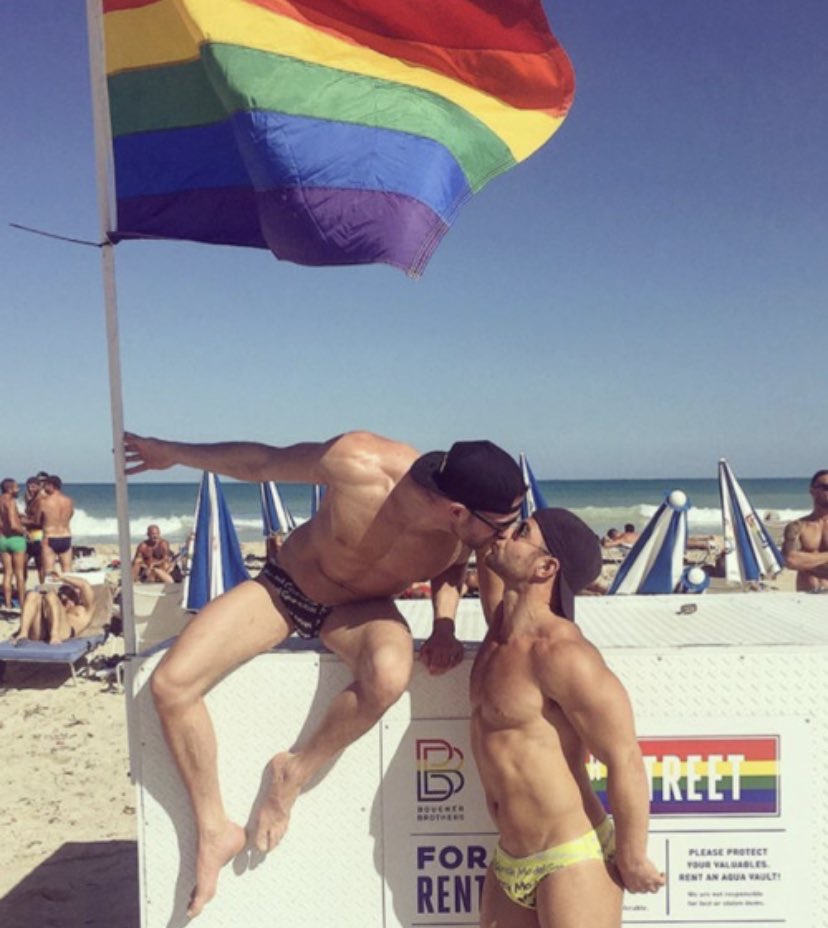
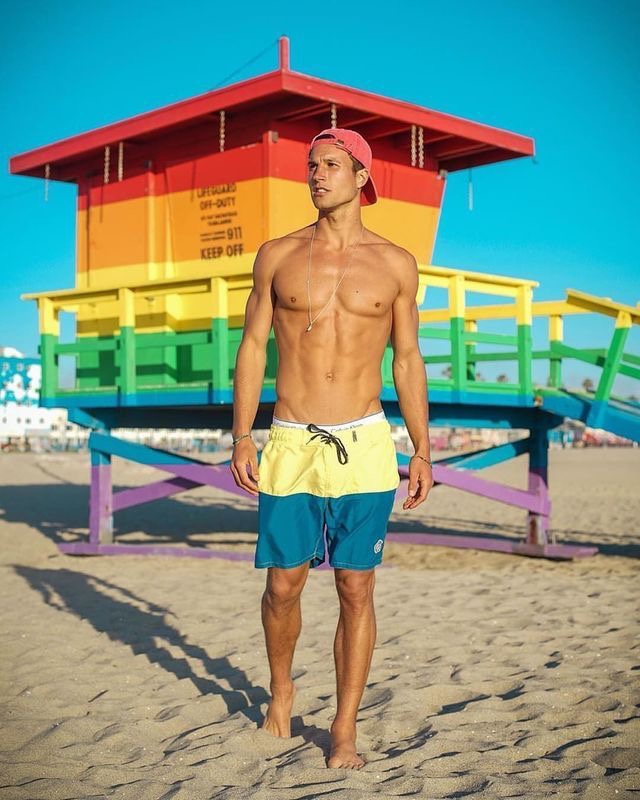

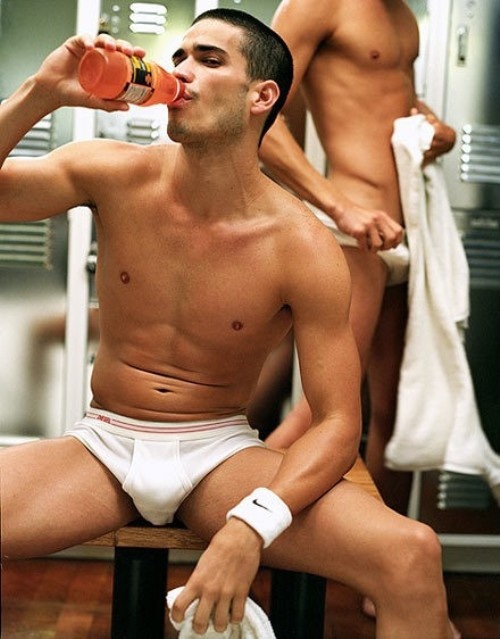
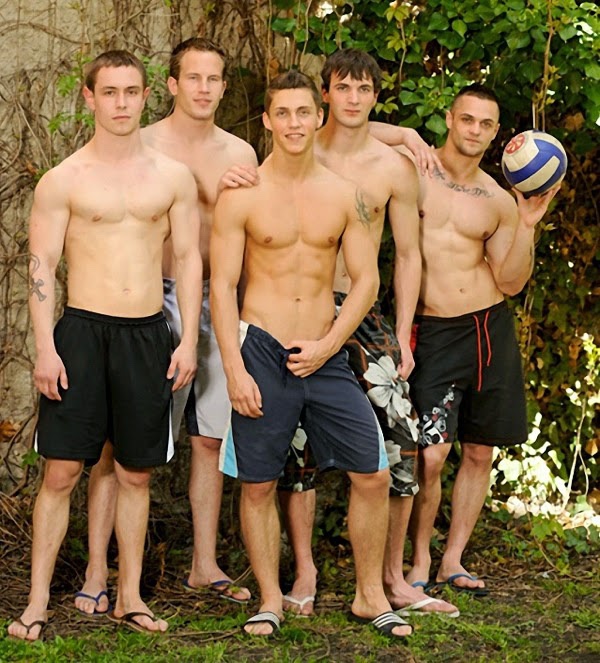




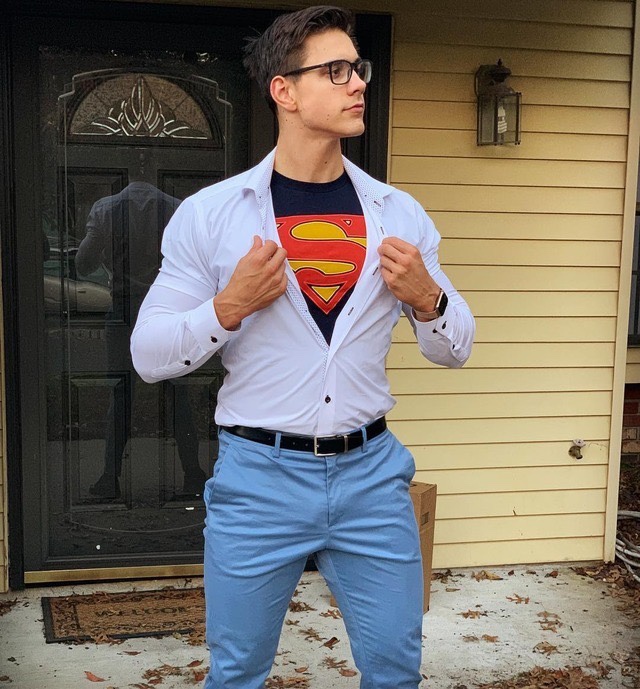
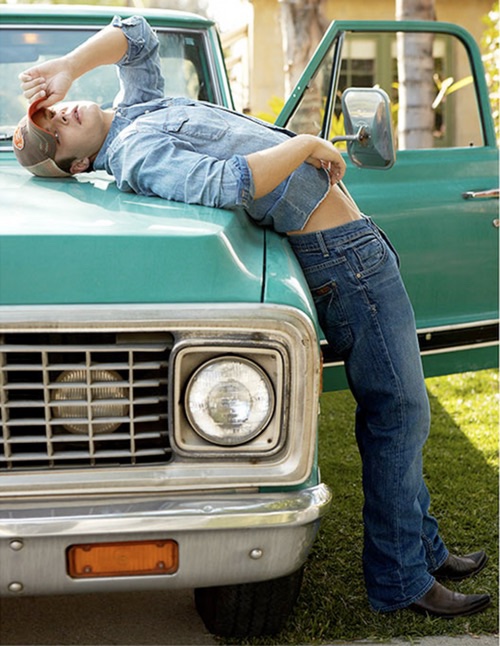

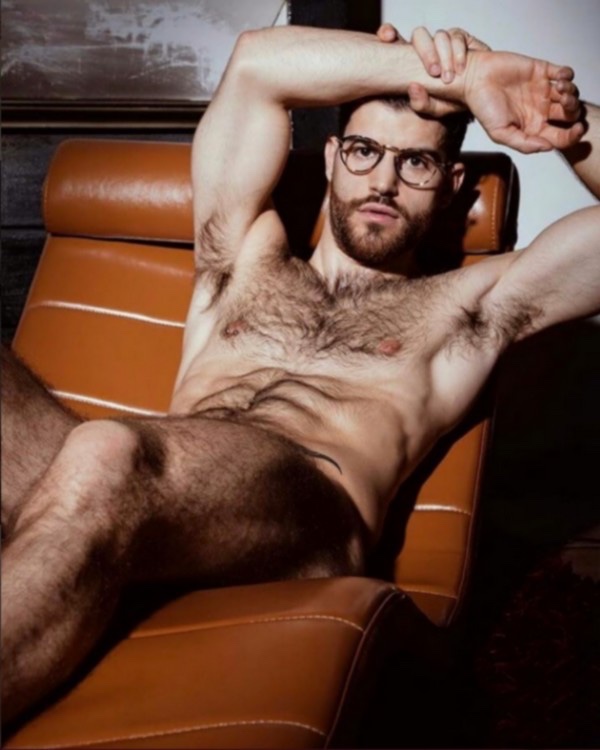

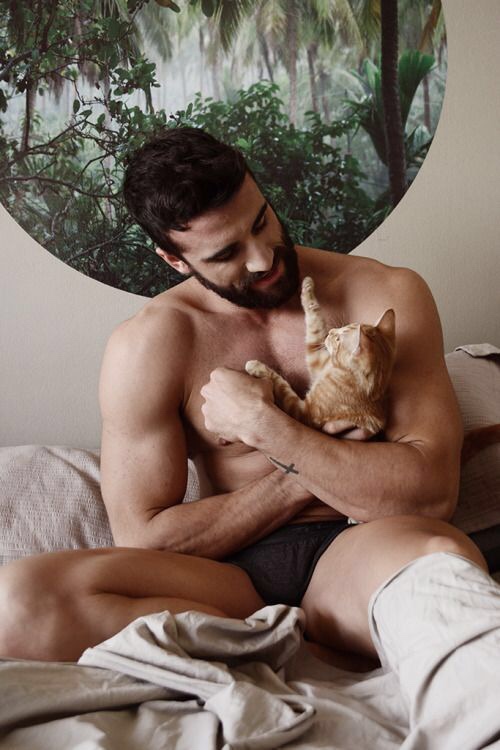


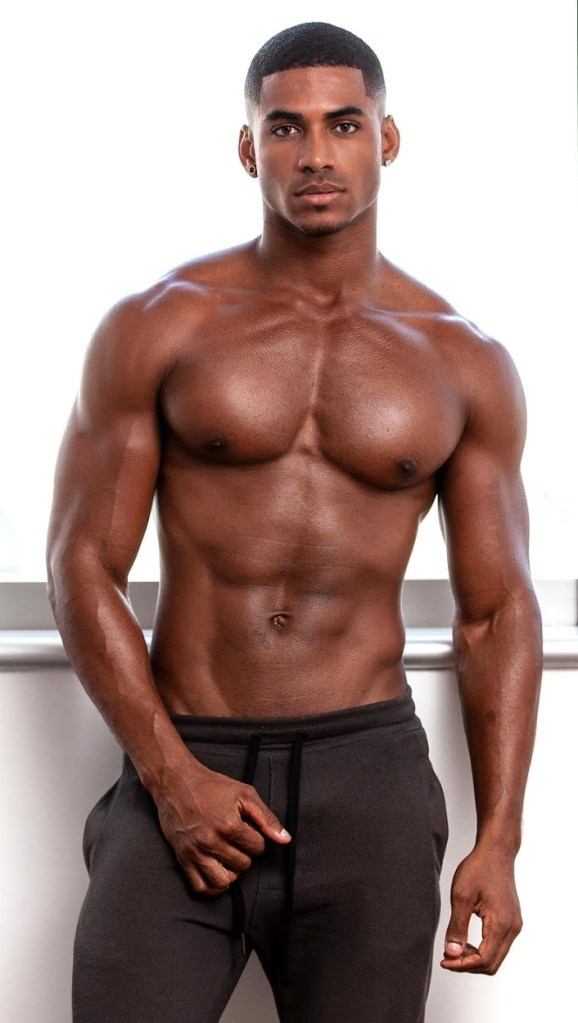
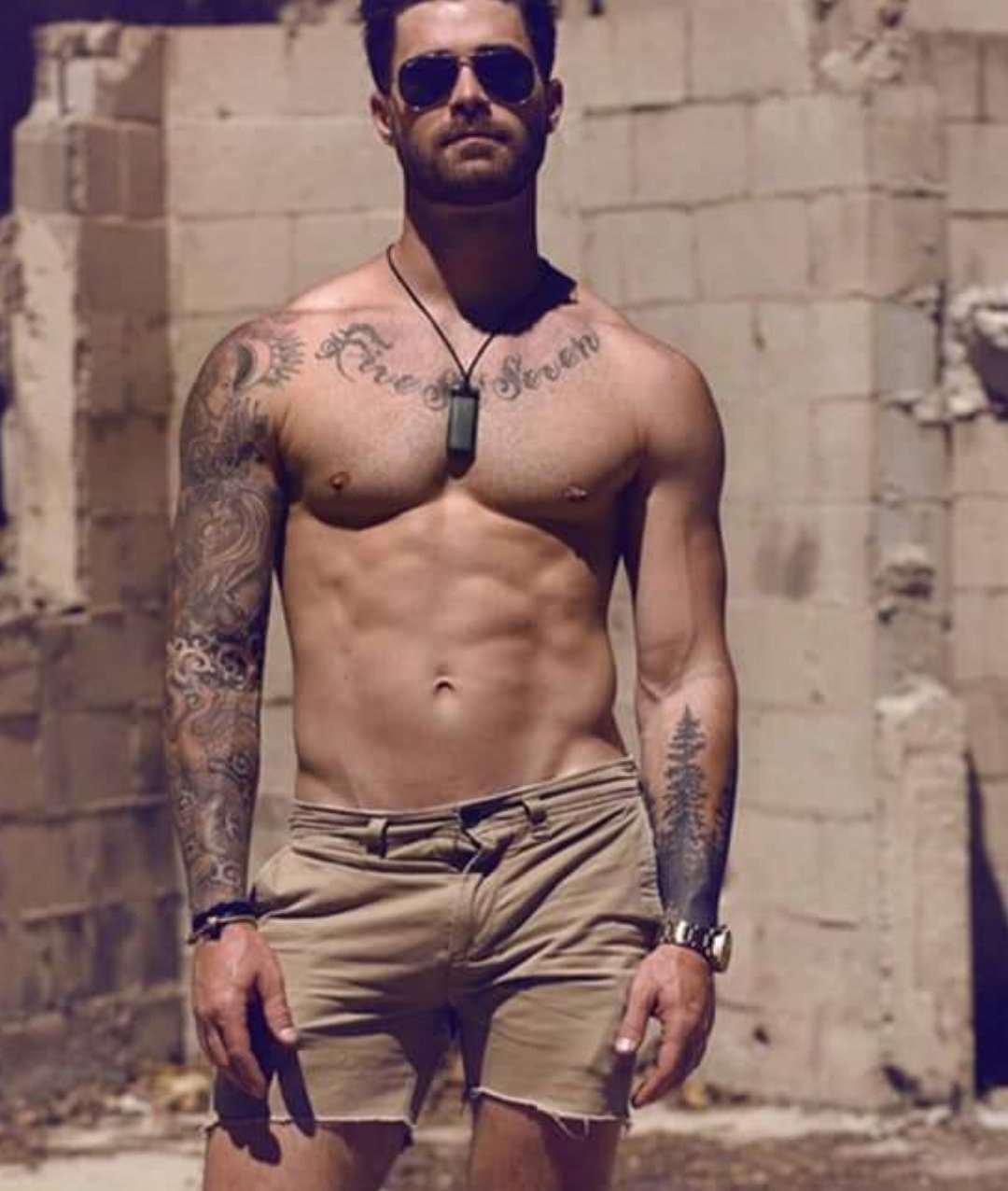

I love men. I don’t care if they are masculine or feminine, sporty or nerdy, in groups or alone, in their underwear or fully clothed or somewhere in between. I just love men. 🏳️🌈
Speaking of men, here’s a quick update on the guy from the pharmacy, as I had to go by there yesterday. He eagerly greeted me with, “Good morning, Mr. _______.” I guess it’s nice he knows my name, but it’s a bit disappointing that he didn’t call me by my first name, unless he wants a daddy. 😂 Anyway, I suspect he is straight and is not interested. He was just being friendly like all of the people who work there. He’s just a little more personable than some.

Five Years Ago

Five years ago today, I drove to East Montpelier, Vermont, to the Central Vermont Humane Society to adopt a kitten. They had about half of a dozen kittens, but only one was female. I happen to prefer female cats. In my opinion, they are easier and make better companions. I have never owned a male cat.
Five years ago, I was in a bad place mentally. I was very lonely after moving to Vermont. The apartment I had rented initially did not allow pets, and I missed my two cats, Edith and Lucy, that are still in Alabama with my aunt. I had planned to find an apartment that allowed cats once I moved up here and bring my cats back with me when I went home the next time. However, my aunt said my two cats had gotten used to living with her (it’s the only place they’d lived beside the Montgomery Humane Society), so she wanted to keep them with her. I kept my apartment for the time being, but I informed my landlords that I would be moving out as soon as I found an apartment that would take cats because I really wanted a cat companion. My landlords said that they would allow me to have a cat if I paid a pet deposit. I knew they had problems renting the other apartments in my building, so I’m sure they did not want to lose a tenant.



So, five years ago, I began looking around at the local animal shelters for kittens. CVHS had a group of kittens in, so on the morning of Saturday, June 18, 2016, I went to CVHS to adopt a kitten. I had filled out all of the paperwork ahead of time, so they took me into the kitten room when I got there. The female kitten (Bridget—what a horrible name!) was solid black and hiding under a chair. I picked her up, and I knew right away, this was my new kitten. I knew that black cats are often left at shelters because people see them as bad luck, which made her especially endearing.
Five years ago, I took the tiny black furball home, and she immediately hid under the bed. It took her a little while to come out, but once she did, she let me know she was there, as you can see her mid-meow in the picture above. She has never had a strong meow unless her food bowl is mostly empty. She acclimated very well and became my little companion. She has never been one to cuddle up next to me as some cats have, though she will lay on my hip and occasionally in my lap. She absolutely hates to be picked up and lays limply in my arms with her head turned away from me if I do pick her up.



For five years, she has grown into a creature of habit. She is rarely more than a few feet away from me, though that has changed a little since I have been home so much during the pandemic. She will go and sleep in another room during the day, occasionally coming out to check on me. When the pandemic first started, I set up my home office in the spare bedroom, and as I worked, she spent her days sleeping on the futon behind me. When it got too hot to work in that room, and I had to put the air conditioner in the bedroom, I moved in there, and she began to sleep on the bed behind me. Recently, I have been working from the couch, but she seems to prefer the other rooms for her sleeping, so she mostly leaves me alone during the day.
For five years, she has been my constant companion. She loves me and cares for me in her own way. She likes to watch over me. When she thinks I am staying up too late, she comes to tell me to go to sleep. She will try to get between my iPad and me, or she will lay on my hip to make sure I stay still. Once I turn out the lights, she settles down either on the other side of the bed or at the foot of the bed and goes to sleep. Most days (if she hasn’t played too hard during the night), she thinks I should be awake at the same time she is around 6 am. Once I get up, she follows me around until I sit to eat breakfast, then she goes back to bed to sleep some more.

Five years ago, I was in a dark place mentally, but she has helped drag me out of that darkness. She may be a little black creature, but she has brought so much light into my life. I don’t know what I would do without her.







Germany and LGBTQ+ Liberation 🏳️🌈 🇩🇪
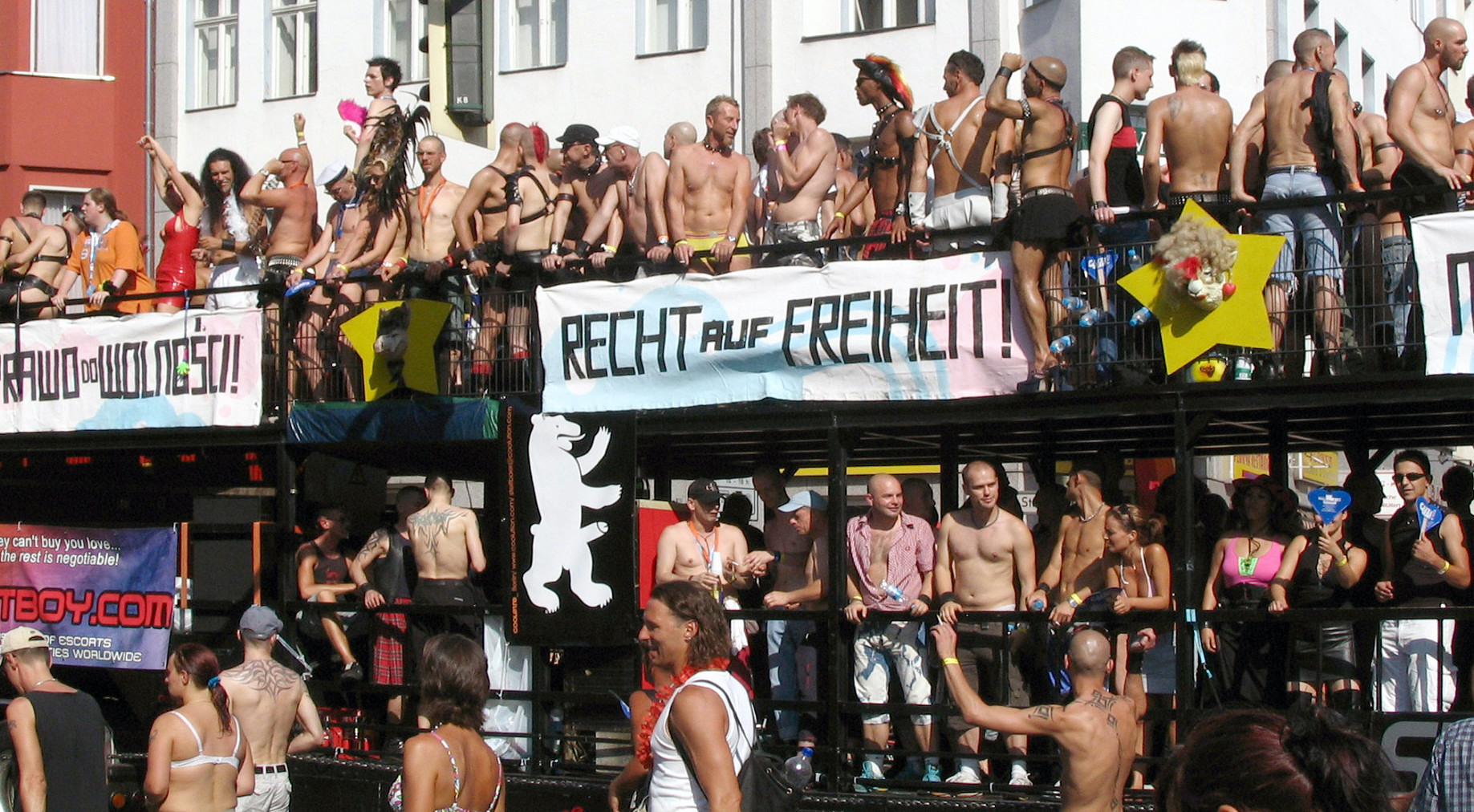
Aside from the street festivals, corporate platitudes, and sex parties, LGBTQ+ Pride is meant to be a living embodiment of LGBTQ+ history. The tradition started in June 1970 as a commemoration of the 1969 riots at the Stonewall Inn, when queer people rebelled against police harassment in New York City. But the history we remember remains myopically focused on the United States. The LGBTQ+ past on display each June is a heroic one with familiar, American milestones: the tragedies of the Lavender Scare and the AIDS crisis offset by the triumphs of Stonewall and marriage equality. This story has even become part of the progressive narratives of American democracy. In his second inaugural address, President Barack Obama declared, “The most evident of truths—that all of us are created equal—is the star that guides us still; just as it guided our forebears through Seneca Falls, and Selma, and Stonewall.”
This heroic narrative is, of course, incomplete. The U.S.-centric story of LGBTQ+ liberation ignores that sexual minorities abroad have fought just as hard and sometimes faced even greater discrimination. When we look beyond the United States, it becomes clear that liberation is far from the inevitable end of a progress narrative. Rather it is a local, subjective, and ever-changing project. LGBTQ+ rights have come with hard fought battles and the progress can sometimes be very slow.
If we look at some other countries, we see that LGBTQ+ liberation didn’t even start in the United States, and we have often lagged behind. Germany is a particularly compelling place to examine. The term homosexual comes from the German language. The term ‘homosexuality’ was coined in the late 19th century by an Austrian-born Hungarian psychologist, Karoly Maria Benkert, who wrote extensively on the subject. In his pamphlets, Kertbeny argued that the Prussian sodomy law, Paragraph 143 (which later became Paragraph 175 of the penal code of the German Empire), violated the “rights of man.”
In Berlin in 1919, Germany, Doctor Magnus Hirschfeld co-founded the Institut für Sexualwissenschaft (Institute for Sex Research), a pioneering private research institute and counseling office. That same year, Different from the Others, one of the first explicitly gay films, was released. Magnus Hirschfeld had a cameo in the film and partially funded its production. In 1922, Dora Richter became the first transgender woman to undergo gender reassignment surgery in Hirschfeld’s Institute, the first operation of its kind in the world. Then on October 16, 1929, a Reichstag Committee voted to repeal Paragraph 175. The Social Democrats and other leftist parties backed the repeal, while the Catholic Center party and other right-wing parties opposed the repeal.
Berlin has a long history of gay culture and influence on popular entertainment, and in the 1920s the city was the Gay Capital of Europe. In 1896 the world’s first gay magazine started in Berlin, called Der Eigene (“The Self-Owning”). During the 1920s and 1930s the world’s first gay village was in Berlin’s Schöneberg. Gay and lesbian bars and nightclubs flourished, as did queer artistic expression through films, music, and print publications. Cabaret singer Claire Waldoff and actress Marlene Dietrich lived and worked in Berlin’s queer neighborhoods during this time. The first gay demonstration anywhere occurred in Berlin in 1922.
The Nazis’ rise to power prevented the implementation of the vote on Paragraph 175 and ended the gay culture of Berlin. In 1933, the Nazi Party banned homosexual groups. Gay men were sent to concentration camps, and the Nazis burned the library of Magnus Hirschfeld’s Institute for Sexual Research and destroy the Institute. The first use of the pink triangle for gay men in Nazi concentration camps came in 1937. Then in 1945, when Allied forces liberated the Nazi concentration camps by Allied forces, but those interned for homosexuality were not freed and were required to serve out the full term of their sentences under Paragraph 175.
After World War II, Germany was divided by the Cold War and charted two very different paths when it came to gay liberation. In 1949, the country formally split into democratic West Germany and communist East Germany. Yet, of the two, it was the liberal democracy that continued Nazi-era persecution of gay men. Over the course of the 20 years between 1949 and 1969, West German courts convicted more than 50,000 queer men under Nazi statutes that remained on the books. East Germany began to repeal parts of Paragraph 175, and in 1968, Paragraph 175 is largely ignored in East Germany, decriminalizing homosexual acts over the age of 18. West Germany followed in 1969.
Groups of same-sex desiring men who labeled themselves homophiles (a word they thought sounded more respectable than homosexual) cropped up in West Germany in the early 1950s. Unlike similar groups in the United States and other western European countries, however, they quickly faded. By 1960, they had all but disappeared. There was no Stonewall moment in West Germany, nor any memorable stand against the oppressive policing and sexual morality of those early postwar decades.
Instead, West German politicians reformed the laws banning homosexual conduct in 1969 as part of a broader revision of the penal code. After this legislative change, new gay and lesbian bars, saunas, and periodicals soon arose. A radical liberation movement also appeared in those years. But it was strikingly different from its cousin in the United States. Its members opposed the commercial gay scene, viewing it as a barrier to the kind of solidarity that would be necessary to win real social and political change. The groups attacked gay publications, denouncing them as nothing more than “masturbation templates.”
When it came to politics, the movement also diverged from the center-left alliance that arose between LGBTQ+ activists and the Democratic Party in the United States. Over the course of the 1970s, West German activists enjoyed their greatest support from the centrist Free Democratic Party, but activists ultimately had little success pushing their policies in the federal government. They grew cynical about the possibilities of parliamentary politics. As a result, LGBTQ+ West Germans never fully came together behind any of the major parties, even after German reunification in 1990, and they continue to divide their votes across the political spectrum.
During the AIDS crisis of the 1980s, West German history also diverged from the U.S. path. Whereas the Reagan administration stayed silent and let LGBTQ+ Americans perish, the West German government, in particular federal health minister Rita Süssmuth, partnered with AIDS self-help groups to circulate information about the disease and safer sex. West Germany never shut down its gay saunas and still managed to bring infection rates down dramatically over the course of the decade. Because of the government’s success fighting AIDS, radical groups like ACT UP played a much smaller part in the German activist scene.
If, by the end of the 1980s, West Germany’s activists were far less politically radical than those in other countries, they had nonetheless managed both to preserve their subculture and find ways to collaborate with politicians and bureaucrats. West German LGBTQ+ activism was not characterized by the same triumphal moments or catastrophic setbacks as the American version, but nonetheless forged a kind of liberation no less real than that in the United States.
Yet this distinctive West German history is largely forgotten, submerged beneath the dominant U.S. narrative — even in Germany. The annual Berlin Pride celebration is known as Christopher Street Day, named for the Stonewall Inn’s address. Even by the mid-1980s, activists and historians, dispirited by a lack of parliamentary political victories, had begun to compare West Germany’s liberation movement unfavorably with that in the United States.
The East German experience with gay liberation was yet more surprising. Although most Westerners assumed such activism could not possibly have been successful in a communist state, by the end of the 1980s, East Germany could realistically lay claim to being one of the most sexually progressive countries on Earth. In the 1970s, gay men and lesbians began to organize together in East Berlin. While the Stasi, the secret police, denied the group the right to organize in public, these tenacious women and men coordinated house parties, steamboat cruises, and birthday dinners. In the middle of the decade, the East German LGBTQ+ communnity met Charlotte von Mahlsdorf, a trans woman who ran a museum in one of East Berlin’s outer neighborhoods. She offered them the museum’s basement to host their activities, and for several years they “bopped and danced like it was 1904.” This arrangement lasted until 1978, when the East Berlin police forbade the group to continue meeting.
But only a few years later, lesbian and gay activists mobilized again, this time under the umbrella of the Protestant Church, the only nominally independent organization in the communist state. Spreading rapidly across the country, they pressured the government to change laws and social policies, such as allowing gay men to serve in the military, repealing a law that set a higher age of consent for gay and lesbian sex, and making it easier for same-sex partners to find housing together. The government tried cracking down on the groups, but to no avail: They continued to grow in size and number. So worried was the Stasi that its functionaries convinced the East German government to accede to activists’ demands. Stasi officials began circulating memos in 1985 insisting that government bodies address gay men and lesbians’ “humanitarian problems,” that is, taking their complaints seriously.
As a result, change came rapidly. The government equalized the age of consent, years before most other countries, including West Germany and the United States. It promulgated a policy allowing openly gay men to serve in the military. LGBTQ+ people were given the right to seek sexual and mental health counseling. The East German government greenlighted the first gay feature film, “Coming Out,” which premiered Nov. 9, 1989—the night East Germans breached the Berlin Wall. Local governments began sanctioning LGBTQ+ organizations and staging gay disco nights.
In the years after reunification, these two distinct German paths converged. The principal LGBTQ+ organization in Germany today was founded by East German activists in 1990 and the West German federal states abolished the last vestiges of their antigay statutes as a direct result of East Germany’s more progressive lawmaking. The West German subculture began to bleed into the Eastern lands, in particular East Berlin, which has become synonymous with queer nightlife in recent decades.
The point is not that East or West Germany achieved a liberation better than that in the United States, but rather that LGBTQ+ life and activism took distinctive forms in different local and national contexts. The American version of LGBTQ+ liberation is not the only history we should pay attention to. Germany led the way for many years before the United States began its LGBTQ+ liberation movement. When America was undergoing the Lavender Scare, East Germany was relaxing laws against homosexuality.


Importance of Pride 🏳️🌈
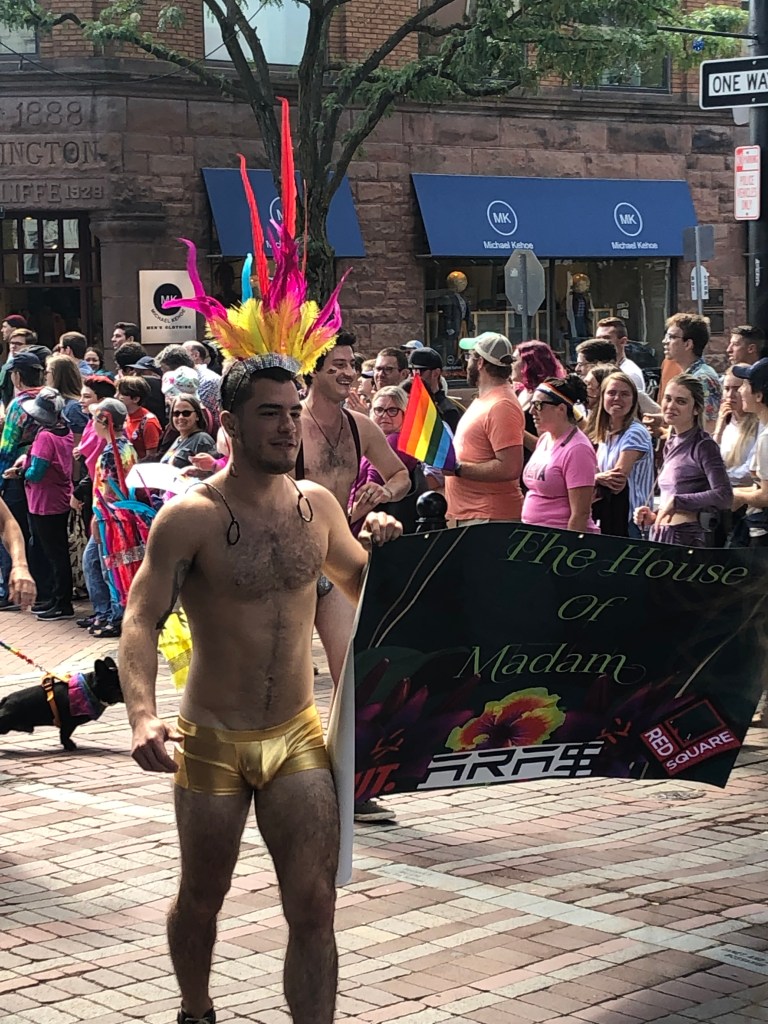
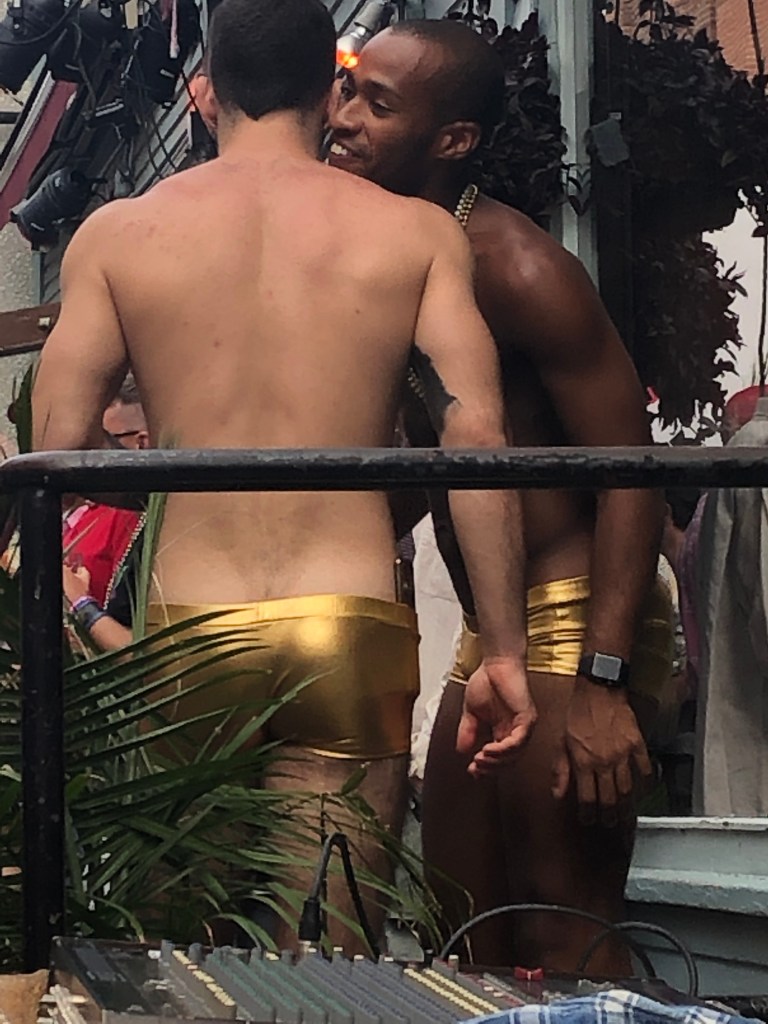
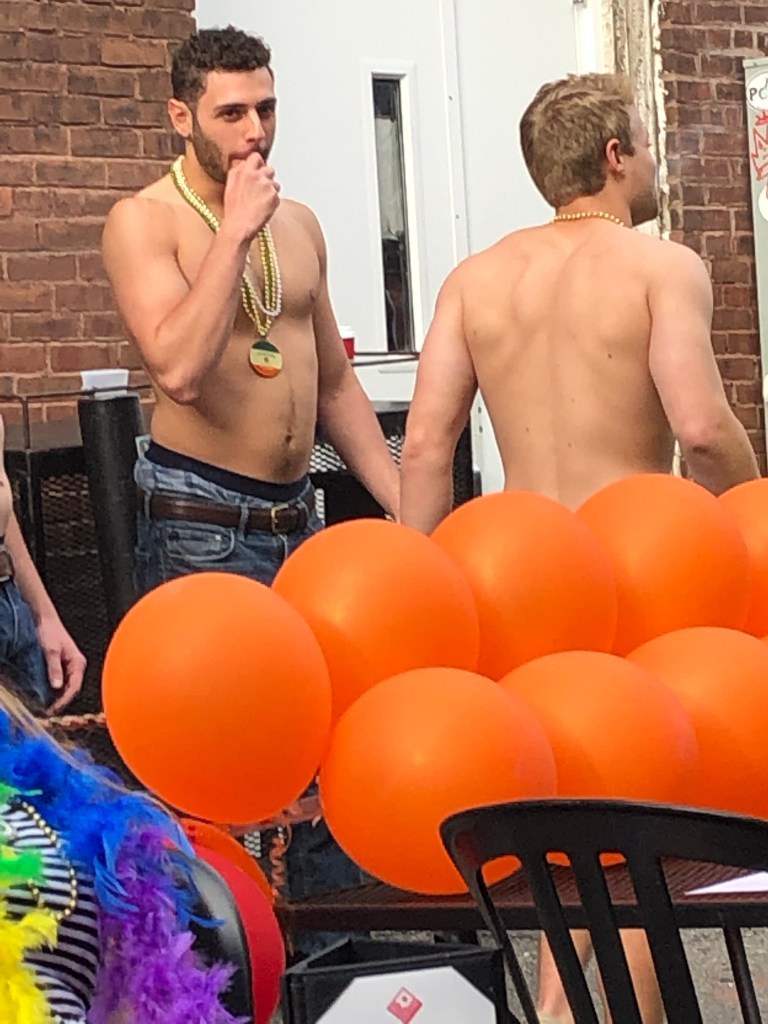
Vermont Pride 2019
June is Pride Month 🏳️🌈. Did I really need to write that? LOL I did so because I wanted to make a point, obviously. I have seen any number of social media posts either deriding LGBTQ+ merchandise or taking to task companies that use pride merchandise or advertising during Pride Month to make money. Some of those companies do support anti-LGBTQ+ politicians or organizations. All of these criticisms have valid points, and a lot of the pride merchandise is tacky. Some organizations seem to only be pro-LGBTQ+ during the month of June, and they support anti-LGBTQ+ efforts the rest of the year.
Representatives Pramila Jayapa (D-WA) and Alexandria Ocasio-Cortez (D-NY) recently listed (and derided) on social media companies who were celebrating Pride but continue to support anti-LGBTQ+ politicians and organizations. As a general rule, I like Rep. Jayapa, but Rep. Ocasio-Cortez is a different story. In my opinion, AOC is an annoying, pandering, and shallow politician who wants to get attention, but I am getting sidetracked. Yes, these companies need to be told to do better and show support of the LGBTQ+ community all year round, not just in June, but do we want these companies to ignore us completely? We should be happy for the support, and instead of criticizing them, especially coming from non-LGBTQ+ people, we should be encouraging these companies to do better.
Pride itself has its faults: whitewashing, trans exclusion, corporate assimilation, etc., but how many of us grew up seeing absolutely zero LGBTQ+ representation anywhere. If we did, it was either very negative or stereotypical. Most gay representation I was aware of portrayed the LGBTQ+ community as having HIV/AIDS, being sexually deviant and/or promiscuous, and all too often, pedophiles. I always found it interesting that when same-sex couples wanted to get married, conservatives were against the idea, but the same people hated same-sex couples because they saw them as non-monogamous and (gasp) unmarried fornicators.
Most of us did not grow up with any positive LGBTQ+ representation anywhere. Growing up in rural Alabama, I may have known of three or four gay people. I did not know any personally. So, while I understand the criticisms of Pride, I think of what it might mean to a closeted teenager who has never seen a positive representation of the LGBTQ+ community. What would it have meant to me as a teenager to see positive LGBTQ+ representation? If we had been reinforcing positive attitudes all along, would things be different?
In 1988, a National Opinion Research Center/General Social Survey/University of Chicago poll found that 67.6 percent of Americans opposed same-sex marriage, 10.7 percent of Americans supported it, 13.9 percent of Americans neither agreed nor disagreed, and 7.8 percent didn’t have an opinion. A May 2015 (one month before the historic Obergefell v. Hodgesdecision), a Gallup poll found 60 percent of Americans supported same-sex marriage, 37 percent opposed, and 3 percent had no opinion. Those numbers continue to improve. A June 2021 Gallup poll found that 70 percent of Americans supported same-sex marriage, and 29 percent were against it. Positive change leads to positive LGBTQ+ representation.
Pride is a celebration of life in the face of oppression and repression. For 335 days a year, we are told that our body is sinful and sick, those who we have sex with and who we love should be kept hidden, our body is weird, and the scars are ugly, our clothing, hair, fat, penis, breasts, arms, legs, or flesh itself is disgusting, vile, and “unnatural” … For 335 days of the year, we walked around in fear. We hid who we love or our body. We dropped our lover’s hand in public or refused to kiss our lover goodbye in front of our workplace. We feared violence walking home at night or in the broad light of the afternoon sun. Those are all situations many of us dealt with in our lives. We had to hide who we were and are. Pride month is about visibility and freedom from repression.
During that month, we usually have one day where there is a pride parade. It took me going nearly 5,000 miles from home to go to my first pride parade. I went to the Pride parade in Paris, France, while on a study abroad trip during graduate school. We arrived in Paris on the day of Pride, and as soon as they let us loose on the city by ourselves, a friend and I headed straight to the parade. I have been to a few since, mainly here in Vermont (we hold ours in September here, not June.) If you’ve ever been to a Pride celebration, you know that the people watching is one of the best parts. The sense of belonging is probably the best part, but people-watching is a lot of fun. There are colorful outfits, elaborate costumes, cute kids, couples holding hands, and more. There’s also no small number of people basically wearing nothing, maybe just skimpy underwear or tape over sensitive areas, but that’s half the fun.
For this one month out of the year or even just that one precious day of the pride parade, we can be ourselves without fear of judgment. For one month, we can be a symbol of acceptance and freedom, and we can love, laugh, dance, have sex, and walk around in our underwear if we choose. We have this one precious and special month (and possibly even just a day) when we can celebrate our body, flesh, love, passion, life, and sexuality. We should celebrate, embrace, and love it all. For what it is, and not the commercialization of the celebration. There are companies out there that genuinely support the LGBTQ+ community in many ways.
If you are interested in what companies truly support LGBTQ+ equality, check out the Human Rights Campaign Foundation’s Corporate Equality Index, a national benchmarking tool on corporate policies, practices, and benefits pertinent to LGBTQ+ employees. The HRC website also lets you search for how your federal elected officials stand on legislation that impacts the LGBTQ+ community on their Your Elected Officials page. I, for one, am happy that even the companies that don’t have the greatest track record on LGBTQ+ issues show some rainbow colors and Pride during Pride Month. As far as I remember, no company did this at all while I was growing up.
A few questions for you to either discuss in the comments or to just ponder:
- How do you feel about the commercialization of Pride?
- Is the exposure of corporate sponsorships a good thing?
- Should we be openly criticizing companies (or boycott companies who aren’t always the most LGBTQ+ friendly but do support Pride?
- Or should we work to make those companies do better LGBTQ+ allies in the future while being happy they do support Pride?
- Is it all just commercialism, or does it also have a positive effect on societal views of the LGBTQ+ community and Pride?
I’d love to know your opinions.
LGBTQ+ Poetry Classics
Love the Light-Giver
By Michelangelo Buonarroti (1475-1564)
To Tommaso De’ Cavalieri
Veggio co’ bei vostri occhi.
With your fair eyes a charming light I see,
For which my own blind eyes would peer in vain;
Stayed by your feet, the burden I sustain
Which my lame feet find all too strong for me;
Wingless upon your pinions forth I fly;
Heavenward your spirit stirreth me to strain;
E’en as you will, I blush and blanch again,
Freeze in the sun, burn ‘neath a frosty sky.
Your will includes and is the lord of mine;
Life to my thoughts within your heart is given;
My words begin to breathe upon your breath:
Like to the moon am I, that cannot shine
Alone; for lo! our eyes see nought in heaven
Save what the living sun illumineth.
Love Returned
By Bayard Taylor (1825-1878)
He was a boy when first we met;
His eyes were mixed of dew and fire,
And on his candid brow was set
The sweetness of a chaste desire:
But in his veins the pulses beat
Of passion, waiting for its wing,
As ardent veins of summer heat
Throb through the innocence of spring.
As manhood came, his stature grew,
And fiercer burned his restless eyes,
Until I trembled, as he drew
From wedded hearts their young disguise.
Like wind-fed flame his ardor rose,
And brought, like flame, a stormy rain:
In tumult, sweeter than repose,
He tossed the souls of joy and pain.
So many years of absence change!
I knew him not when he returned:
His step was slow, his brow was strange,
His quiet eye no longer burned.
When at my heart I heard his knock,
No voice within his right confessed:
I could not venture to unlock
Its chambers to an alien guest.
Then, at the threshold, spent and worn
With fruitless travel, down he lay:
And I beheld the gleams of morn
On his reviving beauty play.
I knelt, and kissed his holy lips,
I washed his feet with pious care;
And from my life the long eclipse
Drew off; and left his sunshine there.
He burns no more with youthful fire;
He melts no more in foolish tears;
Serene and sweet, his eyes inspire
The steady faith of balanced years.
His folded wings no longer thrill,
But in some peaceful flight of prayer:
He nestles in my heart so still,
I scarcely feel his presence there.
O Love, that stern probation o’er,
Thy calmer blessing is secure!
Thy beauteous feet shall stray no more,
Thy peace and patience shall endure!
The lightest wind deflowers the rose,
The rainbow with the sun departs,
But thou art centred in repose,
And rooted in my heart of hearts!
A Shropshire Lad, XXXVI
By A. E. Housman (1859-1936)
White in the moon the long road lies,
The moon stands blank above;
White in the moon the long road lies
That leads me from my love.
Still hangs the hedge without a gust,
Still, still the shadows stay:
My feet upon the moonlit dust
Pursue the ceaseless way.
The world is round, so travellers tell,
And straight though reach the track,
Trudge on, trudge on, ’twill all be well,
The way will guide one back.
But ere the circle homeward hies
Far, far must it remove:
White in the moon the long road lies
That leads me from my love.
Undressing You
By Witter Bynner (1881-1968)
Fiercely I remove from you
All the little vestiges—
Garments that confine you,
Things that touch the flesh,
The wool and the silk
And the linen that entwine you,
Tear them all away from you,
Bare you from the mesh.
And now I have you as you are,
Nothing to encumber you—
But now I see, caressing you,
Colder hands than mine.
They take away your flesh and bone,
And, utterly undressing you,
They tear you from your beauty
And they leave no sign.
The More Loving One
By W. H. Auden (1907-1973)
Looking up at the stars, I know quite well
That, for all they care, I can go to hell,
But on earth indifference is the least
We have to dread from man or beast.
How should we like it were stars to burn
With a passion for us we could not return?
If equal affection cannot be,
Let the more loving one be me.
Admirer as I think I am
Of stars that do not give a damn,
I cannot, now I see them, say
I missed one terribly all day.
Were all stars to disappear or die,
I should learn to look at an empty sky
And feel its total dark sublime,
Though this might take me a little time.
And for the “L” in LGBTQ+:
[In my eyes he matches the gods]
By Sappho (c. 630-c. 570 BCE)
In my eyes he matches the gods, that man who
sits there facing you–any man whatever–
listening from closeby to the sweetness of your
voice as you talk, the
sweetness of your laughter: yes, that–I swear it–
sets the heart to shaking inside my breast, since
once I look at you for a moment, I can’t
speak any longer,
but my tongue breaks down, and then all at once a
subtle fire races inside my skin, my
eyes can’t see a thing and a whirring whistle
thrums at my hearing,
cold sweat covers me and a trembling takes
ahold of me all over: I’m greener than the
grass is and appear to myself to be little
short of dying.
But all must be endured, since even a poor
About the Poets
Michelangelo di Lodovico Buonarroti Simoni, known simply as Michelangelo, was an Italian sculptor, painter, architect and poet of the High Renaissance born in the Republic of Florence.
Bayard Taylor was an American poet, literary critic, translator, travel author, and diplomat. Though he wanted to be known most as a poet, Taylor was mostly recognized as a travel writer during his lifetime. Modern critics have generally accepted him as technically skilled in verse, but lacking imagination and, ultimately, consider his work as a conventional example of 19th-century sentimentalism.
Alfred Edward Housman, usually known as A. E. Housman, was an English classical scholar and poet. His cycle of poems, A Shropshire Lad, wistfully evoke the dooms and disappointments of youth in the English countryside.
Harold Witter Bynner, also known by the pen name Emanuel Morgan, was an American poet and translator. He was known for his long residence in Santa Fe, New Mexico, and association with other literary figures there.
Wystan Hugh Auden, usually known as W.H. Auden, was an Anglo-American poet. Auden’s poetry was noted for its stylistic and technical achievement, its engagement with politics, morals, love, and religion, and its variety in tone, form, and content.
Sappho was an Ancient Greek poet from the island of Lesbos. Sappho is known for her lyric poetry, written to be sung while accompanied by a lyre. In ancient times, Sappho was widely regarded as one of the greatest lyric poets and was given names such as the “Tenth Muse” and “The Poetess”. Most of Sappho’s poetry is now lost, and what is extant has mostly survived in fragmentary form.
🏳️🌈 LGBT POETS FOR PRIDE MONTH 🏳️🌈


Recent Comments
iameverywhere1 on Pic of the Day noisilycool3bc985058… on Pic of the Day iameverywhere1 on Pic of the Day Steven Davis on Pic of the Day noisilycool3bc985058… on Pic of the Day Top Posts & Pages




Amazon Associate

As an Amazon Associate I earn from qualifying purchases. So, if you click on a link that takes you to Amazon.com, I may earn a commission.
Trust me, it isn’t much, but every little bit helps.


 The Closet Professor