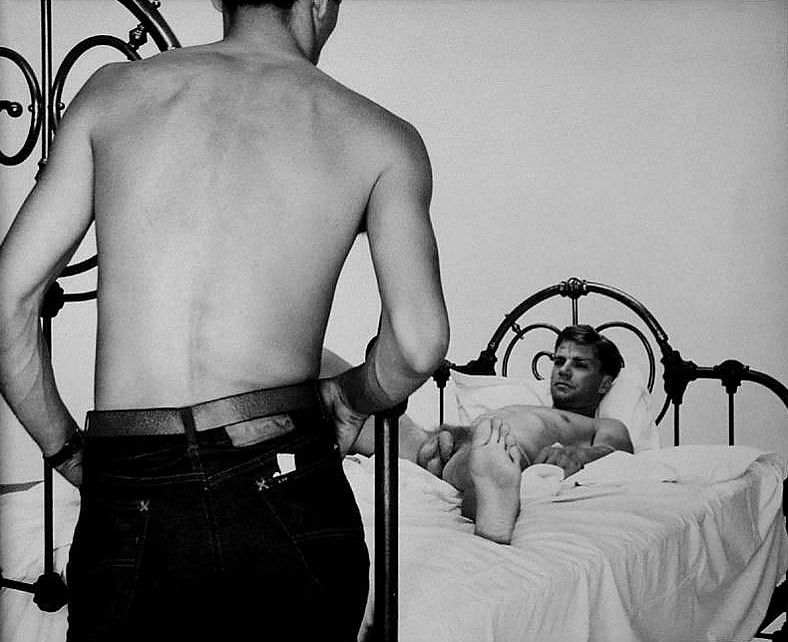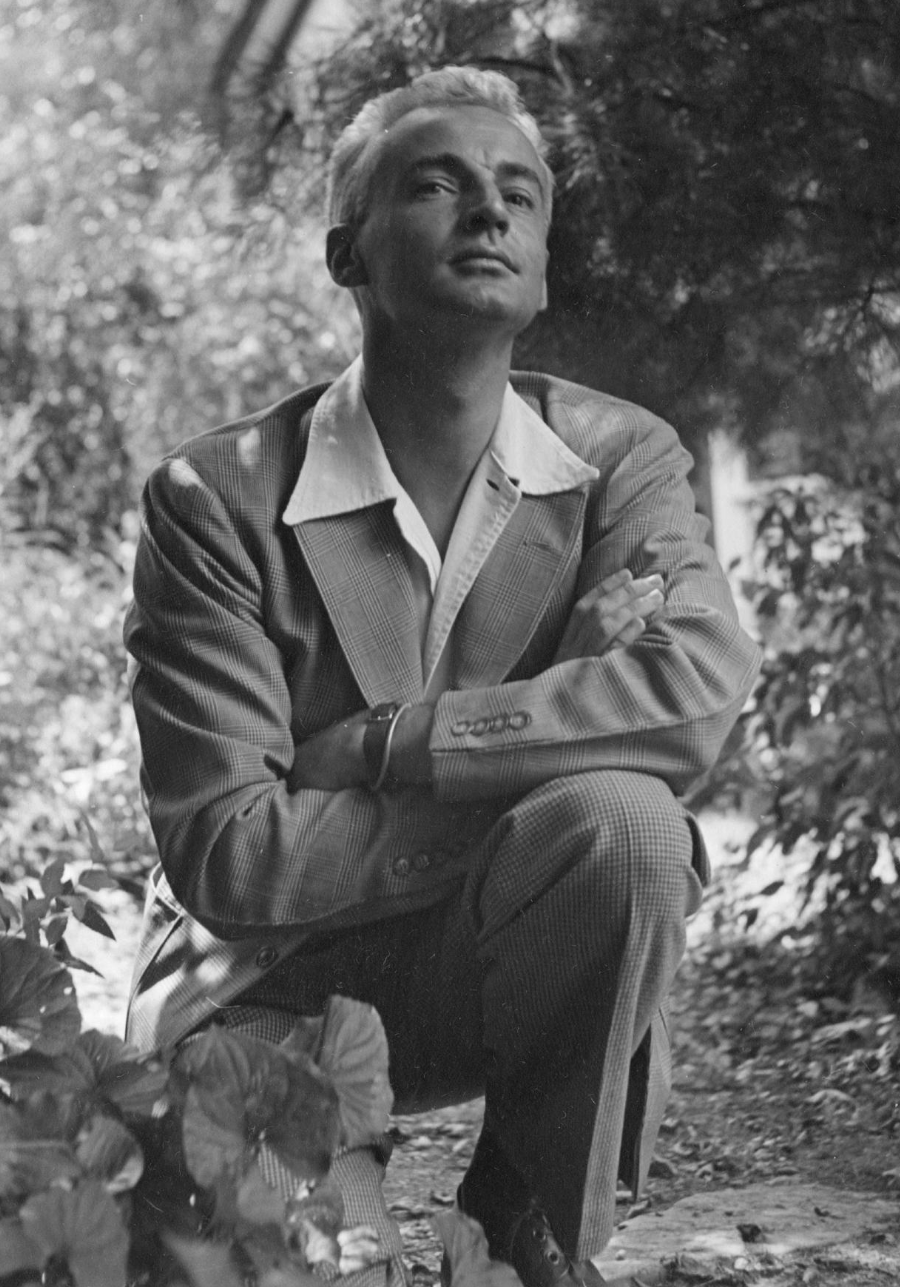
Held in Love

“As a mother comforts her child, so will I comfort you; and you will be comforted over Jerusalem.”

—Isaiah 66:13

Mother’s Day can be complicated.

For many LGBTQ+ Christians, this day stirs a mixture of gratitude, grief, and longing. Some of us have mothers who love us fiercely, who fought for us when others turned away. Others have strained relationships marked by silence, theological disagreements, or painful rejection. Some have lost their mothers altogether, or never had one who nurtured them in the way they needed. And still others have found “mothering” in chosen family—those who stepped into the role when our biological mothers could not.

I grew up with a mother who, in many ways, was my safe place. She sang to me—silly songs, made-up lullabies, and always “You Are My Sunshine.” That song still lingers in my memory like a benediction. Even now, when I feel anxious or overwhelmed, I can hear her voice in my mind and feel something loosen inside. She wasn’t perfect (who is?), and our relationship changed after I came out. Her love didn’t vanish, but it retreated into more cautious, guarded corners. I learned to read between the lines—to hear love in what wasn’t said as much as in what was.

There are days I wish she could fully see me, not just the parts she’s comfortable with. But I know this: most of the time, she tries, and in her way, she still sings over me. Her growing dementia has mellowed her about my sexuality, and possibly her views on the LGBTQ+ community, at least she no longer mentions me being gay even on the periphery anymore when we talk on the phone or when I go home for the holidays.

And in the spaces where that love feels fragile or incomplete, I lean on the divine promise of God’s motherhood. Isaiah 66:13 tells us, “As a mother comforts her child, so will I comfort you.” God doesn’t just replace what we lack in human relationships—God transcends it. God’s love is not hindered by shame or ignorance, nor is it conditional on who we love or how we live. God’s comfort is whole, unwavering, and tender. It wraps around us like a lullaby that never fades.

For those who feel unmothered today—rejected, estranged, or just alone—please know: you are not forgotten. You are not forsaken. You are loved, by a God who mothers us all. In Scripture, we are told:

“Though my father and mother forsake me, the Lord will receive me.” —Psalm 27:10

And for those whose mothers still try—who show up imperfectly but continue to offer what love they can—I honor your resilience, your patience, your hope. 

Today, let us give thanks for all who have mothered us: the women who raised us, the aunts and teachers who guided us, the queer elders who nurtured us, the friends who held us through heartbreak, and the God who never stops whispering, “You are my beloved.” In Luke 13:34, Jesus says, “How often I have longed to gather your children together, as a hen gathers her chicks under her wings, and you were not willing.”

Let us also remember that motherhood isn’t limited to biology. In God’s eyes, to nurture, to protect, to comfort—these are sacred acts. Many of us embody them, regardless of gender, title, or role. LGBTQ+ people have always created families and offered fierce, maternal love to one another. That, too, is holy. Let us always remember what 1 John 4:7 says, “Dear friends, let us love one another, for love comes from God. Everyone who loves has been born of God and knows God.”

On this Mother’s Day, whether you are rejoicing, mourning, navigating silence, or embracing chosen family, know this:

You are held in love.

You are never alone.

And somewhere, still, the song continues: You are my sunshine.

Pic of the Day


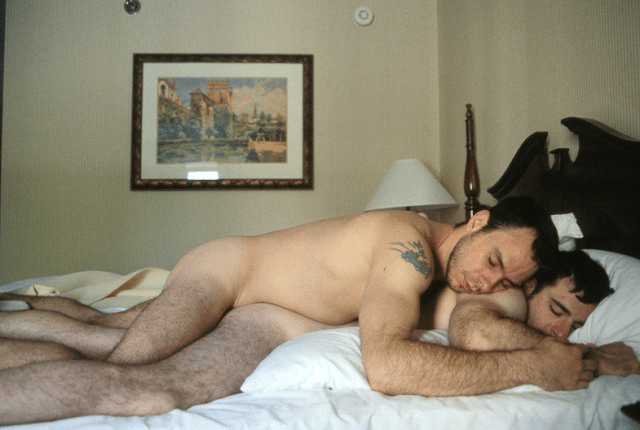
Moment of Zen: Cowboys


Pic of the Day


TGIF

I have been trying to figure out something to write about today, but all I can come up with is that I am so glad it’s Friday. I have a four day weekend (I had to switch my vacation day from Wednesday to Monday, which I prefer anyway). I have no plans this weekend. It’s supposed to be very rainy here today and tomorrow; however, I do have to get out and run some errands this morning. I have an appointment to get my yearly Covid vaccination, and I have an appointment with Neo to begin my workout routine today.

Have a great Weekend Everyone!


Pic of the Day


Training Incentives

My recent health scare—especially the concern about potential liver damage—has given me the push I needed to commit to exercising more regularly. I feel like I have to take action now, especially since the earliest appointment I could get with a gastroenterologist isn’t until November. With that in mind, I joined my local Planet Fitness. Yesterday was my first visit, and I met with a trainer (we’ll call him Neo—not his real name, of course).

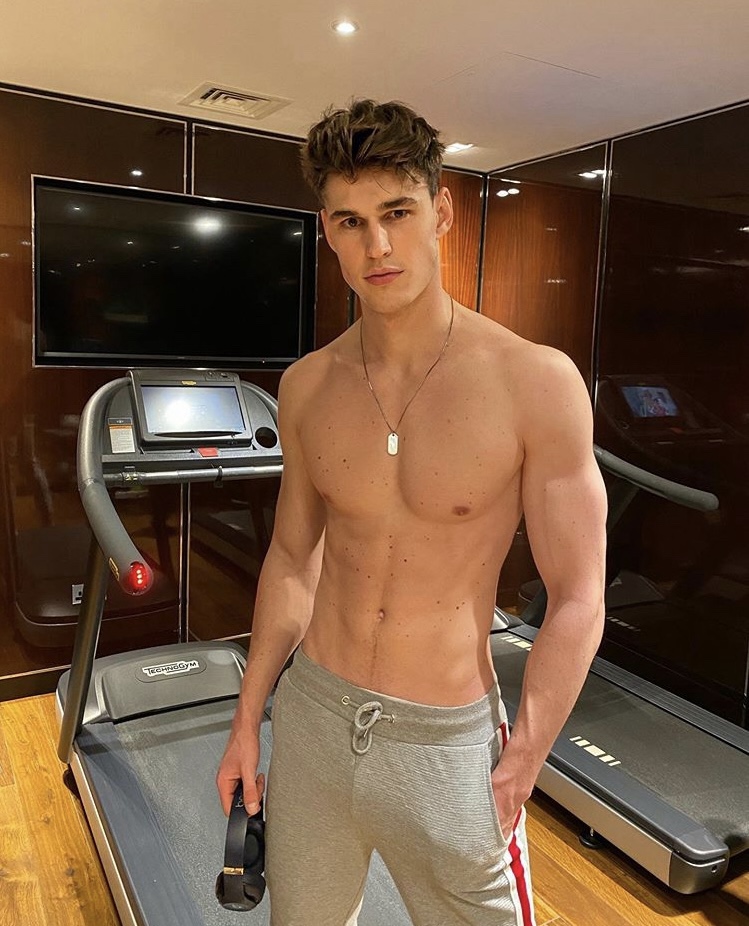
Beyond improving my health, I’ll admit I now have an extra bit of motivation to work out: Neo himself. He’s not the guy in the photo above, but the body type is remarkably similar. He’s cute, sweet, and seems genuinely interested in helping me get into shape (which, of course, is his job—but still). I’d been nervous that working with a trainer might feel intimidating, but Neo immediately put me at ease. During our first meeting, we talked about my health, my prior experience working out, and my fitness goals. We didn’t dive into a workout just yet, though I did spend some time on the treadmill. Our first real training session is scheduled for Friday, when we’ll begin developing my personalized fitness program.

Originally, I’d planned to work out before work, three to four times a week—around 6 a.m. However, now that I’ll be training with Neo, that plan needs adjusting. He doesn’t start until 10 a.m., and while I know I could go alone before work, the truth is I’m not sure I’d stick to it. I know myself well enough to recognize that after-work sessions, at least for now, will be more realistic—especially if I have a scheduled appointment. Once I commit to someone else, the thought of canceling (or worse, skipping entirely) would eat me alive with guilt.

Once I get comfortable with my workout routine, I can transition to morning workouts on my own and keep occasional training sessions with Neo either during the day or after work to stay motivated and ensure I’m making progress.

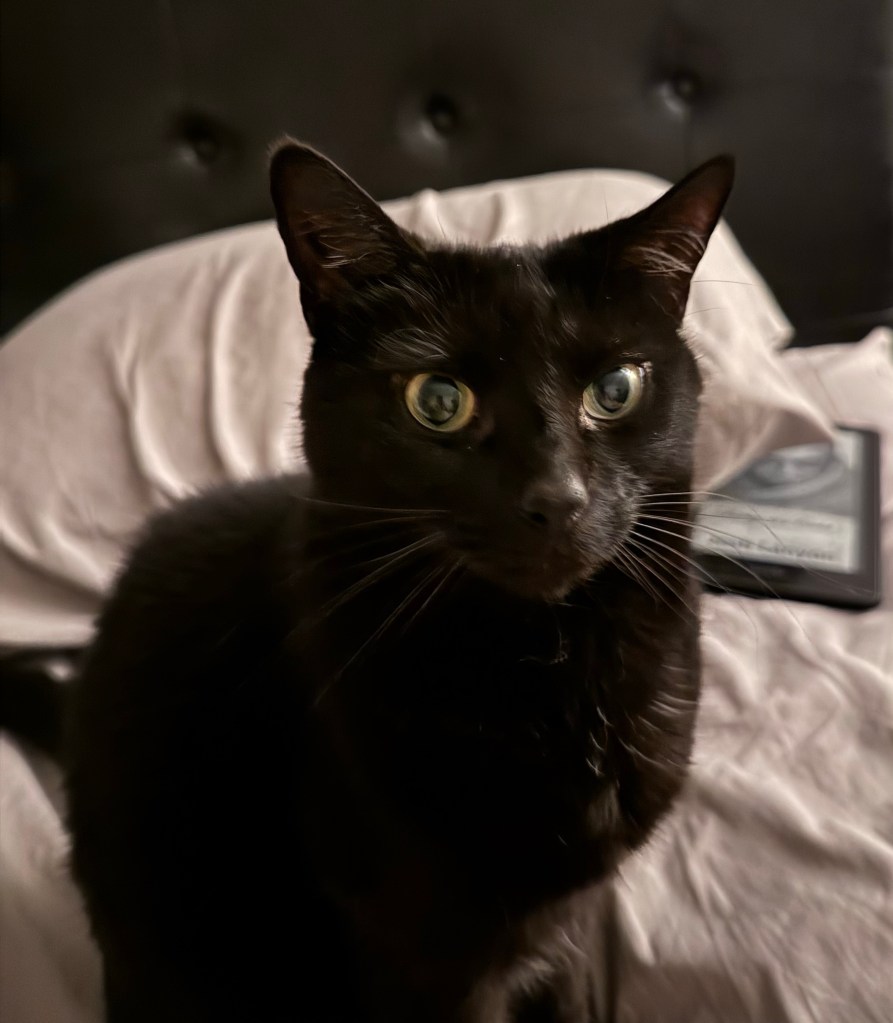
And I can’t forget the Isabella pic of the week. This is her, “You need to go to bed” face (similar to her “You need to get up and feed me” face):

I opened my eyes this morning to see her face a few inches from mine staring at me. It’s a little disconcerting when you wake up and open your eyes to be met with total blackness.


Pic of the Day


Lynes Drawn Between Couture and the Closet

Untitled, George Platt Lynes, 1936

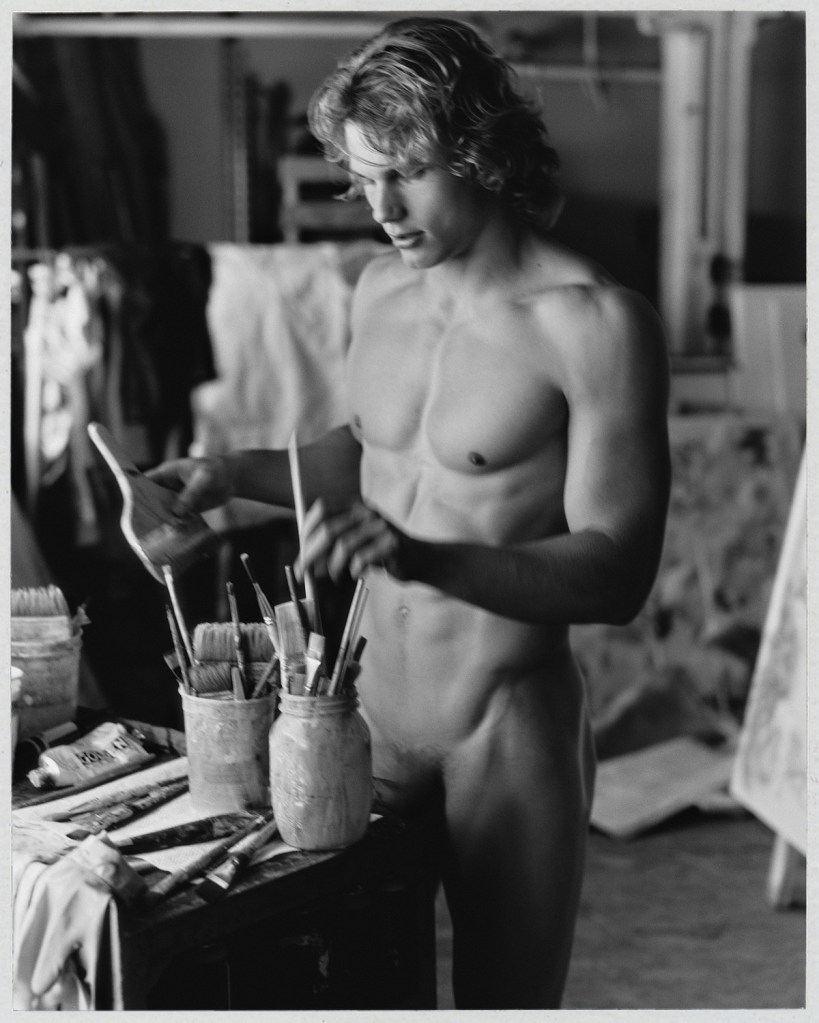
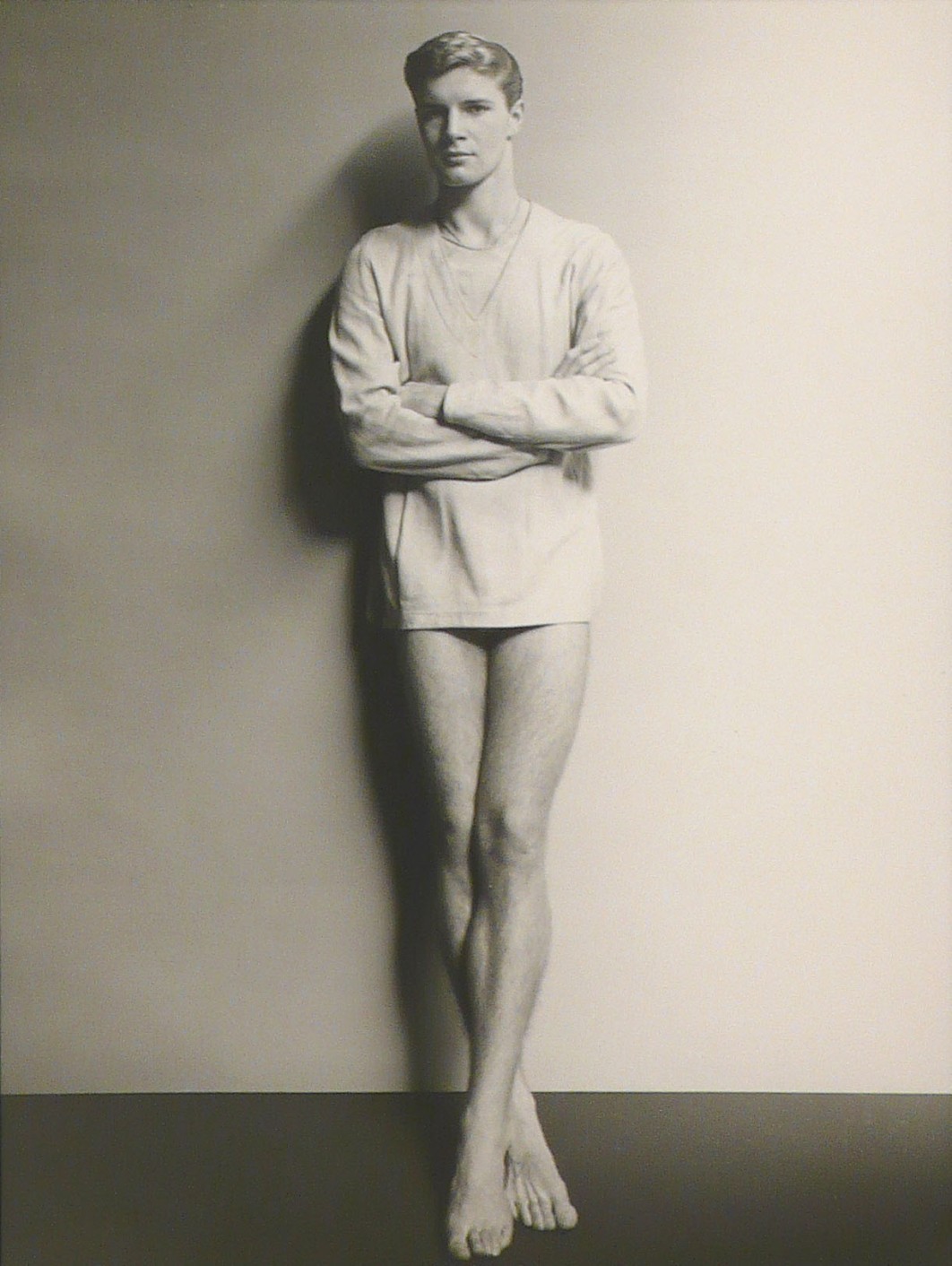
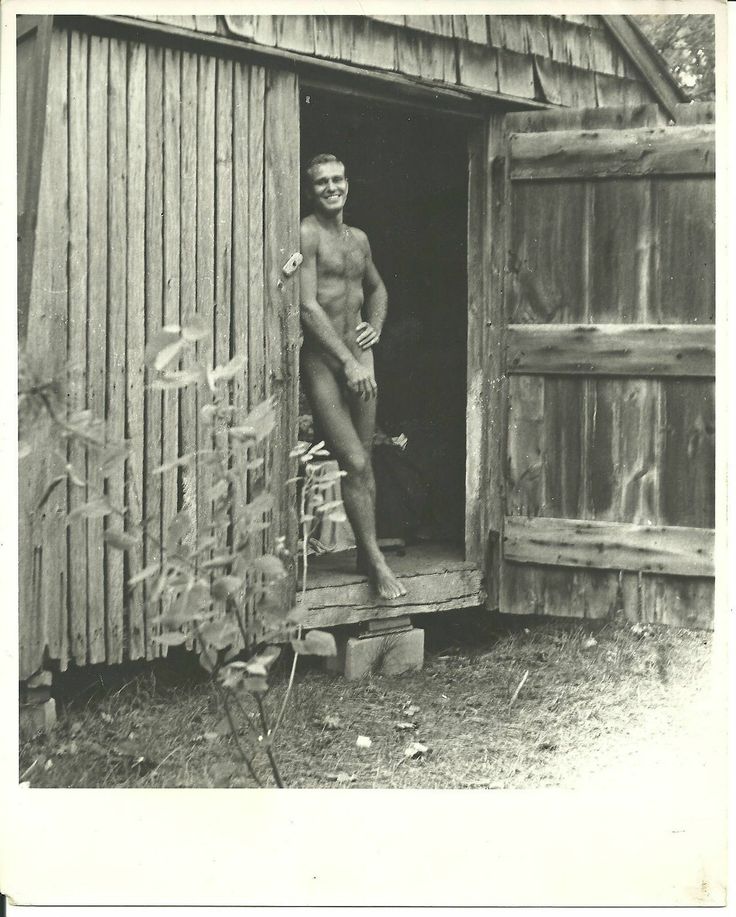
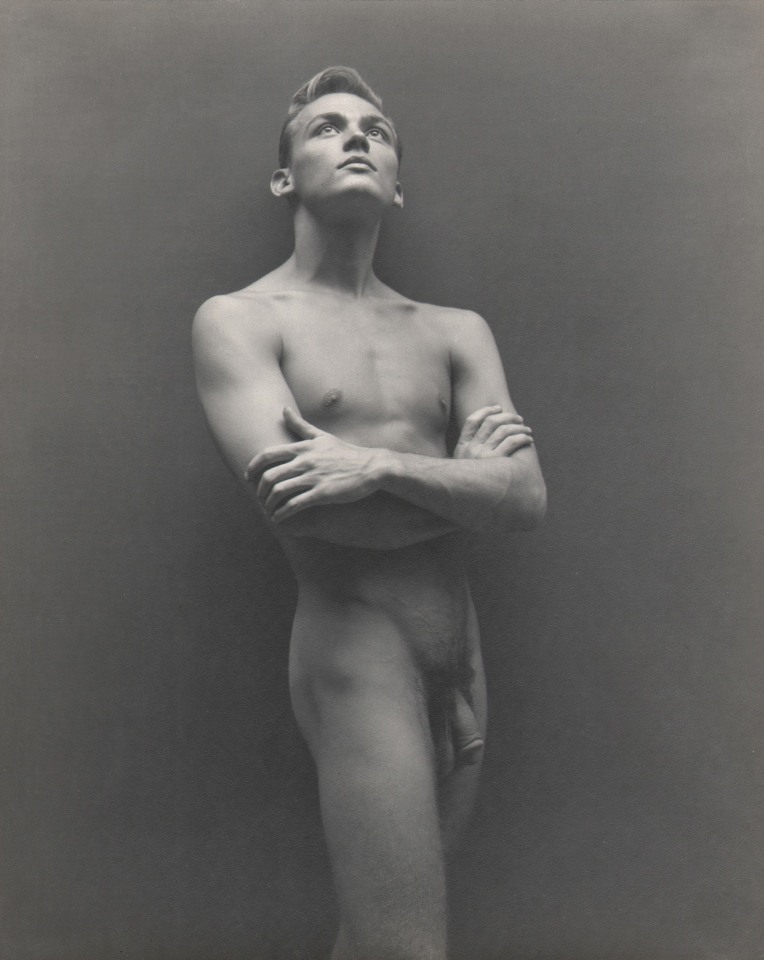
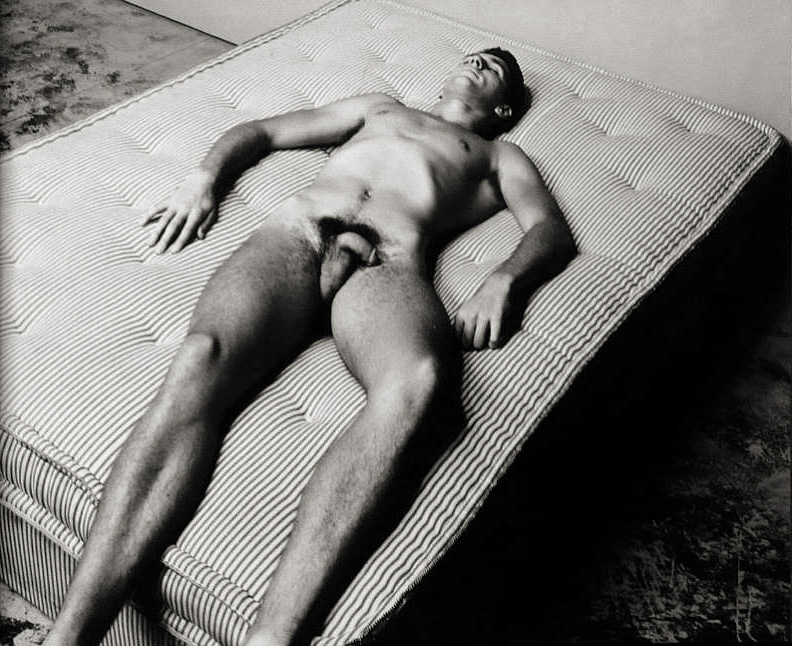
George Platt Lynes (1907–1955) occupies a unique and courageous place in 20th-century photography. Best known during his lifetime for his sophisticated fashion images and celebrity portraits, Lynes also created a substantial, deeply personal body of male nudes and homoerotic photographs. These images, radical for their time, remained largely hidden from public view for decades. Today, they stand not only as remarkable works of art but also as rare, defiant records of queer desire in a period of profound social repression.

 Tennessee Williams, George Platt Lynes,1944

Lynes began his career in the 1920s and 1930s, becoming a sought-after fashion photographer for Harper’s BazaarVogue, and Town & Country. His images were noted for their theatricality, stylization, and mythic undertones. Yet, while he achieved success in commercial photography, he was simultaneously pursuing a private and more dangerous artistic project: photographing nude men, often friends, performers, and lovers.

Bill Harris, George Platt Lynes, 1942

By the early 1930s, Lynes had begun producing a series of male nudes that blended classical influences—Greek sculpture, Renaissance painting—with the sleek modernism of Art Deco. Unlike typical academic nudes, Lynes’s subjects were not anonymous muses but men with whom he shared personal and often romantic bonds. These photographs, which captured beauty, vulnerability, and homoerotic longing, could not be exhibited openly. Instead, Lynes circulated them privately among his queer kinship networks.

Jack Fontan, George Platt Lynes, 1950

Lynes was part of a closely connected circle of elite gay men who shaped American arts and letters between the world wars and into the early Cold War. For sixteen years, Lynes lived with writer Glenway Wescott and museum curator Monroe Wheeler, who were a couple for over fifty years. The three shared a household, with Lynes and Wheeler sharing a bedroom. This network extended to other prominent cultural figures, including Lincoln Kirstein and artist Paul Cadmus. During the 1940s and early 1950s, they hosted private gatherings and sex parties, creating a vibrant yet discreet sexual subculture. However, as Cold War paranoia intensified, especially targeting homosexuals, these communities were forced further underground.

Untitled, George Platt Lynes, 1950

In April 1950, Wescott voiced his concerns to Lynes about the risks of circulating explicit photographs. While he personally supported Lynes’s art, he feared professional repercussions for Wheeler, who by then held a prominent public role at the Museum of Modern Art. Wescott warned of the dangers of “guilt by association,” especially given the rising visibility of anti-communist and anti-homosexual purges in government and cultural institutions. His fears were justified. On March 1, 1950, The New York Times reported that of ninety-one State Department employees forced to resign under loyalty investigations, “most of these were homosexuals.” Though the article framed this in the context of communist infiltration, it was clear that sexual orientation had become a major front in the Cold War cultural wars.

Male Nude Study, George Platt Lynes, 1951

Despite the risks, Lynes continued to make and circulate his portraits. Determined that his work would find an audience, he published some images in the German homosexual journal Der Kreis during the 1950s, one of the few outlets at the time willing to feature such material. He also became an important collaborator with Alfred Kinsey, the pioneering sex researcher. Between 1949 and 1955, Lynes sold and donated a significant portion of his male nudes to Kinsey’s research institute. This ensured that even if the public could not yet see these works, they would be preserved. Today, much of Lynes’s homoerotic photography resides at the Kinsey Institute in Bloomington, Indiana.

Untitled, George Platt Lynes, 1951

Lynes’s photographs are not only striking in their formal beauty and symbolism but also powerful cultural documents. They archive queer, illicit desire at a time when being openly homosexual could mean career destruction, social ostracism, or worse. His images captured the bodies and souls of men who, like himself, lived in defiance of rigid moral codes and the oppressive climate of McCarthy-era America. The fact that he continued this work privately, even as the Red Scare and Lavender Scare drove many into deeper secrecy, speaks to his artistic courage and personal integrity.


Self-Portrait, Hollywood, George Platt Lynes, c. 1947

George Platt Lynes died of lung cancer in 1955 at the age of 48. While much of his work was nearly lost—he destroyed many negatives fearing posthumous exposure—his decision to entrust photographs to Kinsey safeguarded his legacy. Today, George Platt Lynes is recognized not only for his contributions to fashion and portrait photography but as a courageous, visionary artist who captured the complexities of queer male identity long before the modern gay rights movement. His private images, once kept in the shadows, now illuminate a vital chapter of both photographic and LGBTQ+ history.


Pic of the Day