

Back to the Grind

I have to go back to work today. I am not ready and wish I had a few more days off, but I’ll be the only one there today, so I don’t have much of a choice. Besides, I have a doctor’s appointment today. It’s a regular check up. I had been forced to reschedule because I had COVID when my original appointment a couple of months ago. I have several things I want to discuss with my doctor, so I am eager for this appointment.
Going to work today might not be so bad if we weren’t having a snow storm today, though looking outside, it doesn’t look like it’s as bad as it was expected. We’ve probably gotten about an inch so far, but we are expecting up to 8” today. I doubt we’ll get that much snow. It really shouldn’t (🤞) affect my commute to and from work. The worst should come after I get to work, and when I head home, whatever snow has fallen should have been cleared from the roadways.
For a little bit of humor this morning: as I was typing the title to this post, my predictive text kicked in and when I had “Back to the G” typed, predictive text suggested “Grindr.” I guess this phone (I typed this quickly on my phone this morning) knows it’s owned by a gay man. 😂🏳️🌈


Happy New Year! 🥂

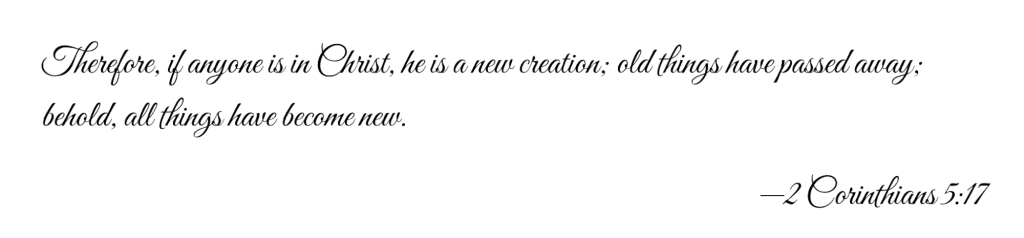
As we welcome a brand-new year, let’s take a moment to celebrate the journey we’ve all shared and the opportunities that lie ahead. May 2025 bring you joy, growth, and countless moments of inspiration.
This blog continues to be a place for thought, connection, and learning because of readers like you. Thank you for being a part of this wonderful community. Here’s to another year of discovery, reflection, and love!
Wishing you all a year filled with happiness, health, and success. Cheers to 2025!
With gratitude for all your support and kindness,

Happy New Year!

Stars Fell on Alabama
Composed by Frank Perkins with lyrics by Mitchell Parish
Moonlight and magnolia, starlight in your hair
All the world a dream come true
Did it really happen, was I really there, was I really there with you?
We lived our little drama, we kissed in a field of white
And stars fell on Alabama last night.
I can’t forget the glamor, your eyes held a tender light
And stars fell on Alabama last night.
I never planned in my imagination a situation so heavenly
A fairy land where no one else could enter
And in the center just you and me, dear
My heart beat like a hammer, my arms wound around you tight
And stars fell on Alabama last night.
We lived our little drama, we kissed in a field of white
And stars fell on Alabama last night.
I can’t forget the glamor, your eyes held a tender light
And stars fell on Alabama last night.
I never planned in my imagination a situation so heavenly
A fairy land where no one else could enter
And in the center just you and me, dear
My heart beat like a hammer, my arms wound around you tight.
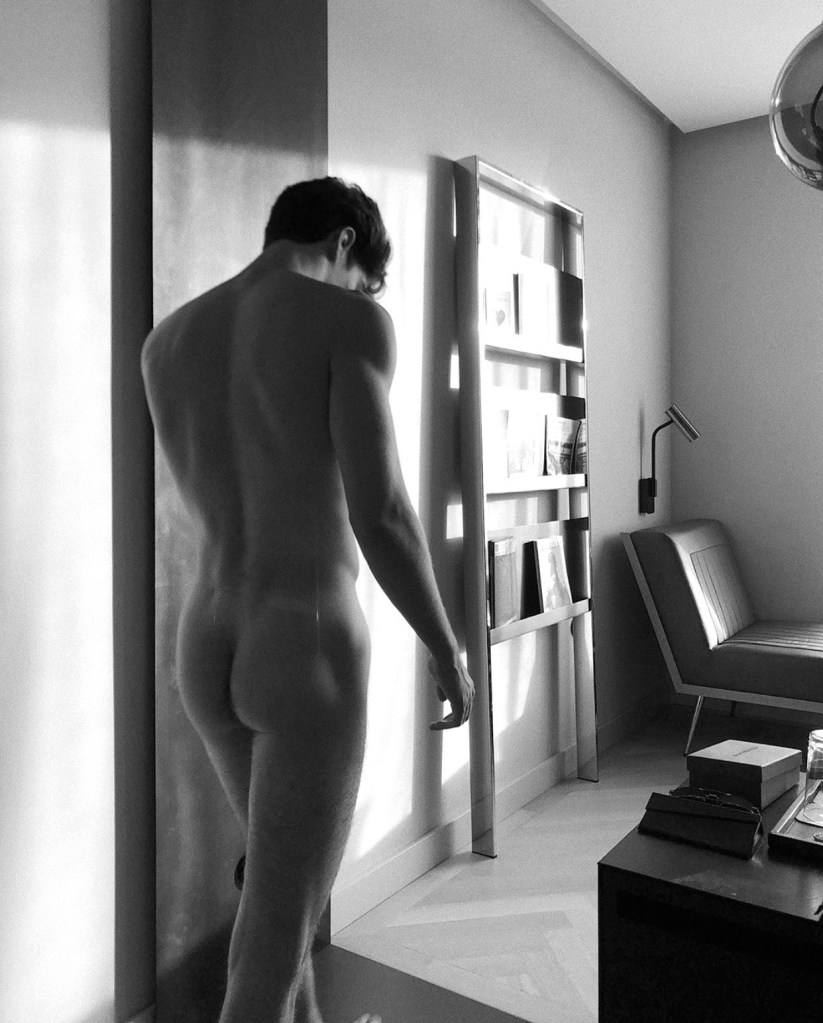
The image above made me think of the song “Stars Fell on Alabama,” with its magnolias, starlight, and field of white. This is not a scene you’d see in Alabama, but it’s a scene I could imagine a guy from Alabama witnessing on a snowy New Year’s Eve in Vermont.
Happy New Year, Everyone!
🍾 🥂 🍾
I hope we all have a
happy, healthy, safe, prosperous, and joyous


The Old Year
The Old Year
By John Clare
The Old Year’s gone away
To nothingness and night:
We cannot find him all the day
Nor hear him in the night:
He left no footstep, mark or place
In either shade or sun:
The last year he’d a neighbour’s face,
In this he’s known by none.
All nothing everywhere:
Mists we on mornings see
Have more of substance when they’re here
And more of form than he.
He was a friend by every fire,
In every cot and hall—
A guest to every heart’s desire,
And now he’s nought at all.
Old papers thrown away,
Old garments cast aside,
The talk of yesterday,
Are things identified;
But time once torn away
No voices can recall:
The eve of New Year’s Day
Left the Old Year lost to all.
About the Poem
John Clare’s poem “The Old Year” reflects on the passage of time, focusing on the transition from one year to the next. The poem is deeply rooted in Clare’s characteristic sensitivity to nature, change, and human experience. The poem treats the “old year” as a living entity, personifying it as something that has completed its journey and now fades into the past. Clare mourns the passing of the old year, imbuing it with a sense of nostalgia and melancholy. The tone suggests a recognition of time’s relentless progression, an idea that resonates universally.
Clare often uses imagery from the natural world to express emotions, and this poem is no exception. The changing of the year is depicted through seasonal transitions, emphasizing the cycles of nature as a parallel to human life and time. For example, the closing of the year might evoke images of winter or decay, symbolizing an end but also hinting at renewal.
The poem captures the duality of endings and beginnings. While the old year is mourned, there is an implicit acknowledgment that a new year is dawning, bringing fresh opportunities and challenges. Clare’s reflection on the passing year invites readers to consider their own experiences, losses, and hopes for the future. The poem is wistful and contemplative, blending sadness for what is gone with a quiet acceptance of change. This emotional depth makes the poem relatable, as it mirrors the universal human tendency to reflect on time, achievements, and missed opportunities.
Clare’s “The Old Year” serves as a meditation on impermanence, inviting readers to pause and consider the flow of life and the inevitable passage of time. It is both personal and universal, making it a poignant reflection on the human condition.
About the Poet
John Clare (1793–1864) was an English poet known for his vivid depictions of rural life and nature, as well as his poignant explorations of human emotion and identity. Sometimes called the “peasant poet,” Clare’s work is remarkable for its deep empathy for the natural world and its ability to capture the details of everyday life with precision and beauty. Despite his humble background and later struggles with mental health, Clare’s poetry continues to be celebrated for its authenticity, lyricism, and insight.
Clare was born in Helpston, Northamptonshire, to a poor agricultural family. He had minimal formal education and worked as a farm laborer from a young age, which deeply influenced his poetry. His love of nature began in childhood, where he spent time exploring the countryside around his home. Clare’s first collection of poetry, Poems Descriptive of Rural Life and Scenery (1820), brought him initial fame and recognition. His ability to capture the details of rural life resonated with readers and critics, earning him the nickname “Northamptonshire Peasant Poet.” Subsequent collections, such as The Village Minstrel (1821), continued to showcase his deep connection to nature and his gift for descriptive writing.
Clare wrote extensively about the English countryside, celebrating its beauty while lamenting its destruction due to industrialization and enclosure laws. He depicted the daily lives of villagers and farmers with both realism and affection. Later in life, Clare’s poetry often explored themes of alienation, identity, and loss, reflecting his personal struggles.
Clare experienced mental health challenges later in life, exacerbated by financial difficulties and a sense of disconnection from the changing world around him. He spent his final years in an asylum, where he continued to write poetry, including some of his most haunting and introspective work. Poems like “I Am” reflect his feelings of isolation and yearning for peace.
Clare was largely forgotten after his death in 1864 but was rediscovered in the 20th century as a major Romantic poet. Today, he is celebrated for his unique voice, keen observational skills, and the authenticity of his work. His poems remain a vital part of English literature, offering a timeless appreciation for the natural world and the complexities of the human spirit. John Clare’s life and work stand as a testament to the enduring power of poetry to capture the beauty of the world and the struggles of the human heart.

Backache

I don’t remember what it was I did yesterday, but I think it was picking up something heavy. Anyway, I remember when I did it, I thought, Oh! That doesn’t feel right. And sure enough, I woke up this morning with a stabbing pain in my lower back. It’s not so bad that it’s inhibiting too much movement, but it does make bending over uncomfortable. Some time on a heating pad, pain medicine, and a muscle relaxer should take care of the issue. I just need to take it easy today. Thankfully, I don’t have to return to work until Thursday. The only thing I really need to do today is do some work on my class that starts next week.



Authors
Recent Comments
noisilycool3bc985058… on Pic of the Day noisilycool3bc985058… on Moment of Zen: A Room with a… Joe on Ah, Montreal… Joe on Ah, Montreal… iameverywhere1 on Ah, Montreal… Top Posts & Pages



Amazon Associate

As an Amazon Associate I earn from qualifying purchases. So, if you click on a link that takes you to Amazon.com, I may earn a commission.
Trust me, it isn’t much, but every little bit helps.

 Joe
Joe


 The Closet Professor