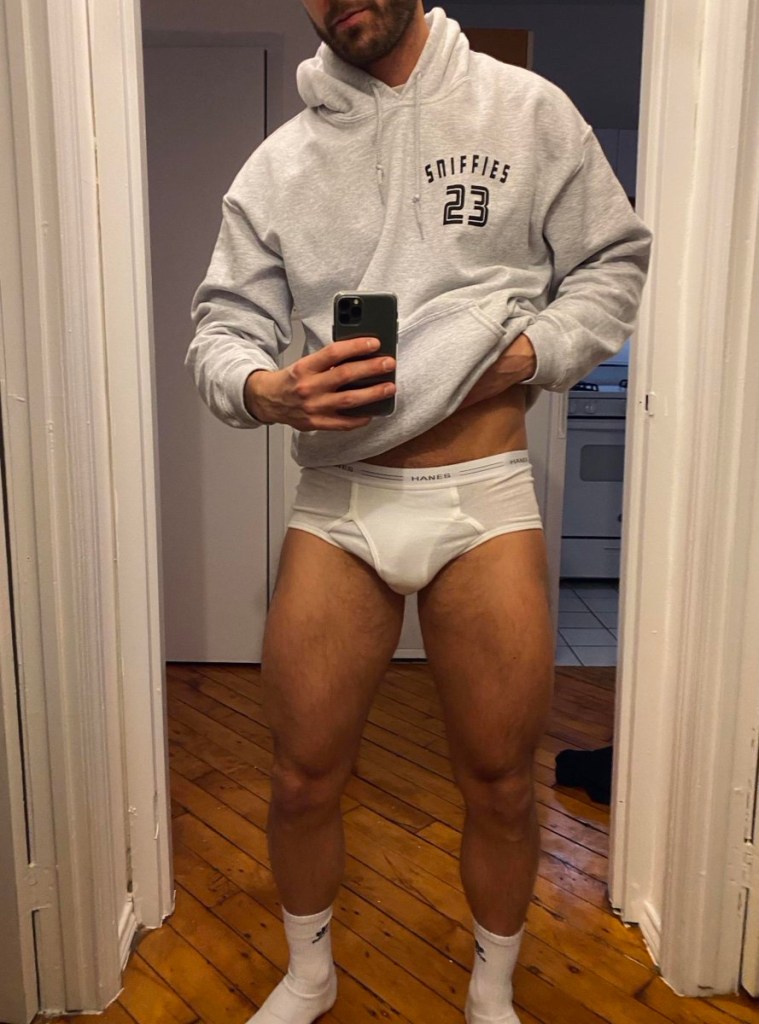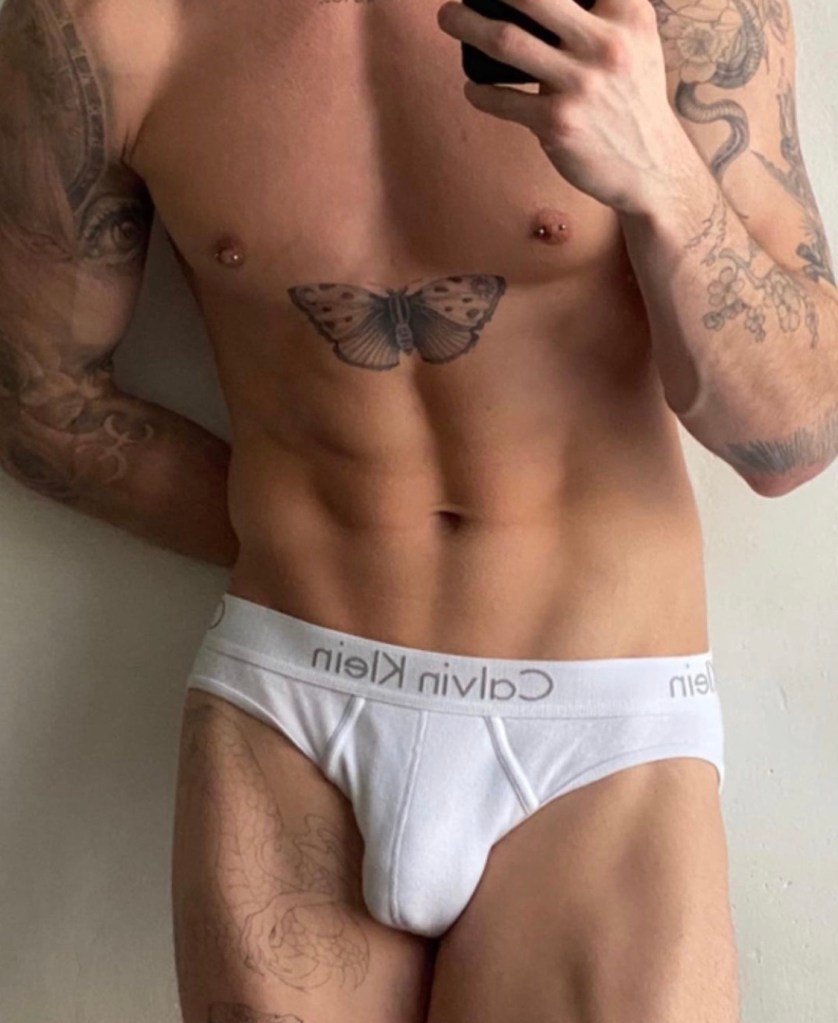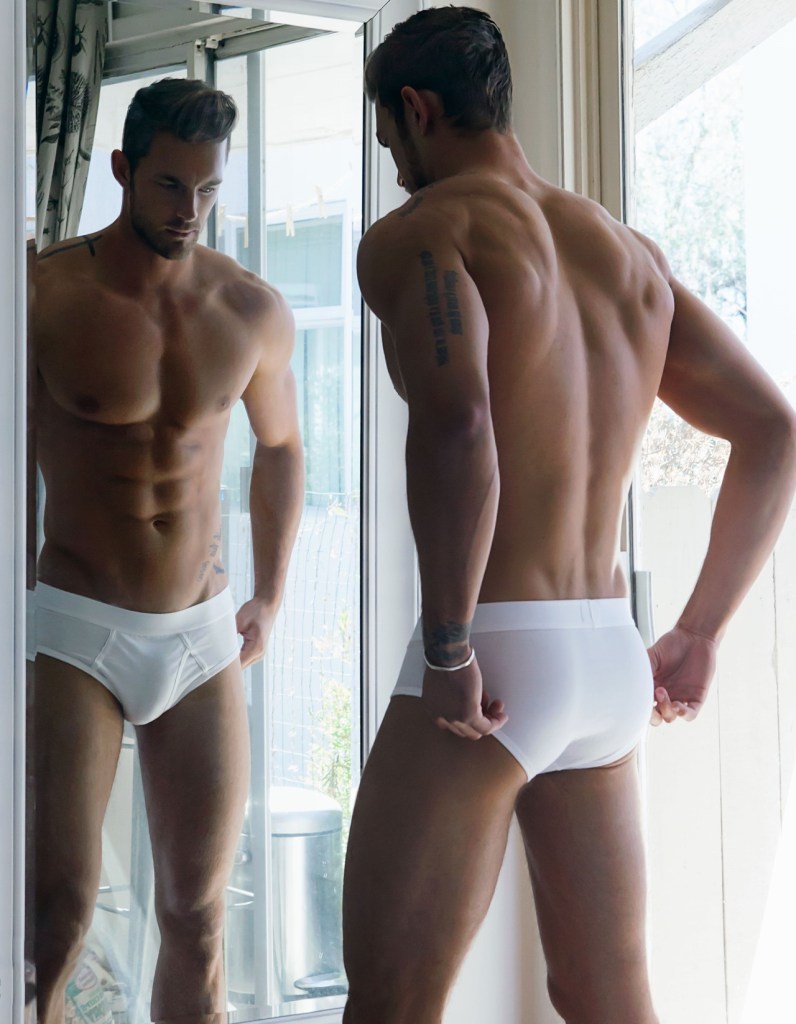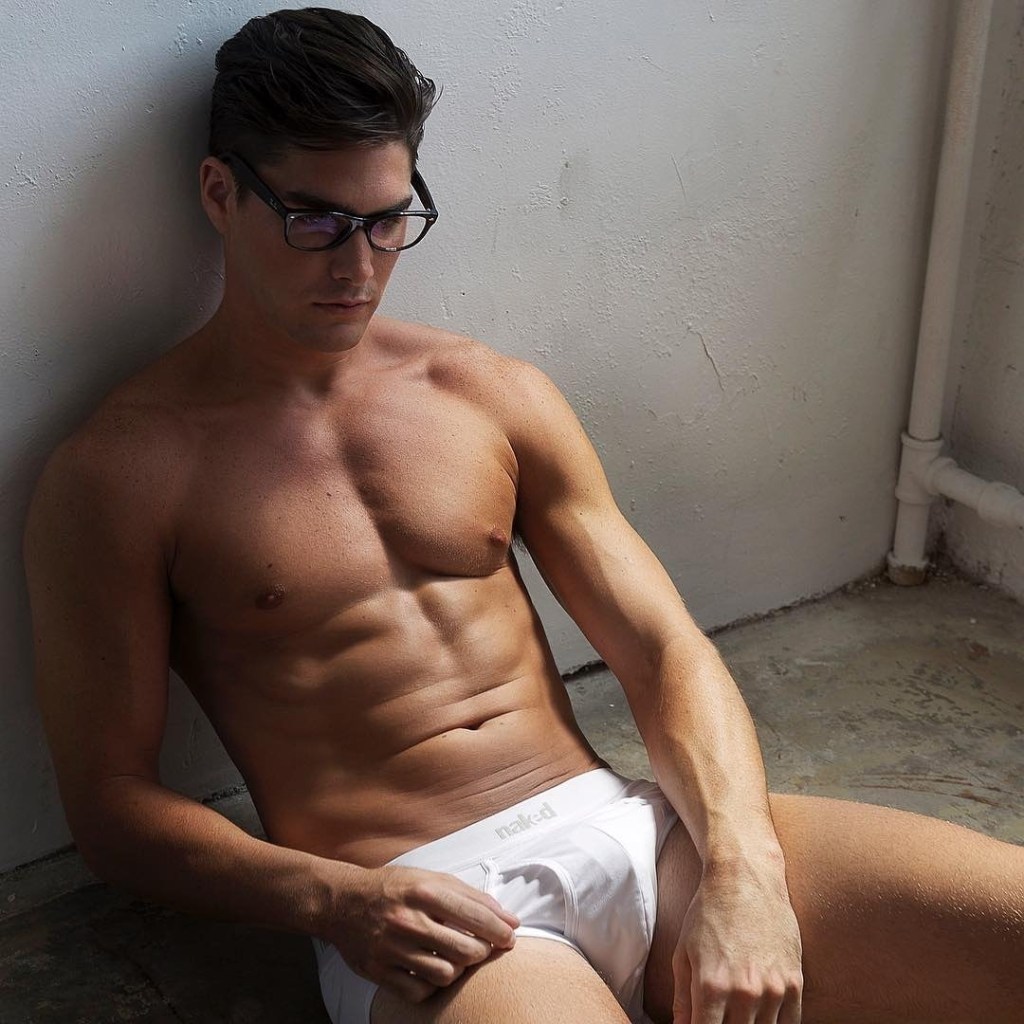
Monthly Archives: October 2021

Only In Vermont 🏳️‍🌈

I often say, “Only in Vermont,” and when I say it, I am often rolling my eyes. While I said it this time, it was a very good and heartwarming statement. Vermont is a unique place. The state is 49th in population among the 50 states and ranks below Puerto Rico and the District of Columbia. It only beats out Wyoming among the states and the territories of Guam, U.S. Virgin Islands, Northern Mariana Islands, and American Samoa among the territories. The state has the smallest state capital, Montpelier. While it may have a small population, it’s a very vocal population who loves a good cause to get behind. The state also loves its eccentricities, which is evident by the number of “Keep Vermont Weird” bumper stickers you see on cars. While the state ranks third in the largest percentage of LGBTQ+ adults at 5.3 percent (higher than the national average of 4.5 percent), there are no gay bars in Vermont, though there are plenty of gay-friendly establishments.

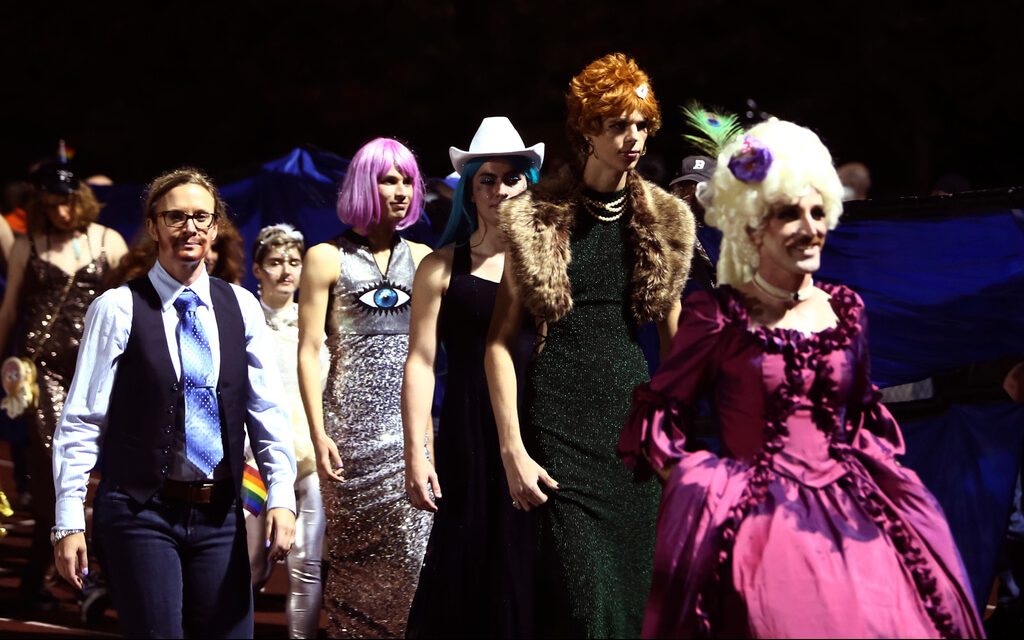
So, it is not surprising that a crowd went wild at a Vermont high school homecoming football game as they cheered on a halftime show that transformed the field into a fabulous drag ball. Both faculty and students from Burlington High School strutted across the field as drag queens and kings. They wore colorful wigs, sparkly ensembles, feather boas, knee-high boots, and more. For the highly anticipated event (it was all over the news in Vermont), the spectators packed into the stands were dressed head to toe in rainbows and waved Pride flags as they excitedly chanted, “Drag Ball.”

Each of the approximately 30 performers had their moment to spin and twirl for the crowd. The group also performed a lip sync to “Rainbow Reign” by Todrick Hall. “Things went amazing,” Ezra Totten, student leader of the Gender-Sexuality Alliance, told The Associated Press. “The stands were completely packed. … It was just so heartwarming to see.” The drag ball was the brainchild of English teacher Andrew LeValley, an adviser to the Gender-Sexuality Alliance.

“I was just really hoping to give our students — who are both out and the students that were in the stands who are not out — a moment to shine and feel loved and know that there is a place for them in public schools,” LeValley said. LeValley felt it was important to hold the event at a football game to send the message that everyone should be welcome in all types of spaces. “We have to assume that there are LGBTQ folks everywhere, which include[s] really masculine spaces,” LeValley told local Vermont publication Seven Days. “Why does this space have to be one way or the other? It can be both, and there’s beauty and benefits in having it be both.”

Adalee Leddy, a student at Burlington High School who attended the game, told Seven Days the show was “absolutely amazing.” Totten added that now that they have seen the joy it brought, the group hopes the drag ball will happen annually. “It shows the Burlington community is there for each other,” Totten said.

Vermont loves their drag shows, as evident by the number of people who pack in to attend the annual Winter Is a Drag Ball. The Drag Ball is the social highlight event of the winter season. Bringing in drag queens and kings, musicians, dancers, and performance artists together raising hundreds of thousands of dollars to support local HIV/AIDS-related organizations. Though it was virtual in 2021, a lot of Vermonters are hoping it will be back in-person in 2022. Until then, I was happy to see that Burlington High School put on their own successful Drag Ball. I’m happy that I live in a state where a Homecoming football game featured a much appreciated Drag Ball, and that the highlight of the winter social season is also a Drag Ball. Let’s not forget, the Burlington area also elected one of its most popular drag queens, Nikki Champagne, aka Taylor Small, to the state legislature where she has done a remarkable job representing all of Vermont.


Pic of the Day


Question of the Day

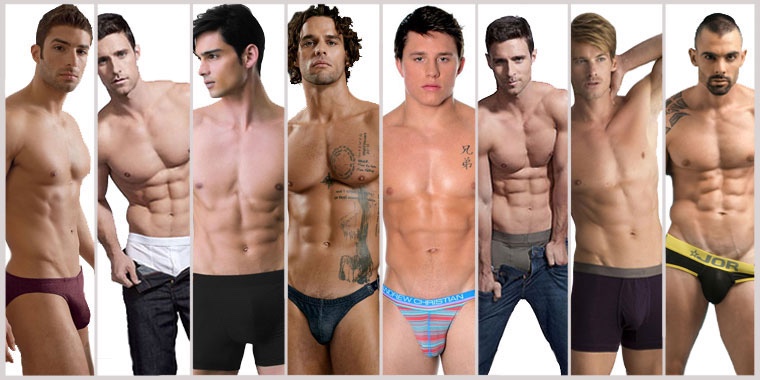
If you have Twitter and you follow many gay men, then you have probably seen the image below. It’s obviously all in good fun, but I have to say, there is some accuracy there. I’m not going to say which one I fit under, but it is remarkably accurate for me. I wear a variety of styles of underwear, but one of these is my preferred choice. I’m not asking you to tell what underwear you prefer, but I’d love to know in the comments how accurate it is. I’m also going to put an anonymous poll at the bottom, just to see where everyone falls, if you don’t mind clicking on the underwear that you often wear.

Also, here’s a fun video from The Underwear Expert explaining the different types of underwear. I’m sure there is nothing new to any of you in this video, but Jared North is a hottie and fun to watch.


Pic of the Day


Fall Leaves Fall

Fall Leaves Fall
By Emily Brontë – 1818-1848

Fall, leaves, fall; die, flowers, away;
Lengthen night and shorten day;
Every leaf speaks bliss to me,
Fluttering from the autumn tree.

I shall smile when wreaths of snow
Blossom where the rose should grow;
I shall sing when night’s decay
Ushers in a drearier day.

About the Poem

Here in Vermont, the height of fall foliage has passed and “stick season” is encroaching on us. I chose this poem today because most of the fall leaves have fallen here. The higher elevations of central Vermont have some trees hanging on to their foliage, contrasting with the dark green evergreens, and the soft gray hillsides where the leaves have fallen. The most foliage color right now is found in the rolling hills of the Champlain Valley, including the Lake Champlain Islands and the Burlington area, and in the valleys of southern Vermont. 

Nature is surely the most noticeable themes in “Fall, Leaves, Fall.” For the narrator of the piece, presumably a voice for Brontë’s consciousness, the transition from the autumnal equinox to the winter solstice is one of the best times of the year, when the days grow increasingly shorter, and the nights grow longer. In each line of the two quatrains, Brontë’s word choice emphasizes her own emotional connection to the season, and its own unique beauty, even as she describes such occurrences as the death of leaves and other plants due to increasing cold.

It is likely that “Fall, Leaves, Fall” constitutes one of few existing commentaries on who Emily Brontë was as a person. In her life, friends and family described her as a shy individual, but most of what is known about her come from the posthumous commentaries of her older sister, Charlotte Brontë, whose neutrality cannot be assured. It is understandable to think that her elder sister would want to paint her in a positive light, especially as her novels and poems slowly cemented themselves within the history of English literature. In “Fall, Leaves, Fall,” Emily Brontë seems to be free to discuss herself, and depict herself as a quiet individual who sees life, beauty, and bliss in things that a great many people do not. Even if all she wishes to say is that she loves fall and winter more than summer and spring, it is something worth saying, especially for someone who can express it so well in such a short poem.

About the Poet

Emily Brontë was born in Thornton, England, on July 30, 1818. She and her five siblings grew up in Haworth, where their father, the Rev. Patrick Brontë, was the church curate. Their mother died in 1821, and in 1824, Emily and three of her sisters were sent to the Clergy Daughters’ School in Lancashire. When her two oldest sisters died of tuberculosis, Emily returned to Haworth with her sister Charlotte.

After leaving school, Emily continued her studies with her two surviving sisters, Charlotte and Anne, and their brother, Branwell. With access to their father’s library, the Brontë siblings read and wrote extensively, producing a family magazine that featured their stories and poems.

In 1837, Emily became a teacher at the Law Hill School, but she left the position after several months. After teaching for a brief period at the Pension Héger in Brussels, she returned permanently to Haworth in 1842.

In 1846, Emily, Charlotte, and Anne self-published a collection of poetry under the pseudonyms Currer, Ellis, and Acton Bell. While The Poems of Currer, Ellis, and Acton Bell (Aylott and Jones, 1846) reached a very limited audience, the three sisters each went on to publish novels soon after. In 1847, Emily published her sole work of fiction, Wuthering Heights (Thomas Cautley Newby), which is widely regarded as one of the great novels of the English language.

Emily Brontë died of tuberculosis on December 19, 1848. The Complete Poems of Emily Jane Brontë (Hodder and Stoughton), a posthumous collection of over 200 poems, was published in 1923.


Pic of the Day


Pic of the Day


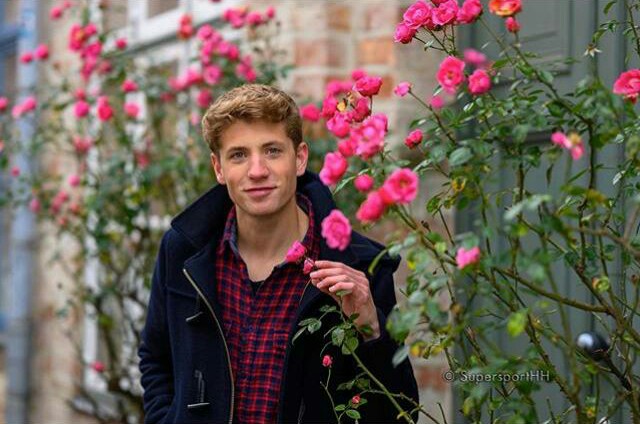
Stop and Smell the Roses

That I may proclaim with the voice of thanksgiving, and tell of all Your wondrous works.

—Psalm 26:7

“Stop and smell the roses” is an idiom that means to relax; to take time out of your busy schedule to enjoy or appreciate the beauty of life. Whether you think of “stopping to smell the roses” as a metaphor, or an actual act of admiring roses, the benefit is the same. Slow down and appreciate the world surrounding you is the message.

Origins of the phrase are not clear. Although the quote, “Stop and smell the roses,” is often attributed to golfer Walter Hagen in the 1956 book “The Walter Hagen Story” but he didn’t mention roses. The quote: “You’re only here for a short visit. Don’t hurry. Don’t worry. And be sure to smell the flowers along the way.” Some people argue that this passage was soon paraphrased as stop and smell the roses, but this can’t be easily verified.

While this expression refers to roses, it can be anything rather small or even commonplace. These things may seem small but they can give us great joy.  The difference in well-being, happiness, sense of elevation, and level of connectedness to other people, can be significantly higher for those who spend time noticing and savoring these moments of clarity and relaxation.

The expression “stop and smell the roses” is not just about flowers or nature, but an encouragement to be mindful, take time for your self and live life with deeper gratefulness for the world around us. It is a reminder to us all to slow down and take notice of the world around us, and to be present in every moment.  It means consciously directing your mind to be aware and attentive to the present moment to be able to experience and enjoy more your surroundings. 

“Stopping to smell the roses” is a pleasant experience that slows us down, but sometimes there are unpleasant experiences that force us to slow down. Think of those unpleasant moments like a speed bump in the road. While speed bumps can be annoying, they force us to be cautionary and become aware of our surroundings. Don’t let your days be like driving on freeways, fast and thoughtless. The next time you go over a speed bump, soak in your surroundings and find one thing that you can appreciate for the day.


Pics of the Day


Moment of Zen: Briefs

There is just something about a guy in white briefs that gets my blood flowing.