
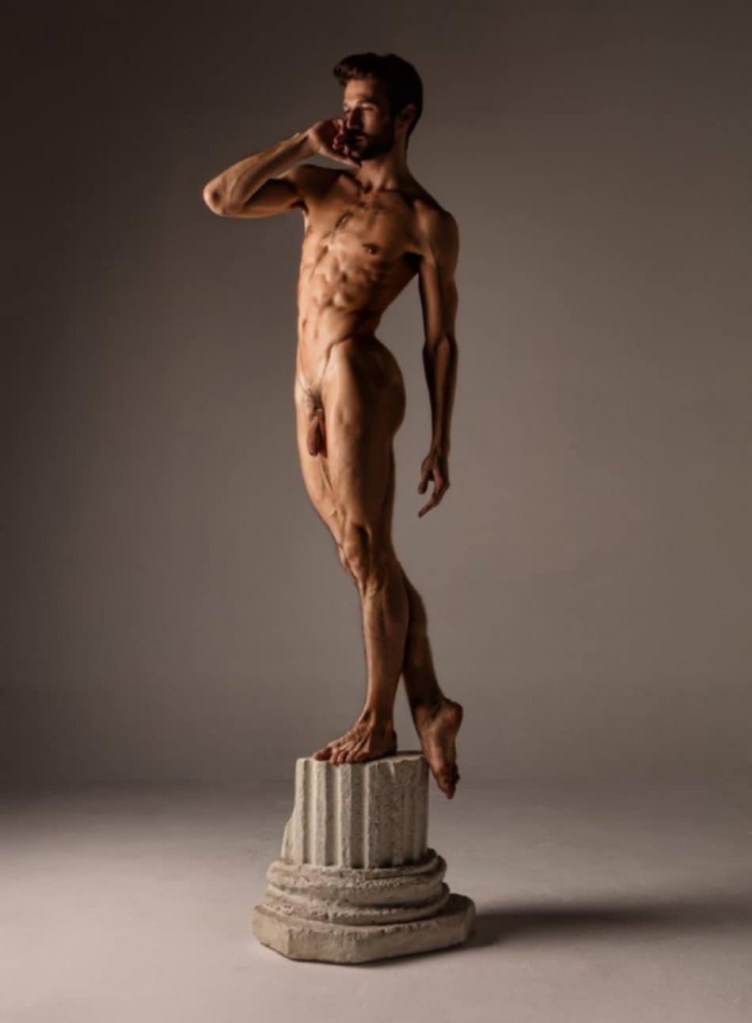
Life
By Edith Wharton
Life, like a marble block, is given to all,
A blank, inchoate mass of years and days,
Whence one with ardent chisel swift essays
Some shape of strength or symmetry to call;
One shatters it in bits to mend a wall;
One in a craftier hand the chisel lays,
And one, to wake the mirth in Lesbia’s gaze,
Carves it apace in toys fantastical.
But least is he who, with enchanted eyes
Filled with high visions of fair shapes to be,
Muses which god he shall immortalize
In the proud Parian’s perpetuity,
Till twilight warns him from the punctual skies
That the night cometh wherein none shall see.
About the Poem
Edith Wharton’s poem “Life” is a reflective and philosophical piece that explores the nature of human existence, fate, and the passage of time. Wharton, best known for her novels that critique societal constraints, brings a similar depth and introspection to her poetry. The poem suggests that life does not unfold according to human expectations or desires. Wharton explores the contrast between human ambition and the unpredictability of life, a theme echoed in her novels like The House of Mirth.
There is a tone of resignation, as if the speaker has come to terms with life’s unpredictability. This reflects Wharton’s broader worldview—one shaped by personal loss, societal constraints, and the limits imposed on individuals, especially women. The poem may express skepticism about human agency, similar to existential or fatalistic themes. Wharton often wrote about characters who struggled against their circumstances, much like the speaker in “Life”.
Wharton’s “Life” is a poignant meditation on disillusionment, fate, and the passage of time. The poem’s reflective tone aligns with her broader literary themes—the limits of personal choice, the illusions of control, and the inevitability of change.
About the Poet
Edith Wharton (1862–1937) was an American novelist, short story writer, and poet best known for her incisive critiques of Gilded Age society and her exploration of themes like social class, gender roles, and personal freedom. Born into New York high society, she was well-acquainted with the restrictive customs of the upper class, which she later dissected in novels such as The House of Mirth (1905) and The Age of Innocence (1920), the latter of which won her the Pulitzer Prize, making her the first woman to receive the award for fiction.
Beyond her fiction, Wharton was also a travel writer, designer, and war correspondent during World War I, for which she was honored by the French government. Her works often compared European and American cultures, reflecting her life as an expatriate in France. Though primarily known for her novels, she also wrote poetry, including works like “Life” and “A Meeting,” which explore existential themes with the same elegance and restraint found in her prose. Wharton’s legacy endures as one of the most significant literary voices of early 20th-century America.



 Joe
Joe





 The Closet Professor
March 18th, 2025 at 7:22 am
classical statues as they should have appeared 🤩
March 18th, 2025 at 11:13 am
Thank you for sharing the poem and explaining the themes. I have always struggled with poetry so I always choose prose!
Perhaps I need to challenge myself more.
March 18th, 2025 at 12:18 pm
My advice for understanding poetry: let the poem speak to you, don’t worry about what the author may or may not have been trying to say, but consider what it says to you when you read it. Poetry is about invoking feelings in the reader, and no one’s interpretation should be considered incorrect. We all see things differently, and I’ve always felt we should embrace that with poetry and art.
March 18th, 2025 at 2:08 pm
And I think you could add music to that as well.
March 18th, 2025 at 3:59 pm
Thank you.
March 18th, 2025 at 4:58 pm
I have been struggling with a simmering rage against Orange Caesar…the very idea he would float the thought of impeachment against a jurist who is being honest about upholding the law is an OUTRAGEOUS action…pardon my anger…it just feels like the night is coming…on so many levels…Now, that image—how truly fabulous is the hunk on the plinth! If we could get A I to make that a default setting for sculpture, I’d be very grateful. Thank you Joe for discovering it!!!