
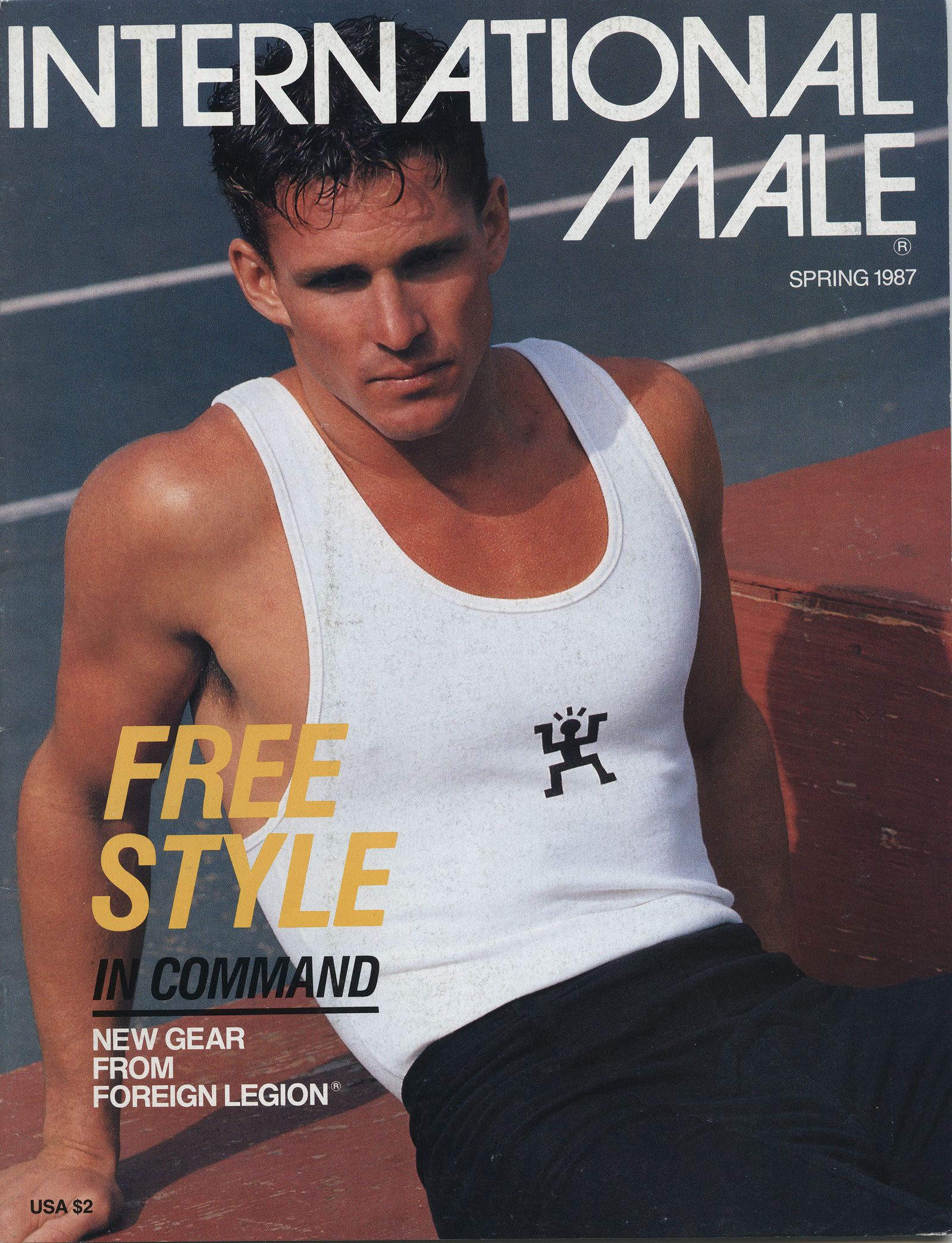
Long before Grindr profiles and Instagram thirst traps, gay men turned to other sources for affirmation, fantasy, and fashion. And for many, there was nothing quite like opening the mailbox to find the latest issue of International Male—a glossy, unapologetically flamboyant catalog filled with mesh shirts, tight pants, deep V-necks, and men whose smoldering stares made it very clear: this wasn’t just about buying clothes.
From its founding in the 1970s through its peak in the ’80s and ’90s, International Male became a low-key lifeline for gay men across America. And even if it never explicitly said the word “gay,” the message was clear: these clothes—and these bodies—were for you.
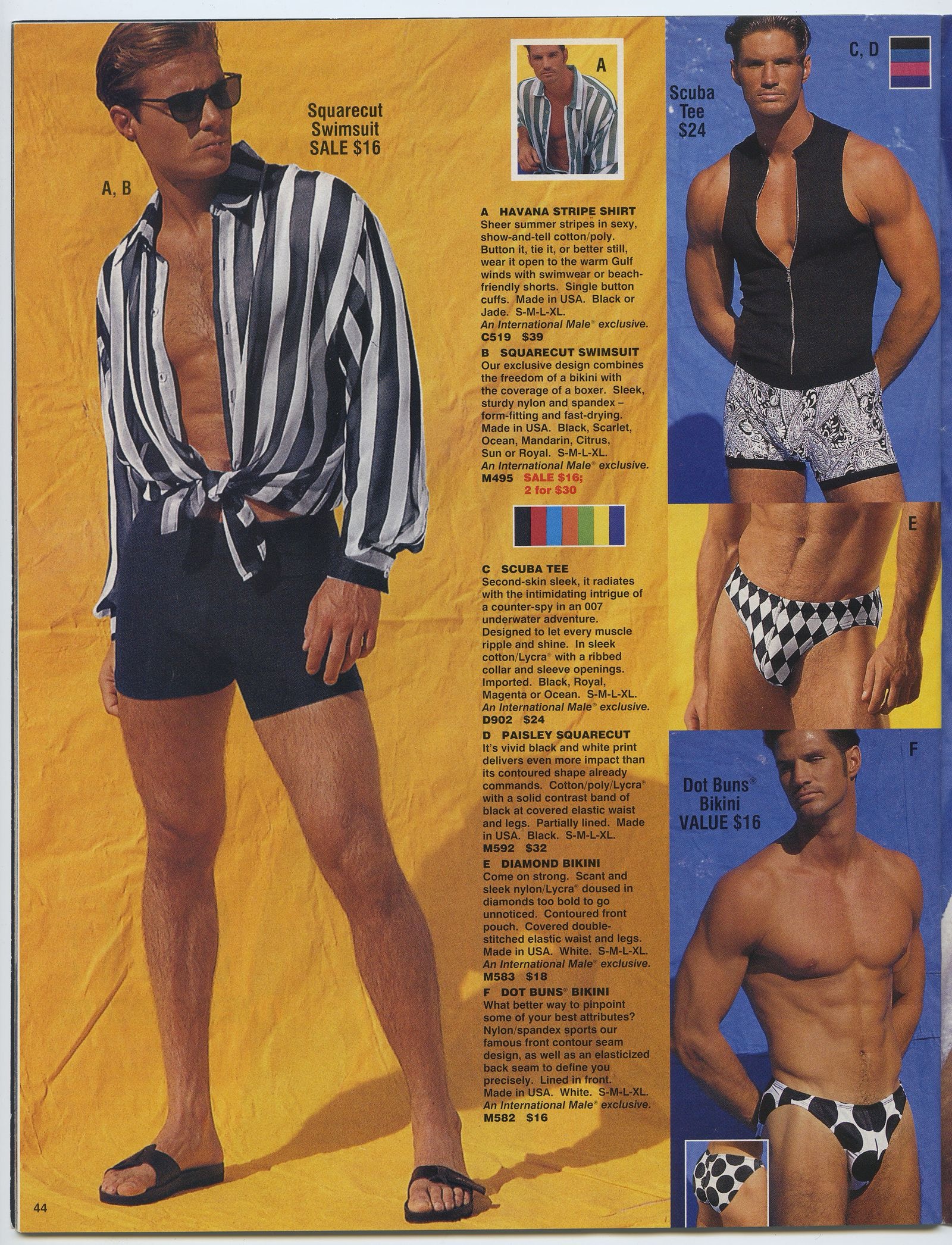
International Male was launched in 1974 by Gene Burkard, a San Diego-based entrepreneur with an eye for flamboyant fashion and emerging markets. His goal? To create a mail-order catalog for men who wanted more than just workwear and flannel. This was high-collared, disco-era glam for men who wanted to be seen—and desired.
Though never overtly labeled as gay, the catalog’s aesthetic left little doubt. Muscular male models posed in silky robes, sheer tank tops, and outrageously tight trousers, often in settings that felt more boudoir than boardroom. But because it was technically a fashion catalog, it flew under the radar. For closeted men in conservative towns, this was covert contraband—an acceptable, even respectable way to engage with queer desire.
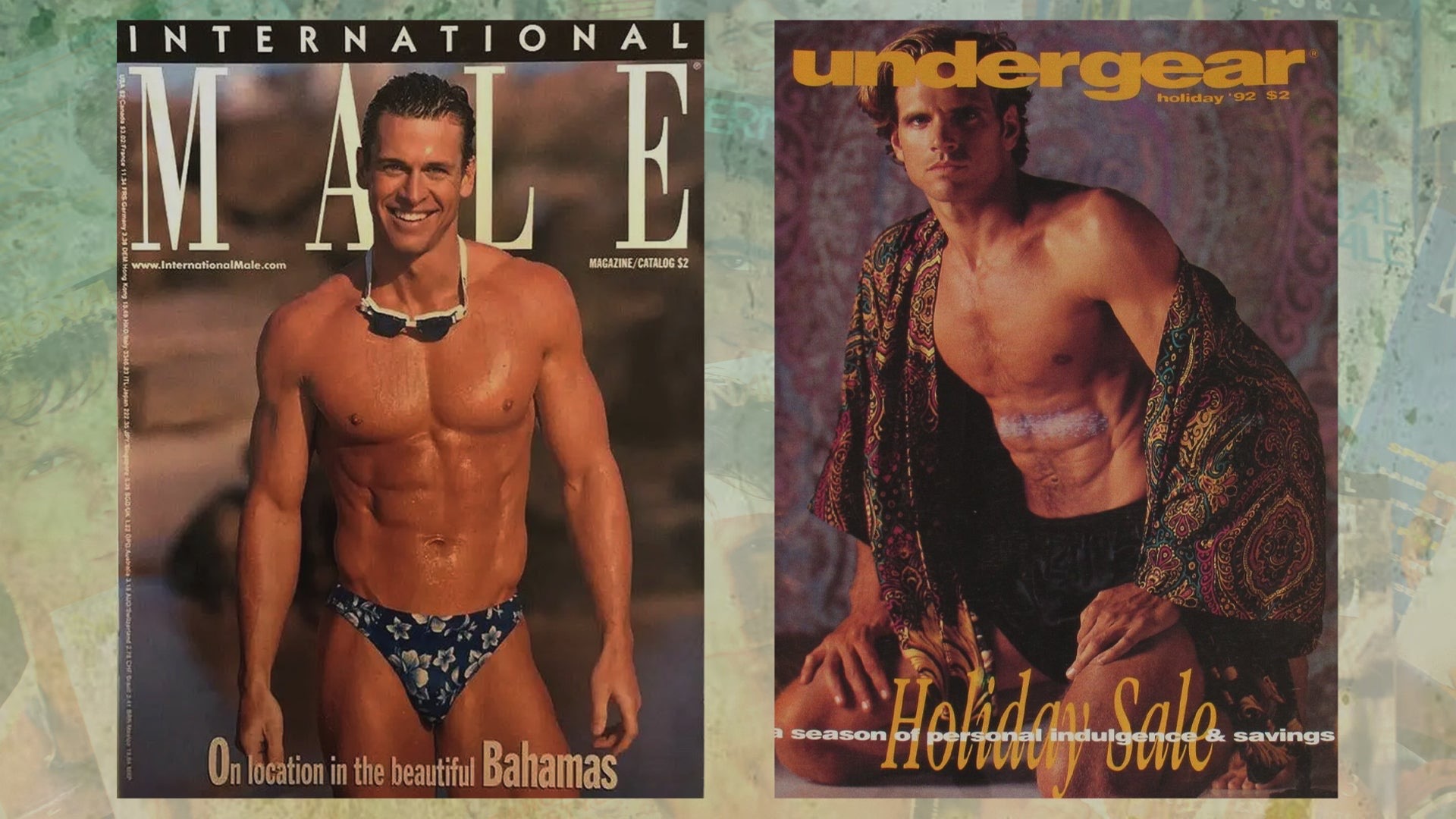
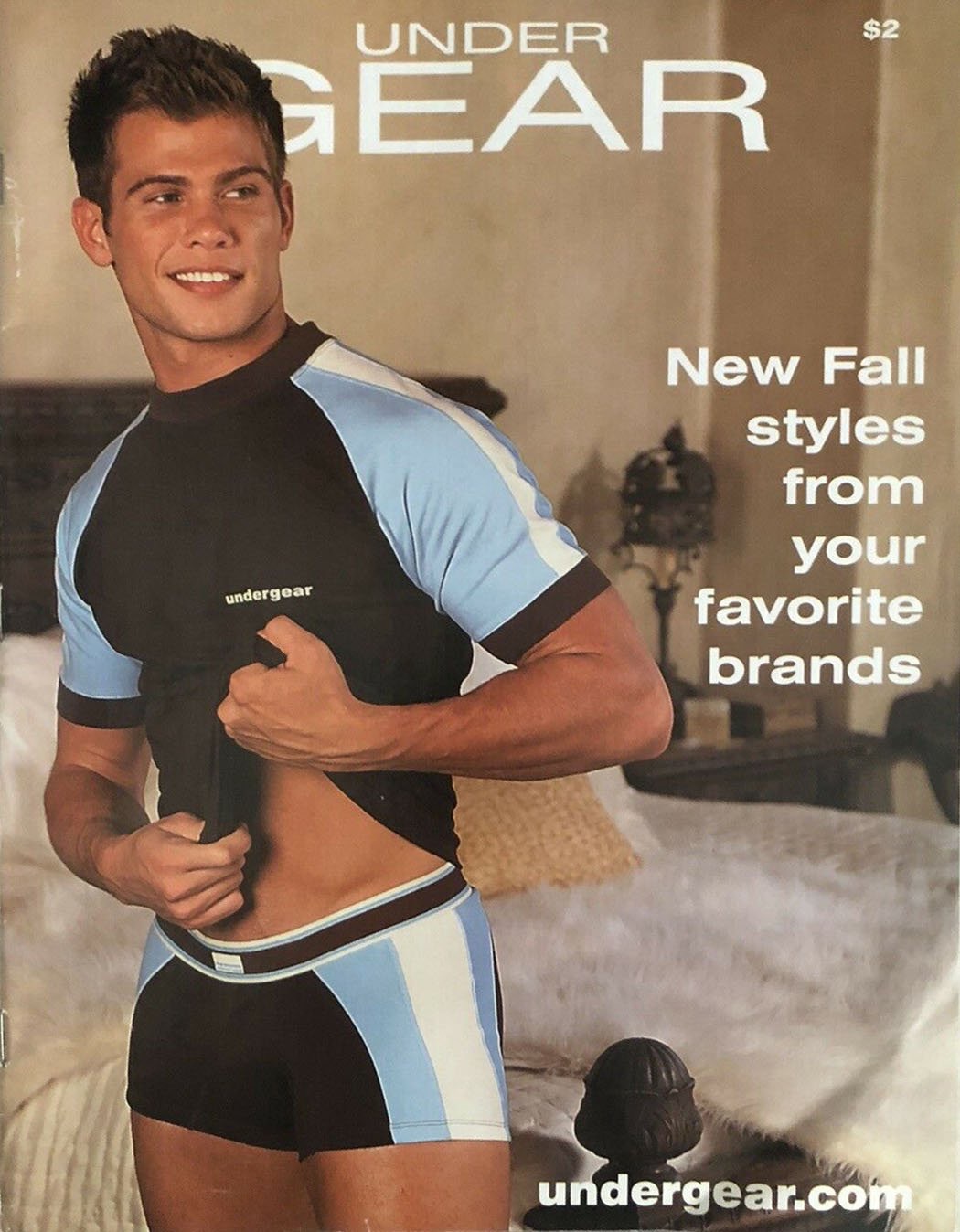
At its peak in the 1980s and early ’90s, International Male had over 3 million customers. Its sister brand, Undergear, took things even further, focusing almost entirely on underwear and swimwear. Both catalogs were often tucked under beds, stuffed in gym bags, or secretly flipped through while pretending to look for a new blazer.
The magic of International Male was never really about the clothes. It was about fantasy. About possibility. About creating a world where men could be sexy, flamboyant, and free.
For gay men—especially those in the pre-Internet era—the catalog served as coded affirmation. It said, “You’re not alone.” It offered a vision of masculinity that didn’t have to be rugged or repressed. It could be styled, sensual, even sultry.
As queer studies scholar Shaun Cole writes in Don We Now Our Gay Apparel, catalogs like International Male offered not just fashion but “performances of masculinity” that pushed boundaries and created new scripts for how men could look and be seen.
Other Icons of Queer Print Culture
International Male wasn’t alone. There was a whole universe of catalogs, zines, and magazines that played pivotal roles in gay history:
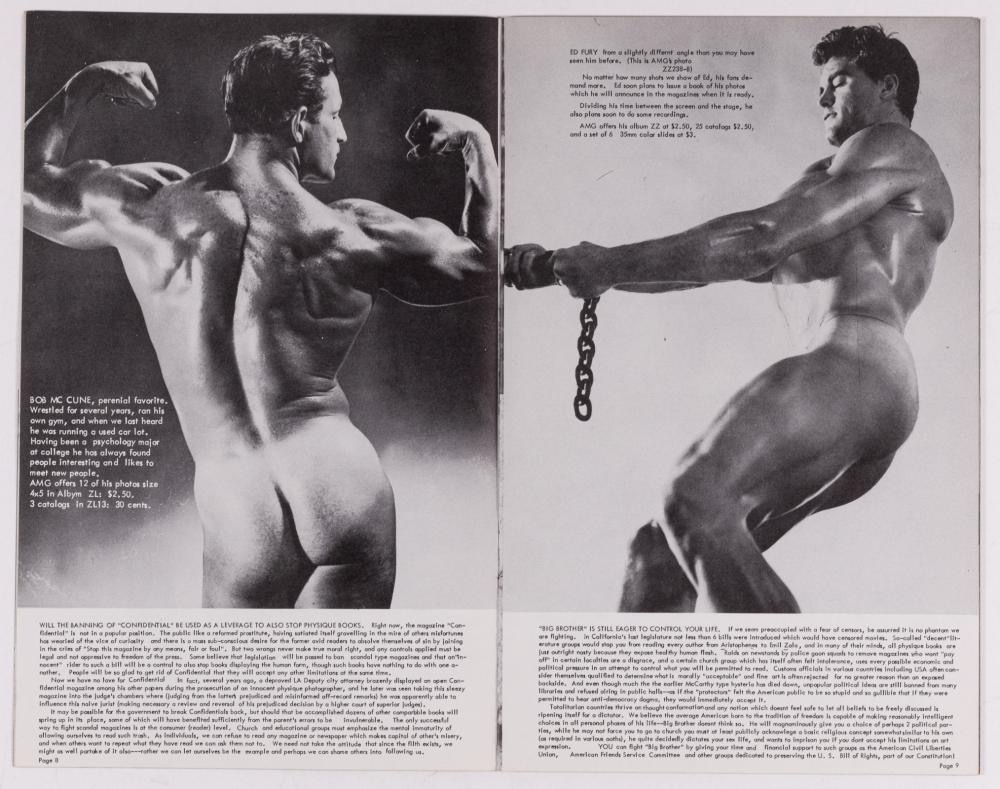
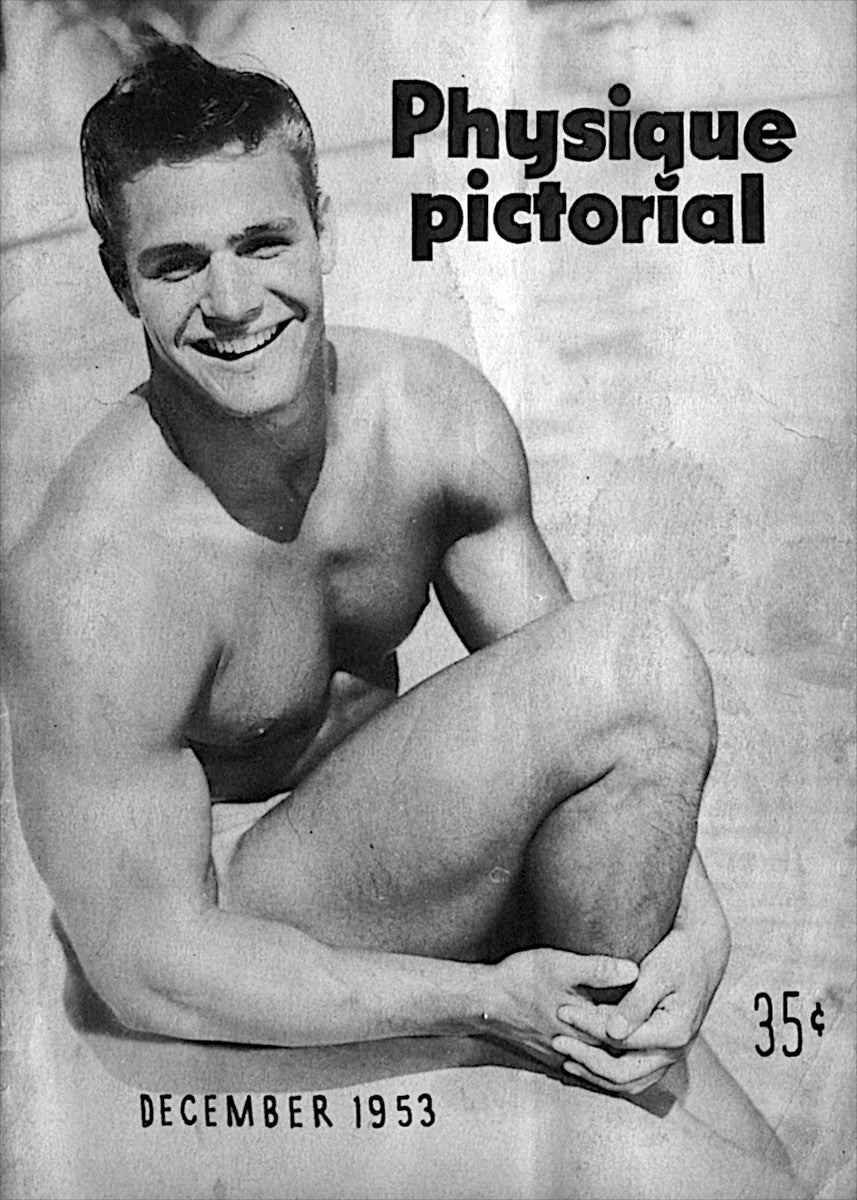
Physique Pictorial (1951–1990)
Launched by Bob Mizer, this “fitness” magazine was the first to feature nearly nude muscular men in a semi-legit format. It helped launch the careers of models like Joe Dallesandro and inspired generations of artists, including Tom of Finland.
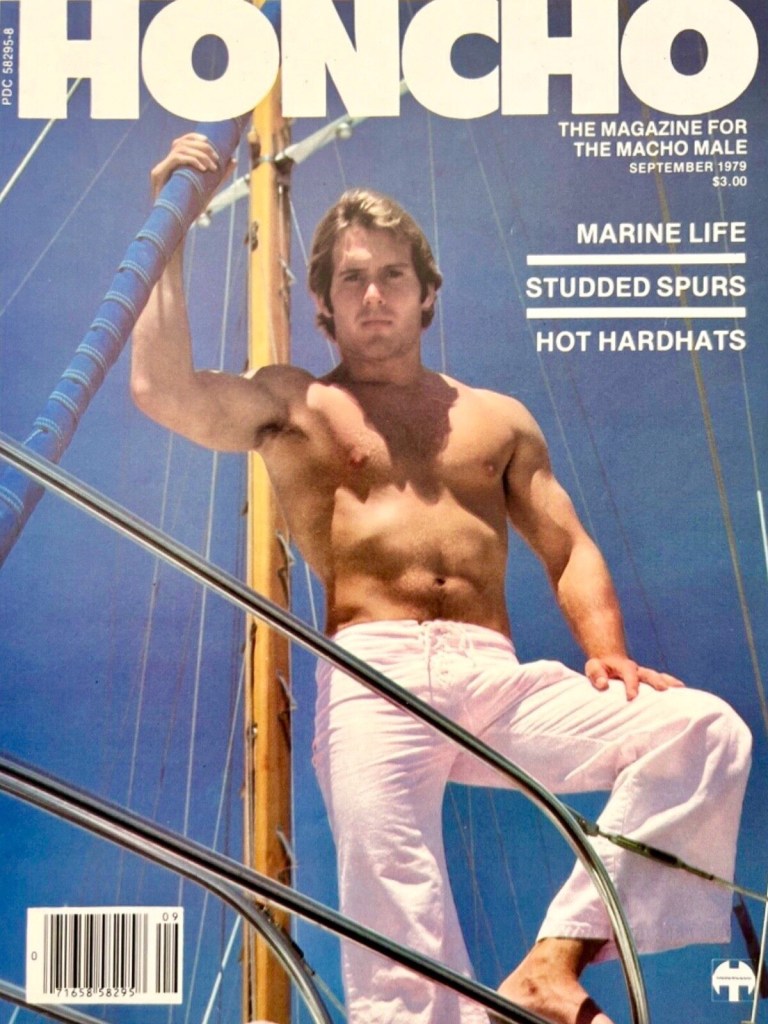
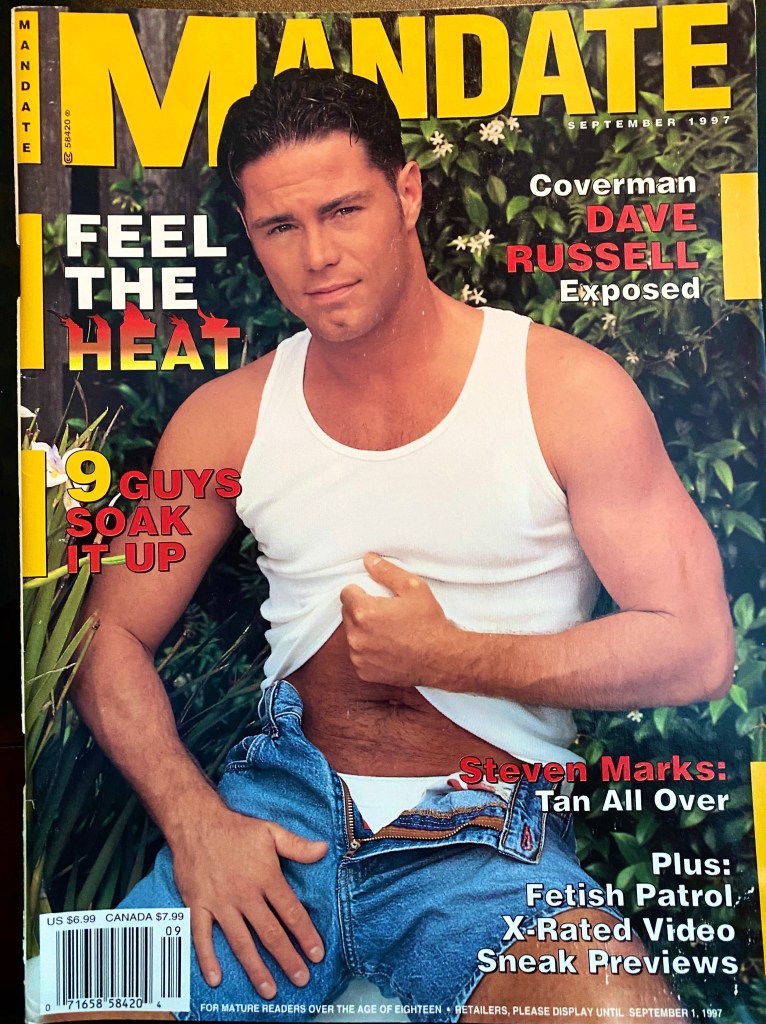
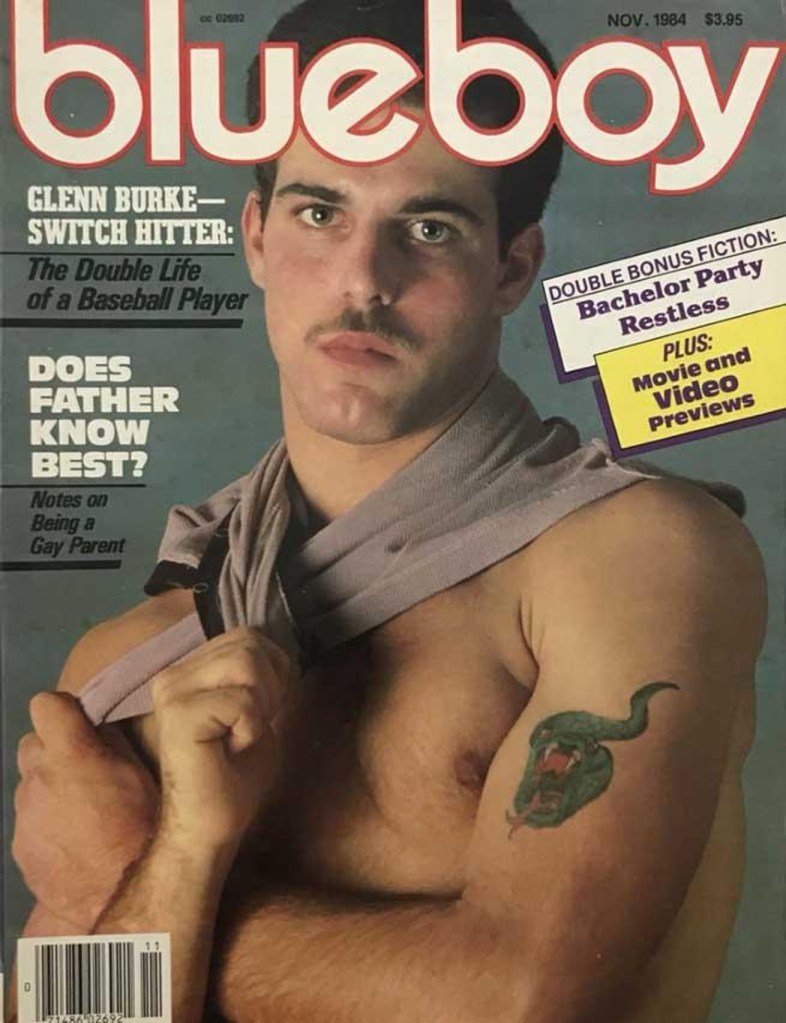
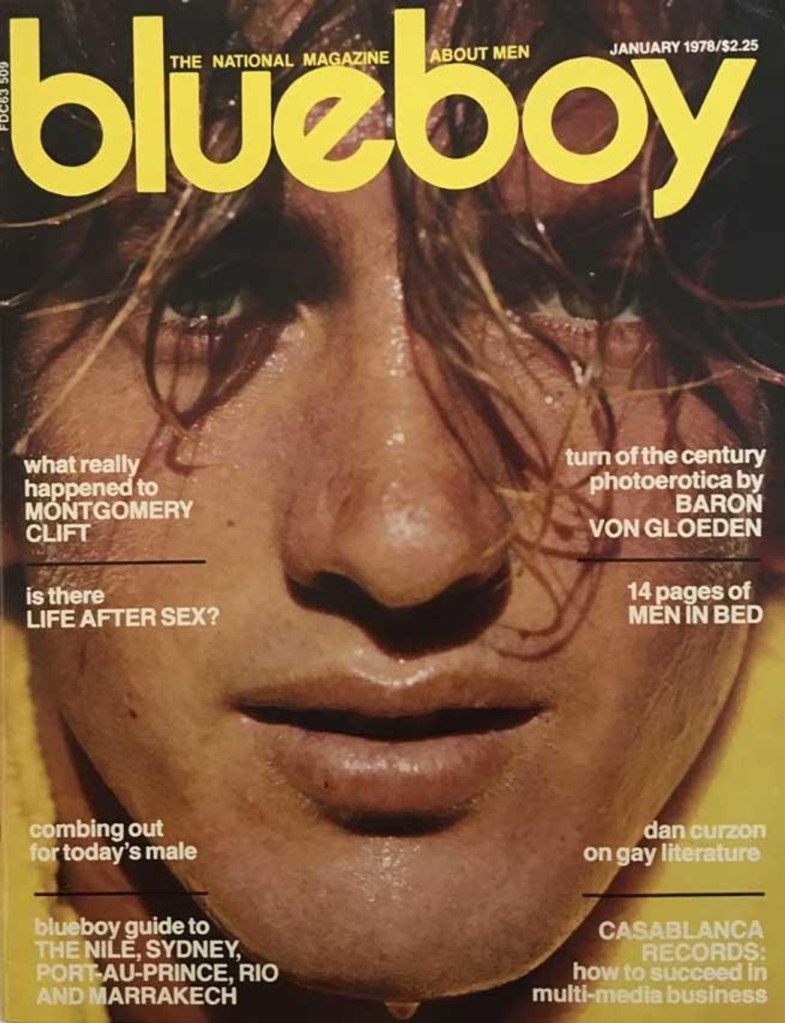
Honcho, Mandate, and Blueboy (1970s–1990s)
Glossy gay lifestyle and erotica magazines that blended porn, interviews, fashion, and personal ads. They gave gay men access to a world far larger and more glamorous than their own.

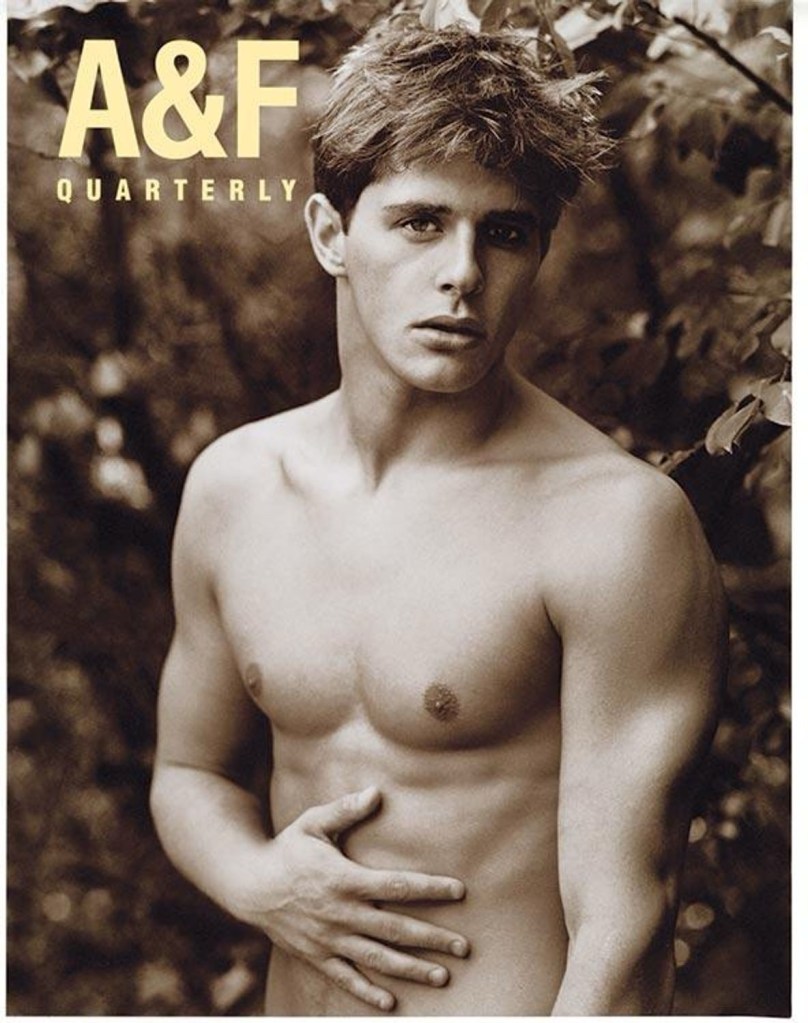
A&F Quarterly (1997–2003)
While technically a catalog for Abercrombie & Fitch, under Bruce Weber’s lens it became a bold, glossy celebration of homoerotic youth culture—shirtless boys in golden fields, bathed in natural light and coded desire.
Undergear
A spinoff of International Male, this catalog was even more explicitly erotic—offering thongs, jockstraps, sheer briefs, and loungewear photographed with far less subtlety.
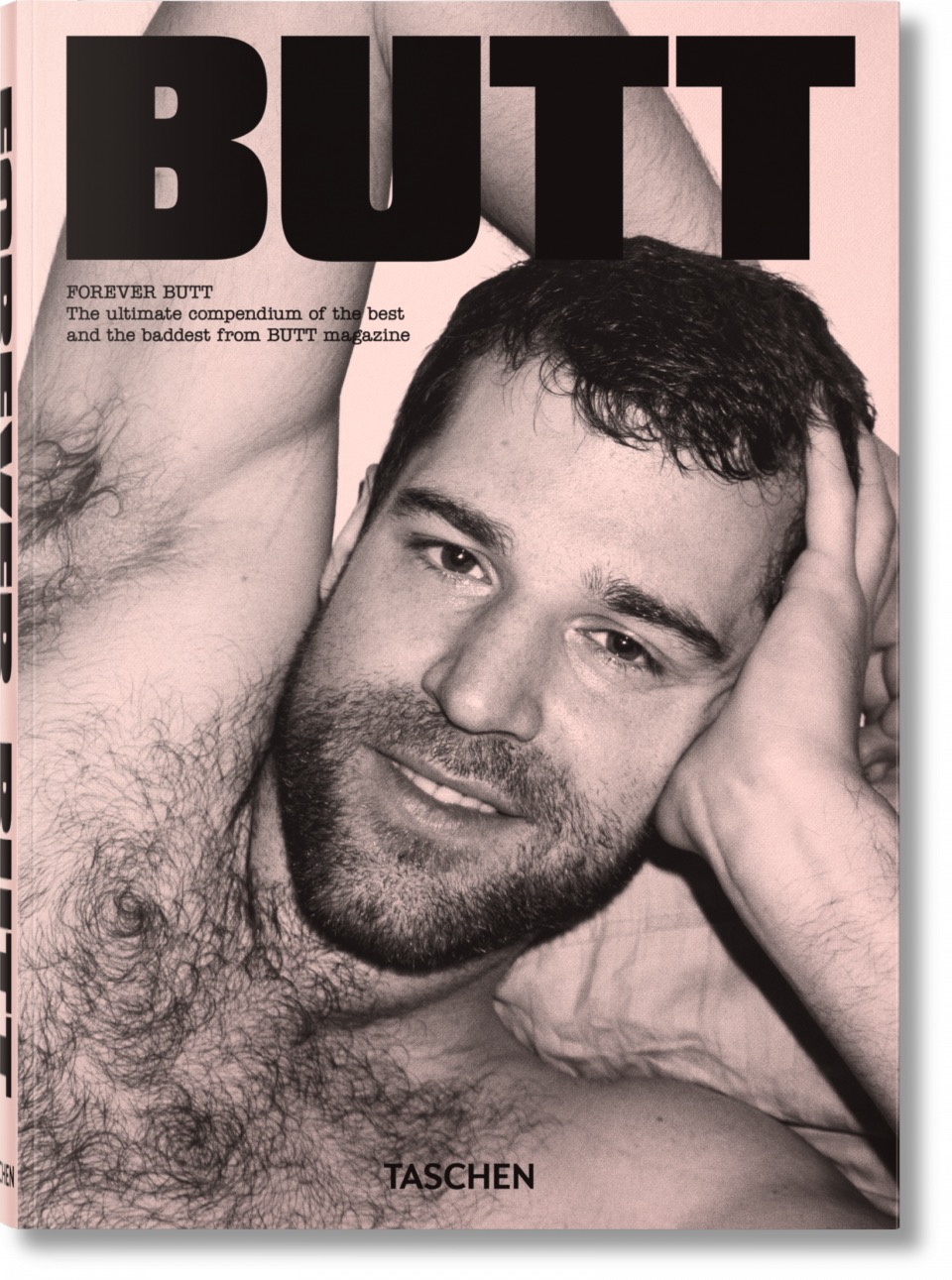
BUTT Magazine (2001–2016)
Launched in Amsterdam, BUTT was an indie, raw, and refreshingly honest publication that celebrated gay sex, intimacy, and everyday life. Pink pages, candid interviews, and gritty photography made it a cult favorite.
The Argument for Art
As with erotic photography and gay porn cinema, there’s a growing argument that catalogs like International Male should be remembered not just as pop culture oddities but as legitimate artifacts of queer history and visual art.
They reflect the shifting landscape of male identity. They archive our fantasies, our insecurities, our attempts to be beautiful in a world that once told us we didn’t belong.
Today, collectors preserve International Male catalogs as kitsch, camp, and cultural gold. Exhibitions of old issues have appeared in queer history museums, and documentaries (like All Man: The International Male Story, 2022) are reclaiming the catalog’s legacy as both fashion history and queer resistance.
For many gay men, flipping through International Male was a ritual—a private moment of longing and laughter. It was how you discovered new shirts and new dreams. How you imagined a body that might one day be yours—or in your bed.
And perhaps that’s the enduring power of such catalogs and magazines: they made desire visible. They turned clothing into code, fashion into fantasy, and mail-order into memory.
So, here’s to International Male—to its satin shirts, its sultry stares, its sneaky subversiveness. It was never just about the clothes. It was always about the possibility of being seen.
Further Reading and Viewing
- All Man: The International Male Story (2022 Documentary)
- Don We Now Our Gay Apparel by Shaun Cole
- The Male Nude: A Modern View by David Leddick
- Archive scans of Physique Pictorial, Blueboy, and BUTT Magazine
- Retrospective fashion articles on International Male in The Advocate, Out, and W magazine








 The Closet Professor
June 26th, 2025 at 8:54 am
Joe, you brought back some pleasant memories of the days before the internet and the publications clearly aimed at gay men. International Male was a much awaited catalog for many of us.
We had an A&F store in our mall in the early ’00s that would bring out hot guys wearing only underwear to promote the store out front. How could you not go in and see more of them?
The exercise magazines were always- and still are- something to peruse in B&N and take home. I didn’t care if someone saw me oogling at the men in them.
June 26th, 2025 at 9:23 am
I never had access to Honcho, Mandate, Blueboy, or BUTT, but I did have access to International Male, Undergear, and A&F Quarterly. They were definitely materials that served as prime masturbation materials. I remember ordering an International Male catalog when I was in high school. I must have seen it in a Men’s Fitness or Men’s Exercises magazine (those served the same purpose for masturbation materials). When the first International Male catalog arrived, it came in a flat cardboard box. My mother thought I was getting porn because she had gotten it out of the mailbox. When I opened it and she saw it was a catalog, she was probably suspicious (she always was), but acted like she was OK with it. When I was in grad school, for years, a “free” subscription to Playboy Magazine kept showing up in my mailbox. I’m pretty sure she set up that subscription, and I really did enjoy it for the articles, but nothing else.