
Monthly Archives: June 2025
Awakenings in the Dark: How Pop Culture Lit the Way for Generations of Gay Men
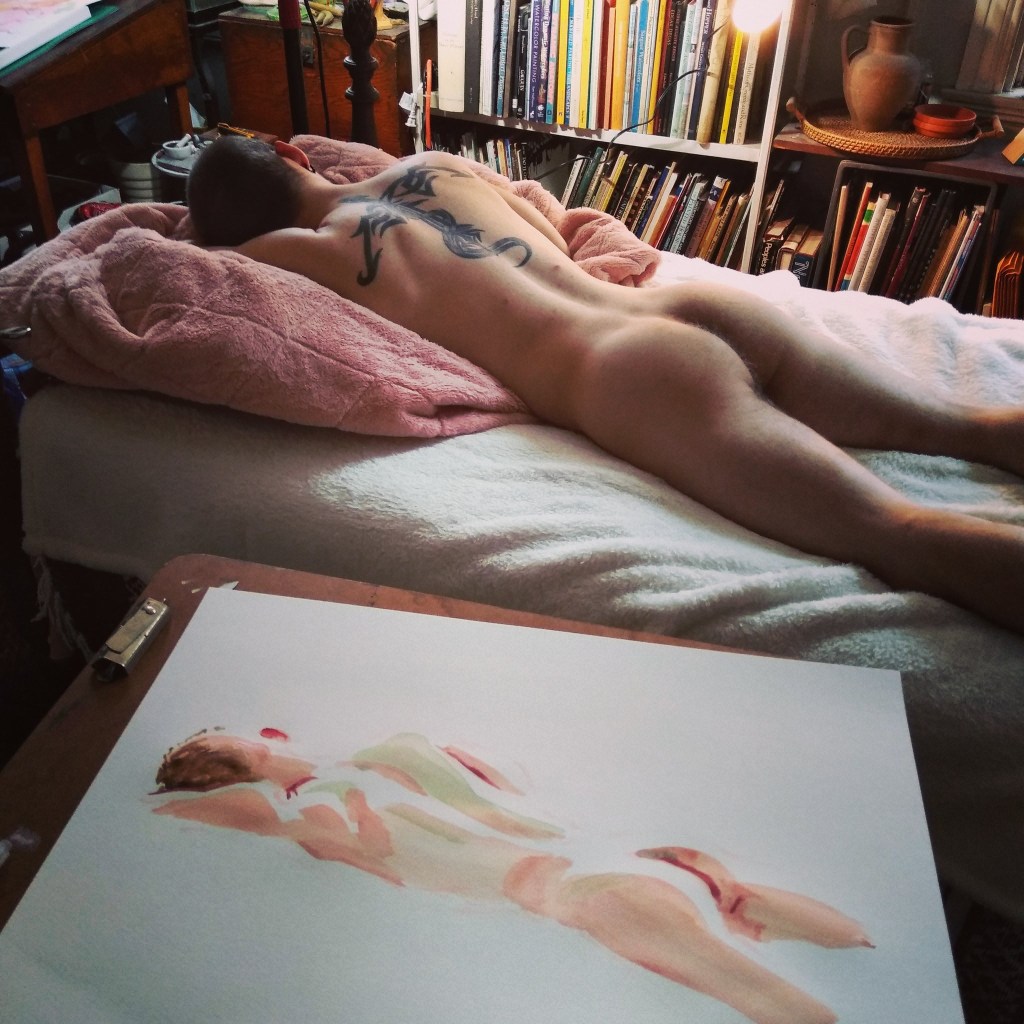
This post probably does not fit my usual art history post, but as I was thinking about the art of the male nude throughout the ages, I thought about the moment many gay men can point to—not always with words, but with a scene, a song, a sensation. A flicker of something electric, confusing, and undeniable. A man on a screen, a model in an ad, a lyric that hit too close. We call these gay awakenings. They rarely arrived with clarity, but they lingered, imprinted deep in the memory. They were the first time something inside whispered, That. I want that. Were their moments like that for men throughout history? Surely it was not a 20th century phenomenon, but we don’t have historical evidence since men rarely left behind evidence of their same sex attractions, especially not what sparked them.
However, we do have evidence of what sparked gay awakenings in the 20th and 21st centuries. These moments shifted over the decades, shaped by the media of the time. Yet across generations—from Baby Boomers to Gen Z—the need was the same: a glimpse of oneself, not necessarily as the man on screen, but in the wanting of him.
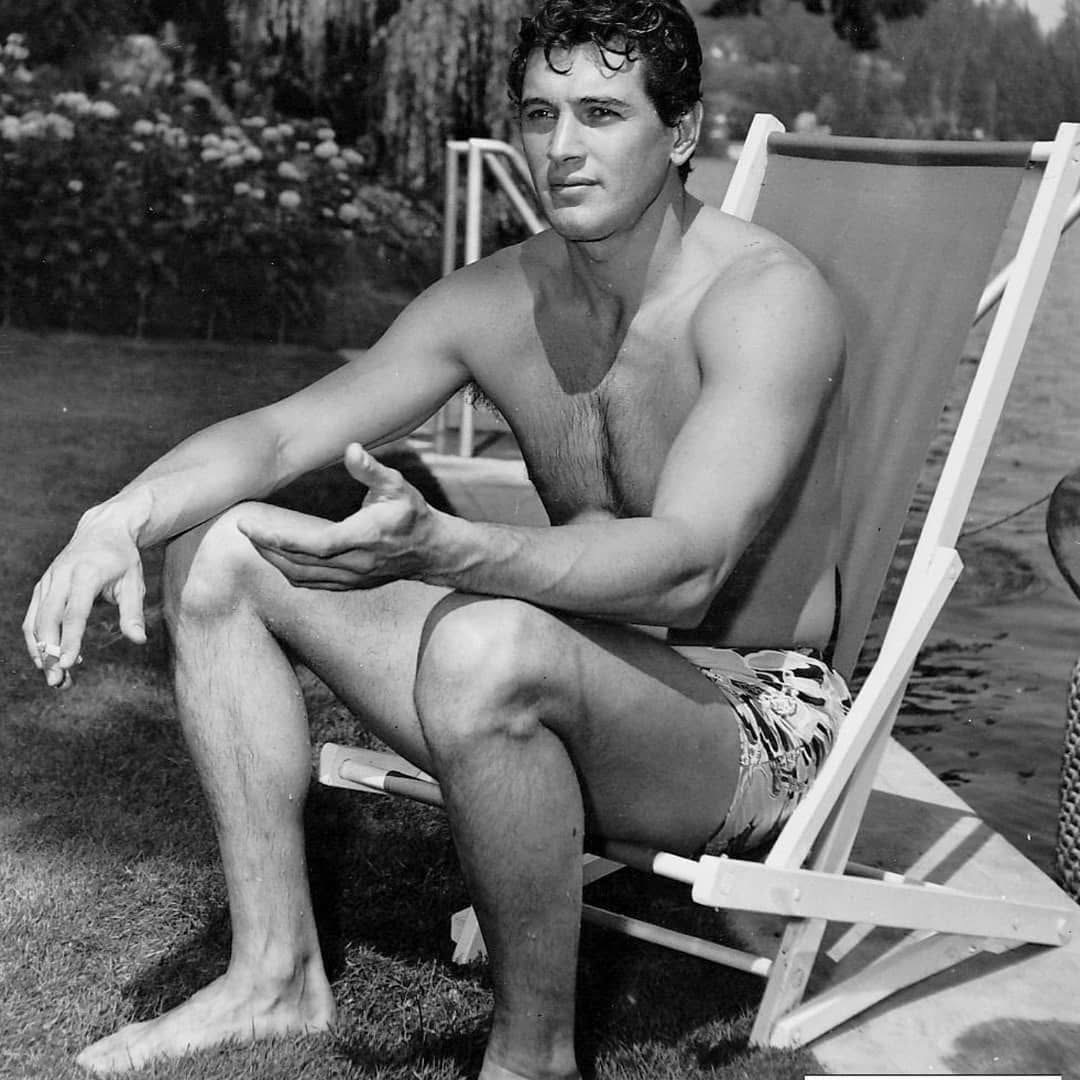
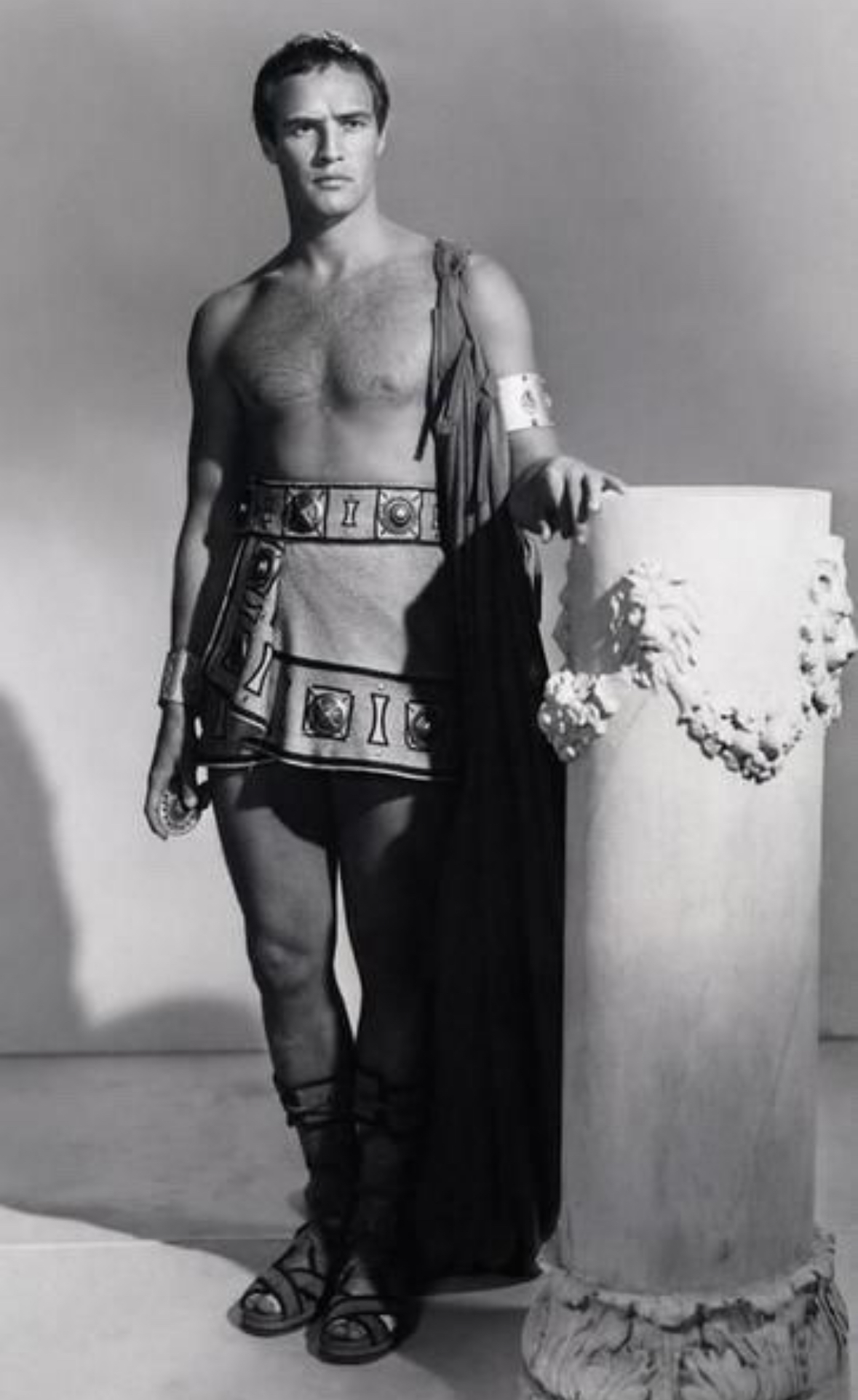
For gay men growing up in the 1950s and ’60s, the world was rigid, policed, and wrapped in postwar propriety. But desire, as it always does, found cracks to seep through. That first pulse of awareness might’ve come while watching Elvis Presley swing his hips across a black-and-white TV screen on The Ed Sullivan Show. It might’ve flickered during a particular heartthrob in a movie: a Rock Hudson melodrama, Cary Grant in almost anything, Marlon Brando’s famous shirtless scenes as Stanley in A Streetcar Named Desire or Marc Antony in Julius Ceasar, maybe it was James Dean or Tab Hunter. Even if the smiles of these movie stars were aimed at women, it didn’t matter. It was that moment when you realized, I’m attracted to him and not her. It’s a moment you can’t get out of your head and know that you need to see more of it.
These early awakenings were subtle, even silent. There were no gay characters on sitcoms, no Pride ads in June. But for a boy watching from his living room in the heartland, something stirred. Not quite nameable yet—but real.
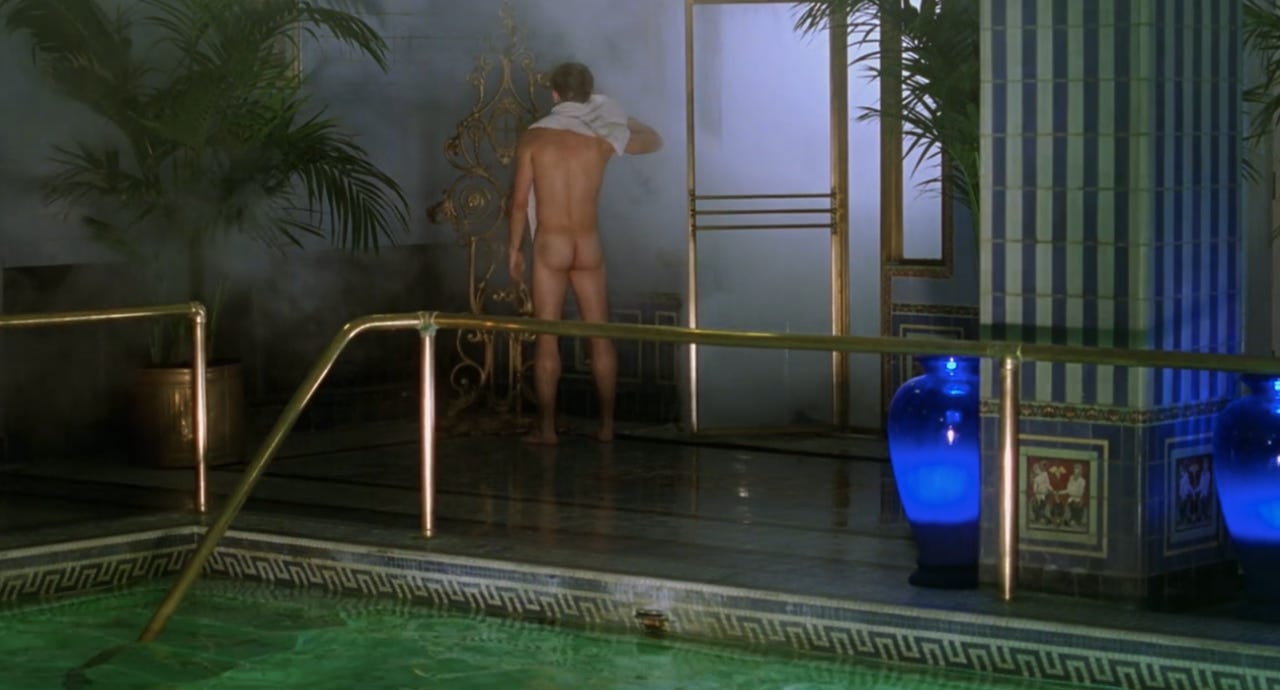
By the time Gen X came of age in the ’80s and ’90s, the closet still loomed, but the culture had begun to shift. It was easier to access desire—though often through coded or carefully curated channels. A single moment, burned into the memories of many: Ryan Phillippe, naked, stepping out of the pool and showing his perfectly round little butt in Cruel Intentions. Dripping, glistening, camera lingering. For an entire generation, that was it. The scene that turned curiosity into hunger.
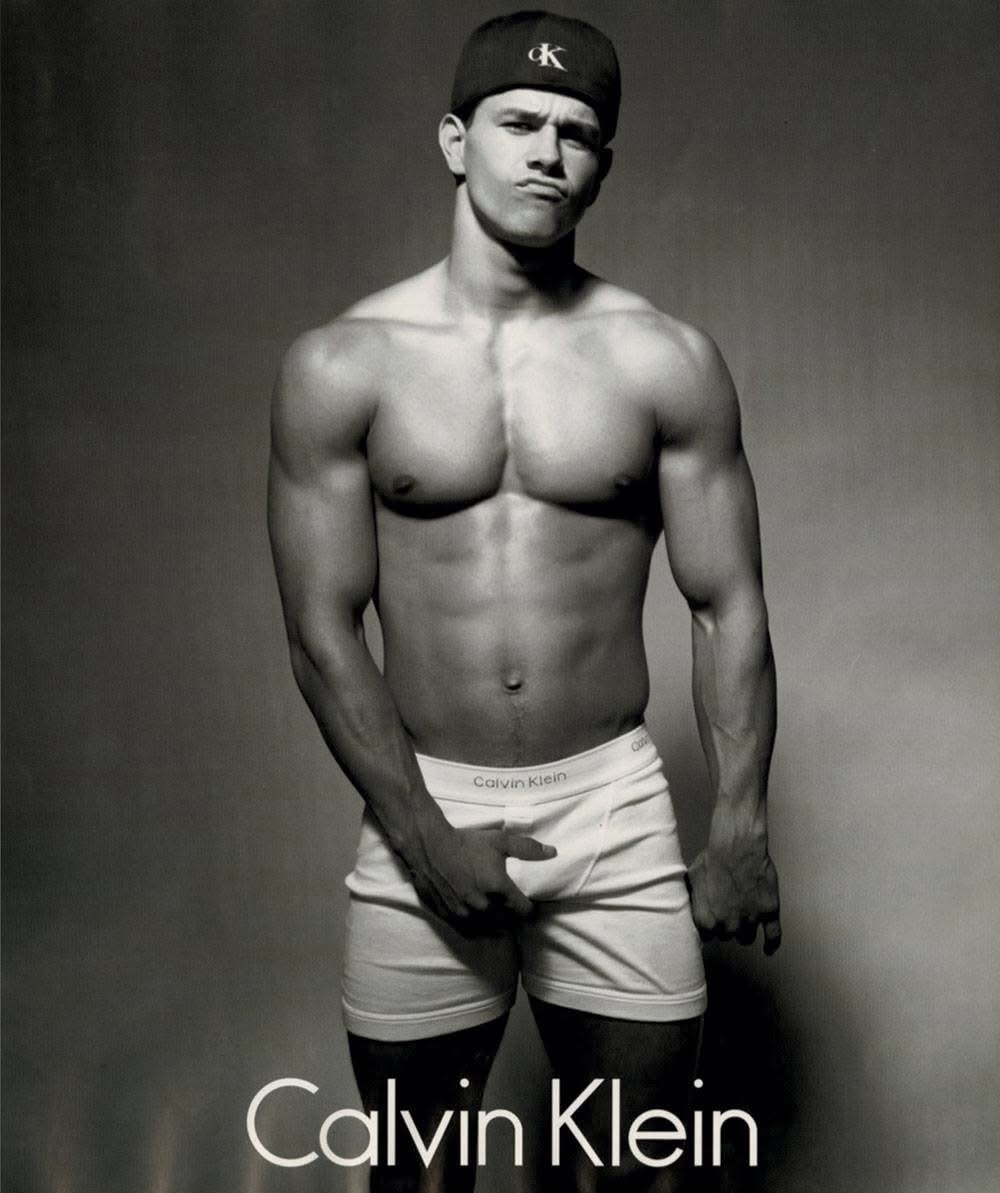
But it wasn’t just Phillippe. Mark Wahlberg’s Calvin Klein ads—shirtless, groping himself, caught in a mix of menace and seduction—lit up billboards and bedroom walls. In films like My Own Private Idaho, River Phoenix’s quiet, aching portrayal of love between men became a poetic kind of longing. These weren’t just pretty faces. They were emotional mirrors. My earliest such moments were probably either Harry Hamlin in Clash of the Titans or seeing Jose Canseco playing for the Oakland Athletics in the World Series. It started me collecting baseball cards. I can remember getting baseball cards from a cereal box one time and one of the cards was of Ryne Sandberg, who played for the Chicago Cubs. But still nothing cemented that knowledge that I had innate desires that could not be quelled like Cruel Intentions. Seeing Ryan Phillippe, naked, stepping out of that pool! Who cared if he was doing it to entice Reese Witherspoon? I sometimes forget there were women in the movie, especially with the scene of Greg McConnell (played by Eric Mabius) and Blaine Tuttle (played by Joshua Jackson) being caught in bed together.
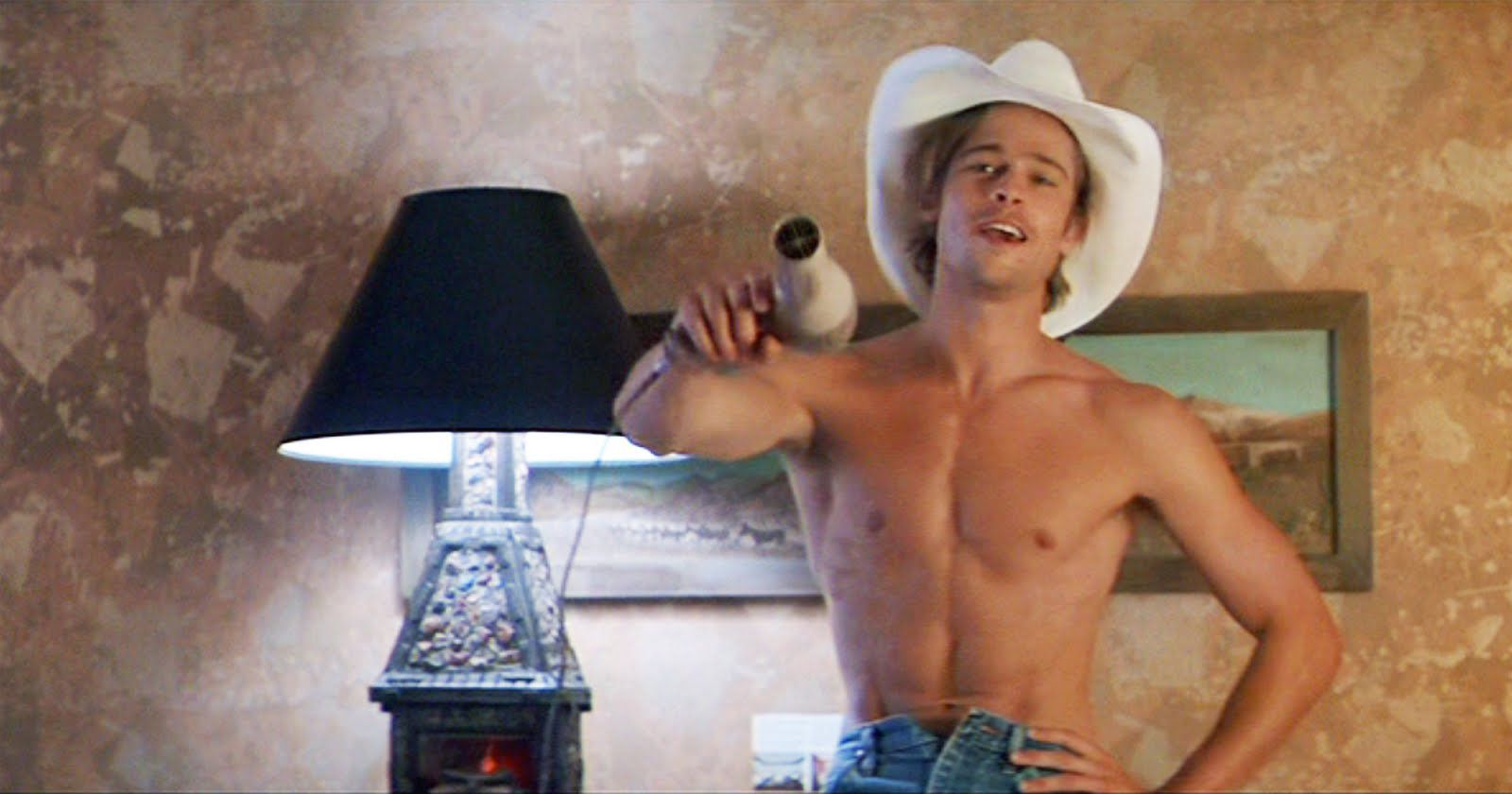
Millennials, too, found themselves through media, often somewhere between Tiger Beat and Tolkien. Orlando Bloom’s Legolas—the long hair, the soft voice, the bow taut with tension—captured the hearts of queer teens who didn’t yet know how to articulate why. Brad Pitt, shirtless and boyish in Thelma & Louise, became another kind of icon: all-American, sunlit, and openly objectified. TV shows like Buffy the Vampire Slayer blurred the lines even more. Angel and Spike weren’t just crushes—they were obsessions. Dangerous, beautiful men in leather with tortured pasts? For many, it was the perfect metaphor for closeted longing.

These awakenings were both erotic and emotional. They offered not just something to look at, but someone to feel through—long before there were gay storylines, there were boys and men who lived in our imaginations, held close in the safest, quietest corners of ourselves. And then came Gen Z—digital natives raised in a world where queerness was no longer only subtext, but storyline.

For many, Call Me by Your Name marked a watershed. Timothée Chalamet’s Elio was delicate, curious, and wholly queer in his desires. His aching love for Oliver wasn’t a tragedy—it was treated with reverence. Suddenly, queerness wasn’t just tolerated; it was cinematic, sun-dappled, and wrapped in classical music. Shows like Heartstopper carried the torch further, giving Gen Z something previous generations never had: visibility that was joyful. Awkward handholding, nervous smiles, first kisses that felt earned. This wasn’t subversion—it was celebration.
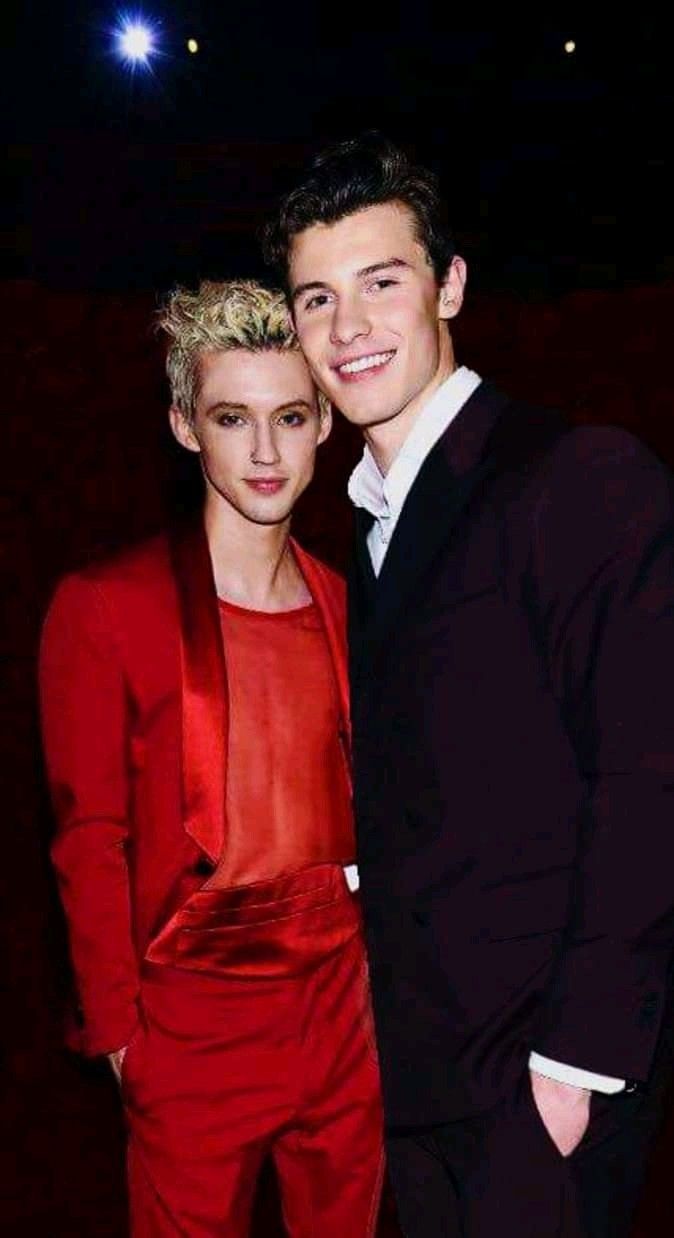
In music, Troye Sivan crooned openly about blooming into desire, backed by visuals that were lush, erotic, and defiantly gay. Even Shawn Mendes, unintentionally or otherwise, became a fixation—his sensitivity and softness standing in contrast to the hard-edged masculinity of previous eras. For Gen Z, the awakening didn’t have to be hidden. It could be shared, tweeted, TikToked. And while every personal journey is unique, there’s comfort in knowing you’re not the only one who paused the movie, rewound the scene, or stared a little longer than you were “supposed” to.
These weren’t just crushes. They were compass points. They told us what we desired, yes—but also what we feared, what we yearned for, and what we might one day become. In eras when queerness was unspeakable, these awakenings whispered, You’re not alone. Sometimes that whisper came from a jock in a magazine ad. Sometimes from a vampire in a leather coat. Sometimes from a boy in the back row who looked at you just a second too long. But they all left a mark. And for many of us, that first flash of longing—in the flicker of a television screen or the fold of a catalog page—wasn’t just the start of desire. It was the beginning of truth.
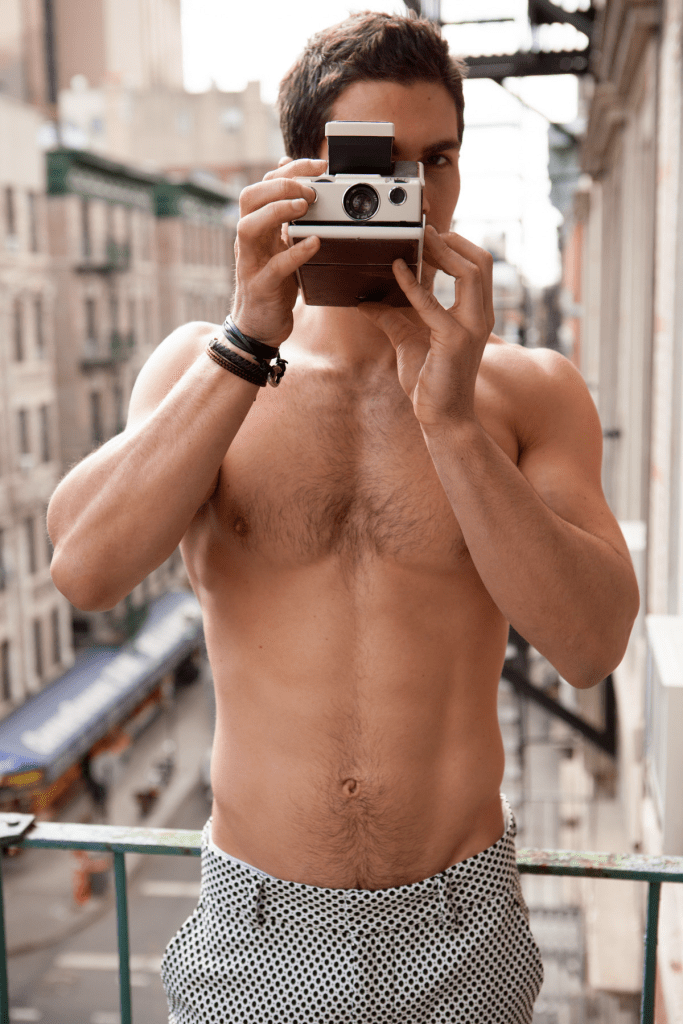
While I know I could never name every example, here’s a curated selection of some of the most iconic gay awakening clips and ads:
Two Loves
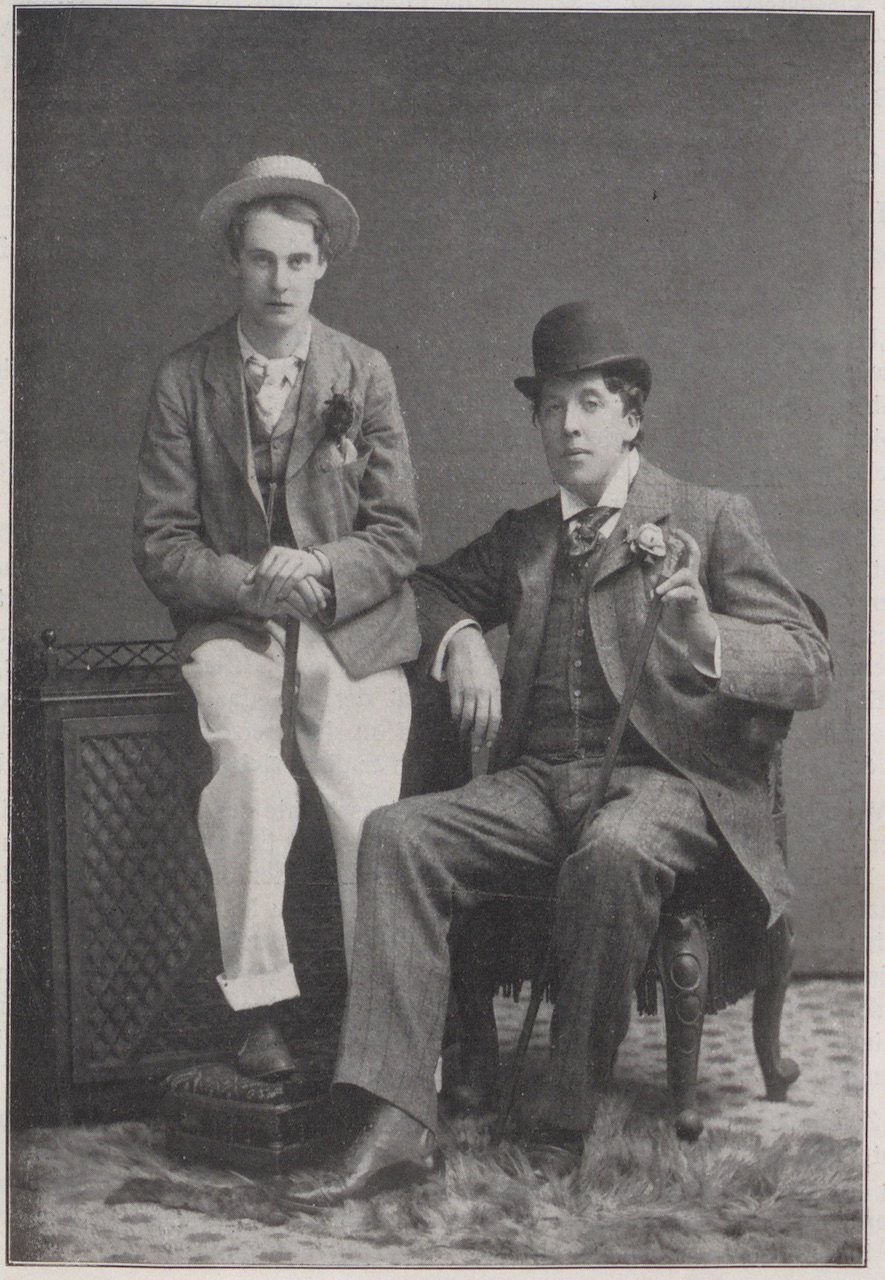
Two Loves
By Lord Alfred Douglas
I dreamed I stood upon a little hill,
And at my feet there lay a ground, that seemed
Like a waste garden, flowering at its will
With buds and blossoms. There were pools that dreamed
Black and unruffled; there were white lilies
A few, and crocuses, and violets
Purple or pale, snake-like fritillaries
Scarce seen for the rank grass, and through green nets
Blue eyes of shy peryenche winked in the sun.
And there were curious flowers, before unknown,
Flowers that were stained with moonlight, or with shades
Of Nature’s willful moods; and here a one
That had drunk in the transitory tone
Of one brief moment in a sunset; blades
Of grass that in an hundred springs had been
Slowly but exquisitely nurtured by the stars,
And watered with the scented dew long cupped
In lilies, that for rays of sun had seen
Only God’s glory, for never a sunrise mars
The luminous air of Heaven. Beyond, abrupt,
A grey stone wall, o’ergrown with velvet moss
Uprose; and gazing I stood long, all mazed
To see a place so strange, so sweet, so fair.
And as I stood and marvelled, lo! across
The garden came a youth; one hand he raised
To shield him from the sun, his wind-tossed hair
Was twined with flowers, and in his hand he bore
A purple bunch of bursting grapes, his eyes
Were clear as crystal, naked all was he,
White as the snow on pathless mountains frore,
Red were his lips as red wine-spilith that dyes
A marble floor, his brow chalcedony.
And he came near me, with his lips uncurled
And kind, and caught my hand and kissed my mouth,
And gave me grapes to eat, and said, ‘Sweet friend,
Come I will show thee shadows of the world
And images of life. See from the South
Comes the pale pageant that hath never an end.’
And lo! within the garden of my dream
I saw two walking on a shining plain
Of golden light. The one did joyous seem
And fair and blooming, and a sweet refrain
Came from his lips; he sang of pretty maids
And joyous love of comely girl and boy,
His eyes were bright, and ’mid the dancing blades
Of golden grass his feet did trip for joy;
And in his hand he held an ivory lute
With strings of gold that were as maidens’ hair,
And sang with voice as tuneful as a flute,
And round his neck three chains of roses were.
But he that was his comrade walked aside;
He was full sad and sweet, and his large eyes
Were strange with wondrous brightness, staring wide
With gazing; and he sighed with many sighs
That moved me, and his cheeks were wan and white
Like pallid lilies, and his lips were red
Like poppies, and his hands he clenched tight,
And yet again unclenched, and his head
Was wreathed with moon-flowers pale as lips of death.
A purple robe he wore, o’erwrought in gold
With the device of a great snake, whose breath
Was fiery flame: which when I did behold
I fell a-weeping, and I cried, ‘Sweet youth,
Tell me why, sad and sighing, thou dost rove
These pleasent realms? I pray thee speak me sooth
What is thy name?’ He said, ‘My name is Love.’
Then straight the first did turn himself to me
And cried, ‘He lieth, for his name is Shame,
But I am Love, and I was wont to be
Alone in this fair garden, till he came
Unasked by night; I am true Love, I fill
The hearts of boy and girl with mutual flame.’
Then sighing, said the other, ‘Have thy will,
I am the love that dare not speak its name.’
I am the Love that dare not speak its name.
About the Poem
“I am the Love that dare not speak its name.”
At first glance, this simple line may not seem radical, but it became one of the most infamous phrases in queer literary history. It appears at the end of “Two Loves,” a lyrical, decadent poem by Lord Alfred Douglas that depicts two personified versions of love—one conventional and socially accepted, the other mysterious and sorrowful. The speaker walks in a dreamlike landscape and is approached by two male figures. One exudes joy and ease; the other, pale and burdened, declares himself “the Love that dare not speak its name.” It is a powerful and poetic metaphor for same-sex desire in a world that condemns it.
The phrase was later used by prosecutors in Oscar Wilde’s 1895 trial, where Wilde was asked to explain it. Wilde’s eloquent defense—describing a deep, spiritual love between older and younger men, as seen in Greek culture—only further scandalized the court. The line became symbolic not only of homosexual love in the Victorian era but also of the shame and silence that society forced upon it. Yet, in Wilde’s and Douglas’s hands, it also carried dignity and beauty.
“Two Loves” is part of a larger tradition of homoerotic poetry written in code, metaphor, or allegory—common for queer writers in repressive eras. But Douglas, influenced by the aesthetic movement and emboldened by his association with Wilde, pushes further into clarity. The poem’s final admission is not whispered but proudly declared, even if society cannot bear to hear it. As such, the poem resonates today as both a historical artifact and a testament to the enduring defiance of queer love.
About the Poet
While Douglas is best remembered for his association with Oscar Wilde, he was a poet in his own right. Born in 1870 into British nobility, Lord Alfred Bruce Douglas—nicknamed “Bosie”—was the third son of the Marquess of Queensberry. He was well-educated at Winchester and briefly at Oxford, where he cultivated both his love of literature and his increasingly strained relationship with traditional morality. In 1891, he met Wilde, who was already a renowned playwright and wit. Their relationship was passionate, tumultuous, and deeply influential on both their lives and careers.
Douglas encouraged Wilde to explore more overtly homoerotic themes, even contributing translations of classical gay texts. However, his relationship with Wilde led to public scandal and ultimately Wilde’s imprisonment. After Wilde’s trial and release, Douglas distanced himself from his former lover and, in later life, became a conservative Catholic and vocal critic of homosexuality—a tragic turn that reflects the intense pressures and contradictions of his era.
Despite this retreat, Douglas’s early poetry—particularly “Two Loves”—remains a cornerstone of queer literary history. It captures the longing, the repression, and the quiet bravery of same-sex love at the close of the 19th century. During Pride Month, revisiting Douglas’s work reminds us how far we’ve come—and how the words of those who dared to speak when it was dangerous continue to echo in the hearts of LGBTQ+ readers today.
Back to the Grind

After two blissful weeks mostly away from work—save for those pesky Thursdays—I’m officially back to my regular schedule starting today. The vacation glow has already started to fade, and I can feel the familiar weight of routine settling back on my shoulders. While I’ll still be working from home on Fridays (a small but welcome mercy), the Monday-through-Thursday grind resumes with all its usual charm—or lack thereof.
Truthfully, I’m not exactly thrilled to be back. It’s not just that the rhythm of summer makes everything feel slower and heavier. It’s that summer at the museum tends to be… well, quiet. Too quiet. There are no classes to prep for, no public programs to plan, no whirlwind of events to coordinate. Just a few tours here and there, which don’t require much in the way of preparation. I could practically recite those scripts in my sleep—and, some days, I think I do.
To make matters even less enticing, my boss is not exactly my favorite person. Let’s just say their leadership style is a little too hands-on in all the wrong ways, and not nearly hands-on enough where it might actually help. Combine that with the slow trickle of summer foot traffic and the looming sense of “Why am I even here?” and you’ve got the perfect recipe for seasonal ennui.
But I suppose there’s something to be said for the quiet, even if it’s not particularly productive. Sometimes, the summer lull gives me time to think, reflect, and—if I’m lucky—sneak in a bit of personal writing or reading between tasks. And with Fridays still reserved for the sanctuary of working from home, I’ll take the silver linings where I can find them.
Here’s hoping the next few weeks bring a little unexpected joy—or at least a few interesting visitors to break up the monotony. If nothing else, I’ll have time to daydream about my next escape… or write a blog post or two.
🌈 Pride in the Image of God
“I praise you, for I am fearfully and wonderfully made. Wonderful are your works; that I know very well.”
— Psalm 139:14
“There is no longer Jew or Greek, there is no longer slave or free, there is no longer male and female; for all of you are one in Christ Jesus.”
— Galatians 3:28
“For the Spirit God gave us does not make us timid, but gives us power, love and self-discipline.”
— 2 Timothy 1:7
Pride Month is often seen as a celebration—of identity, visibility, survival, and love. But for LGBTQ+ Christians, it is also a sacred invitation to reclaim our place in the story of God’s people. To be LGBTQ+ and Christian is not a contradiction. It is a divine calling to live authentically, in the truth of who we are, as beloved children created in God’s own image.
Pride is not about arrogance or rebellion; it is about dignity. It is about standing tall in a world that has too often tried to make us small. It is about refusing shame. And it is about remembering that the same God who knit us together in the womb did so with care, intention, and joy.
Too many of us have heard the message that God’s love must be earned by becoming someone else. But the gospel tells a different story—a story of radical welcome, unearned grace, and a Savior who broke down barriers and sought out the marginalized. Jesus didn’t conform to religious expectations. He loved expansively, healed indiscriminately, and told us not to be afraid.
This Pride Month, hear this truth clearly: You are not a mistake. You are not outside the reach of grace. You are part of the Body of Christ. Your love, your life, your truth—they matter deeply to God.
Take pride in the Spirit’s power within you. Take pride in your survival and in your joy. Take pride in your faith, not despite who you are, but because of who you are.
We should thank God for creating us wonderfully and wholly. In a world that sometimes denies us dignity, He remind us that we are His. Let Pride Month be a season of healing, joy, and holy resistance. We should walk in the confidence of God’s love, stand in the truth of His grace, and shine with the light He placed within us. We must always remember to love others with that same wild, welcoming love.
So, this Pride Month let’s go forth in love and boldness, knowing we are a living reflection of God’s creativity. Our lives are a testimony of truth, resilience, and grace. This Pride Month—and always—walk proudly in the name of the One who made you exactly as you are: deeply loved, beautifully queer, and wholly divine.
🌈🏳️🌈🏳️⚧️

Authors
Recent Comments
noisilycool3bc985058… on Dr. McDreamy Joe on Dr. McDreamy poetrybeautiful3d840… on Dr. McDreamy Joe on Dr. McDreamy noisilycool3bc985058… on Dr. McDreamy Top Posts & Pages


Amazon Associate

As an Amazon Associate I earn from qualifying purchases. So, if you click on a link that takes you to Amazon.com, I may earn a commission.
Trust me, it isn’t much, but every little bit helps.

 Joe
Joe


 The Closet Professor