
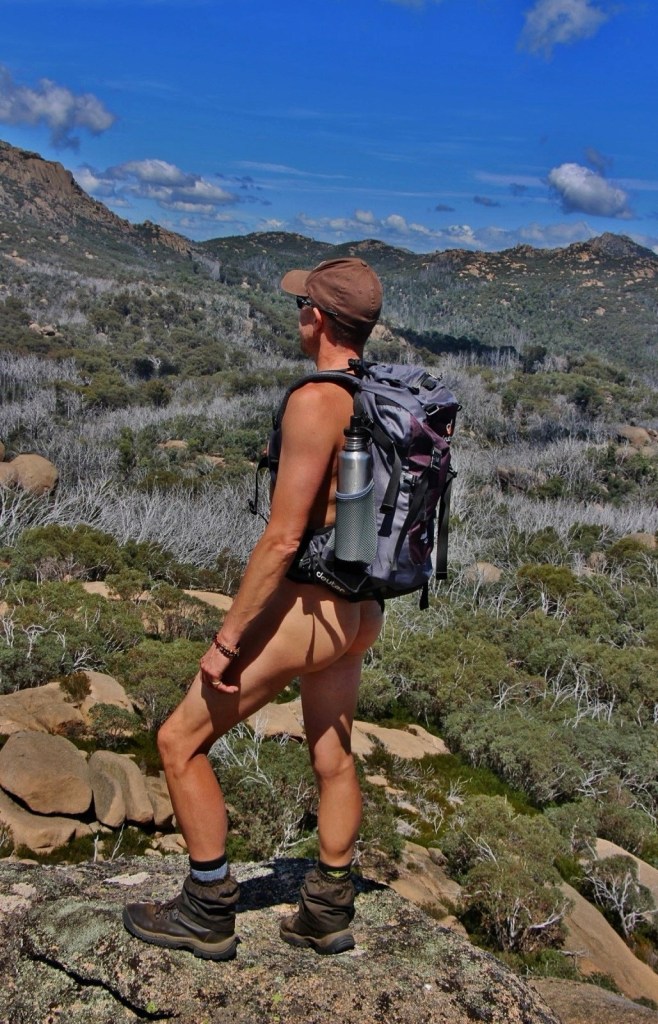
Meeting Ourselves
By Vachel Lindsay
We met ourselves as we came back
As we hiked the trail from the north.
Our foot-prints mixed in the rainy path
Coming back and going forth.
The prints of my comrade’s hob-nailed shoes
And my tramp shoes mixed in the rain.
We had climbed for days and days to the North
And this was the sum of our gain:
We met ourselves as we came back,
And were happy in mist and rain.
Our old souls and our new souls
Met to salute and explain—
That a day shall be as a thousand years,
And a thousand years as a day.
The powers of a thousand dreaming skies
As we shouted along the trail of surprise
Were gathered in our play:
The purple skies of the South and the North,
The crimson skies of the South and the North,
Of tomorrow and yesterday.
About the Poem
Vachel Lindsay’s “Meeting Ourselves” is a gentle yet profound reflection on life’s cyclical journey—how we travel forward only to encounter the echoes of our former selves. The poem captures a moment of recognition and renewal: two travelers retrace their steps and find their footprints mingling in the rain. It’s both literal and symbolic—an image of physical return and inner reconciliation.
Lindsay’s use of repetition and musical rhythm mirrors the rhythm of walking and the heartbeat of realization. The biblical echo—“a day shall be as a thousand years, and a thousand years as a day” (2 Peter 3:8)—reminds us that time itself folds and blurs when we reach moments of self-understanding or spiritual peace. The mingling of “old souls and new souls” beautifully suggests that transformation doesn’t erase who we were; it redeems and embraces it.
For LGBTQ+ readers, especially gay men, this poem may hold an added resonance. The act of meeting ourselves can evoke the powerful experience of coming out or reconciling with the self we once had to hide. Many queer people spend years walking in two directions at once—forward toward authenticity, backward toward fear or memory. When Lindsay writes, “We met ourselves as we came back / And were happy in mist and rain,” it can read as a quiet kind of liberation: joy found not in public sunlight, but in the private, tender mist where two selves—and perhaps two men—meet without shame.
The comrade whose footprints mingle with the speaker’s invites another layer of interpretation. In early 20th-century literature, male companionship often carried an intimacy that could not be spoken openly. The simple image of their tracks interlaced in the rain becomes, for a modern gay reader, a symbol of shared experience, endurance, and connection—love that exists naturally, though quietly, within the elements.
In that sense, the poem feels like a reconciliation not only of the self but of desire: the realization that one can walk beside another man and find peace, joy, and completeness—“happy in mist and rain.”
Ultimately, “Meeting Ourselves” speaks to anyone who has learned to love themselves after a long climb. It’s about journeying through struggle or distance, only to discover that the person waiting at the end of the trail is a wiser, gentler version of who we’ve always been.
The mingled footprints remind us that our past and present selves—and the people who’ve walked beside us—can coexist. We do not need to abandon the person we were to become the person we are. In mist and rain, under skies of “tomorrow and yesterday,” we find that the journey has brought us home to ourselves.
About the Poet
Vachel Lindsay (1879–1931) was an American poet known for his musical, chant-like verse and his belief that poetry should be spoken and performed aloud. Born in Springfield, Illinois, Lindsay traveled widely—often on foot—exchanging poems and drawings for food and lodging. His works often celebrated spiritual vision, democracy, and the common man, blending mysticism with American folk imagery.
“Meeting Ourselves” was written during Lindsay’s later period in the 1920s, when his poetry turned increasingly inward and mystical, exploring the soul’s search for renewal and divine connection. Though his fame waned late in life, Lindsay left a lasting mark on American poetry for his pioneering rhythmic style and his ability to transform ordinary experiences into moments of revelation.
While there is no definitive record of his sexuality, Lindsay’s poetry often conveys an intense affection for male companionship and an ideal of spiritual brotherhood that modern readers sometimes interpret through a queer lens. His recurring themes of duality, self-reconciliation, and soulful connection invite a range of readings—including those that speak deeply to LGBTQ+ experiences of identity and inner harmony.
“Meeting Ourselves,” like much of his work, reminds us that the greatest journeys are those that lead inward.








 The Closet Professor
October 14th, 2025 at 6:16 am
Joe, many years ago a gay outdoors-type of friend was biking around America. One day found him sunbathing naked alone in a glade in a dense forest in the central USA in the middle of nowhere.
A park warden espied him in his powerful binoculars from a watch tower a fair distance away, and thought it was his public duty to notify the police, many miles away. He was duly arrested, fined for indecency and immediatly put on the next plane home.
Is this typical of the central USA’s approach to life?
October 14th, 2025 at 10:06 pm
That sounds about right for much of the central U.S.—public nudity laws can be pretty strict and vary widely from state to state. Here in Vermont, though, things are a bit different. Public nudity is actually legal as long as you don’t undress in public—so you can’t strip down in front of others, but if you’re already nude when you show up somewhere, it’s not against the law. It’s one of those quirky bits of Vermont freedom.
There are a few other places in the U.S. where public nudity is generally tolerated or even legal, like certain areas around Portland and Eugene in Oregon, or parts of California such as San Francisco (where it’s allowed with permits for organized events). So while the Midwest tends to take a stricter approach, there are definitely pockets of the country where people are a little more relaxed about it.
October 15th, 2025 at 6:24 am
During the BBC comedy panel show, QI, Stephen Fry (now Sir Stephen Fry) related that the original Puritans had emigrated to the USA, not because of persecution in England, but because they wanted to be able to persecute all those who did not believe in Puritanism.
I wonder if the Puritan mindset is still alive and prospering in the Mid-West.
I cannot think of any friends who would ever want to live in the Mid-West. The great Alistair Cooke (BBC and Guardian correspondent in NYC) once described the Mid-West as the “flyover states” because that was the best way to see them.
October 15th, 2025 at 6:31 am
The “Puritan spirit” is now called the Republican Party. However, here’s something that I find fascinating:
The Puritan church was known as Congregationalists. The current Congregationalists are now one of, if not the, most liberal churches in the United States. Most fly a rainbow flag outside and are very welcoming and affirming to all people, no matter their sexuality. There are a lot of Puritans rolling in their graves.
By the way, the Puritan Massachusetts Bay Colony had the largest number of children born out of wedlock in America history.
One more thing, the Puritans weren’t the worst about persecuting people who did not fall in line. The Pilgrims were far more strict.