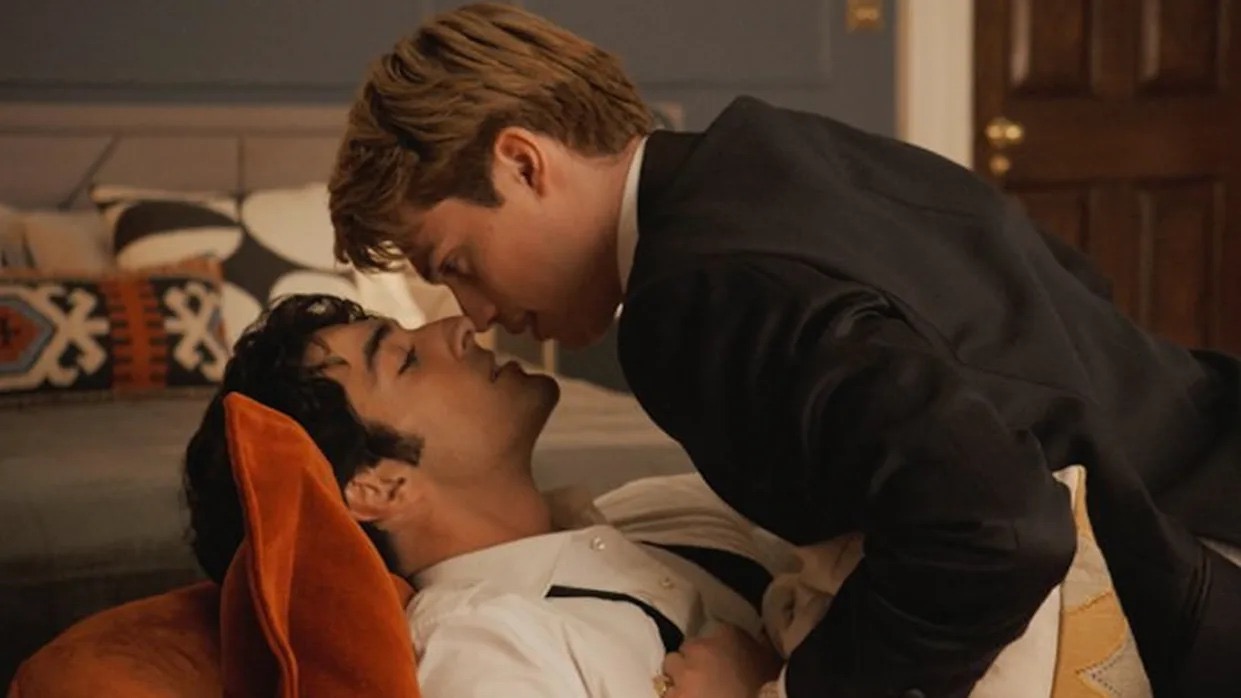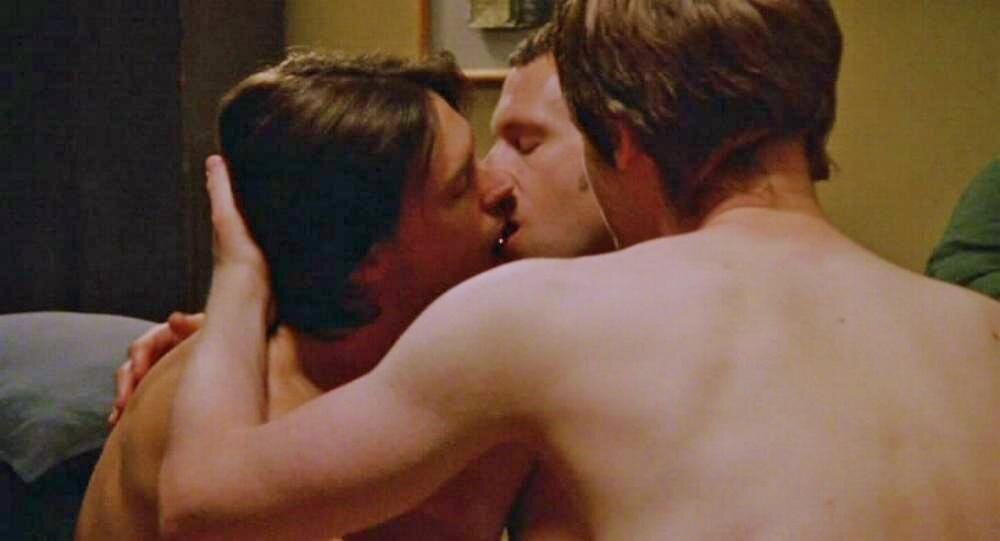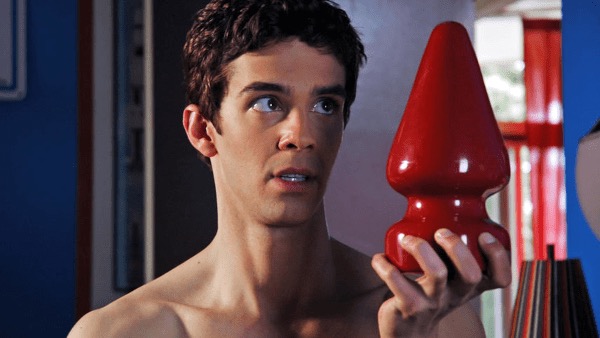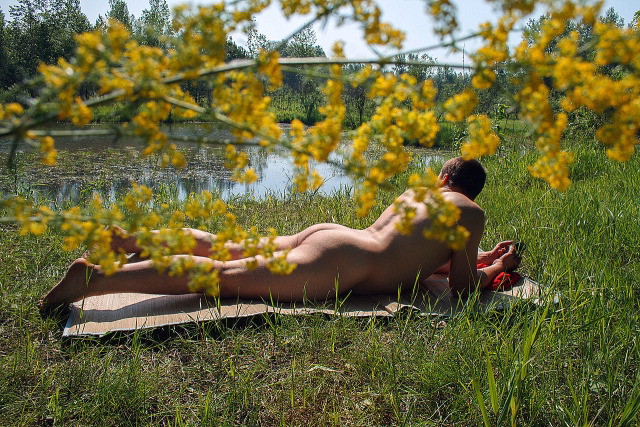
Category Archives: History

Can Gay Porn Be Considered Art?

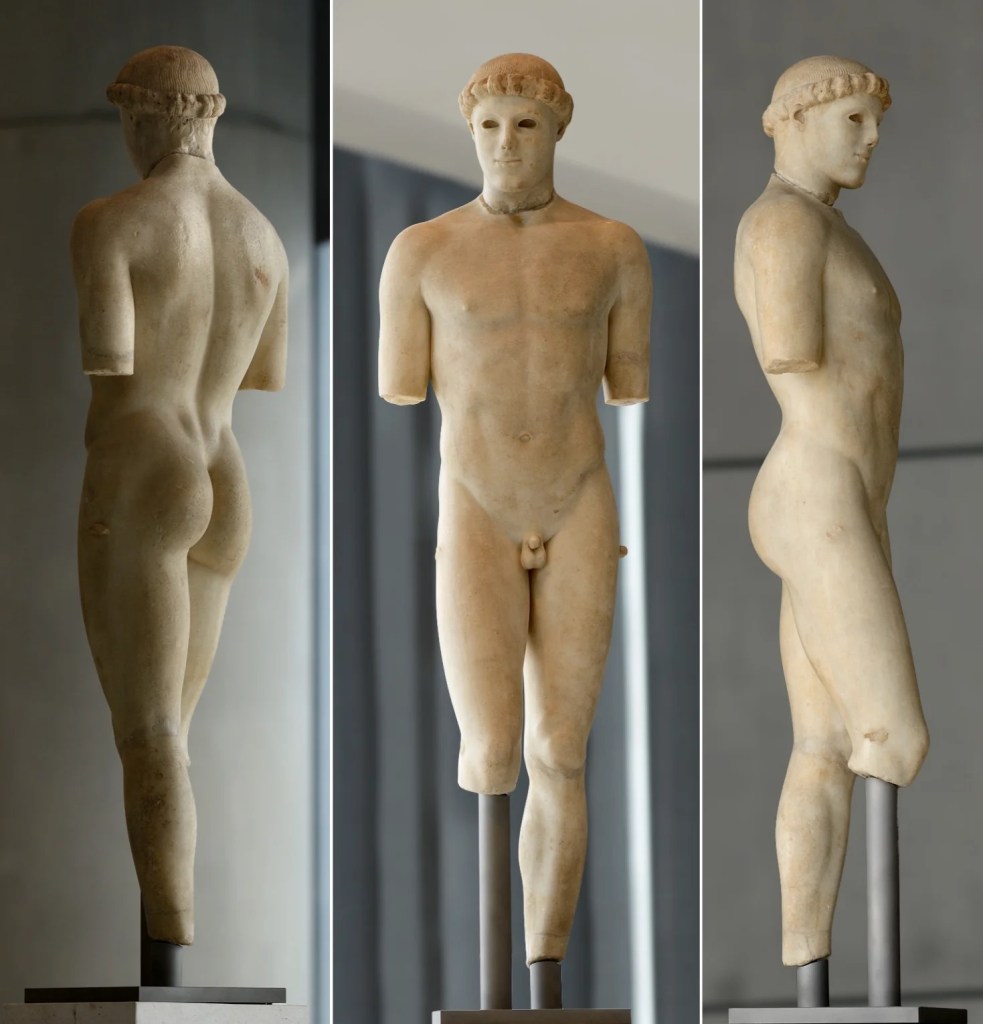
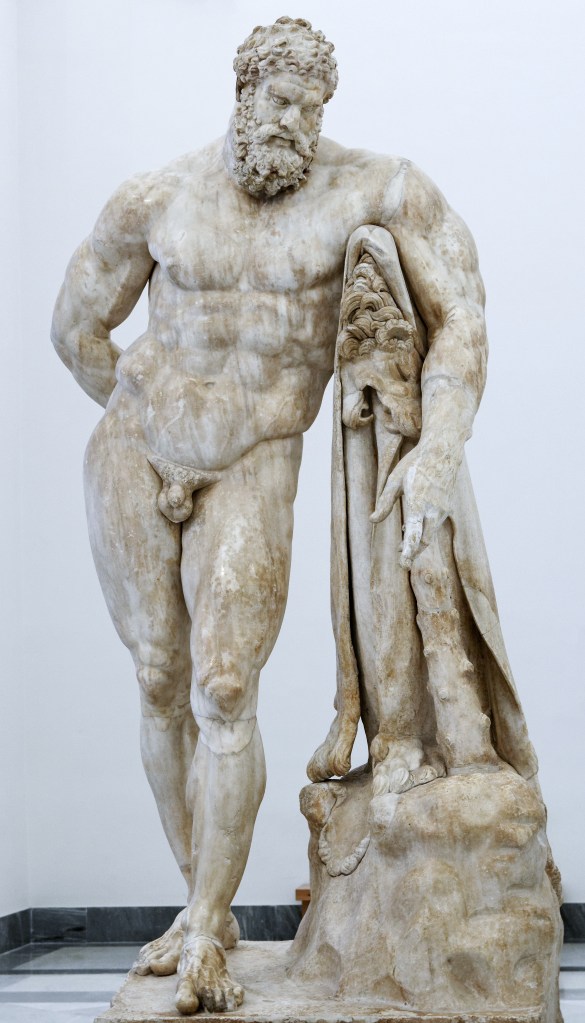
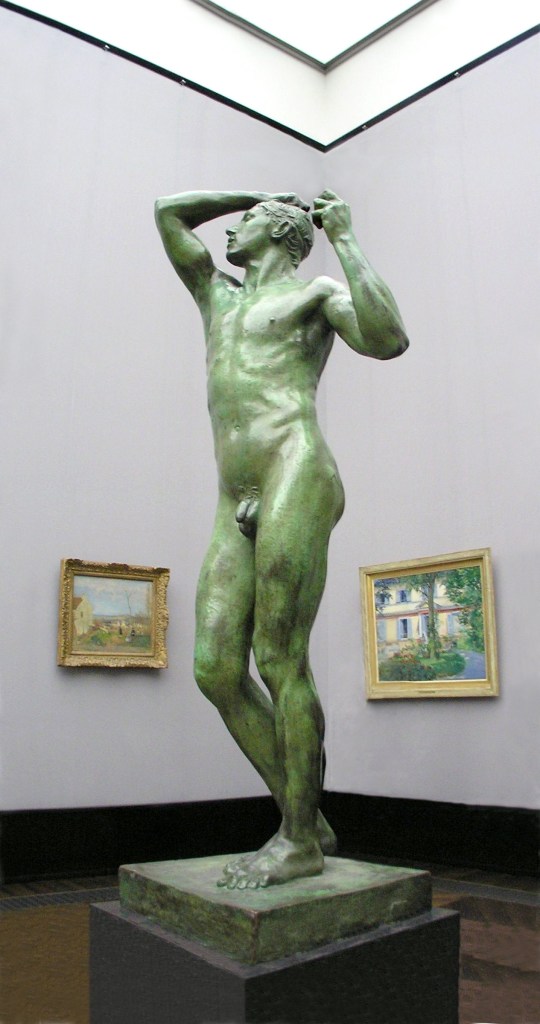
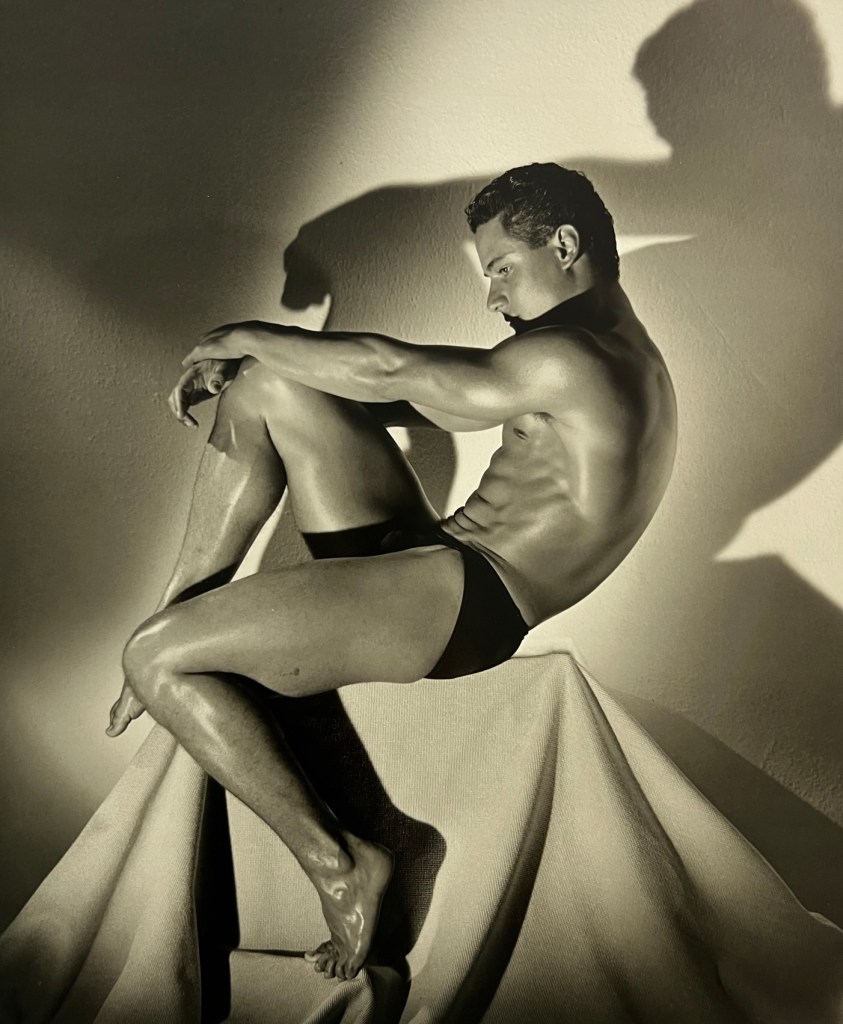
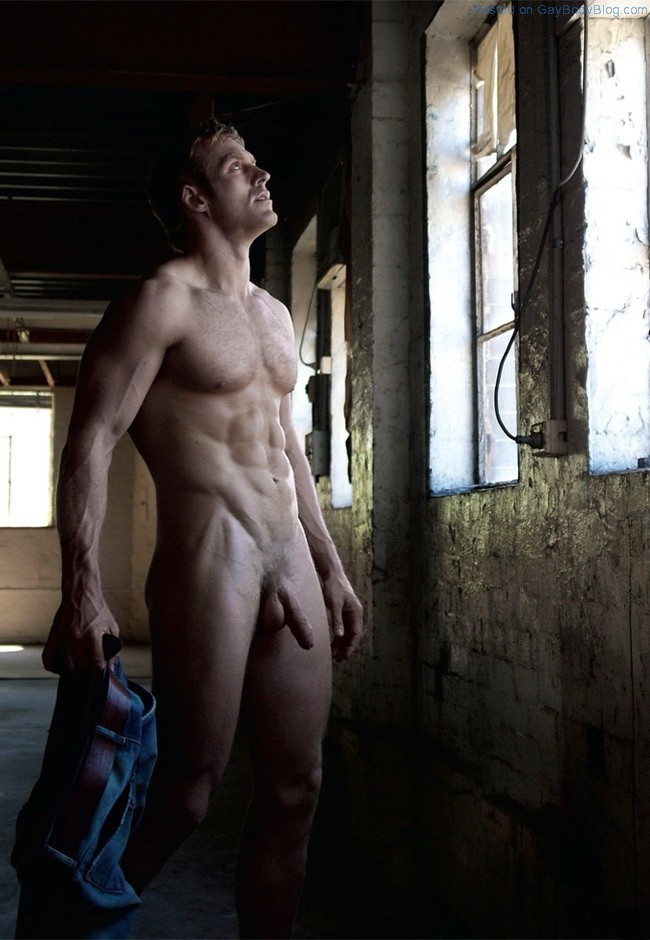
For as long as the male nude has existed in art — from the Kouros statues of ancient Greece to the sketches of Michelangelo — the erotic potential of the male body has fascinated artists and viewers alike. But what happens when we turn our gaze to the realm of gay pornography? Can gay porn — films and photography explicitly created for sexual arousal — also be considered art?

It’s a provocative question, but a worthwhile one. In fact, the history of gay porn itself often parallels the history of queer art: pushing boundaries, challenging taboos, celebrating bodies, and telling truths about desire. 

The Beginnings: Porn as Forbidden Art

Long before moving pictures, erotic images circulated as drawings, engravings, and photographs. In the 19th century, so-called “French postcards” depicted nude men as athletic models, though sometimes posed in implicitly homoerotic ways. One of the earliest and most influential figures to straddle the line between art and pornography was Wilhelm von Gloeden, whose photographs of Sicilian boys, taken between the 1880s and 1920s, combined classical references, soft lighting, and unabashed sensuality. These images were sold as art but carried undeniable erotic charge.

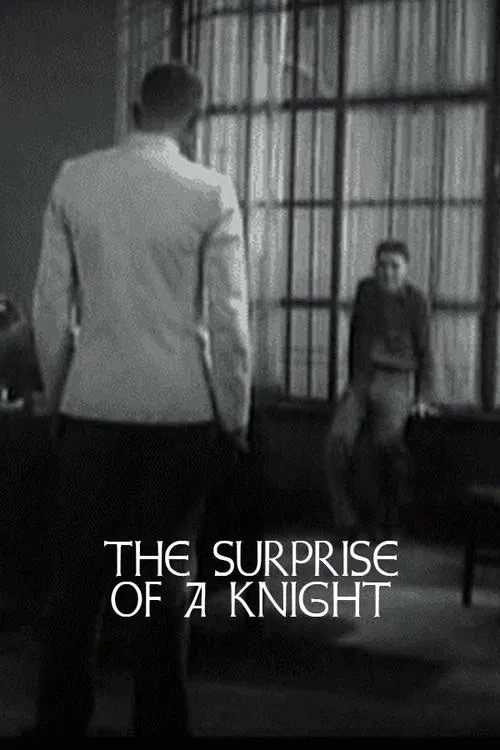
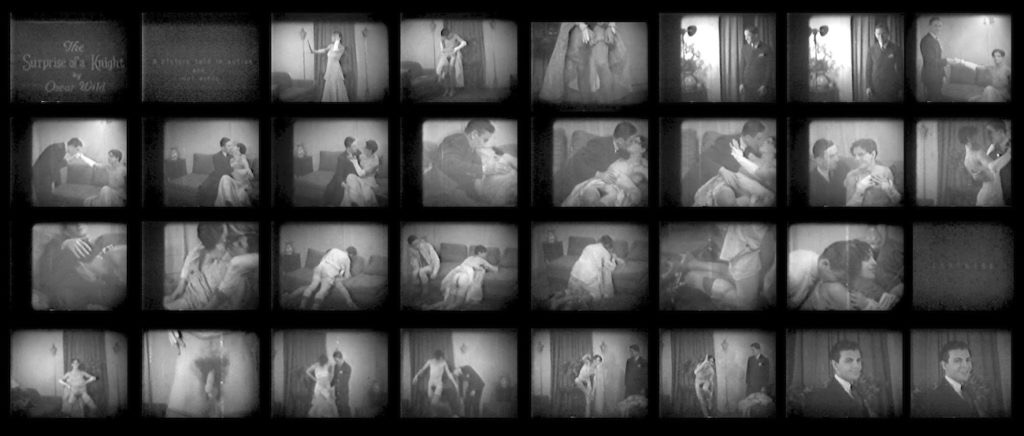
When film arrived, early pornography — called “stag films” — rarely included explicitly gay scenes. Still, there were clandestine reels from the 1920s–40s that showed male-male encounters. Though they were often anonymous and lacked narrative or polish, their very existence documented queer desire at a time when it was otherwise hidden. The Surprise of a Knight (1930), one of the earliest surviving gay stag films, is a fascinating precursor — a clandestine, playful short that captures queer desire in an era of strict censorship, showing how even in the shadows, erotic expression could hint at both art and resistance.

The Surprise of a Knight opens with an elegantly dressed “lady” preparing for a visit, who reveals a patch of pubic hair as an intertitle credits the screenplay to “Oscar Wild.” In the drawing room, the lady flirts and kisses her dapper “knight,” rebuffing his gropes before playfully slapping him and then performing oral sex. She then positions herself face-down on the sofa, and the knight simulates anal sex with her twice, both reaching climax. After he departs, the “lady” lifts her skirts to reveal he is actually a man, punctuated by an intertitle reading “Surprise.” The man dances nude, his penis visible, before the knight returns to help him undress completely; they dance together briefly, and in the final shot the man, now in business attire, winks at the camera before walking off.

The Classic Era: Porn as Provocation, Pleasure as Art

The so-called “Golden Age” of gay porn coincided with the sexual revolution of the late 1960s and 1970s. Explicit films were finally being made openly, screened in theaters, and even reviewed in mainstream publications. During this period, filmmakers experimented with narrative, cinematography, and symbolism — producing works that were undeniably pornographic but also clearly ambitious, aesthetically considered, and culturally significant. Some of these films are now preserved in archives and even screened in museums.

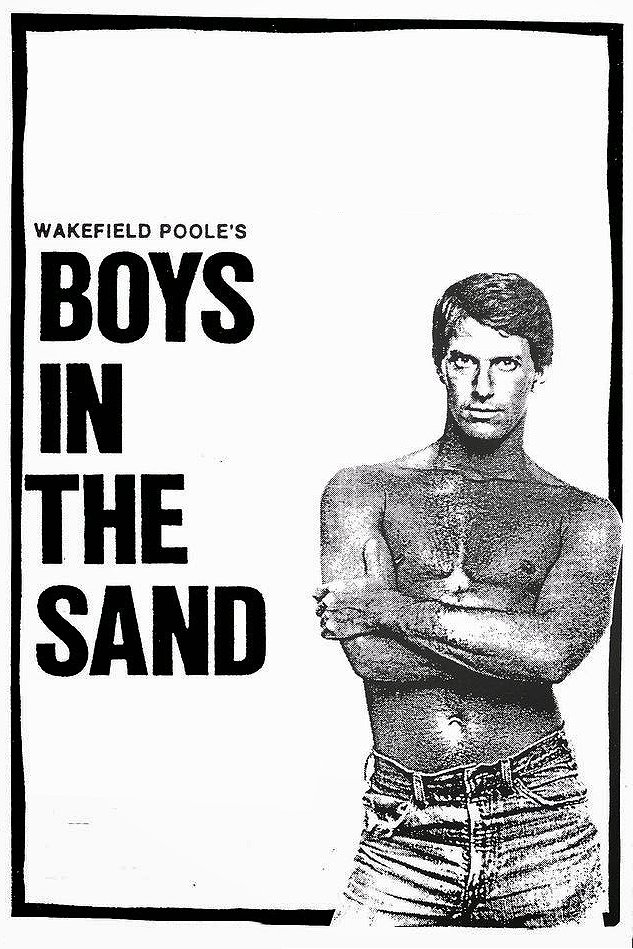
Perhaps the most famous of these was Boys in the Sand (1971), directed by Wakefield Poole, which portrayed erotic encounters on Fire Island in lush, painterly compositions. Poole’s film was groundbreaking for its beautiful cinematography and narrative flow — and it even premiered to a packed theater audience, signaling a new cultural visibility.

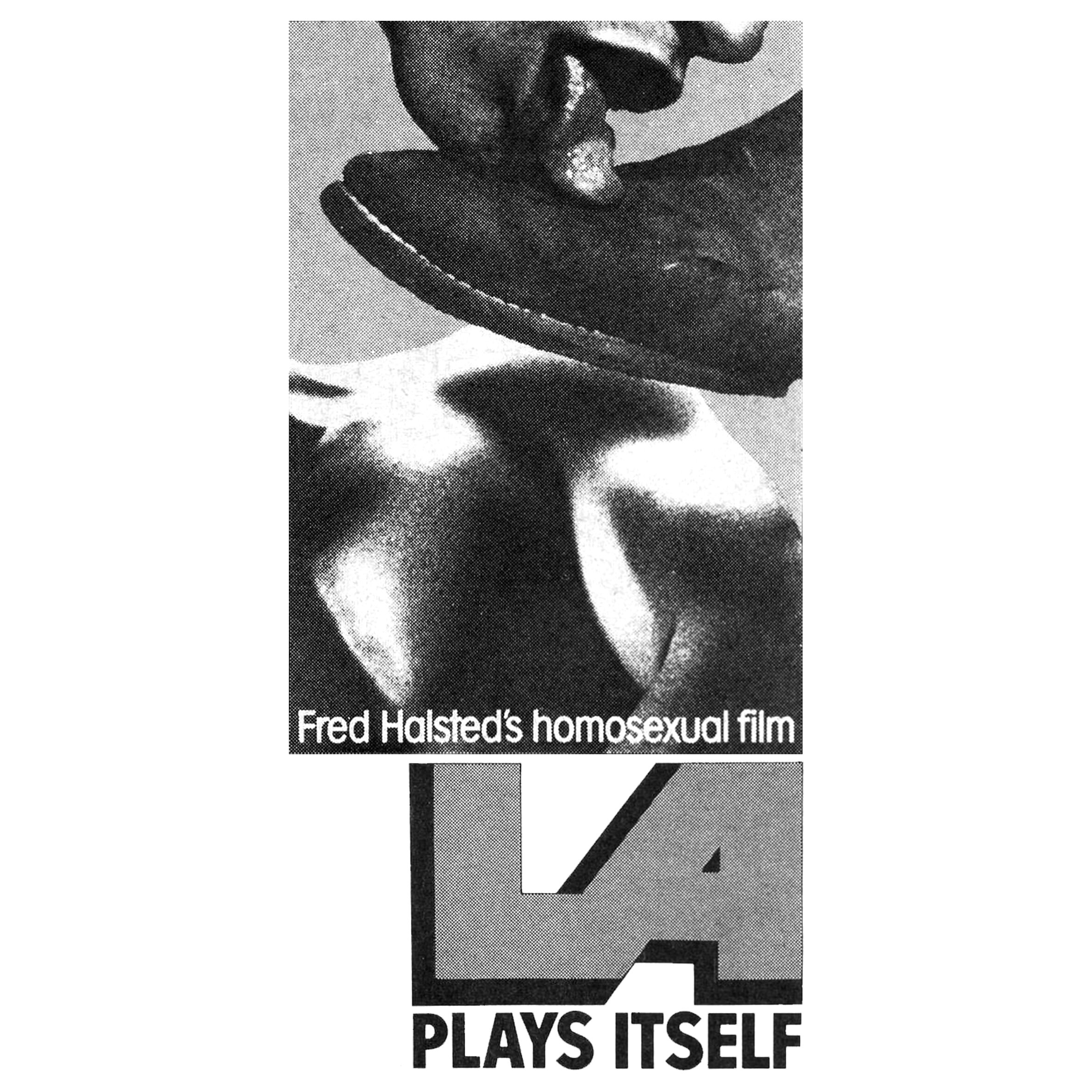
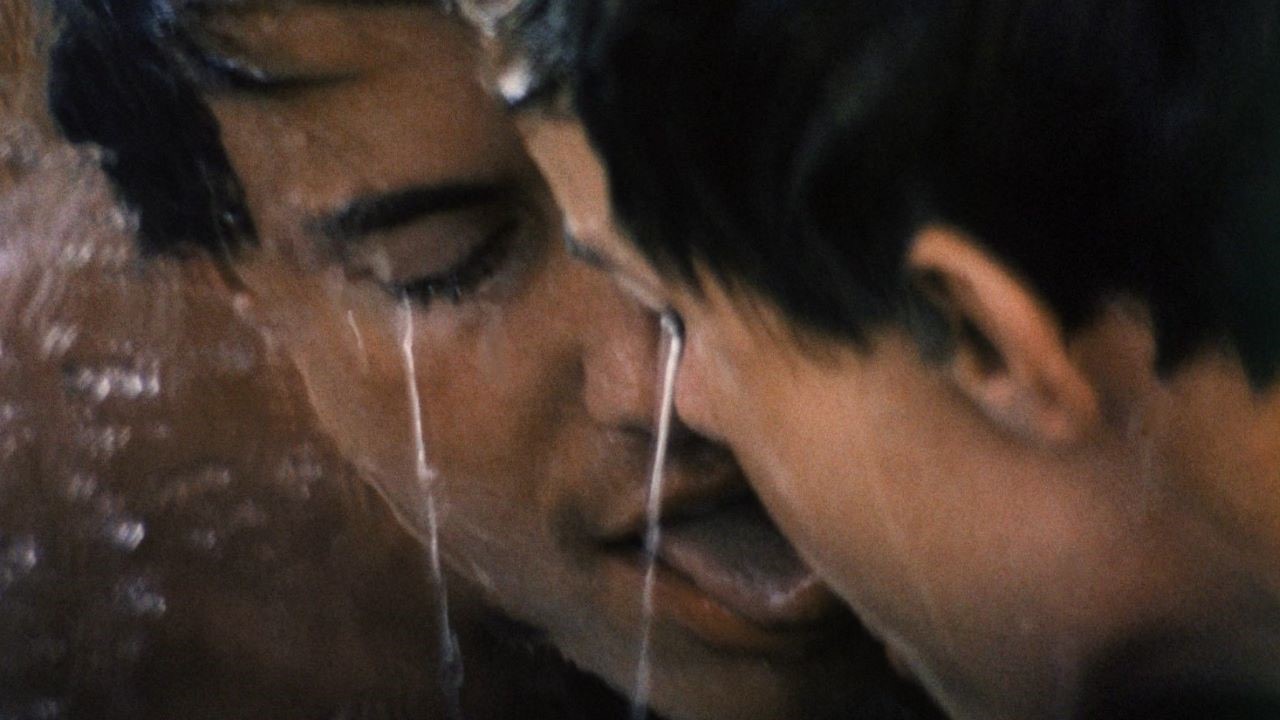
Around the same time, Fred Halsted’s LA Plays Itself (1972) took a radically different approach, presenting gay sex through a gritty, surrealist lens that reflected the urban experience of Los Angeles. In October 2023, New York’s IFC Center hosted a rare screening of Fred Halsted’s LA Plays Itself, shown on Friday, October 20 and Saturday, October 21. The IFC Center, a renowned independent art-house cinema in New York City, screening LA Plays Itself is significant because it affirms the film’s enduring status not just as underground pornography but as a provocative work of avant-garde queer art worthy of serious cultural recognition. This gritty, surreal classic of queer cinema was presented as part of a retrospective celebrating the film’s radical blend of explicit gay sexuality, avant-garde experimentation, and social critique — reminding audiences why it remains both controversial and artistically significant more than fifty years later.

From: Fred Halsted’s LA Plays Itself (1972)

Other notable films of this era, such as Sex Garage and Drive!, blended explicit sex with experimental art-film techniques, offering a kind of avant-garde pornography. And beyond film, the hypermasculine, leather-clad drawings of Tom of Finland profoundly influenced the aesthetic of this era — his work infused pornographic imagery with style and self-confidence. These films treated sex not just as a physical act but also as an expression of fantasy, identity, and even politics — often blending sensuality with beauty and humor.

The Condom Era: Risk, Responsibility, and Reinvention

With the arrival of HIV/AIDS in the early 1980s, the landscape of gay porn changed dramatically. Fear and loss reshaped queer sexuality, and the industry adopted condoms both as a visual norm and as an ethical statement. Yet filmmakers continued to create works that were erotic, imaginative, and even moving. While the films of this era often retained the narrative ambition of the classic period, the urgent subtext of survival and safer sex advocacy gave them new weight. Many films explicitly incorporated education or chose to eroticize condoms themselves, making them part of the fantasy rather than an intrusion on it.
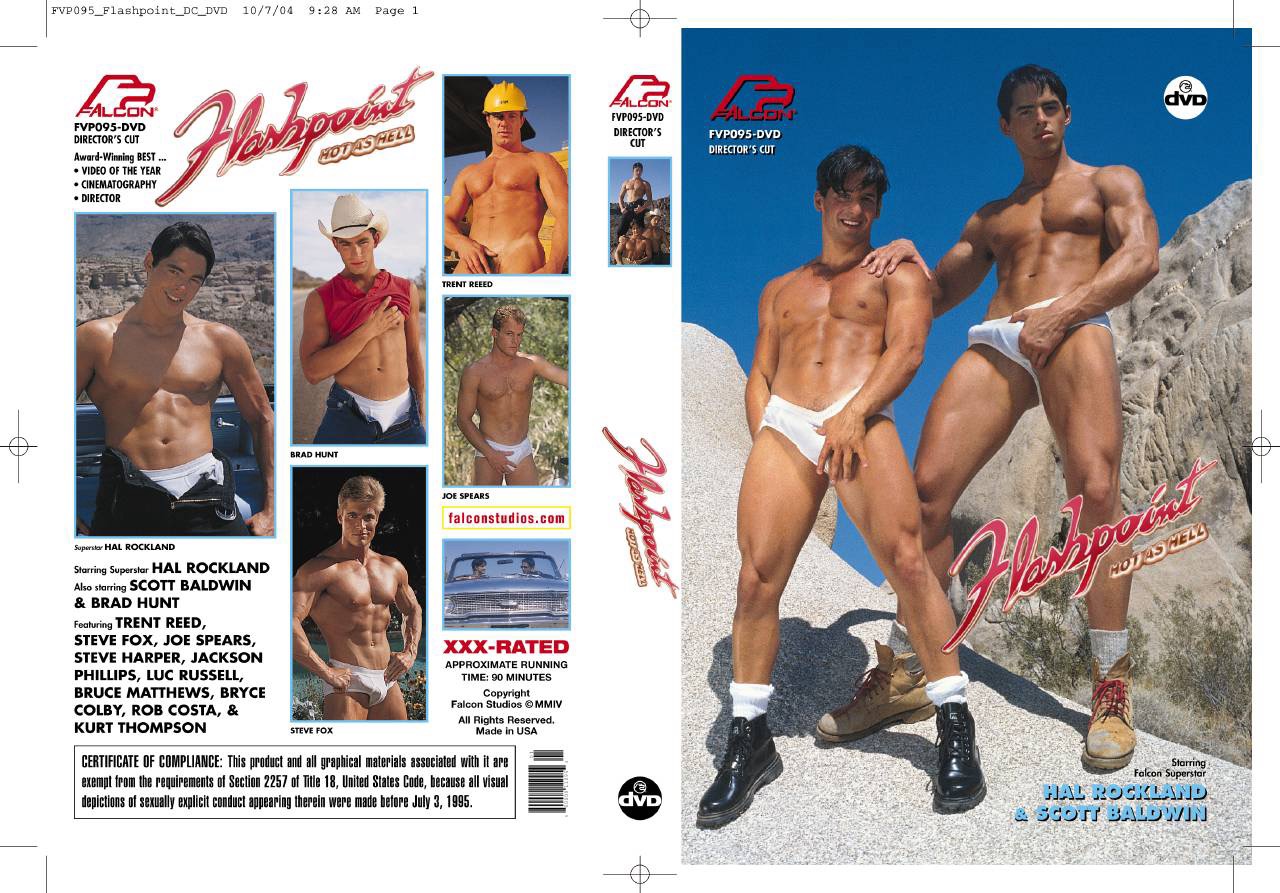
One example is More of a Man (1986), which managed to portray explicit gay sex as affirming and healthy during a time of crisis. Later films such as Oversized Load (1992) and Flashpoint (1994) demonstrated that high production values and eroticism could coexist with a commitment to showing safer sex. Directors like Chi Chi LaRue injected humor, camp, and even tenderness into their films while insisting on condoms, making the condom itself part of the fantasy rather than an obstacle. These works helped sustain gay erotic culture during a devastating epidemic, offering viewers both pleasure and reassurance. These films demonstrated how erotic art could adapt to a changed world, preserving desire while honoring safety and responsibility.
The Post-Condom Era: Emotional Realism and Erotic Storytelling

With the introduction of PrEP (pre-exposure prophylaxis) and better treatments for HIV, the last decade has seen a return to condomless (or “bareback”) porn. Some see this as a fetishization of risk; others view it as reflecting new realities where undetectable equals untransmittable (U=U) and consent is better understood. The artistry of the current era often lies in its diversity: high-definition cinematography, thoughtful storytelling, and a new openness about race, body types, and kink.

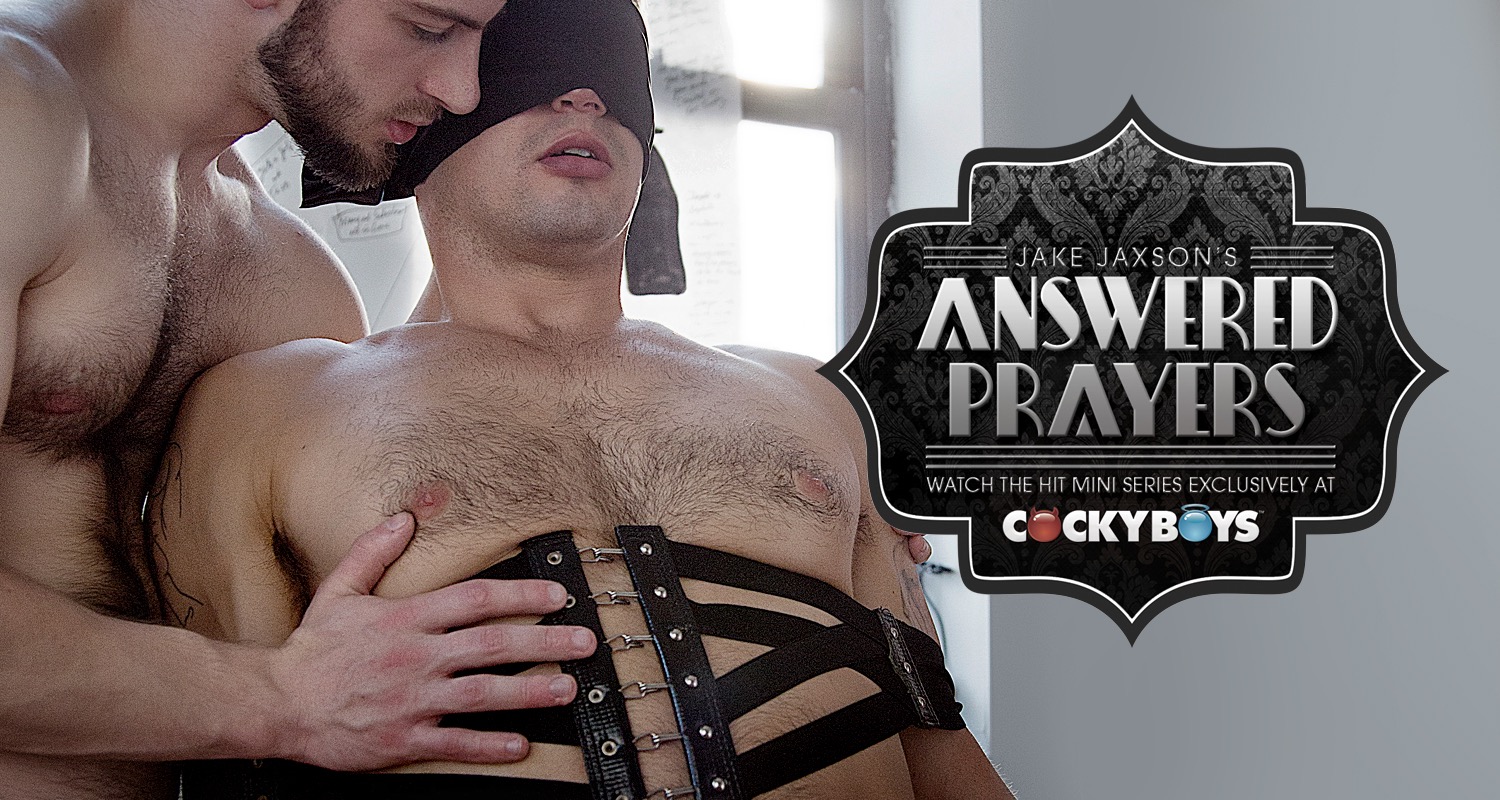
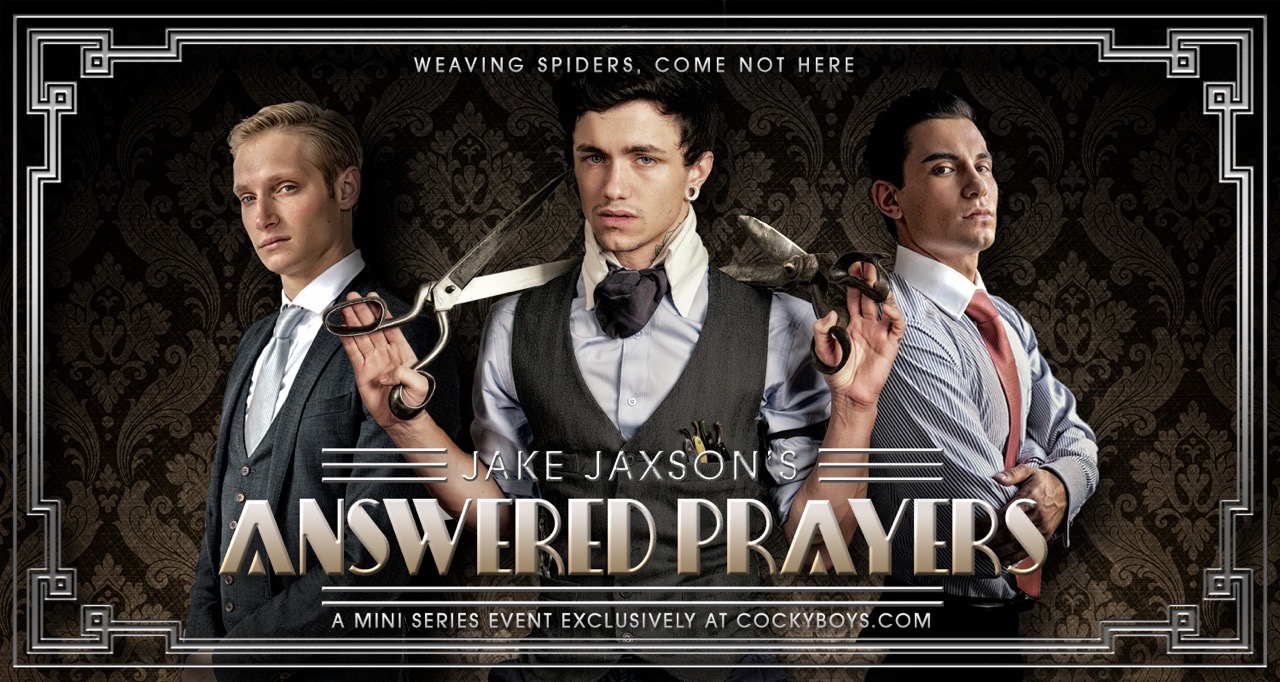
Studios like CockyBoys have embraced the idea of “art house porn” — their Answered Prayers series (2014–15) was highly conceptual, blending dreamlike imagery, emotional narratives, and striking cinematography with explicit sex. Meanwhile, queer filmmaker Bruce LaBruce has consistently created films that integrate hardcore gay sex into narrative art cinema, screened at film festivals and museums.

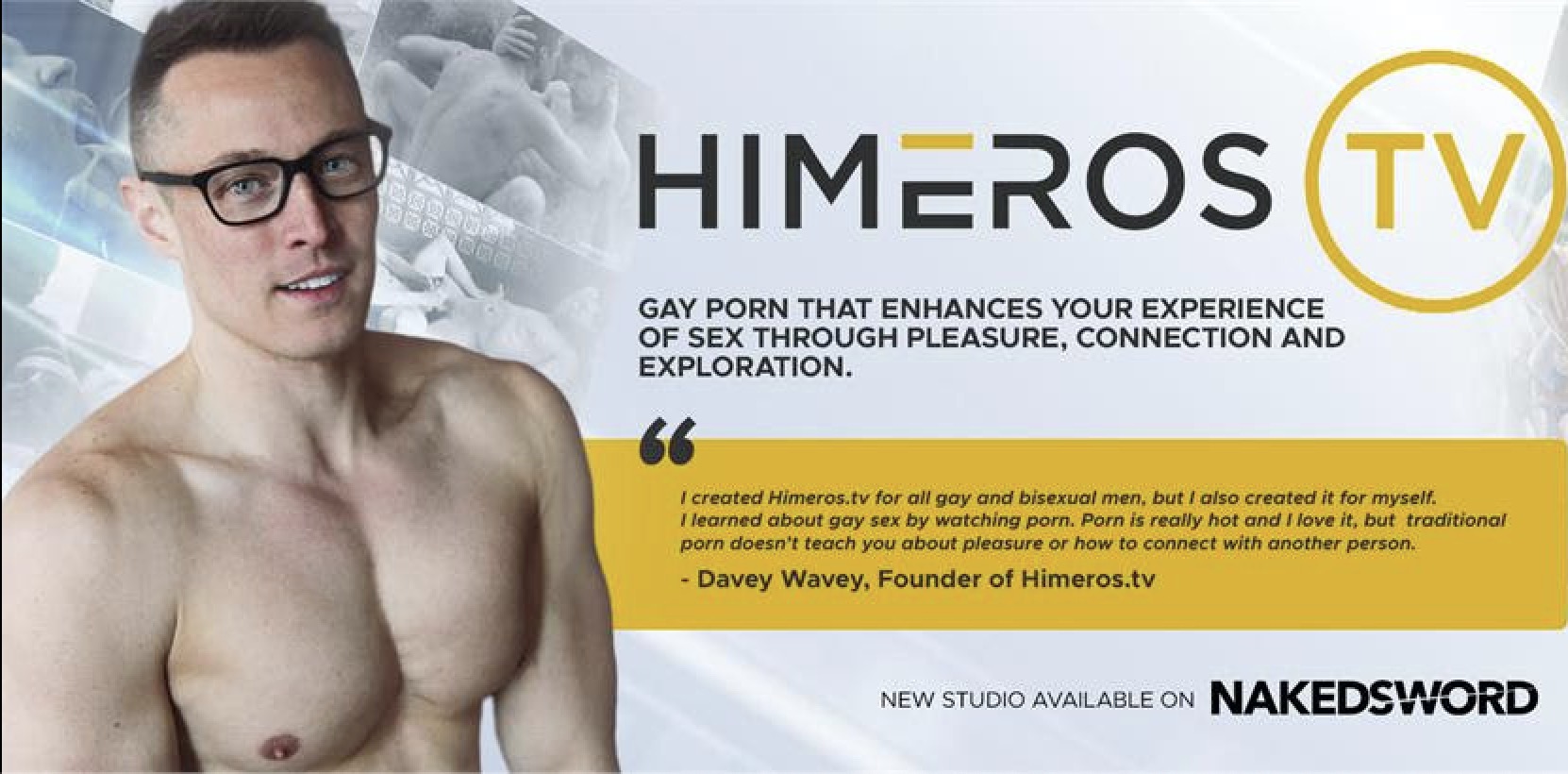
In addition, Davey Wavey’s Himeros project has taken the idea of porn-as-art even further, explicitly positioning itself at the intersection of eroticism, education, and body positivity. With its emphasis on advocacy and sensual exploration, Himeros aims to create porn that doesn’t just arouse but also affirms, teaching viewers to see their own bodies and desires as beautiful and worthy. And across the independent scene, more and more filmmakers are producing “post-porn” hybrids: installations, videos, and screenings in galleries that use pornographic elements to explore desire, identity, and politics.

What Makes Porn Art?

So, what distinguishes these works from “just porn”?

  • Intent: Many of these works aim not just to arouse but to say something — about desire, about queerness, about the human condition.
  • Aesthetic Vision: Careful cinematography, editing, sound design, and narrative ambition elevate the material.
  • Cultural Context: In eras when mainstream culture erased queer desire, these films asserted its legitimacy and beauty.
  • Emotional Resonance: Art moves us — and some of these films succeed in doing so even beyond the erotic charge.

Of course, not all gay porn is art — nor does it have to be. But these examples show that pornography can be artful, meaningful, and even beautiful. Whether you view it on a gallery wall, a festival screen, or your laptop at midnight, it is part of the long story of how queer people have imagined, celebrated, and preserved our desires.

What do you think? Where do you draw the line between porn and art? Or is there even a line at all? Share your thoughts in the comments.


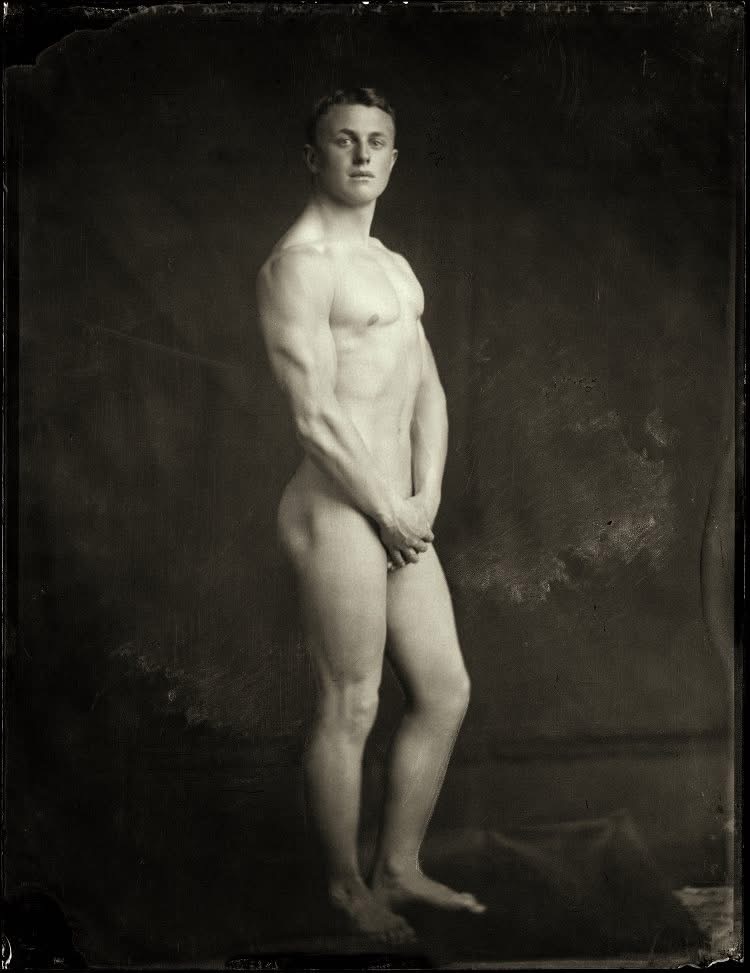
A Soldier Stripped Bare: The Nude Photographs of Lt. Edgar Henry Garland

Some of you may know that my original academic passion—and the reason I first went to graduate school—was to study military history, with a particular focus on the First World War. Ever since I took my first undergraduate course on WWI, I’ve been captivated by the conflict: the way it reshaped nations, upended empires, and left cultural and emotional reverberations we still feel more than a century later. I’ve long been drawn to the poetry of the war, as well as the deeply human stories of the individuals and communities who lived through it.

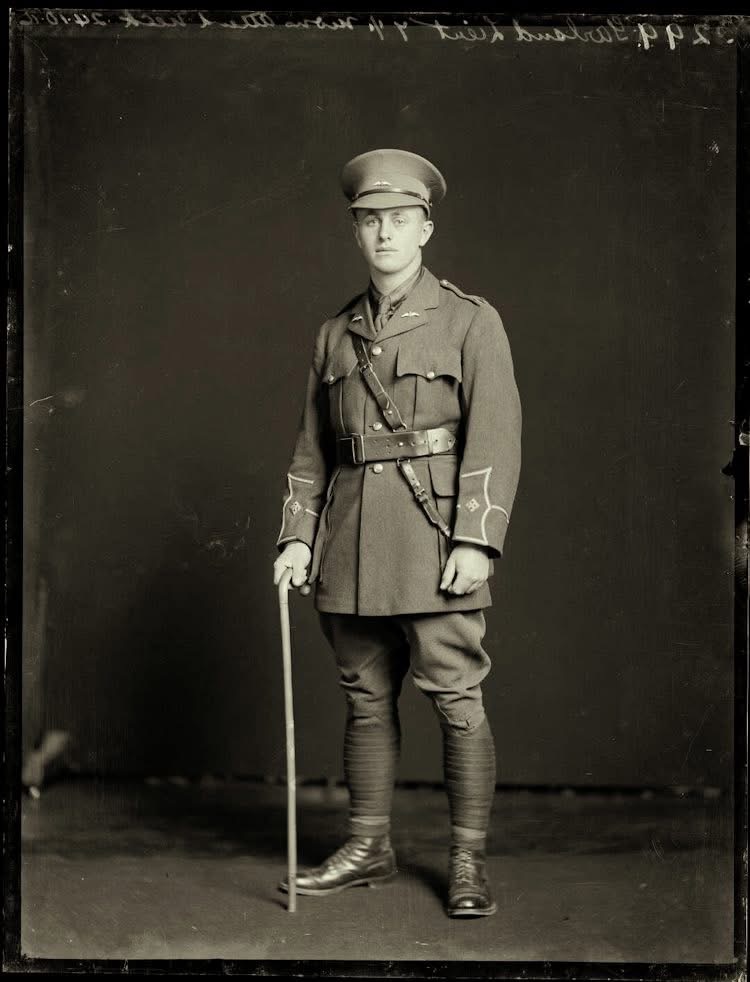
That’s why, when I came across a set of nude photographs taken of New Zealand soldier Lieutenant Edgar Henry Garland, I was immediately intrigued. The images are striking—not just for their artistic composition, but for the questions they raise about masculinity, memory, and identity during wartime. This week’s art history post centers on three rare and intimate photographs of a single soldier. There may have been others like them, but this particular case remains one of the most compelling and well-known examples of its kind.

Uncovering the Man Behind the Uniform: Art, Intimacy, and Queer Visibility in a WWI Portrait

In the archives of New Zealand’s photographic history lies a haunting and striking series of images: nude portraits of Lieutenant Edgar Henry Garland, a World War I soldier, posed with classical grace and remarkable vulnerability. Captured by the studio of S. P. Andrew Ltd., these images raise fascinating questions about art, masculinity, and queer subtext in the early 20th century.

At first glance, Garland might seem like any young officer from the Great War—handsome, lithe, a product of Edwardian values and imperial loyalty. But his story is far more remarkable.

Born in 1895, Edgar Henry Garland served with distinction in the New Zealand Expeditionary Force during World War I. He fought on the Western Front and was captured by German forces, becoming a prisoner of war. What set Garland apart was not just his courage in combat, but his extraordinary persistence in trying to escape captivity. He attempted to escape seven times from various POW camps—an astonishing feat that earned him admiration both during and after the war. His repeated escapes were acts of daring and defiance that turned him into a kind of folk hero in New Zealand military lore. By war’s end, he was among the most celebrated escapees in New Zealand’s wartime record.

And yet, tucked away behind this legacy of bravery is a quieter, more intimate chapter—one not written in medals or official commendations, but in a series of photographs that strip away the uniform and expose the man beneath.

These nude images were taken by S. P. Andrew Ltd., one of the most respected portrait studios in New Zealand. Founded by Samuel Paul Andrew, the Wellington-based studio was renowned for its official portraits of governors-general, judges, and prime ministers. It specialized in formal, large-format images meant to convey dignity, authority, and professionalism. That such a prestigious studio would also produce a set of male nudes—posed with artistry and elegance—speaks volumes about the complexity of photographic culture at the time.

So why were these photographs taken?

At one level, they reflect the influence of classical artistic ideals. In the late 19th and early 20th centuries, the nude male form was seen—at least within certain artistic circles—as a symbol of strength, youth, and aesthetic perfection. Garland’s poses recall ancient Greek statuary, suggesting a deliberate invocation of heroism and beauty. For a young man who had survived war and captivity, these images may have served as a personal monument—an assertion of vitality, resilience, and self-possession.

But there are other possibilities too.

The photographs may have been taken as private keepsakes, either for Garland himself or for someone close to him. Garland never married, and little is known about his private relationships. The possibility that these images were intended for a romantic or intimate partner—perhaps even a male lover—has been raised by queer historians who see in the photographs a coded form of homoerotic expression. The tenderness of the poses, the elegance of the lighting, and the sheer vulnerability on display all hint at a relationship between photographer and subject that goes beyond documentation.

Indeed, these photographs function within a long tradition of discreet queer representation. In an era when homosexuality was criminalized and forbidden by military and civil law, photography could serve as a silent language of desire. Studios like S. P. Andrew—though publicly respectable—may have discreetly permitted or even participated in the creation of such images for trusted clients. This wasn’t pornography; it was art. But it was art with layers of subtext—subtext that speaks volumes to those willing to see it.

Whether these photographs were meant as aesthetic studies, personal mementos, or secret love letters, they offer a rare and poignant glimpse into the inner life of a man whose public legacy is defined by heroism. In these images, we see not just the soldier who escaped seven times, but the human being who posed—naked, unguarded, and beautiful—for reasons we may never fully know.

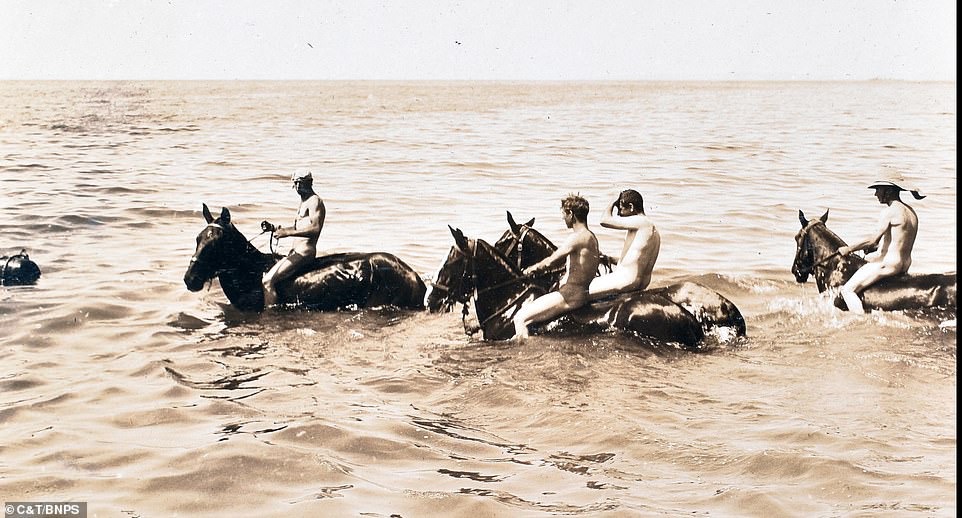
Taking a dip: Soldiers take a break from the heat with their horses in the sea. The men wash their steeds while completely naked as they enjoy a moment away from the battle

A Note on Queer Visibility in WWI Remembrance Culture

Photographs of nude soldiers—while rarely publicized—have existed across multiple conflicts, including World War I and World War II. Often taken in private or semi-artistic contexts, these images captured the male form not only as a symbol of strength and youth, but sometimes as an intimate keepsake, a personal act of vulnerability, or even a quiet expression of queer desire. Though such photographs were uncommon, they remind us that behind every uniform was a body, a story, and a complex humanity often left out of official histories.

Stories like Edgar Garland’s remind us how queer history often survives in the margins—in photographs, in letters, in quiet acts of defiance and longing. Mainstream remembrance of World War I tends to focus on duty, sacrifice, and masculine honor, but it rarely makes space for the hidden lives of queer soldiers. Yet they were there: loving, grieving, and serving alongside their comrades. For some, like Garland, a single photograph may be the closest we get to that truth.

As we commemorate the soldiers of the Great War, it is vital to recognize that their humanity was not confined to the battlefield. Some found intimacy in silence. Some left behind coded artifacts. And some, like Garland, posed for a camera and dared to be seen—fully, tenderly, and without shame.


The First Pride Was a Riot

In the early hours of June 28, 1969, something extraordinary happened on a quiet stretch of Christopher Street in New York City. After years—decades—of police harassment, social invisibility, and the criminalization of queer existence, a group of drag queens, trans women, gay men, and lesbians refused to be silent. When officers raided the Stonewall Inn—a dingy, Mafia-run gay bar in Greenwich Village—the community inside and outside the bar erupted in defiance. What followed were six nights of protest, resistance, and righteous rage. The Stonewall Riots weren’t the beginning of LGBTQ+ activism, but they were the spark that ignited a global fire.

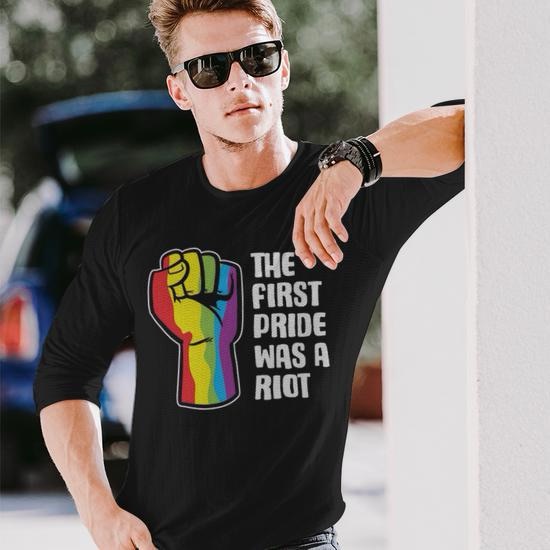
“The First Pride Was a Riot.” That slogan adorns t-shirts, protest signs, and banners today as a reminder that our liberation was not handed to us—it was demanded. It was thrown back in the faces of billy clubs, shouted in the streets, and carved into the consciousness of a country that would rather not have seen us at all. Marsha P. Johnson, Sylvia Rivera, Stormé DeLarverie—names that should be shouted from rooftops—were part of this uprising. They fought not just for acceptance, but for dignity. For survival.

The summer of 1969 marked a turning point. In the year that followed, LGBTQ+ organizations across the U.S. multiplied, and on the anniversary of Stonewall in 1970, the first Pride marches were held in New York, Chicago, and Los Angeles. These were not corporate-sponsored festivals with rainbow floats. They were loud, political, and unapologetic marches for visibility, safety, and rights.

Stonewall happened in a cultural moment when the world was already in upheaval: the Civil Rights Movement, the Women’s Liberation Movement, and anti-Vietnam War protests were reshaping the American political landscape. The gay rights movement joined that chorus—and for a time, especially into the 1970s, it began to sing with joy and newfound sexual freedom. The 1970s became a decade of exploration and visibility. Gay men in particular embraced a new culture of liberation: discos pulsed with rhythm and energy, bathhouses became places not of shame but of connection, and artists, writers, and activists pushed boundaries in the public eye.

But the joy of that revolution would come under brutal siege in the 1980s with the emergence of the AIDS crisis. As friends and lovers died in staggering numbers, the government remained indifferent, slow, and cruelly silent. The queer community rallied again—not just to mourn, but to fight. Groups like ACT UP and the Gay Men’s Health Crisis forced a reluctant nation to see us, to acknowledge our grief and fury. Stonewall had taught us how to protest. AIDS taught us how to organize for our lives.

And still, here we are.

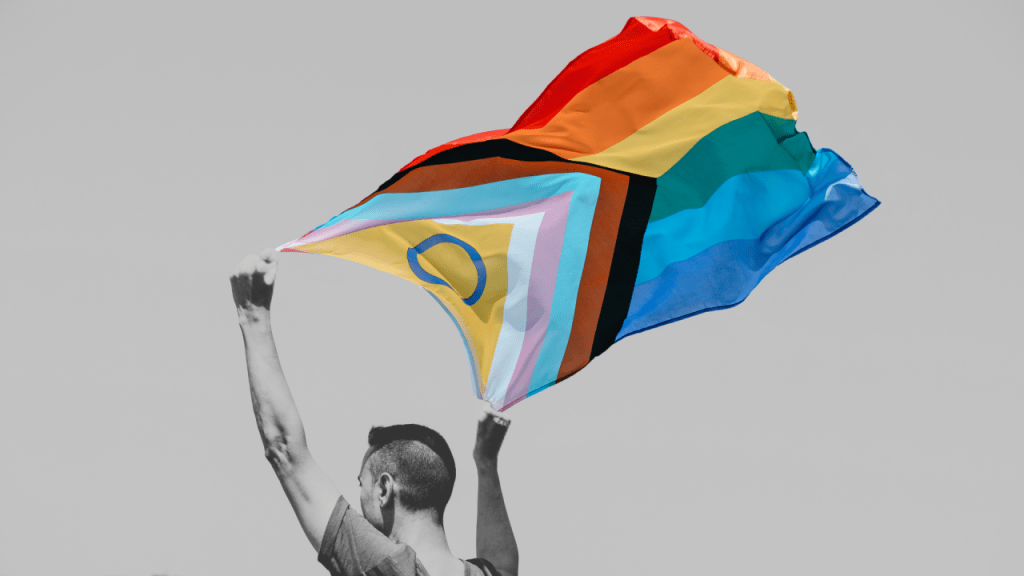
Today, we celebrate Pride with parades, with community, and yes, with joy—but we cannot forget the riot that began it. Nor can we ignore the threats we continue to face. In this current political climate, with a Republican administration openly hostile to LGBTQ+ rights, we are watching hard-won freedoms come under attack. Trans healthcare, anti-discrimination protections, even the right to teach honest history in schools are being stripped away state by state. Pride is not just a celebration—it is a protest. A defiance. A promise that we will not go back.

The Stonewall Riots were not polished, pretty, or corporatized. They were angry, spontaneous, and necessary. We owe our thanks to those brave souls who threw bricks, linked arms, and stood their ground. And we honor them best not just with rainbows—but with resistance.

So wear that shirt with pride: The First Pride Was a Riot. And remember why.

🏳️‍🌈⸻🏳️‍🌈

What does Pride mean to you this year? How do you honor the history while living in the now? Share your reflections in the comments below.


Male-Order Desire: The Bold Legacy of International Male

Long before Grindr profiles and Instagram thirst traps, gay men turned to other sources for affirmation, fantasy, and fashion. And for many, there was nothing quite like opening the mailbox to find the latest issue of International Male—a glossy, unapologetically flamboyant catalog filled with mesh shirts, tight pants, deep V-necks, and men whose smoldering stares made it very clear: this wasn’t just about buying clothes.

From its founding in the 1970s through its peak in the ’80s and ’90s, International Male became a low-key lifeline for gay men across America. And even if it never explicitly said the word “gay,” the message was clear: these clothes—and these bodies—were for you.

International Male was launched in 1974 by Gene Burkard, a San Diego-based entrepreneur with an eye for flamboyant fashion and emerging markets. His goal? To create a mail-order catalog for men who wanted more than just workwear and flannel. This was high-collared, disco-era glam for men who wanted to be seen—and desired.

Though never overtly labeled as gay, the catalog’s aesthetic left little doubt. Muscular male models posed in silky robes, sheer tank tops, and outrageously tight trousers, often in settings that felt more boudoir than boardroom. But because it was technically a fashion catalog, it flew under the radar. For closeted men in conservative towns, this was covert contraband—an acceptable, even respectable way to engage with queer desire.

At its peak in the 1980s and early ’90s, International Male had over 3 million customers. Its sister brand, Undergear, took things even further, focusing almost entirely on underwear and swimwear. Both catalogs were often tucked under beds, stuffed in gym bags, or secretly flipped through while pretending to look for a new blazer.

The magic of International Male was never really about the clothes. It was about fantasy. About possibility. About creating a world where men could be sexy, flamboyant, and free.

For gay men—especially those in the pre-Internet era—the catalog served as coded affirmation. It said, “You’re not alone.” It offered a vision of masculinity that didn’t have to be rugged or repressed. It could be styled, sensual, even sultry.

As queer studies scholar Shaun Cole writes in Don We Now Our Gay Apparel, catalogs like International Male offered not just fashion but “performances of masculinity” that pushed boundaries and created new scripts for how men could look and be seen.

Other Icons of Queer Print Culture

International Male wasn’t alone. There was a whole universe of catalogs, zines, and magazines that played pivotal roles in gay history:

Physique Pictorial (1951–1990)

Launched by Bob Mizer, this “fitness” magazine was the first to feature nearly nude muscular men in a semi-legit format. It helped launch the careers of models like Joe Dallesandro and inspired generations of artists, including Tom of Finland.

Honcho, Mandate, and Blueboy (1970s–1990s)

Glossy gay lifestyle and erotica magazines that blended porn, interviews, fashion, and personal ads. They gave gay men access to a world far larger and more glamorous than their own.

A&F Quarterly (1997–2003)

While technically a catalog for Abercrombie & Fitch, under Bruce Weber’s lens it became a bold, glossy celebration of homoerotic youth culture—shirtless boys in golden fields, bathed in natural light and coded desire.

Undergear

A spinoff of International Male, this catalog was even more explicitly erotic—offering thongs, jockstraps, sheer briefs, and loungewear photographed with far less subtlety.

BUTT Magazine (2001–2016)

Launched in Amsterdam, BUTT was an indie, raw, and refreshingly honest publication that celebrated gay sex, intimacy, and everyday life. Pink pages, candid interviews, and gritty photography made it a cult favorite.

The Argument for Art

As with erotic photography and gay porn cinema, there’s a growing argument that catalogs like International Male should be remembered not just as pop culture oddities but as legitimate artifacts of queer history and visual art.

They reflect the shifting landscape of male identity. They archive our fantasies, our insecurities, our attempts to be beautiful in a world that once told us we didn’t belong.

Today, collectors preserve International Male catalogs as kitsch, camp, and cultural gold. Exhibitions of old issues have appeared in queer history museums, and documentaries (like All Man: The International Male Story, 2022) are reclaiming the catalog’s legacy as both fashion history and queer resistance.

For many gay men, flipping through International Male was a ritual—a private moment of longing and laughter. It was how you discovered new shirts and new dreams. How you imagined a body that might one day be yours—or in your bed.

And perhaps that’s the enduring power of such catalogs and magazines: they made desire visible. They turned clothing into code, fashion into fantasy, and mail-order into memory.

So, here’s to International Male—to its satin shirts, its sultry stares, its sneaky subversiveness. It was never just about the clothes. It was always about the possibility of being seen.

Further Reading and Viewing


Pride in Every Stroke: Gay Art Since 1970

Duane Michals, Male figure holding book, date unknown.

When the first Pride parade marched through New York City in June 1970—commemorating the one-year anniversary of the Stonewall uprising—it marked not only a political turning point but also an artistic awakening. No longer confined to coded symbolism or covert expression, gay pride began to blaze through the art world in bold, unflinching forms. Over the next six decades, LGBTQ+ artists harnessed the power of visibility to challenge oppression, celebrate desire, mourn loss, and imagine futures beyond shame.

The 1970s: Visibility and Liberation

David Hockney, Portrait of an Artist (Pool with Two Figures), 1972.
David Hockney, Peter Getting Out of Nick’s Pool, 1966.
David Hockney, Domestic Scene, Los Angeles, 1963.
David Hockney, Man in Shower in Beverly Hills, 1964.
David Hockney, Nude, 1957.

Hockney is known for his vibrant use of color, innovative techniques, and significant contributions to the Pop Art movement. He infused his work with subtle but powerful depictions of gay male intimacy. His 1971 painting Portrait of an Artist (Pool with Two Figures) captured not just a sunlit pool but a relationship dynamic—gaze, distance, vulnerability. It remains one of the most iconic queer paintings of the 20th century. Educated at the Royal College of Art in London, Hockney became celebrated for his depictions of California life, especially his swimming pool series such as Peter Getting Out of Nick’s Pool (1966). His artistic practice spans painting, drawing, printmaking, photography, stage design, and digital art, including pioneering work with iPad drawing apps. Openly gay, Hockney’s works often explore themes of intimacy, domestic life, and sexuality, and his expansive career has solidified him as one of the most influential artists of the 20th and 21st centuries.

Duane Michals, The Most Beautiful Part of a Man’s Body, 1974.
Duane Michals, Narcissus, 1985.
Duane Michals, He burned the letter that brought him the news that he was loved no more, date unknown.
Duane Michals, Moment of Perfection, c. 1980.
Duane Michals, Man Carrying a Chair, 1982.
Duane Michals, A Gigantic Beauty of a Stallion, from The Series Salute To Walt Whitman, 1970.
Duane Michals, Back Talk, 1970s.
Duane Michals, Take One and See Mt. Fujiyama, 1976.

Duane Michals (1932- ) is an influential American photographer renowned for his innovative use of photographic sequences and handwritten narratives that create intimate and poetic visual storytelling. Often blending dream-like imagery with deeply personal themes, Michals pushed beyond traditional documentary photography, favoring staged scenes to explore metaphysical questions, mortality, and human emotion. He used photographic sequences to tell poetic, often erotic, visual stories—like his haunting piece The Most Beautiful Part of a Man’s Body (1974), which explored vulnerability and sensuality through layered narrative. Michals’ pioneering approach profoundly impacted contemporary photography, emphasizing that imagery could embody not only what is seen, but also what is felt, imagined, or deeply desired.

The 1980s–90s: Art in the Shadow of AIDS

As the AIDS crisis devastated the LGBTQ+ community, artists responded with fury, grief, and resilience.

Keith Haring, Silence Equals Death, 1989.
Keith Haring, Untitled, 1981.

Keith Haring (1958-1990) was a groundbreaking American artist whose bold, neon-outlined figures transformed urban spaces and gallery walls into vibrant canvases filled with queer joy and political urgency. Rising to prominence in the 1980s New York art scene, Haring used accessible imagery and public spaces—including subways and street murals—to communicate powerful messages on sexuality, AIDS awareness, and social justice. His iconic Silence = Death imagery became a rallying cry against apathy and inaction, galvanizing activism during the AIDS epidemic and amplifying voices within the LGBTQ+ community. Haring’s energetic style and activist spirit continue to resonate, ensuring his legacy as an artist who merged exuberant creativity with fearless advocacy.

David Wojnarowicz, Untitled (One Day This Kid…), 1990.

David Wojnarowicz (1954-1992) was a fiercely confrontational American artist, writer, and activist whose work channeled the raw power of queer rage into searing critiques of homophobia, censorship, and government inaction during the AIDS crisis. Emerging from New York’s East Village art scene in the 1980s, Wojnarowicz worked across media—painting, photography, film, and text—to expose the violence and vulnerability of queer existence. His iconic piece Untitled (One day this kid…) (1990) juxtaposes a childhood photo of himself with a prophetic, damning text that lays bare the grim realities faced by queer youth in a hostile world. Unapologetically political and deeply personal, Wojnarowicz’s art remains a visceral reminder of both the pain and defiance at the heart of queer survival.

NAMES Project AIDS Memorial Quilt

The NAMES Project AIDS Memorial Quilt, begun in 1987, now contains over 50,000 panels. It is both a work of art and a massive, tangible act of remembrance and protest.

2000s–Present: Intersectionality and Expanding the Frame

In recent decades, Pride in art has become more expansive, intersectional, and experimental.

Zanele Muholi, a South African visual activist, documents Black LGBTQ+ life through dramatic portraiture. Their series Faces and Phases offers a powerful visual archive of queer resilience. Mickalene Thomas reclaims the Black female body in rhinestone-studded paintings and photographic tableaux. Her work unapologetically fuses queerness, glamour, and political assertion. See Le déjeuner sur l’herbe: Les Trois Femmes Noires (2010), a reimagining of Manet’s painting through a queer, Black feminist lens. Cassils, a transgender performance artist, uses their body in durational, often physically intense works. In Becoming an Image, they strike a clay block in darkness while a camera flash records the violence—a metaphor for queer visibility and embodiment. Juliana Huxtable, a Black trans artist, poet, and performer, combines Afrofuturism, photography, and digital media to challenge fixed identities. Her self-portraits—gender-fluid, mythic, fierce—embody queer futurity.

Kehinde Wiley, Sleep, 2008.

More Artists to Explore

  • Robert Mapplethorpe – his black-and-white male nudes remain some of the most iconic (and controversial) queer images in American photography.
  • Kehinde Wiley – while not exclusively queer-themed, his work often presents Black men in romantic or intimate poses, reclaiming both history and homoerotic aesthetic.
  • Hunter Reynolds – an AIDS activist and visual artist whose performance pieces and memorial works carry immense emotional and historical weight.
  • Gilbert Baker – not only an artist, but the designer of the rainbow flag itself, one of the most enduring symbols of queer pride.

Pride as Resistance and Renewal

From murals to fashion, fine art to graffiti, queer art since 1970 has told the story of a people who refused to be erased. Pride in art has been about more than beauty—it has been about survival, protest, celebration, and memory.

As Pride Month continues, remember that the movement is not only political—it is also creative. And in every painting, photograph, poem, and performance, LGBTQ+ artists have asked the world to see them not just as survivors—but as visionaries.


Before the Parades: Gay Pride in Art and Artistic Expression

“Braschi Antinous”, also known (wrongly) as Albani Antinous, the statue is composed of an antique head of Antinous and an antique body of Hercules, 2nd century AD, (Louvre Museum)

While the concept of Gay Pride as we know it—public marches, rainbow flags, and open celebration of LGBTQ+ identity—is a relatively recent phenomenon, the spirit of gay pride has long found expression through art. For centuries, queer individuals used artistic media to celebrate same-sex desire, intimacy, and identity in ways that defied societal norms and preserved a sense of dignity and joy. Long before the world was ready for open affirmation, LGBTQ+ artists—and their allies—used beauty, symbolism, and coded language to proclaim their existence and their worth.

Ganymede, Rome, 2nd century CE. (Vatican Museums, Rome)

Art has always provided a refuge for queer expression, especially in eras and regions where same-sex love was criminalized or pathologized. From the sensual male nudes of classical antiquity to the romantic portraits of Renaissance companions, art offered what public discourse denied: a space to affirm beauty and love between men. The sculptures of ancient Greece and Rome—Apollo, Ganymede, Antinous—didn’t just celebrate form; they canonized homoerotic ideals in marble and bronze. Even when later societies sought to suppress these themes, artists returned to them time and again, as if retrieving a sacred truth buried beneath centuries of shame.

David and Jonathan. Samuel & Pharaohs Daughter and the Infant Moses from Simeon Solomon’s 1854 Sketchbook (Jewish Museum London)

During the 19th century, artists such as Simeon Solomon in Britain and Wilhelm von Gloeden in Italy dared to depict love between men with unmistakable tenderness and eroticism. Solomon’s watercolors of biblical figures—David and Jonathan, Ruth and Naomi—recast religious stories as queer allegories, while von Gloeden’s photographs of young men in Sicily, staged in classical poses, cloaked desire in the guise of nostalgia and antiquity. Their works were often persecuted, sometimes destroyed, but they endure today as testimonies of queer pride in the face of rejection.

Photograph titled “Pastoral Idyll,” Wilhelm von Gloeden, 1913 (Private Collection)

In the 20th century, as queer identity began to coalesce into more defined social and political movements, art took on a sharper edge. Artists like Keith Haring and David Wojnarowicz turned pride into protest. Their works channeled anger, loss, celebration, and eroticism in ways that were unapologetically queer—bold lines, graphic imagery, public installations, and furious calls to action during the AIDS crisis. At the same time, the poetry of Audre Lorde, the paintings of Paul Cadmus, and the photography of Robert Mapplethorpe revealed the many facets of queer life—from intimacy and sensuality to community and struggle.

“Untitled (565), Paul Cadmus, 1968, (Originally, the property of actor, cabaret singer, and Paul Cadmus’ muse and lover, Jon F. Anderson)

What unites these expressions across time is a fundamental belief: that same-sex love is beautiful, worthy of representation, and part of the human story. Whether through coded glances in Renaissance paintings or blazing neon activism in contemporary murals, gay pride has always found a way to speak. Even when silenced, it painted itself into the margins, waiting for a world that could see it clearly.

Apollo, Baccio Bandinelli, 1548 – 58, (Boboli Gardens)

Today, we celebrate openly. But let us also remember and honor those who celebrated in secret—those who, through brushstroke and verse, camera and chisel, gave voice to a pride they couldn’t proclaim aloud. They remind us that Pride is not only about visibility, but also about creation. And art, in all its forms, remains one of the truest expressions of queer existence and resilience.


A Shameful Gesture in Pride Month

I’ll be honest—I’m angry.

This week, Defense Secretary Pete Hegseth announced that the Navy will be renaming the USNS Harvey Milk. Let that sink in. During Pride Month—a time when we reflect on the courage and contributions of LGBTQ+ individuals—he chose to strip Harvey Milk’s name from a Navy ship. It’s hard to see this as anything but a deliberate and deeply cynical move.

For those who don’t know, Harvey Milk wasn’t just a gay icon—he was a Navy veteran. He served this country. He wore the uniform. And after being discharged during an era when being openly gay meant exile or worse, he went on to become the first openly gay elected official in California. He fought for equality with both passion and integrity, and ultimately gave his life for the cause of justice and representation.

When the USNS Harvey Milk was christened, it felt like a small but meaningful step toward acknowledging that queer Americans have always served—often in silence, often in danger, always with dignity. That ship’s name stood for something more than just metal and machinery. It honored visibility, service, and sacrifice.

To remove that name—during Pride Month, no less—isn’t just tone-deaf. It’s cruel. It’s shameful. It’s part of a larger effort we’re seeing to roll back the clock on diversity, inclusion, and basic decency. This isn’t about strengthening the military. It’s about erasing queer people from the story of America. It’s about rewriting history in a way that suits a narrow, regressive agenda.

We’re told this has something to do with restoring “warrior ethos” and “core values.” But here’s what I know: real strength includes empathy. Real warriors fight for all people, not just the ones who look or love like them. Real leadership doesn’t cower behind performative patriotism—it uplifts the truth, even when that truth makes some people uncomfortable.

Secretary Hegseth’s record already includes a DUI arrest and a long list of questionable decisions. But this one? This feels personal. This feels targeted. This feels like a slap in the face to every queer person who has ever served this country and to everyone who continues to fight for equality and recognition today.

Harvey Milk once said, “Hope will never be silent.” And neither should we.

So no, we’re not going to sit quietly while our heroes are erased. We’re not going to accept Pride Month as a time for symbolic gestures and empty rainbows while the actual legacy of LGBTQ+ people is being dismantled. We’re going to keep remembering. We’re going to keep speaking. And we’re going to make damn sure that the name Harvey Milk is never forgotten.


Edmund White: Illuminating the Path of Gay Awakening Through Literature

Yesterday, the literary world bid farewell to Edmund White, a pioneering voice in queer literature, who passed away at the age of 85 in his Manhattan home. His death marks the end of a prolific career that not only chronicled the gay experience but also profoundly influenced countless individuals’ journeys toward self-discovery and acceptance.

Born in Cincinnati in 1940 and raised in Evanston, Illinois, White’s early life was marked by the societal pressures of conformity. Despite being accepted to Harvard, he chose to study Chinese at the University of Michigan to remain close to a therapist who promised to “cure” his homosexuality—a reflection of the era’s prevailing attitudes. This personal struggle became a cornerstone of his literary work, providing an authentic lens through which he depicted the complexities of gay life.

White’s debut novel, Forgetting Elena (1973), received acclaim from literary figures like Vladimir Nabokov. However, it was A Boy’s Own Story (1982) that solidified his place in literary history. This semi-autobiographical novel, the first in a trilogy, offered an unflinching portrayal of a young man’s coming-of-age and grappling with his sexual identity in mid-20th-century America. The trilogy continued with The Beautiful Room Is Empty (1988) and concluded with The Farewell Symphony (1997), each delving deeper into the evolving landscape of gay life.

In 1977, White co-authored The Joy of Gay Sex with Dr. Charles Silverstein. This groundbreaking manual combined candid discussions of sexual practices with insights into gay culture, politics, and relationships. At a time when such topics were taboo, the book served as both a practical guide and a bold statement of affirmation for the gay community.

White’s commitment to visibility extended beyond his writing. He was a founding member of the Violet Quill, a group of gay writers who sought to create literature that authentically represented their experiences. Additionally, he co-founded the Gay Men’s Health Crisis in 1982, the first organization dedicated to addressing the AIDS epidemic, demonstrating his dedication to activism and community support.

White’s influence permeated both literature and academia. He taught creative writing at institutions like Brown and Princeton, mentoring a new generation of writers. His literary contributions earned him numerous accolades, including the PEN/Saul Bellow Award for Achievement in American Fiction and France’s Ordre des Arts et des Lettres.

Beyond awards, White’s true legacy lies in the personal awakenings his work inspired. By articulating the nuances of gay identity with honesty and artistry, he provided readers with a mirror to see themselves and a window into the broader human experience. His narratives offered solace to those grappling with their identities and challenged societal norms, fostering greater understanding and acceptance.

As we reflect on the impact of pop culture on personal identity, as discussed in yesterday’s blog post, Edmund White’s contributions stand as a testament to the power of storytelling in shaping self-awareness and cultural perception. His voice may be silenced, but his words continue to resonate, guiding many on their paths to self-discovery.

Rest in peace, Edmund White. Your stories have illuminated the path for countless others.


Awakenings in the Dark: How Pop Culture Lit the Way for Generations of Gay Men

This post probably does not fit my usual art history post, but as I was thinking about the art of the male nude throughout the ages, I thought about the moment many gay men can point to—not always with words, but with a scene, a song, a sensation. A flicker of something electric, confusing, and undeniable. A man on a screen, a model in an ad, a lyric that hit too close. We call these gay awakenings. They rarely arrived with clarity, but they lingered, imprinted deep in the memory. They were the first time something inside whispered, That. I want that. Were their moments like that for men throughout history? Surely it was not a 20th century phenomenon, but we don’t have historical evidence since men rarely left behind evidence of their same sex attractions, especially not what sparked them. 

However, we do have evidence of what sparked gay awakenings in the 20th and 21st centuries. These moments shifted over the decades, shaped by the media of the time. Yet across generations—from Baby Boomers to Gen Z—the need was the same: a glimpse of oneself, not necessarily as the man on screen, but in the wanting of him.

For gay men growing up in the 1950s and ’60s, the world was rigid, policed, and wrapped in postwar propriety. But desire, as it always does, found cracks to seep through. That first pulse of awareness might’ve come while watching Elvis Presley swing his hips across a black-and-white TV screen on The Ed Sullivan Show. It might’ve flickered during a particular heartthrob in a movie: a Rock Hudson melodrama, Cary Grant in almost anything, Marlon Brando’s famous shirtless scenes as Stanley in A Streetcar Named Desire or Marc Antony in Julius Ceasar, maybe it was James Dean or Tab Hunter. Even if the smiles of these movie stars were aimed at women, it didn’t matter. It was that moment when you realized, I’m attracted to him and not her. It’s a moment you can’t get out of your head and know that you need to see more of it.

These early awakenings were subtle, even silent. There were no gay characters on sitcoms, no Pride ads in June. But for a boy watching from his living room in the heartland, something stirred. Not quite nameable yet—but real.

By the time Gen X came of age in the ’80s and ’90s, the closet still loomed, but the culture had begun to shift. It was easier to access desire—though often through coded or carefully curated channels. A single moment, burned into the memories of many: Ryan Phillippe, naked, stepping out of the pool and showing his perfectly round little butt in Cruel Intentions. Dripping, glistening, camera lingering. For an entire generation, that was it. The scene that turned curiosity into hunger.

But it wasn’t just Phillippe. Mark Wahlberg’s Calvin Klein ads—shirtless, groping himself, caught in a mix of menace and seduction—lit up billboards and bedroom walls. In films like My Own Private Idaho, River Phoenix’s quiet, aching portrayal of love between men became a poetic kind of longing. These weren’t just pretty faces. They were emotional mirrors. My earliest such moments were probably either Harry Hamlin in Clash of the Titans or seeing Jose Canseco playing for the Oakland Athletics in the World Series. It started me collecting baseball cards. I can remember getting baseball cards from a cereal box one time and one of the cards was of Ryne Sandberg, who played for the Chicago Cubs. But still nothing cemented that knowledge that I had innate desires that could not be quelled like Cruel Intentions. Seeing Ryan Phillippe, naked, stepping out of that pool! Who cared if he was doing it to entice Reese Witherspoon? I sometimes forget there were women in the movie, especially with the scene of Greg McConnell (played by Eric Mabius) and Blaine Tuttle (played by Joshua Jackson) being caught in bed together. 

Millennials, too, found themselves through media, often somewhere between Tiger Beat and Tolkien. Orlando Bloom’s Legolas—the long hair, the soft voice, the bow taut with tension—captured the hearts of queer teens who didn’t yet know how to articulate why. Brad Pitt, shirtless and boyish in Thelma & Louise, became another kind of icon: all-American, sunlit, and openly objectified. TV shows like Buffy the Vampire Slayer blurred the lines even more. Angel and Spike weren’t just crushes—they were obsessions. Dangerous, beautiful men in leather with tortured pasts? For many, it was the perfect metaphor for closeted longing.

These awakenings were both erotic and emotional. They offered not just something to look at, but someone to feel through—long before there were gay storylines, there were boys and men who lived in our imaginations, held close in the safest, quietest corners of ourselves. And then came Gen Z—digital natives raised in a world where queerness was no longer only subtext, but storyline.

For many, Call Me by Your Name marked a watershed. Timothée Chalamet’s Elio was delicate, curious, and wholly queer in his desires. His aching love for Oliver wasn’t a tragedy—it was treated with reverence. Suddenly, queerness wasn’t just tolerated; it was cinematic, sun-dappled, and wrapped in classical music. Shows like Heartstopper carried the torch further, giving Gen Z something previous generations never had: visibility that was joyful. Awkward handholding, nervous smiles, first kisses that felt earned. This wasn’t subversion—it was celebration. 

In music, Troye Sivan crooned openly about blooming into desire, backed by visuals that were lush, erotic, and defiantly gay. Even Shawn Mendes, unintentionally or otherwise, became a fixation—his sensitivity and softness standing in contrast to the hard-edged masculinity of previous eras. For Gen Z, the awakening didn’t have to be hidden. It could be shared, tweeted, TikToked. And while every personal journey is unique, there’s comfort in knowing you’re not the only one who paused the movie, rewound the scene, or stared a little longer than you were “supposed” to.

These weren’t just crushes. They were compass points. They told us what we desired, yes—but also what we feared, what we yearned for, and what we might one day become. In eras when queerness was unspeakable, these awakenings whispered, You’re not alone. Sometimes that whisper came from a jock in a magazine ad. Sometimes from a vampire in a leather coat. Sometimes from a boy in the back row who looked at you just a second too long. But they all left a mark. And for many of us, that first flash of longing—in the flicker of a television screen or the fold of a catalog page—wasn’t just the start of desire. It was the beginning of truth.

While I know I could never name every example, here’s a curated selection of some of the most iconic gay awakening clips and ads:


Brawn, Leather, and Liberation

Untitled, by Tom of Finland

In the pantheon of queer visual culture, few images are as iconic—or as unapologetically homoerotic—as the bulging, leather-clad figures drawn by Tom of Finland. With their impossibly broad shoulders, exaggerated musculature, and conspicuous bulges, these hypermasculine men were more than just fantasy: they were acts of artistic rebellion, crafted at a time when queer desire had to be hidden in the shadows. But Tom of Finland (born Touko Laaksonen) was not alone in reshaping how gay masculinity was imagined and celebrated in visual art. He belonged to a wider aesthetic tradition that blurred the lines between eroticism, protest, and artistic expression.

Untitled, by Tom of Finland

Tom of Finland began publishing his drawings in the 1950s, first in American beefcake magazines under pseudonyms before gaining cult status within underground gay circles. His men were not just naked—they were powerfully naked. Whether sailors, bikers, cowboys, or police officers, these figures projected confidence, dominance, and sexual agency. This was a deliberate rejection of earlier depictions of gay men in visual media, which often painted them as effeminate, sickly, or criminal.

Untitled, by Tom of Finland

Rather than conform to heteronormative expectations, Tom exaggerated the masculine archetype to subvert it. Muscles were drawn just shy of absurdity. Genitalia, while rarely fully exposed in early works due to censorship, were always implied to be monumental. Clothing—tight jeans, uniforms, leather—clung to bodies with sculptural precision. In this world, queerness was not weak or shameful, but fiercely virile.

Rainbow Falls, by George Quaintance

Tom of Finland was not the first to explore the muscular male form as an object of desire, though he certainly popularized it within queer culture. Earlier artists such as George Quaintance—whose idyllic, soft-lit scenes of sun-kissed ranch hands and swimmers in the 1940s and ’50s also blended classical idealism with homoerotic themes—helped lay the groundwork. Quaintance’s men were more polished and posed, evoking Greco-Roman statuary, but they shared with Tom a fascination with male beauty and strength.

Havasu Creek, George Quaintance
Morning in the Desert, George Quaintance

Others in this lineage include Etienne (Dom Orejudos), known for his bondage-tinged illustrations, and more contemporary artists like Robert Mapplethorpe, whose photographic studies of the male body in the 1970s and ’80s, gave fine art legitimacy to explicitly sexual gay imagery. These artists collectively expanded the visual vocabulary of masculinity—and queer masculinity in particular—by daring to eroticize it on its own terms.

Untitled, by Etienne (Dom Orejudos)

The hypermasculine male nude was, and still is, more than just visual titillation. For many gay men—especially those emerging from the post-WWII era through the gay liberation movement of the 1970s—these images were lifelines. In a world that demonized or erased queer identities, these artworks created an imaginative space of strength, desire, and belonging.

Dan S., 1980, by Robert Mapplethorpe

Tom of Finland’s drawings inspired a sense of pride at a time when few public role models existed. His men weren’t victims or martyrs—they were in control. They gazed back at the viewer with a smirk, not shame. Leather culture, which Tom helped popularize, became a defiant and communal expression of this ethos, evolving into an entire subculture with its own codes, rituals, and aesthetics.

Untitled, by Tom of Finland

Today, the hypermasculine aesthetic pioneered by Tom of Finland and his artistic descendants is both celebrated and interrogated. On one hand, his work has been embraced by museums and collectors, with the Tom of Finland Foundation preserving his legacy as both art and activism. On the other hand, critics have raised important questions about body ideals, race, and inclusivity within this visual tradition.

Shore Leave, George Quaintance

Nonetheless, Tom’s work endures because it dared to imagine a world where gay men could be powerful, erotic, and unashamed—all at once. For those who still find strength in the curvature of a flexed bicep, the gleam of a leather cap, or the tilt of a winking smile, these images remain potent reminders that desire can be both beautiful and bold.

____________________________________________________________

About the Artist: Tom of Finland (Touko Laaksonen, 1920–1991)
Born in Finland, Touko Laaksonen served in the Finnish Army during World War II before working as a graphic designer. His first drawing was published in Physique Pictorial in 1957. Over his lifetime, he created thousands of images that celebrated queer desire with explicit muscular masculinity. In 1984, he co-founded the Tom of Finland Foundation in Los Angeles to preserve and promote erotic art. His legacy continues to influence fashion, photography, and LGBTQ+ visual culture globally.

Untitled, by Tom of Finland

While this last one might be Untitled, I think the message is clear, “Fuck the World.” This image is not merely erotic; it is symbolic. The man doesn’t hide; he dominates the universe with sensual confidence. In a time when queer lives were marginalized and criminalized, Tom of Finland dared to draw a world where desire could orbit freely—where the weight of the world was no burden, but a thing to be held with love and strength.