Category Archives: News

Easter Monday

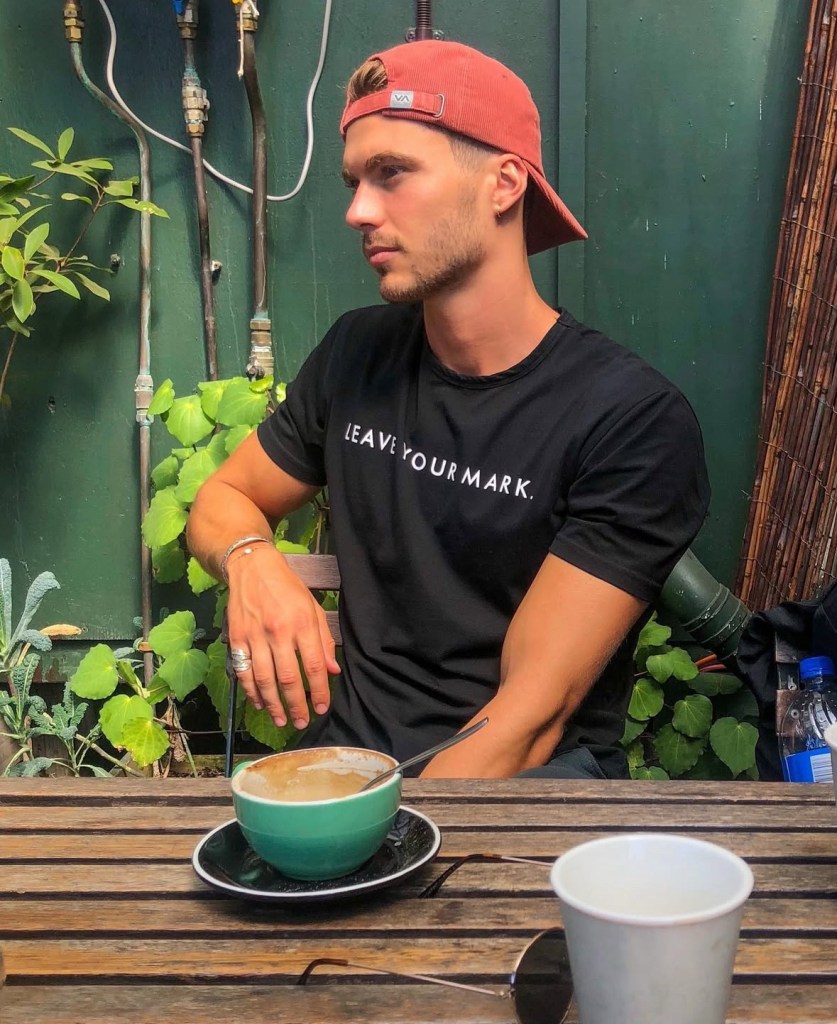
I am not Catholic, but I know many of you are. I know the news of Pope Francis’s death is affecting many today. Francis seemed to try to make the Catholic Church more welcoming and inclusive, and I know there are those who believe he did not do enough. I hope the cardinals will elect a pope who will push harder for reforms and to do more against the abuses of the church through the years. I fear they won’t, but I hope they will. My condolences today to all my Catholic friends out there. As the t-shirt on the man above says, I think Pope Francis did leave a mark on Catholic history.

In a more personal and different note, I’m having an ultrasound of my liver this morning. The blood test conducted while I was in the hospital and the CT scan that I had, showed some worrying numbers. I had already known that I have fatty liver disease, but I’ve been working on exercising more and being more careful with my diet. The CT scan showed that fatty liver may have caused some fibrosis, and so the doctors ordered a liver ultrasound and liver elastography to assess for fibrosis. I’m not too worried about this. When I saw my doctor last week, he said the numbers in my blood tests did not show signs of fibrosis, and he thought the severe numbers they saw at the hospital were because I was so sick. However, he wanted me to still have the ultrasound to be certain.

In other news, this is the last week of classes. While I have enjoyed teaching this class, it has been a lot of work. I hope I will teach this class again in the future now that I have the basics created for it. I have one more lecture tomorrow which I plan to be more of a discussion than a lecture, then it will be all about grading to finish things up.

I hope everyone has a great week! Again, my condolences to my Catholic friends out there.


Flooding

Yesterday was the one year anniversary of major flooding in Vermont. Also yesterday, the remnants of Hurricane Beryl came through Vermont, and we are once again dealing with widespread flooding. For the most part, it doesn’t seem as bad as last year; however, in the small town where I live has three bridges washed out. Last year, my town was lucky and did not have the flood damage seen in much of the state, but all roads leading out of town were closed for several days due to flooding.

According to the local news and the Vermont Department of Transportation, my usual route to work is closed this morning due to “multiple washouts.” I have an alternate route that is currently not closed (as far as I know) though it was closed last year due to flooding. So, it looks like I’ll be able to get to work. Rest assured, I will be careful, and I will not drive through water over the road way. If it looks sketchy, I will not risk it. 

It’s amazing that exactly one year later, we are experiencing some of the same flooding as before. Anyone who does not believe in global warming and its impact needs only to look at places like Vermont. Floods used to be rare in Vermont, now they are yearly. Hurricanes and their remnants rarely reach Vermont, yet we’ve seen major flooding numerous times over the past year alone. July and December of last year and July again this year saw major flooding in areas of Vermont.


Monkeypox: A Rise and Fall

In my email this morning was my New York Times daily newsletter. I don’t always read the NYT newsletters, but this on peaked my interesting because the title was “What happened to monkeypox?”, and I recently got my first dose of the monkeypox vaccine. By the way, the actual vaccination was very easy, and I barely felt anything. In fact, the doctor who gave it to me remarked on how well I did and that I didn’t even flinch. However, that was two weeks ago, and there is still a raised red blemish where I received the injection. Supposedly, this is the most common side effect, and the only one I had with the first dose. I go back at the end of the month for my second dose.

Anyway, so back to the newsletter titled “What happened to monkeypox?”. Back in June, monkeypox regularly made headlines as a major new disease outbreak. Since then, it largely disappeared from the news. So, what did happen? The simple answer is that the virus receded. Since a peak in early August, reported monkeypox cases in the U.S. have fallen more than 85 percent. Monkeypox shows us how effective a well-received vaccination rollout can accomplish so much. 

The NYT gave several explanations for why there was a decline. Ultimately, monkeypox in the U.S. has been contained to a narrow demographic, mostly gay and bisexual men with multiple partners. It was never very deadly; there were just 28 confirmed deaths globally out of more than 72,000 reported cases. Experts say that four factors explain monkeypox’s decline. First, vaccines helped slow the virus’s spread (despite a rocky rollout). Second, gay and bisexual men reduced activities, such as sex with multiple partners, that spread the virus more quickly and the third reason is related, the Pride Month effect. Monkeypox began to spread more widely around June, when much of the world celebrated LGBTQ+ Pride. Beyond the parades and rallies, some parties and other festivities involved casual sex. As the celebrations dwindled, so did the increased potential for monkeypox to spread. And finally, the virus simply burned out. Monkeypox mainly spreads through close contact, making it harder to transmit than a pathogen that is primarily airborne, like the coronavirus. The monkeypox virus is self-limiting virus, which makes it less likely to grow into a larger outbreak.

Much of this explanation may sound familiar after more than two years of Covid: A virus can be tamed by vaccines and behavioral changes. Two more reasons worth noting. First, public health officials provided a clearer and more unified message. During COVID, officials sometimes gave unclear or misleading guidance because they did not trust the public with the truth. At first, officials were cautious about labeling monkeypox as a “gay disease” because of the response to the AIDS epidemic and the discrimination and stigma it created for the gay community. The initial response was slow because of this. 

After the World Health Organization’s director general said that men who have sex with men should consider limiting their number of sexual partners, public health officials began tailoring their warnings toward gay and bisexual men. The C.D.C. and New York City’s health department echoed the guidance. A factor that the NYT did not seem to mention in its report is that gay men are more likely to listen to health warnings because of the lessons learned during the AIDS epidemic. And it appeared to work. Monkeypox cases began to decline. That shift in public messaging enabled two of the four factors I explained earlier, as officials targeted gay and bisexual men for vaccine drives, and men who have sex with men limited riskier activities. But the clearer guidance came after weeks of criticism, exposing a habit of unclear messaging that keeps the country vulnerable to health crises.

While Vermont was a leader in their COVID response, largely keeping the numbers low during the pandemic (with a few exceptions), they were lacking in their monkeypox response. There is one major reason and one anecdotal reason, that is my opinion only. The major reason is that there were very few cases of monkeypox in Vermont. The anecdotal reason is that we have fewer gay men. Lesbians outnumber us greatly. The initial Vermont response was that only gay men who had come into contact with someone exposed to monkeypox should receive the vaccination, which seemed to me like it would be too late. Eventually, the state health officials widened the access to any gay men in the state. However, while COVID vaccines were readily available, monkeypox vaccines were available at pop-up clinics organized by LGBTQ+ organizations in Vermont and Planned Parenthood. I went to a Planned Parenthood office for mine. As an aside, I have never met a nicer, more helpful, or more efficient medical practice than this Planned Parenthood.

As for monkeypox’s decline, no one know what might happen next as human behavior is unpredictable. That uncertainty opens the possibility that monkeypox could spread again. People most in danger of contracting the virus may skip the vaccine because its spread has slowed, or they could resume risky activities too soon before cases are low enough to stop another outbreak. Or another major event, like next year’s Pride Month, could bring monkeypox back.

And the virus still regularly spreads in western and central Africa, where it was first found in humans and has never been fully contained — putting it one flight away from the U.S. or Europe. Here’s the good news: This year’s outbreak has made officials take monkeypox more seriously. So, if it does come back, the country may be more prepared to deploy vaccines and take other steps to fight it. But success depends on how people react.

Another bright side is that if there is an outbreak of smallpox (unlikely but not impossible), many gay men would be vaccinated against smallpox as well, since JYNNEOS (the vaccine’s proper name) pretexts against both smallpox and monkeypox.


Only In Vermont 🏳️‍🌈

I often say, “Only in Vermont,” and when I say it, I am often rolling my eyes. While I said it this time, it was a very good and heartwarming statement. Vermont is a unique place. The state is 49th in population among the 50 states and ranks below Puerto Rico and the District of Columbia. It only beats out Wyoming among the states and the territories of Guam, U.S. Virgin Islands, Northern Mariana Islands, and American Samoa among the territories. The state has the smallest state capital, Montpelier. While it may have a small population, it’s a very vocal population who loves a good cause to get behind. The state also loves its eccentricities, which is evident by the number of “Keep Vermont Weird” bumper stickers you see on cars. While the state ranks third in the largest percentage of LGBTQ+ adults at 5.3 percent (higher than the national average of 4.5 percent), there are no gay bars in Vermont, though there are plenty of gay-friendly establishments.

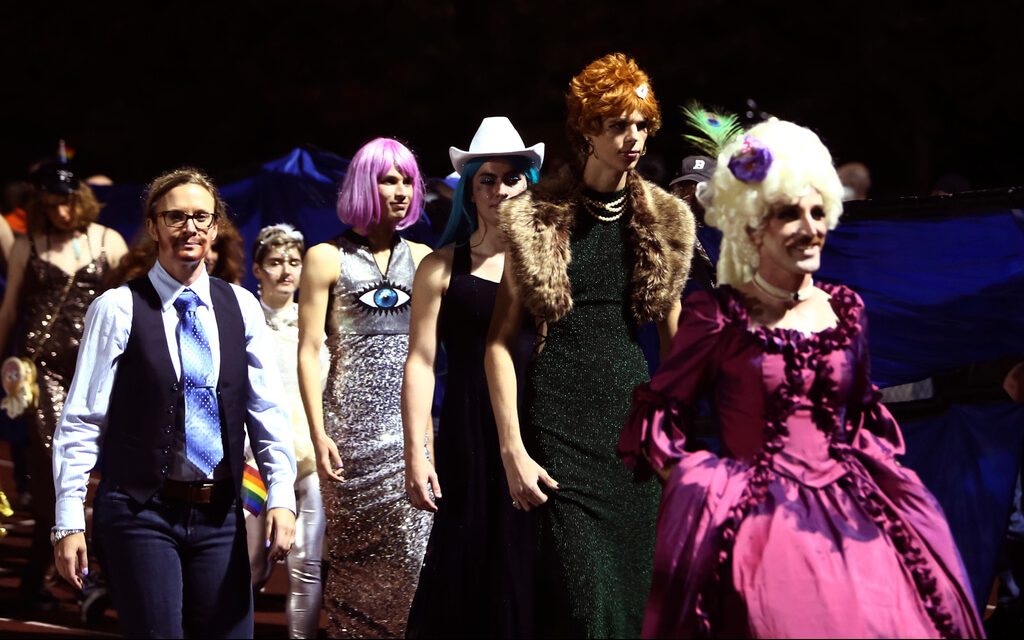
So, it is not surprising that a crowd went wild at a Vermont high school homecoming football game as they cheered on a halftime show that transformed the field into a fabulous drag ball. Both faculty and students from Burlington High School strutted across the field as drag queens and kings. They wore colorful wigs, sparkly ensembles, feather boas, knee-high boots, and more. For the highly anticipated event (it was all over the news in Vermont), the spectators packed into the stands were dressed head to toe in rainbows and waved Pride flags as they excitedly chanted, “Drag Ball.”

Each of the approximately 30 performers had their moment to spin and twirl for the crowd. The group also performed a lip sync to “Rainbow Reign” by Todrick Hall. “Things went amazing,” Ezra Totten, student leader of the Gender-Sexuality Alliance, told The Associated Press. “The stands were completely packed. … It was just so heartwarming to see.” The drag ball was the brainchild of English teacher Andrew LeValley, an adviser to the Gender-Sexuality Alliance.

“I was just really hoping to give our students — who are both out and the students that were in the stands who are not out — a moment to shine and feel loved and know that there is a place for them in public schools,” LeValley said. LeValley felt it was important to hold the event at a football game to send the message that everyone should be welcome in all types of spaces. “We have to assume that there are LGBTQ folks everywhere, which include[s] really masculine spaces,” LeValley told local Vermont publication Seven Days. “Why does this space have to be one way or the other? It can be both, and there’s beauty and benefits in having it be both.”

Adalee Leddy, a student at Burlington High School who attended the game, told Seven Days the show was “absolutely amazing.” Totten added that now that they have seen the joy it brought, the group hopes the drag ball will happen annually. “It shows the Burlington community is there for each other,” Totten said.

Vermont loves their drag shows, as evident by the number of people who pack in to attend the annual Winter Is a Drag Ball. The Drag Ball is the social highlight event of the winter season. Bringing in drag queens and kings, musicians, dancers, and performance artists together raising hundreds of thousands of dollars to support local HIV/AIDS-related organizations. Though it was virtual in 2021, a lot of Vermonters are hoping it will be back in-person in 2022. Until then, I was happy to see that Burlington High School put on their own successful Drag Ball. I’m happy that I live in a state where a Homecoming football game featured a much appreciated Drag Ball, and that the highlight of the winter social season is also a Drag Ball. Let’s not forget, the Burlington area also elected one of its most popular drag queens, Nikki Champagne, aka Taylor Small, to the state legislature where she has done a remarkable job representing all of Vermont.


A Tragedy in Iran

Alireza Fazeli-Monfared

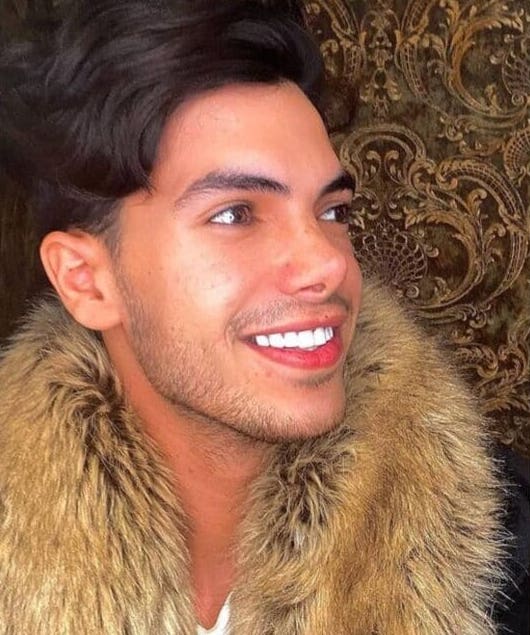
I recently read a story about a 20-year-old gay man who was reportedly brutally murdered by members of his own family in a so-called “honor killing” in Iran last week. Alireza Fazeli-Monfared had plans to flee the country to Turkey to meet his refugee boyfriend when his half-brother and cousins beheaded him. The sadness of the story is compounded by how close he was to getting out of Iran and to safety and how his family found out he was gay. Fazeli-Monfared had just received an exemption from serving in the military because of “sexual depravities.” The document outed him as gay, and his family discovered the exemption papers, which informed them of his sexual orientation. 

Iran requires all male citizens above the age of 18 to enlist in military service excepts gay men and transgender women, who are officially cited as having “mental disorders” and “sexual depravities.” Under Islamic law in Iran, same-sex relations are illegal and can carry a punishment of jail, lashing, and in some cases, execution. Because of Iran’s homophobic laws, anti-gay propaganda, and light sentences for honor killings, Iran is responsible for facilitating the murder of countless members of the LGBTQ community in Iran.

According to the Iranian journalist Masih Alinejad, Fazeli-Monfared was on the phone with his mother when his half-brother came to him and on the pretext that their father wanted to see him. The half-brother then got Fazeli-Monfared into the car and drove him outside the city. These events happened on the Tuesday night of May 4, and no one heard anything about Fazeli-Monfared whereabouts until the half-brother called Fazeli-Monfared’s mother and told her: ‘We have finished him off.’ The mother was told where to find the beheaded body of her son. She has since been hospitalized with shock. Fazeli-Monfared’s body was found under a tree outside of the city of Ahwaz. The BBC reported it had received audio recordings of Fazeli-Monfared saying he was in danger from family members and planning to flee Iran. According to reports, Fazeli-Monfared had plans to leave Iran on May 8 to join his boyfriend, Aghil Abyat, who is a refugee and was waiting for him in Turkey.

The three men accused of Fazeli-Monfared’s murder have reportedly been arrested, though it is unlikely they will face much punishment, if any at all. LGBTQ people are persecuted in many Islamic countries, often by law, due to religious sanctions against same-sex relationships. Earlier this year, the UN’s special rapporteur on the situation of human rights in Iran expressed concern over reports that the country has subjected LGBTQ children to “torture and cruel, inhuman, and degrading treatment.”

This story made me so sad for Alireza Fazeli-Monfared and his boyfriend, Aghil Abyat. The human rights violations in Iran are so abominable for sexual minorities, including women and the LGBTQ community. Several years ago, I was researching a Canadian graduate of the university where I work to prepare for an oral history interview, which sadly never happened. She’s a celebrity and the wife of a high-ranking politician in Canada, so it came down to working with her publicity and public relations people. We were never able to work out the time for an interview. I did get to meet her, but I did not get to interview her. She was whisked away to the airport just minutes after I began giving her a tour of the museum. I bring her up because she was born in Iran and her family fled to Canada when she was young.

She became interested in the case of a teenage girl in Iran with whom she shared a name. The Iranian government sentenced the young girl to hang for stabbing one of three men who tried to rape her and her niece in Karaj in March 2005. Eventually, with pressure from the international community, now a young woman, she was granted a new trial by the head of the Judiciary in June 2006. In January 2007, the young woman was exonerated of murder charges and was released after $43,000 had been raised for her bail. The young Iranian girl on death row was fortunate to have an international advocate to fight for her release, but so many women and members of the LGBTQ community have no one to fight for them. 


Historians Sue Trump

As a historian and a member of the American Historical Association (AHA), I found that particularly interesting. The AHA, the Society for Historians of American Foreign Relations (SHAFR), the National Security Archive, and Citizens for Responsibility and Ethics in Washington (CREW) joined together to file a lawsuit in the U.S. District Court for the District of Columbia against President Trump and other administration officials to ensure compliance with records laws. The groups said that with Trump facing “potential legal and financial exposure once he leaves office, there is a growing risk that he will destroy records of his presidency before leaving.”

Tom Blanton, director of the National Security Archive, said in a statement, “Presidential records are always at risk because the law that’s supposed to protect them is so weak. The archive, historians, and CREW are suing to put some backbone in the law and prevent any bonfire of records in the Rose Garden.”

When asked for a response, the National Archives and Records Administration (NARA) said it could not comment on pending litigation, nor did the Trump administration make any comments about the lawsuit.

The Presidential Records Act requires presidents and White House personnel to preserve all records of “the activities, deliberations, decisions, and policies that reflect the performance of the president’s constitutional, statutory, or other official or ceremonial duties.” NARA restricts these records from public view until at least five years after the end of an administration. NARA can withhold some records for much longer.

James Grossman, director of the AHA, said, “Research rooted in these materials provides an unparalleled look inside an administration’s activities that would, if absent, leave the world wholly reliant upon the memoirs and memories of those whose deeds we professionally investigate and evaluate.”

Presidential records and the keeping of them have long been a source of tension and revelation. Congress passed the Presidential Records Act with historians in mind. A president’s papers used to be considered the personal property of that president, for better or worse. And, sometimes, it was for worse. Much of George Washington’s papers were neglected by his heirs and destroyed by rats. During Richard Nixon’s presidency, his records, which included the so-called smoking gun tape, were legally seized from him. After that, Congress passed the Presidential Records Act to clarify that a president’s records belong to the public.

Conflicts between Trump and records laws have been occurring for nearly his entire term. Unbelievably, Trump has a habit of ripping up paper he is finished with and throwing it in the trash or on the floor. How childish and disrespectful do you have to be to rip up a document and throw it on the floor? I guess you have to be as uncaring and immature as Donald Trump. Because of these careless acts, an entire team of records specialists has been taping the pieces back together for preservation.

The lawsuit also focuses on other administration officials, including Trump’s son-in-law and senior adviser Jared Kushner, who uses screenshots to keep records of communications on nonofficial messaging accounts such as WhatsApp or private email. According to the lawsuit, screenshots violate the Presidential Records Act because they do not include metadata and other attachments that could be of historical value. Congress amended the act in 2014 to include specific instructions on electronic records. It prohibits all official communications sent on nonofficial messaging platforms unless an official account is copied on the original transmission or forwarded to an official account within 20 days.

The historians say White House counsel incorrectly directed staff to preserve such records “via a screenshot or other means” in a February 2017 memo. White House counsel provided this memo during a Senate briefing in October 2017. In December 2018 testimony, Kushner’s personal attorney Abbe Lowell told the House Oversight and Reform Committee that Kushner had used and continued to use WhatsApp to communicate with foreign leaders and that he used screenshots to preserve records of the communications. Kushner and his wife, Ivanka Trump, the president’s daughter and a senior adviser, also used private email accounts for White House business, as did former deputy national security adviser K.T. McFarland and former White House chief strategist Stephen K. Bannon. Wasn’t this what Trump attacked Hillary Clinton over and had crowds chanting “Lock Her Up”? Then again, we know that the Trump administration says one thing and does the opposite, flaunting a wanton disregard for every law, precedent, and American institution. 

The lawsuit seeks to stop the disposal of any of these potential records without following proper protocols and to have the “screenshotting policy” rescinded. This isn’t the first time historians have sued over the administration’s alleged violations of the records act. Three of the groups — CREW, SHAFR, and the National Security Archive — have previously sued to challenge White House officials’ use of encrypted apps such as Signal and to allege President Trump has violated the records act by not keeping records of phone calls and meetings with foreign leaders.

I doubt the lawsuit will be successful. Yes, they may win in court to halt the destruction of documents. Still, I doubt anyone thinks it will actually stop the administration from destroying documents that could implicate them in crimes or be used to discredit them in the history books. Trump will spend the rest of his life, claiming he won the 2020 election and rewriting history to align with his own delusions. Historians, however, will remember and document the ineptitude and unlawfulness of the Trump presidency.

Shave

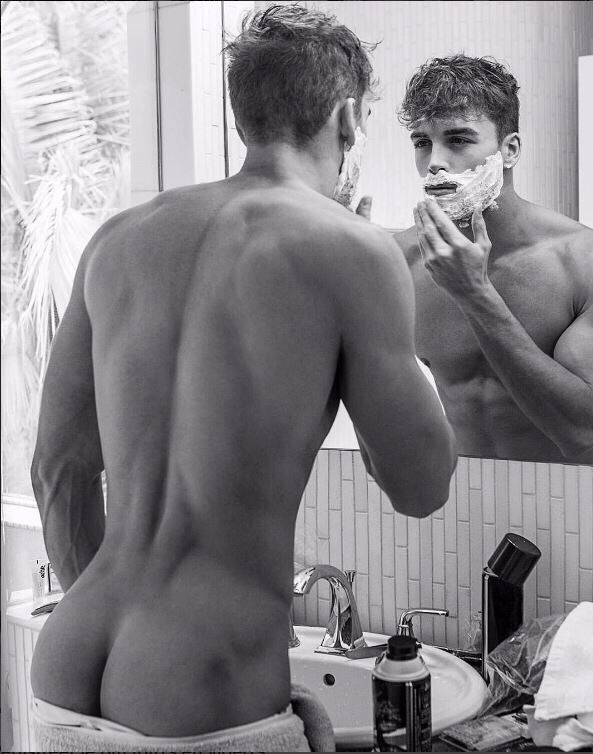
For those of you with beards, it’s time to shave them. The CDC has put out a warning that facial hair is dangerous and could lead to further spreading of the Coronavirus. A graphic released by the agency shows the fashionable facial-hair-wearer which styles will conflict with potentially life-saving respirators as the US braces for the quickly spreading coronavirus to emerge state-side. And while a clean-shaven face is OK, stubble could cause trouble, the CDC warned.

Men in Vermont love their beards. I hate them. A very trim well kept beard can be attractive on the right man, but it’s not for everyone. Big unkept beards are just ugly to me, and now the CDC says they need to go. If the epidemic comes to the Americas and becomes a pandemic, some men won’t give up their beards even if it will help save theirs and others lives. On the bright side, maybe we will finally be rid of those Duck Dynasty people forever.


RIP Odo

I’m a big Star Trek fan. I’m an even bigger fan of Star Trek: Deep Space Nine. René Auberjonois died yesterday at age 79. He’d played Odo on DS9, probably one of the most complex characters in all of Star Trek. His son, the actor Rèmy-Luc Auberjonois, said the cause of death was metastatic lung cancer.

Mr. Auberjonois moved easily among television, film and the stage, and between comedy and drama, often playing scene-stealing characters who injected comic relief or snark or a plot wrinkle into the proceedings.

Major roles on long-running television shows in three decades — “Benson” in the 1980s, “Deep Space Nine” in the 1990s and “Boston Legal” in the 2000s — made him the kind of star whose face was familiar to millions, even if they might not immediately be able to put a name to it. Across almost 60 years as a professional actor, he was rarely not in demand.

I loved him as an actor and I’ve seen all three of the TV shows he starred in. I’ve been a fan most of my life. I’m heartbroken that he’s no longer with us.


It’s a Sad Day

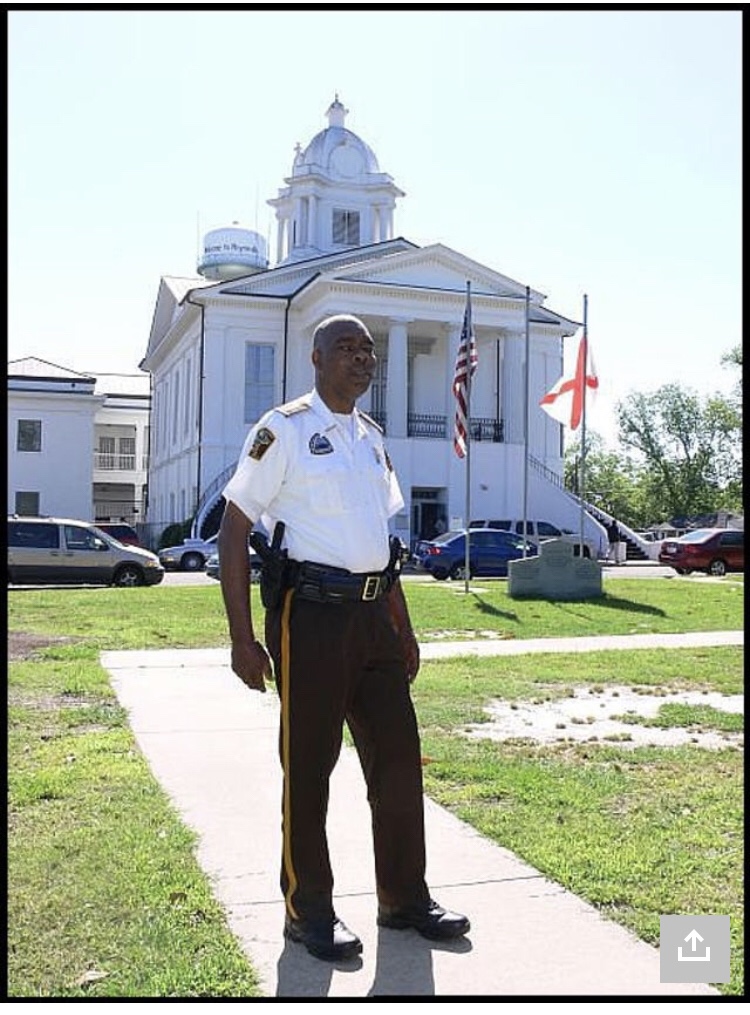
Some of you may have heard on the news that an Alabama sheriff was shot and killed last night. “Big John” Williams was not just any sheriff, he had been my sheriff. My mother called me just before the news broke. He was murdered not 200 yards from where my grandparents used to live and maybe 500 yards from where I used to live. According to my mother, Big John had been called to the QV gas station about a disturbance of the peace. An 18 year old white man was playing his music too loudly, and the gas station personnel or someone at the station had complained. Big John answered the call. When he asked the guy to turn down his music, the guy pulled a gun on him and shot him to death, probably because he didn’t like a black man telling him what to do. William Chase Johnson, the suspect, is currently in custody. If he lives to see trial, and I’m not betting on that, Johnson will receive the death penalty. I know the judge, I taught her children. He’ll never see freedom again.
Lowndes County, Alabama is a radially divided county in Alabama’s Black Belt. However, Big John had always worked to make race relations better when many of the politicians in the county had worked to further the divide. He would sometimes be the only black man at events at the private school in the county, though there was one black family who had children there, so I guess he wasn’t always the only black face. Big John never seemed to see color. He treated everyone with equality and respect. He was much loved because of it. My Facebook this morning was full of tributes from the people I am friends with in the county.
Big John had spent his life serving others. First, as a US Marine, then, as a police officer and sheriff’s deputy and finally, as the sheriff.

What the Hell, Alabama?

From AL.com by Mike Cason

A bill to eliminate marriage licenses in Alabama and instead have couples file an affidavit that probate judges would record as part of a marriage document moved a step close to becoming law today.

The House Judiciary Committee approved the bill by Sen. Greg Albritton, R-Range. Albritton has tried to pass similar bills since the U.S. Supreme Court legalized same-sex marriage nationwide in 2015.

After the Supreme Court decision, probate judges in some Alabama counties stopped issuing marriage licenses altogether because they did not want to license same-sex marriages. Albritton said his bill would eliminate the discrepancy.

“This will allow everyone to be married in their home county,” Albritton said.

Current law says couples wanting to get married must obtain a license from a probate judge. The law says probate judges “may” issue licenses but does not require them to.

“There’s still counties that will not issue marriage licenses,” Albritton said. “They take the word may to the extreme, if you will.”

Albritton did not know exactly how many but said there were probably about seven such counties.

Albritton’s bill said probate judges “shall” record each marriage if couples provide the proper documentation. That includes affidavits saying they are of legal age, are not already married, are not related and are competent to enter a marriage.

“I would suggest this is the end of the state telling people who they can and cannot marry. A license is permission,” Albritton said.

His bill would also eliminate the requirement in current law to hold a ceremony to “solemnize” a marriage. Current law requires the minister, judge, retired judge or person otherwise authorized to perform a ceremony to sign the marriage license before it is recorded as a certificate or marriage.

The committee approved the bill on a voice vote today. Rep. Merika Coleman, D-Pleasant Grove, voted against it. Coleman said she opposed the bill because of its origins, the resistance of some probate judges to licensing same-sex marriages after the U.S. Supreme Court ruling.

“I do remember the original dialogue where it came from,” Coleman said. “So that was my no vote. It was still one of those kind of protest votes against what I felt was the original reason why we were here with this bill in the first place.”