Category Archives: Religion

What Does The Lord Require of Us?

IMG_9023.JPG

“With what shall I come before the LORD, and bow myself before God on high? Shall I come before him with burnt offerings, with calves a year old?
Will the LORD be pleased with thousands of rams, with ten thousands of rivers of oil? Shall I give my firstborn for my transgression, the fruit of my body for the sin of my soul?”
He has told you, O man, what is good; and what does the LORD require of you but to do justice, and to love kindness, and to walk humbly with your God?

Micah 6:6-8

The above passage from Micah 6:6-8 is considered by many to be one of the most comprehensive and all-embracing statements in the Old Testament. Micah raises the question: “What does the Lord require of you?” Micah answers his own question, and makes some important points, which apply to us even today.

Micah first brings up some possibilities, even some absurdities. God did indeed speak of some of these things, but the majority are examples of hyperbole for the sake of emphasis. One could not please God by simply offering innumerable sacrifices, even things precious to the worshipper, because these things must be accompanied by other things just as essential.

First, we must act justly meaning to act toward God and man according to the standard of righteousness revealed in God’s law. This did involve the offering of sacrifices commanded by God, but it also involved treating their fellow man in a way that was right and fair. Second, we show loving kindness, by which Micah means we are “to show a compassionate warm-heartedness toward our fellow man. We are not only to treat others fairly, but to show mercy when others are mistreated. Finally, we are told to walk humbly with your God which involves living in humble and submissive obedience to God’s desires and will.

Some might think all the Lord requires is the observance of certain rituals like attending church on Sunday. We can’t just attend church, act pious, and then do whatever we want just because we regularly attend church. Don’t get me wrong, I do think attending church is important, but it’s not completely necessary to living a good Christian life. Church enhances our spiritual growth, our commitment in the work of the church, and our close fellowship with God and other Christians. I believe that it is essential that we observe what “rituals” God has ordained for us; but the Lord requires more than just “attending church.”

A close relationship and fellowship with God requires that we daily listen to God, talk to God, and walk with God. By walking humbly with God, we are more likely to keep in proper balance the demands to do justly and love mercy. If we do not do these things, then all the church services you may attended, all the sermons you may have heard, all the prayers you may have offered, will benefit you nothing!


Leaning on the Everlasting Arms

IMG_1425.JPG

The eternal God is your dwelling place, and underneath are the everlasting arms.
Deuteronomy 33:27

Leaning on the Everlasting Arms

What a fellowship, what a joy divine,
Leaning on the everlasting arms;
What a blessedness, what a peace is mine,
Leaning on the everlasting arms.

Leaning, leaning, safe and secure from all alarms;
Leaning, leaning, leaning on the everlasting arms.

O how sweet to walk in this pilgrim way,
Leaning on the everlasting arms;
O how bright the path grows from day to day,
Leaning on the everlasting arms.

Leaning, leaning, safe and secure from all alarms;
Leaning, leaning, leaning on the everlasting arms.

What have I to dread, what have I to fear,
Leaning on the everlasting arms;
I have blessed peace with my Lord so near,
Leaning on the everlasting arms.

Leaning, leaning, safe and secure from all alarms;
Leaning, leaning, leaning on the everlasting arms.

Leaning on the Everlasting Arms is a hymn published in 1887 with music by Anthony J. Showalter and lyrics by Showalter and Elisha Hoffman. Showalter said that he received letters from two of his former pupils saying that their wives had died. When writing letters of consolation, Showalter was inspired by the phrase in the Book of Deuteronomy 33:27.

Isn’t it a great thought to think that God is supporting us, and that His arms are strong enough to hold us during difficult times? That truth should provide a refuge for us. In times when relationships disappoint us or finances fail us, it is encouraging to know that there is one who is everlasting and whose arms are there for us to lean on.

The Apostle Paul tells us about a weakness he had in 2 Corinthians 12. He referred to it as a thorn in the flesh. (I have heard of some scholars that speculate that it was homosexuality, since Paul was Greek and his relation to Timothy was thought to be pederastic. However, this is pure speculation and remains a 2,000 year old mystery.) Paul prayed that this weakness would be taken away. He prayed 3 different times, and God chose not to remove the “thorn.” He then tells us about an important spiritual truth. If the “thorn” was Paul’s homosexual urges, then I would speculate that God did not remove the thorn because God did not see it as a thorn or a weakness.

Whatever The perceived weakness was, the truth is that God uses our weaknesses, our flaws, and our personal challenges, and does something extraordinary. He takes His strength and our weaknesses, and He does something awesome with that combination. He allows us, in weakness, to share in His glory and power. Paul then makes the following statement “Therefore I will boast all the more gladly about my weaknesses, so that Christ’s power may rest on me. That is why, for Christ’s sake, I delight in weaknesses, in insults, in hardships, in persecutions, in difficulties. For when I am weak, then I am strong.” What an amazing statement! Delight in weaknesses? insults? hardships? persecutions? and difficulties? To be honest, I struggle with having that kind of mindset, even though I know it is truth.

Sources:
http://en.m.wikipedia.org/wiki/Leaning_on_the_Everlasting_Arms
http://hymnoftheweek.net/?p=432


3:16

IMG_9034.JPG

“For God so loved the world, that he gave his only Son, that whoever believes in him should not perish but have eternal life. For God did not send his Son into the world to condemn the world, but in order that the world might be saved through him. Whoever believes in him is not condemned, but whoever does not believe is condemned already, because he has not believed in the name of the only Son of God. And this is the judgment: the light has come into the world, and people loved the darkness rather than the light because their works were evil. For everyone who does wicked things hates the light and does not come to the light, lest his works should be exposed. But whoever does what is true comes to the light, so that it may be clearly seen that his works have been carried out in God.”
John 3:16-21

John 3:16 is one of the most widely quoted verses from the Bible. It has also been called the “Gospel in a nutshell”, because it is considered a summary of the central theme of traditional Christianity. It is a central message in the Bible, but it’s not the verse that I believe is central to the Bible. Christianity cannot be summed up with one verse. However, the verses around it does encapsulate the major message of Christ. It’s the context that makes the difference.

The story around the text is about Nicodemus who visits Jesus in the night. Nicodemus was a Pharisee and a member of the Sanhedrin. According to John, he showed favor to Jesus. He appears three times in the Gospel of John. In the context of John 3:16, Nicodemus visits Jesus one night to discuss his teachings with him. The second time Nicodemus is mentioned is when he states the law concerning the arrest of Jesus, and the third is when he assists Joseph of Arimathea in preparing the corpse of Jesus for burial.

In the first fifteen verses of John Chapter 3, Jesus explains to Nicodemus that you must be born again in the waters of baptism in order to see the kingdom of heaven. After speaking of the necessity of a man being born again before he could “see the kingdom of God”, Jesus spoke also of “heavenly things” and of salvation and the condemnation of those that do not believe in Jesus.

It is the later part of this exchange that I want to discuss today. Jesus did not come to the world to condemn us but to save us, and by us, Jesus means all of humanity. This includes LGBT people, though some Christians want to pick and choose, Jesus never turned anyone away from God. If we believe and are born again, we will enter into the kingdom of Heaven. We must follow Christ’s example and be a light for the world. If we do what is true and go to the light, then it will be clearly seen that our works have been carried out in God’s name.

In a world broken by prejudice and hatred, Christians are called to embody the unconditional love of God for all. Jesus proclaimed this message to the world in his new commandment:

“A new commandment I give to you, that you love one another: just as I have loved you, you also are to love one another. By this all people will know that you are my disciples, if you have love for one another.John 13:34-35

Jesus was not bound by the expectations of society, and through his ministry, he extended the love of God to many who had been deemed “unworthy.” Through Jesus’ own example and teachings, we are called into action.

But for those who ask, “What does God require of us?” We can look to the Book of Acts for the answer. Peter was given a vision to accept gentiles who were deemed unfit for the kingdom of God. But, God told him, “Do not call unclean what God has declared clean.” Paul talked to the leaders of Jerusalem to convince them that ministry amongst the gentiles was where God was leading him. We are called to welcome the stranger, feed the hungry, and visit the imprisoned. Some may call them the unclean, but God does not discriminate because we are all His children. Jesus didn’t say, for God so loved some of the world, He said for God so loved the world. We are called to love our neighbor—not discriminate.


That You May Know His Blessed Assurance

IMG_8978.JPG

I write these things to you who believe in the name of the Son of God that you may know that you have eternal life. And this is the confidence that we have toward him, that if we ask anything according to his will he hears us. And if we know that he hears us in whatever we ask, we know that we have the requests that we have asked of him.
1 John 5:13-15

John writes with this purpose: “I write these things to you who believe in the name of the Son of God that you may know that you have eternal life.” (1 John 5:13) This is a key verse of the book of 1 John. John writes so that his readers who have faith in Christ may know the assurance of their salvation. In the church today there are many who truly know the Jesus as their Lord and Savior, and they are confident in their salvation.

Yet, there are some Christians who have a sincere faith in Christ but they lack the assurance of their salvation. These individuals walk the Christian life with the uncertainty of acceptance with God and a feeling that they may not be saved. On the other hand, there are those in the church that think they are saved because they “prayed a prayer” or were baptized, yet their life is unchanged. They do not live a Christian life, but are Christians in name only. These people often teach hate and judge and criticize people. They are like the hypocrites that Jesus discusses in the Sermon on the Mount. In Matthew 6:5-6, Jesus says “And when you pray, you must not be like the hypocrites. For they love to stand and pray in the synagogues and at the street corners, that they may be seen by others. Truly, I say to you, they have received their reward. But when you pray, go into your room and shut the door and pray to your Father who is in secret. And your Father who sees in secret will reward you.”

He wants people to be clear in their understanding of the good news of Jesus, and the confidence that we have in Christ. He writes this letter “that you may know that you have eternal life.” Similarly, he begins the epistle by saying, “[T]hat which we have seen and heard we proclaim also to you, so that you too may have fellowship with us; and indeed our fellowship is with the Father and with his Son Jesus Christ. And we are writing these things so that our joy may be complete.” John wants Christians to “know” that they have eternal life. He desires that they come to a fuller understanding of what it means to be in fellowship with God and what is required to maintain that fellowship. By so doing, they can be confident as Christians and sure of their salvation. Like with most things, we must humble ourselves before God, yet we must have the faith to believe we are saved.

I wanted to end this series on 1 John because the phrase “that you may know” is so vitally important. I have always felt that the uncertainly in salvation is like an uncertainty in God. If you truly believe, if you follow the teachings of Christ, and if you have full faith in God, then you have the assurance of salvation. God knows we are not perfect. Only God is perfection. He allows us to pray and ask for forgiveness with the assurance that if we are sincere in our prayers and actions, then we will be forgiven of our sins. I do not doubt my salvation. Others might doubt my salvation because of my sexuality or because of their lack of belief and/or understanding of God, but their doubt does not affect me. I pray that you will have the same faith and keep the same faith that I do. Do as God commands. Love your fellow man. Believe in Jesus as your Lord and Savior. Do these things and you will have the faith that assures salvation.

It seems that many of the passages of 1 John, remind me of songs. This one is no different because it remind me of the song “Blessed Assurance” written in 1873 by blind hymn writer Fanny J. Crosby to the music written in by Phoebe P. Knapp. The popular song reflects Crosby’s walk of faith, as expressed by the Apostle Paul in Philippians 1:21, “For to me to live is Christ, and to die is gain.” and based on an interpretation of Hebrews 10:22 “let us draw near with a true heart in full assurance of faith, with our hearts sprinkled clean from an evil conscience and our bodies washed with pure water.” I think it also works alongside 1 John 5:13 “that you may know that you have eternal life.” We are given these blessed assurances by God, and we should rejoice in them.

Blessèd Assurance

Blessèd assurance, Jesus is mine!
O what a foretaste of glory divine!
Heir of salvation, purchase of God,
Born of His Spirit, washed in His blood.

This is my story, this is my song,
Praising my Savior, all the day long;
This is my story, this is my song,
Praising my Savior, all the day long.

Perfect submission, perfect delight,
Visions of rapture now burst on my sight;
Angels descending bring from above
Echoes of mercy, whispers of love.

This is my story, this is my song,
Praising my Savior, all the day long;
This is my story, this is my song,
Praising my Savior, all the day long.

Perfect submission, all is at rest
I in my Savior am happy and blest,
Watching and waiting, looking above,
Filled with His goodness, lost in His love.

This is my story, this is my song,
Praising my Savior, all the day long;
This is my story, this is my song,
Praising my Savior, all the day long.


Faith Is The Victory

IMG_8901.JPG

Everyone who believes that Jesus is the Christ has been born of God, and everyone who loves the Father loves whoever has been born of him. By this we know that we love the children of God, when we love God and obey his commandments. For this is the love of God, that we keep his commandments. And his commandments are not burdensome. For everyone who has been born of God overcomes the world. And this is the victory that has overcome the world-our faith. Who is it that overcomes the world except the one who believes that Jesus is the Son of God?
1 John 5:1-5

The above verses, which state that faith is the victory, is a well-known verse. But the way in which we often interpret it tends to skew the meaning. Most of us think that we are being told that if we have enough faith we will press through to the victory. In short, we think that it is faith that carries us into any victory.

But wait. Read this verse carefully. It really does not say that our faith carries us into any victory. Rather, this verse states that faith is the victory. Faith itself – the reality of faith in us – that is the victory. Anything else that comes about because of this faith is not the victory, but the faith itself is the victory. We can grow in faith as we follow Christ, and such faith endures suffering. Such faith also sees us through to ultimate victory in Christ.

Consider two apostles, John and Peter. John writes, “By this we know that we love the children of God, when we love God and obey his commandments. For this is the love of God, that we keep his commandments. And his commandments are not burdensome. For everyone who has been born of God overcomes the world. And this is the victory that has overcome the world-our faith.” (1 John 5:2-4)

Peter gave words of blessing to those who were already undergoing suffering, “And after you have suffered a little while, the God of all grace, who has called you to his eternal glory in Christ, will himself restore, confirm, strengthen, and establish you.”(1 Peter 5:10) Why does our faith overcome the world and end in victory? Because the God of all grace will “restore, confirm, strengthen, and establish” us until the end. Peter concludes in verse 11, “To him be the dominion forever and ever. Amen.” God can strengthen and restore us because all authority and power belong to Him for all of eternity. There simply is nothing Satan can throw at us that can destroy our faith if our faith is constant and rooted firmly in Christ.

I have watched people go through all kinds of challenges in life and challenges to their faith. Nothing is more devastating than being rejected by your family or faith because of your sexuality. Whether others look at their sexuality as sin or just part of life, it is our live to us, calling us to faith greater than what is in themselves. While no one can control their future, they can respond with faith in the Word, the Lord, and His plan for their lives. This does not relieve our pain, but helps us through their pain and the realization of God’s love.

Faith was never designed for us to demonstrate how strong we are or show how much we could accomplish. Faith depends upon and displays God’s strength, giving us assurance that victory will be ours. This victory is not a victory we earn; it’s a victory we enter. It is Christ’s victory. This is why victory is assured if we trust Christ. It’s His victory already won. This is why Paul could write, “But thanks be to God, who gives us the victory through our Lord Jesus Christ.” (1 Corinthians 15:57)

This first thing that came to mind when I read the verses above was the song “Faith Is the Victory.” I have always loved this song. We can overcome the world with our faith. There is a lot of evil in this world and things may not always go our way, but faith in Christ is our victory.

Faith Is the Victory
Words: John H. Yates, 1891
Music: Ira D. Sank­ey

Encamped along the hills of light,
Ye Christian soldiers, rise.
And press the battle ere the night
Shall veil the glowing skies.
Against the foe in vales below
Let all our strength be hurled.
Faith is the victory, we know,
That overcomes the world.

Faith is the victory! Faith is the victory!
O glorious victory, that overcomes the world.

His banner over us is love,
Our sword the Word of God.
We tread the road the saints above
With shouts of triumph trod.
By faith, they like a whirlwind’s breath,
Swept on o’er every field.
The faith by which they conquered death
Is still our shining shield.

Faith is the victory! Faith is the victory!
O glorious victory, that overcomes the world.

On every hand the foe we find
Drawn up in dread array.
Let tents of ease be left behind,
And onward to the fray.
Salvation’s helmet on each head,
With truth all girt about,
The earth shall tremble ’neath our tread,
And echo with our shout.

Faith is the victory! Faith is the victory!
O glorious victory, that overcomes the world.


God Is Love

IMG_8856.JPG

Beloved, let us love one another, for love is from God, and whoever loves has been born of God and knows God. Anyone who does not love does not know God, because God is love. In this the love of God was made manifest among us, that God sent his only Son into the world, so that we might live through him. In this is love, not that we have loved God but that he loved us and sent his Son to be the propitiation for our sins. Beloved, if God so loved us, we also ought to love one another. No one has ever seen God; if we love one another, God abides in us and his love is perfected in us.

By this we know that we abide in him and he in us, because he has given us of his Spirit. And we have seen and testify that the Father has sent his Son to be the Savior of the world. Whoever confesses that Jesus is the Son of God, God abides in him, and he in God. So we have come to know and to believe the love that God has for us. God is love, and whoever abides in love abides in God, and God abides in him. By this is love perfected with us, so that we may have confidence for the day of judgment, because as he is so also are we in this world. There is no fear in love, but perfect love casts out fear. For fear has to do with punishment, and whoever fears has not been perfected in love. We love because he first loved us. If anyone says, “I love God,” and hates his brother, he is a liar; for he who does not love his brother whom he has seen cannot love God whom he has not seen. And this commandment we have from him: whoever loves God must also love his brother.
1 John 4:7-21

Let’s look at how the Bible describes love, and then we will see a few ways in which God is the essence of love. “Love is patient, love is kind. It does not envy, it does not boast, it is not proud. It is not rude, it is not self-seeking, it is not easily angered, it keeps no record of wrongs. Love does not delight in evil but rejoices with the truth. It always protects, always trusts, always hopes, always perseveres. Love never fails” (1 Corinthians 13:4-8a). This is God’s description of love, and because God is love (1 John 4:8), this is what He is like.

Love (God) does not force Himself on anyone. Those who come to Him do so in response to His love. Love (God) shows kindness to all. Love (Jesus) went about doing good to everyone without partiality. Love (Jesus) did not covet what others had, living a humble life without complaining. Love (Jesus) did not brag about who He was in the flesh, although He could have overpowered anyone He ever came in contact with. Love (God) does not demand obedience. God did not demand obedience from His Son, but rather, Jesus willingly obeyed His Father in heaven. “The world must learn that I love the Father and that I do exactly what my Father has commanded me” (John 14:31). Love (Jesus) was/is always looking out for the interests of others.

The greatest expression of God’s love is communicated to us in John 3:16: “For God so loved the world that he gave his one and only Son, that whoever believes in him shall not perish but have eternal life.” Romans 5:8 proclaims the same message: “But God demonstrates his own love for us in this: While we were still sinners, Christ died for us.” We can see from these verses that it is God’s greatest desire that we join Him in His eternal home, heaven. He has made the way possible by paying the price for our sins. He loves us because He chose to as an act of His will. Love forgives. “If we confess our sins, he is faithful and just and will forgive us our sins and purify us from all unrighteousness” (1 John 1:9).

God is Love, and His love is very different from human love. God’s love is unconditional, and it’s not based on feelings or emotions. He doesn’t love us because we’re lovable or because we make Him feel good; He loves us because He is love. He created us to have a loving relationship with Him, and He sacrificed His own Son (who also willingly died for us) to restore that relationship.

Can anyone really comprehend “unconditional” love? It seems the love that parents have for their children is as close to unconditional love as we can get without the help of God’s love in our lives. The problem is that even that is not conceivable to many of us as unconditional because many of us have been rejected by our families because of our sexuality. One of the greatest things my father ever did was to remind my mother when she found out I was gay, that I was their son and that she would always love me no matter what.

If I ever had children, I’d continue to love my children through good times and bad, and I wouldn’t stop loving them if they didn’t meet the expectations I may have for them. Many parents may be able to love their children unconditionally, but as gay Christians we often find the conditions and limits of their love. God’s love for us is different. God’s love transcends the human definition of love to a point that is hard for us to comprehend. He will never reject us or put conditions on His love for us, even if other people will do,so in His name, but those people merely prove that they do not know God.

The passage from 1 John above has one of my favorite biblical passages, “If anyone says, “I love God,” and hates his brother, he is a liar; for he who does not love his brother whom he has seen cannot love God whom he has not seen. And this commandment we have from him: whoever loves God must also love his brother.” It is so clearly stated and yet there are constantly people who proclaim that they love God, but in the next breath will tell you all the people they hate and the myriad of reasons for their hate. It bothers me even more when someone says that God hates someone or some group. God is love, therefore hate does not exist for in him.

I hope that one day, the message of God’s love is spread throughout every man’s heart. In that day, the world will be a better place. We can begin by showing our love for mankind as God does. We should lead by example, and we should pray for those who have lost their way to come back to the heart of the message of God.

I want to end today’s post with a beautiful song that exemplifies what I wrote about today.

God Is Love
By Seth Wells

Come, let us all unite to sing:
God is love!
Let Heav’n and earth their praises bring,
God is love!
Let every soul from sin awake,
Let every heart sweet music make,
And sing with us for Jesus’ sake:
God is love!

God is love! God is love!
Come let us all unite to sing that God is love.

O tell to earth’s remotest bound,
God is love!
In Christ we have redemption found,
God is love!
His blood has washed our sins away,
His Spirit turned our night to day,
And now we can rejoice to say:
God is love!

God is love! God is love!
Come let us all unite to sing that God is love.

How happy is our portion here,
God is love!
His promises our spirits cheer,
God is love!
He is our sun and shield by day,
Our help, our hope, our strength and stay;
He will be with us all the way;
God is love!

God is love! God is love!
Come let us all unite to sing that God is love.

In Canaan we will sing again:
God is love!
And this shall be our loudest strain:
God is love!
Whilst endless ages roll along,
We’ll triumph with the heavenly throng
And this shall be our sweetest song:
God is love!

God is love! God is love!
Come let us all unite to sing that God is love.


Love Is Life

IMG_8317.JPG

For this is the message that you have heard from the beginning, that we should love one another. We should not be like Cain, who was of the evil one and murdered his brother. And why did he murder him? Because his own deeds were evil and his brother’s righteous. Do not be surprised, brothers, that the world hates you. We know that we have passed out of death into life, because we love the brothers. Whoever does not love abides in death. Everyone who hates his brother is a murderer, and you know that no murderer has eternal life abiding in him.
1 John 3:11-15

John begins the next section of his letter with his central theme — love:

“For this is the message that you have heard from the beginning, that we should love one another.” (3:11)

It’s amazing that Christians need to hear the message, the command, of love so often — and still many people who claim to be Christians don’t get it. Our churches are full of selfish, bickering people and people who teach hate. The world knows the church for its judgmentalism and rigidness, not for its love and joy. How very sad, and especially so for LGBT Christians. Jesus would embrace the churches that preach love, and He and John would call those who teach hate the antichrists, for as I said last week, they are the opposite of Christ.

It’s likely that John’s opponents in Ephesus were characterized by their hatred of the faithful, orthodox Christian community. But it’s also likely that the true Christians were responding in an unloving manner, too.

John begins this teaching by exploring the relationship between love and hatred, and between hatred and the spirit of murder.

“We should not be like Cain, who was of the evil one and murdered his brother. And why did he murder him? Because his own deeds were evil and his brother’s righteous. Do not be surprised, brothers, that the world hates you.” (3:12-13)

John refers, of course, to the ancient and familiar story of the brothers Cain and Abel (Genesis 4:2-8). Cain was a farmer; Abel was a herdsman. When it came time to make an “offering” to the Lord, Cain offered the fruit of the ground, while Abel offered an animal sacrifice. We’re not told why Cain’s offering was rejected while Abel’s was accepted. There seems to be no inherent reason in this instance why a cereal offering would have been inferior to an animal sacrifice. The reason Cain’s offering was rejected seems to stem from his unrighteous actions, his sins, since God exhorts him:

“Why are you angry? Why is your face downcast? If you do what is right, will you not be accepted? But if you do not do what is right, sin is crouching at your door; it desires to have you, but you must master it.” (Genesis 4:6-7)

Cain hadn’t repented of his sins, but is angry and jealous that God favors the sacrifice of his righteous brother Abel. In a fit of jealousy Cain slays Abel — and that is John’s main reason for introducing the story here. This story is probably more allegorical to what anthropologists believe were the first wars between herders and farmers over land and grazing ground, but that a whole different issue.

“And why did he murder him? Because his own deeds were evil and his brother’s righteous. Do not be surprised, brothers, that the world hates you.” (3:12-13)

John is explaining why the opponents hate the believers — and why the world hates them. They can see the stark difference between the believers’ righteous behavior compared with their own. John’s teaching echoes Jesus’ words:

“If you belonged to the world, it would love you as its own. As it is, you do not belong to the world, but I have chosen you out of the world. That is why the world hates you. Remember the words I spoke to you: ‘No servant is greater than his master.’If they persecuted me, they will persecute you also. If they obeyed my teaching, they will obey yours also. They will treat you this way because of my name, for they do not know the One who sent me.” (John 15:19-21)

The world says that it hates Christians because they are “holier than thou” and a bunch of hypocrites. And these charges are often true of many people who claim to be Christian. But the real reason for the hatred is that when Christians seek to live righteously, it exposes the sin and corruption of those not committed to Jesus, stimulating both shame, anger, hatred — and persecution energized by a spirit of murder.

Don’t miss the important link here between anger and murder. That’s why John calls on the story of Cain and Abel.

Love, says John, is a mark that we are different from the world.

“We know that we have passed out of death into life, because we love the brothers.” (3:14)

There’s an echo here of Jesus words:

“Whoever hears my word and believes him who sent me … has crossed over from death to life.” (John 5:24)

Notice that this love first manifests itself in the Christian community itself, “because we love our brothers” (3:14). This, too, echoes Jesus’ words:

“My command is this: Love each other as I have loved you. Greater love has no one than this, that he lay down his life for his friends.” (John 15:12-13)

Sadly, churches are so often loveless places. We sing, we pray, we worship, but we do not love. I have no complaint with the rise of large churches, but unless people connect with a small group within these churches, they are doomed to a loveless model of the Christian congregation. We cannot afford the outward show of success, if at the core of the church we are missing the essential element of “love for the brothers and sisters.” I remember going to church with a friend of mine while I loved in Mississippi. They had large screens in front of the church to show what were basically advertisements about happenings at the church. Later those screens were used for the words of the hymns. However, in this large church, no one spoke to each other before or after the service. They merely stated up at the screens. It was so sad to me. There was no community in that church. I grew up in a very small and intimate rural church of Christ. We have always had between a dozen and three dozen members. We talk and get to know everyone and how they are doing.

Now after speaking about brotherly love, John goes back to murder that he introduced with the story of Cain and Abel:

“Anyone who hates his brother is a murderer, and you know that no murderer has eternal life in him.” (3:15)

Certainly there’s a difference between hatred (an attitude) and murder (an action). But the spirit that underlies both hatred and murder is exactly the same spirit. Recall Jesus’ own troubling teaching on this from the Sermon on the Mount:

“You have heard that it was said to the people long ago, ‘Do not murder, and anyone who murders will be subject to judgment.’But I tell you that anyone who is angry with his brother will be subject to judgment….” (Matthew 5:21-22)

This hits home for us when we begin to catalog the people with whom we are angry. Inside we seethe with anger when we suffer unrighteousness — or even blows to our pride. Anger, of course, is a common, God-given response to cause us to take action. Vital, but dangerous.

Anger comes and goes with the situation. But when we hold onto this anger, it becomes a resident bitterness within us. It produces an unforgiving spirit that Jesus warns us against. Following his teaching on the Lord’s Prayer, Jesus says:

“For if you forgive men when they sin against you, your heavenly Father will also forgive you. But if you do not forgive men their sins, your Father will not forgive your sins.” (Matthew 6:14-15)

Of course, full forgiveness can be granted when there is full repentance (Luke 17:3). But we are required to flush our souls of the unforgiveness that manifests itself in harbored anger — which is in us the spirit of murder. We must! So long as we hold anger towards another, we cannot love him or her as Jesus calls us to. I hope and pray that the community of Christians in this world will understand the true nature of God’s love and the love that he command us to have for our brothers.

John says that if we teach hate then we teach murder. I don’t believe anyone, at least anyone sane, would believe that murder is acceptable. If we don’t see murder as acceptable, then how can we see hate as being acceptable. Love is life; hate is death. Don’t be turned away by Christianity because some teach hatred, bitterness, rigidness, and judgmentalism. Instead, embrace the love God gives us, and rejoice in the joys of life.



Warnings Against Antichrists

IMG_8692.JPG

Children, it is the last hour, and as you have heard that antichrist is coming, so now many antichrists have come. Therefore we know that it is the last hour. They went out from us, but they were not of us; for if they had been of us, they would have continued with us. But they went out, that it might become plain that they all are not of us. But you have been anointed by the Holy One, and you all have knowledge. I write to you, not because you do not know the truth, but because you know it, and because no lie is of the truth. Who is the liar but he who denies that Jesus is the Christ? This is the antichrist, he who denies the Father and the Son. No one who denies the Son has the Father. Whoever confesses the Son has the Father also. Let what you heard from the beginning abide in you. If what you heard from the beginning abides in you, then you too will abide in the Son and in the Father. And this is the promise that he made to us-eternal life.
I write these things to you about those who are trying to deceive you. But the anointing that you received from him abides in you, and you have no need that anyone should teach you. But as his anointing teaches you about everything, and is true, and is no lie-just as it has taught you, abide in him.

1 John 2:18-27

Now and again a story appears in the news about the passing of counterfeit money. Often counterfeit bills are discovered when an unsuspecting consumer tries to use one, not realizing that the money is in fact worthless. Usually the differences between real and counterfeit currency are so subtle that none but experts can tell them apart. And yet one isn’t even worth the paper it’s printed on, while the other can be redeemed for its face value–whether $10 or $100 or $1,000.

The warnings against antichrists in 2:18-27 are warnings against counterfeit teachers and the beliefs they are passing out among the unsuspecting. These teachers and their followers may have held beliefs that seemed to differ only minimally and subtly from those of the congregations. But when examined with care against the standard of measure, they are shown to be worthless, cheap imitations of the one real thing of great value: a true and abiding faith.

The name “antichrist,” meaning opposite of Christ, is only found in 1 John 2:18, 2:22, 4:3, and 2 John 7. The Apostle John was the only Bible writer to use the name antichrist. Studying these verses, we learn that many antichrists (false teachers) will appear between the time of Christ’s first and Second Coming, but there will be one great antichrist who will rise to power during the end times, or “last hour,” as 1 John phrases it. He will deny that Jesus is the Christ. He will deny both God the Father and God the Son. He will be a liar and a deceiver.

By labeling these false teachers as antichrists John makes it plain how seriously he regards their offense. If in 2:15-17, John spoke of opposition between God and the world, he now speaks of one way in which that opposition is manifested in a visible and concrete form, namely, in the defection from the fellowship of a number of professed believers.

The antichrist opposes Christ, but not so much by open aggression and hostility as with deceit and falsehood. The antichrist usurps the rightful role of the Messiah, the Christ, and deceives his followers. The antichrist is, in short, a counterfeit Christ. What is distinctive here is that the term is used in the plural, and so in a way this differs from the expectation of the readers. Evidently not merely one figure embodying great evil, but many individuals who manifest that ultimate error have appeared on the scene.

The antichrists of 1 John are those who deceive others through false teaching about the person of Christ and the nature of the Christian life (2:22-23; 4:2). There are genuine theological disagreements between these false teachers and the author, and he will soon deal with the issues. But it is not only disagreement about formulations of doctrine that stimulates John to write. It is impossible not to sense his distress and anger over the actual departure of these people as well. The breaking of fellowship is in itself judged quite severely, and seems to have taken a greater toll on the church than have the actual reasons for it. This sin is as bad as, if not worse than, the actual doctrinal error, because in leaving the fellowship these false teachers have disregarded the cardinal and foundational command of Jesus to “love each other.”

False teachers have always been the greatest evil within Christianity. Google a list of hate groups and look at the number of groups listed that claim to be Christian groups. We are all familiar with Westboro Baptist Church, but they are just one group of many who profess hate. Throughout the Bible, the writers speak of God’s love. They speak of loving one another. Not once do I know of does Christ preach hate, except for hypocrites, and that is hate of their actions not the hypocrites themselves. The most vocal antichrists today are not George W. Bush, Barack Obama, the Pope, or any other individuals mentioned by various Christian pundits who profess to know who the antichrist is, but it is the hate groups who profess their Christianity and preach hate. They are preaching the opposite of Christ and are false teachers. They proclaim to know Christ, but they teach the hate of Satan in God’s name. They deny God and gain followers through fear. They are the antichrists.

We have to resist the hate being taught by so many false teachers. God wants us to love. He wants us to love a Christian life of charity and fellowship. We cannot do that if we preach hate and judgement. We cannot fight these people, others will come. There have always been people who professed hate in the name of Christ. However, we should pray for them. We must pray for them. It is our Christian duty to hope that they see the error of their ways and turn to the true teachings of Christ.


Send The Light

IMG_7131.JPG

Send The Light

There’s a call comes ringing o’er the restless wave,
“Send the light! Send the light!”
There are souls to rescue, there are souls to save,
Send the light! Send the light!

Send the light, the blessed Gospel light;
Let it shine from shore to shore!
Send the light, the blessed Gospel light;
Let it shine forevermore!

We have heard the Macedonian call today,
“Send the light! Send the light!”
And a golden off’ring at the cross we lay,
Send the light! Send the light!

Send the light, the blessed Gospel light;
Let it shine from shore to shore!
Send the light, the blessed Gospel light;
Let it shine forevermore!

Let us pray that grace may everywhere abound,
“Send the light! Send the light!”
And a Christlike spirit everywhere be found,
Send the light! Send the light!

Send the light, the blessed Gospel light;
Let it shine from shore to shore!
Send the light, the blessed Gospel light;
Let it shine forevermore!

Let us not grow weary in the work of love,
“Send the light! Send the light!”
Let us gather jewels for a crown above,
Send the light! Send the light!

Send the light, the blessed Gospel light;
Let it shine from shore to shore!
Send the light, the blessed Gospel light;
Let it shine forevermore!

Written by Charles Gabriel in the early 1900’s, this hymn provides an interesting take on the the spreading of the Gospel message. Rather than a command to “Be the light” or “shine your light,” the author encourages us to “send the light.” Jesus said “You are the light of the world” in Matthew 5. He also told us in that same chapter “so let your light shine before me.” So is this hymn encouraging us to be “passive” in the spreading of the Gospel message? To just send someone else to do the work of proclaiming the Good news? No, I don’t believe so. What I do believe is that the author is encouraging us to do two specific things: (1) to do what God did – to mirror His example. God sent the light to the world. God sent His only begotten Son into the world. We are called to be a “going, telling people,” but we are also called to be a “sending” people. We are to invest in the lives of others and send them around the world that the Gospel message might be carried from shore to shore. (2) I believe the words echo the prayer of the “Macedonia” man found in Acts 16. His prayer was for help – Please send the light!! That is what I believe the author is trying to encourage us to do. To heed the call for help from around the world and to send the light. I pray these great words found in a song written almost 100 years ago will encourage you today to send your light.

One of the great things about hymns is that the point us back to Scripture so many times. When you read the lyric, “We have heard the Macedonian call today,” the question may have popped in your head “What is the Macedonian call?” Well, here’s what Acts Chapter 16 says. “And a vision appeared to Paul in the night; There stood a man of Macedonia, and prayed him, saying, Come over into Macedonia, and help us. And after he had seen the vision, immediately we endeavored to go into Macedonia, assuredly gathering that the Lord had called us for to preach the gospel unto them.” God giving Paul a vision of a man. A man crying out for help. Paul responded immediately to that call. I believe today God can still give us a vision and a burden for certain people. It may be thousands of miles away, and it may be in your own neighborhood. But God can speak to your heart with a burden to send the light to someone you have never met before. The question is how will we respond to the hearing of that Macedonian Call in our life?

Just a note, for the past several weeks, I’ve been suffering from debilitating migraines that come and go. Last night I was suffering the effects of one of these migraines. I’ve had headaches all my life and about once ever six months or so I get really bad one. However, for the past several weeks I’ve had one that has come and gone and varied in intensity from severe to mild. I had prepared to continue my series on the First Epistle of John today, but I just wasn’t able to do so. These hymn posts are much easier to write, which is why I did one for today. Hopefully, I will be able to continue my study of the First Epistle of John next week.


Children of God

IMG_8665.JPG

And now, little children, abide in him, so that when he appears we may have confidence and not shrink from him in shame at his coming. If you know that he is righteous, you may be sure that everyone who practices righteousness has been born of him.
See what kind of love the Father has given to us, that we should be called children of God; and so we are. The reason why the world does not know us is that it did not know him. Beloved, we are God’s children now, and what we will be has not yet appeared; but we know that when he appears we shall be like him, because we shall see him as he is. And everyone who thus hopes in him purifies himself as he is pure.

1 John 2:28-3:3

We come first to a section on the privileges of the children of God. Quite simply, those who are children of God have confidence with God, a theme that is repeated often in the First Epistle of John. Such repetition suggests that the readers may well have lacked this confidence, and John wishes to instill in them a vibrant conviction of their salvation. At the least, the return again and again to the theme of assurance points to the beliefs and experience of the author himself. He affirms that in Christ we can indeed have confidence with God, and he has experienced this in his own life.

If God’s blessings are sure and secure, why must believers be commanded to “remain” and to continue in their faith? Do these commands suggest that these readers can lose their status as God’s children? Are they in danger of facing God’s judgment? These various commands, which urge continued steadfastness, are not intended to frighten the readers or to suggest their inadequacies or failures to abide in Christ. Quite the contrary, these words encourage them to continue faithfully in the direction that they have been heading all along. The command admonishes them, but it does so by affirming them in their present course. They have abided; they must continue to do so. Encouragement and exhortation are joined together.

When we continue faithfully in relationship with God, we can be confident and unashamed before God when Christ comes. These two adjectives suggest opposing positions: one will either come into God’s presence confident or one will come in shame. The shame of which the elder speaks is not the shame that believers sometimes imagine that they will or ought to feel in the presence of one who is righteous and pure. It is not embarrassment for those things which we have done wrong. In fact, it is not something that believers are expected to experience at all. Rather, the “shame” that is spoken of here is the disgrace or rejection that unbelievers will experience when they come into judgment. And, in context, those who come into such “disgrace” are those who do not “abide.”

The command (“abide in Christ”) functions in two ways. On the one hand, it exhorts readers to continued faithfulness to God as God is made known in Christ. Yet, on the other hand, it is a promise. For it promises to those who continue in their commitment to God that nothing will bring them to shame at the judgment. In this light, the statement you know that everyone who does what is right has been born of God seems both out of place and possibly even at odds with the promise of confidence before God. For who truly “does right” just as Christ is righteous?

Two points must be noted. First, the statement serves to remind readers that righteousness is not simply an intention or feeling, but is manifested in deed and truth, in the moral quality of one’s life. Righteousness is the responsibility of those privileged to be God’s children. Second, righteous behavior provides confirmation of our relationship with God. Righteous conduct does not make us God’s children. Rather, such conduct is the consequence or expression of a relationship that already exists. Privilege carries with it responsibility. This leads directly to reflections on the designation children of God.

Three important ideas are inherent in the assertion that we are God’s children: First, it is by God’s initiative and power that we are born as the children of God. We do not bring about this relationship any more than a newborn baby caused its own birth and gave itself life. Second, that God calls us children of God inaugurates a reality that will be brought to its fruition at a future time. Again, as a newborn baby lies in its parents’ arms, they see it with eyes of hope, possibility and promise. A newborn’s birth is not the goal of its existence; its growth and maturity are. Third, that we are God’s children is evidence of God’s active and creative love for us.

The world’s failure to recognize Christians as God’s children could refer to a general lack of understanding on the part of unbelievers as to what Christian life and claims are all about. In the historical context it may also refer specifically to the failure of the dissidents to accept the claims of the early Christians. But John reminds his readers that such lack of recognition should not surprise them, for the world did not recognize Jesus’ relationship to God either. But even as there will come a time of public manifestation and recognition of Jesus, so there will be a full revelation of what the children of God will be. If we are God’s children now, even though the world does not recognize us, what we shall be someday is not known even to us. But since God’s children are to reflect God, and since we are promised that when we see God we shall be like God, we can assume that what we shall be someday brings to fullness and completion the identity that we now cherish as God’s own children.

As GLBT Christians, we are often not recognized as Children of God by many who call themselves Christians, but that does not lessen our faith. We must continue to follow God’s word and strengthen our relationship with God. God gives us the promise of eternal life in exchange for eternal faith. These promises give us hope. My most fervent hope is that one day all Christians will recognize the faith of GLBT Christians. Christianity will be a true rainbow faith that encompasses all who believe, and we will cease judging others, since only God may judge. I know it is not something that will happen quickly, but we must become more accepting of everyone for Christianity to be what Jesus established.

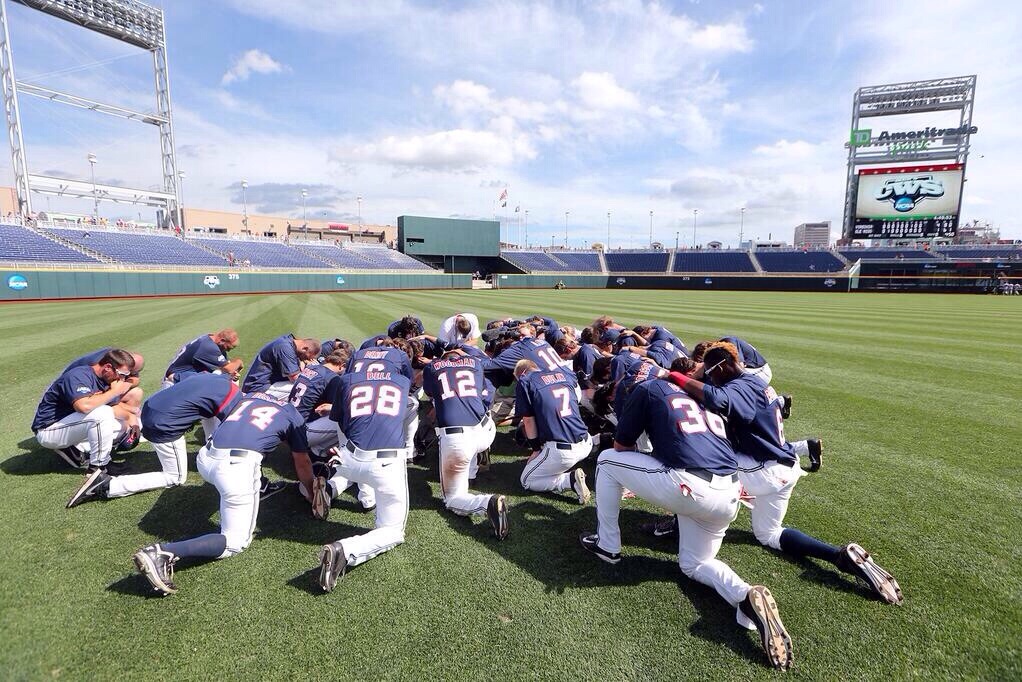
Hope can’t be hurried. Hope is like a baseball game. Once a runner gets on base, it may take several other hitters before the runner can make it home. The next hitter my strike out or be called out on first. The next may get on base and the first hitter will advance to second. And so it goes. We want a home run every time, but sometimes we must be patient. We want a grand slam every time the bases are loaded, but sometimes we are only able to hit one runner in. Hope can progress slowly. It can take time, but if you’re a fan of baseball, you know to never lose hope. God wants us to be like good baseball fans, no matter how slowly things progress, we must keep hope alive. As Children of God, hope is what abides our faith.