
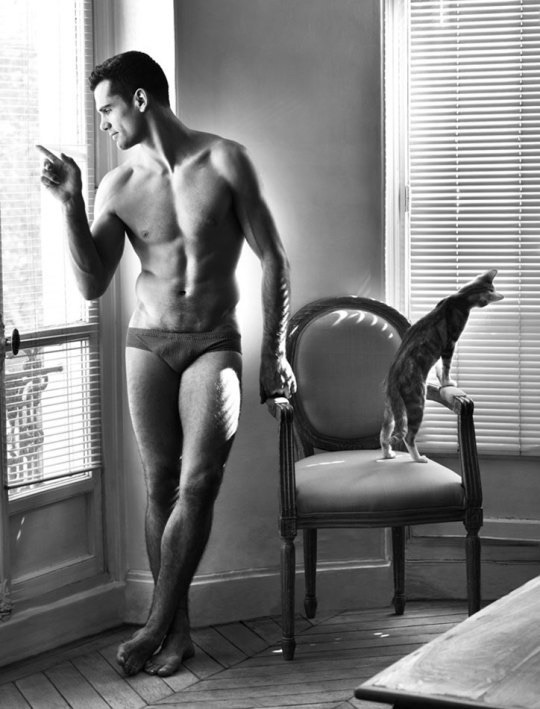
Bonus: Halloween humor
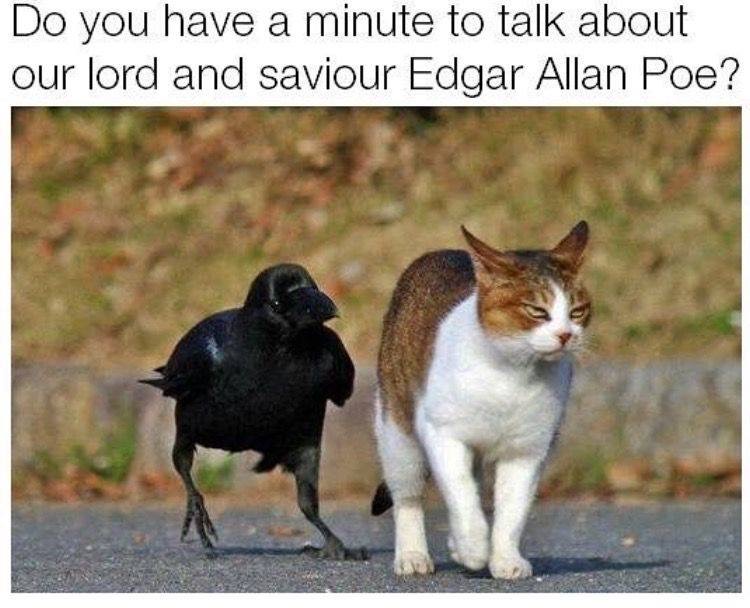
Quoth the Raven ”Nevermore”
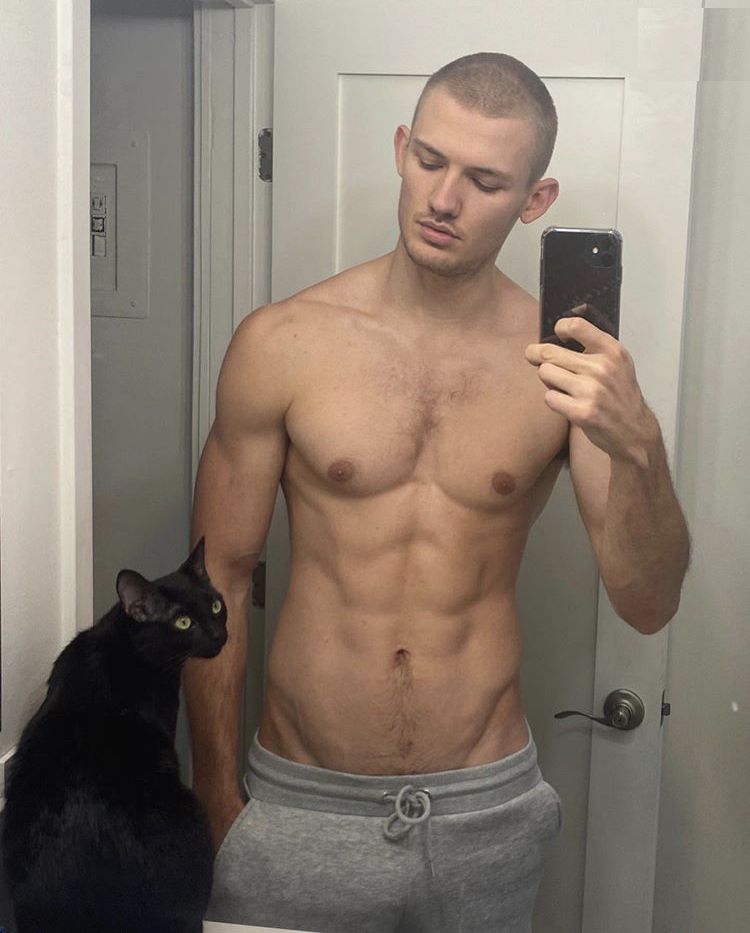
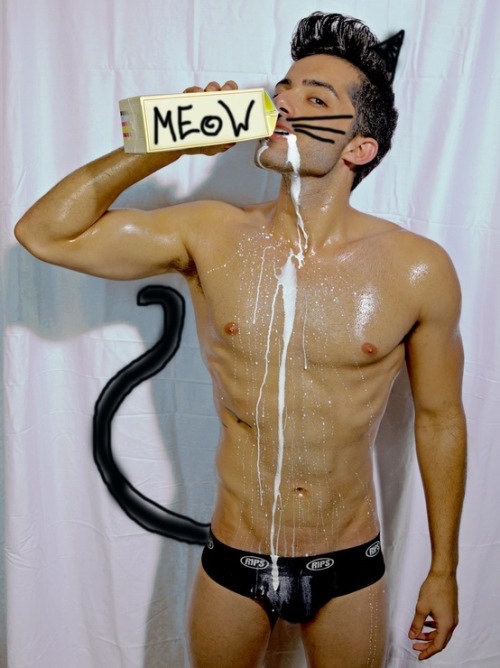
Some sexy men with black cats
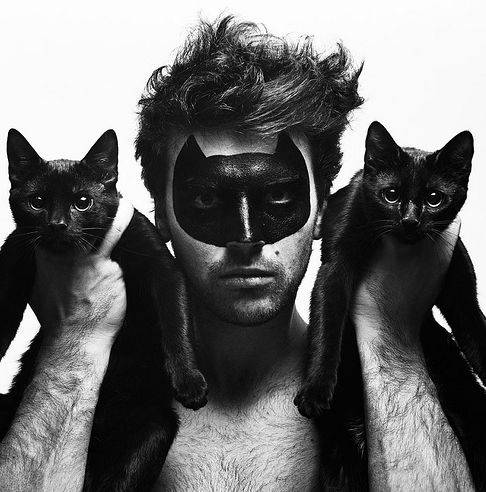
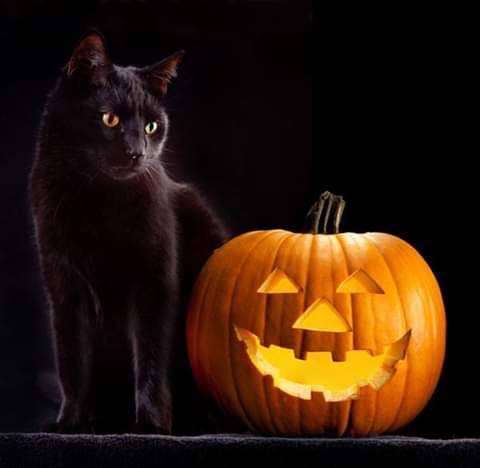
Some Halloween themed black cats
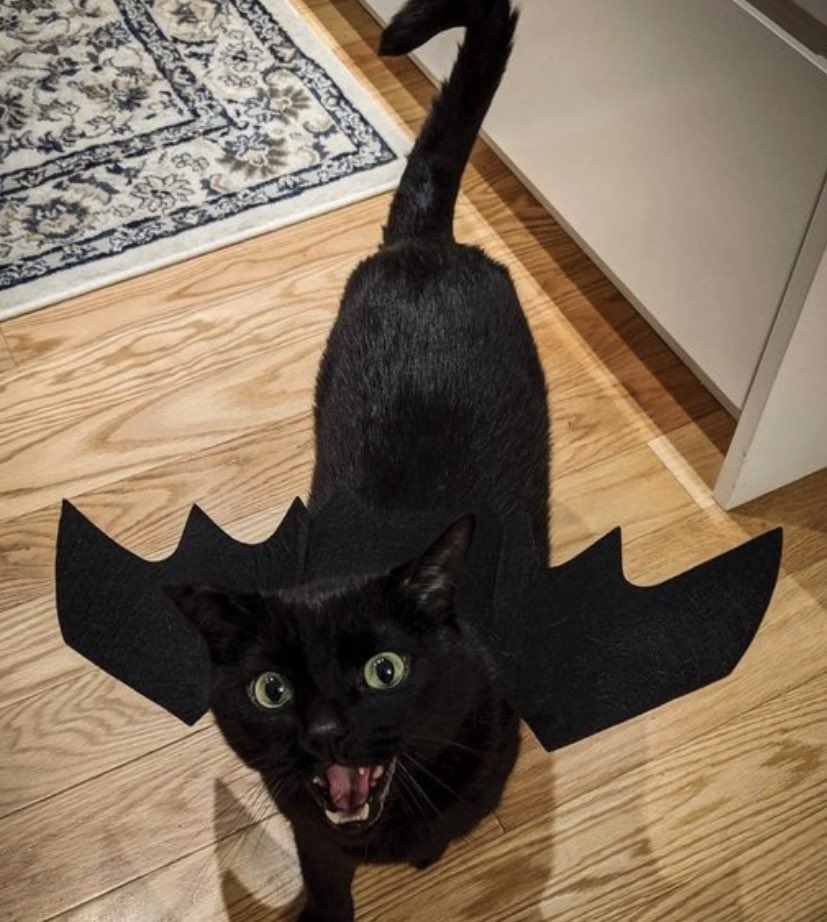
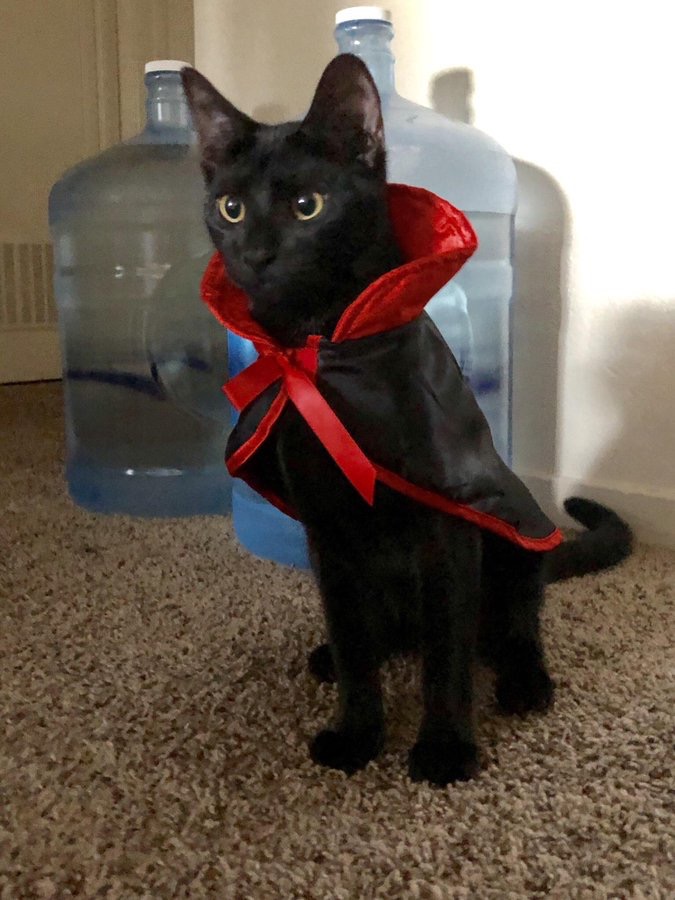
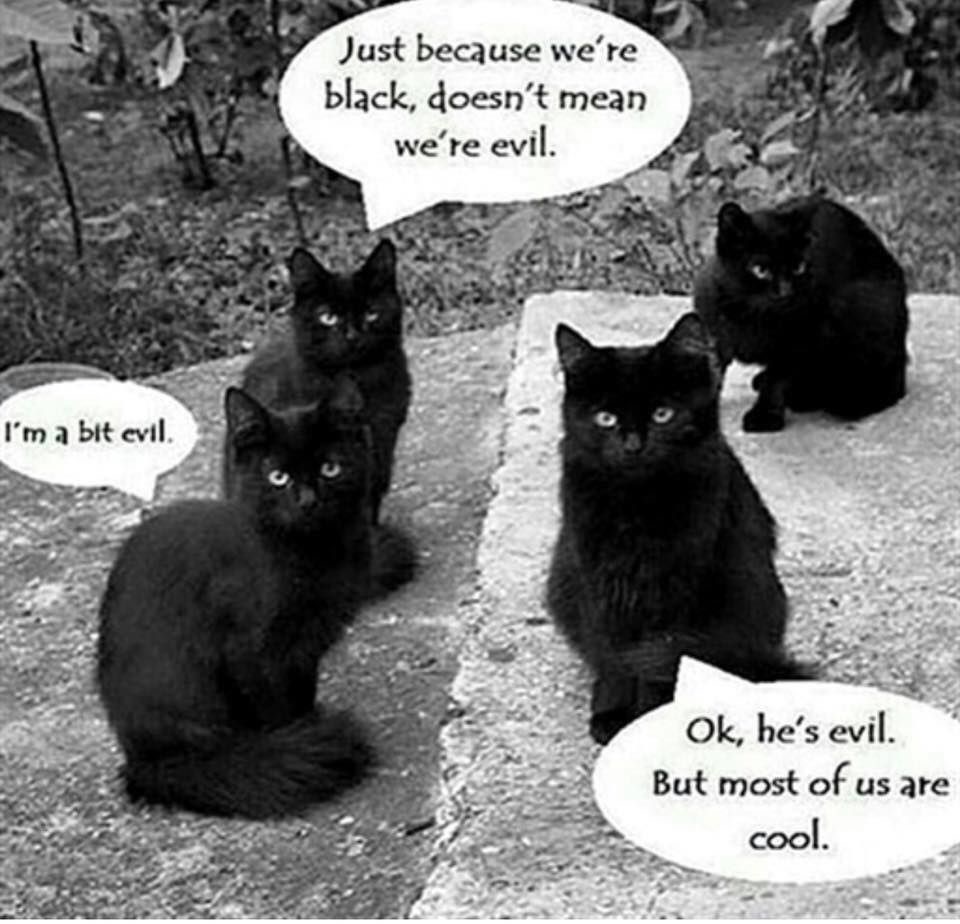
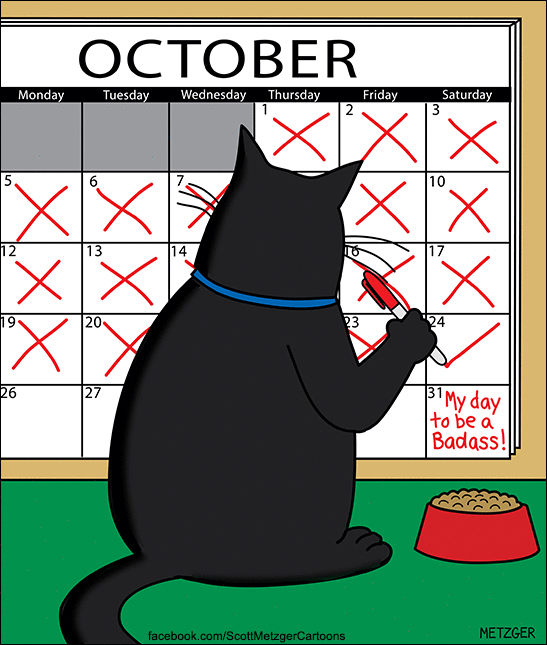
A bit of black cat humor
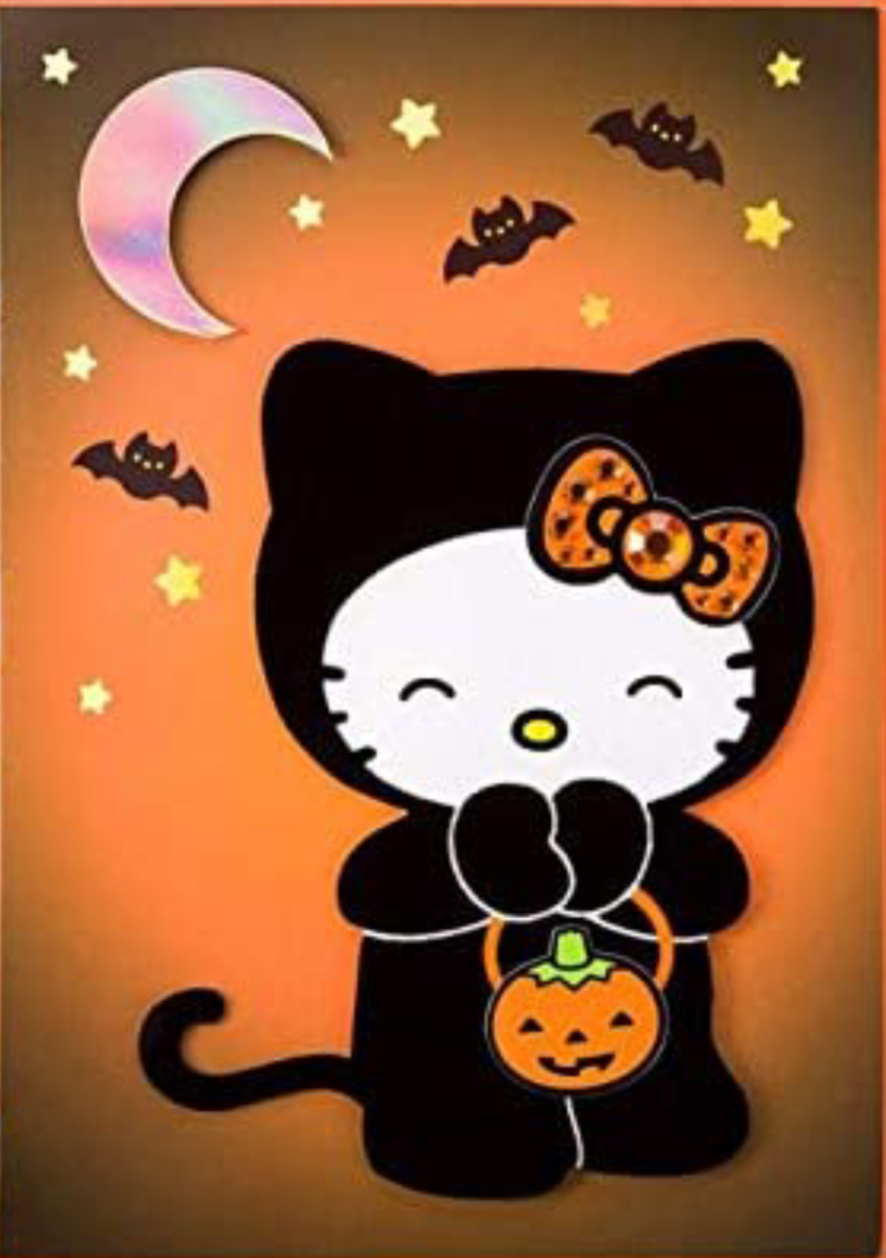
This Hello Kitty Halloween card was sent to me by my friend Susan. Isn’t it so cute?
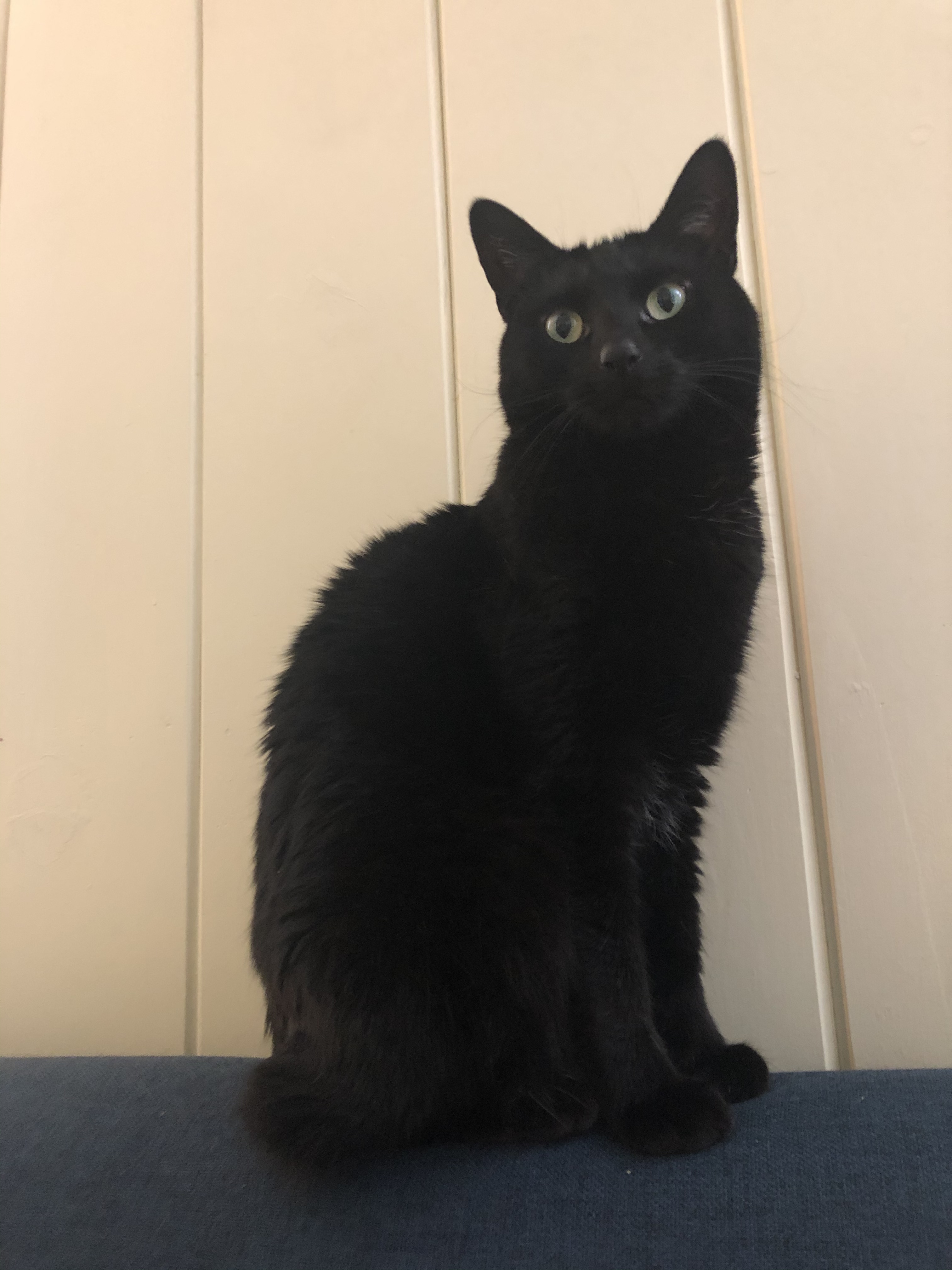
Of course, no black cat post would be complete without my beautiful Isabella.
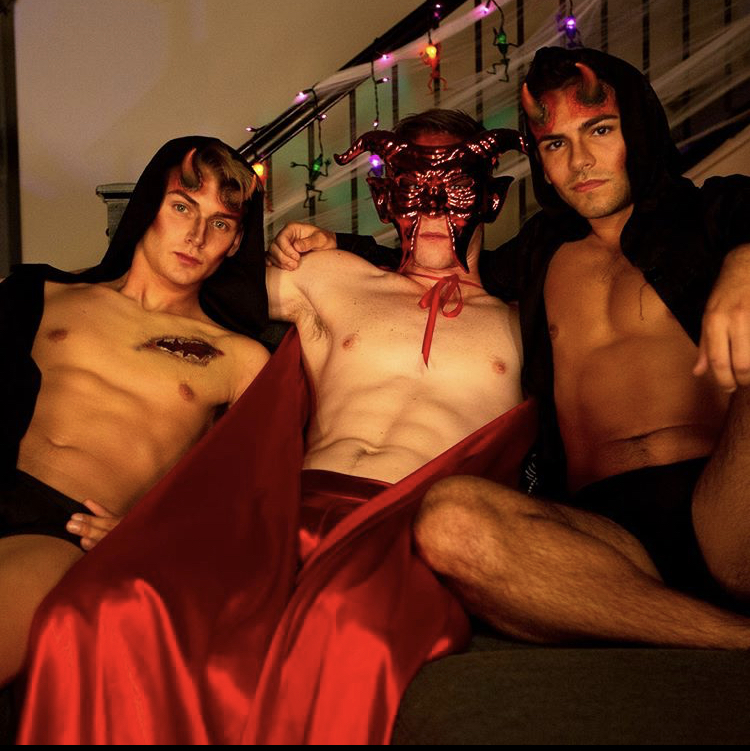
Halloween is one of my favorite holidays. I used to love going out with friends to bars or to a Halloween party. I used to host an annual Halloween party with a friend of mine. The food and snacks I’d make were legendary (LOL). When it come to Halloween costumes, they range from funny to clever and from sexy to scary. I never much cared for the scary ones, but I love a good sexy, clever, or funny costume. With costumes, it’s the one time of year when you can be anyone or anything you want, whether you are out of the closet or not. Once you’re out of the closet, then the sky’s the limit and you can be as sexy o was campy as you want.
Here are some of my favorites.

I know I’d be trying to land on RED.

Those plastic balls would not be the ones I’d be trying to dive into.
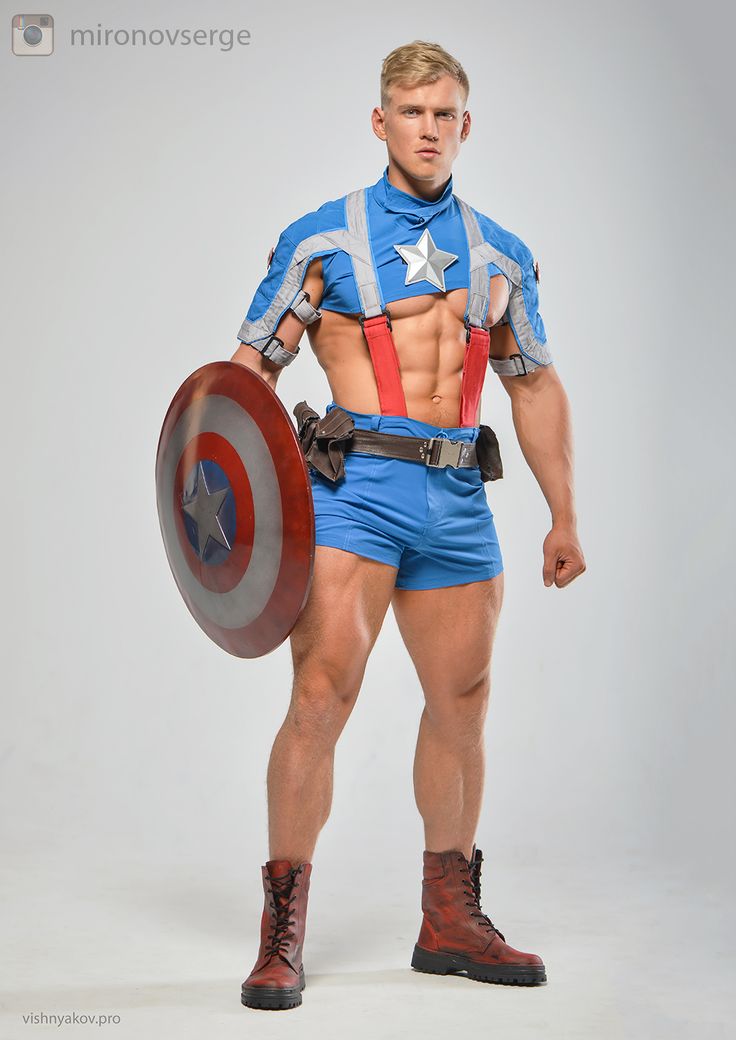
I love super hero costumes. I’ve always been partial to Superman, but Chris Evans made me a big Captain American fan.
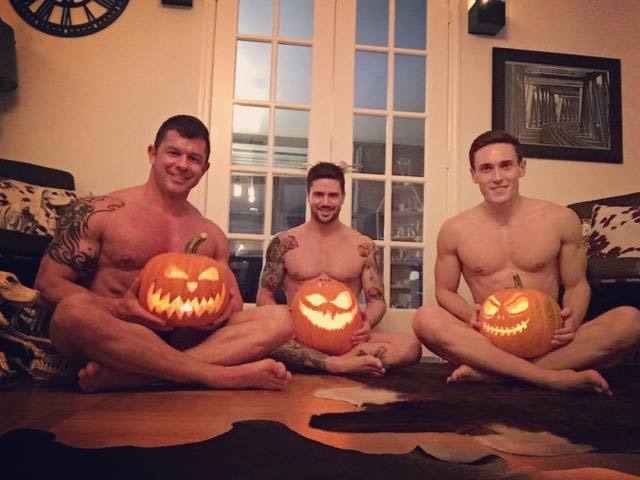
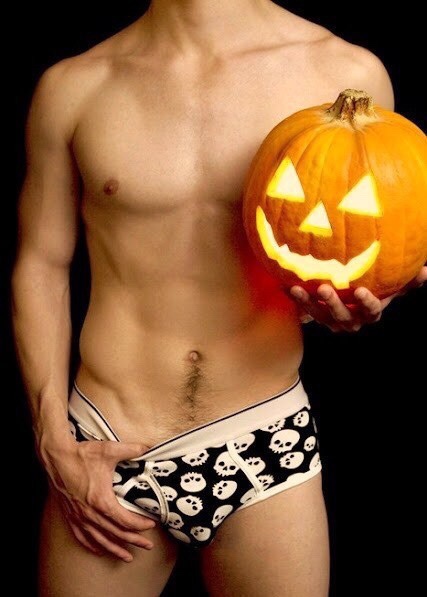
These fellas are just cute with their pumpkins. I never much liked carving pumpkins, but I’d love to watch these guys do it.
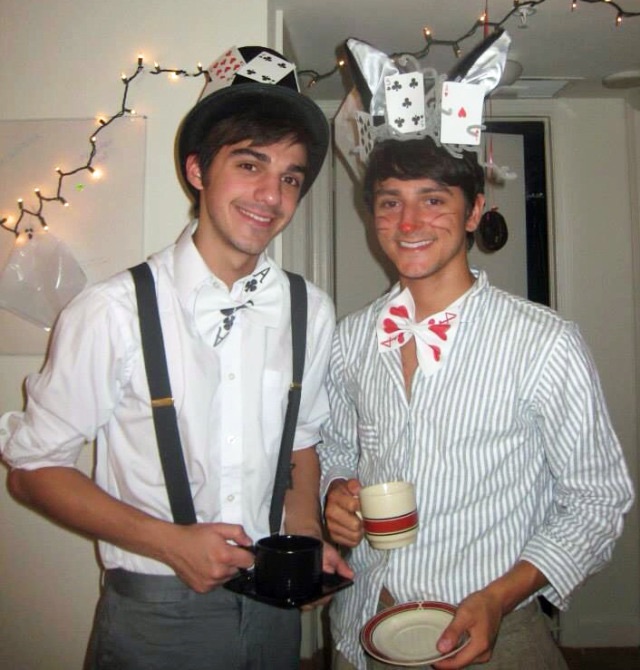
Who doesn’t love the Madd Hatter and the White Rabbit? These two are cute as a button.
When I went to write this last night, I still had a headache. This one has lasted since I had my COVID booster around 1 pm on Sunday. I’m hoping it will end soon. It looks like all of the other side effects have subsided. Anyway, I didn’t feel like writing much for today.
This Pfizer COVID vaccine booster has kicked my ass for the past two days. I developed a headache that continued to worsen from the time I got the shot. I had hoped all I’d have was a bad headache, but roughly 24 hours after I received my booster shot, I developed body aches, joint pain, fatigue, chills, and a fever. The fever only lasted a few hours, but I was miserable Monday afternoon. The side effects lasted for roughly 24 hours and then began to subside, all except the headache. I still had the headache when I went to bed last night, although it could have had as much to do with the nor’easter over the Northeast as the booster shot.
When I had my first dose of the Pfizer vaccine, I only had a sore arm. With the second dose, I had pretty bad body aches that lasted roughly 24 hours. This booster was a doozy. I say all of this because I’ve been out of commission and out of work for the past two days. Also, this was my experience and does not represent what most people seem to be experiencing. My friend Susan had no effects at all. Her arm wasn’t even sore. My arm has been sore and there is a dime sized bruise around the injection site (when I received the shot I barely felt it). I was also told by one of my healthcare providers that she had not heard of anyone having an adverse reaction to the booster shot. I only know of one person who’s had a reaction besides me.
If you’re eligible, I’d say to please get your booster. If you have not received a vaccine at all, please do so. We need this pandemic to end, and it will only end if we all get vaccinated.
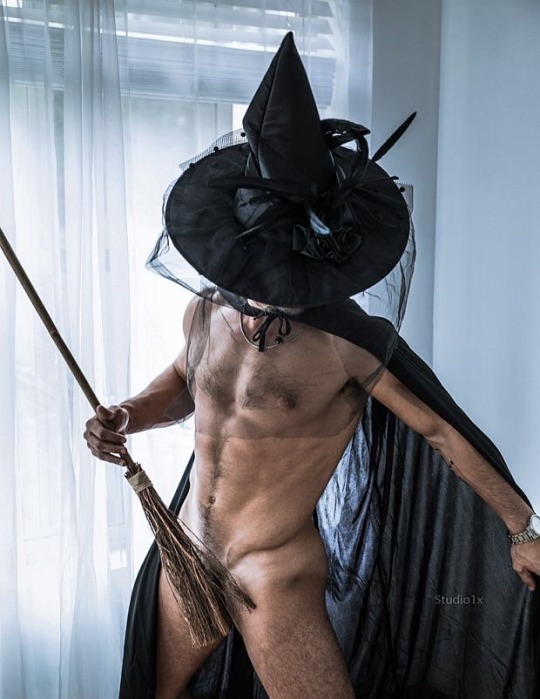
Macbeth, Act IV, Scene I
[Round about the cauldron go]
By William Shakespeare
The three witches, casting a spell
Round about the cauldron go;
In the poison’d entrails throw.
Toad, that under cold stone
Days and nights hast thirty one
Swelter’d venom sleeping got,
Boil thou first i’ the charmed pot.
Double, double toil and trouble;
Fire burn and cauldron bubble.
Fillet of a fenny snake,
In the cauldron boil and bake;
Eye of newt, and toe of frog,
Wool of bat, and tongue of dog,
Adder’s fork, and blind-worm’s sting,
Lizard’s leg, and howlet’s wing,
For a charm of powerful trouble,
Like a hell-broth boil and bubble.
Double, double toil and trouble;
Fire burn and cauldron bubble.
Scale of dragon, tooth of wolf,
Witches’ mummy, maw and gulf
Of the ravin’d salt-sea shark,
Root of hemlock digg’d i’ the dark,
Liver of blaspheming Jew,
Gall of goat, and slips of yew
Sliver’d in the moon’s eclipse,
Nose of Turk, and Tartar’s lips,
Finger of birth-strangled babe
Ditch-deliver’d by a drab,
Make the gruel thick and slab:
Add thereto a tiger’s chaudron,
For the ingredients of our cauldron.
Double, double toil and trouble;
Fire burn and cauldron bubble.
The Three Witches, also known as the Weird Sisters or Wayward Sisters, are characters in William Shakespeare’s Macbeth. They have always been one of my favorite parts of the play. I used to love teaching Macbeth and reading the witches’ parts aloud. The witches are one of the most striking and memorable aspects of Macbeth. However, many of the witch scenes in the play were most likely not written by Shakespeare at all. They were taken from another play, by Thomas Middleton, and added to Macbeth by Shakespeare’s acting company after he had died. They draw heavily on the conventional theatrical stereotypes of Shakespeare’s time, giving us witches that are sometimes scary, sometimes silly, which is how they’ve been played since then, although often directors try to make them as frightening as possible.
Shakespeare’s historical source for the events of the play, Holinshed’s Chronicles, says that the witches who appeared to Macbeth and Banquo looked like “creatures of elder world,” and that many people thought they were “the goddesses of destiny.” This is in keeping with the way the witches refer to themselves in their dialogue: they call themselves “the weïrd sisters,” where “weïrd” comes from the Old English term wyrd, meaning “fate” or “destiny.” And the primary power that the witches have in the play is indeed the ability to prophesy about what will happen in the future.
Shakespeare’s Macbeth was written not long after King James VI of Scotland became James I of England in 1603, and James’ interest in the subject of witchcraft undoubtedly influenced the play. Of all the plays that Shakespeare wrote during the reign of James I, who was patron of Shakespeare’s acting company, Macbeth most clearly reflects the playwright’s relationship with his sovereign. Scottish history and legend contain a real life King Duncan, who was really murdered by Macbeth (the real Macbeth apparently was a decent king— that wouldn’t have really worked for Shakespeare’s play though). Banquo, too, was apparently a real figure. King James claimed descendance through him, so in Macbeth, when the Weird Sisters tell Banquo that “thou shalt get [beget] kings, though thou be none,” Shakespeare was really trying to help legitimize James’s place on the Scottish throne— he was saying that Banquo’s descendants deserve to be king, therefore James has a rightful claim to the throne.
Macbeth contains many supernatural elements, including the witches. James I was an avid scholar of all things strange, weird, and superstitious. In 1597, the king published a book called Daemonologie; it was a study of witchcraft, necromancy, demons, werewolves, vampires, and all sorts of other spooky things. In fact, much of the witchcraft in Macbeth was actually taken directly from Daemonologie, probably as a form of flattery to the king himself. It goes further than that, though. Witchcraft seems to have been a real obsession of James, as he was heavily involved in a series of witch trials in 1590. James had become convinced of the danger of witchcraft when he sailed to Copenhagen in 1590 to marry Princess Anne, sister of the King of Denmark. During their return to Scotland, they experienced terrible storms and had to shelter in Norway for several weeks before continuing. The admiral of the escorting Danish fleet blamed the storm on witches. Several nobles of the Scottish court were implicated, and soon more than a hundred suspected witches in North Berwick in Scotland were arrested. Supposedly, James believed a coven of witches were trying to personally attack him, which was high treason, so James had them tracked down, forced them to confess to witchcraft, tortured them, and had them burned at the stake. So it’s no wonder that the witches in Macbeth are so demented and evil! Shakespeare wanted to make it clear that he was on the king’s side in the whole witch debacle.
This is why I love the witches in Macbeth. There is so much history and intrigue in the play, though exaggerated and twisted to fit the purposes of Shakespeare. So remember, when your standing around your cauldron this Halloween:
Double, double toil and trouble;
Fire burn and cauldron bubble.


 | iameverywhere1 on Pic of the Day |
 | noisilycool3bc985058… on Pic of the Day |
| iameverywhere1 on Pic of the Day |
 | Steven Davis on Pic of the Day |
| noisilycool3bc985058… on Pic of the Day |





As an Amazon Associate I earn from qualifying purchases. So, if you click on a link that takes you to Amazon.com, I may earn a commission.
Trust me, it isn’t much, but every little bit helps.



 The Closet Professor