Category Archives: Travel

Theories of Time and Space


Theories of Time and Space
By Natasha Trethewey

You can get there from here, though
there’s no going home.

Everywhere you go will be somewhere
you’ve never been. Try this:

head south on Mississippi 49, one—
by—one mile markers ticking off

another minute of your life. Follow this
to its natural conclusion—dead end

at the coast, the pier at Gulfport where
riggings of shrimp boats are loose stitches

in a sky threatening rain. Cross over
the man-made beach, 26 miles of sand

dumped on a mangrove swamp—buried
terrain of the past. Bring only

what you must carry—tome of memory
its random blank pages. On the dock

where you board the boat for Ship Island,
someone will take your picture:

the photograph—who you were—
will be waiting when you return

I’ve never been further north on U.S. Highway 49 than Jackson, Mississippi, but I have driven the stretch from Jackson to its beginning in Gulfport, Mississippi, too many times to count.  North of Jackson at the junction of US 49 and U.S. Route 61, was where blues singer Robert Johnson is said to have sold his soul to the Devil.  But it is Gulfport that I am more familiar with because it used to be a short drive down to the beach when I wanted to get away from the stresses of graduate school. I’ve walked those man-made beaches and taken the boat out to Ship Island to see Fort Massachusetts.  If you are ever in Gulfport, or on the Mississippi Gulf Coast for that matter, you’ll probably be there for the casinos, but you really should go out to Ship Island and take a picnic lunch, explore the fort, and lounge on the beach on the south side of the island.  

The first time I went to Ship Island, I remember standing on top of Fort Massachusetts and feeling history come alive.  Having the only deep-water harbor between Mobile Bay and the Mississippi River, the island served as a vital anchorage for ships bearing explorers, colonists, sailors, soldiers, defenders and invaders. The French, Spanish, British, Confederate and Union flags have all flown over Ship Island.  French explorer Pierre Le Moyne d’Iberville charted Ship Island on 10 February 1699, which he used as a base of operations in discovering the mouth of the Mississippi River. The island served as a point of immigration to French colonies in the New World.

In the War of 1812, Admiral Sir Alexander Cochrane anchored between Ship Island and Cat Island with a fleet of fifty British warships and 7,500 soldiers in preparations for the Battle of New Orleans and the island was used as a launching point for British forces.  I remember standing on top of Fort Massachusetts and it was almost like I could see the fifty British warships as they prepared to attack New Orleans nearly 200 years before.  It was one of those magical moments historians sometimes have.  We are standing in a historical place and suddenly we are transported back to a significant moment.  The present world disappears and the world of the past emerges before your eyes.

“Everywhere you go will be somewhere you’ve never been.”  So if you ever find yourself in Jackson, Mississippi, try heading down U.S Highway 49 through Hattiesburg and past the beautiful campus of the University of Southern Mississippi down to the Mississippi Gulf Coast, hop on the boat out to Ship Island and let another world take you over. 

Come Out to the National Parks 

The National Park Service is encouraging LGBT Americans to come out and visit the more than 400 parks overseen by the federal agency.  The latest move by the park service to engage the LGBT community is part of the new Find Your Park initiative, launched recently in conjunction with the National Park Foundation.

Gay and lesbian park service employees and lesbian singer Mary Lambert, one of several celebrity centennial ambassadors for the initiative, are helping to spread the inclusive invite as part of the new public awareness and education campaign celebrating the milestone centennial anniversary of the National Park Service in 2016.

I’ve always loved the National Parks, and once considered joining. The National Parks Service as a historian.  When I was a kid, my family would go camping at least once a year at the Gulf Islands National Seashore at Ft. Pickens near Pensacola.  We would also often go in the summers to the Great Smokey Mountain National Park and stay in either Pigeon Forge, Tennessee, or Cherokee, North Carolina.  I learned so much at these National Parks and Ft. Pickens was one of the major reasons for my love of history.  The beauty of the National Parks is unmatched anywhere, and they deserve to be celebrated.

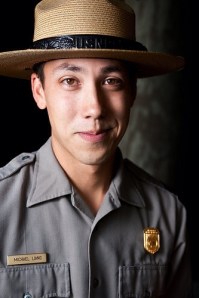
A video featuring gay park ranger Michael Liang, a visual information specialist at Santa Monica Mountains National Recreation Area in Southern California shows him jogging through Cheeseboro Canyon off the 101 where he runs prior to heading to work.  Liang noted that parks allow visitors to “slow down” their minds and “notice” the beauty of the outdoors.  “All you have to do is get up, get out there, and find your park,” said Liang.
Liang, 29, explained that the park service is looking to create the next generation of park supporters and advocates with the campaign.  “If you look at who we traditionally attracted, it was upper middle-class families,” noted Liang, who grew up in Michigan and started with the park service as an intern in 2004. “The parks are funded by the taxpayers, so it is really important we represent the diversity of the country and the population.”

Through the Find Your Park’s website, http://www.findyourpark.com/, any visitor can upload their own video talking about their love for America’s protected spaces or an individual park site that is of particular interest to them.  “It is a digital platform to share your stories. We invite the public to share their favorite national park stories or how they want to envision what the park service looks like,” said Liang. “It is a great way for LGBT people to share why it is important to them or what we can do to make them more relevant to our community.”

Responsible for the marketing materials of the park where he works, Liang said he is mindful of using photos that show a diverse array of visitors. He is working on a series of posters aimed at inspiring Los Angeles residents to visit the Santa Monica Mountains west of the city.  “I take personal responsibility to ensure the people depicted in those photos reflect the diversity of L.A., for example, having two men holding hands watching the sunset in the Santa Monica Mountains,” said Liang, who came to the park last June from Philadelphia where he worked in the park service’s regional office for the Northeast. “I am still discovering our park. By June my challenge is to identify LGBT historical figures with our park. It will be perfect timing to start digging into those stories.”

One way the parks can attract LGBT visitors, said Liang, is through the programming sites offer guests. He pointed to the Bay Area’s Rosie the Riveter/WWII Home Front National Historical Park on the waterfront in Richmond, which has sought to capture the stories of LGBT people who either worked in the East Bay shipyards during the war or were service members who embarked from Bay Area military bases for combat in the Pacific Rim.

“How we can attract LGBT visitors is through creating national park sites that tell the story of our community,” said Liang, who is hopeful that one day there will be an LGBT-specific national park site. “While there currently isn’t one yet in the system, there is the theme study looking at LGBT sites.”

In January 2014 the B.A.R. broke the news that the park service had teamed with Megan E. Springate, who identifies as queer and is seeking a Ph.D. in archaeology at the University of Maryland, to oversee a National Historic Landmark LGBTQ Theme Study and proposed framework.  As part of the project, the park service is seeking nominations of places important to the country’s LGBT community for inclusion on the National Register of Historic Places or to be designated as a National Historic Landmark. Both are considered important first steps that could lead to the properties one day becoming national park sites.

According to park service officials, only five properties in the country have been granted some form of federal historic preservation recognition specifically due to their relationship to LGBT history. There are four sites presently included in the National Register of Historic Places and one – New York City gay bar the Stonewall Inn – listed as a National Historic Landmark. The second landmark, the Chicago home of gay rights pioneer Henry Gerber, should be finalized later this year.

Last month the National Park Service released a seven-page document listing various ways members of the public can assist with its LGBTQ Heritage Initiative. Steps people can take run the gamut from proposing landmark-worthy sites to creating LGBT-themed tours of historic districts.

“The National Park Service has just released a document that brings together the many ways that people across America, regardless of identity, location, or how much time they have, can participate and engage with the initiative,” Springate wrote in an email to members of the Rainbow Heritage Network, a group for LGBT history advocates. “These include sharing information about places important to your community, spreading the word, visiting historic places, and writing nominations or nomination amendments for the National Register of Historic Places or National Historic Landmarks programs.”

The document can be downloaded online at http://www.nps.gov/history/heritageinitiatives/LGBThistory/GetInvolved.pdf


Moment of Zen: True Bliss 

IMG_0540

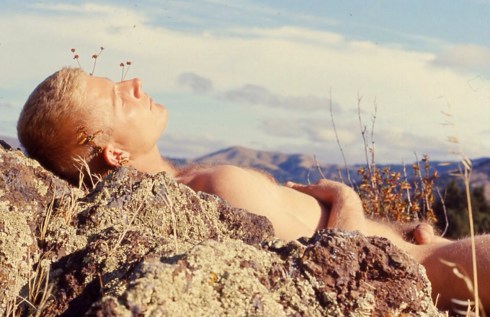
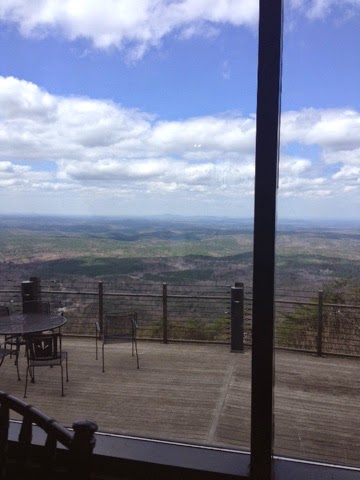
Often, my MoZ for the week is a picture that I think is sexy or puts a smile on my face or something that I just enjoy.  It’s meant to be a picture that brings a brightness to my day and yours.  This week, though, I had a true Zen moment.  It was a moment of peace and tranquillity, of happiness and contentment.  Actually there were several this week with my boyfriend: eating dinner in a restaurant at the top of a mountain with an incredible view, hiking trails and looking at the scenic beauty of Alabama, cuddling together and watching a movie, or sitting outside on a beautiful evening watching the sunset.  There were many other moments of intimacy that I will leave to your imagination. However, the true moment of Zen, that true bliss, came as I was laying next to my boyfriend, my head on his chest, and I realized in that moment I didn’t have any pain (not even the minimum trace of a headache), I was happy and content (no depressive thoughts), and I was in the arms of someone I really care about and want to be with as much as possible.
 
It really was the best week.  I’m still experiencing some residual headaches, but they are less and less and there is more time between attacks.  It’s no longer constant.  I still have points when I’m sad, but it’s because of something, such as saying goodbye to my boyfriend and not getting to see him for a few days.  The amazing thing is that the pain is no longer constant nor is the depression.  I’m beginning to see real relief and that’s a moment of Zen in itself.
 
I think this is the most I’ve ever said in an MoZ post before, but this MoZ was not about the picture, but the moment, though I think I found a pretty good picture to illustrate it.
 
The view from the restaurant.
 
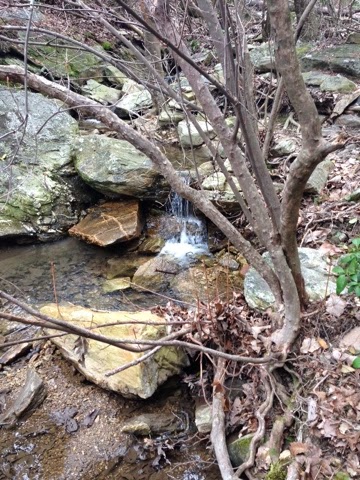
A very small waterfall on a stream by the hiking trail.
 
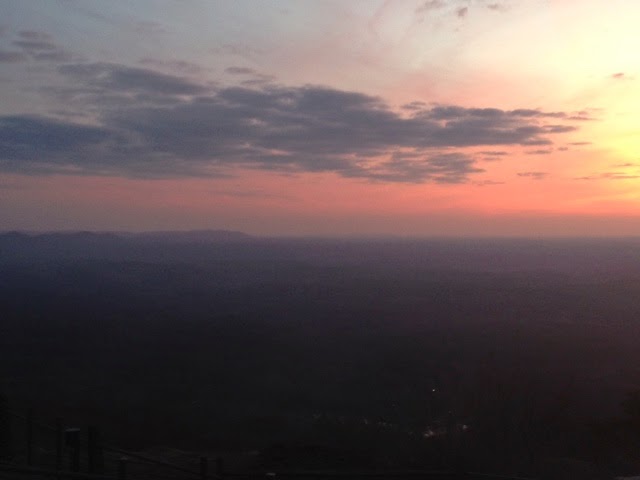
An Alabama sunset at its most beautiful. 


The Beauty of Nature


Yesterday, we did some hiking and had a wonderful time checking out small streams and waterfalls and enjoying the scenery.  Mostly, we have just enjoyed being with one another and being kind of lazy.  It’s spring break and teachers need the rest and relaxation much more than the kids.  We have to have the strength to forge ahead through the last few months at school and make sure that the students don’t give up too quickly or easily.

I’ll be heading home later today.  It’s been a wonderful trip.  I haven’t had much internet access up here on the mountain, which is the reason for the short posts.

A quick health update:  the new antidepressant seems to be working well and my body is adjusting.  Also, the medicine for my cluster headaches seems to be working.  As I’m typing this, I unbelievably am not experiencing any pain.

Hiking


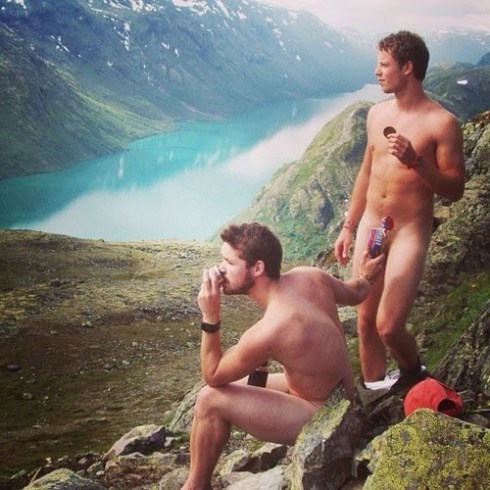
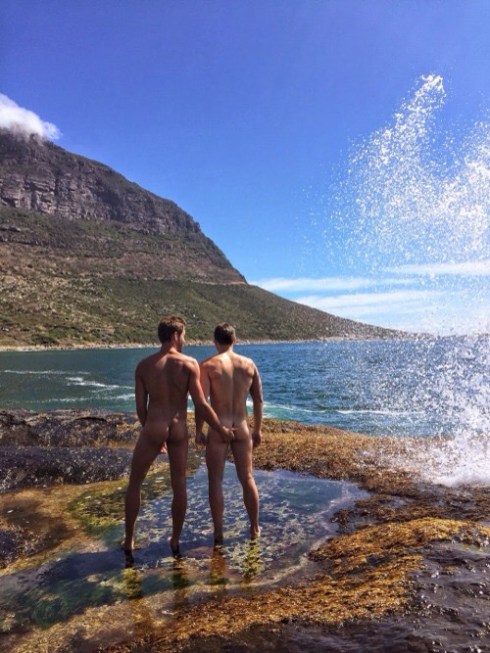
Hiking is our plan for the day, but we will be wearing more clothes.  I liked this picture though.  It reminds me of spring break shenanigans, but in the mountains like I’m doing for spring break.  I wouldn’t mind coming across these two on the hiking trail.


Spring Break

Spring break is here.  No children for a week, then two months until summer.  I am so excited.  This has been a trying year at school, and I’m ready for it to be over.  Spring break always give the teachers the needed rest to persevere through the final two months of school;  spring break always seems to signal the end of the year for students. They think their work is done, but we have plenty more to do.
 
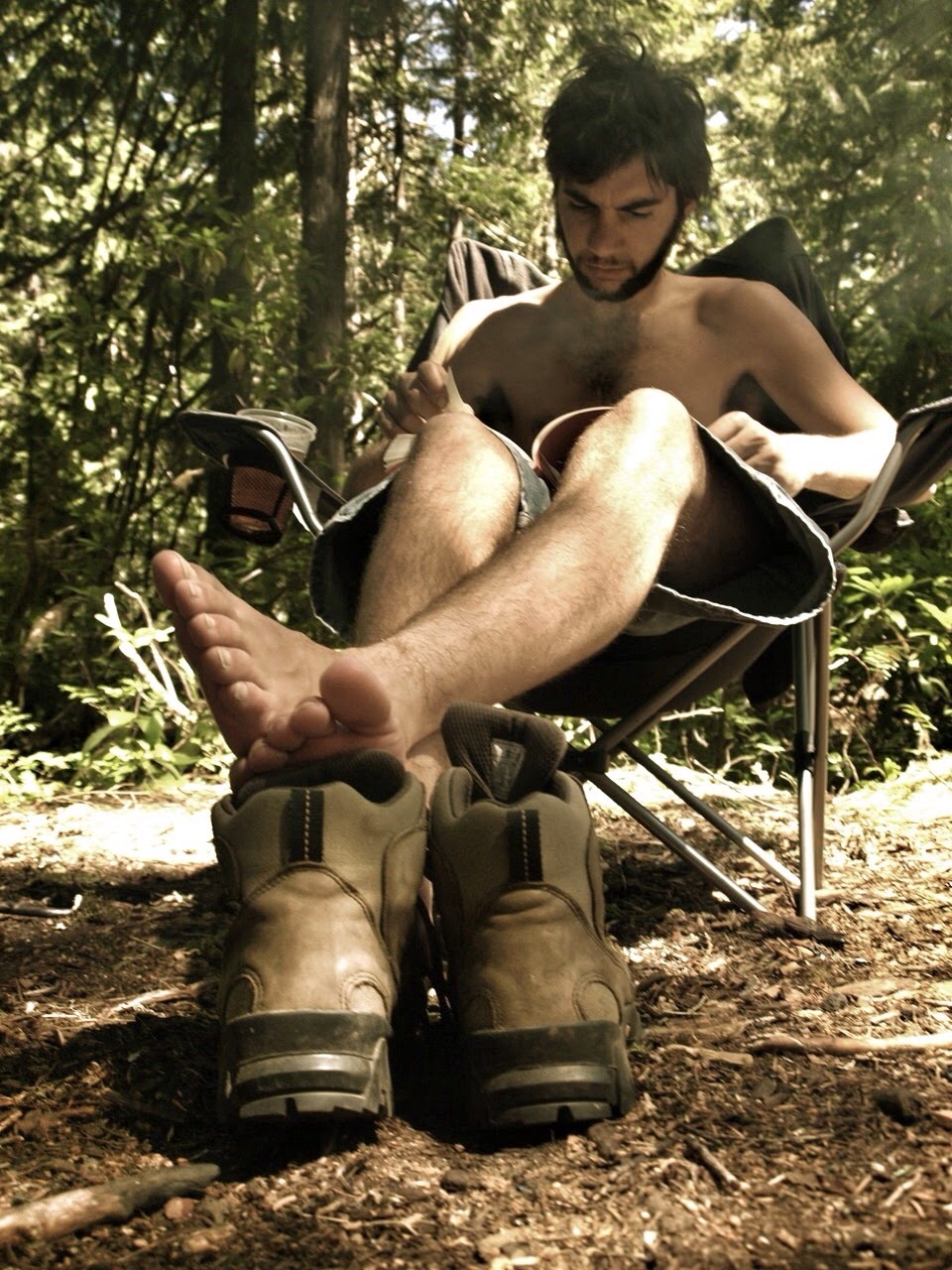
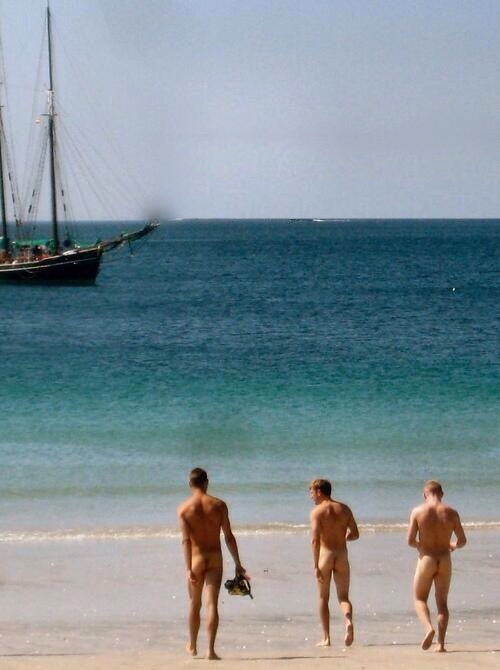
So you might ask what I am doing for spring break, well the above picture is NOT a hint, but a dream.  I’d love to find a semi-secluded beach and spend my week reading, soaking up the rays, and drinking coffee in the morning and tropical drinks all day, but kids are always at the beach for spring break and I want as far away from them as possible.
 
My boyfriend is therefore taking me hiking in the mountains of Alabama.  Yes, we do have mountains in Alabama, they just aren’t very tall and they make up the most southern point of the Appalachain Mountains.  It’s a three day, two night trip, but most of all, I get to spend that time with my boyfriend.  Maybe he will even pamper me a little bit.  The local restaurant on the mountain we are staying on serves local wines, muscadine and grape, which I’m looking forward to sampling.  I’m really not supposed to drink alcohol with my cluster headaches, but hopefully the new medicines I’ve been prescribed will help.  The real tricky part is going to be surviving the side effects of the prednisone dose pack my doctor has me taking.  Hopefully, the fresh clean air of the mountains will also help.

IMG_0357-0


Rome at the Pyramid of Cestius Near the Graves of Shelley and Keats

IMG_9100.JPG

Rome at the Pyramid of Cestius Near the Graves of Shelley and Keats (1887)
By Thomas Hardy

Who, then, was Cestius,
And what is he to me? –
Amid thick thoughts and memories multitudinous
One thought alone brings he.

I can recall no word
Of anything he did;
For me he is a man who died and was interred
To leave a pyramid

Whose purpose was exprest
Not with its first design,
Nor till, far down in Time, beside it found their rest
Two countrymen of mine.

Cestius in life, maybe,
Slew, breathed out threatening;
I know not. This I know: in death all silently
He does a kindlier thing,

In beckoning pilgrim feet
With marble finger high
To where, by shadowy wall and history-haunted street,
Those matchless singers lie . . .

–Say, then, he lived and died
That stones which bear his name
Should mark, through Time, where two immortal Shades abide;
It is an ample fame.

The Protestant Cemetery of Rome, now officially called the Cimitero acattolico (“Non-Catholic Cemetery”) and often referred to as the Cimitero degli Inglesi (“Englishmen’s Cemetery”), is located near Porta San Paolo alongside the Pyramid of Cestius, a small-scale Egyptian-style pyramid built in 30 BC as a tomb and later incorporated into the section of the Aurelian Walls that borders the cemetery. The presence of Mediterranean cypress, pomegranate, and other trees, and a grassy meadow suggests the more naturalistic landscape style of northern Europe, where cemeteries sometimes incorporate grass and other greenery. As the official name indicates, it is the final resting place of non-Catholics including but not exclusive to Protestants or British and Americans. It contains the graves of many Orthodox Christians, Jews, Muslims and other non-Christians. It is one of the oldest burial grounds in continuous use in Europe, having started to be used around 1716.

The Cimitero Acattolico di Roma contains possibly the highest density of famous and important graves anywhere in the world. It is the final resting-place of the poets Shelley and Keats, of many painters, sculptors and authors, a number of scholars, several diplomats, Goethe’s only son, and Antonio Gramsci, a founding father of European Communism, to name only a few.

When you visit this cemetery in Rome, one of the first sites you see is the Pyramid of Cestius. I have to admit, the Protestant cemeteries in Rome and Florence were two of the highlights of my research trip to Italy several years ago. Not only are cemeteries a great source of research, but also the gravestones are often more than just markings for the dead, but works of art. One of those pieces of art is the Angel of Grief, an 1894 sculpture by William Wetmore Story which serves as the grave stone of the artist and his wife Emelyn Story. The grave is now used to describe multiple grave stones throughout the world erected in the style of the Story stone.

IMG_9099.JPG

If you are ever in Rome, you really should visit the Cimitero Acattolico di Roma.


The Powers That Be

20140731-233314-84794652.jpg
We finally arrived in Dallas yesterday. Let me tell you that first of all, it’s a long drive from Alabama to Dallas, even when it’s split into two days. Once in Dallas, we checked into our hotel, which was far nicer than we expected, then we headed to the Dallas Museum of Art. The DMA has live jazz every Thursday and is open until 9 pm.

20140731-233400-84840452.jpg
Saxophonist and composer Ron Jones led an ensemble of players performing his original compositions and other arrangements of jazz standards. So along with seeing the amazing exhibits at the DMA, we were able to enjoy live music as we walked through the museum.

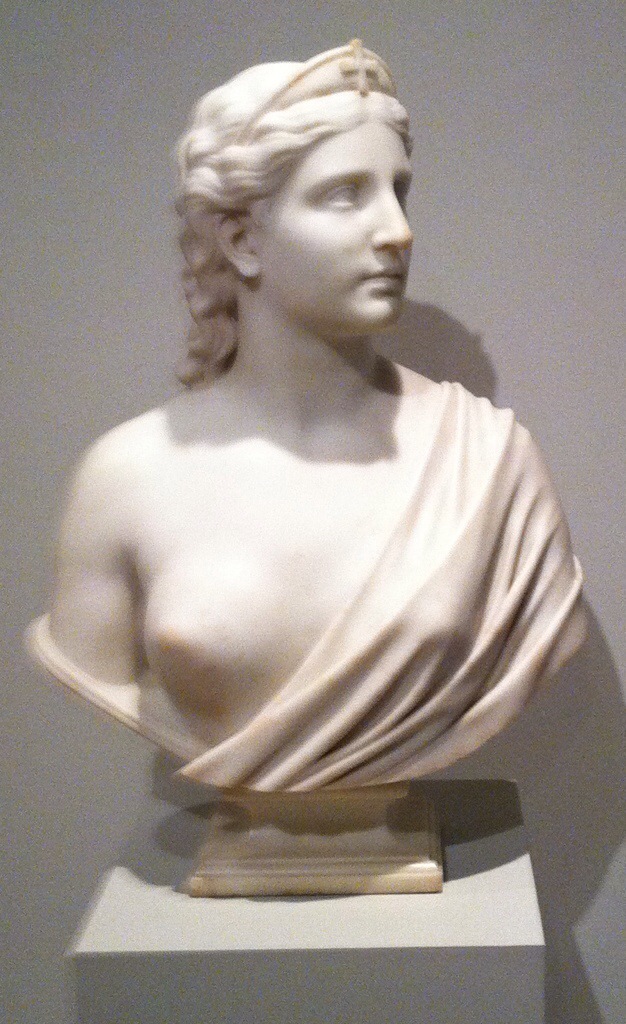
The highlight if my visit to the DMA was seeing the two busts sculptured by Hiram Powers. Powers is a subject of research for me, and I made a pilgrimage to his grave in Florence, Italy, while conducting research at the small English Cemetery of Florence and it’s library.

Hiram Powers epitomized the mid-nineteenth century American artist who, possessing extraordinary technical skill, worked in the predominant neoclassical style. Aided by a wealthy patron, Powers was sent to Washington, D.C. where he sculpted portraits of many government officials, including John Marshall, Daniel Webster, and Andrew Jackson. Later he moved to Italy, where he settled in Florence and established a studio with the assistance of another American sculptor, Horatio Greenough.

20140731-233446-84886589.jpg

Powers’ two most famous sculptures age Greek Slave and Fisher Boy. He produced numerous busts in his lifetime, two of which are on display at the DMA: Faith and America.

20140731-233538-84938237.jpg

20140731-233536-84936894.jpg

Powers’ talent for reproducing a likeness led to a straightforward naturalism that was to remain the basis of his style. Although he later turned to more “idealized” or allegorical works such as “Faith,” “America,” and “Eve Disconsolate,” Powers’ naturalistic approach to his subject matter was perfectly suited to the aesthetic of the time.

20140731-233704-85024996.jpg

The bust, “Eve Disconsolate,” has an interesting story to it. All but maybe four busts by Hiram Powers have a known home such as “Faith” and “America” at the DMA. However, “Eve” had been lost for about 100 years. No one knew where her bust had gone. In 1998, the City of Birmingham, Alabama began to renovate the Alabama Theater located downtown. In the process of restoring the grand theater to its former glory, they were cleaning the bust of the “Lady of the Theater” as she was called. When someone looked at the back of the bust they realized that carved into the back was “H POWERS” and someone recognized the name. It was then that they realized this was “Eve Disconsolate,” one of the missing busts of Hiram Powers. They chose to move the bust from the Alabama Theater where it had been largely neglected since the 1930s to the Birmingham Museum of Art where it resides today.

“I see art as the vehicle of nature and the artist as the collector of nature’s truths and beauties.” Hiram Powers, 1850, in Richard P. Wunder, Hiram Powers.


Traveling

20140731-012152-4912247.jpg

Most of the day yesterday was spent in the car either riding or driving. I came home from Six Flags just to get back in the car and drive to West Monroe, Louisiana, the first leg of our trip to Dallas. We got settled in our hotel room at 1 am. I’m beyond tired. Tomorrow, we will drive the rest of the way to Dallas, another 4.5 hours away.


Holy Sarsaparilla, Batman!

20140729-234205-85325938.jpg

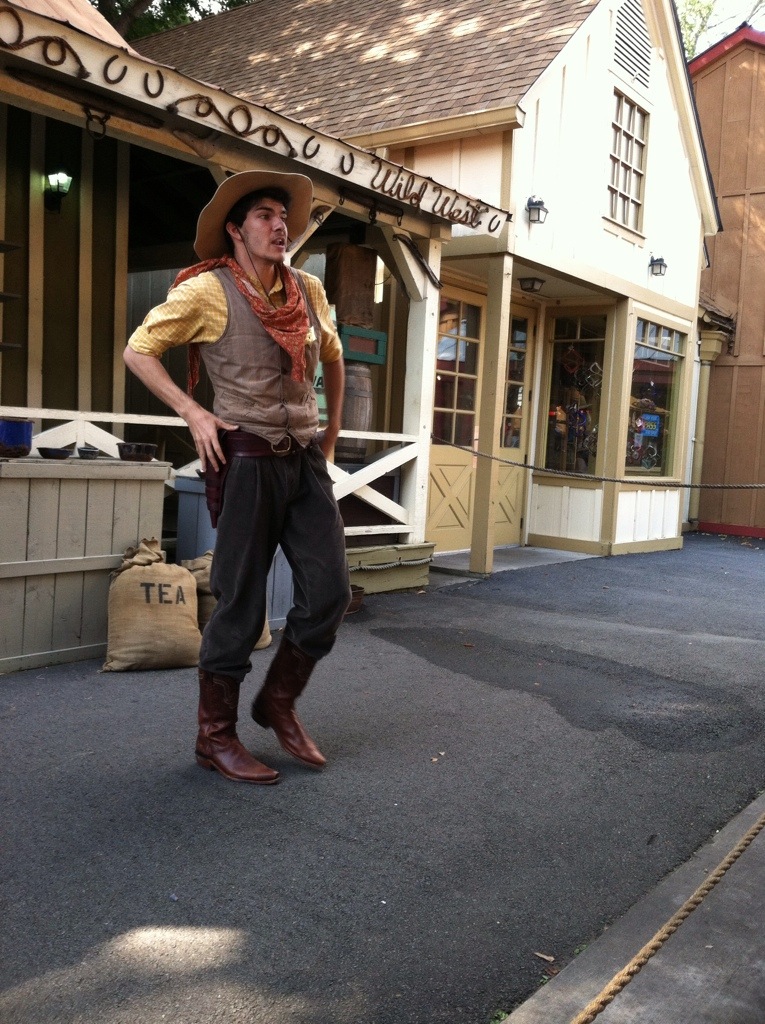
Six Flags Over Georgia has about six different themes to it. There is the Wild West area (Lickskillet), the British area, the American area, the Bugs Bunny area, and the Gotham City area. Most of them don’t stand out a lot from one another, but the Bugs Bunny area is for small kids, the Gotham City had all Batman themed rides and venues, and the Wild West of course had a western theme. Each area also plays different music to match the theme. The Wild West played country music the whole time, and pretty good country music at that.

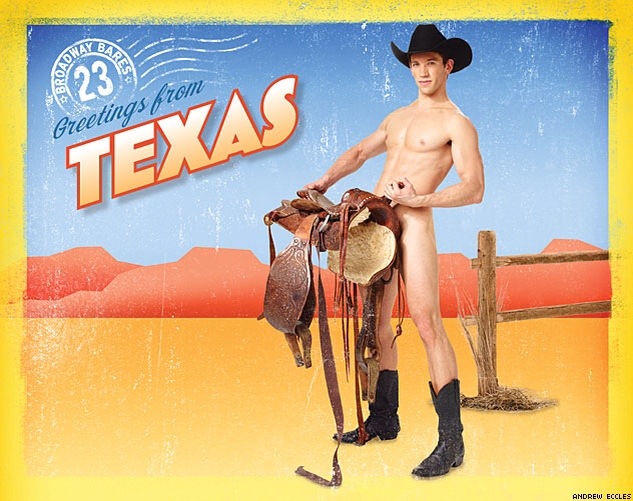
I enjoyed the Wild West part of the park, mainly because they had a cute little Wild West comedy show. The humor was goofy and fun with a mixture of modern references with some older references too. The sheriff pictured above was a cutie pie. He had a great smile and a fun personality. He put on a really good show along with his deputy and the bad guy.

When we first got there we decided we wouldn’t do the Flash Pass which puts you at the head of the line, but it only took one long line until we decided otherwise. It was $30 per person but more than worth it. We got to ride a lot more rides that way. My only complaint would be that the Flash Pass should work for the food lines also. The venue where we had lunch was supposed to have a staff of 30 workers and they only had 7 working in there. We stood in line for over an hour for a (halfway) descent cheeseburger. If you are a rollercoaster junkie, then the Flash Pass is truly worth it. We didn’t ride many rollercoasters, but the Flash Pass did get us in and out quickly.

We were exhausted when we got back to the camper. My feet were killing me. Next time I walk that much, someone needs to be there to rub my feet. Any volunteers?